Have you ever stopped to think about the humble potato—how it conquered continents, fed empires, and shaped cuisines from Peru to Poland? It’s more than just a side dish. The potato is a symbol of resilience, innovation, and adaptability. On International Day of Potato, we celebrate not just a food staple, but a botanical marvel with a backstory as rich and textured as its soil-stained skin. Get ready to dig deep into the science, history, and fascinating quirks of the world’s most versatile crop—a plant that’s been quietly rewriting the rules of agriculture and survival for centuries.
The Surprising Origins of the Potato
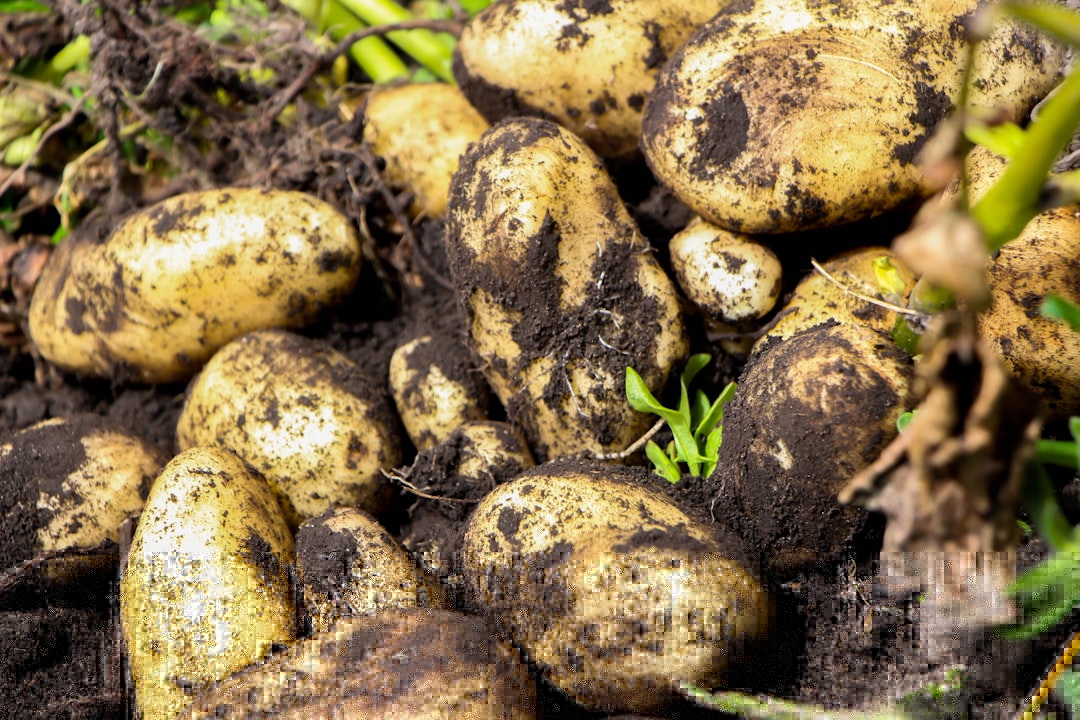
The story of the potato begins high in the Andes mountains, thousands of years ago. Wild potato species first caught the attention of indigenous farmers who noticed their knobby tubers thriving in rocky soils where little else grew. These early cultivators, using a mix of intuition and trial-and-error, domesticated the potato into a reliable food source. Imagine the patience it took: selecting the plumpest tubers, replanting them, and gradually coaxing out traits like improved taste and better storage. Today, scientists can trace the genetic roots of all modern potatoes right back to these ancient Peruvian and Bolivian fields. The potato’s journey from wild plant to world staple is a testament to human ingenuity and the power of nature’s hidden treasures.
Botanical Anatomy: What Makes a Potato a Potato?
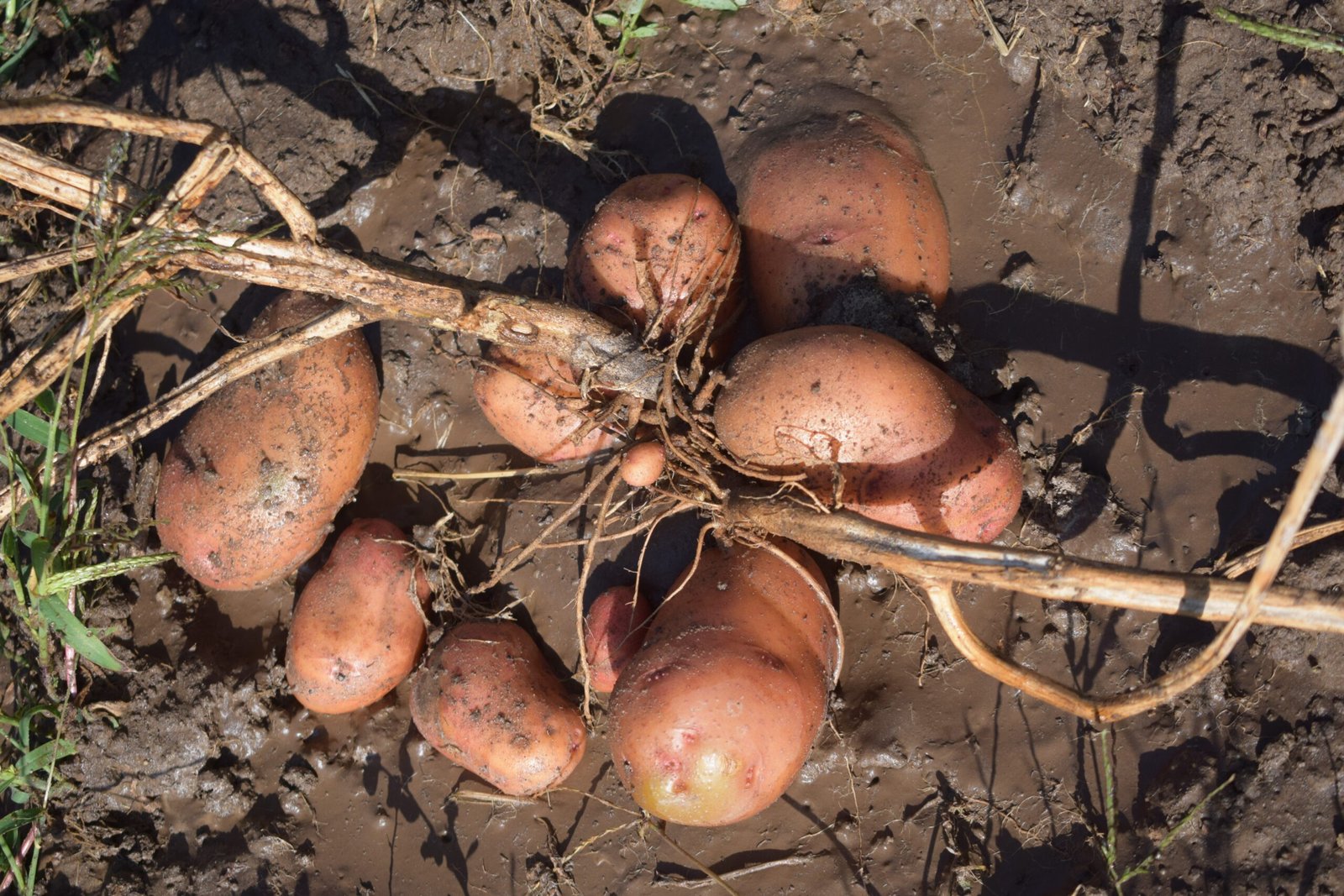
Potatoes might look simple, but their biology is full of surprises. Unlike most vegetables, the edible part is not a root but a tuber—an underground stem. This tuber acts as a storage unit, packed with starches and nutrients to help the plant survive harsh conditions. Above ground, the potato plant displays delicate white or purple flowers and lush green leaves, while below, it sends out stolons that swell into new tubers. A single potato plant can produce a whole family of potatoes, each genetically identical to the parent. This unique structure is why potatoes are so productive and adaptable, thriving in climates from chilly Ireland to sunny India.
The Potato Genome: A Blueprint for Resilience
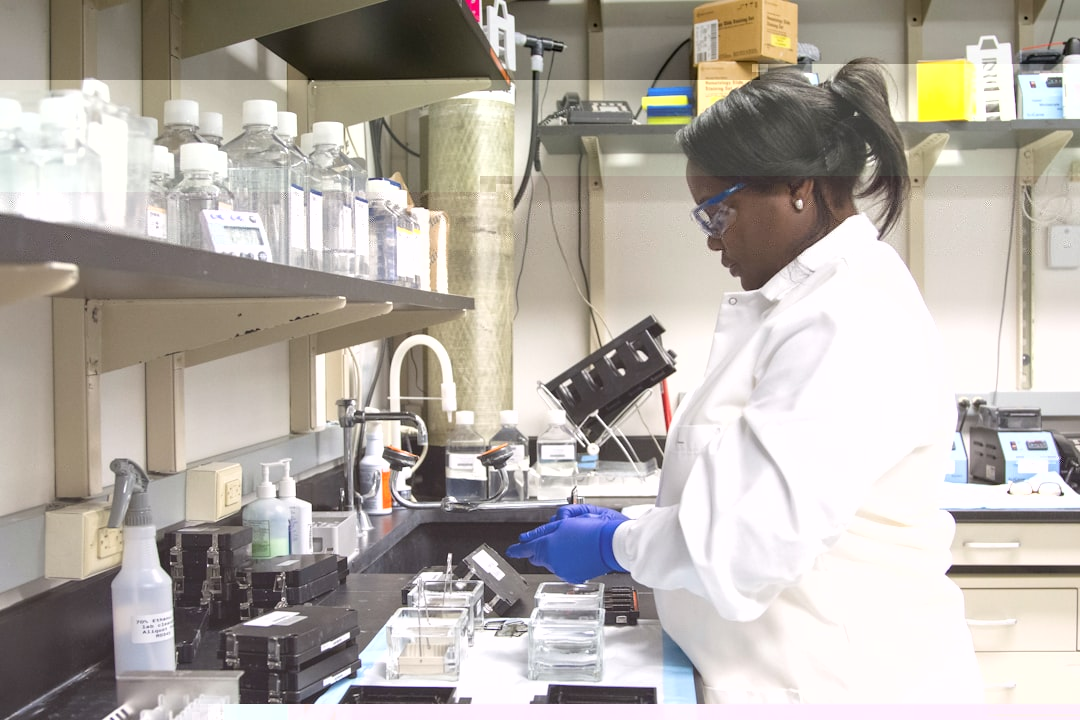
The potato genome is a genetic puzzle with more than 39,000 genes—far more than a human’s. This complexity gives potatoes an incredible ability to adapt to diverse environments and resist diseases. Scientists have spent years mapping the potato genome to understand how it copes with drought, pests, and frost. Each gene is like a tool in the potato’s survival kit, ready to be called into action when needed. Modern breeding programs use this genetic knowledge to develop new varieties that can withstand changing climates and emerging threats. The story of the potato genome is one of nature’s ultimate toolkits—always evolving, always ready for a new challenge.
From Field to Table: The Potato’s Global Journey

It’s astonishing to think that the potato was virtually unknown outside South America before the 16th century. Spanish explorers carried it across oceans, introducing it to Europe, Asia, and beyond. At first, many cultures were suspicious, even fearful, of this strange underground food. But famine, war, and necessity soon changed minds. The potato proved to be an agricultural miracle, producing more calories per acre than any other crop. In Ireland, it became a lifeline; in Russia, a staple; in India, an ingredient for endless curries. Today, the potato is grown on every continent except Antarctica, uniting people of every background at the dinner table.
Photosynthesis Powerhouse: How Potatoes Fuel Growth
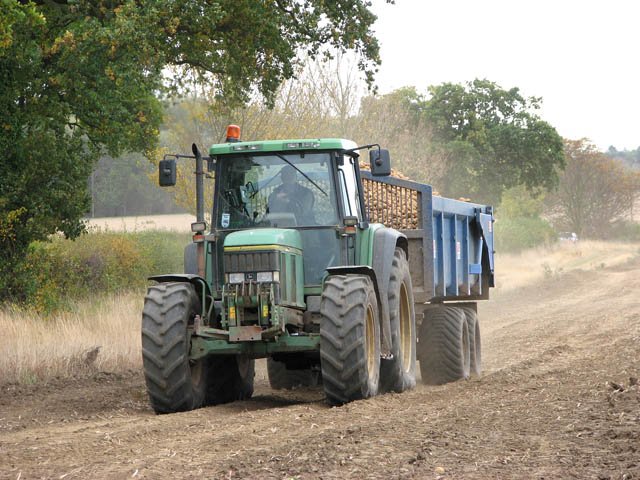
Potatoes are like little solar power stations. Their leaves capture sunlight and convert it into energy through photosynthesis, which is then shuttled down to the tubers in the form of carbohydrates. This efficient energy storage is what allows potatoes to grow so rapidly and store so much food in a small space. When you eat a potato, you’re tapping into months of stored sunlight, transformed into the starches that fuel our bodies. This remarkable process is why potatoes thrive even in places where other crops fail—they’re masters at turning light into life.
Soil Science: The Potato’s Perfect Bed
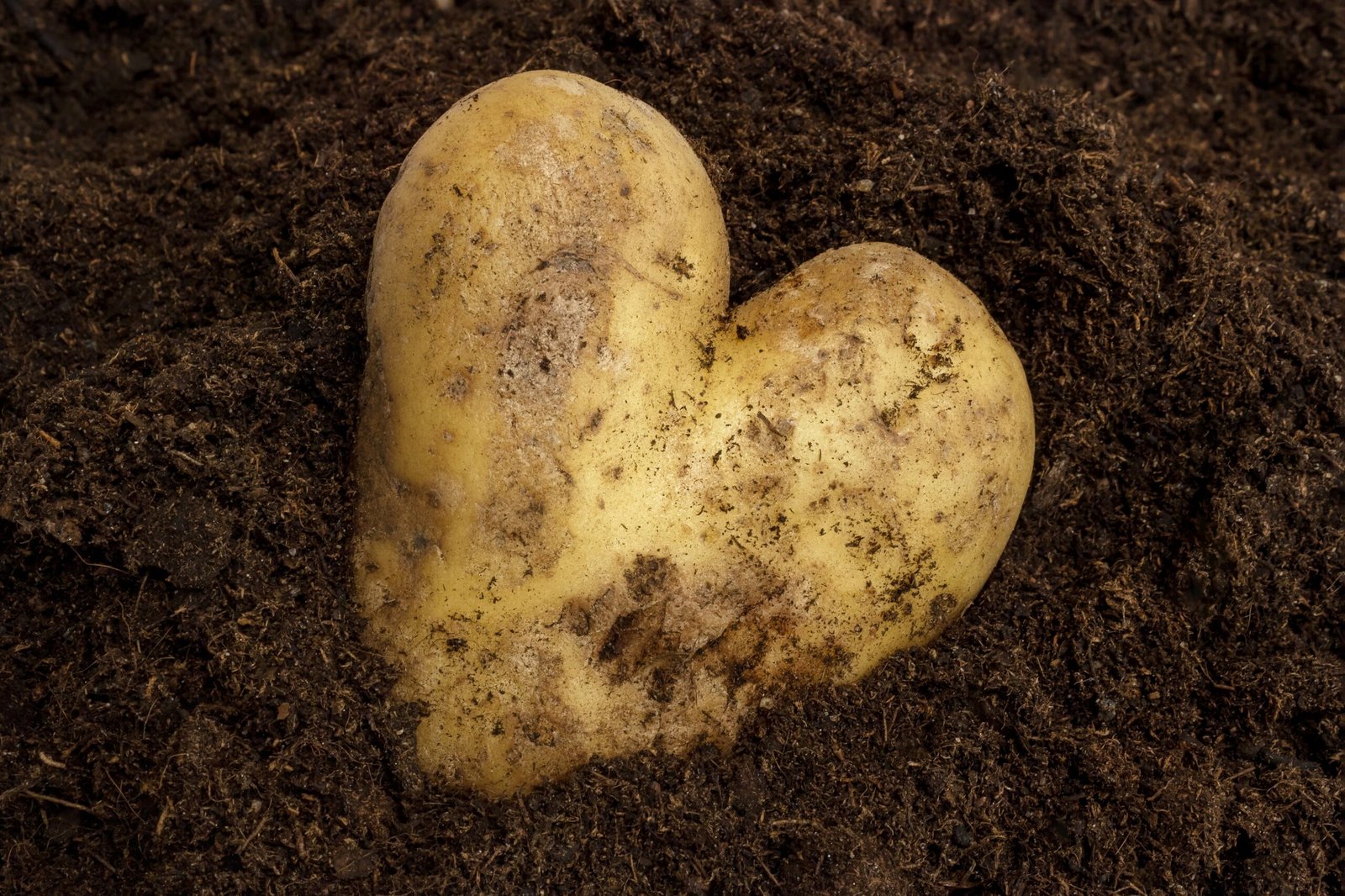
Potatoes are picky about their soil. They thrive best in loose, well-drained earth that lets their tubers grow fat and unblemished. Heavy clay or waterlogged soils can rot tubers before they ever see a harvest. Farmers often rotate potatoes with other crops, like beans or barley, to keep the soil healthy and reduce the build-up of pests and diseases. The relationship between potato and soil is a delicate dance—a balance of nutrients, moisture, and air. Get it right, and you’re rewarded with a bumper crop. Get it wrong, and you might be left with nothing but shriveled, stunted spuds.
Pest and Disease Resistance: Nature’s Tug-of-War
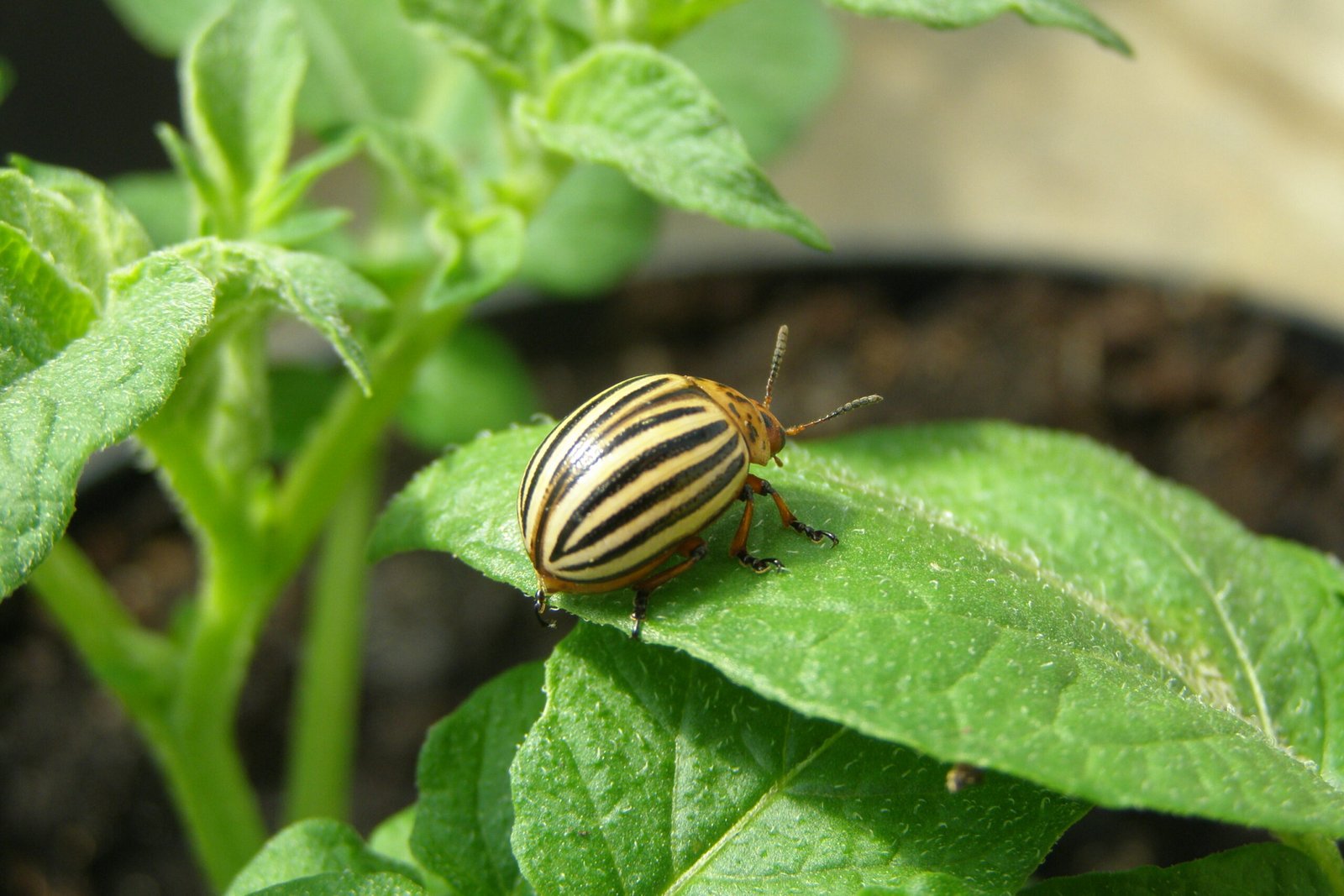
Potatoes face a constant barrage from pests like the Colorado potato beetle and diseases such as late blight—the same fungus that caused Ireland’s infamous famine. Over centuries, farmers and scientists have fought back with everything from crop rotation to carefully bred resistant varieties. Some potatoes have developed their own defenses, like tough skins or bitter compounds that deter insects. Breeding programs continue to search for new ways to outsmart evolving threats, using both traditional cross-pollination and cutting-edge genetic techniques. It’s a never-ending battle, but one that showcases the ingenuity of both nature and human innovation.
Potato Diversity: A Rainbow of Varieties
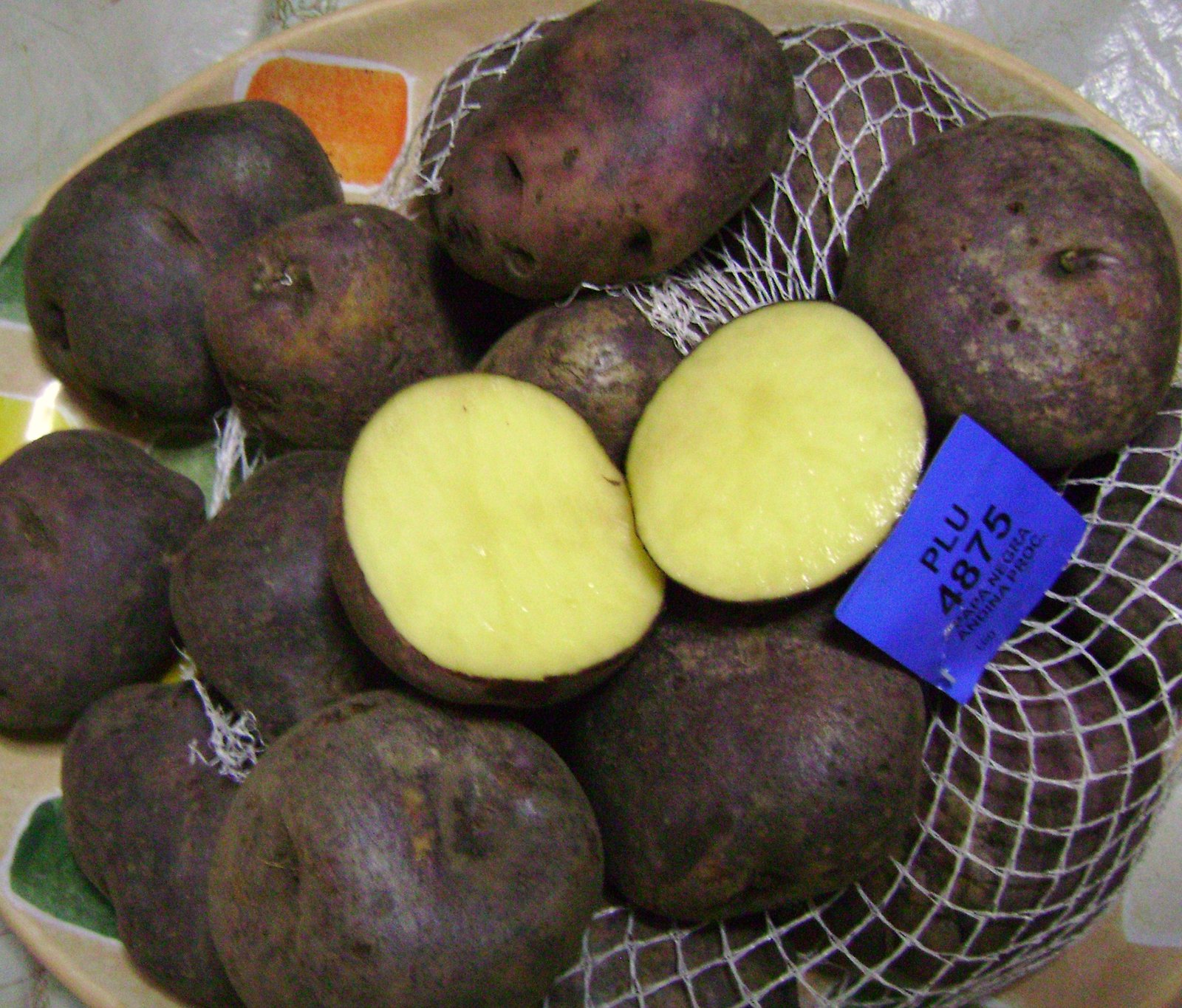
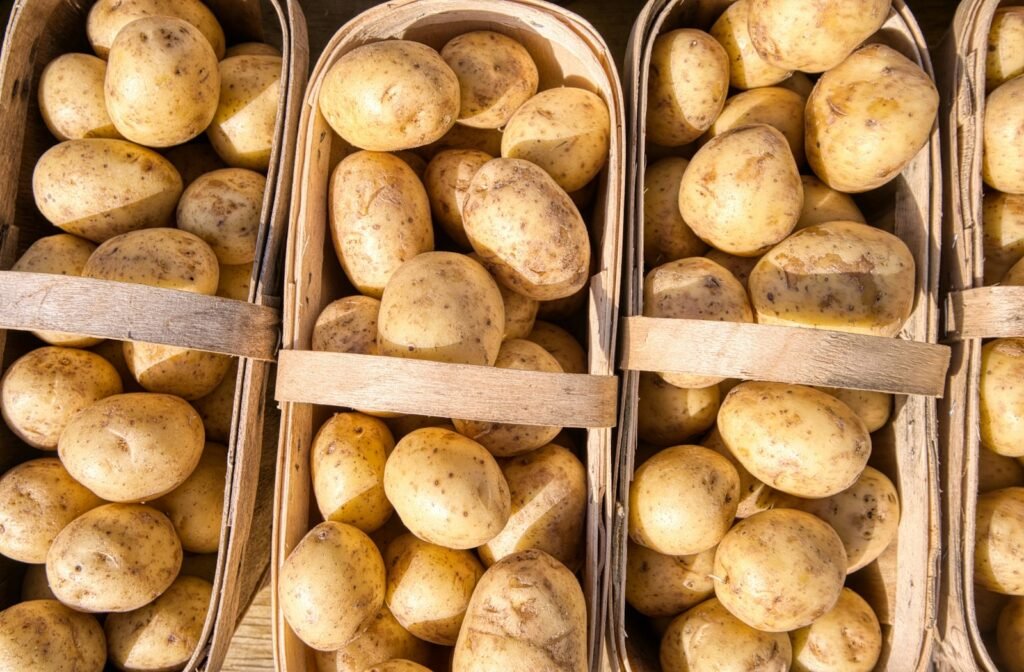
Walk through a traditional Andean market and you’ll see potatoes in every color—purple, red, yellow, blue, and even black. Each variety has its own texture, flavor, and culinary use. Some are waxy and perfect for salads, while others are starchy and ideal for baking or frying. Modern supermarkets might only stock a handful of types, but there are over 4,000 recognized potato varieties worldwide. This genetic diversity is a treasure trove for farmers and chefs alike, offering built-in insurance against disease and climate change. Every potato on your plate has a story—and a distant cousin halfway around the globe.
The Potato’s Role in Food Security
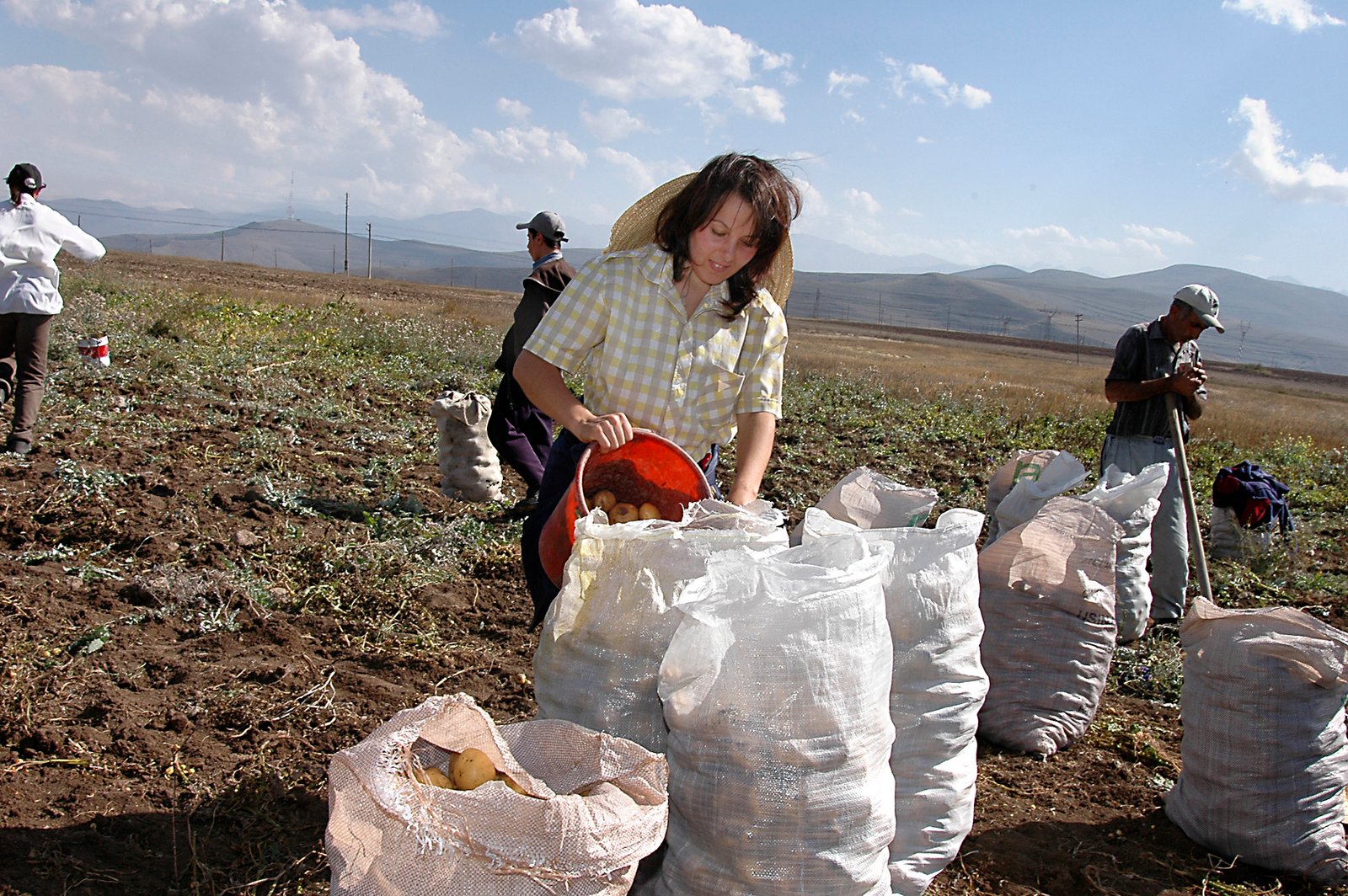
Potatoes are a lifeline for millions. They grow fast, require relatively little water, and yield more calories per hectare than wheat or rice. In regions facing hunger, potatoes can make the difference between scarcity and survival. Governments and humanitarian organizations often promote potatoes in places hit by drought, war, or economic crisis. The potato’s ability to thrive in tough conditions, from Himalayan terraces to African highlands, makes it a key player in the fight against global hunger. Its story is one of quiet heroism—feeding families when little else will grow.
Potatoes and Climate Change: A Crop for the Future?
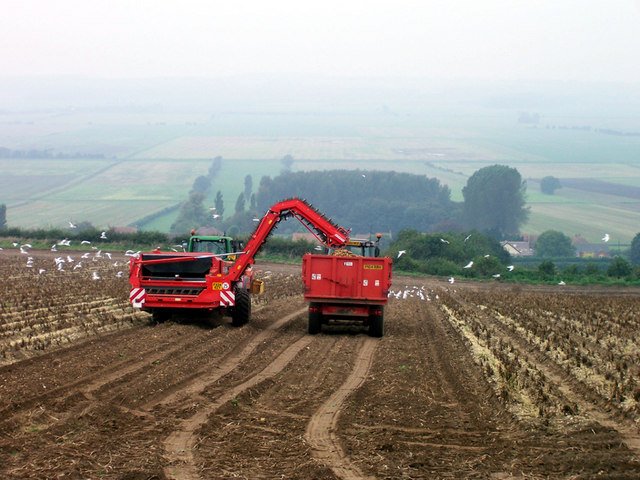
As temperatures rise and weather patterns shift, some crops struggle to keep up. Potatoes, with their short growing season and flexible requirements, are emerging as a climate-smart choice for many farmers. Scientists are developing new varieties that can handle heat, drought, and even salty soils. In some regions, potatoes are replacing wheat or rice as the main staple, thanks to their resilience. But climate change also brings fresh challenges, from new pests to unpredictable rainfall. The future of the potato will depend on our ability to adapt and innovate—just as our ancestors did for thousands of years.
Nutrition in a Tuber: The Potato’s Hidden Power
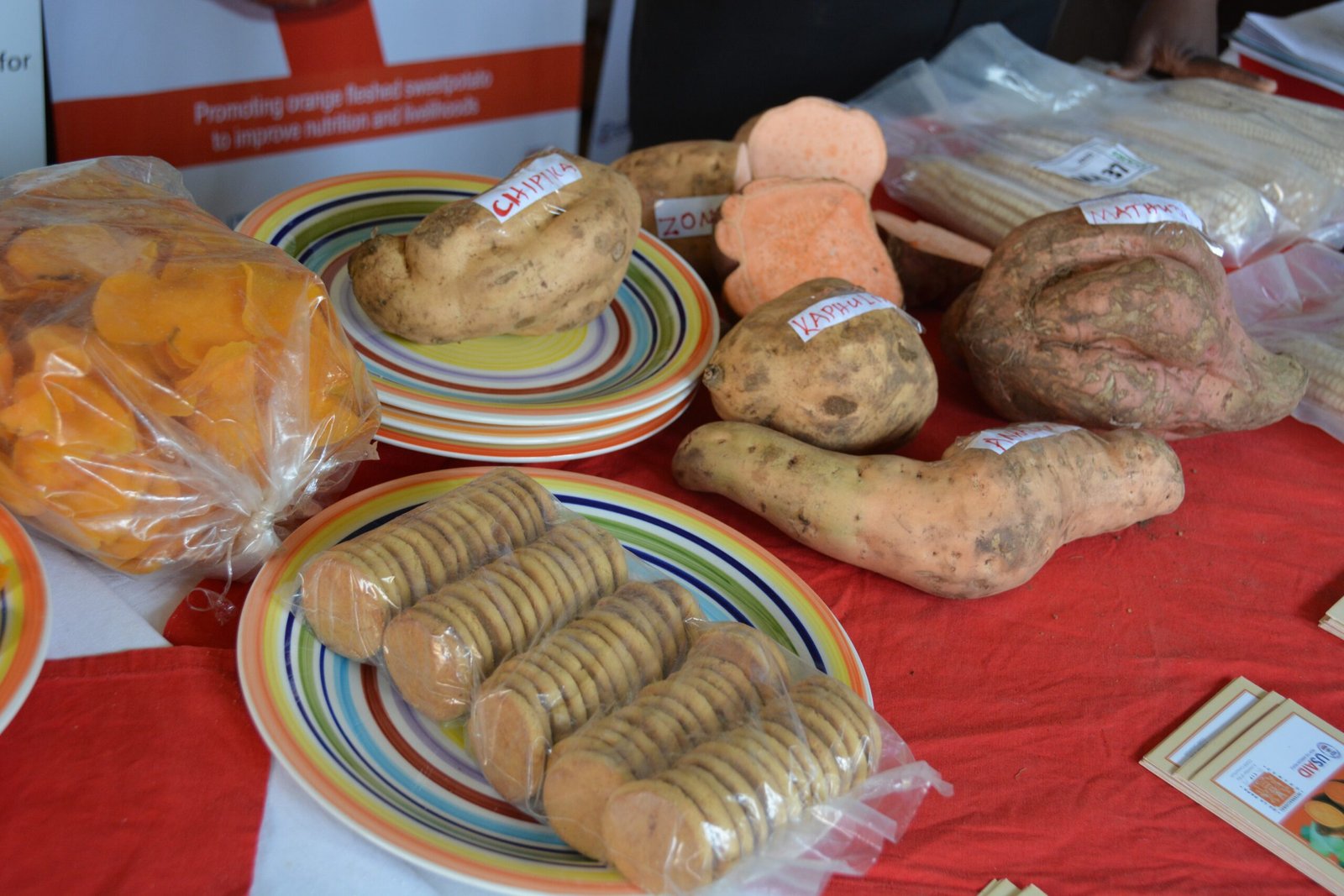
It’s easy to overlook, but the potato is a nutritional powerhouse. Packed with vitamin C, potassium, fiber, and complex carbohydrates, it provides steady energy without fat or cholesterol. Potatoes also contain antioxidants and a surprising amount of protein for a plant food. In many cultures, potatoes are the backbone of a balanced diet, paired with beans, vegetables, or dairy. Of course, how you cook them matters—a baked potato is a health hero, while deep-fried chips are more of a guilty pleasure. At its best, the potato is proof that simple foods can be both delicious and nourishing.
Potato Propagation: Seeds, Tubers, and Science
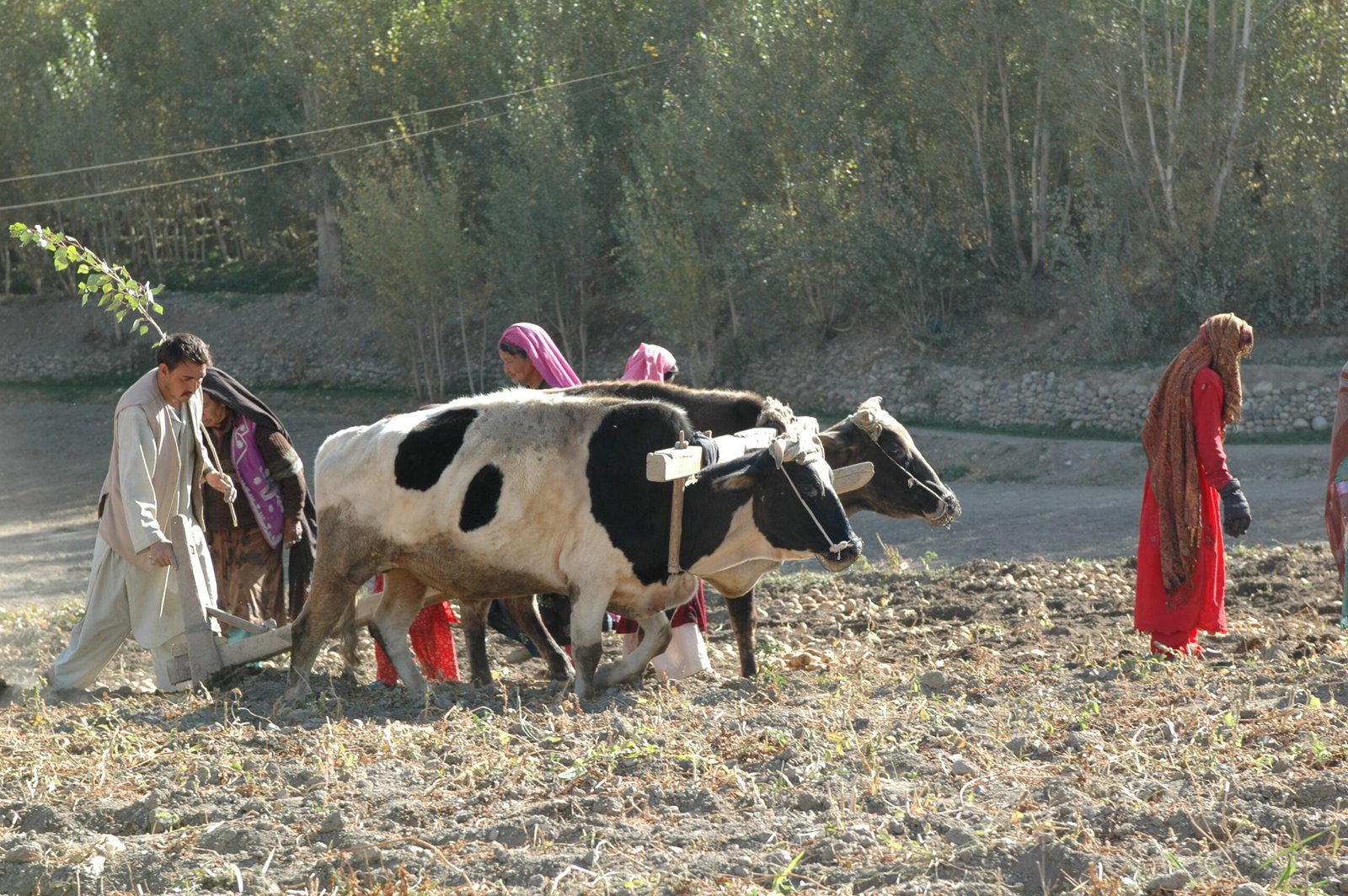
Unlike most crops, potatoes are usually grown from pieces of tuber, not seeds. Farmers cut “seed potatoes” into chunks, each with an “eye” or bud, and plant them in the soil. These eyes sprout into new plants, cloning the parent exactly. This method is fast and reliable, but it can spread diseases if not managed carefully. Scientists are exploring true potato seeds—tiny, tomato-like fruits that allow for more genetic mixing and disease resistance. It’s a new frontier in potato farming, full of promise for both smallholders and large-scale producers.
Flowering and Pollination: The Potato’s Secret Life
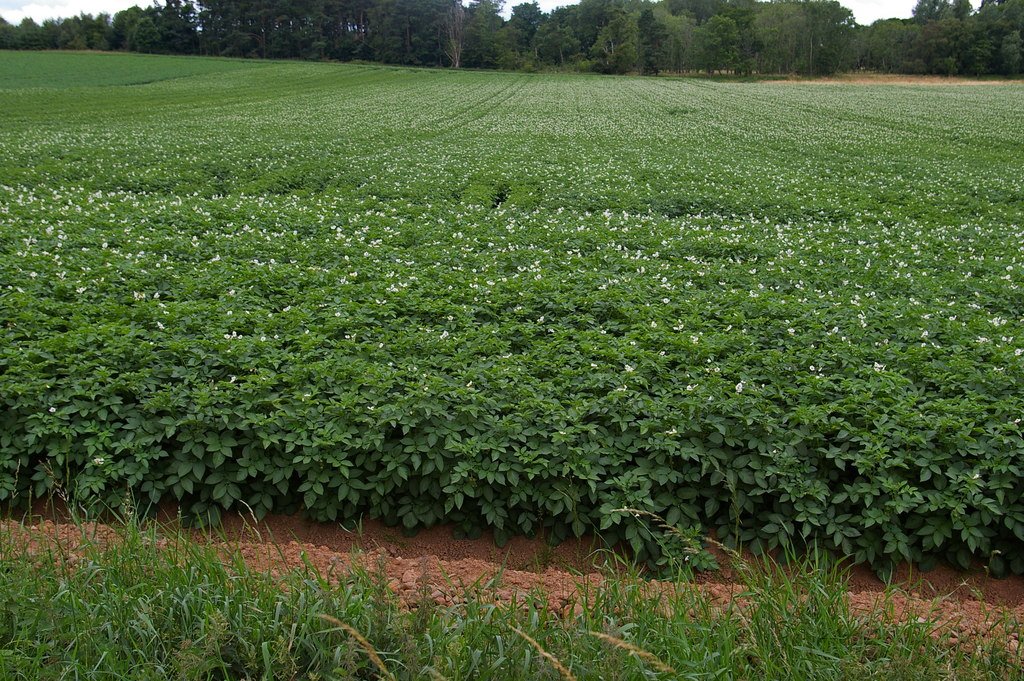
Potato plants put on a show every summer, unfurling delicate flowers in shades from white to violet. While the tubers grow underground, these blossoms attract bees and other pollinators above. Most cultivated potatoes don’t set fruit, but wild and experimental varieties sometimes produce small, green, poisonous berries. These berries contain true seeds, offering opportunities for breeders to create new hybrids. The potato’s quiet beauty in bloom is a reminder that even the most familiar crops have secret lives and hidden wonders waiting to be discovered.
Modern Breeding: Shaping Potatoes for Tomorrow
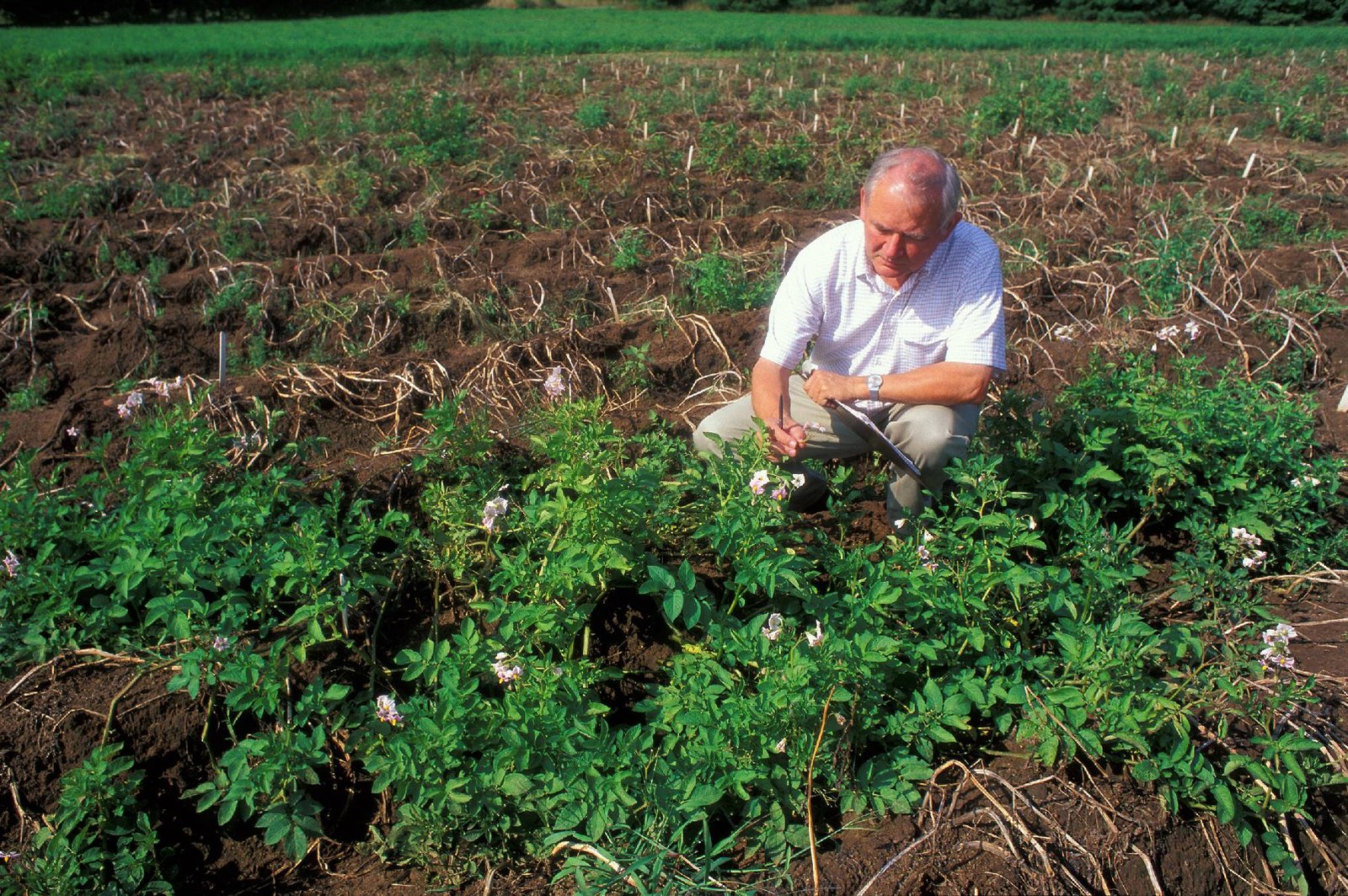
Breeders today use everything from hand-pollination to high-tech gene editing to create potatoes that are tastier, hardier, and more sustainable. Desired traits include everything from scab resistance to longer shelf life to richer flavors. Some projects even aim to boost the potato’s nutritional content, adding vitamins or minerals to help fight malnutrition. It’s a delicate balance—respecting centuries-old traditions while pushing the boundaries of what’s possible. The potatoes of tomorrow may look and taste familiar, but beneath the skin, they’re the product of cutting-edge science and global teamwork.
The Potato in Culture: Symbol, Staple, Superstition
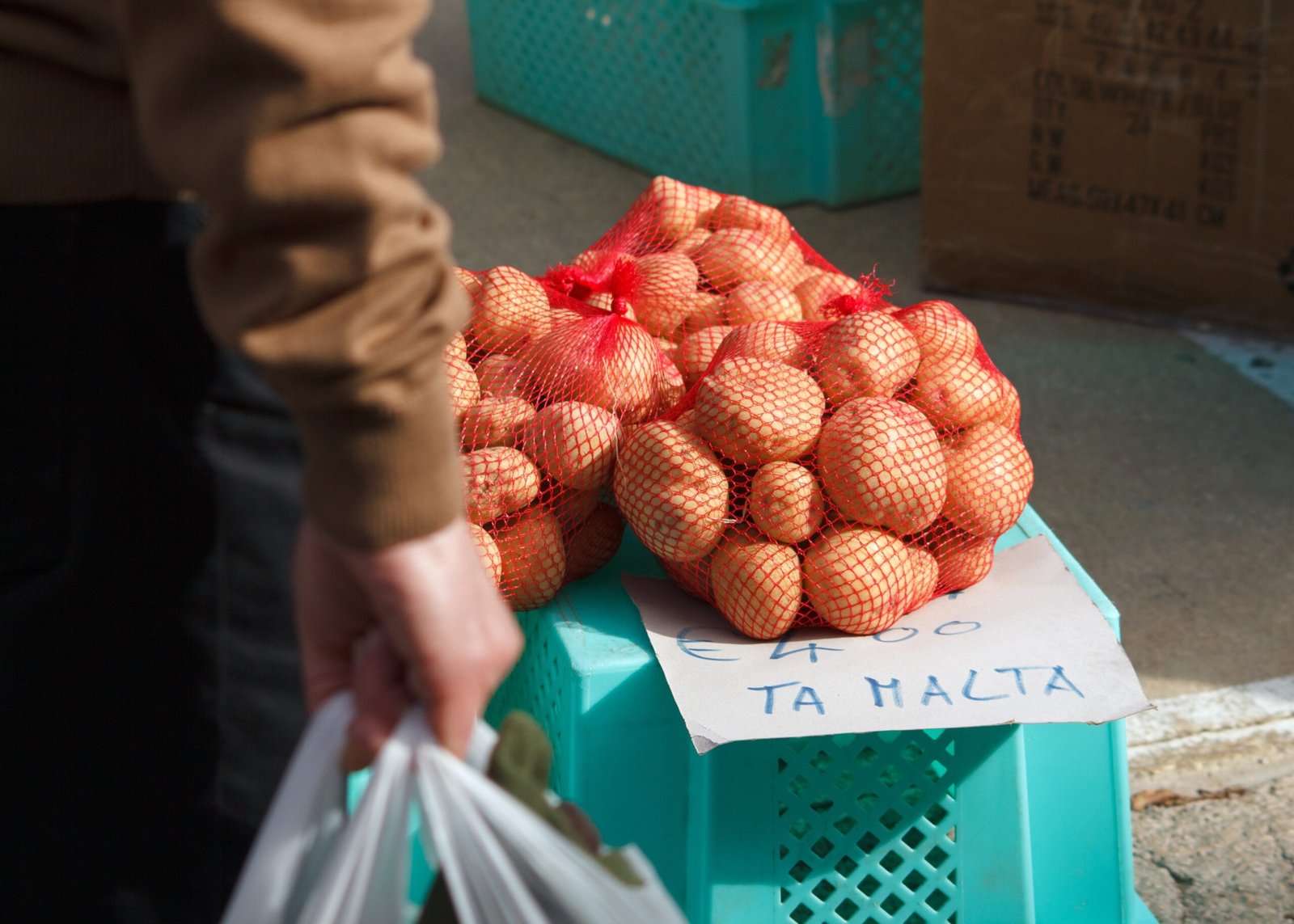
Few foods have inspired as much folklore as the potato. In Ireland, it was once believed that potatoes could ward off evil spirits. In parts of South America, farmers perform rituals to bless their fields and ensure a good harvest. The potato has been a symbol of poverty, then prosperity, and now sustainability. Artists, poets, and even politicians have drawn on its image to tell stories of resilience and renewal. From children’s games to national festivals, the potato is woven into the fabric of daily life, reminding us that even the simplest foods can have deep cultural roots.
Potato Processing: From Field to Fry
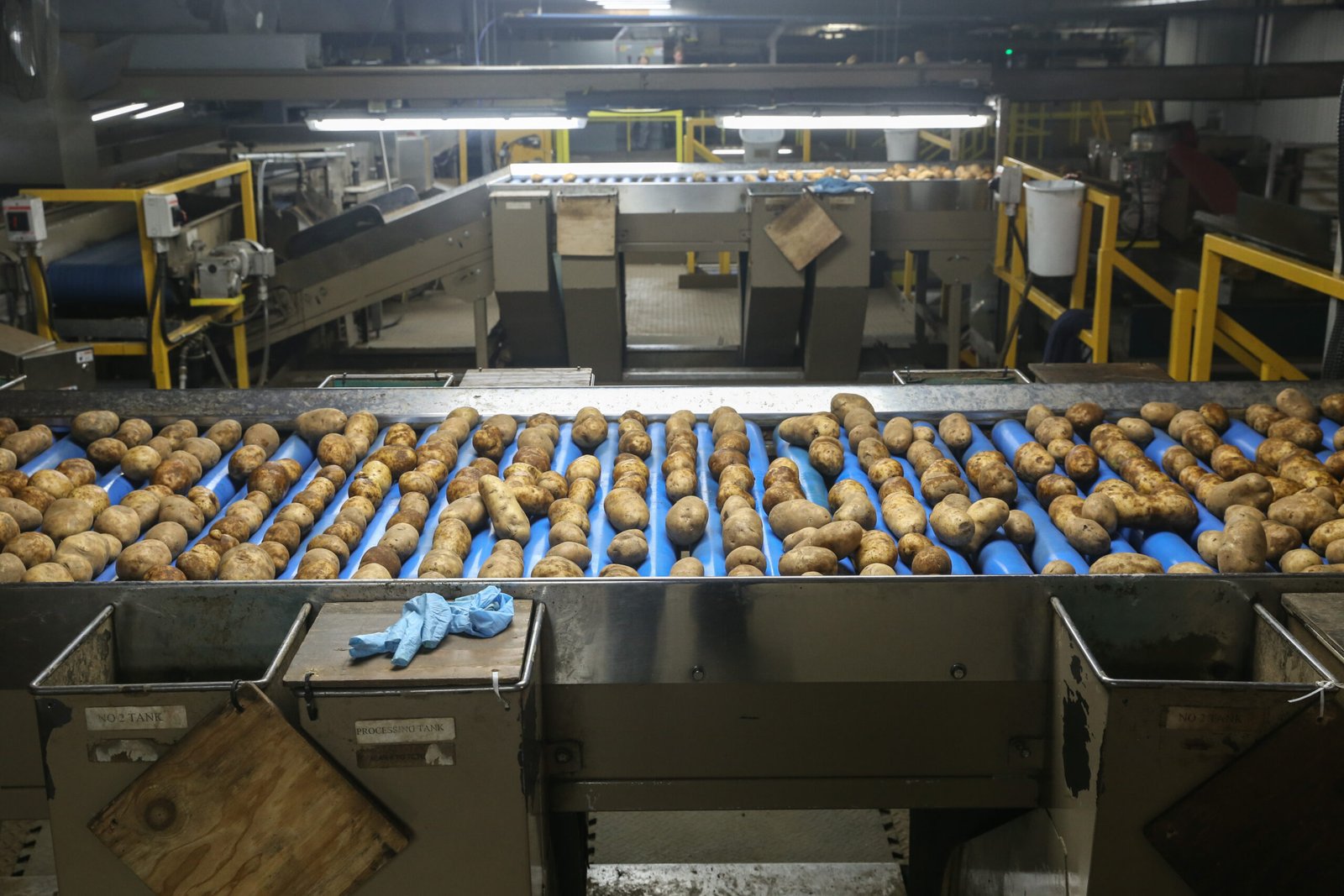
After harvest, potatoes embark on a journey through a network of washing, sorting, and packaging systems. Some are destined for fresh markets, while others become chips, fries, or instant mash. Processing extends the potato’s shelf life and creates products tailored to modern lifestyles. Innovations like vacuum frying and air-drying preserve nutrients and flavor while cutting fat and waste. While some lament the rise of processed potato snacks, others see opportunity for reducing food loss and feeding urban populations. The way we process and consume potatoes reflects changing tastes, technologies, and values.
Potato Science in Space: Tubers on the Final Frontier
Believe it or not, potatoes have left Earth’s atmosphere. NASA and space agencies worldwide study potatoes as a potential food for astronauts on long missions. Potatoes are ideal for space farming—they’re compact, nutritious, and can regenerate from cut pieces. Experiments on the International Space Station have tested how potatoes grow in microgravity, offering clues for future Mars colonies. The dream of farming potatoes on other planets isn’t as far-fetched as it sounds. If humanity ever settles beyond Earth, the humble tuber might be our first crop among the stars.
Urban Farming: Potatoes in the City
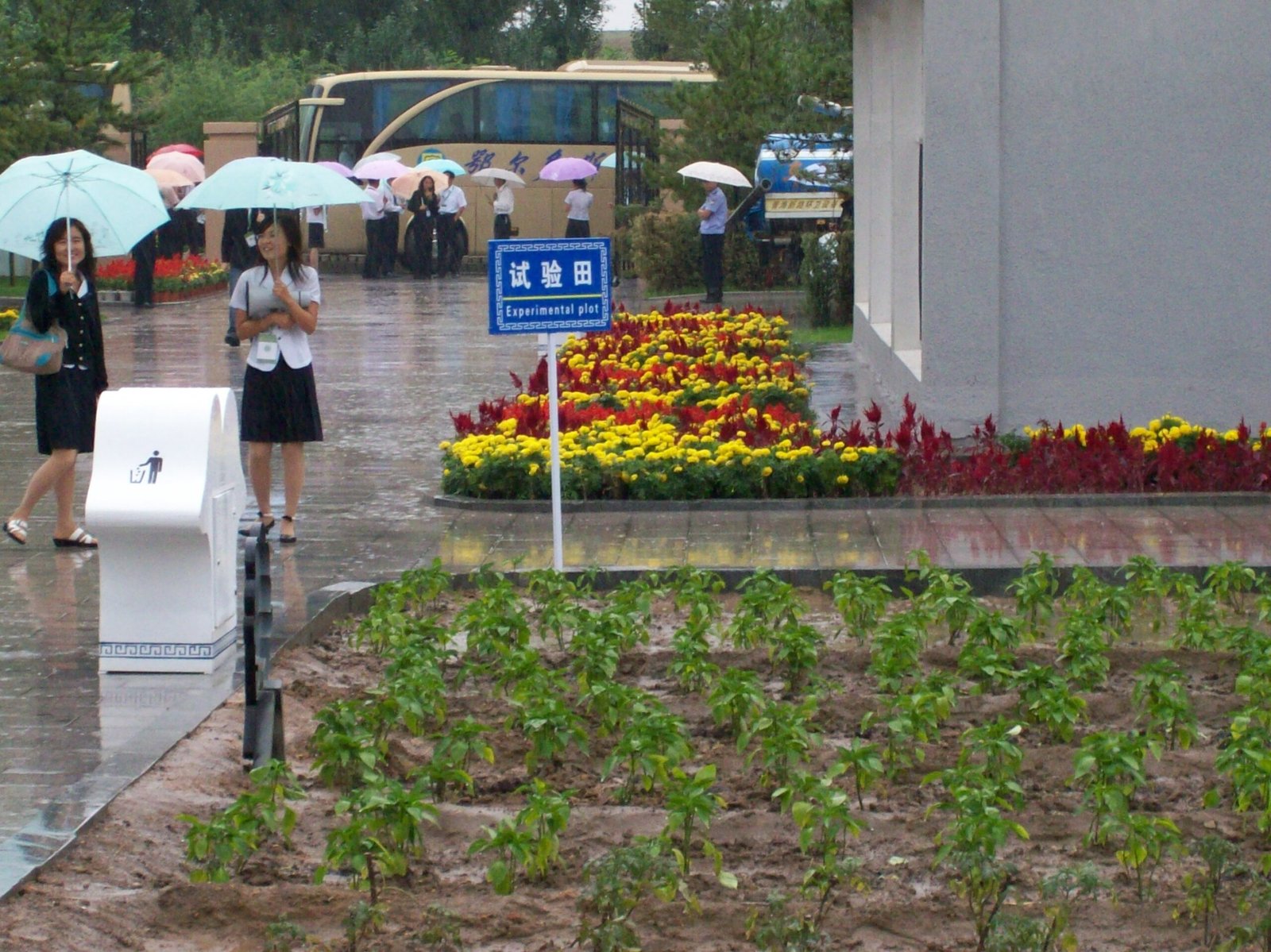
Potatoes aren’t just for sprawling farms—they thrive in buckets, bags, and even old tires. Urban gardeners are rediscovering the joy of growing potatoes in small spaces. Rooftop gardens, community plots, and vertical towers make it possible to harvest fresh spuds right in the heart of the city. Potatoes teach us patience and reward attention, offering a tangible connection to the earth even in concrete jungles. For families, schools, and neighborhoods, growing potatoes can be an entry point to bigger conversations about food, sustainability, and community resilience.
Genetic Engineering and the GMO Debate
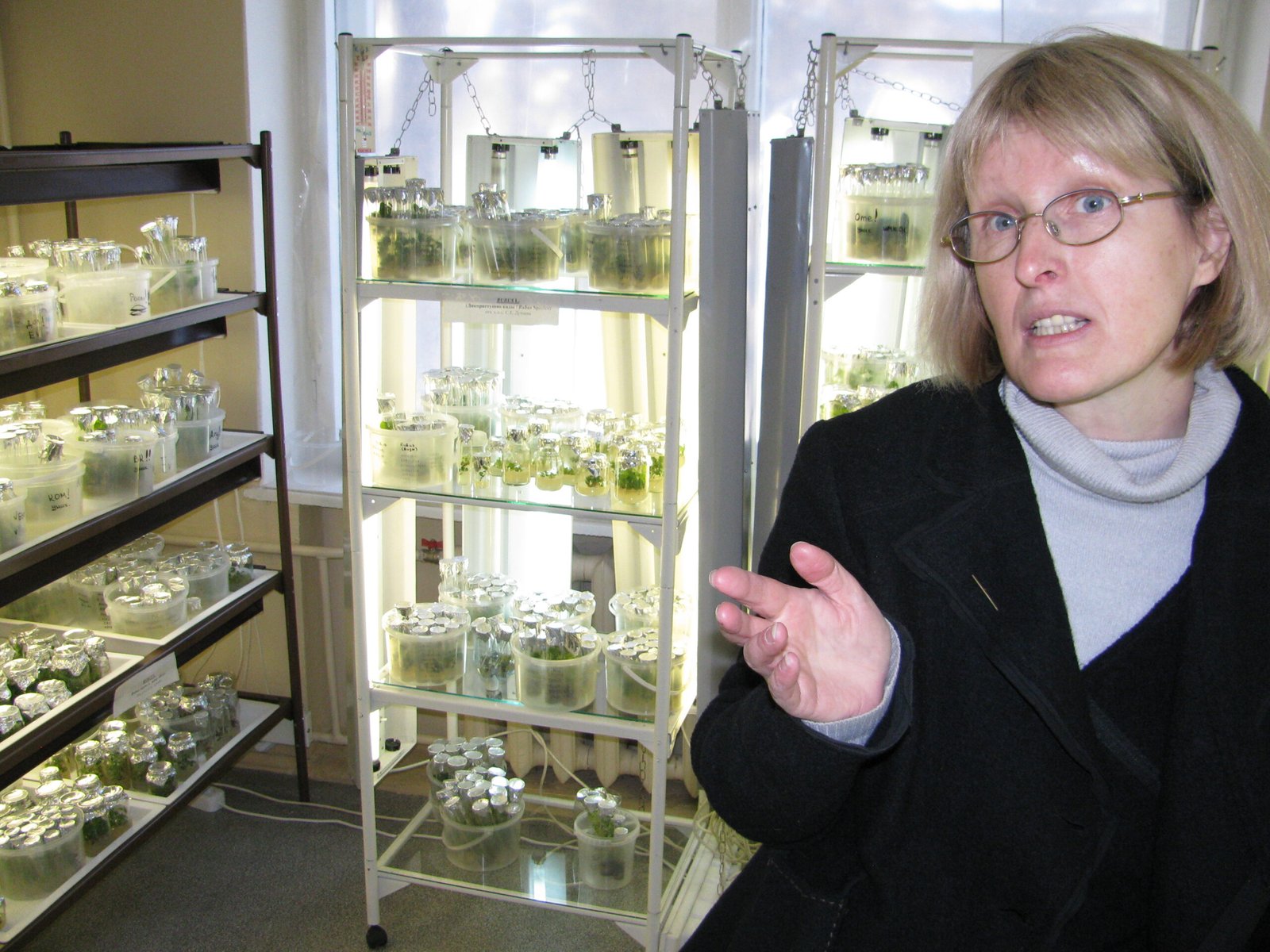
In recent years, genetically modified potatoes have sparked debate. Some varieties are engineered to resist bruising or blight, reducing food waste and pesticide use. Supporters argue that these innovations are critical for food security as the climate changes, while critics worry about unintended consequences and loss of biodiversity. The conversation around GMO potatoes is passionate and ongoing, reflecting broader questions about how we balance technology, tradition, and trust in our food systems. As the world’s population grows, decisions about how we grow and share potatoes will only become more urgent.
Sustainable Potato Farming: Balancing Yield and Planet
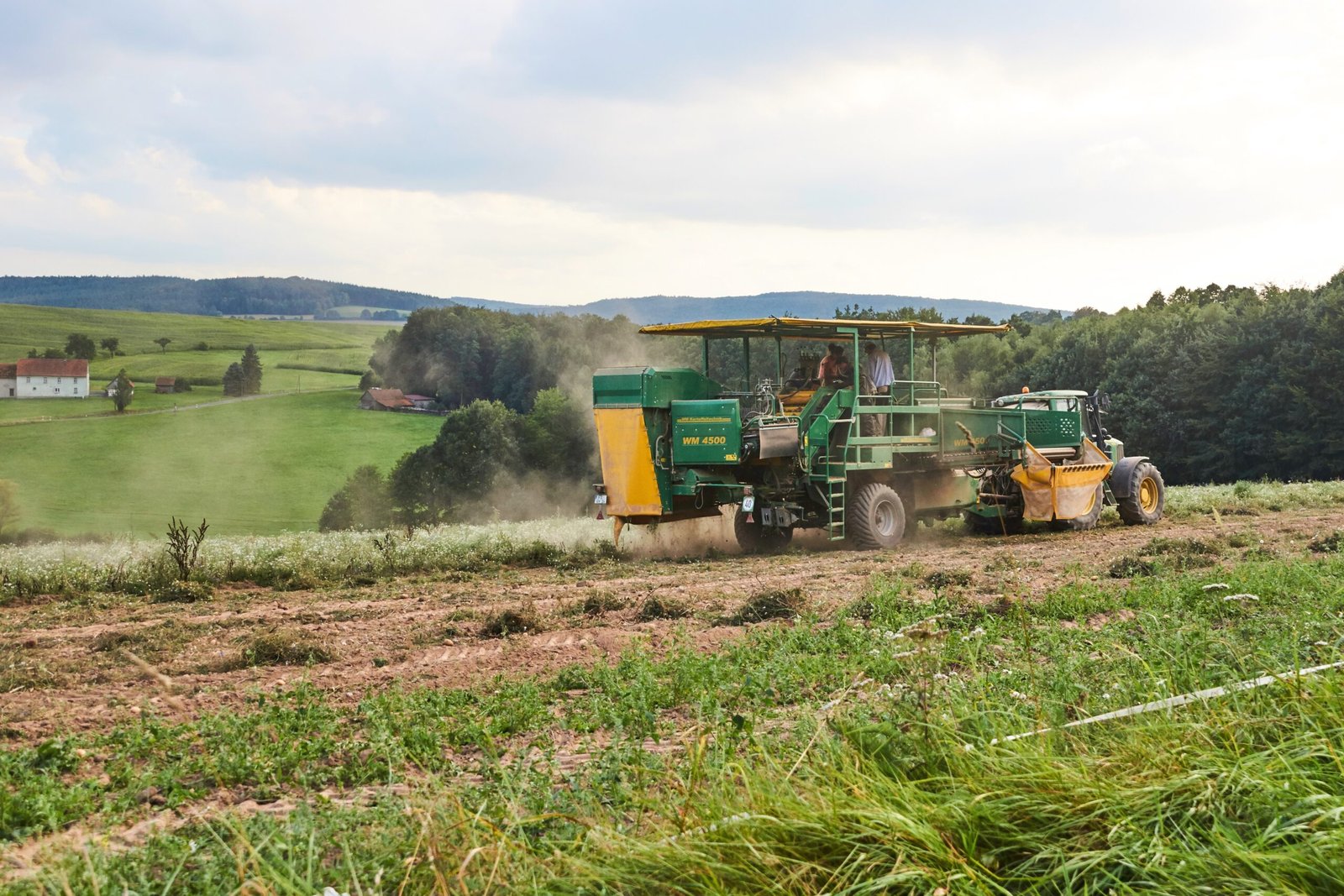
Sustainable potato farming is all about working with nature, not against it. This means using cover crops, compost, and integrated pest management to keep soils healthy and reduce chemical inputs. Farmers are experimenting with new planting patterns, water-saving techniques, and natural fertilizers. The goal is clear: grow more food while protecting the land for future generations. Consumers can play a role, too, by choosing locally grown or organic potatoes and supporting farmers who prioritize sustainability. The potato’s story is inseparable from the story of the earth itself—a reminder that what we eat matters, not just for our bodies, but for the planet.
Potatoes are more than just food—they’re an emblem of adaptability, diversity, and survival. From their ancient Andean origins to their role in future space colonies, potatoes have proven themselves as a crop for all seasons and all people. They teach us lessons about resilience, innovation, and the beauty hidden in the everyday. On this International Day of Potato, perhaps the real question is: what else can we learn from the world’s most versatile crop?