Beneath the busy streets of Beijing, where millions hustle between glass towers and neon-lit markets, lies a world few have ever imagined. Picture ancient rivers tracing mysterious paths under your feet, ruins of lost civilizations entombed in the earth, and bones of creatures that vanished before humans ever dreamed of building walls. Beijing’s hidden underworld is as mesmerizing as it is haunting—a place where geology, archaeology, and legend collide. This isn’t just the story of a city, but of time itself, layered below modern life, whispering secrets to those willing to dig a little deeper. If you’ve ever walked Beijing’s avenues and wondered what lies beneath, prepare to be amazed. The real heart of the city might not be above ground at all.
The Underground Maze: Beijing’s Lost Rivers
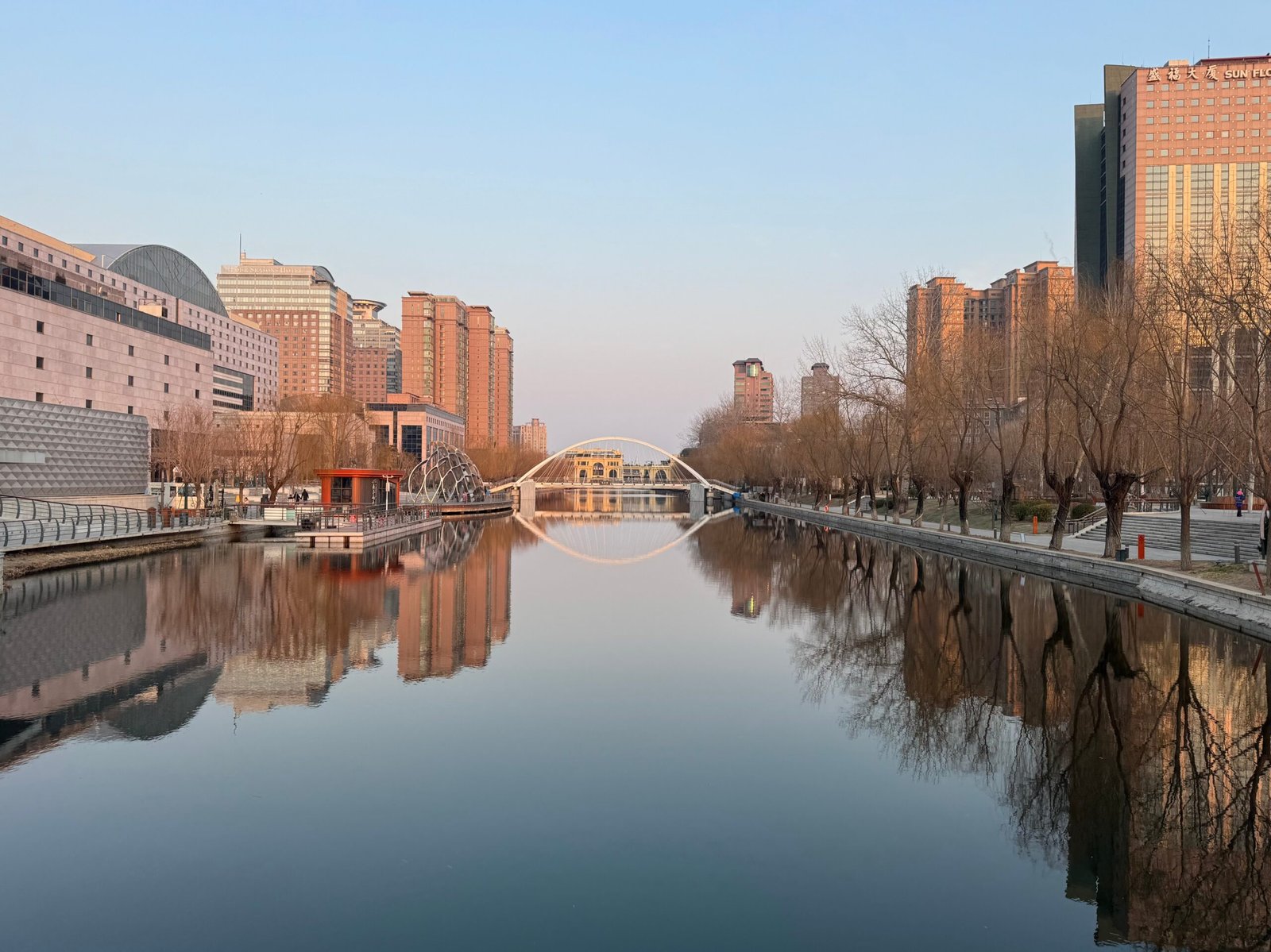
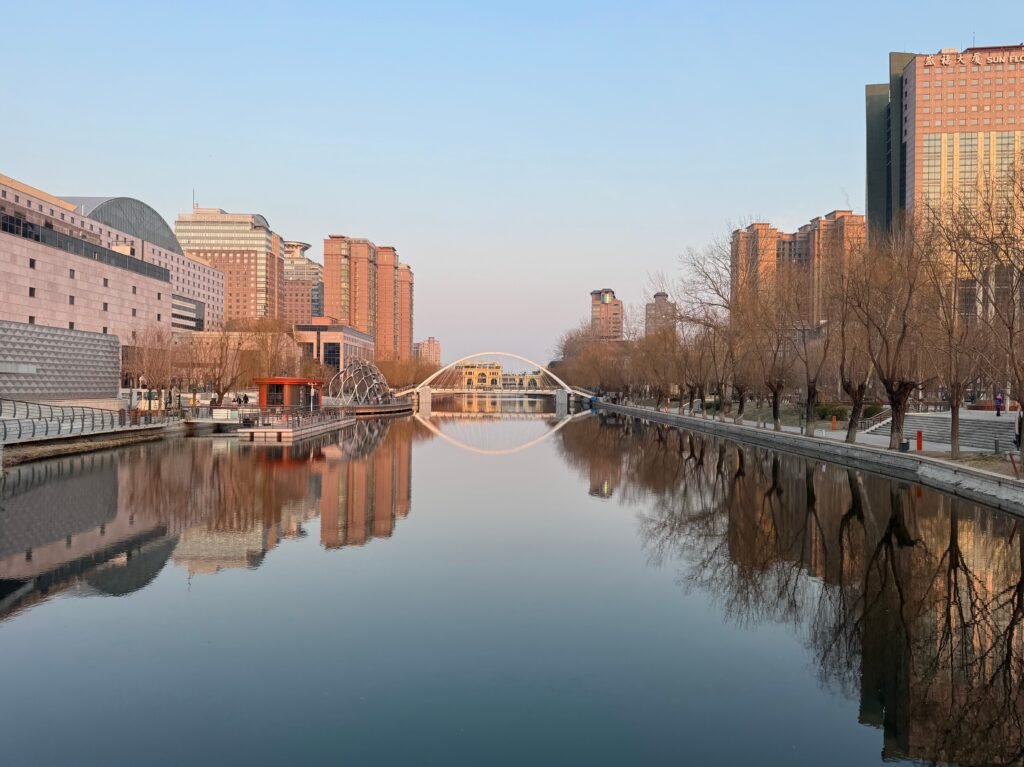
Long before Beijing became a metropolis, its landscape was shaped by a vast network of rivers and streams. These waterways provided life, carving valleys and nourishing early settlers. Today, many of these rivers have vanished from sight, either diverted underground or swallowed by urban sprawl. Yet, their ghostly presence lingers—sometimes in the sound of water bubbling beneath manholes, sometimes in the unexpected lushness of certain neighborhoods. Some locals whisper about hidden currents that still shape the fate of the city, as if the rivers themselves possess memories older than the Great Wall. The lost rivers of Beijing are a reminder that nature is never truly erased, only concealed.
An Empire Built on Water: The Ancient Canals
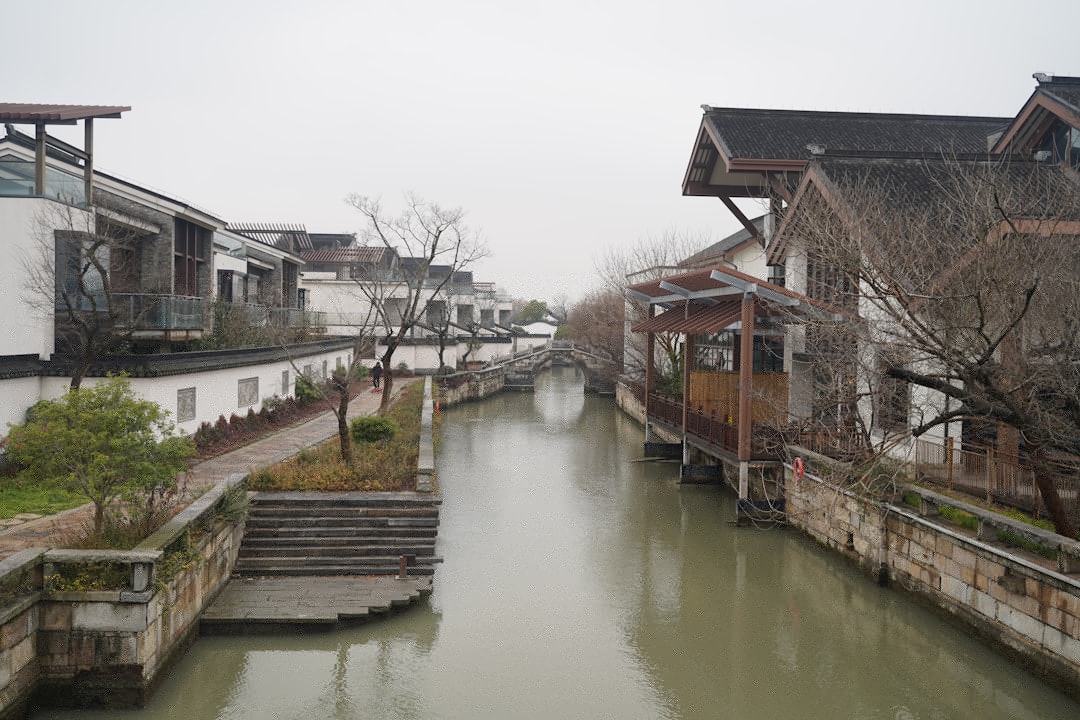
Beijing’s grandeur as an imperial city was made possible by its ingenious canal system. These manmade waterways once linked the city to distant provinces, transporting grain, silk, and soldiers. The Grand Canal, a marvel of ancient engineering, still exists—though much of it now runs unseen below highways and high-rises. Archaeologists have uncovered portions of these forgotten canals, revealing stone locks, wooden boats, and even lost cargo. These relics speak of an era when water was the city’s lifeblood, and every drop carried the weight of an empire’s ambition.
The Forgotten City Beneath the Forbidden City
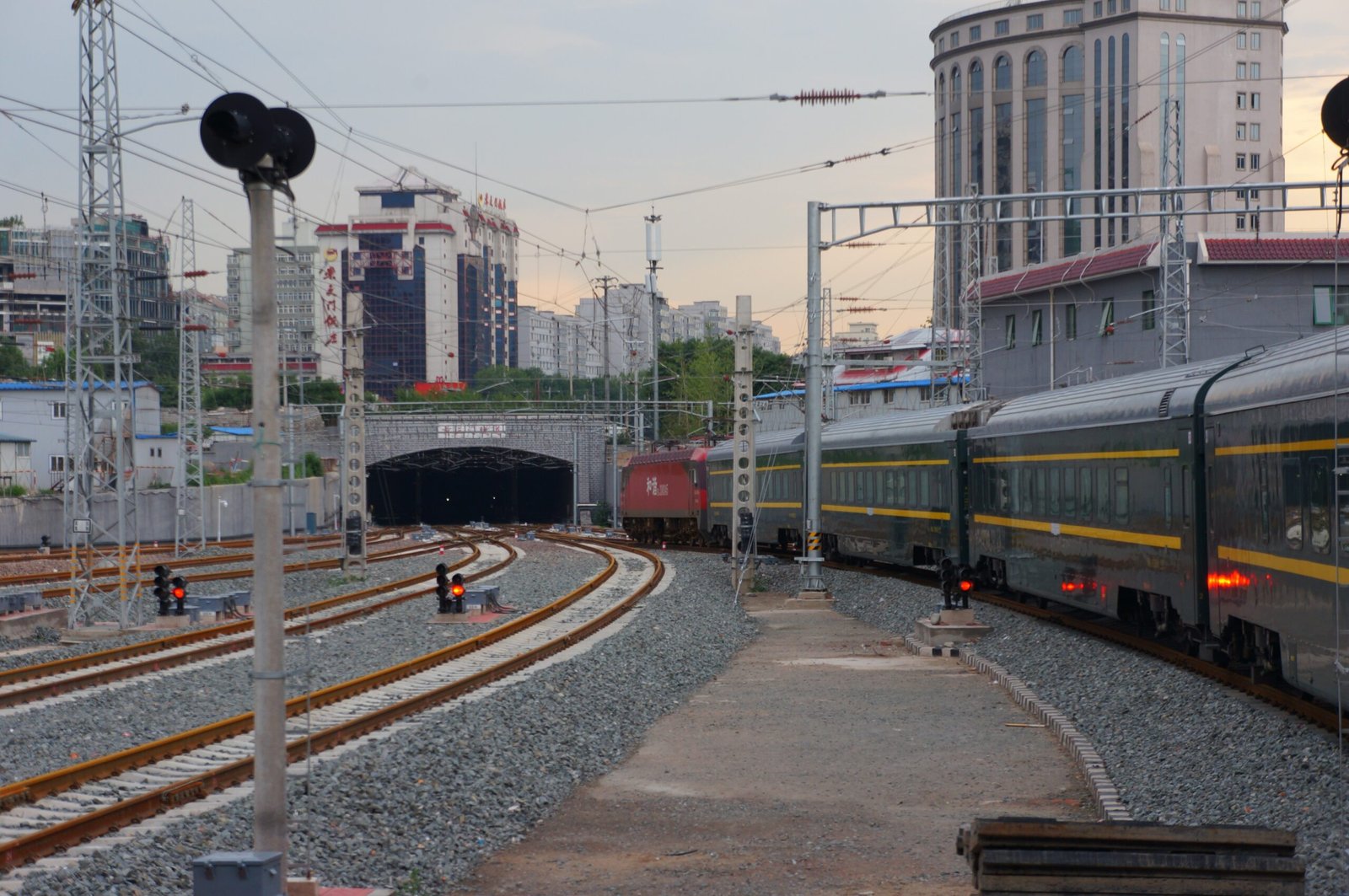
The Forbidden City dazzles visitors with its golden roofs and crimson walls, but what lies below is even more spellbinding. Deep underground is a network of tunnels, escape routes, and secret chambers, some dating back to the Ming Dynasty. Historians believe these subterranean passages were built for emperors to flee in times of danger or to hide treasures away from prying eyes. Occasionally, workers restoring palace walls stumble upon bricked-up doorways or hollow echoes beneath their feet—a silent testimony to the city’s hidden past. The true extent of this underground labyrinth remains one of Beijing’s most tantalizing mysteries.
Paleontological Goldmine: Fossils Underfoot

While skyscrapers rise above, ancient fossils lie quietly below the city’s foundations. Beijing’s outskirts, especially the region of Zhoukoudian, are famous for yielding the bones of “Peking Man”—a distant human ancestor who roamed these lands over half a million years ago. But the fossil record goes deeper, revealing the remains of saber-toothed cats, woolly mammoths, and even prehistoric plants. Every fossil unearthed is a fragment of a lost world, reminding us that Beijing’s story began long before a single brick was laid.
The Ghosts of Ancient Settlements
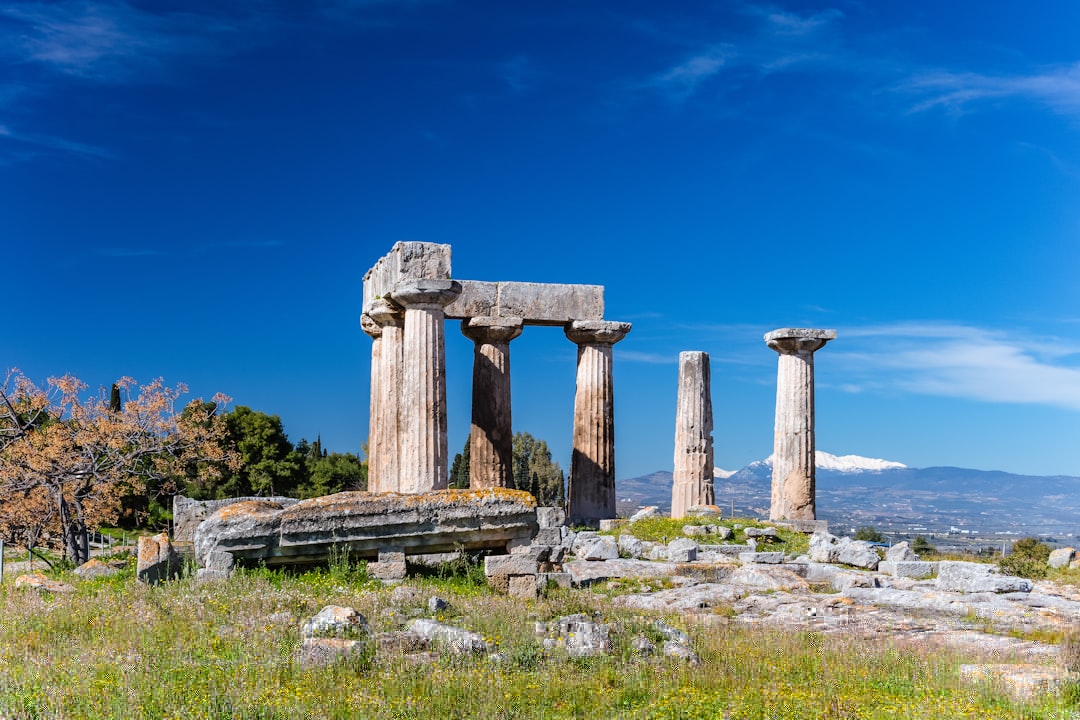
Scattered beneath Beijing’s modern districts are the ruins of forgotten towns and outposts. Over centuries, entire communities rose and fell, leaving behind pottery shards, buried roads, and collapsed homes. Urban development sometimes uncovers these traces—a broken tile in a subway dig, or the outline of an ancient wall beneath a new shopping mall. Each discovery is like finding a message in a bottle from centuries ago, connecting today’s residents with the city’s earliest dreamers and builders.
The Labyrinthine Tunnels of War

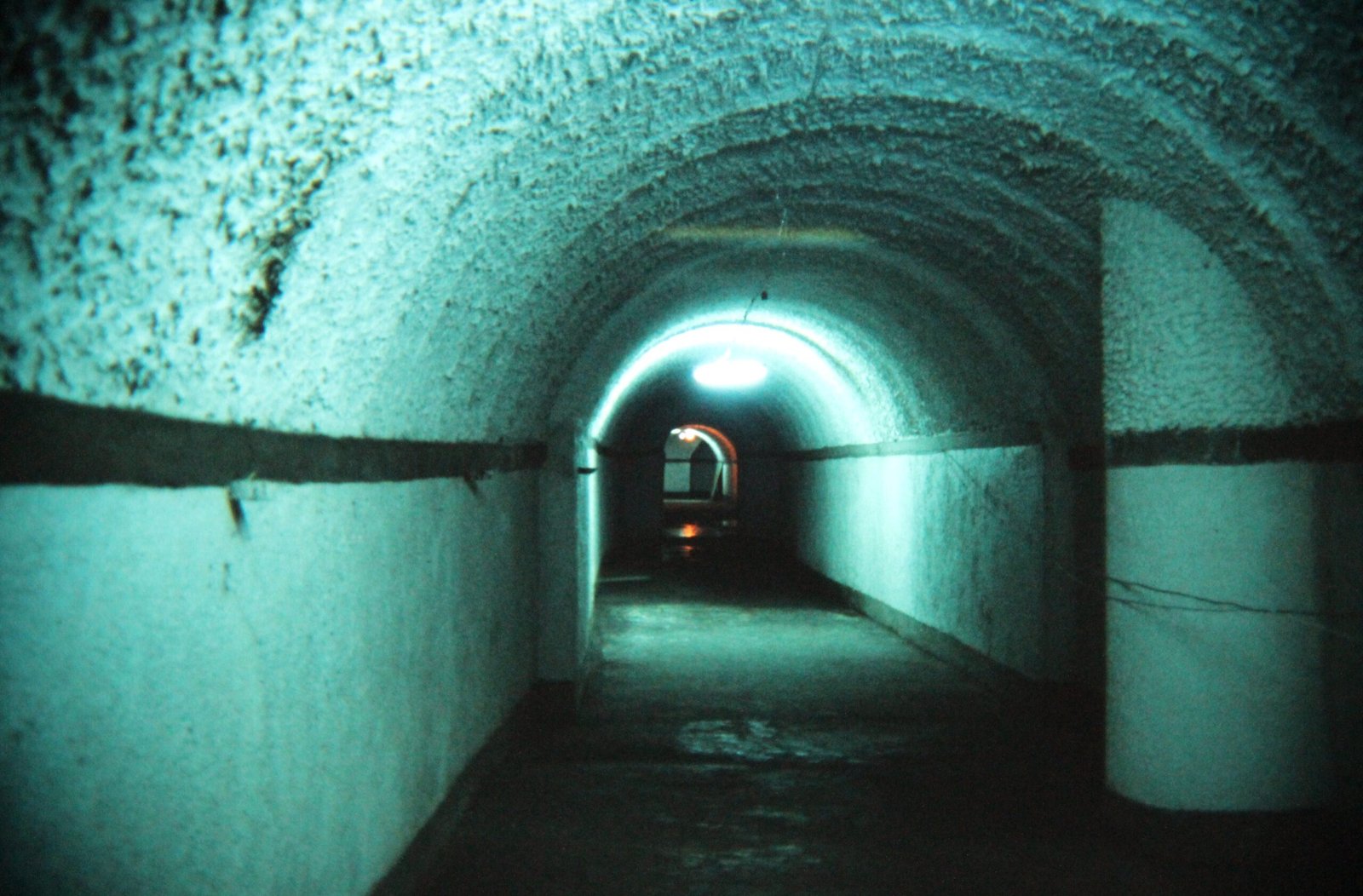
During the 20th century, Beijing’s underworld took on a new, ominous character. Fearing foreign invasion and nuclear attack, leaders ordered the construction of an immense network of bomb shelters and military tunnels. Known as the “Underground City,” this vast complex could shelter tens of thousands of citizens, with corridors stretching for miles beneath the surface. Today, much of this Cold War relic remains sealed, but rumors persist of hidden entrances and forgotten rooms, echoing with the anxieties of a turbulent era.
Hidden Springs and Subterranean Lakes

Beneath the concrete and asphalt, Beijing still drinks from hidden springs and underground lakes. These natural reservoirs have sustained the city through droughts and sieges, their cool waters seeping up through wells and ancient waterworks. In times of crisis, these sources have been lifelines, quietly feeding fountains and rice paddies. Geologists continue to study the city’s aquifers, warning that their slow depletion could spell trouble for the future—a reminder that the unseen world below is vital to life above.
The Secret Gardens Below

Some of Beijing’s lushest parks and gardens owe their beauty to what lies beneath. In certain places, the soil is unusually rich, thanks to centuries of buried organic matter and the lingering moisture from ancient riverbeds. These hidden riches give rise to spectacular blooms and towering trees, creating oases in the urban jungle. Botanists often marvel at how certain rare plants thrive only in these spots, as if drawing strength from the city’s buried history.
The Echoes of Earthquakes Past
Beijing’s underground is scarred by the memory of ancient earthquakes. Seismic faults crisscross the region, some lying dormant for centuries, others stirring suddenly to life. Archaeologists have found evidence of collapsed buildings and sudden shifts in the soil, dating back to dynastic times. These tremors have shaped the city’s evolution, forcing architects and engineers to innovate, and leaving a legacy of caution that persists even today.
Lost Treasures and Buried Artifacts

Every year, construction crews in Beijing unearth artifacts ranging from Tang Dynasty coins to jade amulets and porcelain figurines. Occasionally, a lucky digger finds something truly astonishing—a bronze mirror from a royal tomb, or a stash of gold hidden during a long-ago invasion. These treasures provide a tangible link to the people who lived, loved, and struggled here over the millennia. Museums and private collectors vie for these finds, but many remain hidden, waiting for their moment to shine.
The Mystery of the Disappearing Lakes
Old maps of Beijing show a city ringed by lakes and marshes—many of which have vanished over the centuries. Some were drained to make way for palaces or roads, while others slowly dried up as rivers changed course. Satellite images reveal the ghostly outlines of these lost waters, sometimes reappearing after heavy rains. Ecologists worry that the loss of these wetlands has upset the city’s delicate balance, making it more vulnerable to floods and heatwaves.
The Whispering Tombs of Royalty
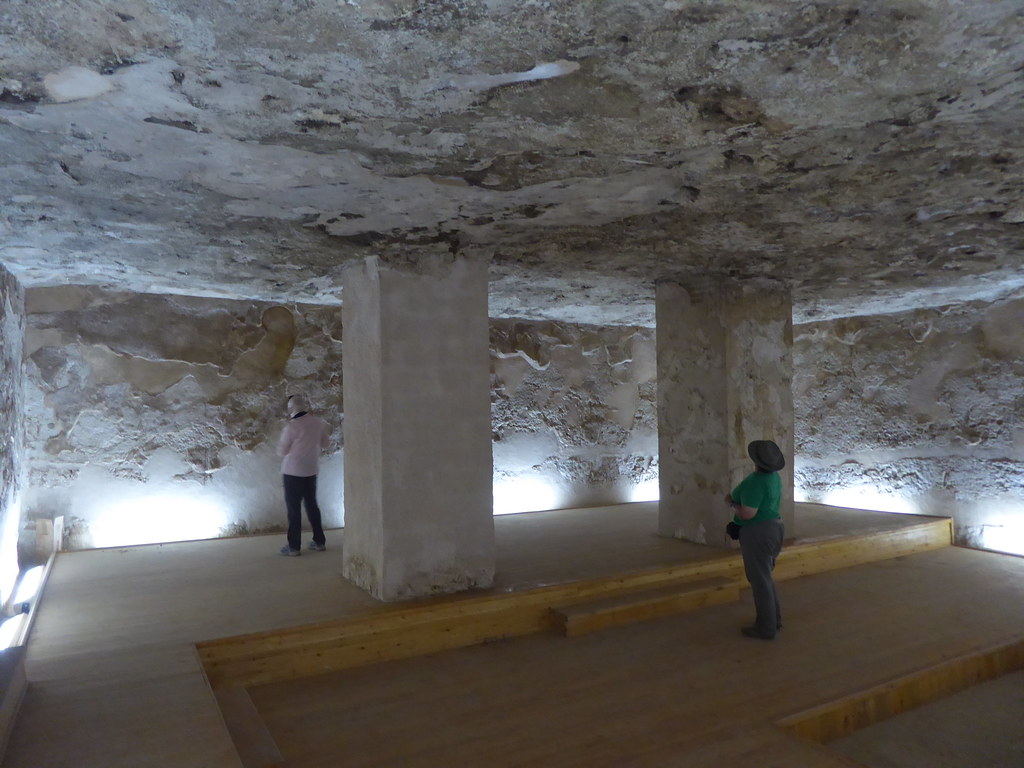
Beneath Beijing and its outskirts lie the tombs of emperors, empresses, and princes—some lavishly decorated, others shrouded in secrecy. These burial chambers are filled with treasures, murals, and even the remains of sacrificial animals. Many tombs have been looted or damaged over the centuries, but others remain undisturbed, their secrets kept safe by layers of earth and legend. Visiting these sites, one can almost hear the whispers of those who ruled China’s greatest dynasties.
The Forgotten Villages Under New Neighborhoods
As Beijing expands, entire villages are sometimes swallowed up by new developments. The remains of homes, wells, and temples linger beneath the foundations of apartment blocks and shopping centers. Some city dwellers speak of strange dreams or odd feelings in these places, as if the land remembers its old inhabitants. Urban archaeologists race to document these lost communities before they disappear forever, hoping to preserve a sense of continuity amid relentless change.
The Secret Life of Urban Wildlife Underground
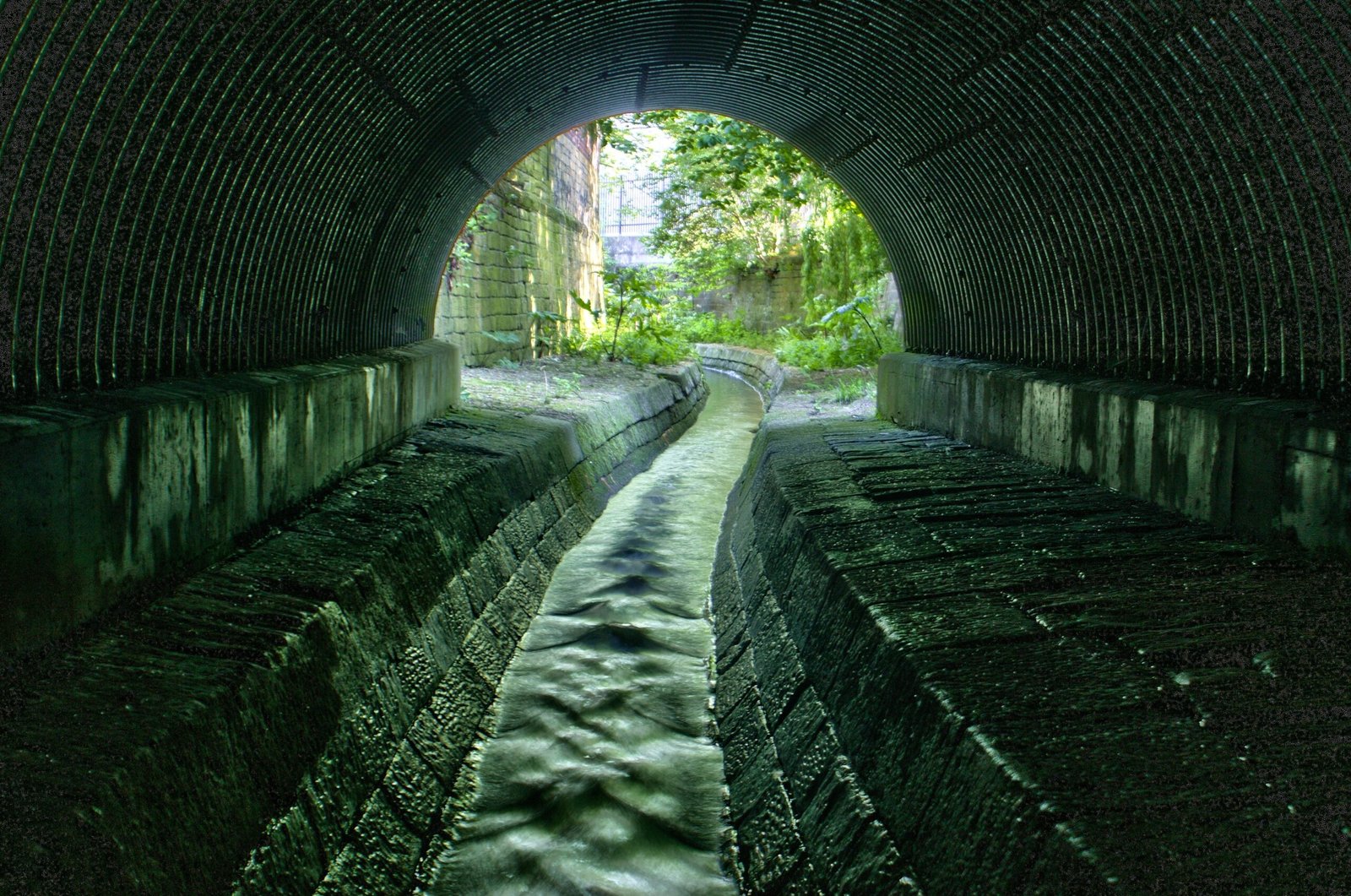
Beijing’s underground isn’t just for humans—animals have made it their home too. Rats and stray cats navigate the city’s sewers, while bats roost in abandoned tunnels and forgotten chambers. In some places, rare amphibians have adapted to life in dark, damp corners, surviving where few others can. Scientists are only beginning to understand this hidden ecosystem, which thrives in the shadows of human civilization.
Subterranean Mysteries: Unexplained Phenomena
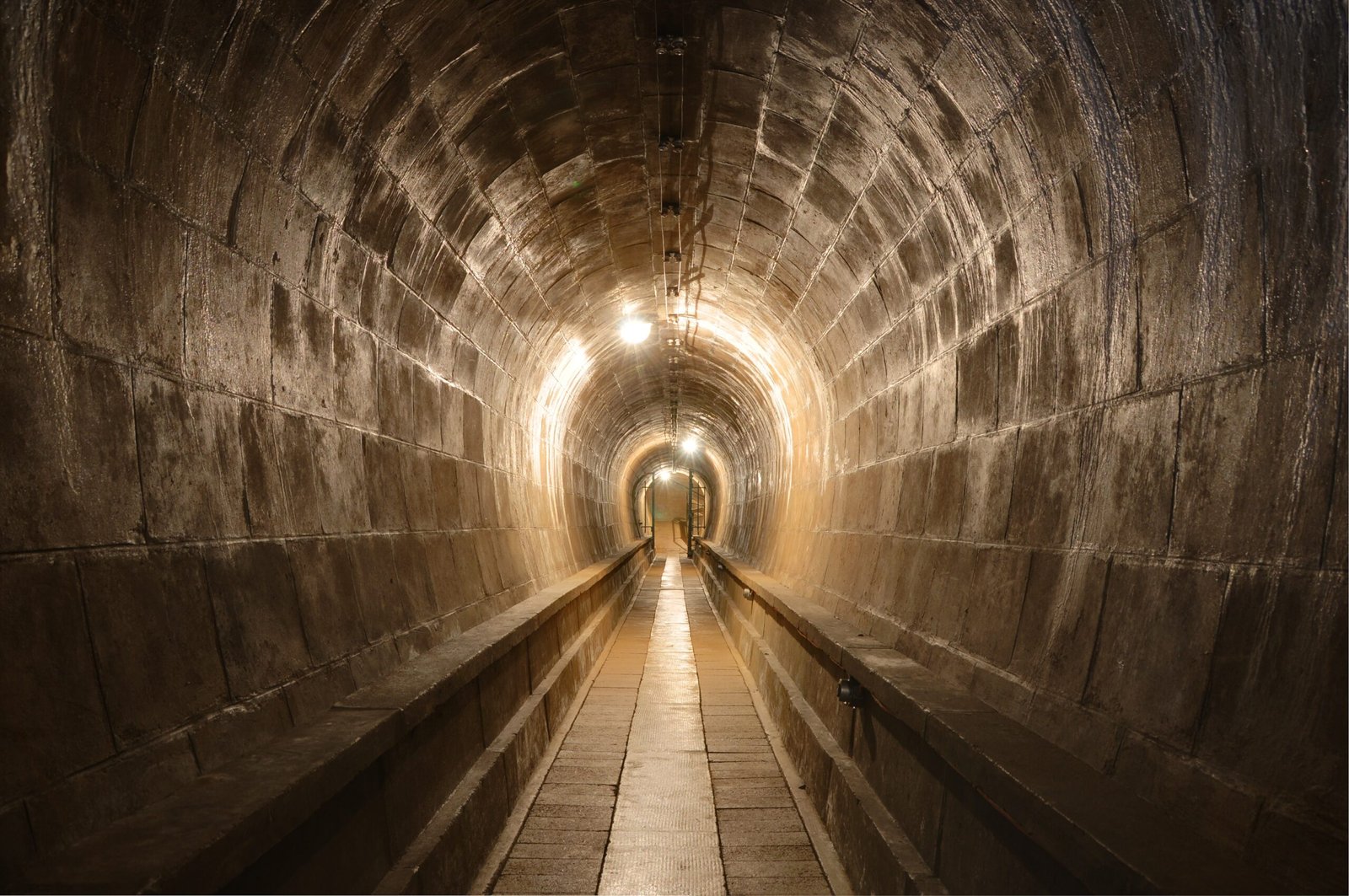
Over the years, workers and explorers have reported strange sounds, flashes of light, and even ghostly apparitions in Beijing’s underground. While some dismiss these as tricks of the mind, others believe they point to deeper mysteries—perhaps natural gas escaping from fissures, or echoes from distant construction. The unexplained remains a part of the city’s allure, fueling urban legends and late-night stories.
Climate and the Changing Underground
Beijing’s climate is shifting, and its underground is changing with it. Warmer temperatures and altered rainfall patterns are affecting water tables and soil stability. As the city adapts, engineers worry about sinkholes, floods, and the preservation of ancient sites. The challenge is to balance progress with protection, ensuring that the treasures below are not lost to the demands of modern life.
The Role of Modern Technology in Unveiling the Past
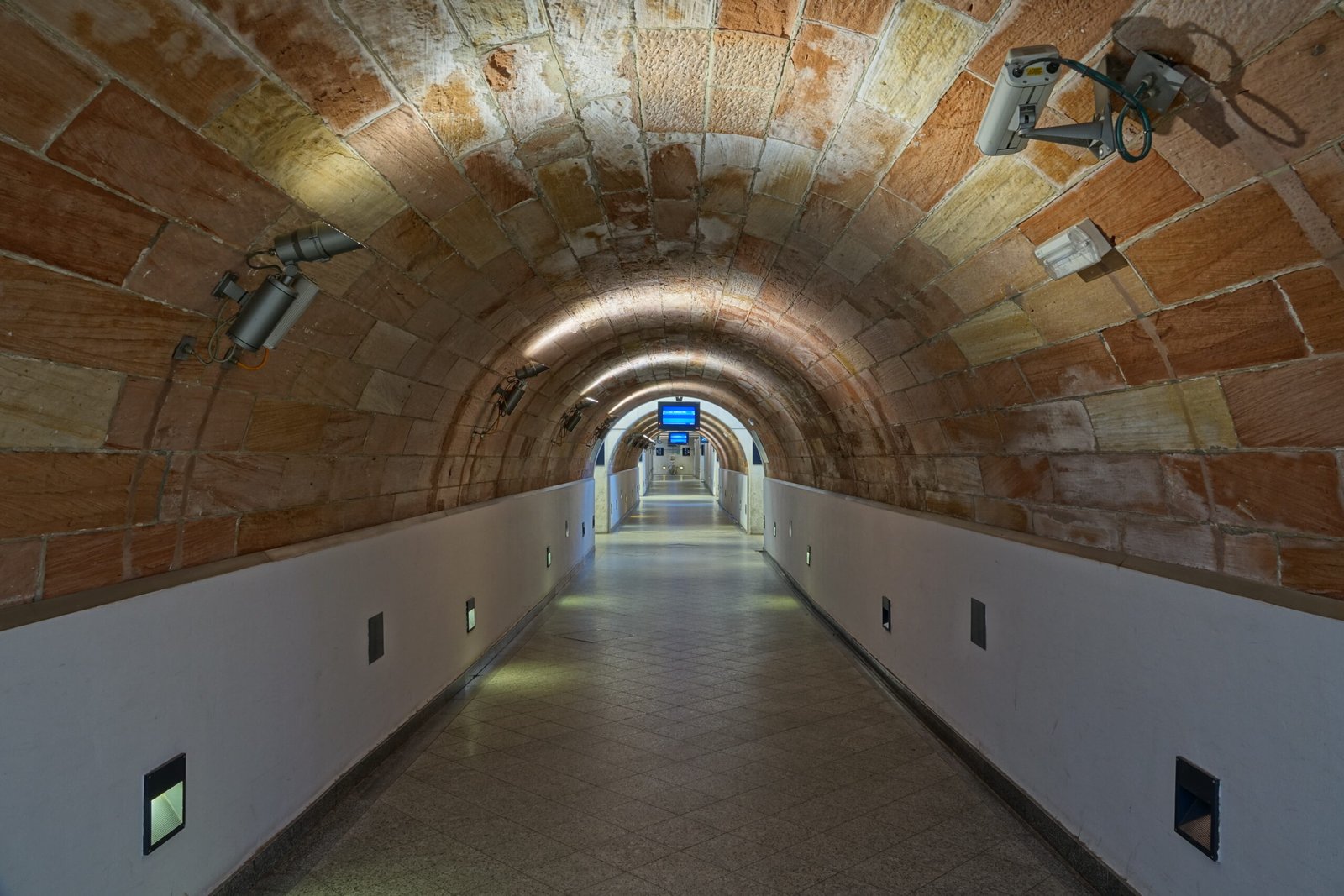
Advances in technology have transformed our understanding of Beijing’s underworld. Ground-penetrating radar, 3D mapping, and remote sensing allow scientists to peer beneath the surface without digging. These tools have revealed hidden chambers, buried walls, and even the outlines of entire neighborhoods. With each discovery, the map of subterranean Beijing grows more detailed, inviting us to rethink what we know about the city.
Preservation Versus Progress: A City at a Crossroads
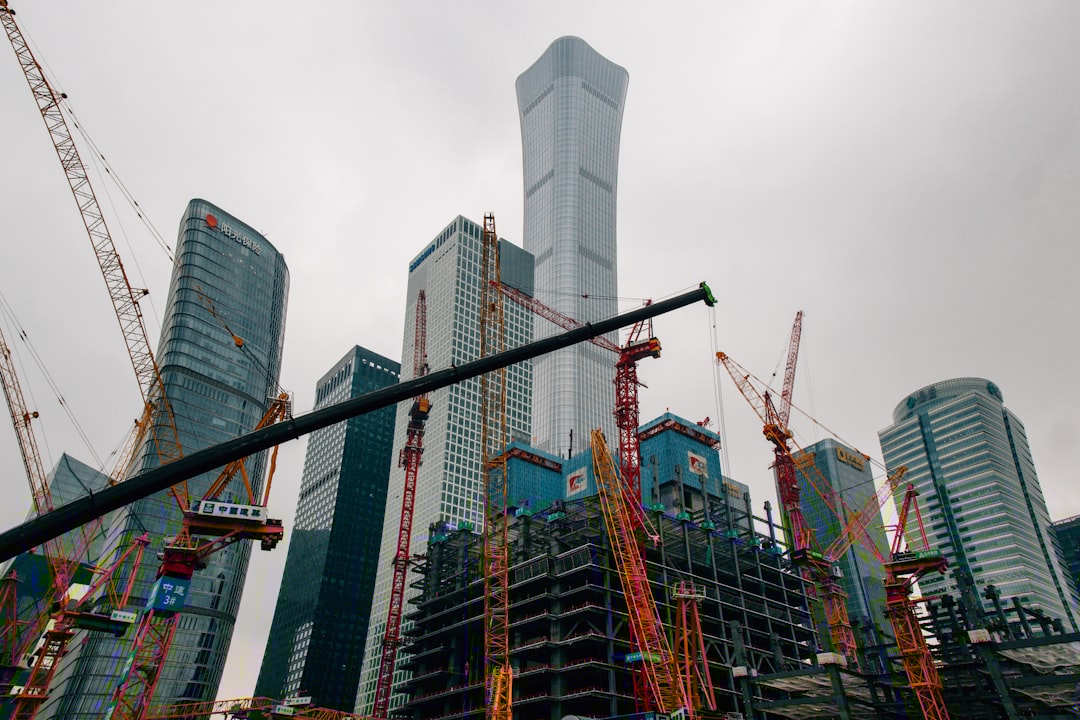
As Beijing continues to grow, tensions rise between development and preservation. Construction projects threaten to destroy irreplaceable relics, while conservationists fight to save what remains. The choices made today will shape what future generations inherit—will they walk above forgotten wonders, or will the city find a way to honor its buried legacy? The answer is still being written, one excavation at a time.
Personal Journeys: Explorers and Dreamers
For some, the underground world is more than history—it’s an obsession. Urban explorers, amateur archaeologists, and curious locals risk fines or worse to venture beneath the city, searching for secrets. Their stories, often whispered in cafes or shared online, add a human touch to Beijing’s hidden depths. They remind us that the greatest discoveries are sometimes made not by experts, but by dreamers willing to follow a hunch or a rumor.
A City Above, a World Below
Beijing’s true story is not just written in its temples or towers, but in the silent layers beneath. Lost rivers, forgotten cities, and fossil secrets form a tapestry as rich and complex as any legend. The ground beneath our feet holds memories of ancient floods, vanished empires, and creatures from another age. Next time you cross a Beijing street, pause for a moment and imagine the worlds hidden below. What other secrets might still be waiting to be found?