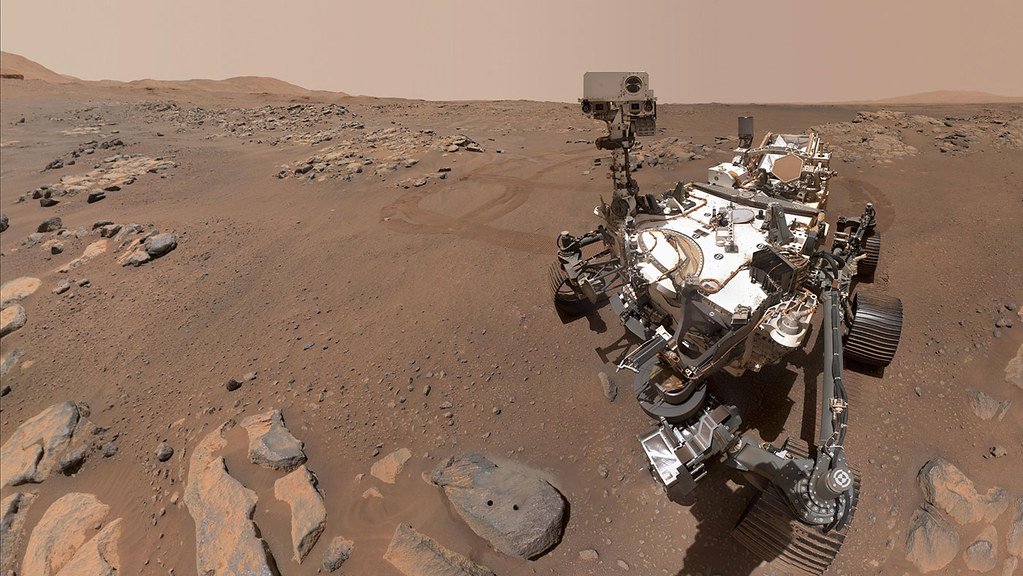

It’s almost impossible to imagine: tiny fragments of another planet, sealed in tubes, waiting on Martian soil to someday cross millions of miles and land on Earth. Yet, this isn’t science fiction—it’s happening right now. NASA’s Perseverance rover is prowling across the rusty wilderness of Mars, scooping up rocks and dust that could rewrite the story of life itself. The thought is both exhilarating and humbling: one day, we might hold in our hands pieces of Mars, bringing the distant Red Planet into our laboratories and our collective imagination. But what does Perseverance’s rock collection really mean? Are these samples destined to become humanity’s very first pieces of another world? Let’s dive into the heart of this bold mission and explore why these Martian rocks could be the most extraordinary souvenirs our planet has ever seen.
The Dream of Touching Another World
For centuries, humans have looked up at Mars and wondered what secrets it holds. The idea of actually bringing a piece of another planet to Earth has thrilled scientists and dreamers alike. Holding Martian rocks would be like shaking hands with another world—a direct, tangible connection to something utterly alien. This dream drives missions like Perseverance, as scientists hope these samples might answer age-old questions about our place in the universe. What could a piece of Mars feel like? Would it crumble in your hand, or glint with strange minerals never seen before? The very act of collecting these rocks is an act of hope, curiosity, and a dash of cosmic daring.
Why Perseverance Went to Jezero Crater
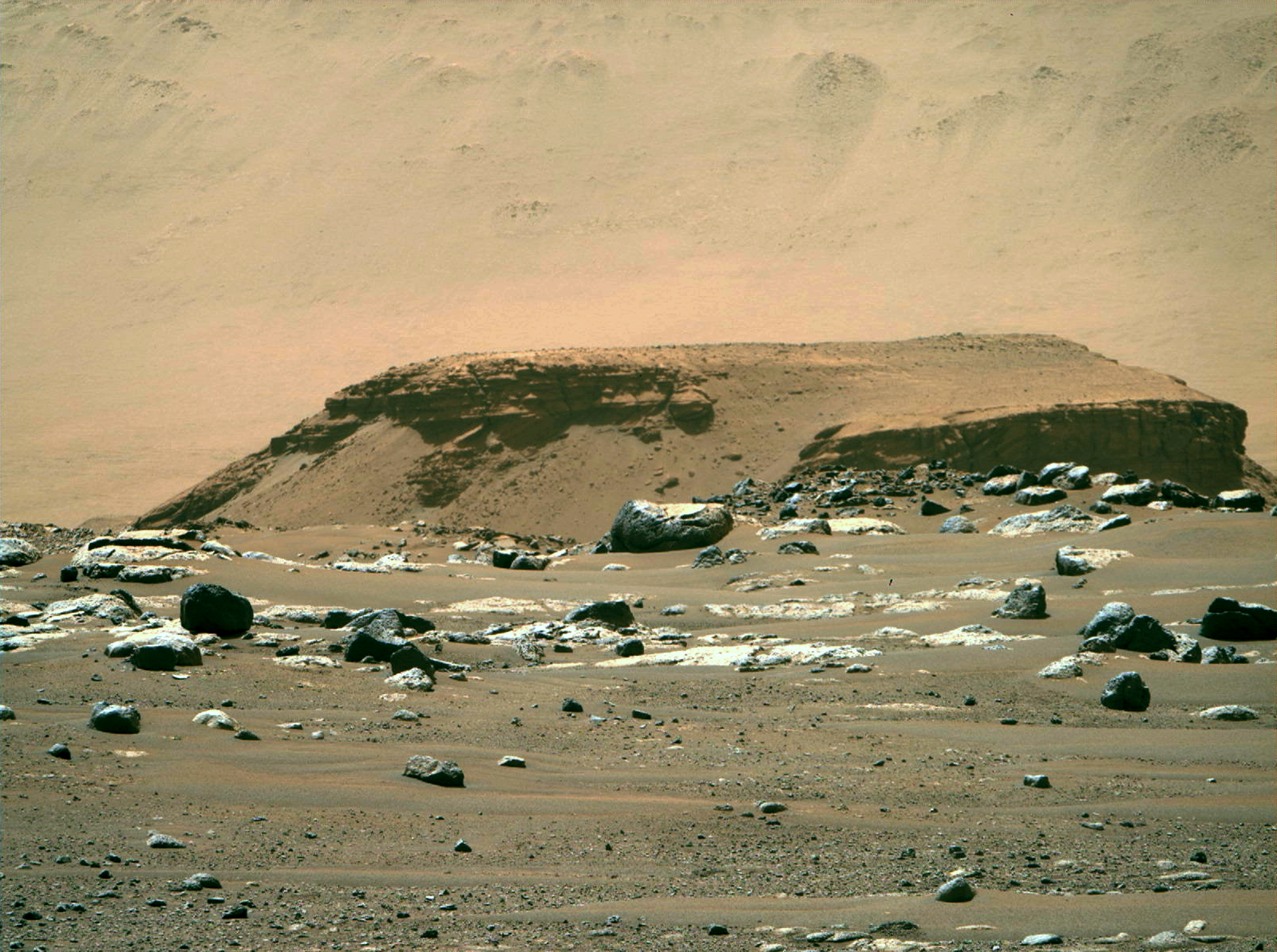
NASA didn’t pick just any old spot on Mars for Perseverance’s landing. Jezero Crater is special—it was once home to a vast lake, fed by ancient rivers. Scientists believe this crater could hold clues to past life, as its sediments might have trapped ancient microbes or preserved signs of habitability. The rocks here tell a story of water, climate, and change over billions of years. If you imagine Mars as a giant, unexplored library, Jezero Crater is like a shelf of dusty, forgotten books waiting to be read. Perseverance’s mission is to find the most intriguing “pages” and bring them home.
How the Rover Chooses Its Rocks
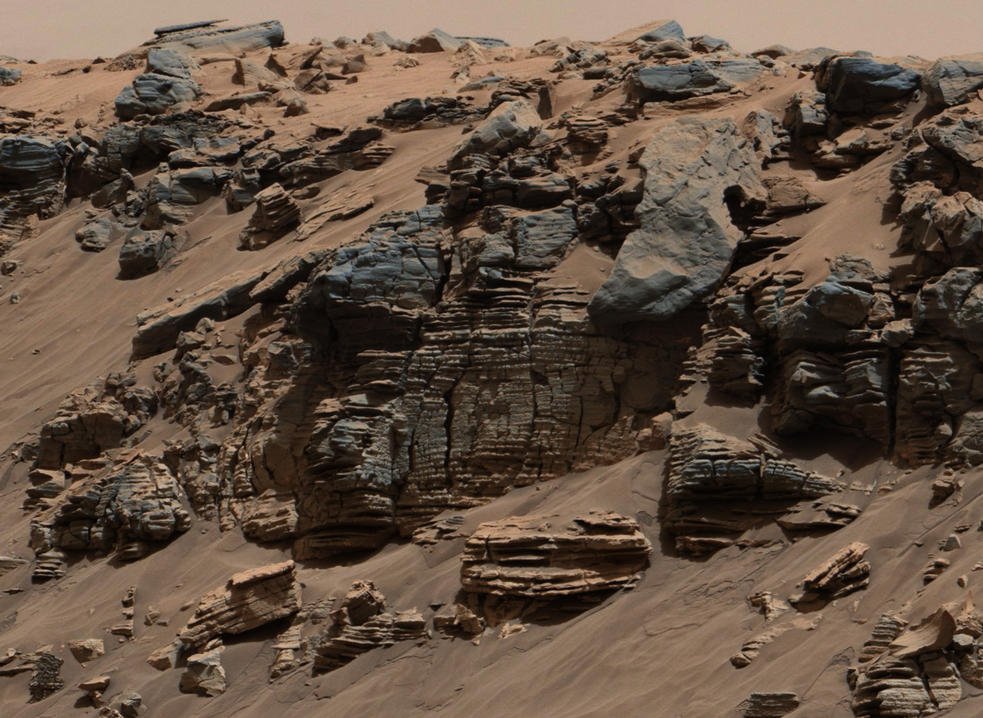
Perseverance isn’t just scooping up any rock it finds. Its onboard sensors and cameras help it scan the landscape, searching for rocks with the potential to unlock Mars’ secrets. These rocks are analyzed for their composition, structure, and history. The rover’s “Sherloc” and “SuperCam” instruments act like Martian detectives, sniffing out unusual minerals, textures, and colors that might hint at ancient water or even past life. The selection process is deliberate and methodical: only the most promising samples are chosen for collection and storage.
The Science Behind the Sample Tubes
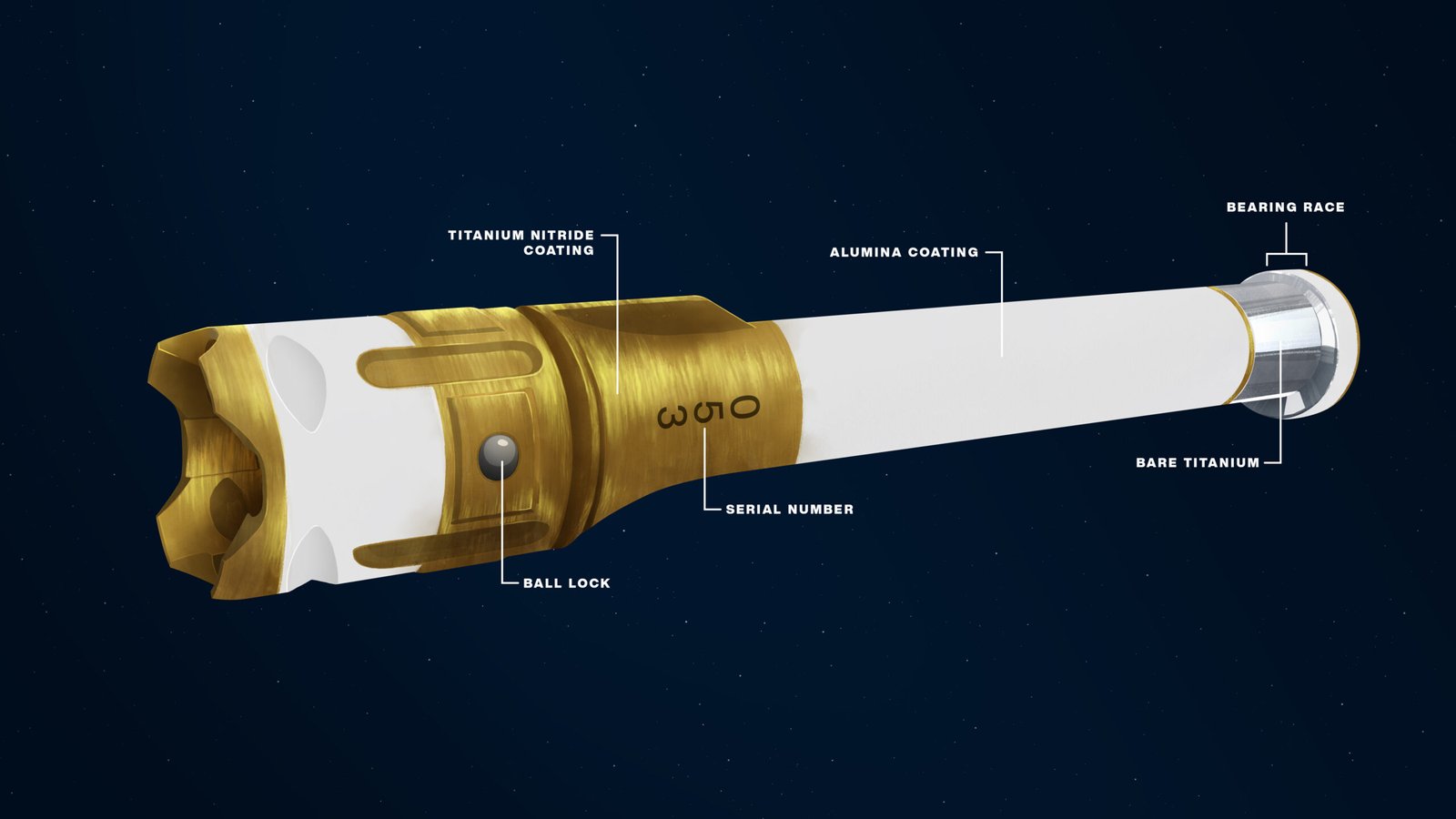
Each rock or soil sample Perseverance collects is carefully packed into titanium tubes. These tubes are marvels of engineering—airtight, sterile, and designed to withstand the brutal environment of Mars and the long journey back to Earth. Ensuring the samples remain uncontaminated is crucial; any earthly germs or materials could ruin delicate experiments later on. The tubes are like tiny time capsules, preserving the exact state of Martian rocks as they are found. If these samples make it to Earth, they’ll offer an untouched glimpse into Mars’ history.
The Sampling Process: Drilling and Storing
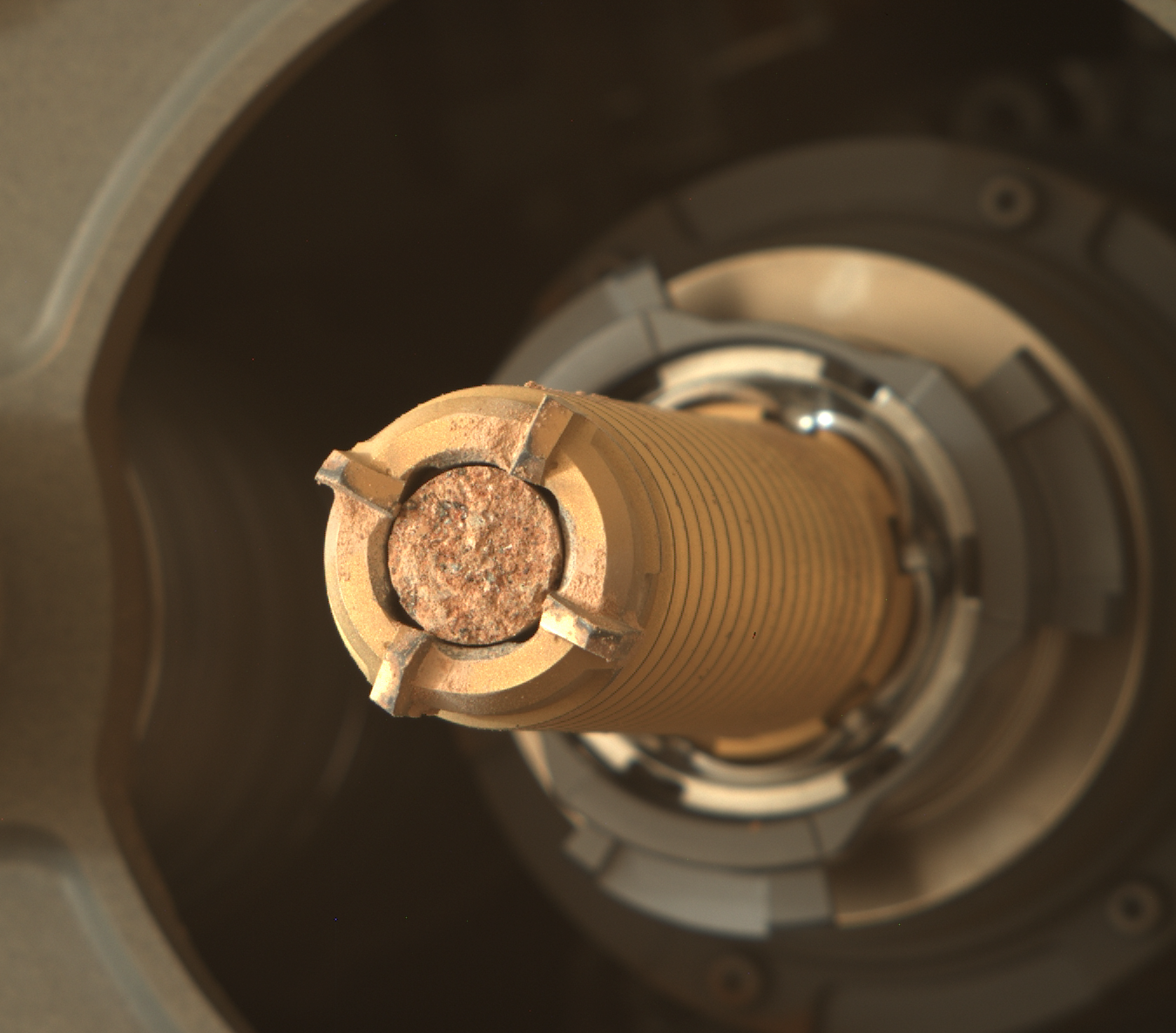
The act of collecting a sample on Mars is surprisingly dramatic. Perseverance uses a rotary percussion drill at the end of its robotic arm to bore into rocks. Once a core is extracted, the rover carefully transfers it into a storage tube. The process must be precise—there’s no room for mistakes when you’re operating 140 million miles from home. Each tube is sealed and cataloged, with the rover taking detailed notes and photos for scientists back on Earth. It’s a slow, methodical dance, but every step matters when the stakes are cosmic.
What Makes Martian Rocks So Special?
Martian rocks are more than just geological curiosities. They’re historical records, each layer offering clues to the planet’s past environments and climate. Some rocks might have formed in volcanic eruptions, while others were shaped by ancient rivers or winds. By studying these samples, scientists hope to learn whether Mars ever supported life, how its atmosphere changed over time, and what makes it so different from our own world. Every pebble collected is a potential key to unlocking mysteries that have stumped humanity for generations.
Signs of Ancient Water and Habitability
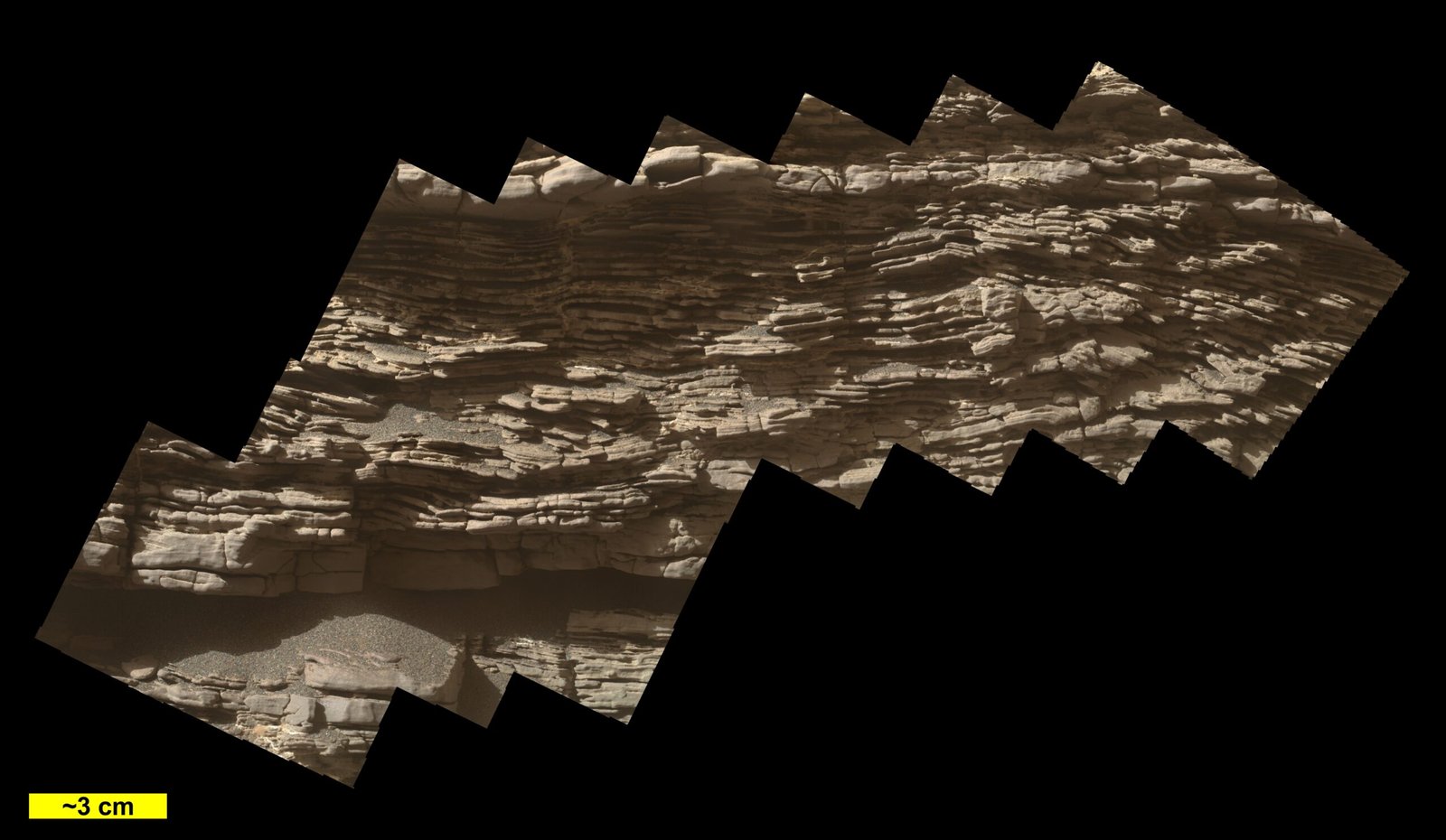
One of the main goals for Perseverance is to find evidence that Mars once had water—and perhaps life. Certain rocks, especially clays and sediments in Jezero Crater, are thought to form in watery environments. If the rover’s samples show minerals altered by water, or structures resembling fossilized microbes, it could be a game-changer. Scientists are eager to analyze these samples on Earth, where powerful microscopes and chemical tests could reveal signs of ancient Martian habitability—or even life itself.
The Hunt for Biosignatures
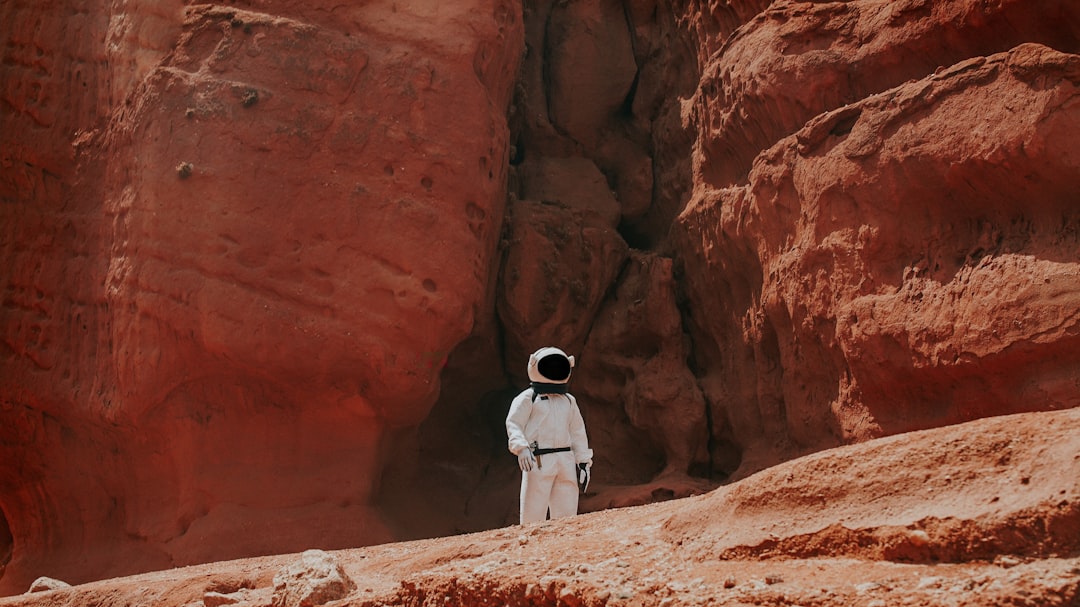
Imagine discovering a tiny, fossilized microbe in a Martian rock. That’s the dream that keeps scientists glued to their monitors. Perseverance’s instruments are searching for “biosignatures,” or patterns and chemicals that could indicate ancient life. On Mars, this might look like certain organic molecules, strange textures, or mineral patterns that don’t form naturally. If these are found in the collected samples, it would be one of the most profound discoveries in history—proof that Earth isn’t alone in nurturing life.
Engineering Marvels: Perseverance’s Robotic Arm
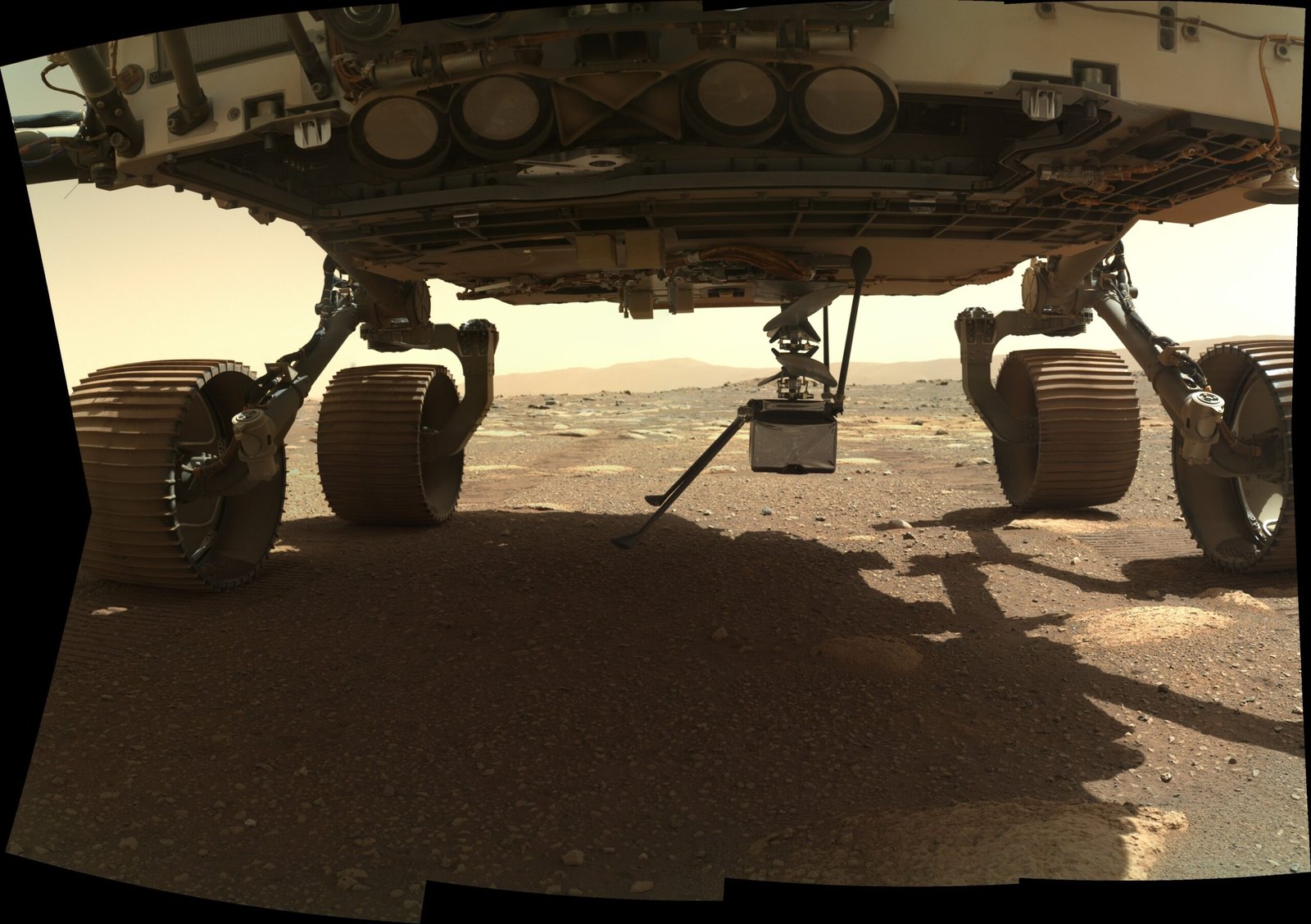
Perseverance’s robotic arm is a masterpiece of engineering, designed to be both strong and delicate. It extends, rotates, and wields a suite of tools for drilling, collecting, and examining Martian rocks. The arm must cope with freezing temperatures, dust storms, and uneven terrain without fail. Watching it in action is like seeing a surgeon operate on a distant patient—every movement calculated, every action indispensable. The arm’s success or failure will determine whether these precious samples ever leave Mars.
Cataloging Mars: Perseverance’s “Rock Library”
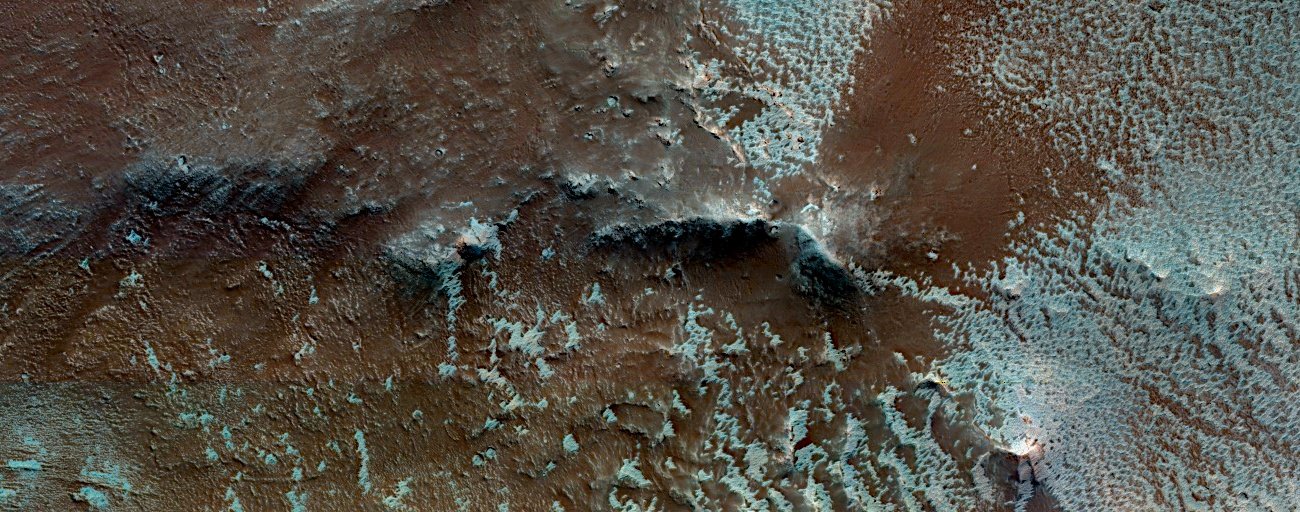
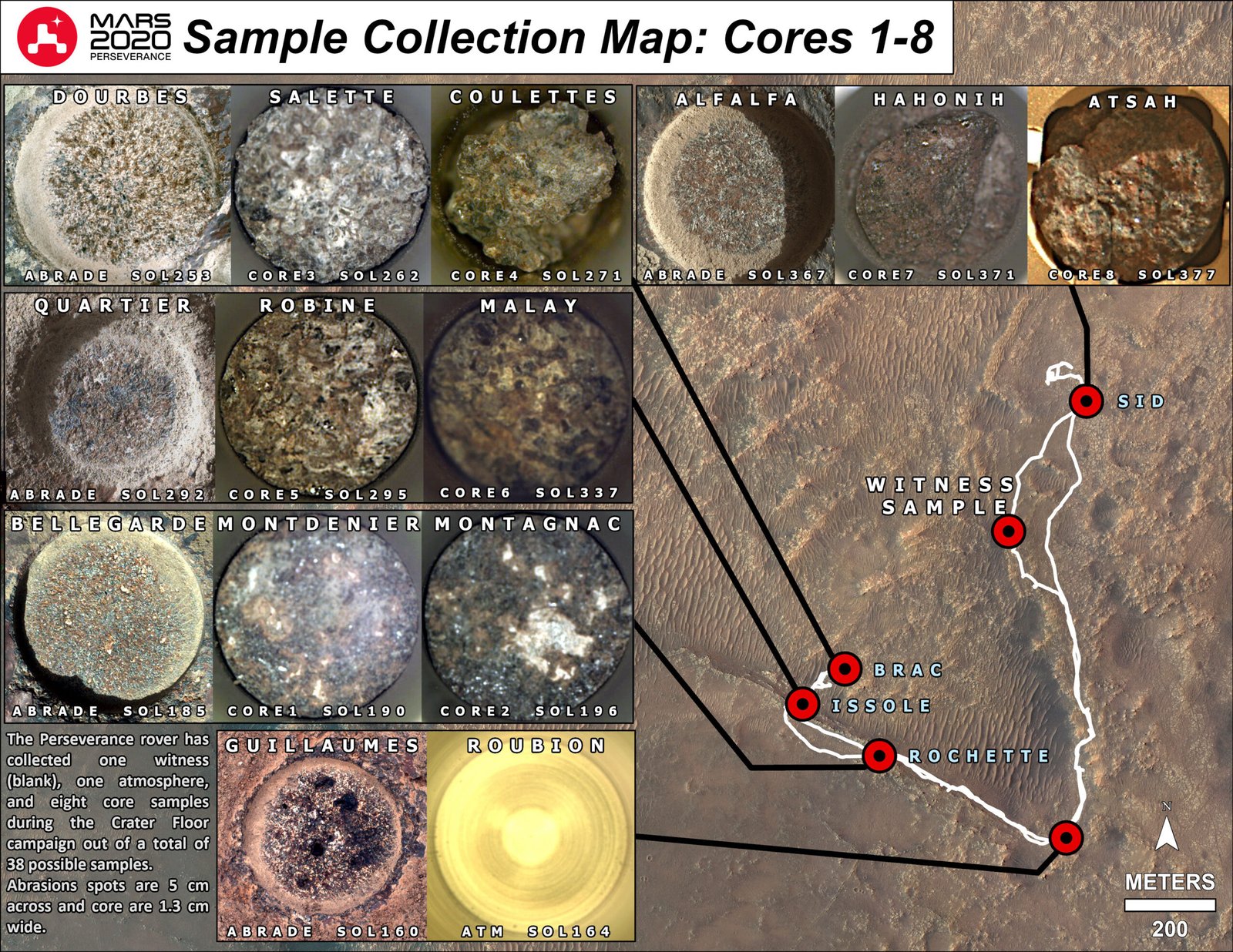
As Perseverance collects more samples, it’s building a kind of “rock library” on Mars. Each sample is logged, photographed, and mapped, creating a detailed record that will guide future missions. Scientists are already debating which samples are the most important, prioritizing those with the greatest scientific potential. This meticulous cataloging ensures that, when the time comes, the right rocks will be brought back to Earth. It’s a bit like assembling a treasure chest—every item has to count.
The Grand Plan: Mars Sample Return Mission
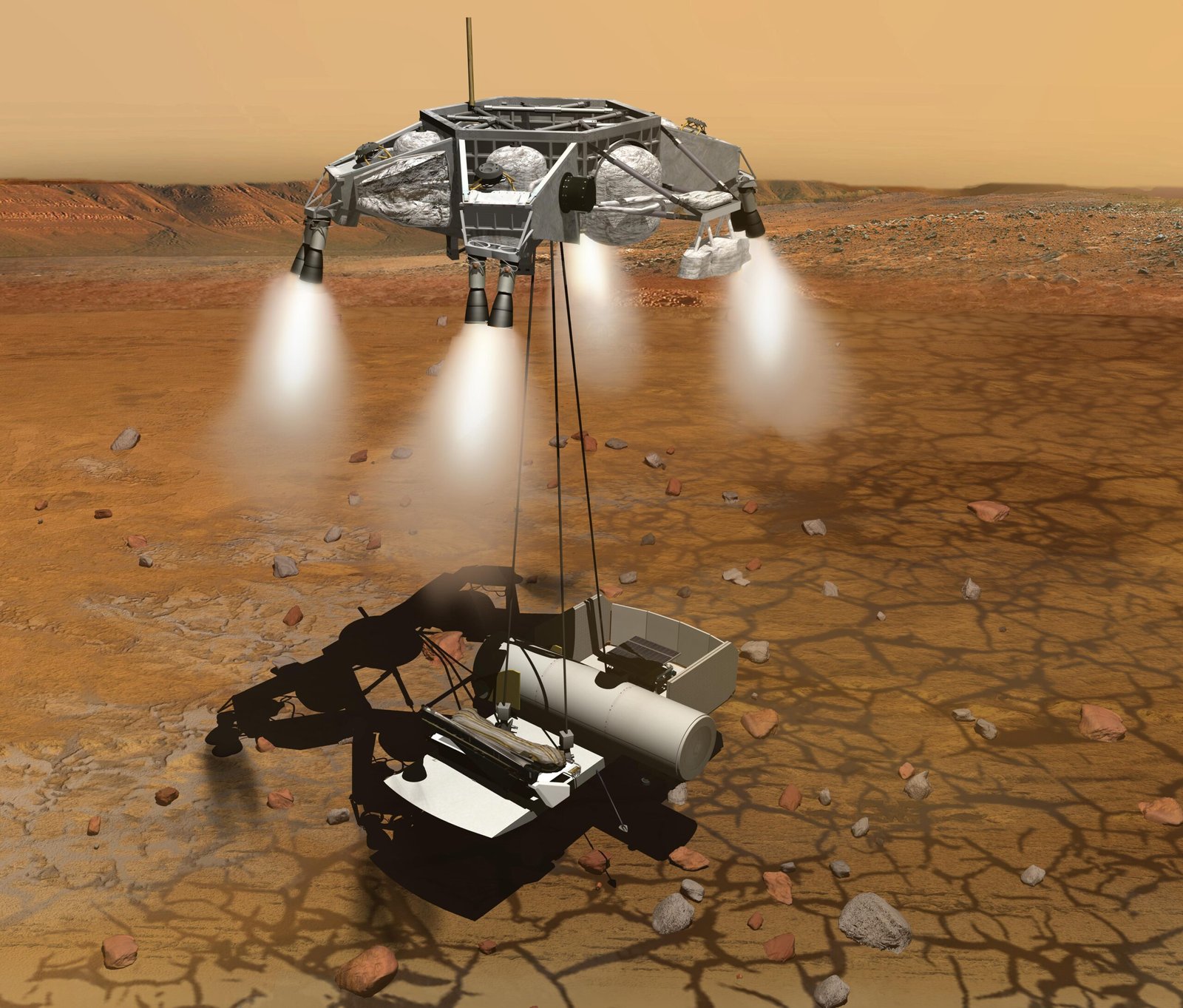
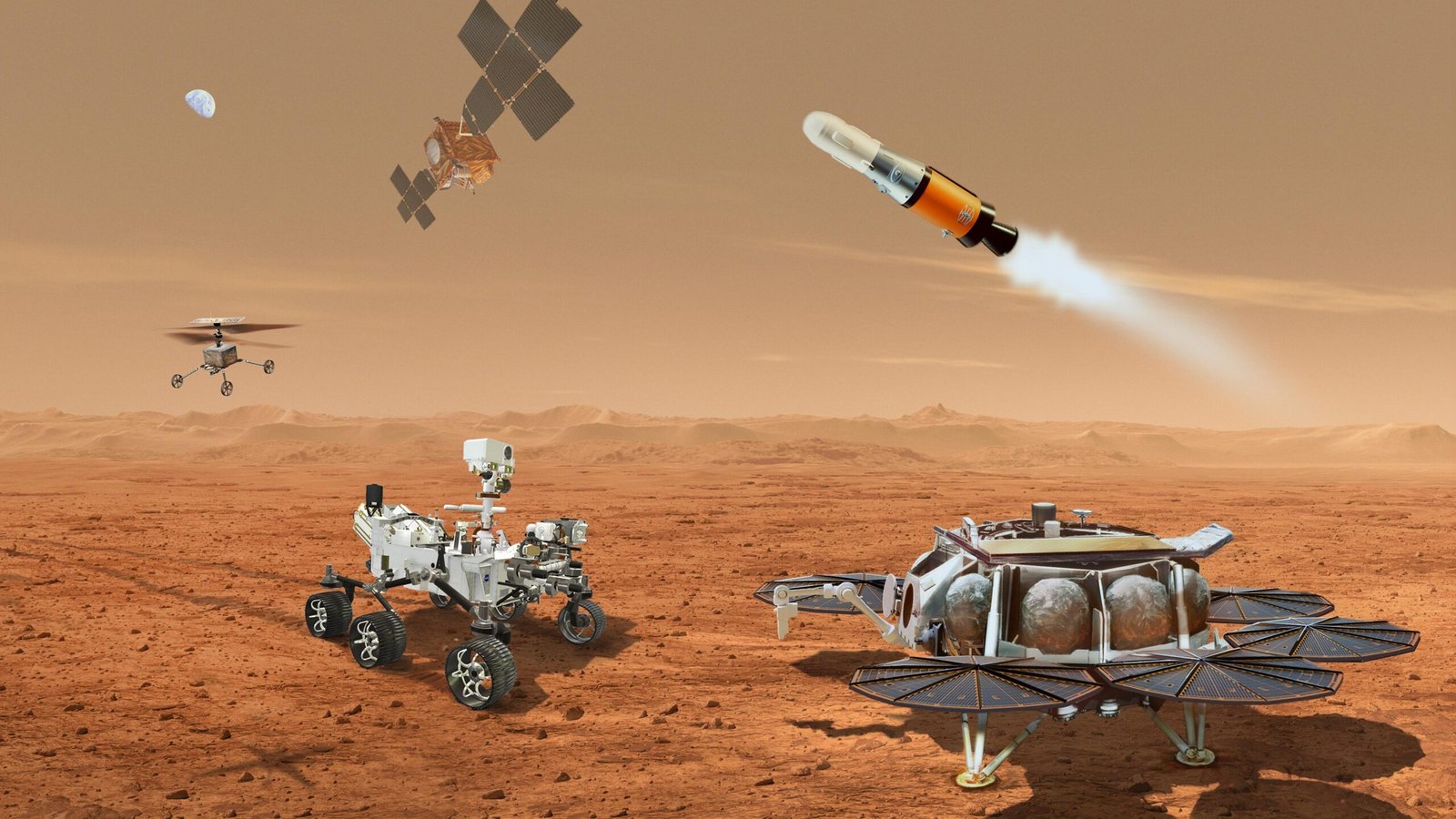
Collecting rocks is just the first step. NASA and the European Space Agency are planning a daring follow-up mission to fetch these samples and fly them back to Earth. This “sample return” involves sending another spacecraft to Mars, picking up the sealed tubes, launching them into orbit, and catching them for the journey home. The logistics are mind-boggling—every stage must work perfectly, or decades of work could be lost. But the potential payoff is huge: the first alien rocks ever to arrive on our planet.
The Potential Risks of Bringing Mars to Earth
The idea of bringing Martian rocks to Earth is thrilling, but it’s not without risks. What if the samples contain unknown microbes or chemicals? Scientists have taken extensive precautions, designing containment systems to prevent any possible contamination. The receiving labs on Earth will be among the most secure ever built, ensuring our planet stays safe. Still, the question lingers: what surprises might these rocks hold, and are we truly ready for them?
What Scientists Hope to Discover
Beyond the search for life, the Martian samples could reveal secrets about the planet’s geology, climate, and even its magnetic field. Some rocks might show evidence of ancient volcanoes, meteor impacts, or shifting tectonic plates. Others could help explain why Mars lost its atmosphere and became a frozen desert. Scientists dream of discoveries big and small—each one a piece of the puzzle that is Mars. Every answer brings a dozen new questions.
Inspiring a New Generation of Explorers
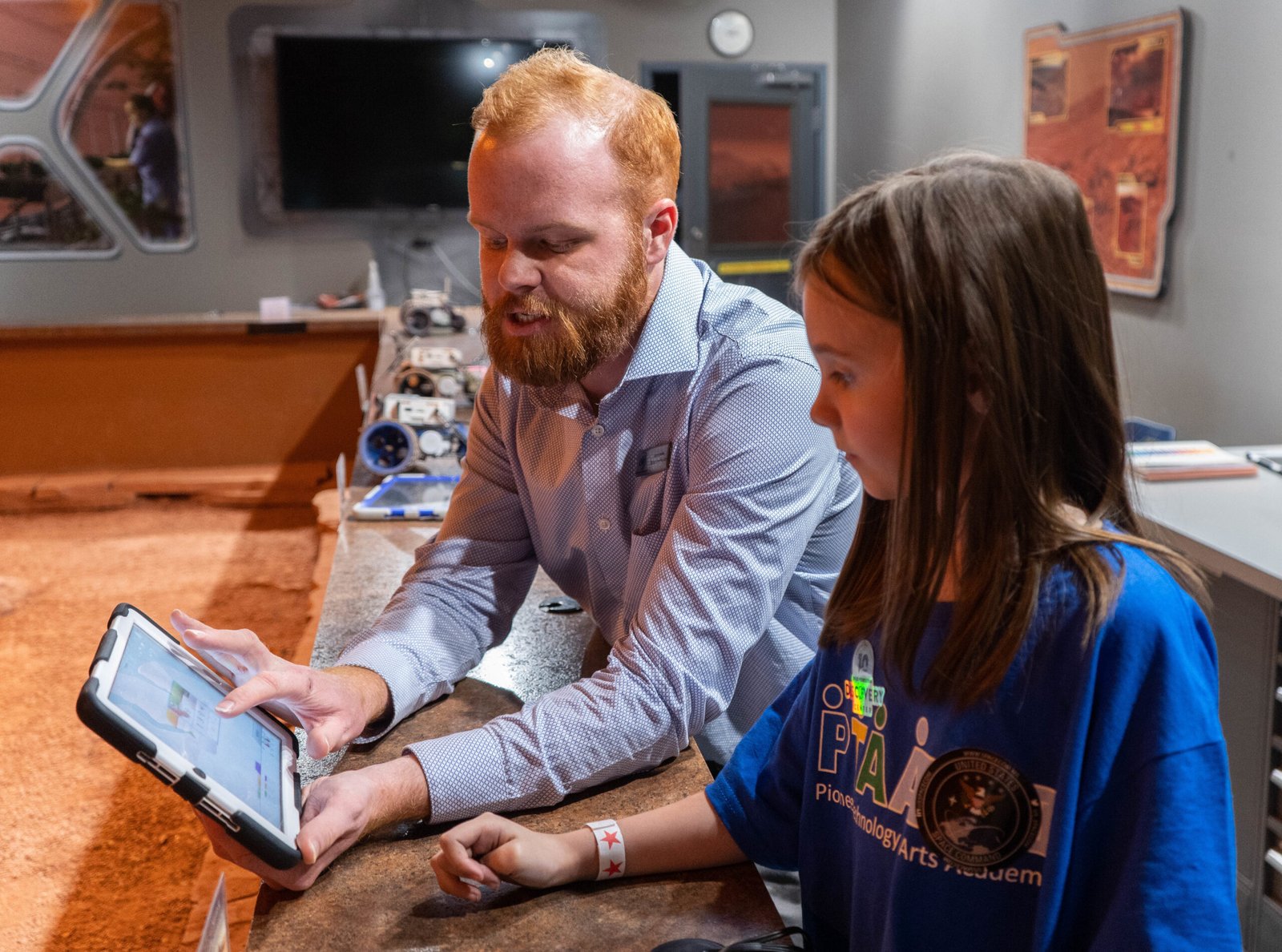
The Perseverance mission isn’t just about rocks—it’s about inspiring people. Kids around the world are watching as the rover sends back images and discoveries. Seeing a robot explore another world makes space feel closer, more real. For some, it might spark a lifelong fascination with science and exploration. The mission reminds us all that curiosity is a powerful force, and that big dreams can lead to extraordinary achievements.
Personal Reflections: The Awe of Cosmic Discovery
Thinking about Perseverance’s rock collection fills me with a sense of awe. It’s easy to get caught up in daily routines, but then you remember that, right now, our robots are exploring another planet. It’s both humbling and exhilarating to imagine holding a Martian rock one day. These moments remind us that the universe is vast and mysterious, and that our small blue world is part of something much bigger. Who knows what wonders we’ll uncover next?
A Glimpse of the Future: What Comes Next?
As Perseverance continues its journey, the world waits eagerly for the next chapter. Will we find proof of ancient life? Will these rocks share secrets no one has even thought to ask? The mission is far from over—more samples will be collected, more mysteries uncovered. The excitement is contagious, and the possibilities seem endless. With every rock retrieved, we get a little closer to answering the ultimate question: are we alone in the universe?
The Significance of the First Extraterrestrial Samples
If Perseverance’s rocks make it to Earth, they’ll become symbols of human ingenuity and curiosity. They’ll be studied for decades, inspiring new theories and discoveries. These samples won’t just be pieces of Mars—they’ll be reminders of what humanity can achieve when we dare to dream big and reach for the stars. The journey is risky, the outcome uncertain, but the rewards could change our understanding of life and the cosmos forever.