Imagine stumbling upon the massive, curved tusk of a woolly mammoth poking through frozen earth—its ivory still gleaming after tens of thousands of years. The Yukon, a land painted by endless twilight and haunting silence, hides secrets more ancient than our oldest legends. Here, beneath a surface locked in perpetual frost, lie the bones and bodies of Ice Age giants—creatures so enormous and strange, it’s hard to believe they once roamed the same wilds where moose and wolves wander today. The story of these beasts and the permafrost that holds them is not just about the past; it’s about how cold, time, and luck have made the Yukon a window into an ancient world that still feels alive.
The Frozen Time Capsule: Permafrost’s Mysterious Power
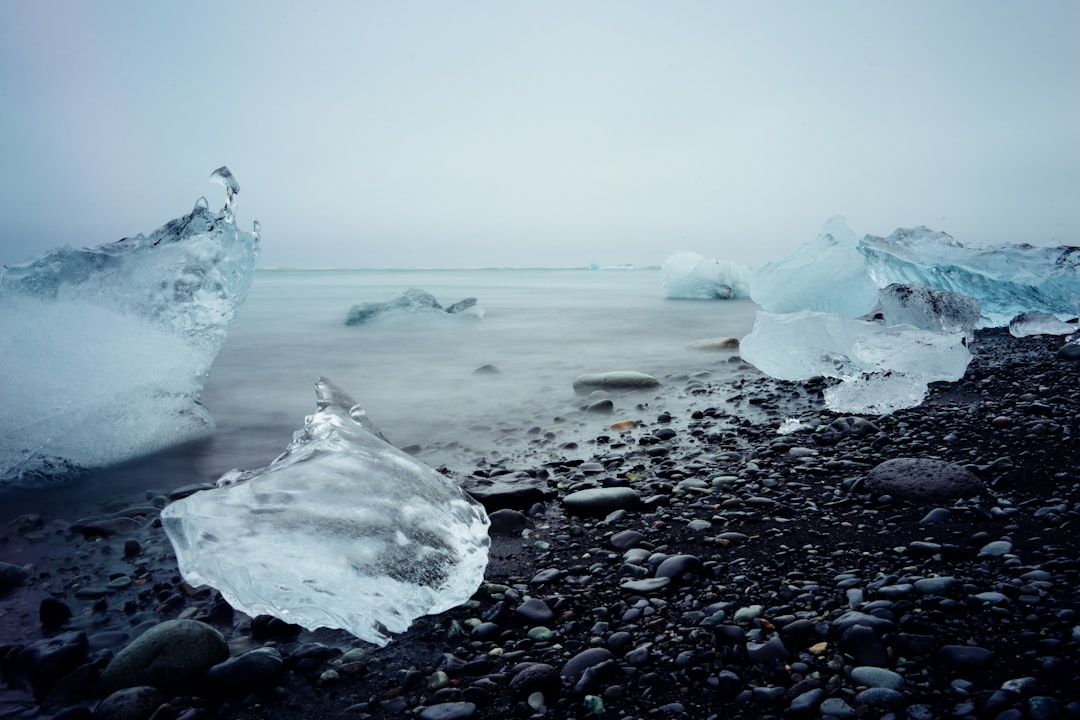
Permafrost is more than just frozen ground. It’s a geological deep-freeze, locking away dirt, rocks, bones, and even whole bodies for millennia. In the Yukon, permafrost reaches depths of several hundred meters in some places, creating a natural freezer chest for the remains of ancient animals. This exceptional preservation means that not only bones but also fur, skin, and sometimes even the contents of stomachs can survive the ages. Scientists often describe permafrost as nature’s own time machine, offering glimpses into the world as it was tens of thousands of years ago. Remarkably, some Ice Age animals pulled from the permafrost look like they could almost wake up and walk away. The cold here doesn’t just slow decay—it stops it in its tracks, turning the Yukon into a treasure trove of natural history.
Land of the Mammoths: Yukon’s Most Famous Giant
No Ice Age beast captures the imagination like the woolly mammoth. With shaggy coats, towering frames, and enormous tusks, mammoths were the undisputed kings of the north. In the Yukon, remains of these creatures are so common that gold miners sometimes find them while digging for treasure. The mammoth’s story is one of adaptation—thick fur and layers of fat helped them survive the brutal cold, while their massive tusks were perfect for digging through snow to find grass. Today, the frozen remains of mammoths provide scientists with DNA, allowing us to peek into their world with astonishing detail. When I first saw a mammoth tooth unearthed from the permafrost, it looked more like a piece of modern art than a relic of another age—enormous, ridged, and incredibly heavy in the hand.
The Mighty Steppe Bison: An Ancient Survivor
Steppe bison once thundered across the ancient Yukon, grazing in huge herds. Larger and tougher than their modern cousins, these Ice Age bison were a mainstay of the northern plains. Their remains, preserved in the Yukon’s permafrost, tell a story of survival and eventual extinction. Steppe bison had thick coats and strong shoulders, perfect for plowing through deep snow or fending off predators like lions and dire wolves. Scientists study the isotopes in their bones to reconstruct what these giants ate and how they migrated. Finding a steppe bison skull, horns intact and still curved like ancient weapons, is like shaking hands with a ghost from the past.
The Fierce Yukon Lion: King of the Ice Age Predators
It’s hard to believe, but lions once prowled the Yukon. The American lion, Panthera atrox, was even larger than today’s African lions. Fossils recovered from permafrost show these predators were top of the food chain, feasting on bison, horses, and even young mammoths. Their bones are rare, but when found, they reveal details of size, muscle attachment, and ancient injuries. The Yukon lion’s fierce competition with other predators, like giant short-faced bears, created a brutal and dynamic ecosystem. When you see a lion’s tooth found in the frozen ground, you can almost picture the battles that once raged beneath the northern lights.
Muskoxen: Shaggy Survivors of the Ice
Muskoxen were built for the Ice Age, with thick coats that look like tangled carpets and horns that sweep low over their faces. These animals survived when mammoths and steppe bison did not, and their descendants still roam the Arctic tundra today. Permafrost-preserved skulls and bones of ancient muskoxen show they were larger and sometimes even shaggier than their modern relatives. Scientists analyze their teeth and hair to understand how they weathered extreme cold and scarce food. If you’ve ever seen a muskox face a blizzard, lowering its head against the wind, you’ve glimpsed a living piece of the Ice Age.
Woolly Rhinoceros: The Unexpected Northern Wanderer
The woolly rhinoceros isn’t as famous as the mammoth, but it was just as impressive. These massive beasts lumbered across the ancient Yukon, their thick fur and giant horns making them look like something from a fantasy novel. Though most woolly rhino fossils are found in Eurasia, a few tantalizing fragments have appeared in the Yukon, hinting that these animals may have wandered farther east than once thought. The discovery of a rhino tooth or jawbone in the permafrost is a thrilling reminder of how much we still have to learn about Ice Age migrations. Their story is one of mystery, movement, and the relentless search for food in a frozen land.
The Saber-Toothed Cat: A Predator with a Deadly Smile
Saber-toothed cats, with their legendary fangs, were among the most fearsome predators of the Ice Age. Though their remains are rarer in the Yukon than farther south, occasional finds—like a jawbone or a massive tooth—prove they once hunted here. These cats were built for ambush, with powerful legs and jaws capable of delivering a killing bite. In the Yukon’s harsh landscape, saber-toothed cats likely preyed on young bison or weakened mammoths, playing a crucial role in the ecosystem. Each fossil fang is a chilling reminder of a world where survival often depended on speed, strength, and stealth.
The Yukon Horse: Lost Ancestor of the Modern Steed
Horses once raced across the Yukon in herds as wild and free as any mustang. These Ice Age horses were smaller than today’s breeds but incredibly tough, with thick coats and strong bodies. Permafrost has preserved their bones, teeth, and even bits of hair, allowing scientists to study how they adapted to the cold. Genetic analysis reveals that Yukon horses are ancestors to modern domesticated horses, connecting the past to today’s ranches and riding trails. Seeing a Yukon horse skull, with its delicate features and worn teeth, is like looking at the blueprint for all the horses that would follow.
Giant Beavers: Builders of Ancient Wetlands
The giant beaver of the Yukon was no ordinary rodent—it was as big as a black bear, weighing up to 200 pounds and sporting massive, chisel-like teeth. Unlike today’s beavers, giant beavers probably didn’t build dams, but they shaped the Ice Age wetlands with their feeding and burrowing. Their bones and teeth, preserved in permafrost, offer clues about the ancient lakes and rivers that once dotted the Yukon landscape. Imagine a beaver the size of a Labrador retriever swimming in icy waters, gnawing through tree trunks as thick as your arm. These creatures remind us how different—and how wild—the Ice Age world truly was.
Dire Wolves: The Ultimate Pack Hunters
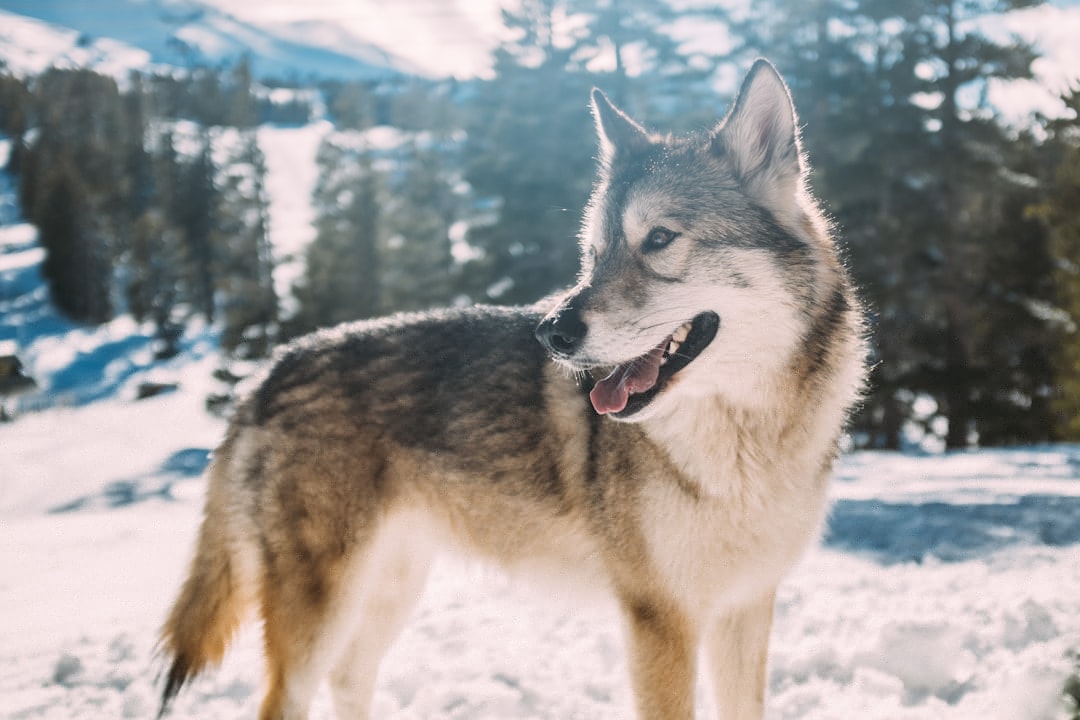
Dire wolves were larger and heavier than today’s gray wolves, with jaws built for crushing bone. In the Yukon, permafrost has yielded rare skulls and leg bones of these legendary pack hunters. Dire wolves worked together to bring down bison, horses, and possibly even young mammoths. Their presence in ancient Yukon ecosystems shows just how fierce the competition for food was during the Ice Age. When scientists find a dire wolf tooth, it’s not just a fossil—it’s a story of teamwork, strategy, and the constant struggle for survival.
Short-Faced Bears: The Giants Nobody Talks About
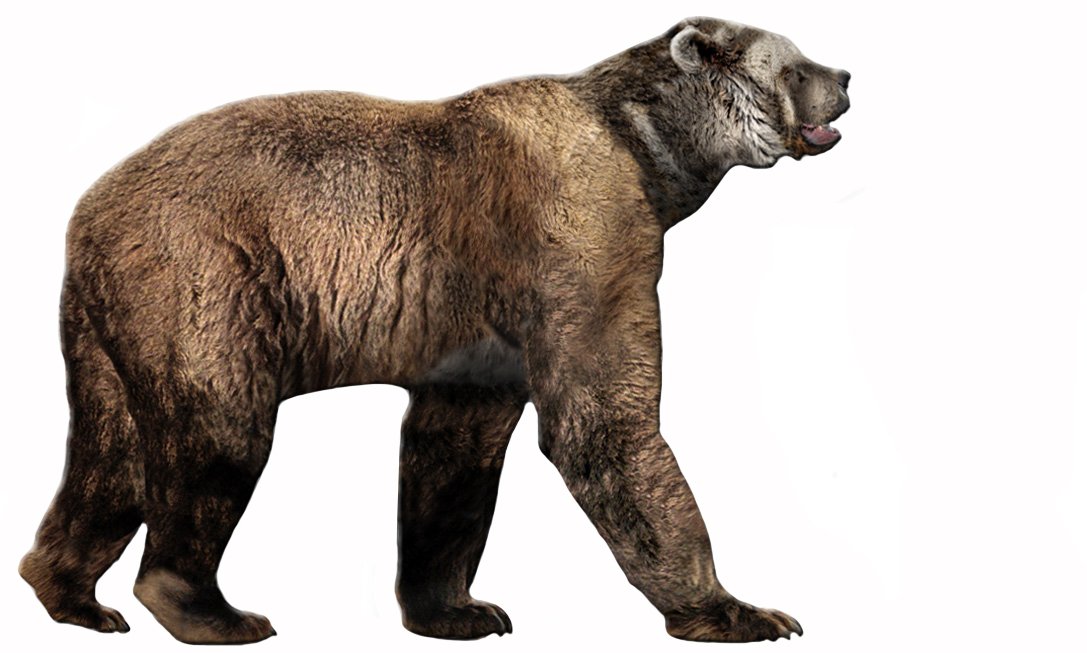
Standing up to 11 feet tall on their hind legs, short-faced bears were the true monsters of the Yukon. These bears were bigger than any living bear, with long limbs built for running and a fearsome set of teeth. Their remains are rare but unmistakable—massive jawbones and claws that look like ancient weapons. Scientists believe short-faced bears were both hunters and scavengers, capable of chasing down prey or stealing kills from other predators. The discovery of a short-faced bear bone in permafrost is a chilling reminder of how dangerous life once was in the north.
Columbian Mammoth: Yukon’s Gentle Giant
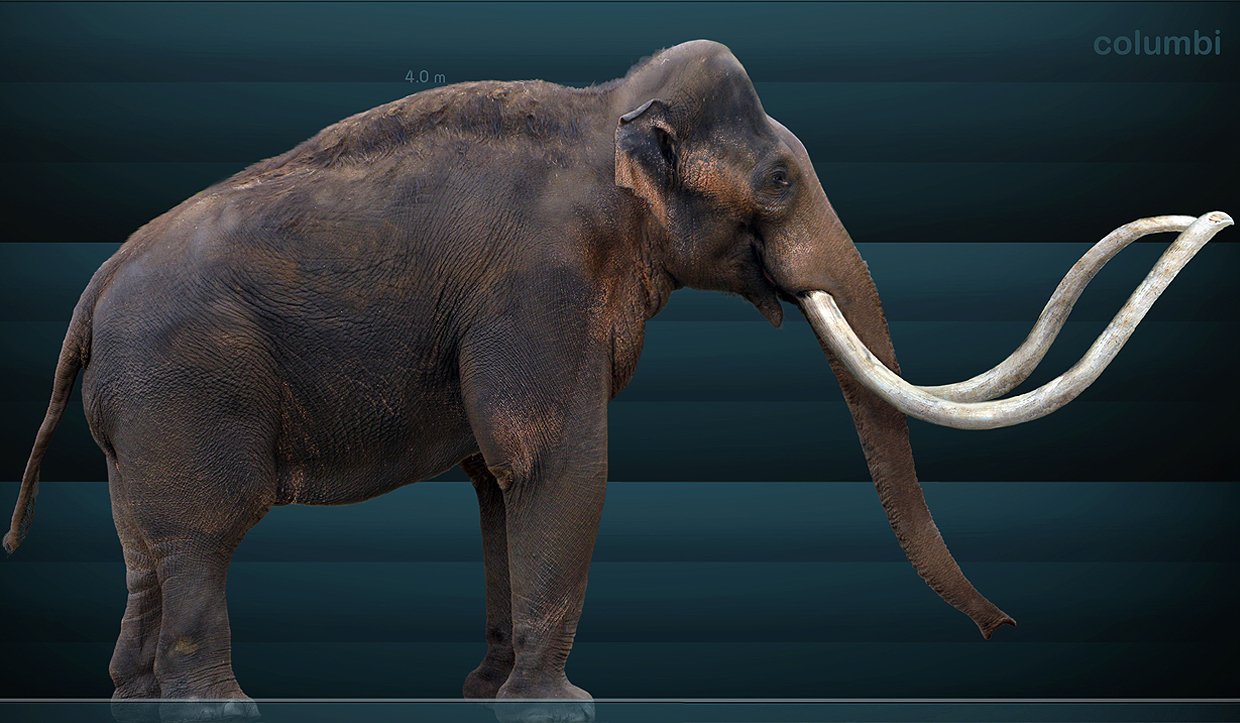
Though woolly mammoths get most of the attention, the Yukon was also home to the Columbian mammoth—a slightly less hairy but even larger cousin. These elephants could weigh up to 10 tons and tower over most animals. Columbian mammoths roamed southern parts of the Yukon, grazing on grasses and shrubs. Their bones and tusks, sometimes found tangled with those of woolly mammoths, tell a story of migration, competition, and adaptation. The permafrost preserves their remains in stunning detail, showing the subtle differences between species and hinting at the vast herds that once thundered across the land.
Ancient Camels: The Yukon’s Desert Wanderers
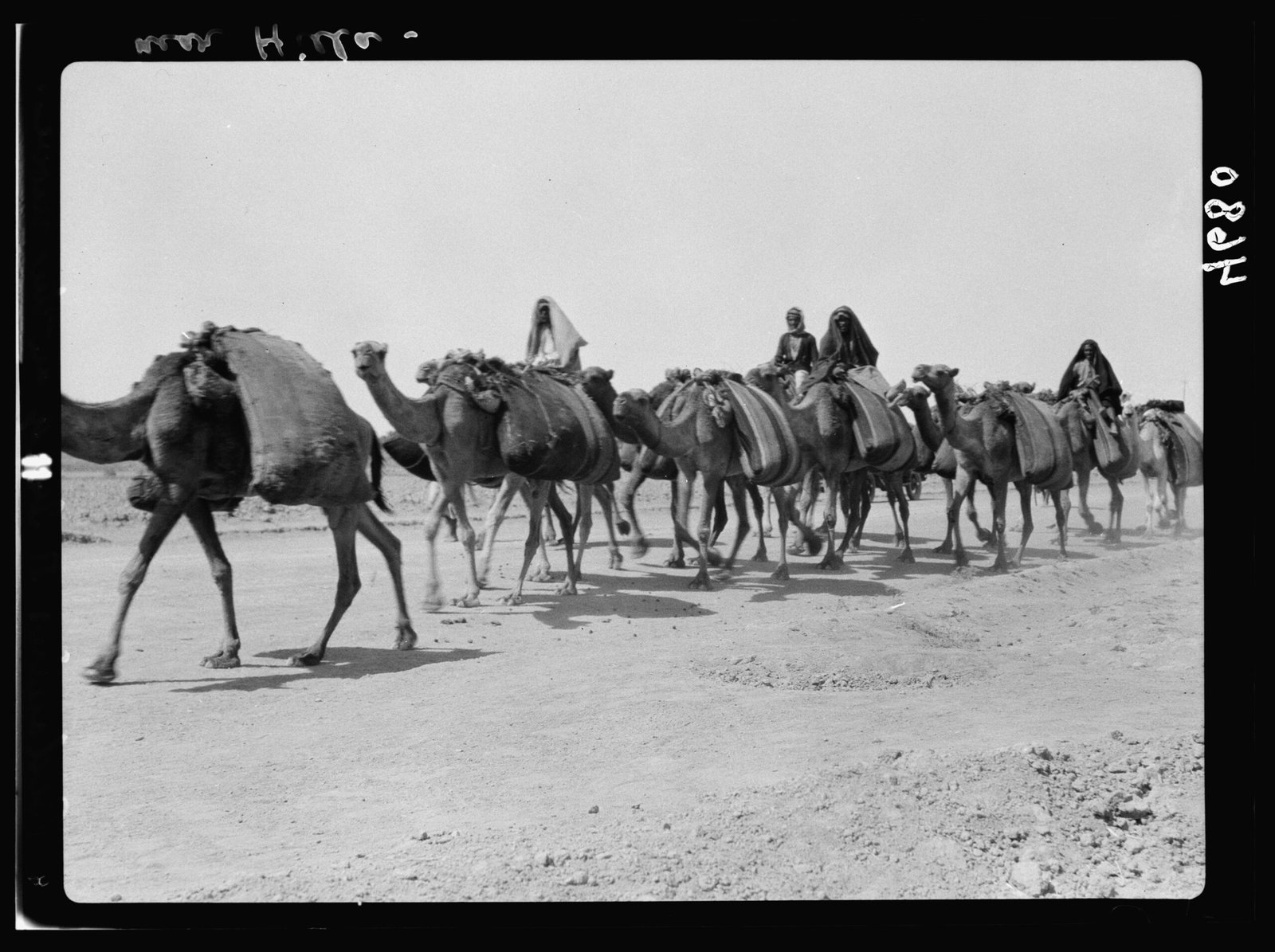
It sounds unbelievable, but camels once wandered the Yukon, adapted for cold instead of heat. These ancient camels were bigger than modern dromedaries, with long legs and shaggy coats. Their fossils, mostly teeth and limb bones, are rare but unmistakable. Scientists think these camels used their height to spot predators and reach high branches, surviving on a diet of tough Arctic plants. The discovery of a camel tooth in Yukon permafrost is a surprising reminder that evolution takes strange turns, and that today’s deserts and tundras are connected by a much deeper history.
Extinction and Survival: What Happened to the Giants?
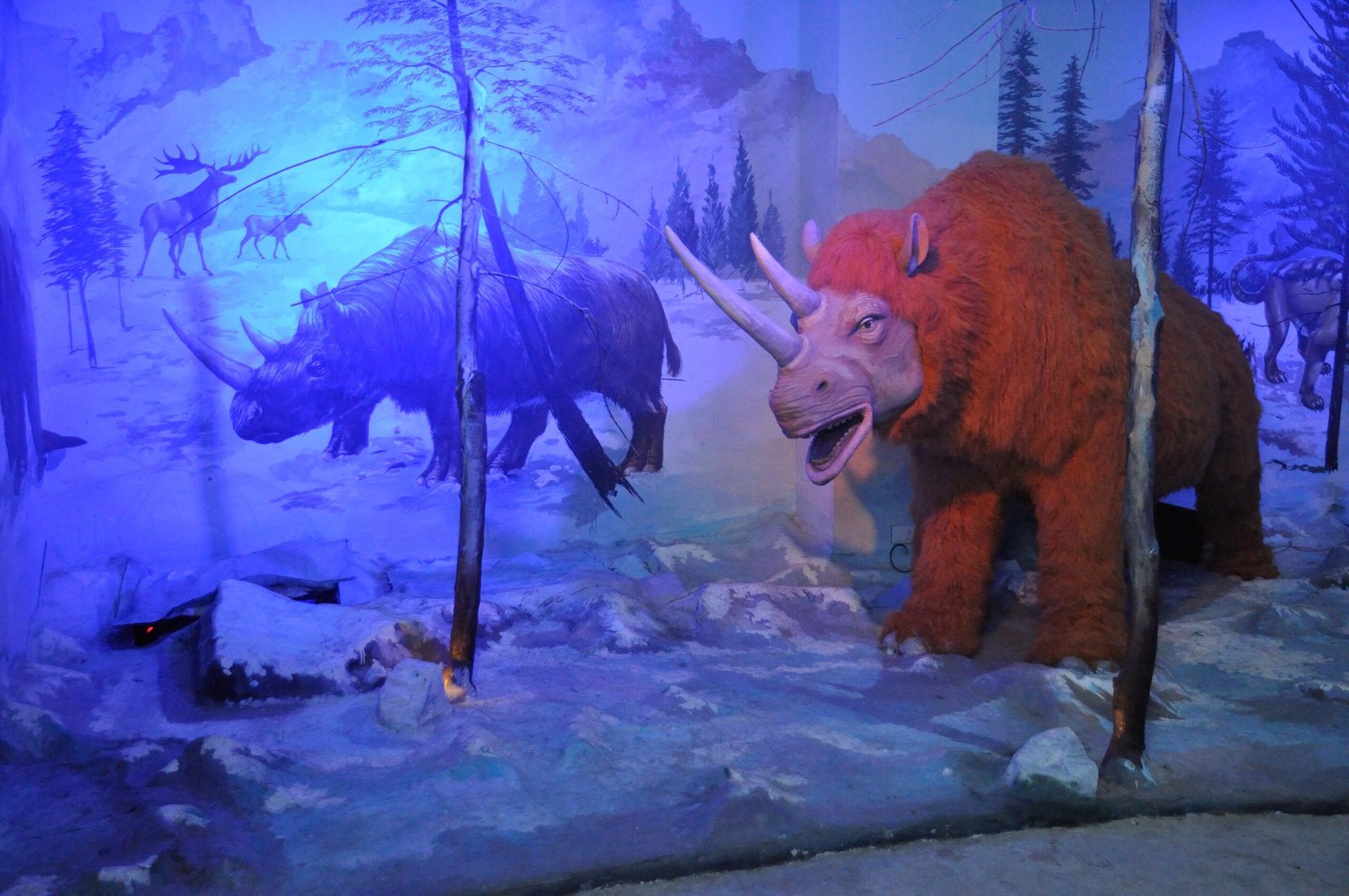
The end of the Ice Age brought dramatic change to the Yukon. As the climate warmed and forests replaced open steppe, many giant animals disappeared forever. Scientists debate the reasons for this mass extinction—some blame human hunters, others point to shifting temperatures and changing vegetation. The story isn’t simple, and every new fossil found in the permafrost adds another piece to the puzzle. The survival of some animals, like muskoxen and caribou, shows nature’s power to adapt, while the loss of mammoths and lions is a sobering reminder of how fragile life can be in a changing world.
Modern Day Gold Rush: Miners and Mammoths
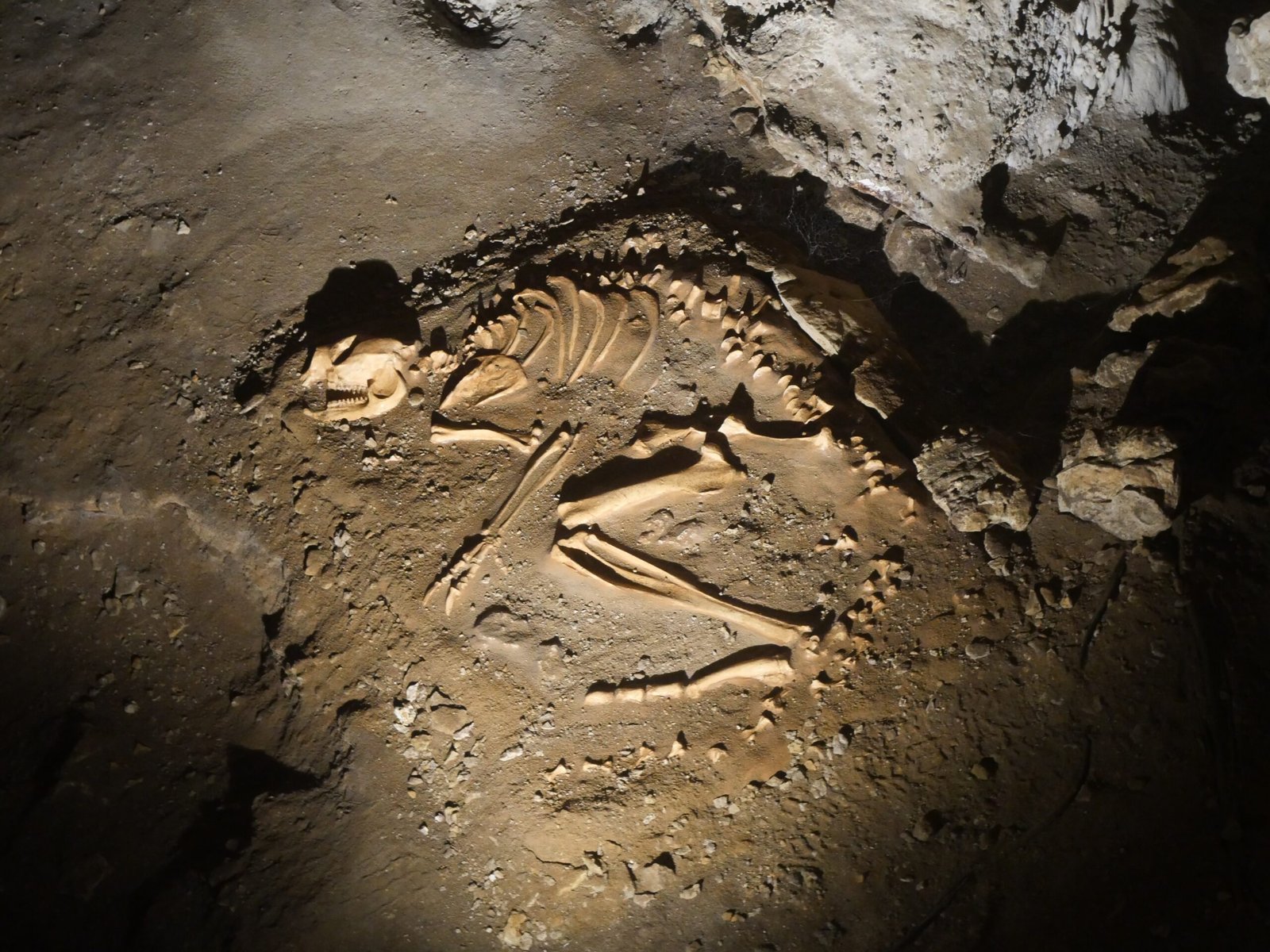
Today, the Yukon’s miners are more likely to find mammoth bones than gold nuggets. Every summer, as they dig through the permafrost in search of fortune, they uncover tusks, skulls, and even entire skeletons. These accidental discoveries have made the Yukon a hotspot for paleontologists, who race to recover fossils before they’re damaged. Some miners keep a “bone box” by their equipment, filled with ancient treasures waiting for scientists to examine. It’s a strange partnership—modern industry and ancient history working side by side, each unearthing something precious and unexpected.
Science in the Cold: How Researchers Study Yukon’s Fossils
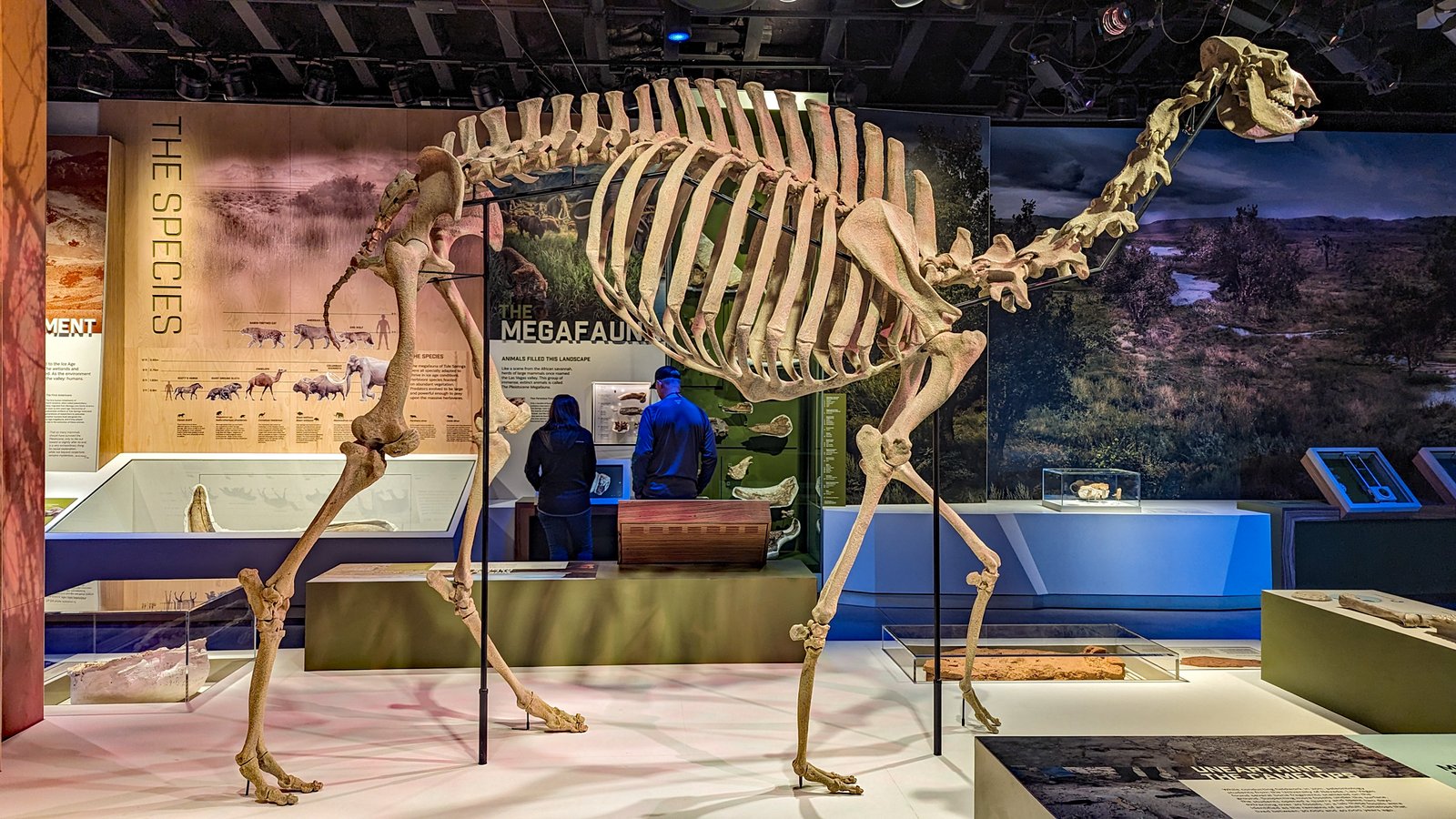
Studying fossils in the Yukon isn’t easy. Scientists must brave freezing temperatures, treacherous mud, and biting insects to recover delicate remains. Once a fossil is found, it’s carefully excavated, packed in ice, and transported to laboratories for analysis. Researchers use a suite of modern tools—CT scans, DNA sequencing, and isotope analysis—to unlock the secrets hidden in ancient bones. Each new discovery adds another chapter to the story of the Ice Age, helping us understand not just what these animals looked like, but how they lived, died, and sometimes even how they thought.
Frozen DNA: Unlocking the Secrets of Ancient Genes

One of the most exciting frontiers in Yukon paleontology is the study of ancient DNA. Permafrost preserves genetic material so well that scientists have been able to sequence the genomes of mammoths, bison, and even ancient wolves. This research reveals how these animals adapted to the cold, what diseases they carried, and how they’re related to modern species. The dream of “de-extinction”—bringing back lost species using ancient DNA—has its roots in the frozen bones of the Yukon. Every strand of DNA is a message from the past, waiting to be read.
The Permafrost Threat: Ancient Beasts at Risk
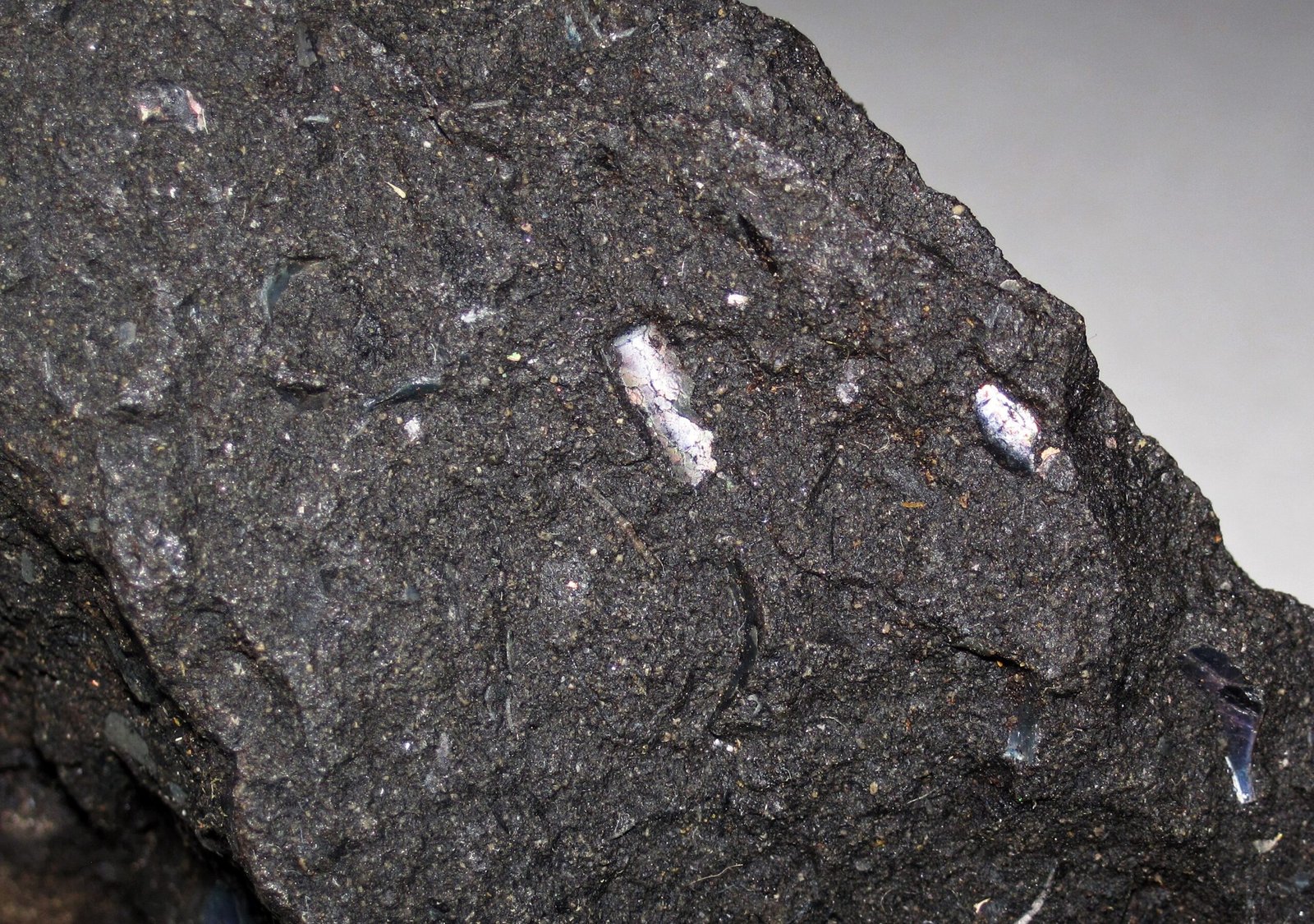
As the climate warms, Yukon’s permafrost is beginning to thaw. This is both a blessing and a curse. Thawing exposes new fossils, but it also threatens to destroy the very records we hope to study. Bones and bodies that have been frozen for millennia can decay in just a few seasons if left unprotected. Scientists are racing against time to recover and preserve these priceless remains before they’re lost forever. The permafrost, once an unbreakable vault, is now a fragile window into the past—one that could close at any moment.
Indigenous Knowledge: Ancient Stories, Modern Science

The people of the Yukon have their own stories about the giants of the past. Indigenous knowledge, passed down through generations, often describes encounters with mammoth bones or strange creatures unearthed by rivers and landslides. Today, scientists and First Nations communities are working together to blend traditional wisdom with cutting-edge research. This partnership enriches our understanding of the land and its history, grounding science in the lived experience of those who know the Yukon best. Listening to an Elder recount a story of “the great hairy elephants” is a powerful reminder that history isn’t just written in bones—it’s kept alive in memory and story.
Lessons from the Past: What Ice Age Beasts Teach Us
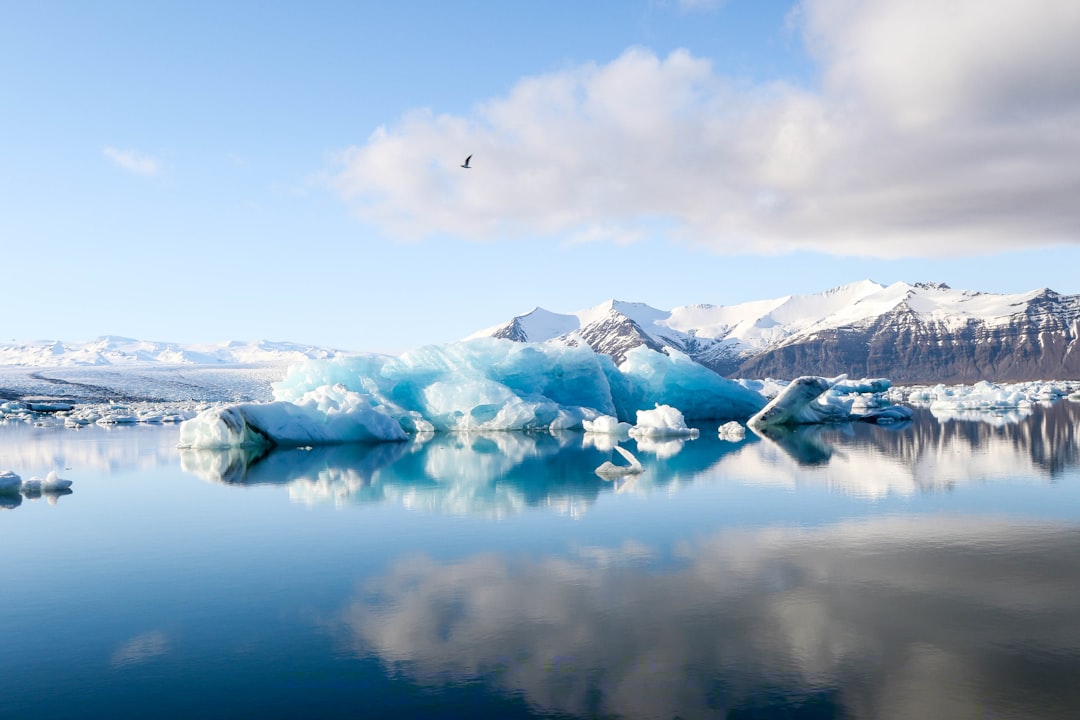
Studying the giants of Yukon isn’t just an exercise in curiosity—it’s a way to understand our own future. The rise and fall of these animals offer powerful lessons about adaptation, extinction, and the impact of environmental change. As we grapple with climate shifts and the loss of biodiversity today, the stories preserved in Yukon’s permafrost become more relevant than ever. They remind us that survival depends on resilience, that every ecosystem is a web of connections, and that the past can teach us how to face the challenges ahead.
The giants of the Yukon are more than fossils—they’re messages from a world both lost and alive, frozen in time and waiting to be discovered. What would you do if you stumbled across a piece of that ancient story, shining in the cold light of the midnight sun?