Beneath the bustling streets of Lahore and the shimmering currents of the Ravi River, there lies a world few ever imagine—a place where ancient bones whisper secrets from a time before cities, before empires, before the first human footprints pressed into the mud. Imagine, for a moment, the thrill of holding a fossilized tooth that belonged to a colossal elephant or running your hand across a stone tool shaped by hands almost lost to history. Pakistan’s river valleys, especially those winding through Punjab, are not just cradles of civilization; they are time capsules, preserving the echoes of vanished creatures and lost worlds. The deep past is not just beneath our feet—it’s alive in every pebble, every bone, every layer of earth. Let’s journey together into this river-carved archive and discover how the ancient bones below Lahore illuminate the tangled, wondrous story of life on the subcontinent.
Lahore’s Hidden Underworld: Fossils Beneath the Surface
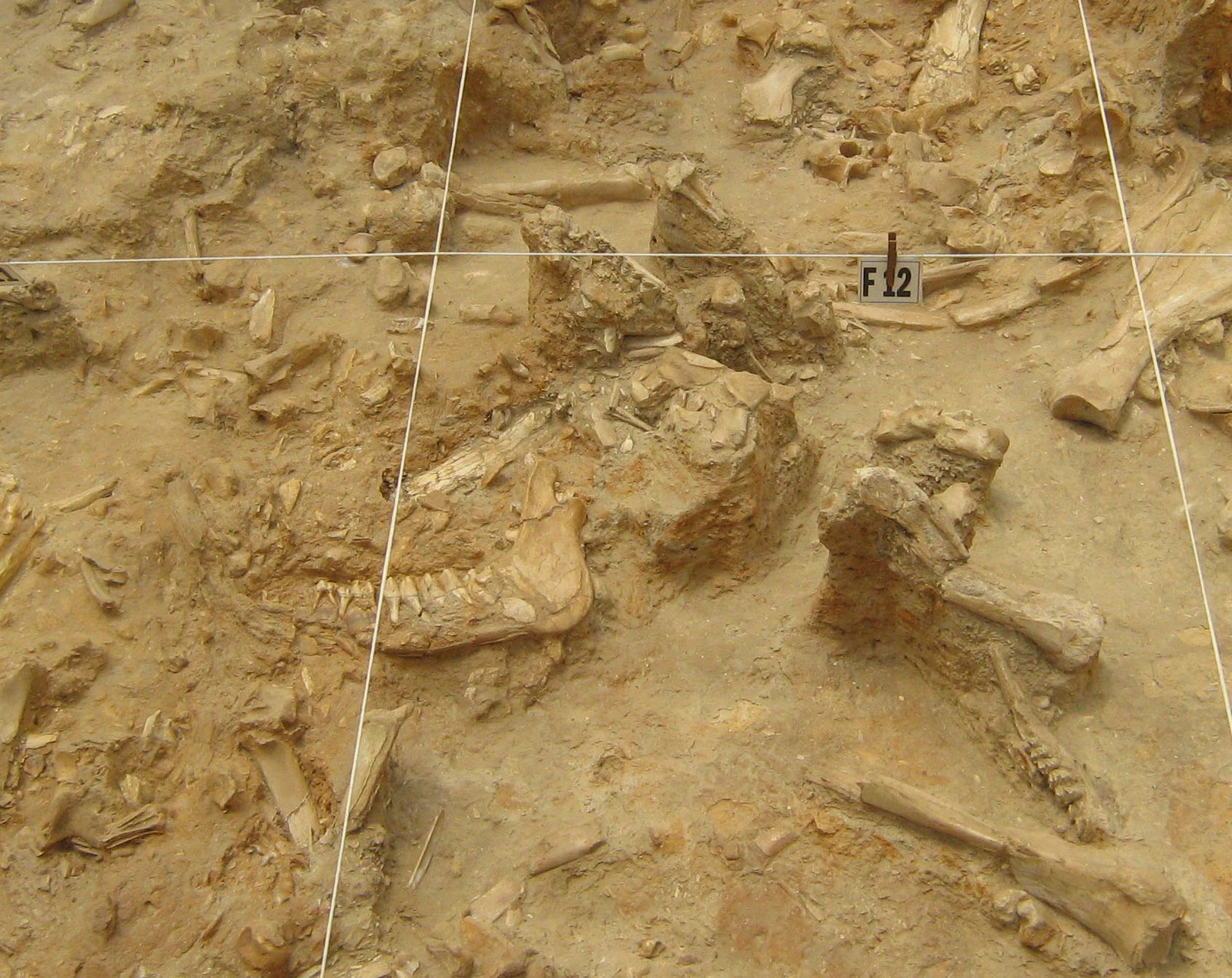
It’s easy to forget what lies just below the pavement in a city as vibrant as Lahore. But beneath the foundations of mosques, bustling bazaars, and colonial-era buildings, there’s another layer entirely—one made not of bricks but of bone. Geological surveys and chance excavations have uncovered fossils that date back hundreds of thousands, even millions, of years. Ancient animal remains, from giant elephants to dramatic saber-toothed cats, rest quietly beneath the city. These fossils are like puzzle pieces, each one a clue to what the land looked like long before Lahore became Lahore.
The Ravi River: A Natural Time Machine
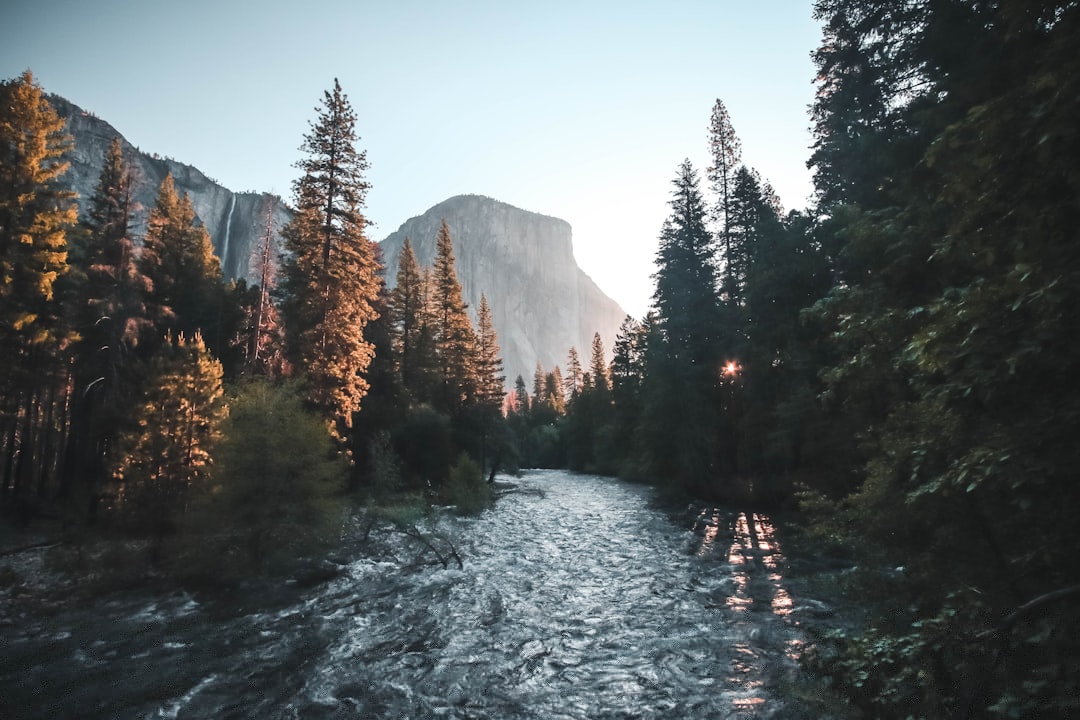
The Ravi River, which snakes alongside Lahore, is more than just a source of water. Over millennia, its shifting banks have exposed layer upon layer of ancient sediments. Every time the river changes course or erodes its banks, it reveals another chapter of the land’s prehistoric story. Archaeologists and fossil hunters have found everything from the bones of extinct mammals to delicate shells from long-vanished lakes. The Ravi acts like nature’s own archaeologist, uncovering the deep past one flood at a time.
When Giants Roamed: Prehistoric Elephants and Rhinoceroses
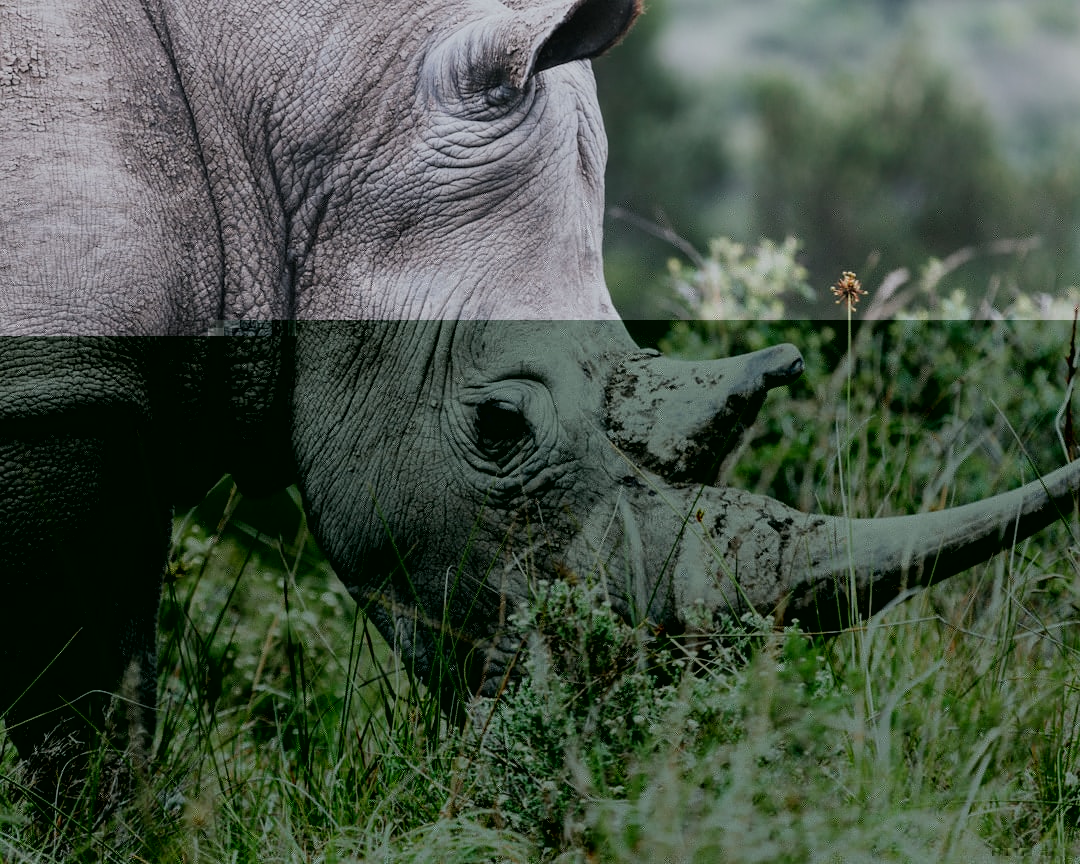
Imagine standing face-to-face with an elephant twice the size of any living today. In the ancient river valleys around modern Lahore, massive creatures like the Stegodon and the woolly rhinoceros once wandered. Their bones, unearthed in riverbanks and sand quarries, tell of a time when lush forests and grassy plains stretched as far as the eye could see. These megafauna not only shaped the land but also supported entire ecosystems that are now extinct. Their remains remind us just how dramatically the world has changed.
The Mystery of the Sivapithecus: An Ancient Ape Connection
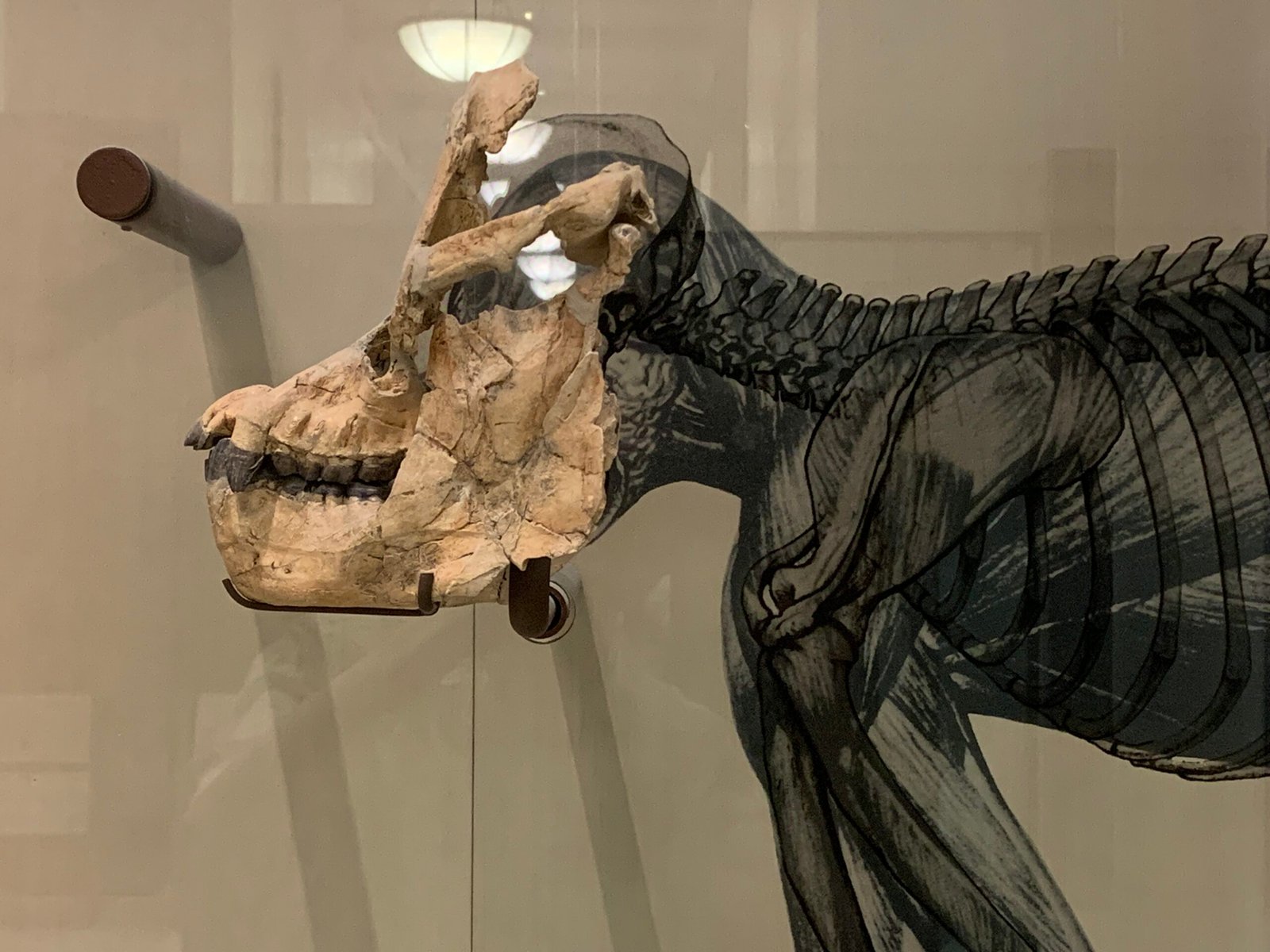
Few discoveries have captured the imagination quite like the fossils of Sivapithecus, an extinct ape found in the Siwalik Hills near Lahore. These bones, dating back 8 to 12 million years, bear an uncanny resemblance to modern orangutans. Paleontologists believe Sivapithecus could be a direct ancestor of today’s great apes. Holding a jawbone of this ancient primate is like shaking hands with a distant cousin—one who saw a world of saber-toothed cats and towering trees.
Stone Tools and Early Humans: Echoes of Lost Civilizations
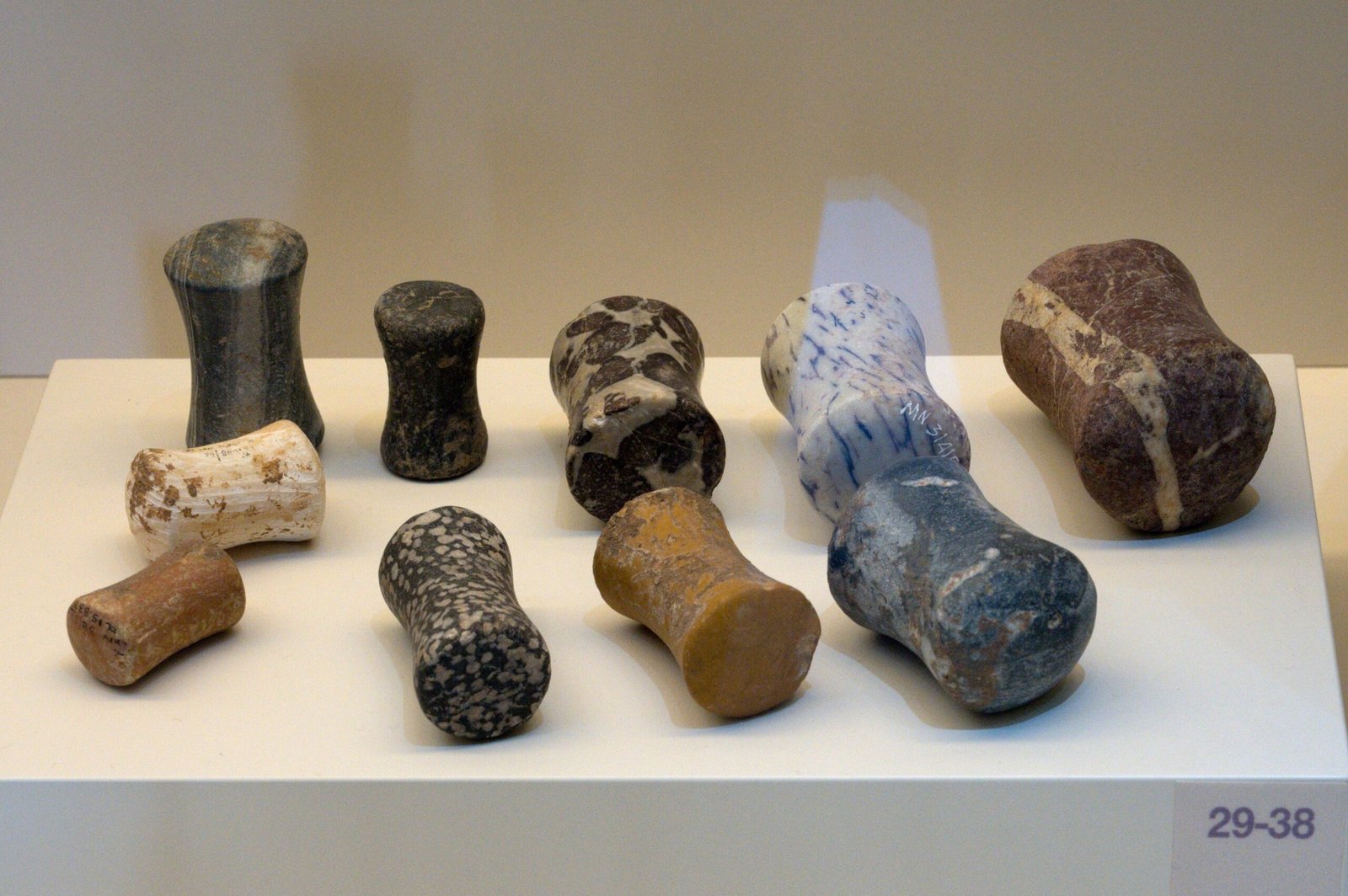
It’s not just bones that lie buried in the river valleys—sometimes, it’s the tools of those who made them. Archaeologists have found flint blades, scrapers, and hand axes dating back tens of thousands of years. These artifacts hint at ancient peoples who hunted, gathered, and maybe even painted their stories on cave walls. Each chipped stone is a testament to ingenuity and survival, telling us that the urge to create and adapt is as old as humanity itself.
Paleoenvironments: Reconstructing Ancient Landscapes
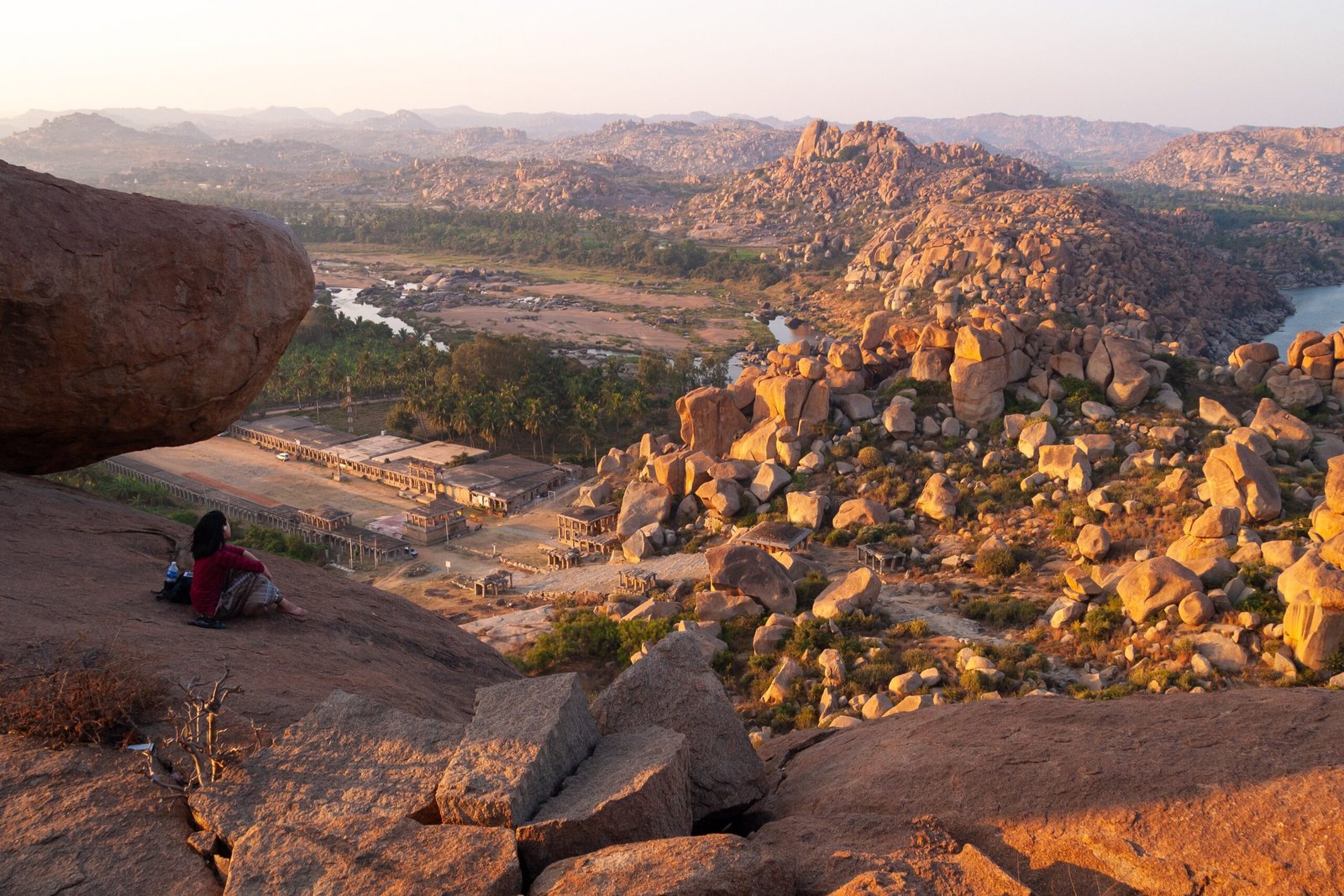
Fossils do more than tell us what creatures existed; they reveal what the world looked like. By analyzing pollen grains, seeds, and the bones of different animals, scientists can piece together ancient environments. Evidence suggests that Punjab’s river valleys once teemed with forests and wetlands, home to hippos, crocodiles, and exotic birds. Today’s fields and cities lie atop what was once a thriving, wild ecosystem—a dramatic shift that is both awe-inspiring and sobering.
The Siwalik Hills: Fossil Treasure Troves
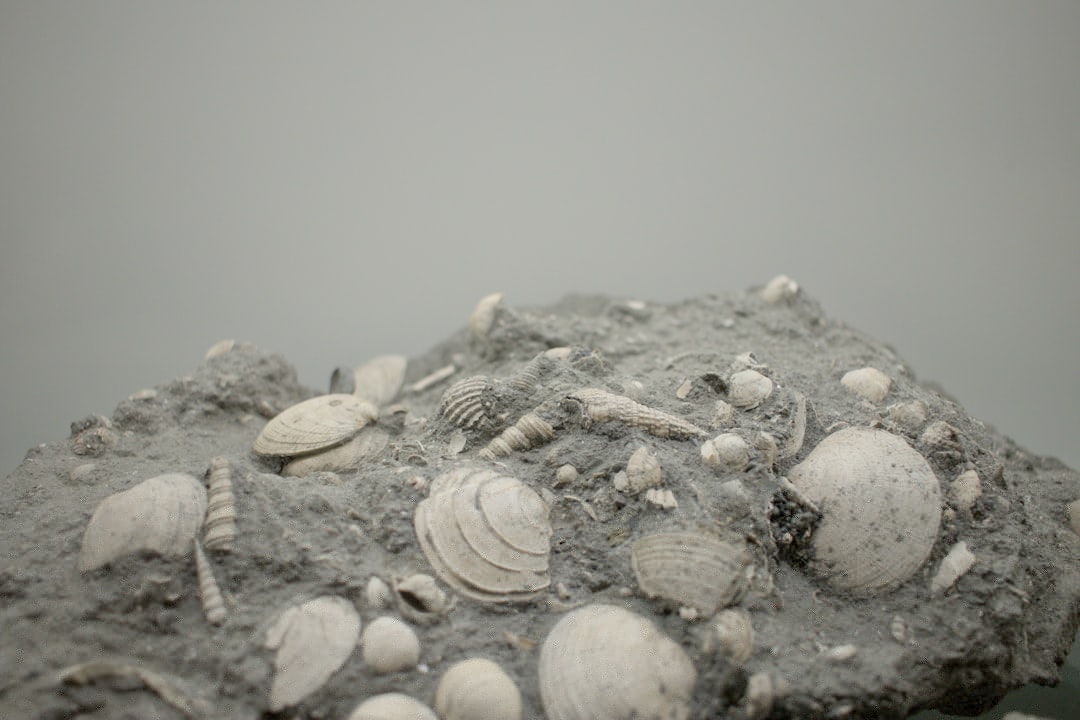
Stretching along the northern edge of Punjab, the Siwalik Hills are one of the richest fossil deposits in South Asia. Over the centuries, erosion has unveiled layers upon layers of preserved bones and teeth. These hills are a paleontologist’s paradise, yielding everything from ancient turtles to gigantic crocodiles. It’s as if nature herself set up a museum, displaying the relics of ages past for anyone curious enough to look.
Rivers as Keepers and Destroyers
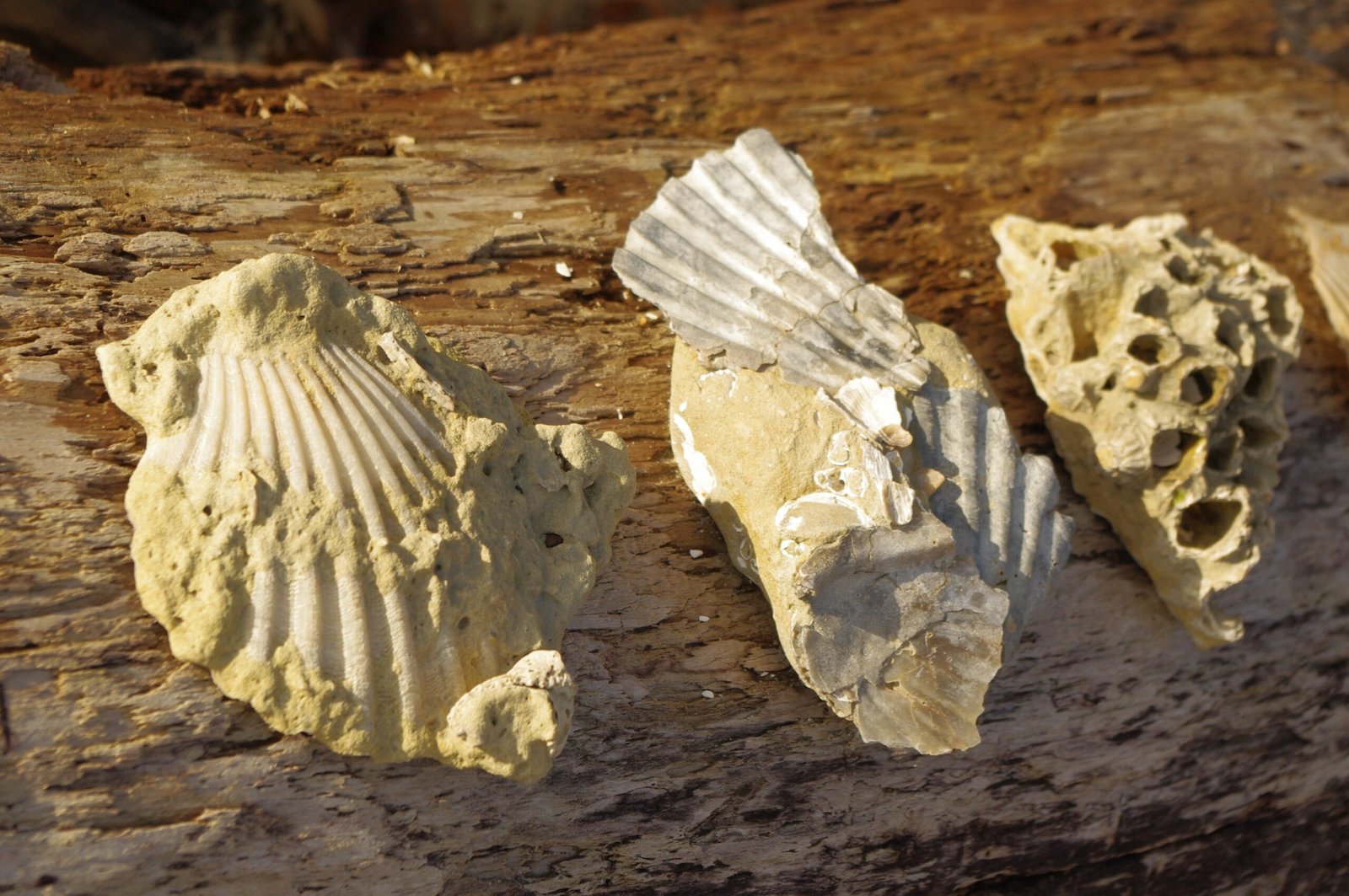
Rivers are paradoxical guardians of the past. On one hand, their sediments bury and preserve bones, keeping them safe from the elements for thousands of years. On the other, floods and shifting waters can sweep fossils away or grind them to dust. This fragile balance means that every fossil find is a race against time. The same forces that reveal the past can just as quickly erase it forever.
The Art of Fossil Hunting in Punjab
Fossil hunting in the river valleys of Pakistan is part science, part adventure, and part luck. Local villagers often stumble upon bones while digging wells or building roads. For scientists, it means hours of careful excavation and piecing together fragments like a prehistoric jigsaw puzzle. Each discovery is a moment of excitement, a surprise hidden in the mud. It’s a reminder that the most extraordinary finds often come from the most ordinary places.
How Bones Tell Stories: From Discovery to Display
Finding a bone is only the beginning. Once unearthed, fossils go through a careful process of cleaning, analysis, and sometimes reconstruction. Experts use everything from microscopes to 3D scanners to unlock their secrets. Museums in Lahore and Islamabad now display some of these treasures, letting the public gaze into the eyes of creatures that vanished long before the first city rose on the plains.
Climate Change Through the Ages
The bones and sediments beneath Lahore are silent witnesses to dramatic climate shifts. Layers of soil reveal periods of lush growth followed by drought and desertification. By studying fossil pollen and ancient soils, scientists reconstruct not only past life but also the changing climate that shaped it. These lessons from deep time warn us of the delicate balance between life and environment—a balance still relevant as climate change accelerates today.
Lost Rivers, Lost Worlds
Some ancient rivers of Punjab have vanished entirely, their courses lost to memory and shifting earth. Yet, their legacy remains in the fossils and sediments they left behind. These “ghost rivers” remind us that landscapes are never fixed; they are always in motion, carving and erasing the history written in the earth. Where a city stands today, a flowing river might have once teemed with crocodiles, turtles, and prehistoric fish.
Local Legends and Fossil Finds
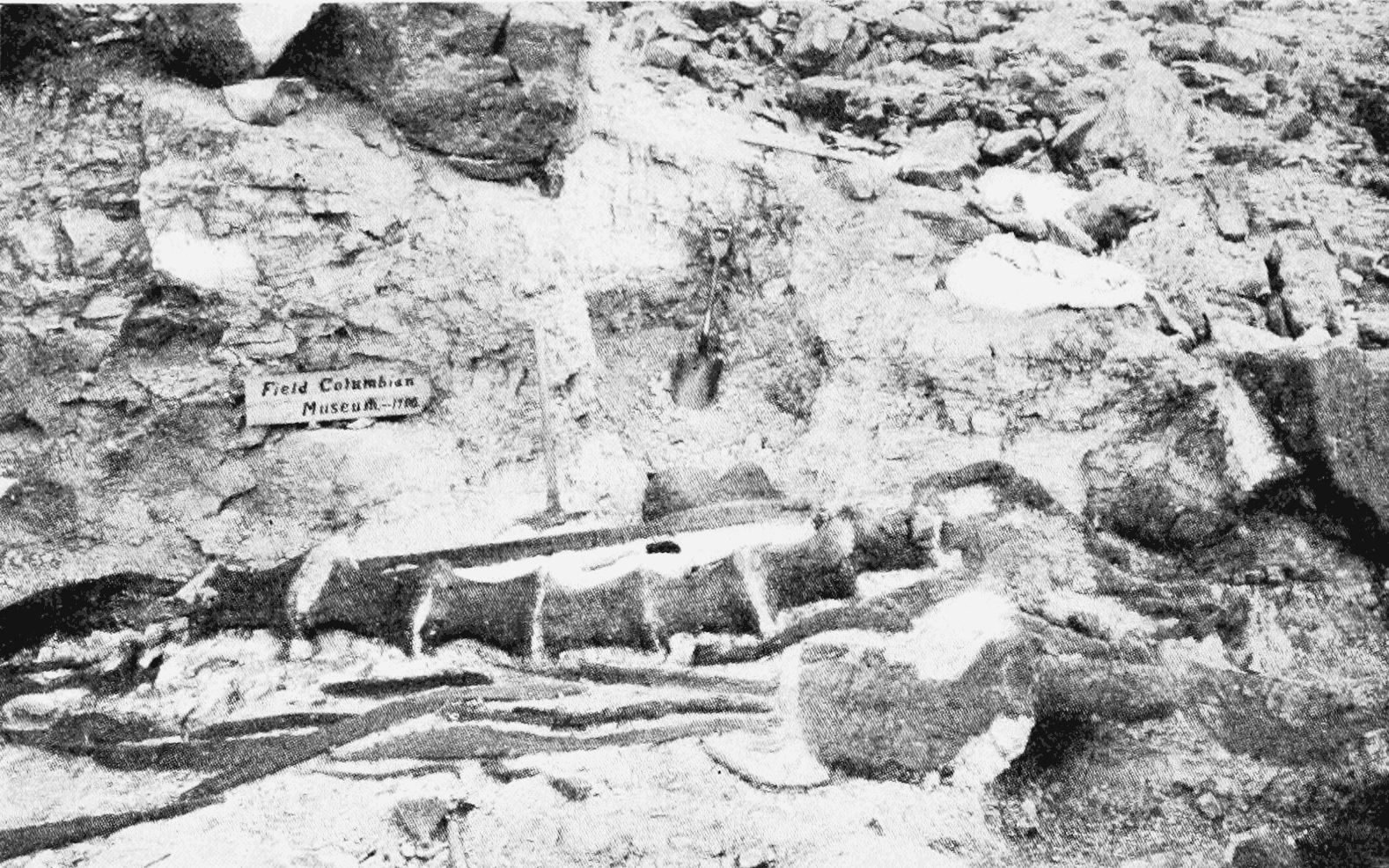
Stories of “giant bones” have long circulated in the villages around Lahore. Sometimes, these tales are dismissed as folklore—but more often than not, they have a kernel of truth. Many fossil discoveries began as stories passed down through generations. When paleontologists listen to these local voices, they often find new clues and sites to explore. The deep past isn’t just a scientific story; it is woven into the fabric of local culture and memory.
Why Fossils Matter: Lessons from Extinction
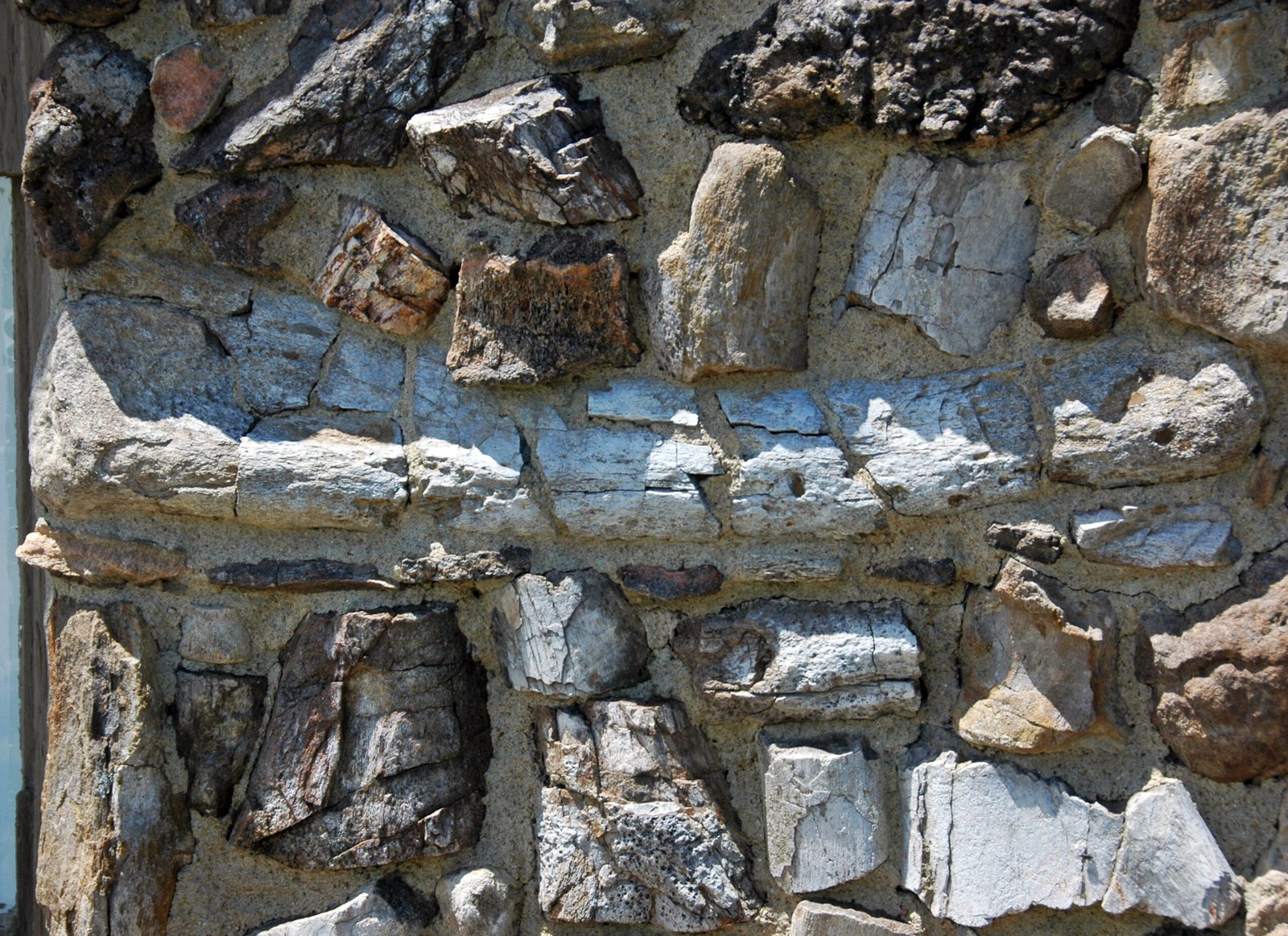
The ancient bones below Lahore are stark reminders of extinction—the disappearance of entire species and ways of life. Fossils teach us that change is constant and survival is never guaranteed. They offer a humbling perspective: even the mightiest creatures can be swept away by time. As we confront modern challenges, these lessons from the past add urgency to our efforts to protect the diversity of life still with us.
Modern Threats to Fossil Preservation

Urban expansion, pollution, and illegal fossil trade threaten the preservation of these ancient treasures. Construction projects can destroy fossil beds before they are ever studied, while collectors sometimes remove bones without recording their location or context. Protecting Pakistan’s fossil heritage requires vigilance, education, and cooperation between scientists, governments, and local communities. Every lost fossil is a lost story.
The Role of Museums and Education
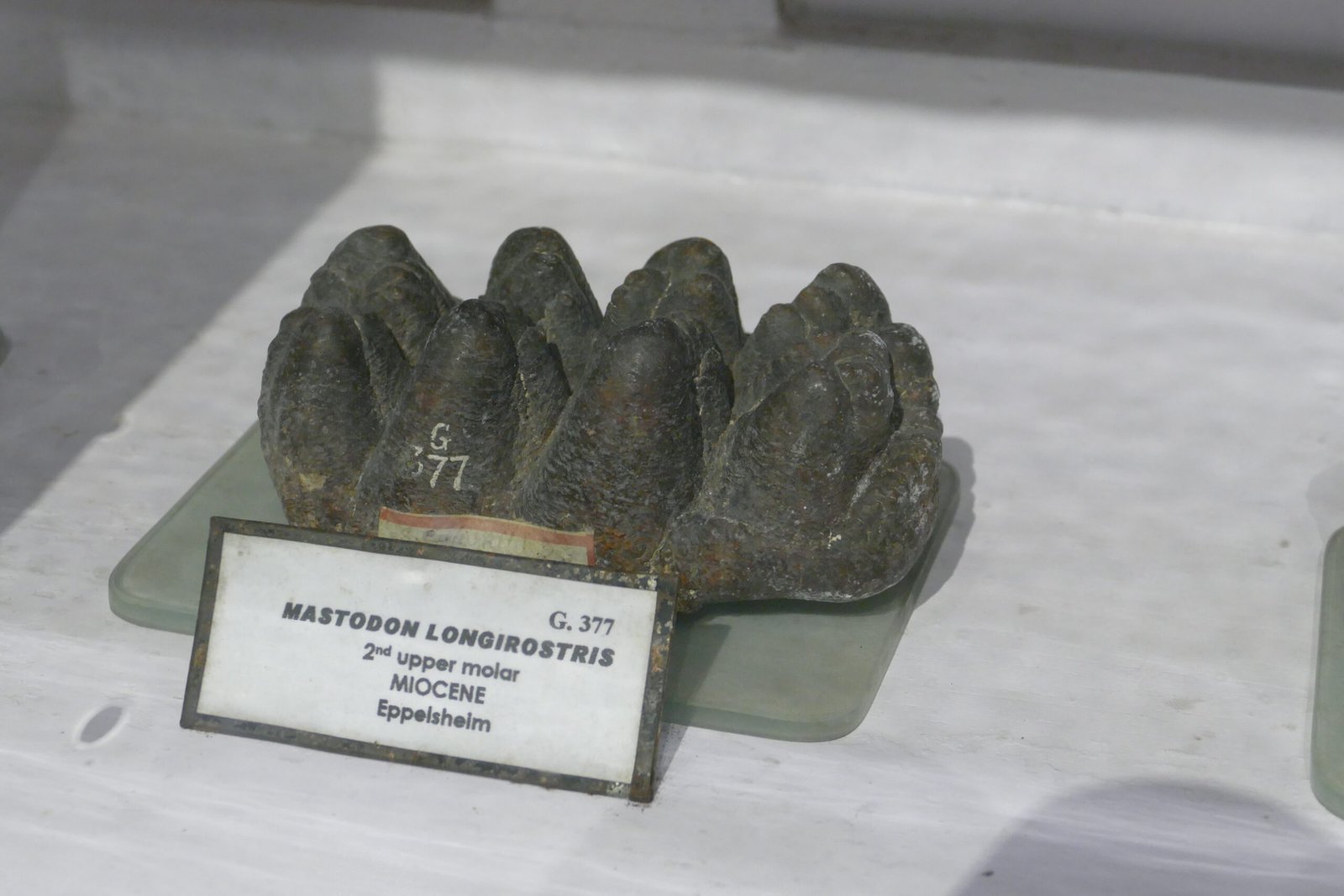
Museums in Lahore, Islamabad, and Karachi play a crucial role in preserving and sharing Pakistan’s paleontological heritage. Exhibits featuring ancient bones and reconstructed skeletons inspire awe and curiosity in visitors of all ages. Educational programs bring the deep past to life, connecting students with the story of their own land. By making fossils accessible, museums keep the ancient world alive for new generations.
Women and Fossil Science in Pakistan
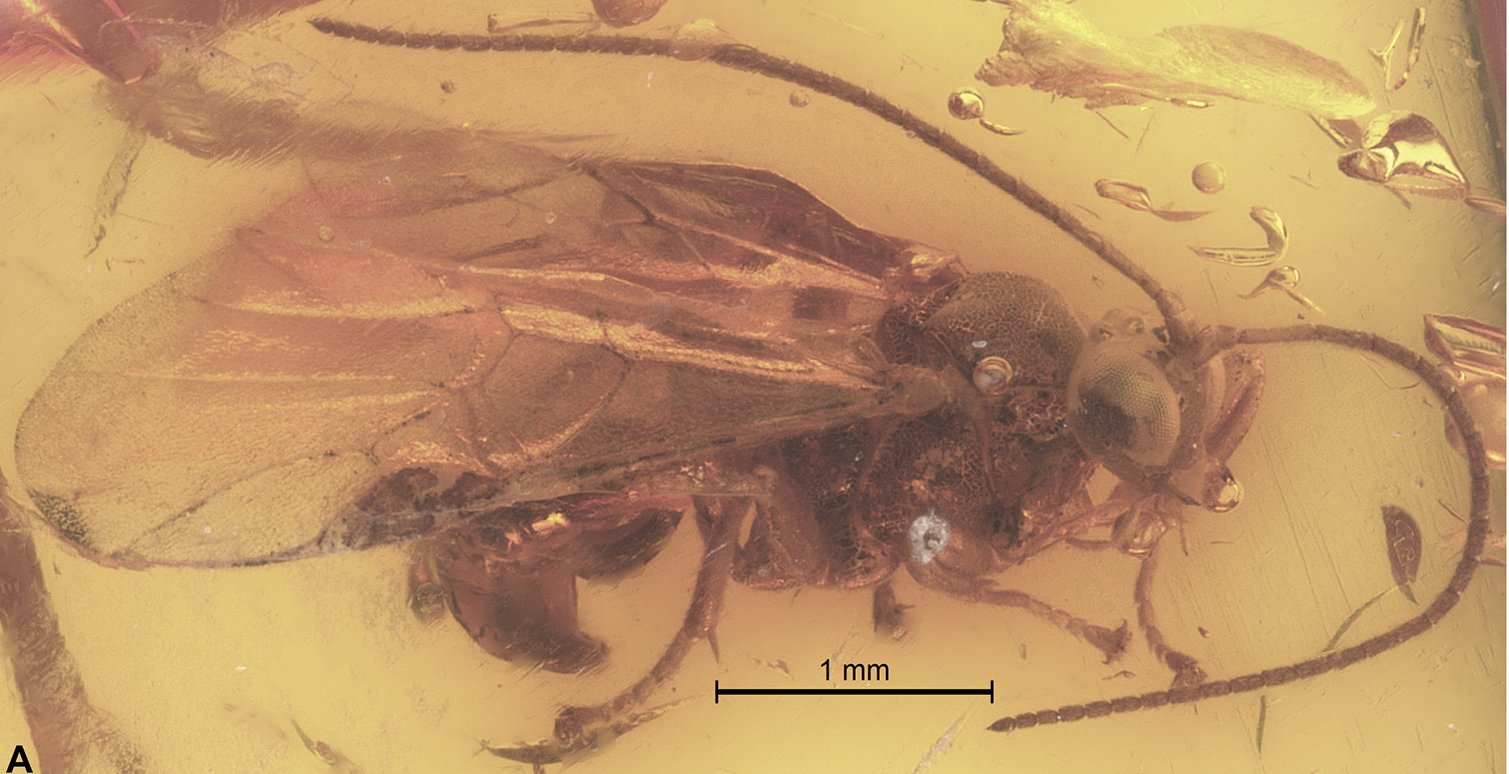
A new generation of Pakistani women scientists is making waves in the world of paleontology. Their work in the field and the lab is uncovering new fossils and challenging old assumptions. Stories of women fossil hunters and researchers are inspiring others to look beyond traditional roles and explore the wonders of science. Their discoveries add fresh voices to the story of the ancient bones below Lahore.
International Collaboration and New Discoveries

Paleontology in Pakistan is a global effort, with researchers from around the world joining local scientists to unlock the secrets of the past. Recent collaborations have led to stunning discoveries, from new dinosaur species to detailed studies of ancient climates. These partnerships bring together expertise, technology, and fresh ideas, ensuring that the search for the past is always moving forward.
The Future: Preserving the Past for Tomorrow
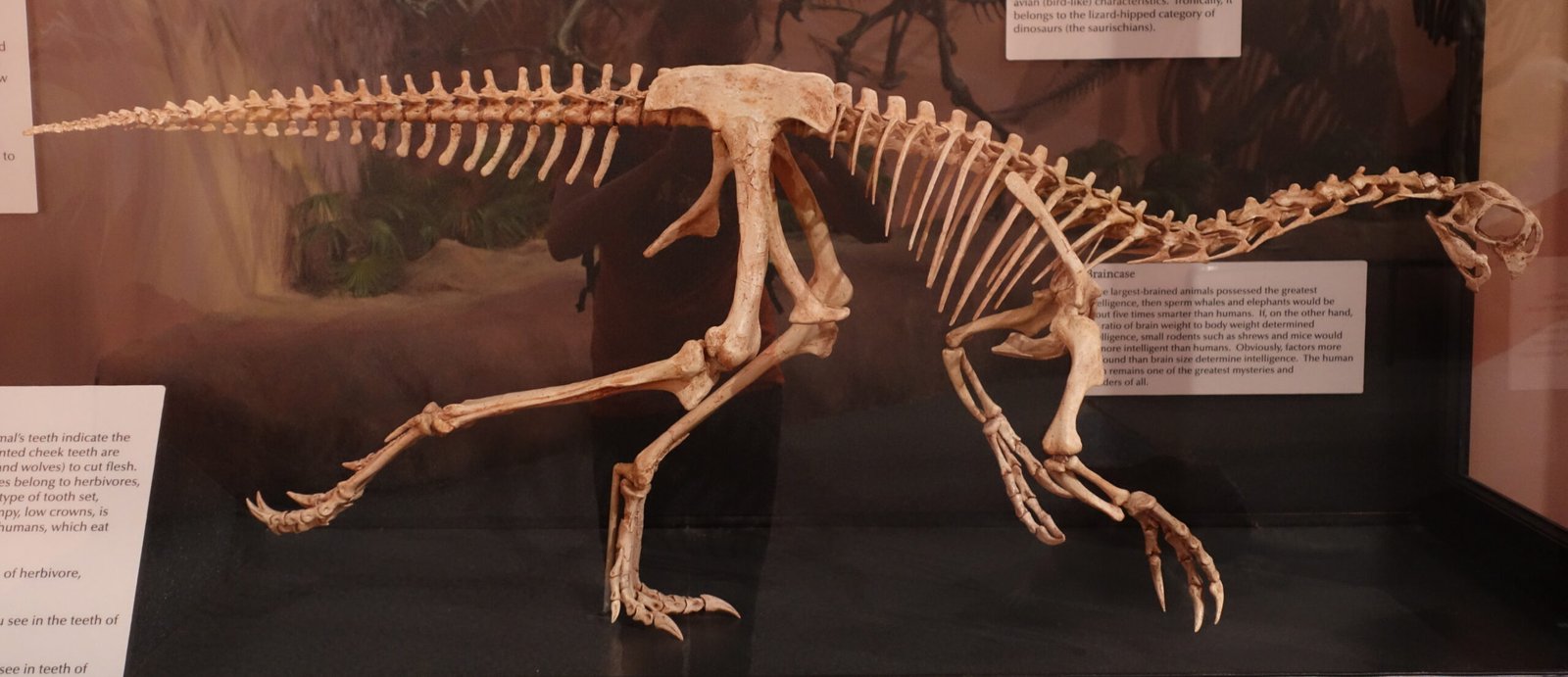
The ancient bones beneath Lahore are not just relics—they are resources for future generations. Advances in technology, from DNA analysis to digital mapping, promise even more breakthroughs in our understanding of the deep past. Protecting fossil sites and encouraging scientific curiosity will ensure that the story continues. Every new discovery is a reminder that the river valleys of Pakistan still have secrets to share.
Reflections on Time and Memory

Standing on the banks of the Ravi, it’s hard not to be moved by the sense of deep time. The ancient bones below Lahore are more than remnants; they are bridges to forgotten worlds, invitations to wonder. They remind us that the past is never truly lost—it waits, patiently, beneath our feet, ready to tell its story to those willing to listen. Isn’t it astonishing to think how much history is hidden just below the surface?