Imagine plunging into the deep blue, surrounded by life so clear and invisible that your eyes struggle to believe what’s real. The ocean teems with creatures who have mastered the art of vanishing—becoming as transparent as glass and nearly undetectable in their watery world. These beings are not just marvels of nature, but living mysteries that challenge our very ideas of survival, camouflage, and the limits of life itself. Their lives are as fragile as soap bubbles, yet they thrive where predators lurk and sunlight barely touches. What does it mean to be nearly invisible in a world of constant danger? Let’s dive into the breathtaking world of the ocean’s glass creatures and uncover the secrets behind their transparency.
The Magic of Marine Transparency
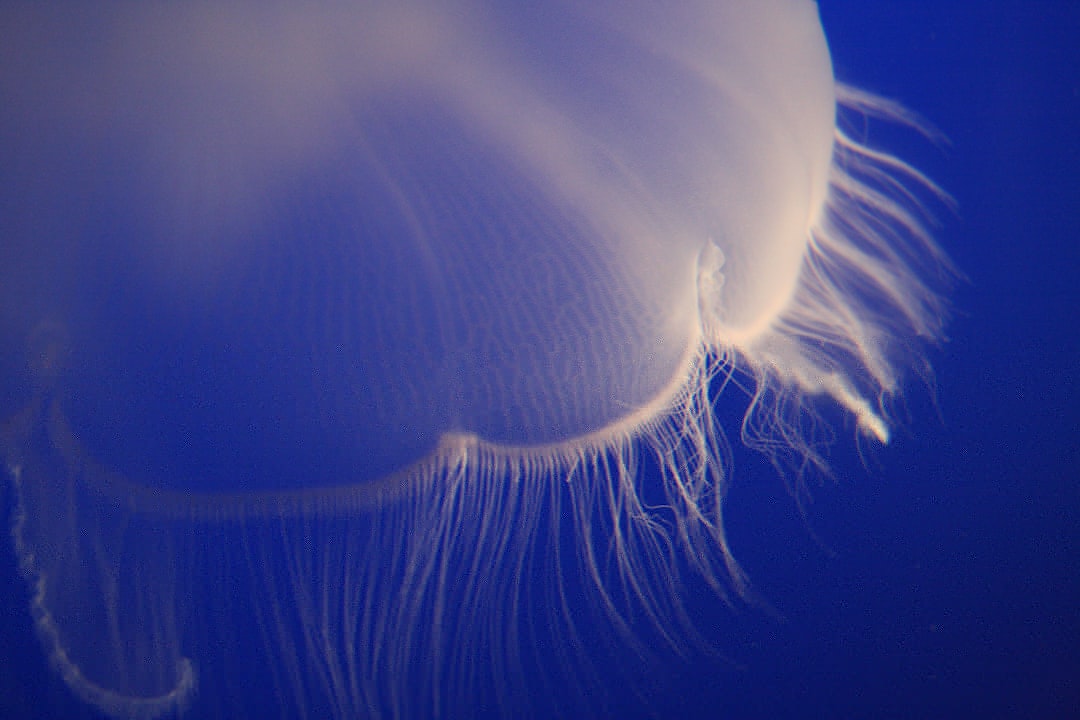
Transparency in the ocean isn’t just a neat trick—it’s a superpower. Unlike the forests or deserts on land, the open ocean offers little shelter. For countless marine animals, blending in is a matter of life and death. By becoming see-through, these creatures can hide in plain sight, escaping predators and sneaking up on prey. Their bodies lack pigment, and their tissues are often made up of water-rich, refractive materials that bend and scatter light. For a predator, searching for a transparent shrimp or jellyfish is like trying to find a single drop of water in the sea. This magical adaptation has evolved in many forms, from delicate larvae to full-grown adults, each crafting invisibility in their own way.
Why Be Transparent? The Survival Advantage
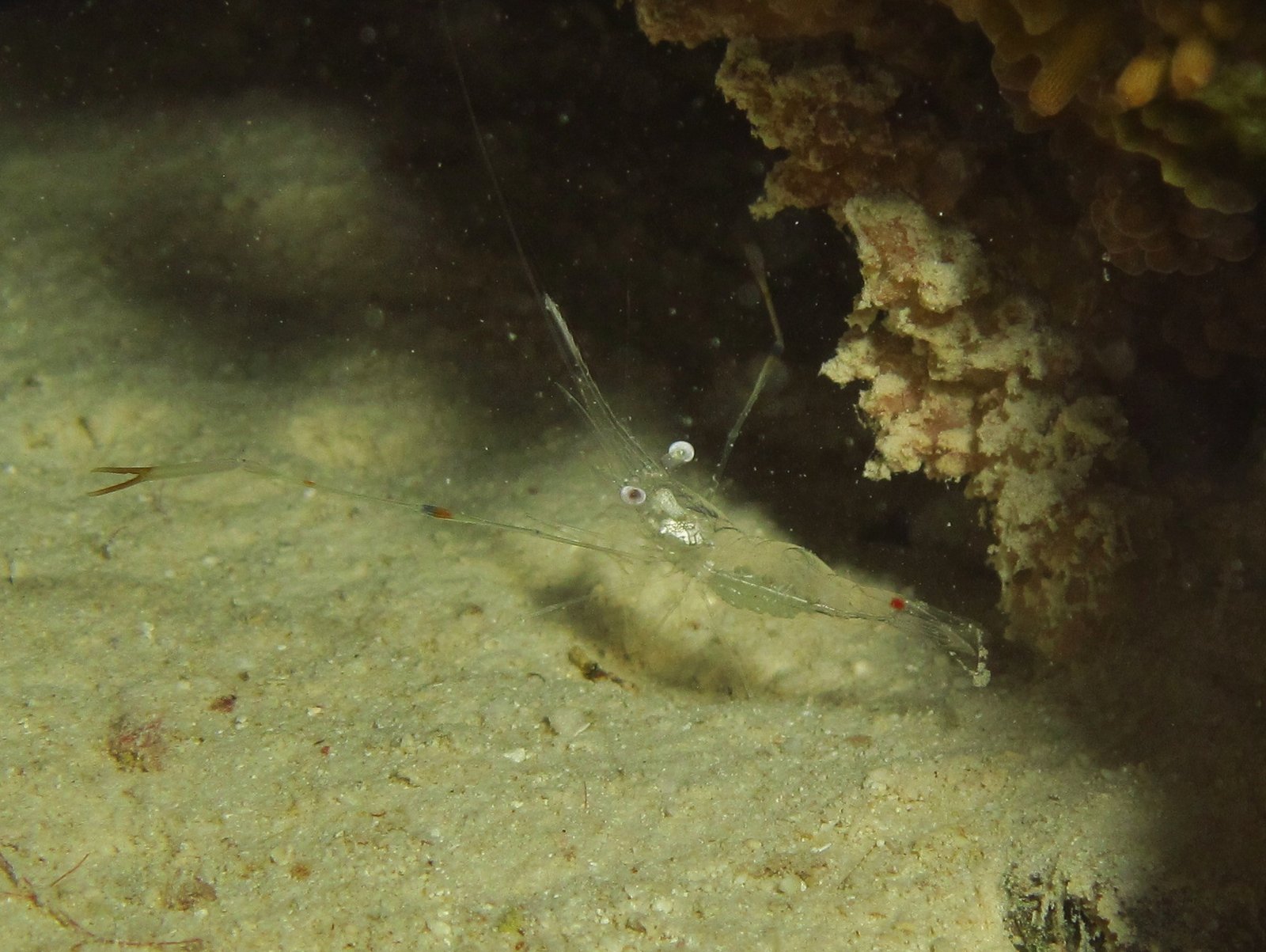
In the ocean, being visible is risky business. Light filters down from above, illuminating everything in its path. Animals that swim in the open have nowhere to hide from hungry eyes. Transparency offers a crucial advantage: it makes creatures almost impossible to spot. Some transparent species, like the glass squid, drift in the twilight zone of the ocean—too deep for most sunlight, but still visible to lurking predators. Their see-through bodies become their greatest armor, turning them into living phantoms. This survival strategy is so effective that it’s evolved independently in hundreds of marine species, from tiny plankton to gelatinous giants.
The Glass Squid: A Master of Disguise
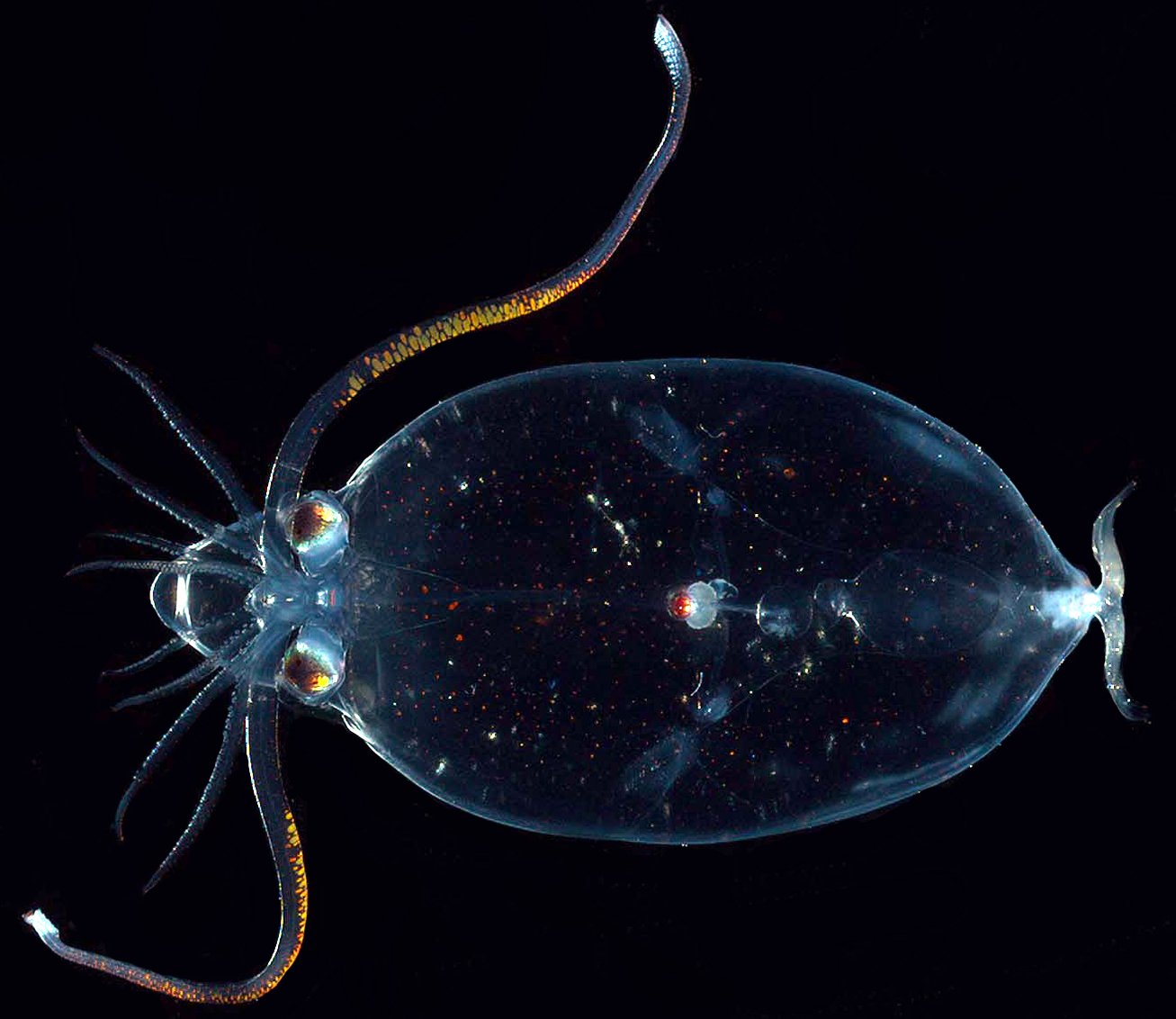
Picture a creature with a body so clear you can see its insides—a floating ghost in the deep. That’s the glass squid, one of the ocean’s most remarkable illusionists. Not only is its body transparent, but it also uses clever tricks like counter-illumination, producing light to match the faint glow from above and erase its shadow. Some species even have transparent eyes, minimizing the giveaway of dark pupils. The glass squid’s survival depends on this near-invisibility, allowing it to drift undetected through mid-ocean waters where threats come from every direction.
Jellyfish: The Original Glass Dancers
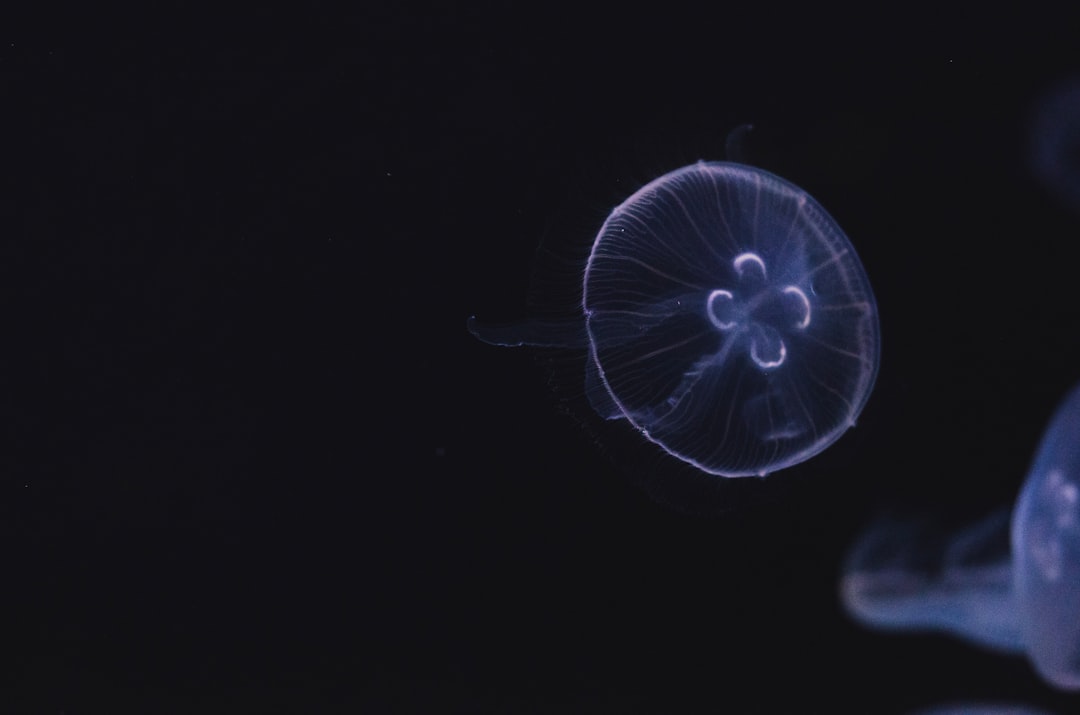
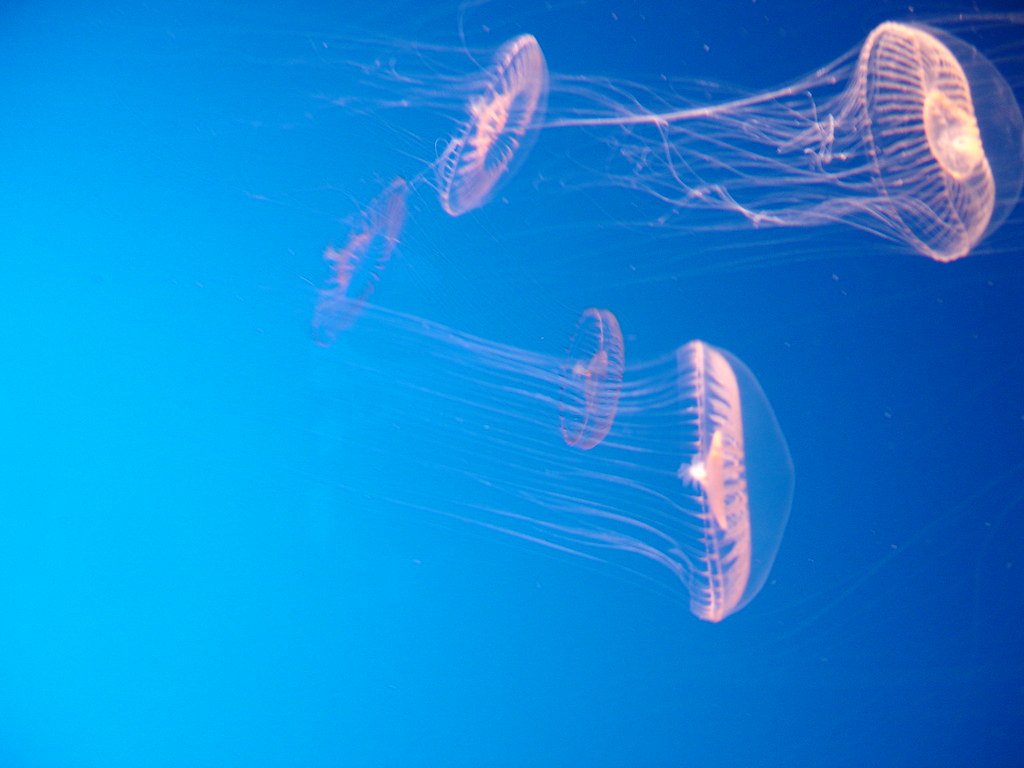
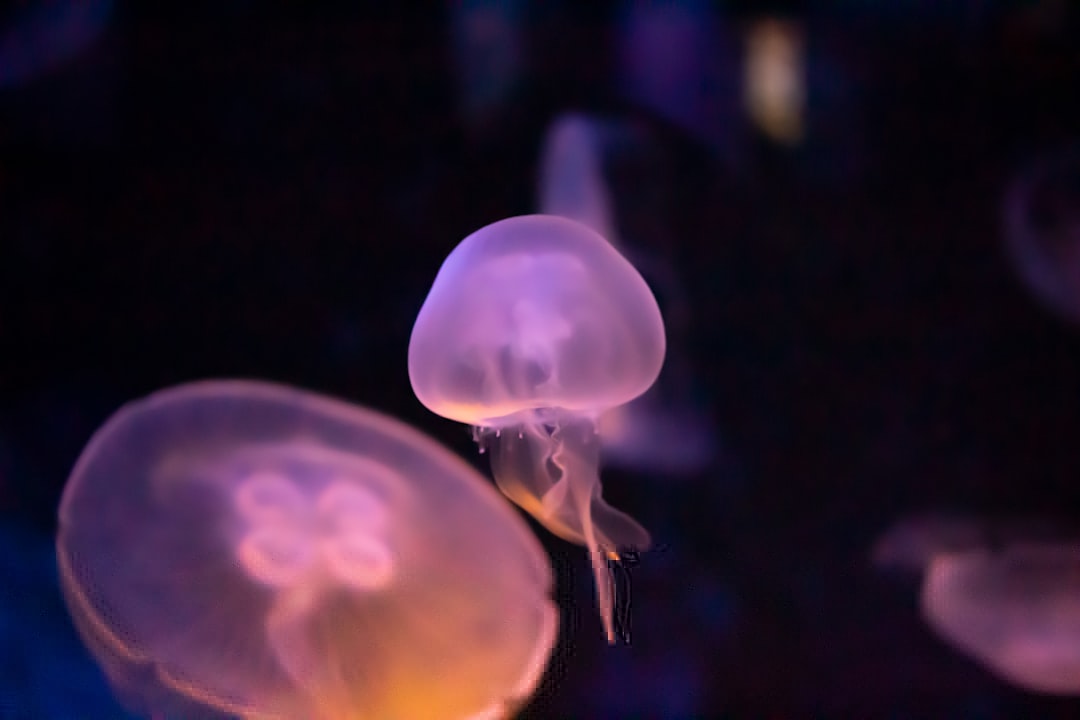
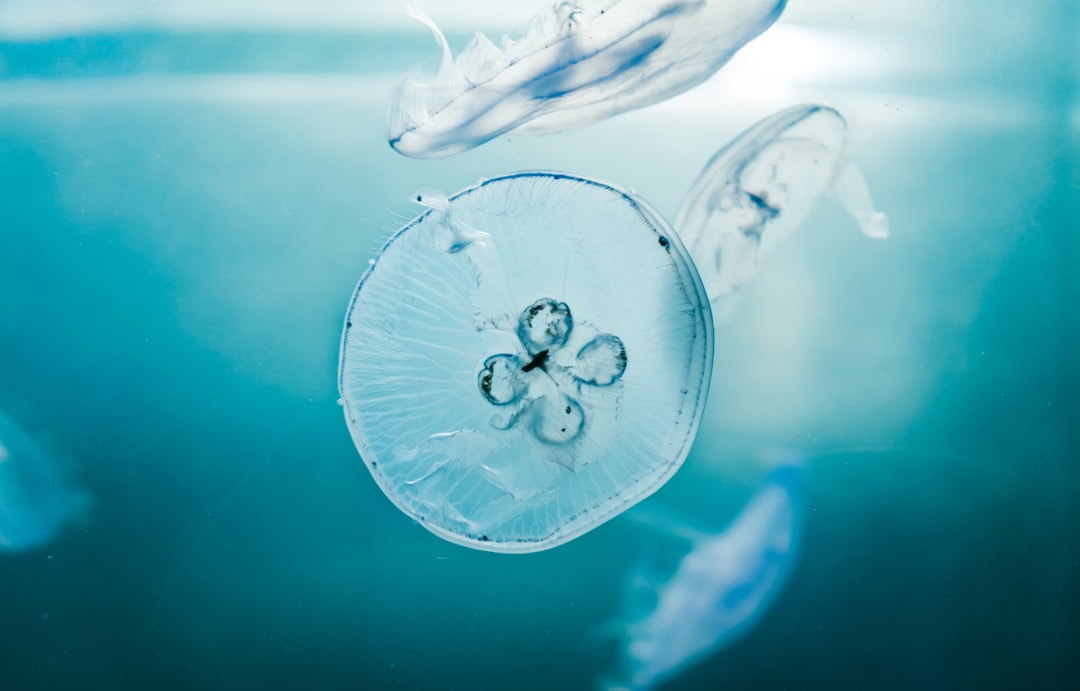
Jellyfish have been perfecting transparency for millions of years. Their gelatinous bodies are made mostly of water—up to 98 percent! This makes them almost invisible, especially when sunlight streams down through the waves. When you see a jelly drifting by, it’s like spotting a shimmering ghost. The transparency isn’t just for hiding; it also helps them float effortlessly and avoid being seen by both predators and prey. Some species, like the moon jelly, are so clear you can see their internal organs pulsing as they move. Watching them is like witnessing living glass sculptures, delicate and mesmerizing.
Larval Fish: Invisible Beginnings
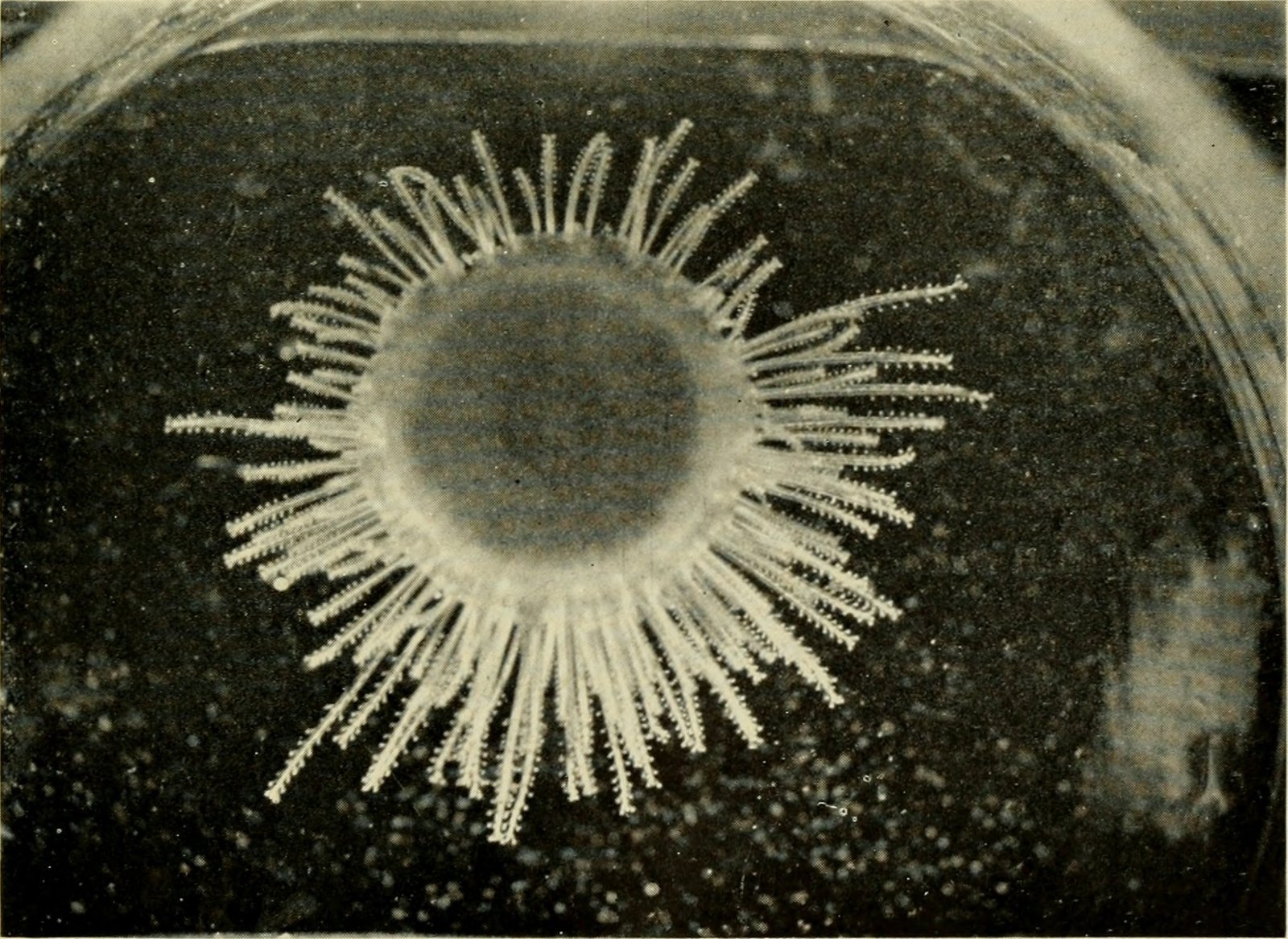
Before many fish become the colorful adults we know, they start life as transparent larvae. These tiny, glass-like babies float in the plankton, where being invisible is their only defense. Their organs and bones are barely visible, and their bodies lack the scales and pigments that adults develop later. This transparency helps them survive during their most vulnerable stage—when they’re small enough to be eaten by just about anything. For larval fish, being invisible is like having a magic shield, giving them a fighting chance to reach adulthood.
Crystal Clear Crustaceans
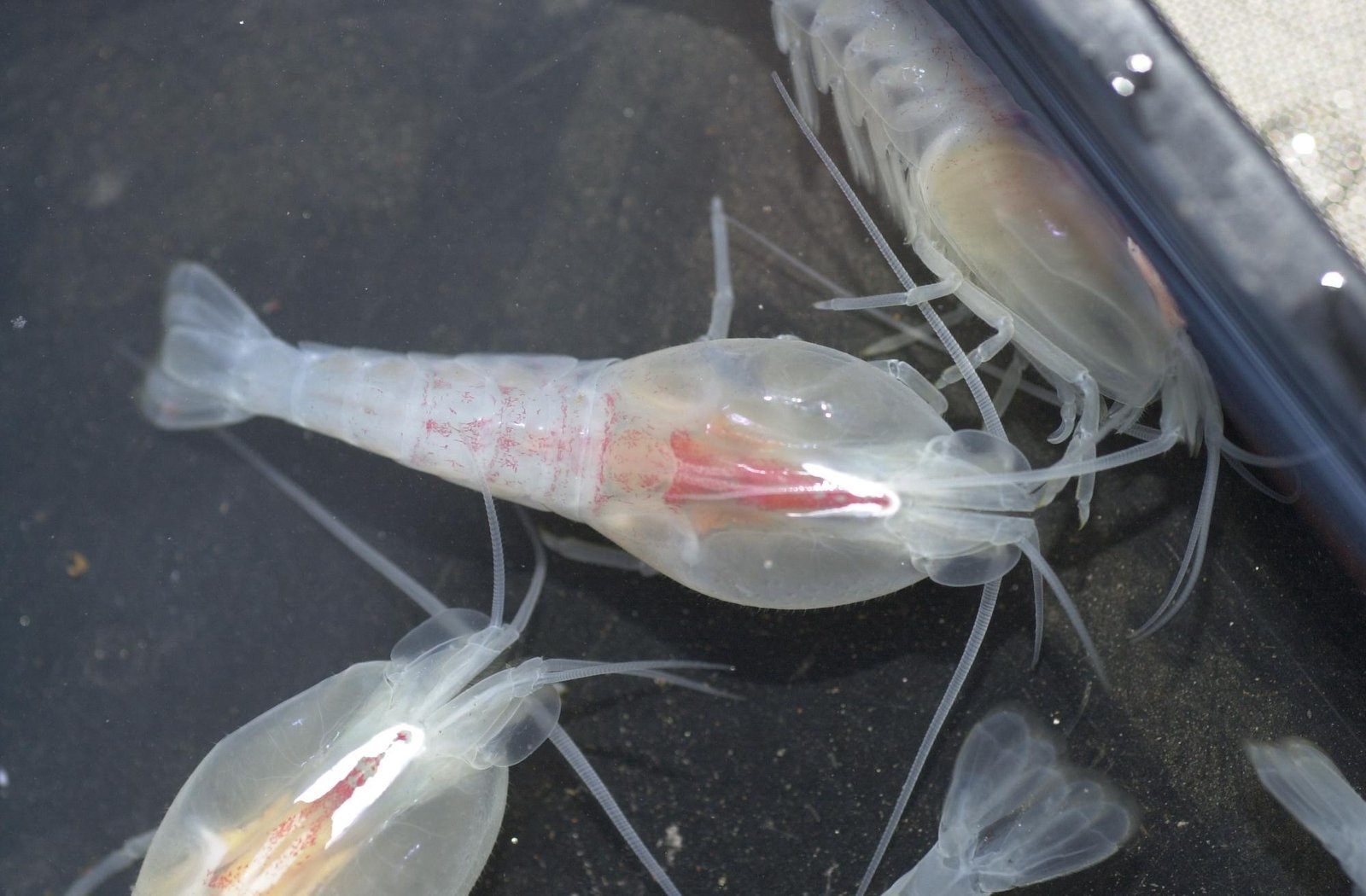
Some of the ocean’s tiniest crustaceans, like certain amphipods and copepods, are nearly invisible to the naked eye. Their bodies are so clear that even scientists have a hard time spotting them in the wild. With thin, glassy shells and see-through limbs, these creatures drift among plankton, avoiding fish and other predators. Their transparency is so effective that even their internal organs are hard to spot unless you look under a microscope. These crustaceans show that sometimes, the best defense is simply to disappear.
The Glass Octopus: A Phantom in the Deep
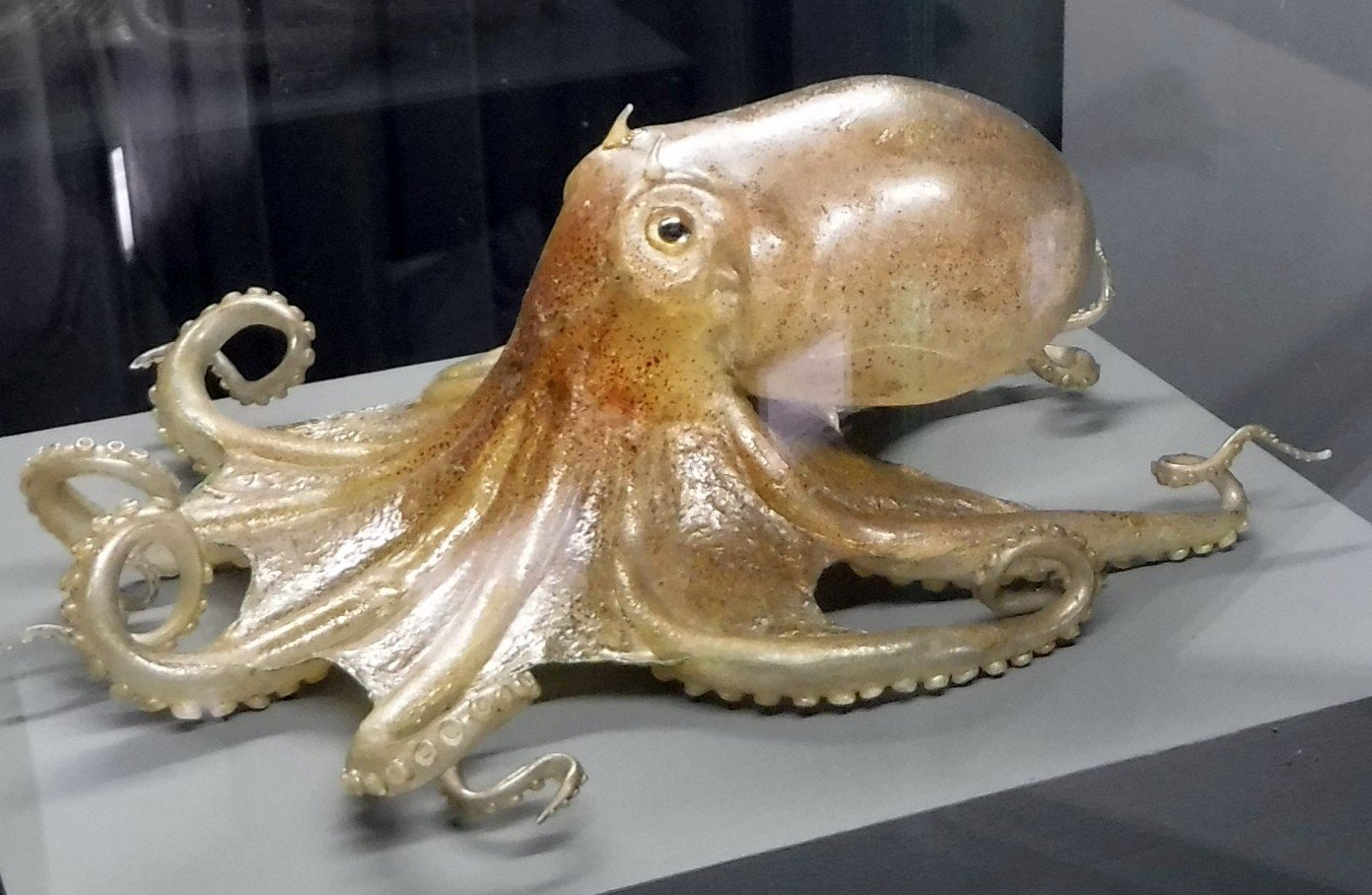
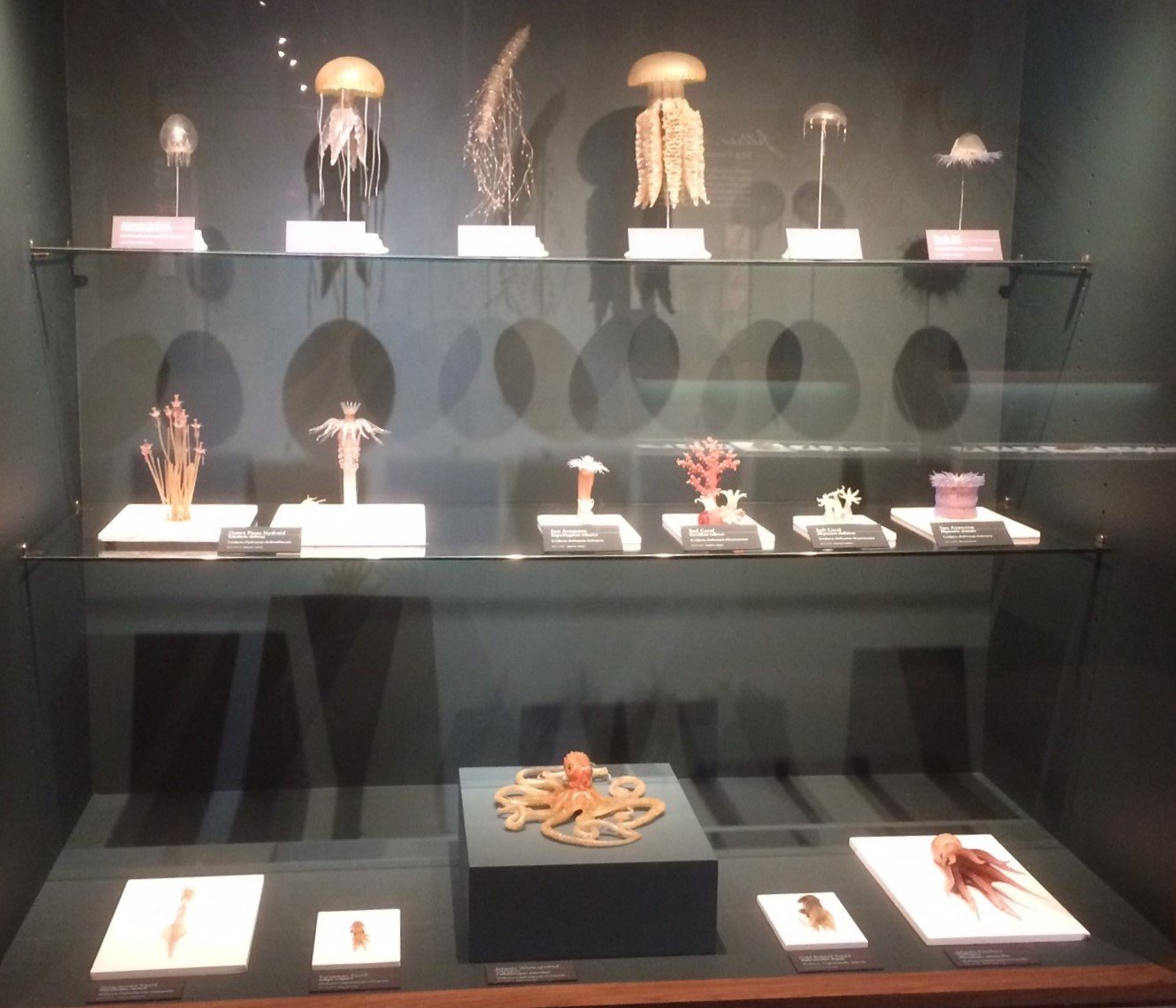
Few creatures are as hauntingly beautiful as the glass octopus. Living in the deep sea, this rare animal is almost entirely transparent, with only its optic nerves, eyes, and digestive tract visible as faint lines inside its body. The rest is like looking through a pane of flawless glass. This makes the glass octopus nearly invisible against the deep ocean’s darkness, a perfect adaptation for avoiding predators and sneaking up on prey. Scientists have only recently begun to capture footage of these elusive creatures, making them one of the ocean’s most mysterious treasures.
Salps and Their Transparent Chains
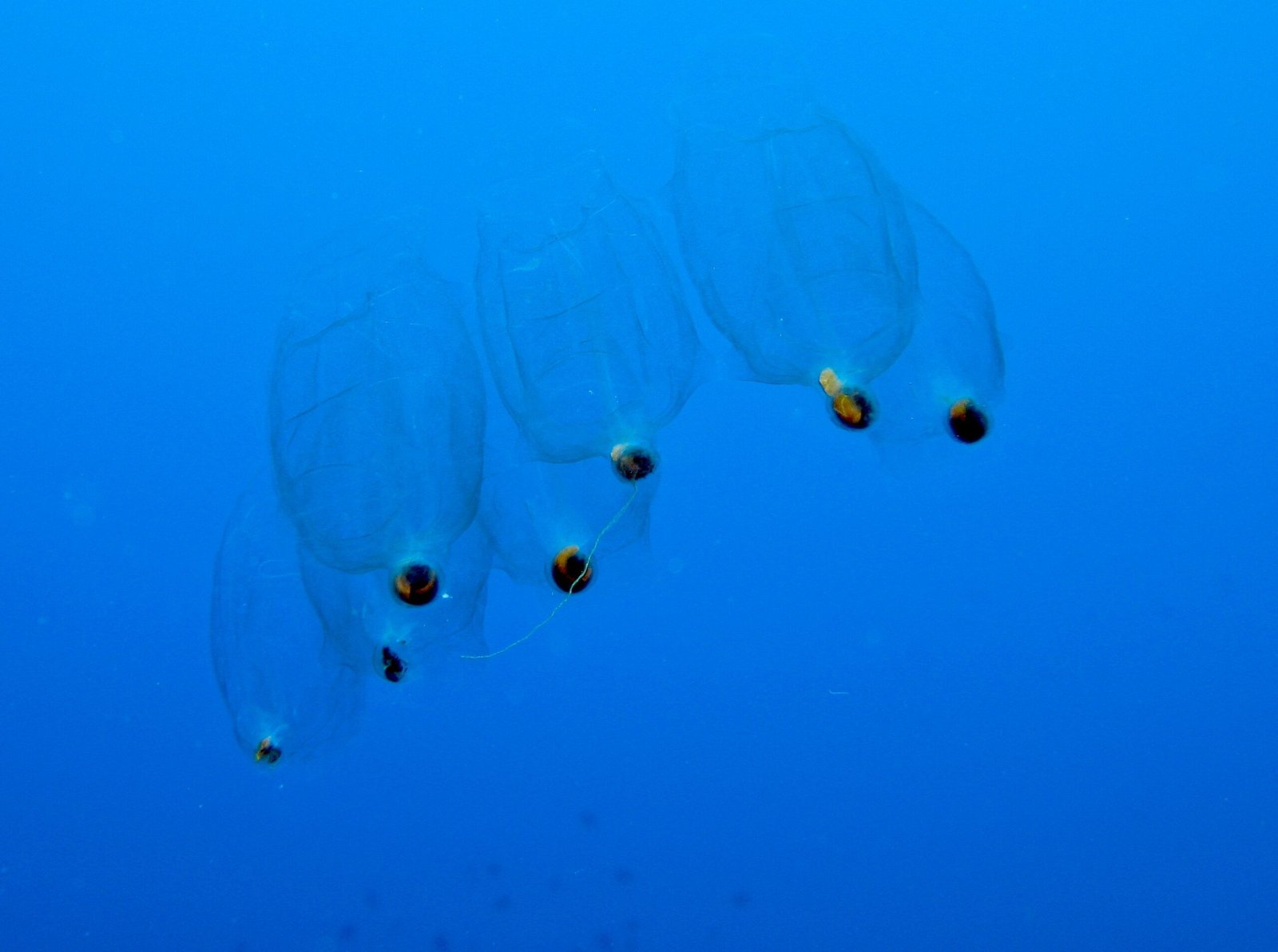
Salps are barrel-shaped, jelly-like animals that drift in long, transparent chains. These creatures may look fragile, but they’re among the most efficient filter feeders in the ocean. Salps’ bodies are almost completely see-through, making them nearly impossible to spot as they glide through the water. They feed by pumping water through their bodies, trapping tiny plankton and algae. When conditions are right, salps can form massive blooms, carpeting the sea with ghostly chains that stretch for meters.
Glass Frogs: Transparency Beyond the Ocean
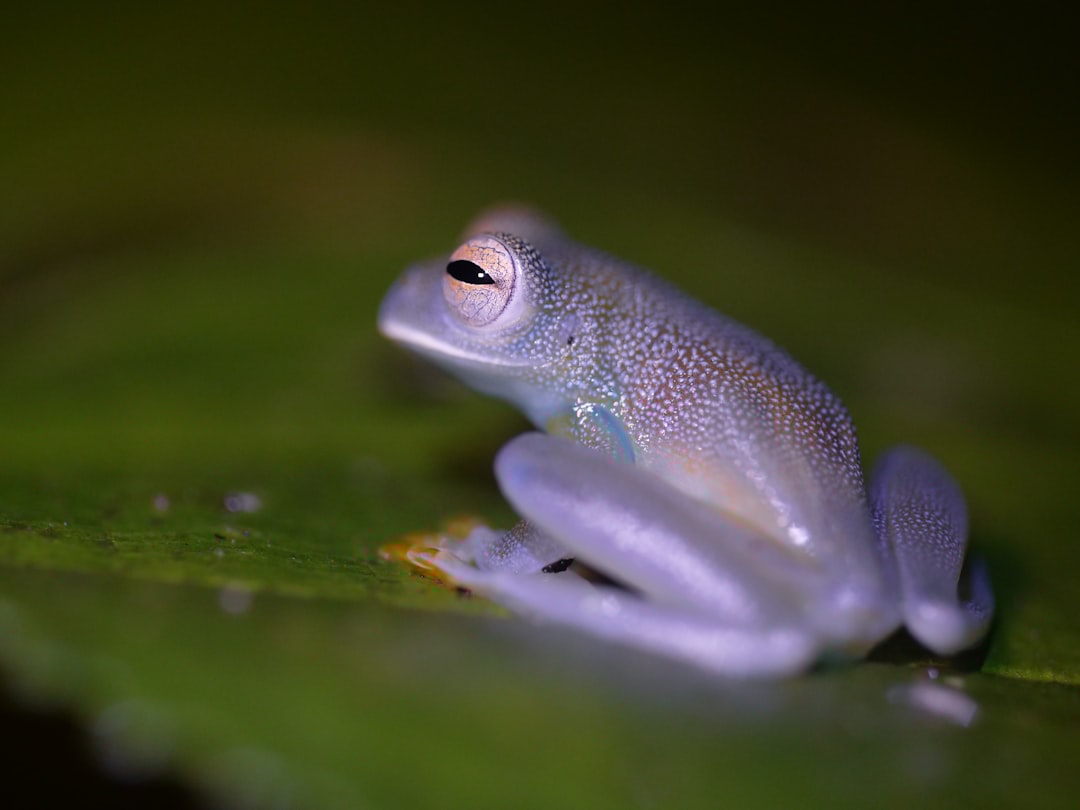
While our journey focuses on the sea, it’s worth noting that transparency isn’t just a marine trick. The glass frog of Central and South America sports a translucent belly that shows off its beating heart and intestines. Although not an ocean dweller, the glass frog is a testament to how powerful transparency can be as a survival strategy, even outside the water. It’s nature’s reminder that invisibility is a universal advantage, crossing boundaries between land and sea.
Comb Jellies: Living Rainbows
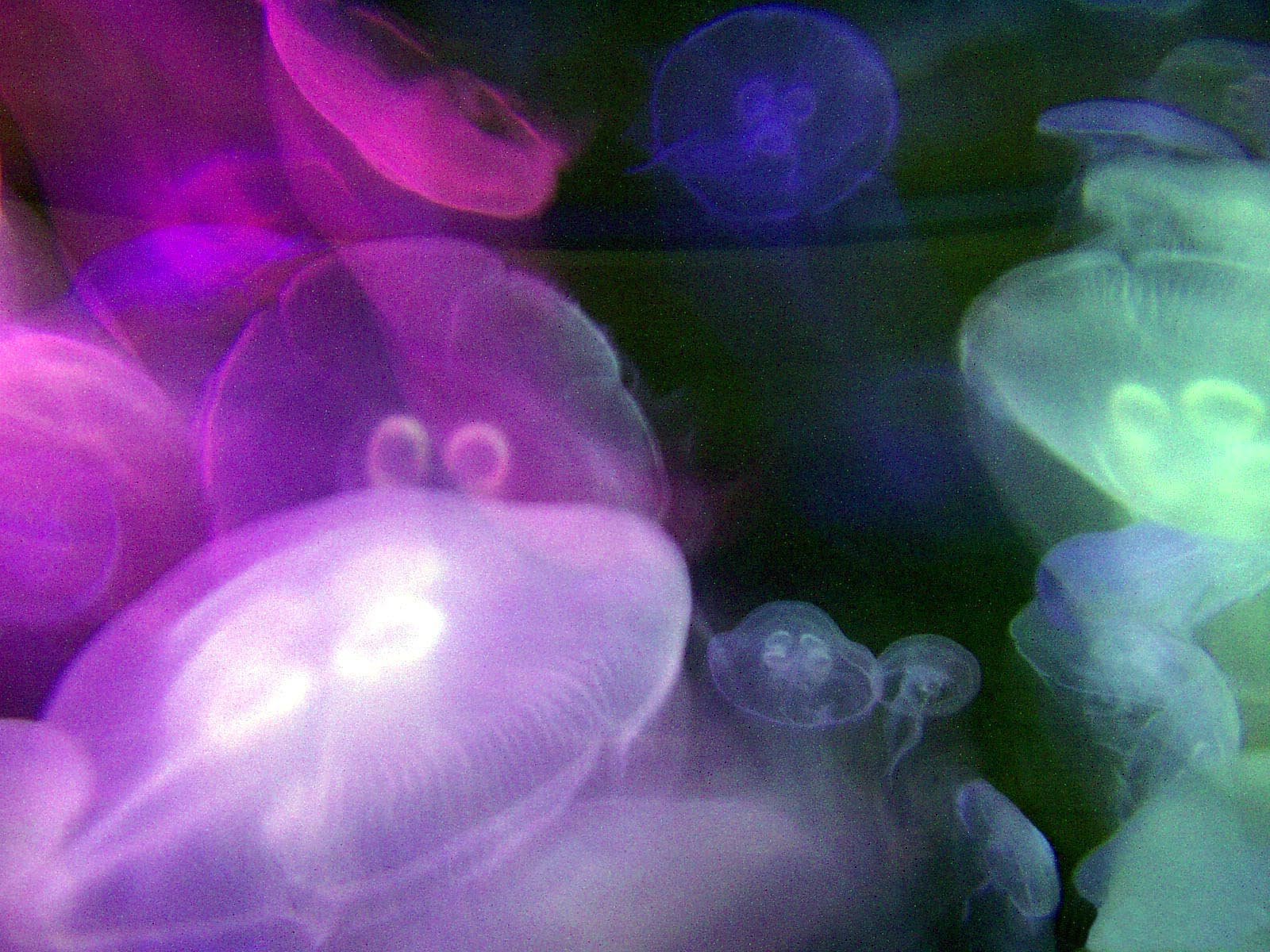
Comb jellies, or ctenophores, are masters of both transparency and light. Their bodies are so clear they’re almost invisible—until they move. As they swim, rows of tiny cilia beat in unison, scattering light and creating a shimmering rainbow effect. This spectacle is breathtaking, like watching living prisms drift through the sea. Their transparency helps them avoid being eaten, while their flashes of light can startle predators or attract mates. Comb jellies prove that being invisible doesn’t mean you can’t be beautiful.
The Physics Behind Transparency
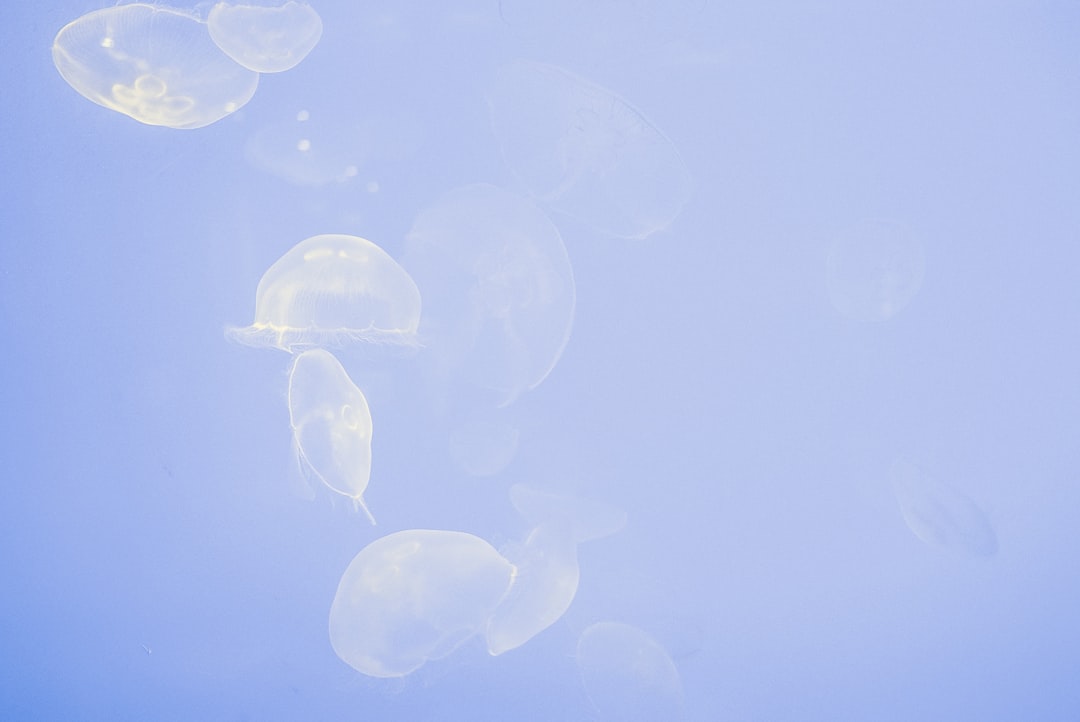
How do animals pull off this see-through trick? It comes down to physics and biology. Transparency happens when tissues are made from materials that let light pass through with little scattering or absorption. Marine creatures often lack pigments, and their bodies are filled with fluids that closely match the refractive index of seawater. This means light bends around them instead of bouncing off, making them blend in almost perfectly. It’s a delicate balance—too much structure, and they become visible; too little, and their bodies can’t function. Nature has fine-tuned transparency to a dazzling degree.
Challenges of Staying Invisible
Being transparent isn’t always easy. For one thing, it limits how complex a creature can be. Internal organs, especially those needed for digestion or reproduction, can give away even the most invisible animal. Some creatures solve this by clustering these organs in hard-to-see spots or using reflective tissues to hide them. Another challenge is that transparency offers little protection from harmful UV rays or physical injury. These animals must balance the benefits of invisibility with the need to survive in a harsh, unpredictable ocean.
The Limits of Glass: When Transparency Fails
Transparency isn’t a perfect shield. In certain light conditions, even the clearest creature can cast a faint shadow or reveal a glint of movement. Predators with special vision—like ultraviolet or polarized light sensitivity—may spot what looks invisible to us. Some transparent animals supplement their camouflage by adding bits of pigment, reflective cells, or even bioluminescence to further confuse attackers. It’s a constant evolutionary arms race, with predators and prey locked in a high-stakes game of hide and seek.
Bioluminescence: The Other Side of Invisibility
Many transparent animals have another extraordinary trick up their sleeves: the ability to produce light. Bioluminescence can help erase a creature’s silhouette by matching the light from above, a technique called counter-illumination. Some, like certain squid and shrimp, use this glow to blend in or distract predators. Others flash suddenly to startle enemies or lure prey. In the twilight depths where the sun fades, being able to control your own light is just as important as being transparent. It’s invisibility with a twist.
The Role of Transparency in Ocean Food Webs
Transparent creatures play a vital part in the marine food web. They are both hunters and hunted, often forming the invisible backbone of ocean ecosystems. Planktonic larvae, ghostly crustaceans, and glassy jellies are all crucial food sources for larger animals, including fish, whales, and seabirds. Their invisibility helps control who eats whom, shaping the balance of life in the sea. Without these see-through marvels, the ocean would look—and function—very differently.
Human Encounters: Spotting the Unseeable

Most people will never see a glass squid or transparent jellyfish in the wild. These creatures are masters at hiding, even from scientists. Yet, with advances in underwater cameras, remotely operated vehicles, and deep-sea exploration, we’re finally starting to catch glimpses of the ocean’s invisible residents. These discoveries are not just thrilling—they remind us how much there is left to learn about our planet. Every encounter with a transparent animal feels like finding a hidden gem, proof that the sea still holds secrets waiting to be revealed.
Transparent Threats: Dangers Facing Glass Creatures
Ironically, invisibility doesn’t protect these animals from every danger. Pollution, warming oceans, and habitat destruction threaten even the most elusive species. Microplastics, for example, can end up inside transparent animals, turning their bodies cloudy and making them easier targets. Changes in ocean chemistry can affect their delicate tissues, while overfishing disrupts the balance of the food web. The fragility that makes these creatures so beautiful also makes them vulnerable, highlighting the urgent need to protect their habitats.
The Search for Medical Marvels
Scientists are fascinated by transparent animals for more than just their looks. Some researchers study them to learn about tissue engineering, hoping to create better ways to see inside the human body. The crystal-clear tissues of these creatures offer models for medical imaging and even inspire new materials for surgery or drug delivery. What starts as a fascination with ocean glass can lead to breakthroughs that help people see—and heal—in entirely new ways.
Invisibility in Pop Culture and Imagination

The idea of being invisible has long captured our imagination, from the stories of invisible men to the dream of stealth technology. Transparent ocean animals turn these fantasies into reality. They are the living proof that nature has already solved problems we’re just starting to tackle—like how to disappear or move unseen. Artists and filmmakers draw inspiration from these creatures, using them as models for aliens, monsters, and futuristic gadgets. In a way, the ocean’s glass animals are the original magicians, reminding us that sometimes truth is stranger—and more beautiful—than fiction.
Lessons from the Ocean’s Glass Creatures
Transparent species teach us more than just science; they show us resilience, adaptability, and the art of survival in a world full of challenges. Their ability to vanish is not just about hiding, but about thriving in the harshest places on Earth. They remind us that true strength can lie in subtlety and that sometimes, the most extraordinary life forms are the ones we can barely see. Looking at these creatures, we’re asked to rethink what it means to be visible, vulnerable, or victorious in nature.
What Can We Learn from Nature’s Invisible Wonders?
The ocean’s glass creatures invite us to look closer, to seek out the hidden marvels that shape our world. Their transparency is more than a trick of light—it’s a lesson in adaptation, balance, and awe. They challenge us to protect the fragile places they call home, to appreciate the beauty in what’s unseen, and to imagine what else might be waiting just out of sight.