Imagine a world where continents are stitched together by an icy corridor, alive with mammoths, ancient hunters, and creatures forgotten by time. For thousands of years, the Bering Land Bridge wasn’t just a strip of frozen earth; it was a bustling highway of life, connecting Asia and North America in a way that changed the course of human history forever. But as the ice melted and the seas rose, this ancient passage vanished beneath frigid waters. Today, the Bering Land Bridge lies hidden at the bottom of the Bering Sea, shrouded in mystery and wonder. What secrets does it hold beneath the waves? Let’s dive deep—literally and figuratively—into the lost world beneath this legendary bridge.
A Lost World Between Continents
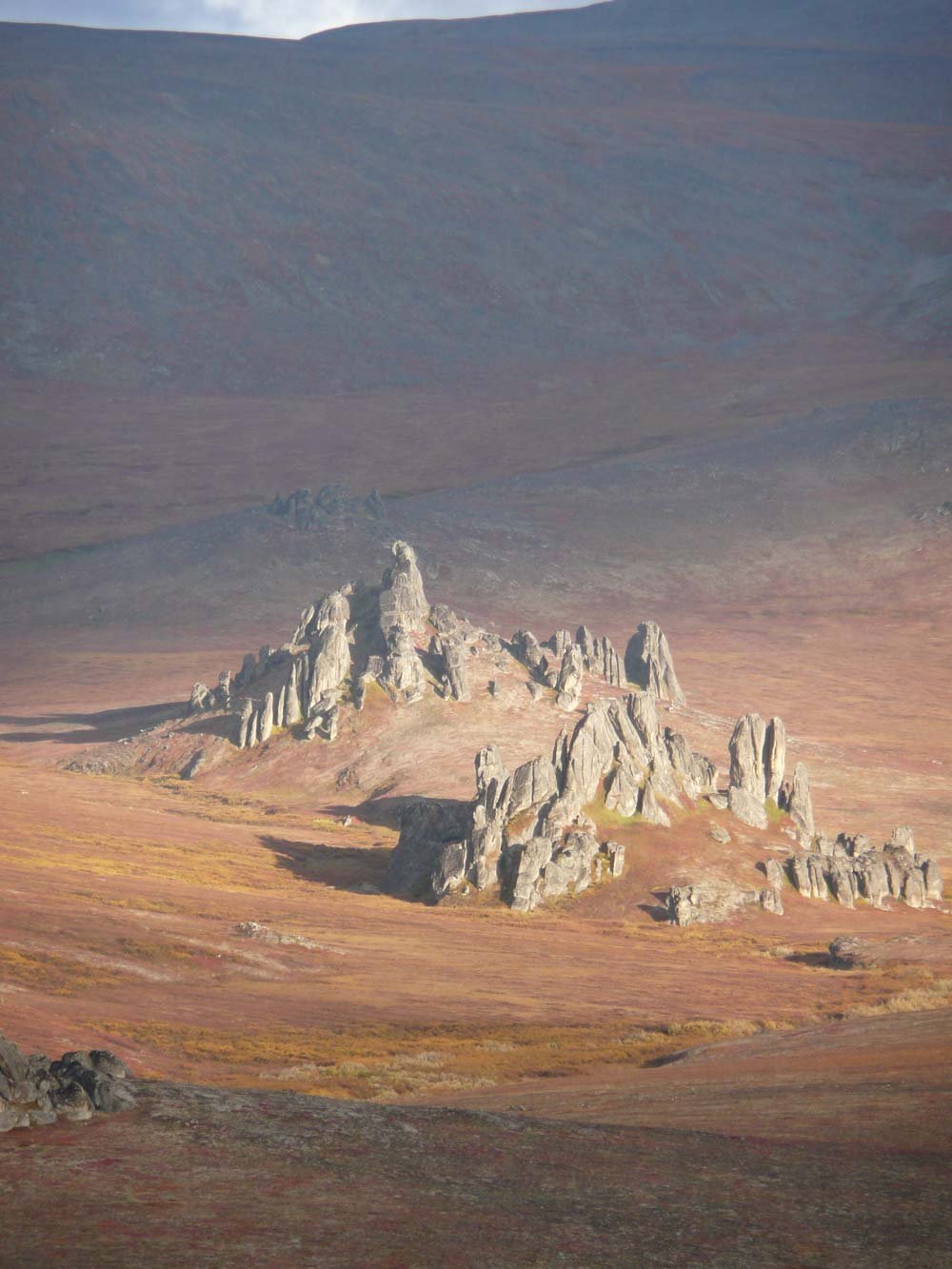
The Bering Land Bridge, also called Beringia, once stretched nearly 1,000 miles wide, linking present-day Siberia to Alaska. During the last Ice Age, sea levels dropped more than 300 feet, exposing this vast plain. It wasn’t just a barren wasteland; Beringia was a thriving ecosystem, brimming with grasses, shrubs, and rivers. Herds of woolly mammoths and herds of bison roamed free, while saber-toothed cats stalked in the shadows. Ancient peoples, following the herds, crossed this wild landscape, unknowingly laying the foundation for future civilizations in the Americas.
The Bridge That Changed Human History
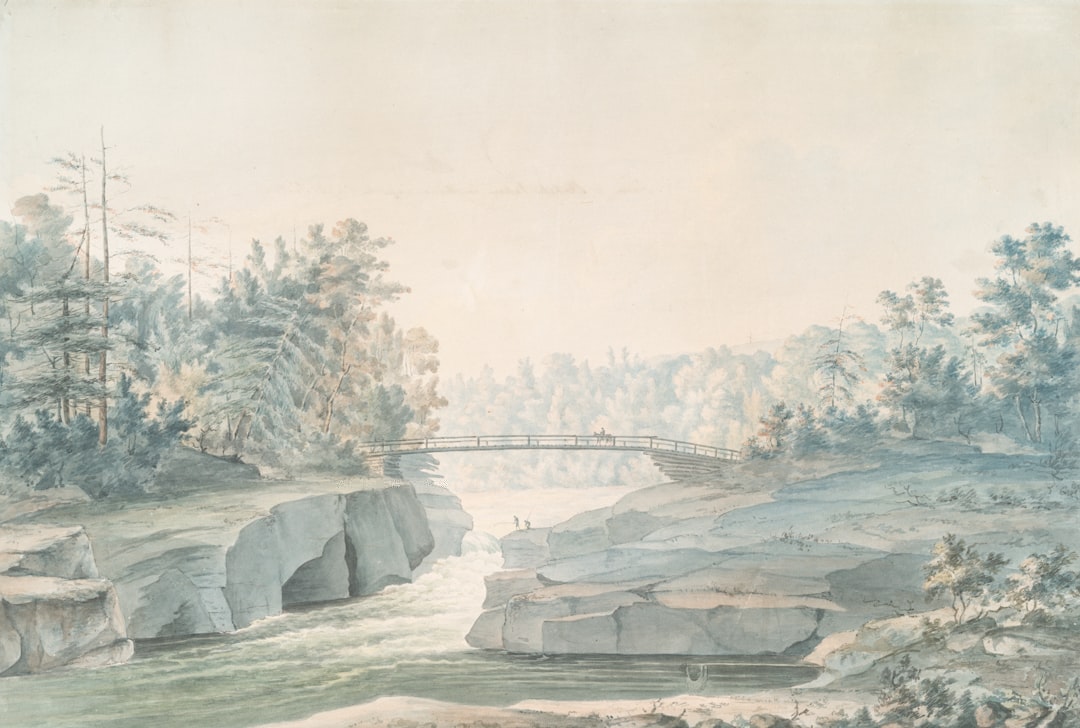
Scientists believe that the first humans arrived in North America by trekking across the Bering Land Bridge around 20,000 years ago. This migration wasn’t a single journey but a slow, generational movement. Imagine entire families, bundled in furs, trudging across a wind-whipped expanse, guided by hopes of finding new lands. This crossing is considered one of the most important events in human history, as it led to the settlement of two vast continents. The echoes of that journey still shape the cultures and stories of Indigenous peoples today.
What Lies Beneath the Waves Now?
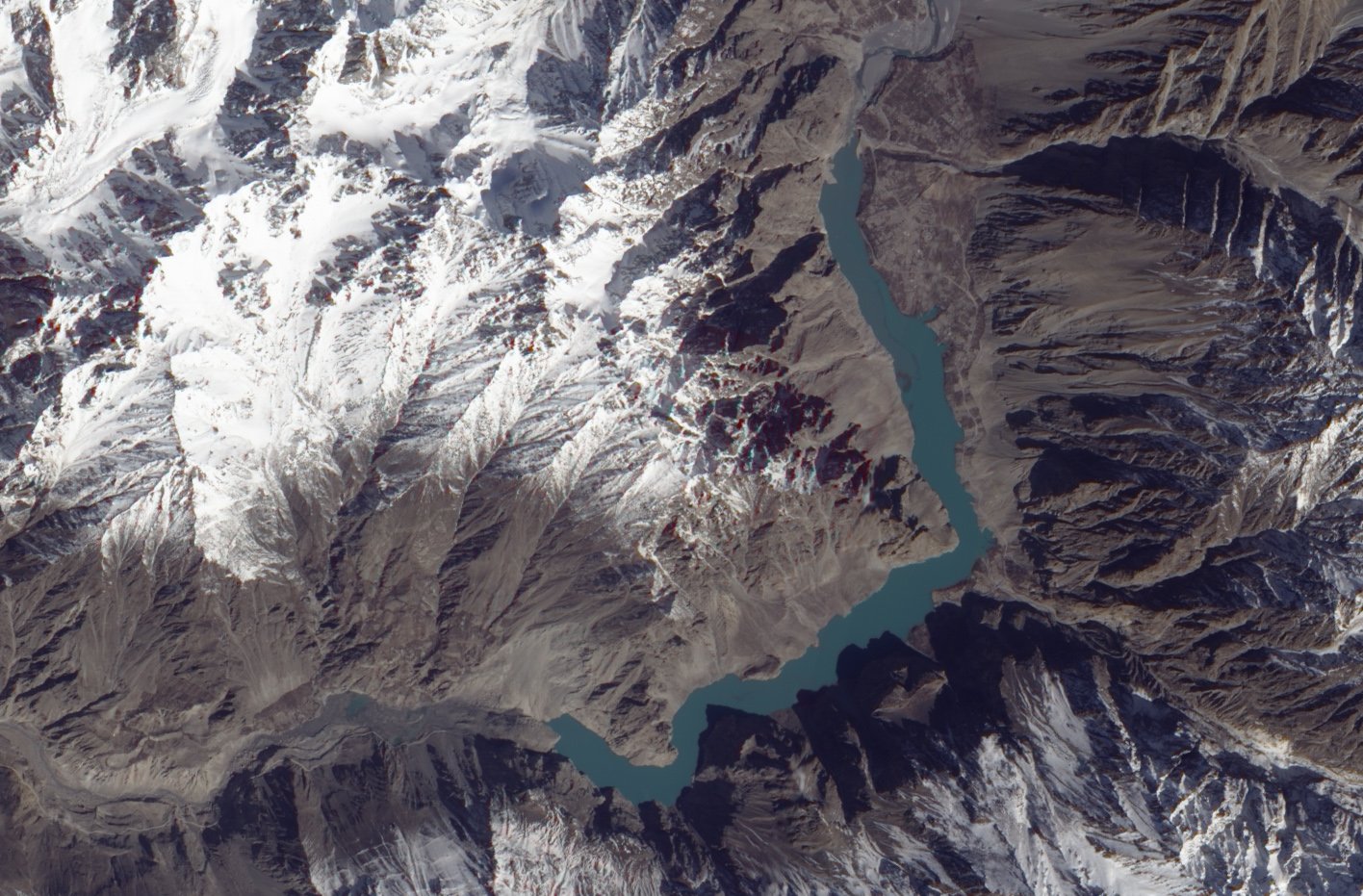
As the Ice Age ended and glaciers melted, the land bridge disappeared beneath rising seas. Today, the floor of the Bering Sea hides the remnants of this once-teeming highway. Deep beneath the waves, scientists have discovered ancient riverbeds, fossilized plants, and even traces of old animal migrations. The cold, dark waters preserve this landscape like a time capsule, waiting for the right tools and technology to unlock its secrets. Every year, new expeditions reveal more about what’s been hidden for thousands of years.
Submerged Landscapes: Rivers, Lakes, and Valleys

Beneath the surface, the Bering Sea still holds the scars of its past. Submerged valleys and river channels, once home to freshwater fish and migrating herds, wind across the seafloor. Using sonar and underwater mapping, scientists have traced the paths of ancient rivers that once cut through the heart of Beringia. These ghost rivers provide clues about how animals and people navigated this lost world, and hint at the richness of life that once flourished there.
Frozen Fossils and Ancient Bones
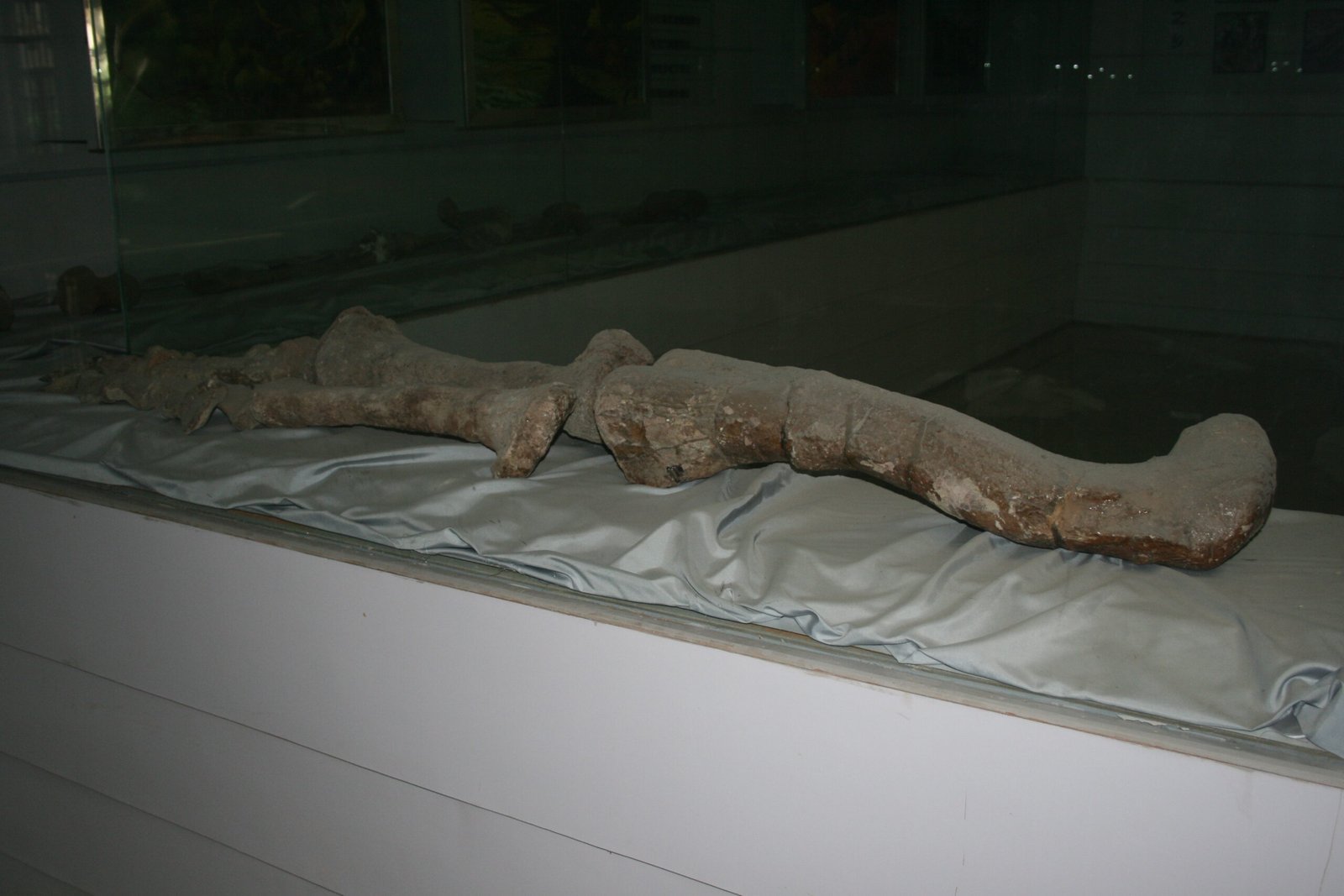
The cold waters of the Bering Sea have a way of preserving the past. Researchers have dredged up the bones of mammoths, bison, and even prehistoric horses from the ocean floor. These relics offer a startling glimpse into the animals that once made the land bridge their home. In some cases, bones are so well preserved that scientists can extract ancient DNA, unlocking secrets about evolution, extinction, and migration that would otherwise be lost to time.
Clues From the Sediment
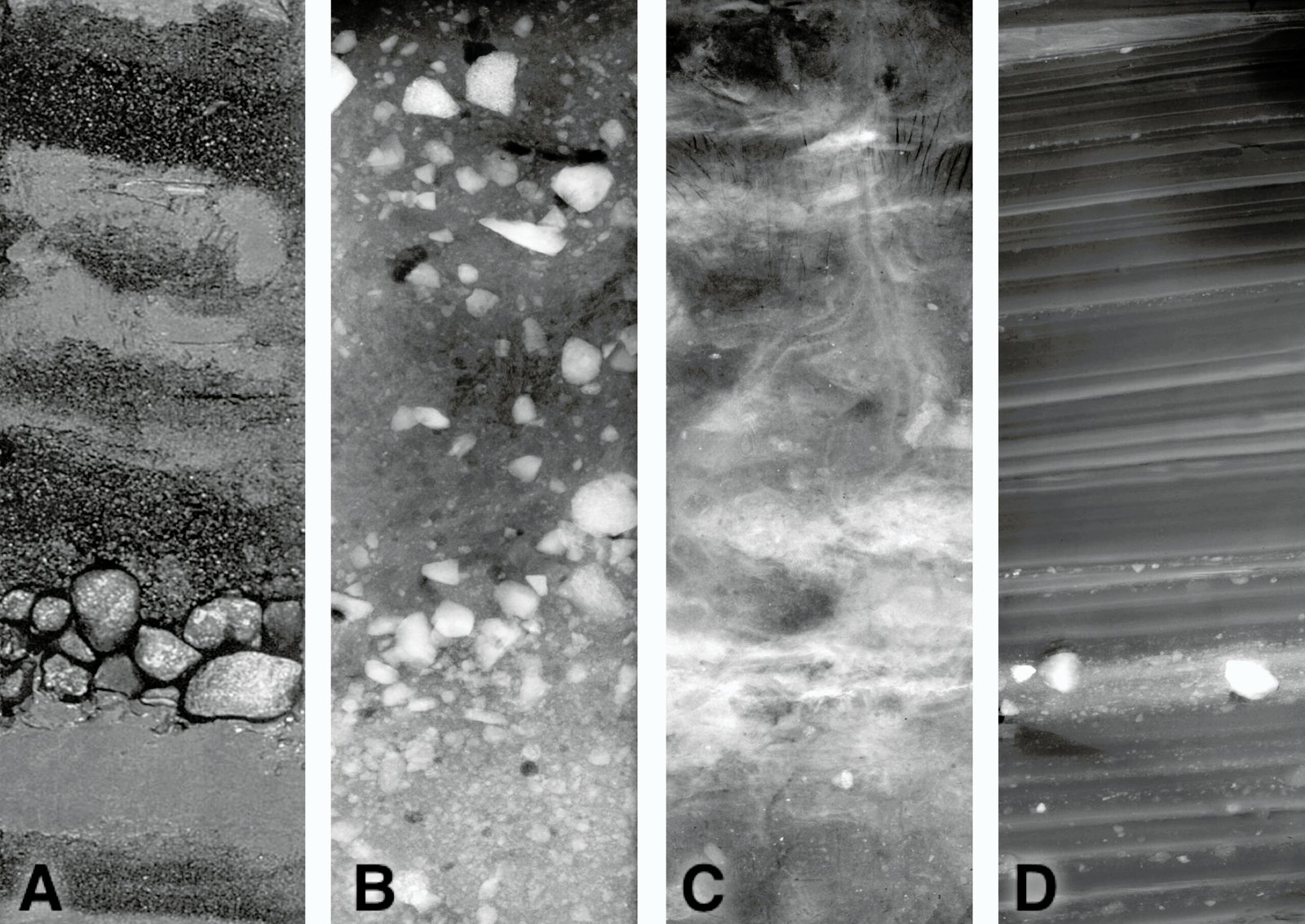
Every layer of silt and sediment beneath the Bering Sea tells a story. By drilling deep into the seafloor, scientists can analyze pollen grains, plant remains, and microfossils. These tiny clues reveal what kinds of plants grew on Beringia, how the climate shifted over thousands of years, and how ecosystems responded to dramatic changes. It’s a bit like reading the diary of a vanished landscape, page by muddy page, and realizing just how dynamic the planet has always been.
The Underwater Archaeologists’ Quest
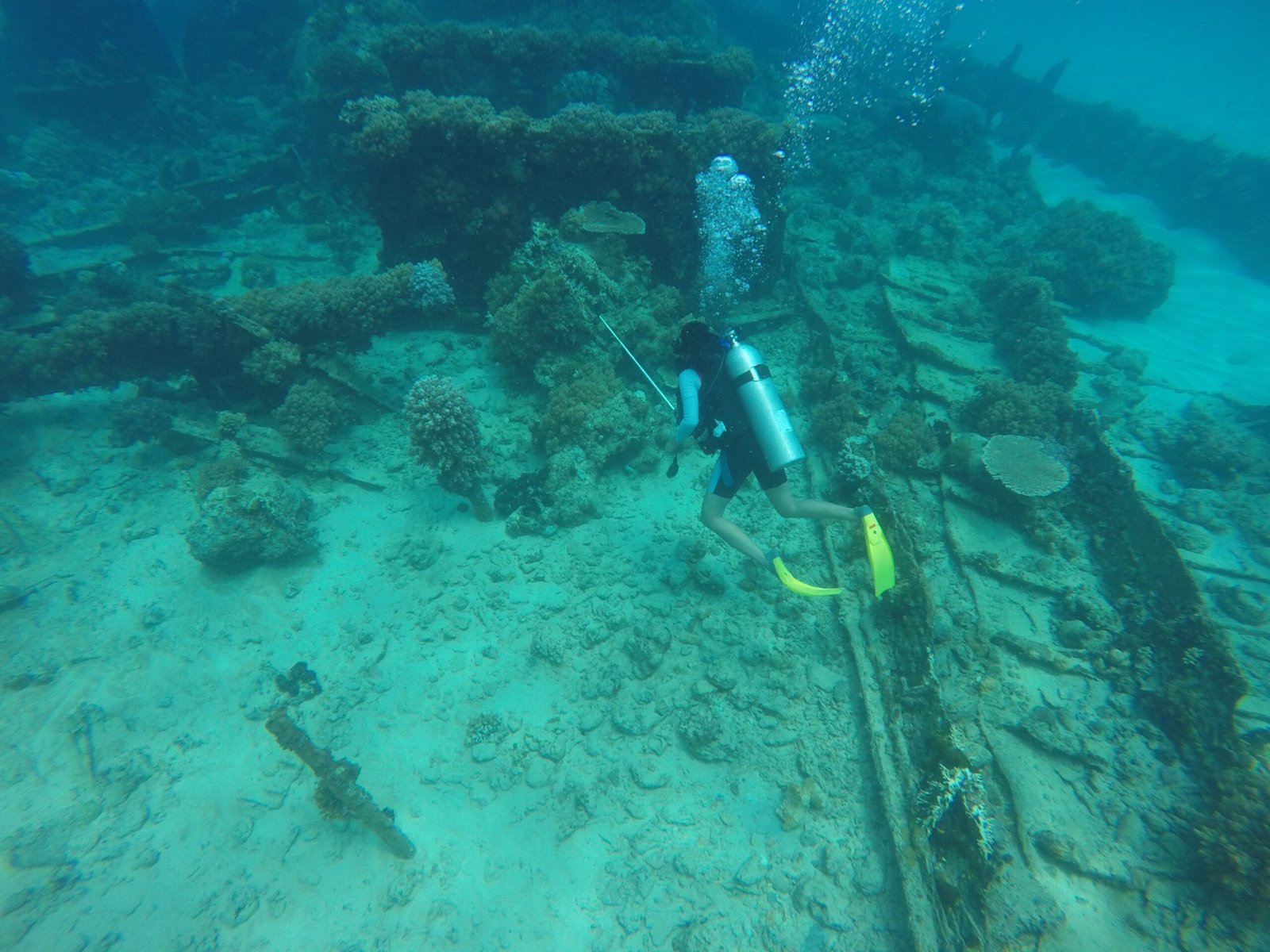
Exploring what’s left of the Bering Land Bridge isn’t easy. Harsh weather, freezing temperatures, and turbulent seas make underwater archaeology here a true challenge. But with advanced technology like remotely operated vehicles and deep-sea sonar, scientists are slowly mapping the hidden world beneath the waves. Each new discovery adds a piece to the puzzle, helping us understand how people and animals once lived, moved, and survived in this extraordinary place.
The Mystery of Ancient Human Footprints
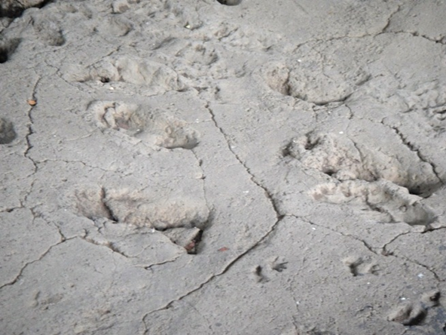
One of the most tantalizing questions is whether traces of ancient humans still lie beneath the sea. Archaeologists have found stone tools and signs of hunter-gatherer camps on both sides of the former land bridge. But what about the submerged parts? Some researchers believe the remains of ancient settlements, hearths, and even footprints may still wait to be found on the seafloor, preserved beneath layers of mud and sand. If uncovered, these discoveries could rewrite our understanding of human migration and ingenuity.
How the Sea Life Has Taken Over
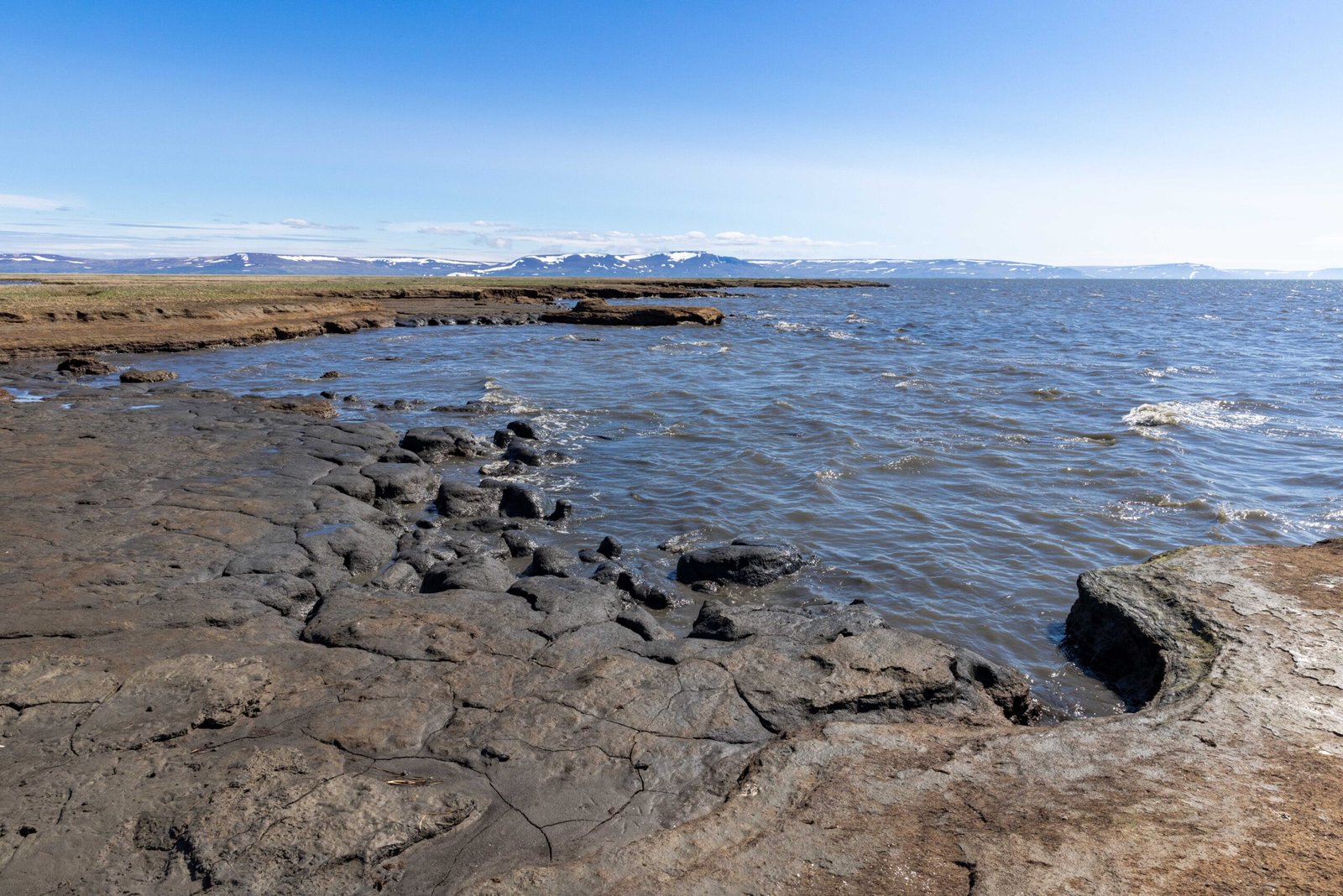
Today, the Bering Sea is a bustling marine ecosystem, teeming with life. Whales, seals, and vast schools of fish navigate the same corridors where mammoths once walked. The submerged valleys and ridges serve as underwater highways for marine creatures. Coral gardens and kelp forests now sway where grasslands once stretched to the horizon. In a strange twist, the land bridge that enabled ancient terrestrial migrations is now a vital part of marine biodiversity.
Climate Change and the Bering Sea
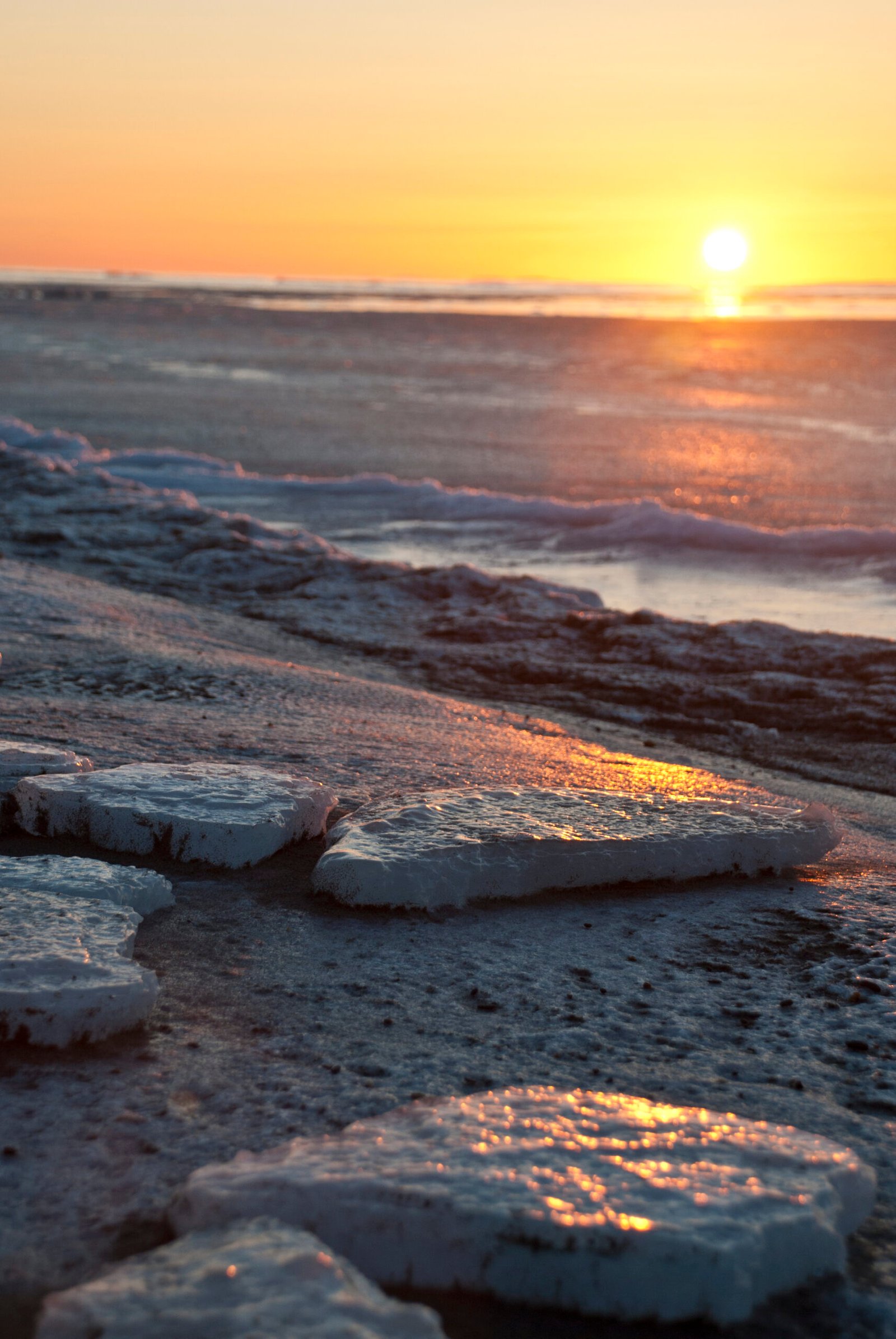
The Bering Sea is changing rapidly, and not always for the better. Warming waters and melting sea ice are transforming the region at a pace not seen for thousands of years. These changes threaten not only modern marine life but also the preservation of the ancient landscape below. As the climate shifts, scientists race to document and protect what remains of Beringia’s hidden history, knowing that some clues may vanish forever.
Legends and Lore of the Land Bridge
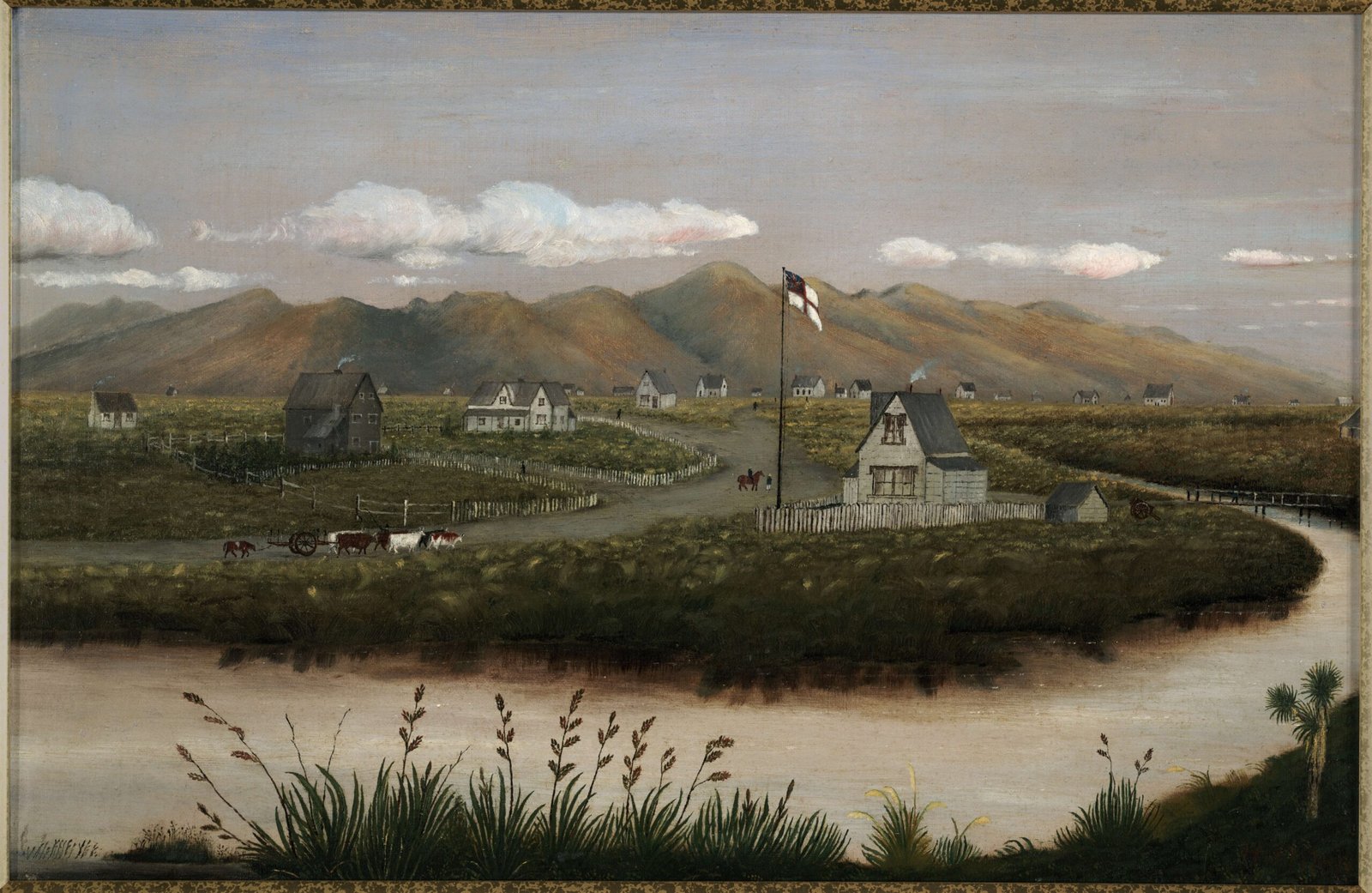
Indigenous peoples from Alaska and Siberia have long spoken of a land that once connected their ancestors across the sea. These stories, passed down through generations, describe a time when hunters traveled with herds and families searched for new beginnings. Oral traditions often contain surprising details that match scientific findings, reminding us that history is not just written in bones and rocks, but also in memories and songs.
Unearthing the Past With DNA
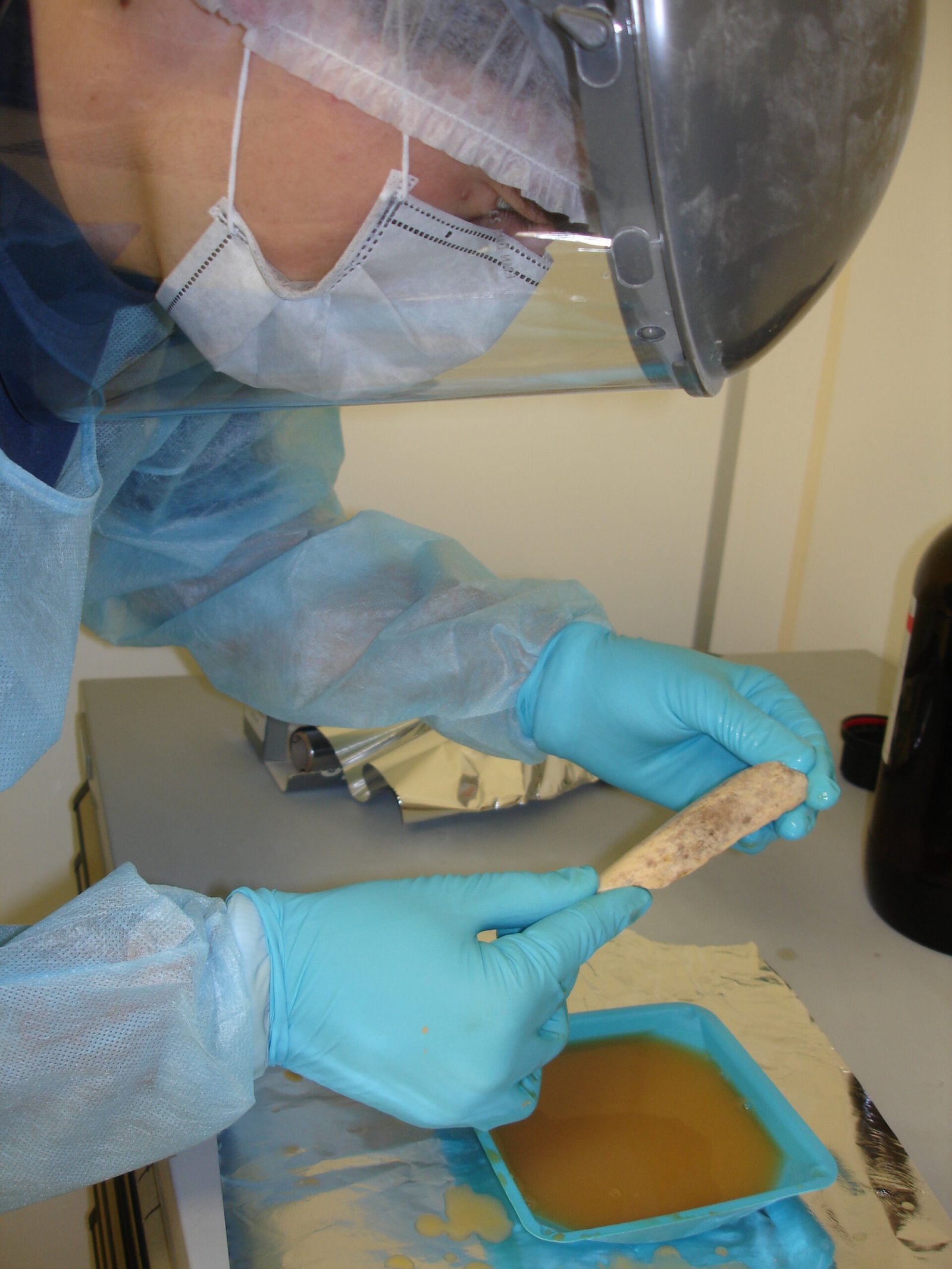
Ancient DNA extracted from bones, teeth, and even sediments beneath the Bering Sea is revolutionizing our understanding of the land bridge. Genetic analysis reveals how animals and humans adapted to changing environments, interbred with distant relatives, and sometimes disappeared altogether. These genetic clues fill in the gaps left by archaeology, painting a vivid picture of life on Beringia that words and stones alone could never capture.
Plants That Tell a Story
The seeds and pollen grains found in sediments beneath the Bering Sea have a story to tell. Scientists use these botanical relics to reconstruct ancient Beringian landscapes, mapping out where forests, tundra, and wetlands once grew. The types of plants found reveal how the climate shifted over millennia, influencing animal migrations and human survival strategies. It’s a silent record of change, written in the language of leaves and flowers.
Volcanic Ash and Sudden Change
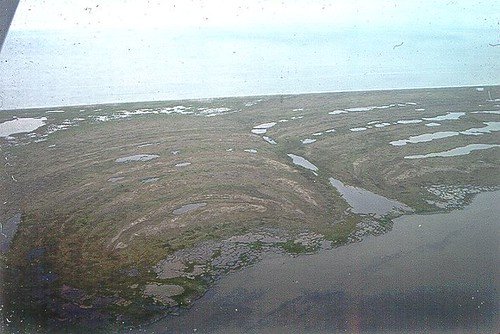
Layers of volcanic ash, buried beneath the sea, offer dramatic evidence of natural disasters that once rocked Beringia. Each layer marks a moment of upheaval—an eruption that blanketed the land in darkness, forcing animals and humans to adapt or move on. By dating these ash layers, scientists can synchronize events across continents and understand how sudden change shaped the fate of those who lived on the bridge.
The Bridge’s Disappearance: A Slow Drowning
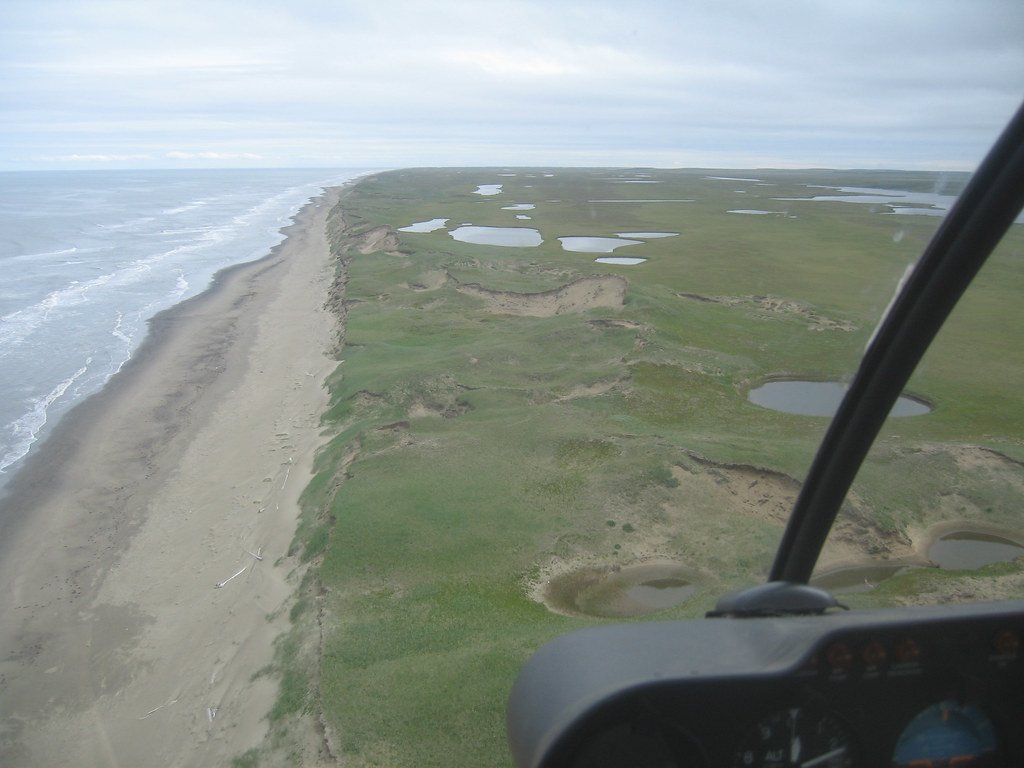
The submergence of the Bering Land Bridge was not a single event but a slow, relentless process. As the Ice Age ended, melting glaciers caused sea levels to rise, inch by inch, over thousands of years. Grasslands became marshes, marshes became lakes, and finally, waves swallowed everything. This gradual drowning forced animals and people to adapt, migrate, or perish. It’s a haunting reminder of how connected we are to the rhythms of the Earth.
How Beringia Connects Us All
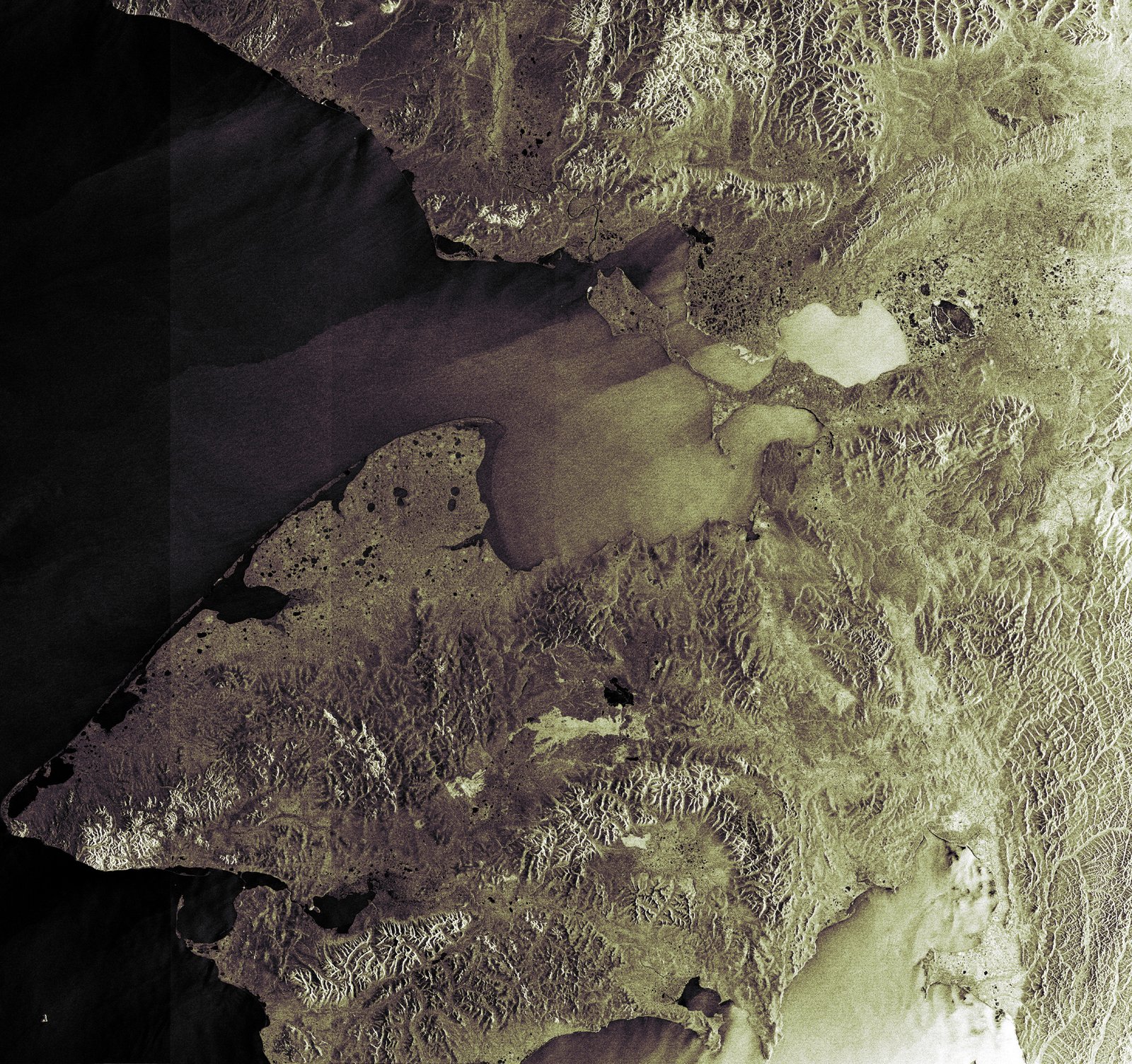
The story of the Bering Land Bridge is more than just a tale of ancient migration. It’s a powerful symbol of connection—between continents, species, and generations. The animals and people who crossed Beringia carried with them the seeds of new cultures, languages, and ecosystems. Even now, as we peer beneath the waves, the echoes of their journey remind us that our own stories are shaped by the landscapes we once called home.
Modern Technology Peers Into the Past
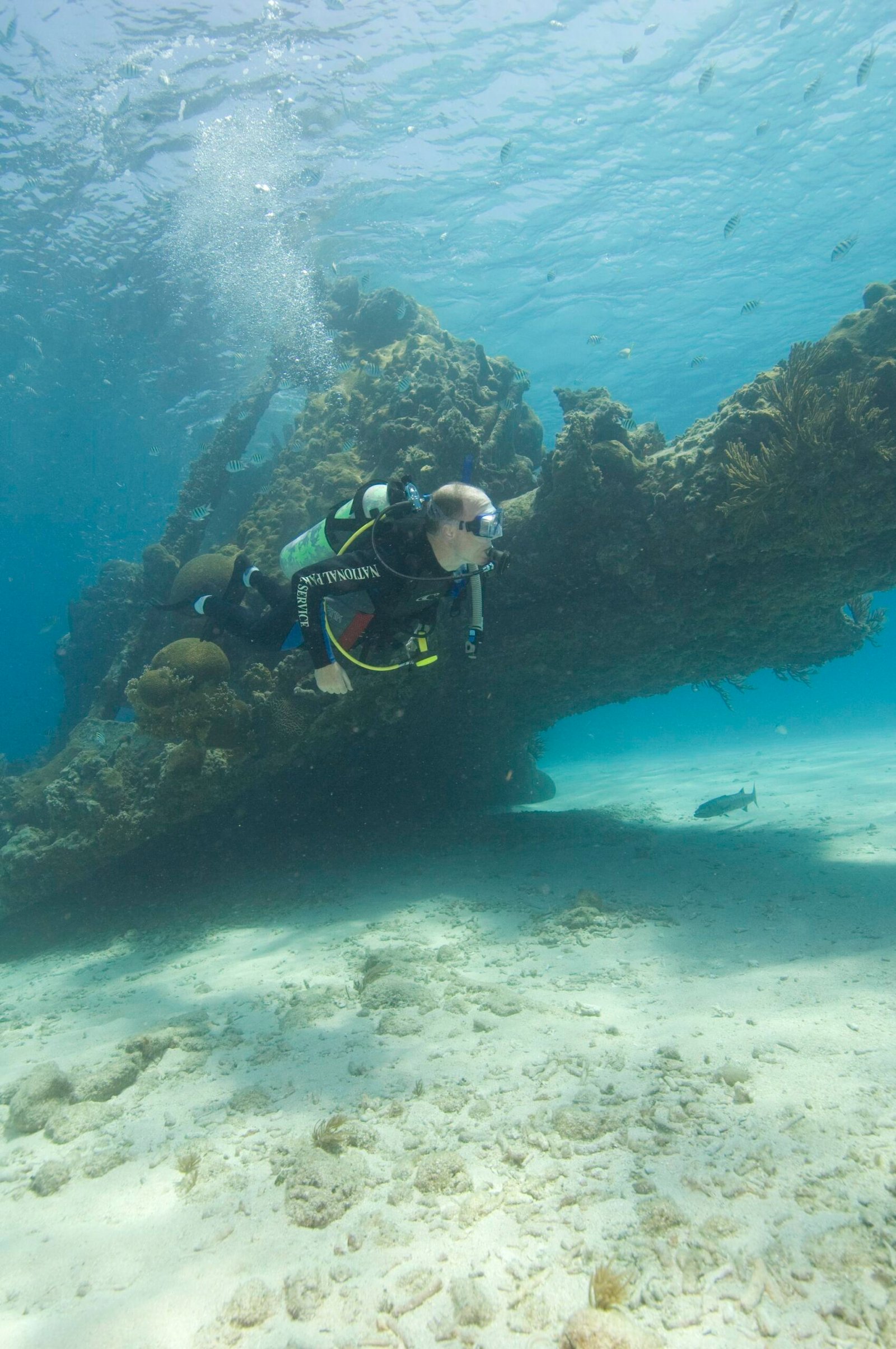
Satellites, sonar, and deep-sea drones are transforming how we explore the hidden world beneath the Bering Sea. What once took years of risky expeditions can now be mapped in weeks, revealing ancient coastlines, riverbeds, and possible archaeological sites. These breakthroughs have sparked a race to document and protect what lies beneath before time—and tides—erase it forever. It’s a high-stakes adventure that combines old-fashioned curiosity with cutting-edge science.
Lessons for Today and Tomorrow
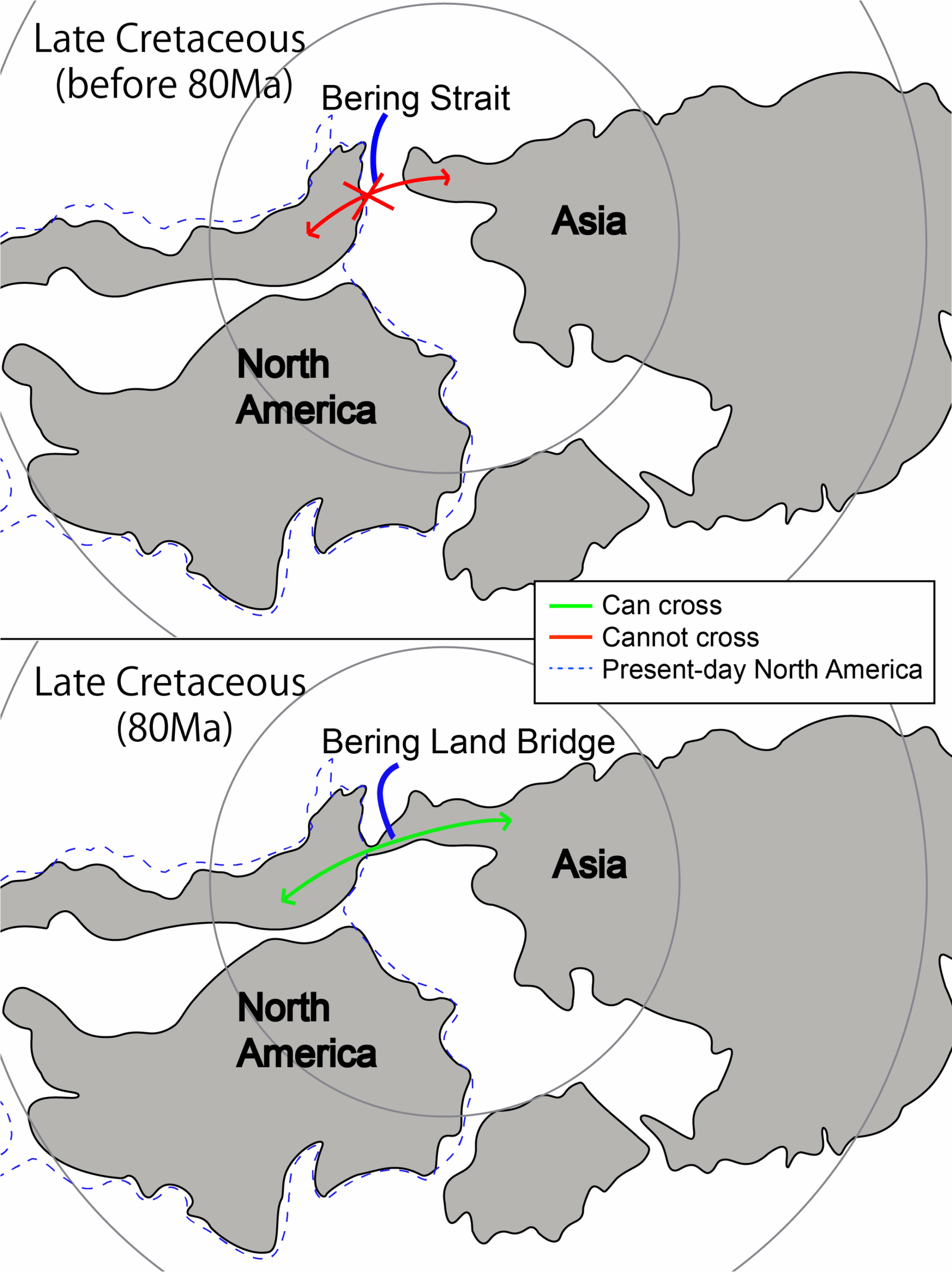
Beringia’s story is a stark reminder of how quickly the world can change. Massive migrations, disappearing landscapes, and the resilience of life are themes that echo in today’s world. As we face rising seas and shifting climates, the tale of the Bering Land Bridge offers both a warning and a lesson: adaptation is possible, but only for those who pay attention to the signs. The mysteries beneath the Bering Sea urge us to cherish the connections we have—and to look beneath the surface for answers.
Looking Forward: The Next Great Discoveries

With every passing year, new technologies promise deeper insights into the lost world of the Bering Land Bridge. Scientists dream of finding ancient campsites, footprints, or even art preserved beneath the sea. Each discovery has the power to shake up what we think we know about who we are and where we came from. The bridge may be gone, but its secrets are far from lost—they’re simply waiting for the right moment to be revealed.
What Will We Find Next?
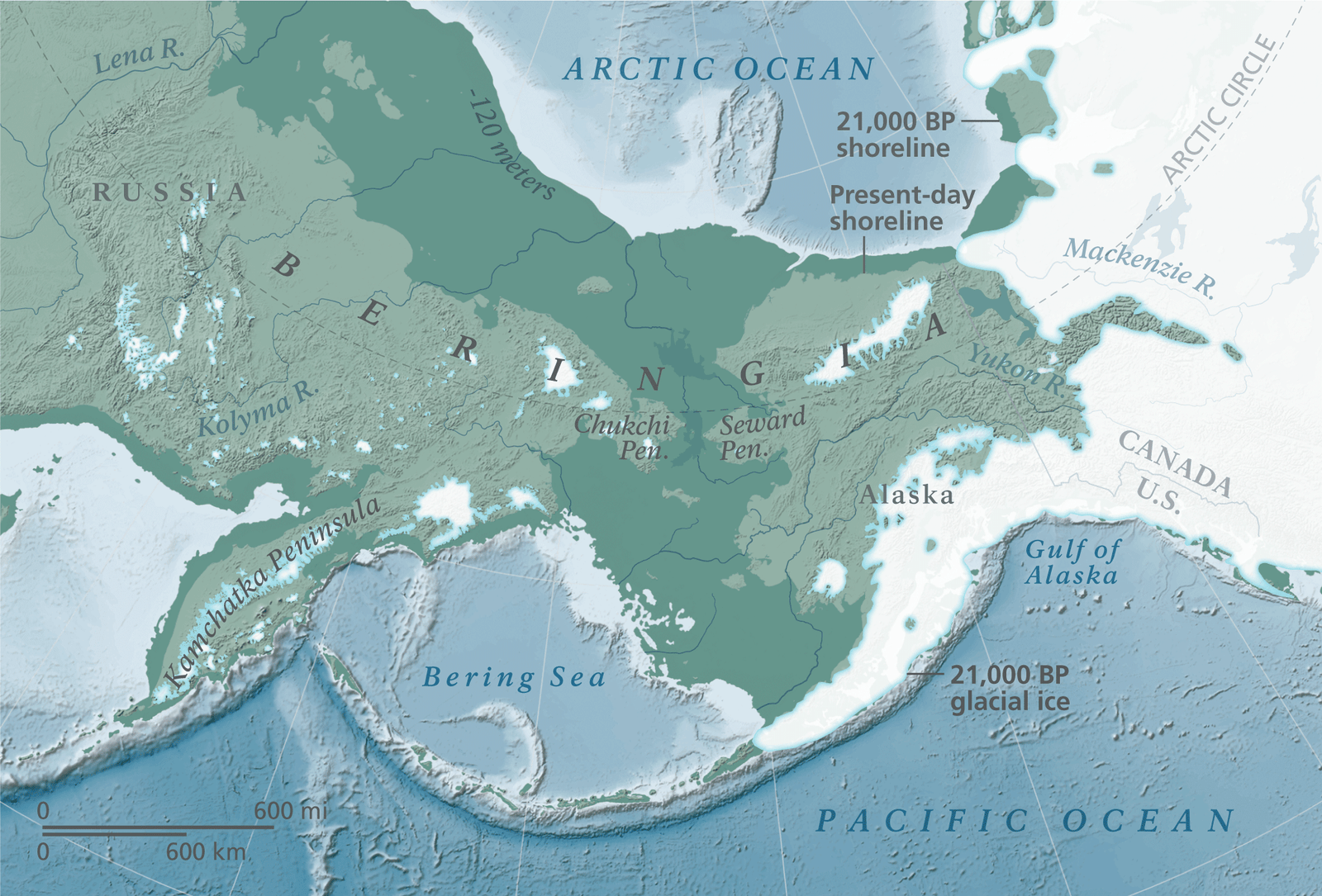
The Bering Land Bridge, once a gateway for mammoths and humans alike, now slumbers beneath icy waters. But its story is far from over. With every expedition and every new clue, we get a step closer to understanding the ancient highway that changed the world. The real question is: What will we uncover next, and how will it change our own journey across the continents?