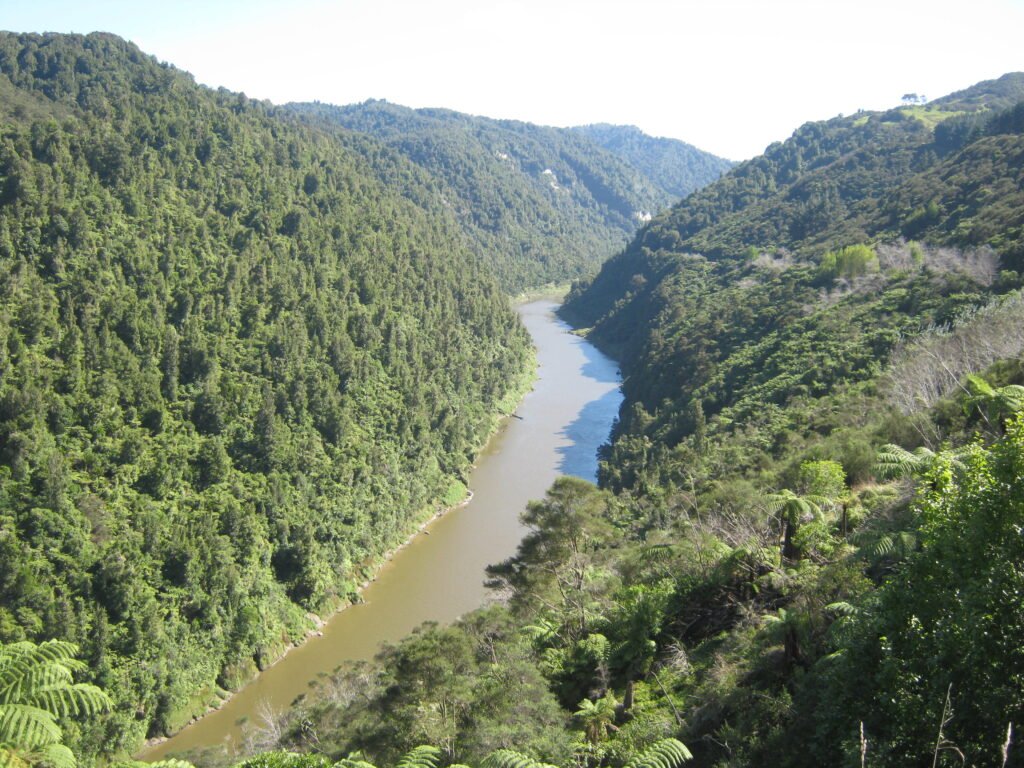

Imagine a world where rivers, with their winding beauty and ancient power, can stand up in a courtroom, defend their rights, and demand respect from those who would harm them. This isn’t a fantasy or a poetic metaphor—it’s a groundbreaking legal reality in one remarkable country. In a move that stunned the globe and inspired environmentalists everywhere, a nation dared to ask: What if nature had rights, just like us? The answer has rippled across continents, reshaping how we think about justice, ecology, and our place within the living world.
The Heart of the Matter: Why Recognize a River as a Person?
At the core of this incredible legal shift lies a simple, yet revolutionary idea: nature is not an object to be owned, but a living entity with its own rights. By granting a river legal personhood, a country acknowledges that rivers are more than scenery or water sources—they are vital ecosystems with intrinsic value. This recognition means that rivers can now have advocates, legal guardians who speak for their interests in court. It’s a radical break from centuries of seeing nature as property, ushering in a new era of environmental respect.
The Historic Decision: New Zealand and the Whanganui River
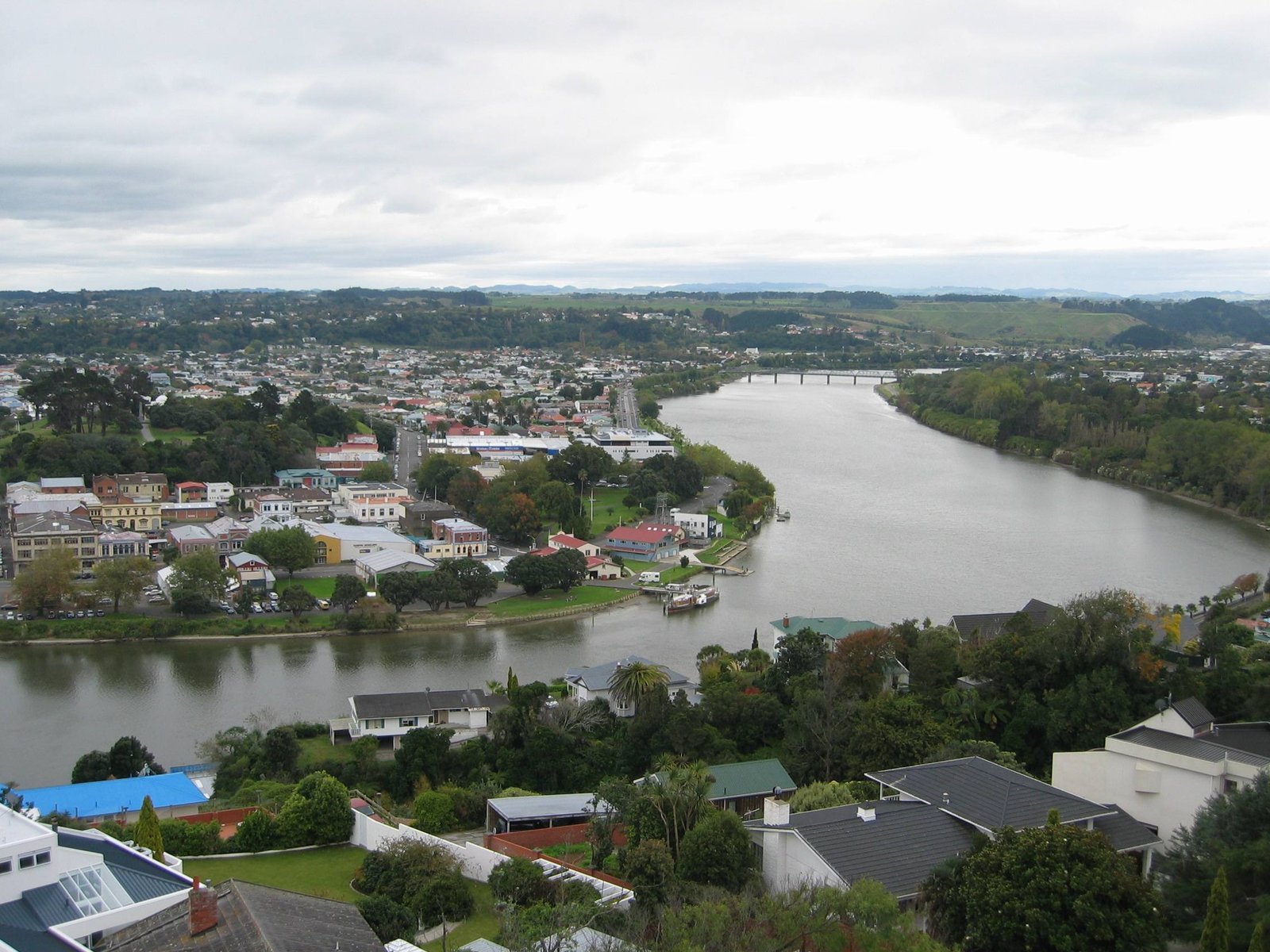
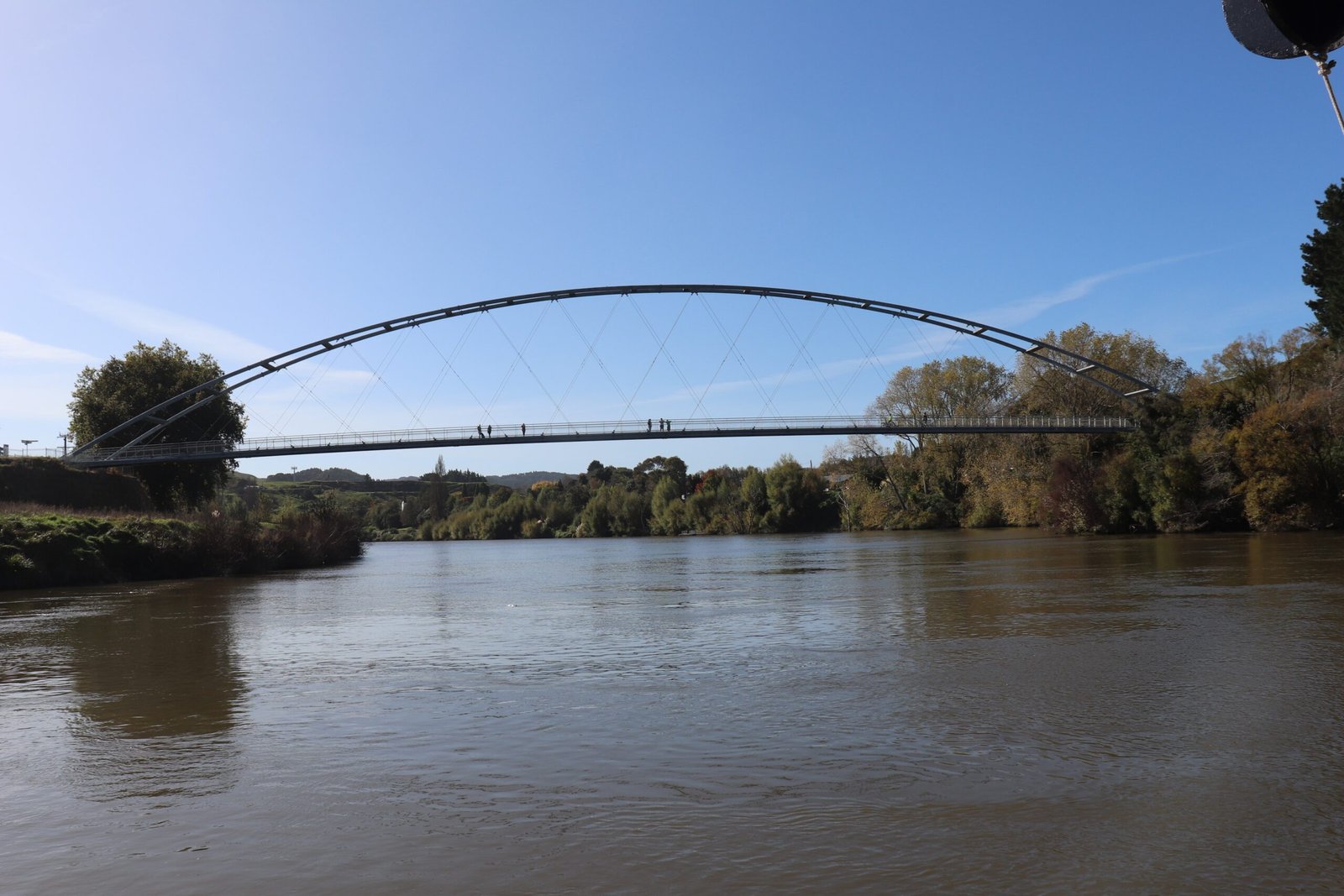
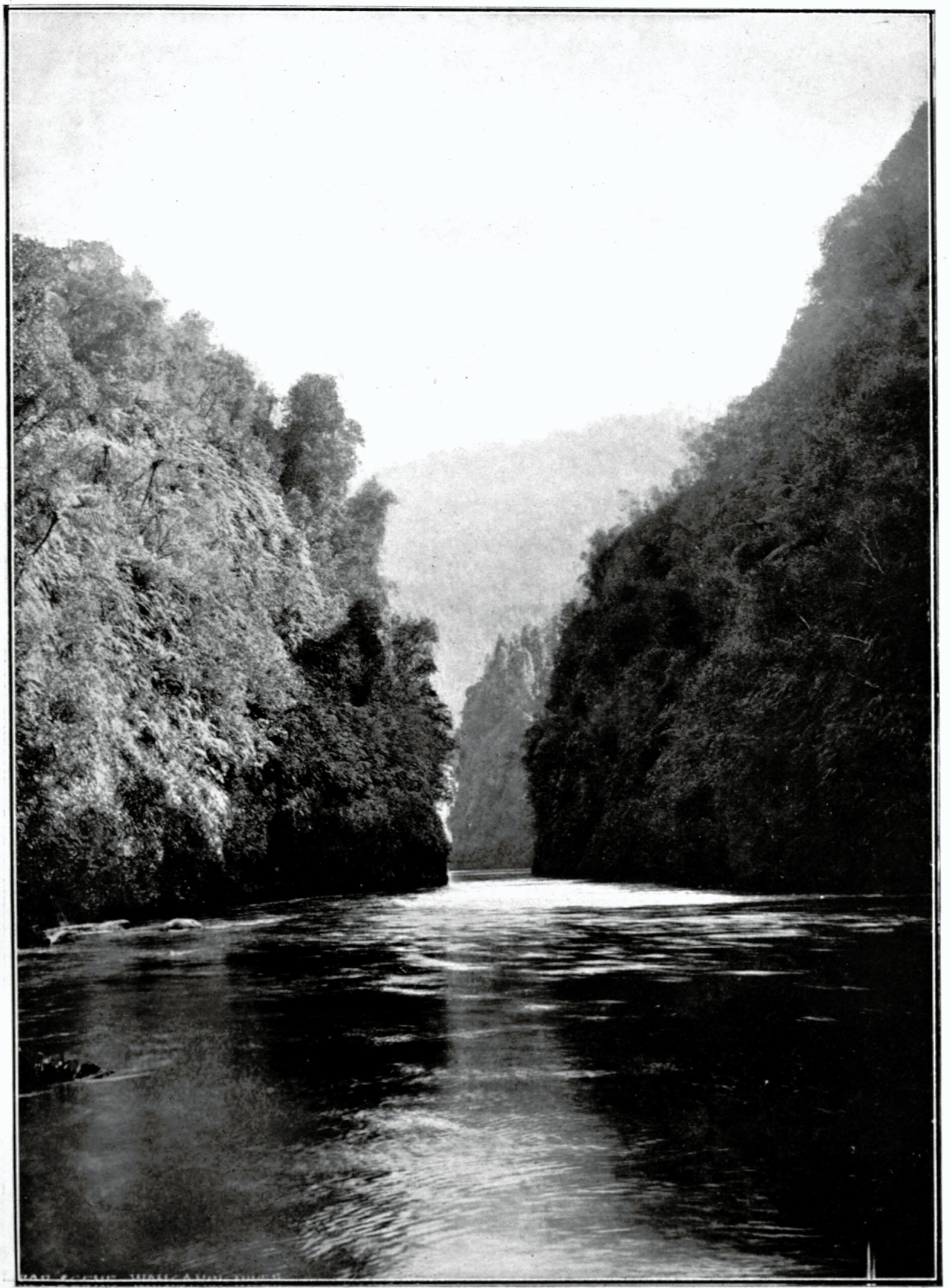
In 2017, New Zealand made history by granting legal personhood to the Whanganui River, known to the Māori as Te Awa Tupua. For the Māori people, the river is an ancestor and a living being, not just a stretch of water. After over 140 years of legal battles, the New Zealand Parliament passed a law declaring the river a legal person, with its own rights, responsibilities, and interests. The law recognized the deep spiritual connection between the Māori and the river, blending ancient wisdom with modern legal innovation.
A River With a Voice: What Legal Personhood Means
Legal personhood for the Whanganui River means it can sue and be sued, own property, and defend itself against pollution or exploitation. Two official guardians—one appointed by the Māori and one by the government—act as the river’s human voice in legal matters. This setup ensures that the river’s interests are always at the table, whether in environmental planning, resource management, or conservation disputes. The river isn’t just protected; it’s empowered.
Indigenous Wisdom at the Helm
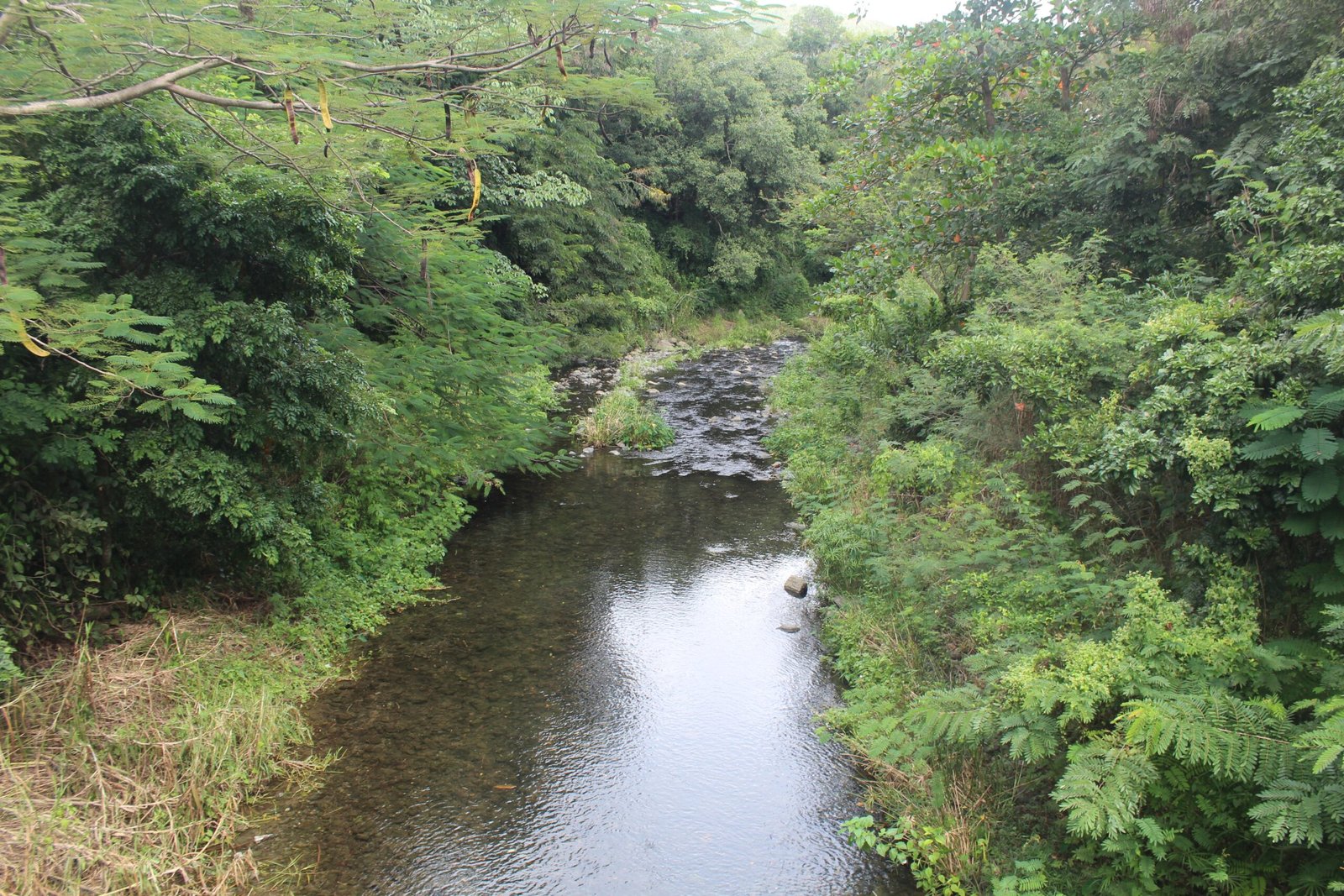
The legal recognition of the Whanganui River draws deeply from Māori worldview, where land and water are living relatives, not commodities. The Māori saying “I am the river, and the river is me” guided lawmakers as they crafted the legislation. By listening to indigenous perspectives, New Zealand forged a path that honors both cultural heritage and ecological science. This approach challenges the Western legal tradition, which has long separated people from nature.
The Science of River Health and Rights
Science supports the idea that rivers are complex, dynamic systems essential to life on Earth. Healthy rivers provide clean water, sustain biodiversity, and regulate climate. When a river is granted rights, it becomes easier to protect these crucial functions. Environmental scientists argue that legal personhood could help prevent over-extraction, pollution, and habitat destruction, benefiting not just the river but all who depend on it.
Global Ripples: Other Rivers Gaining Rights
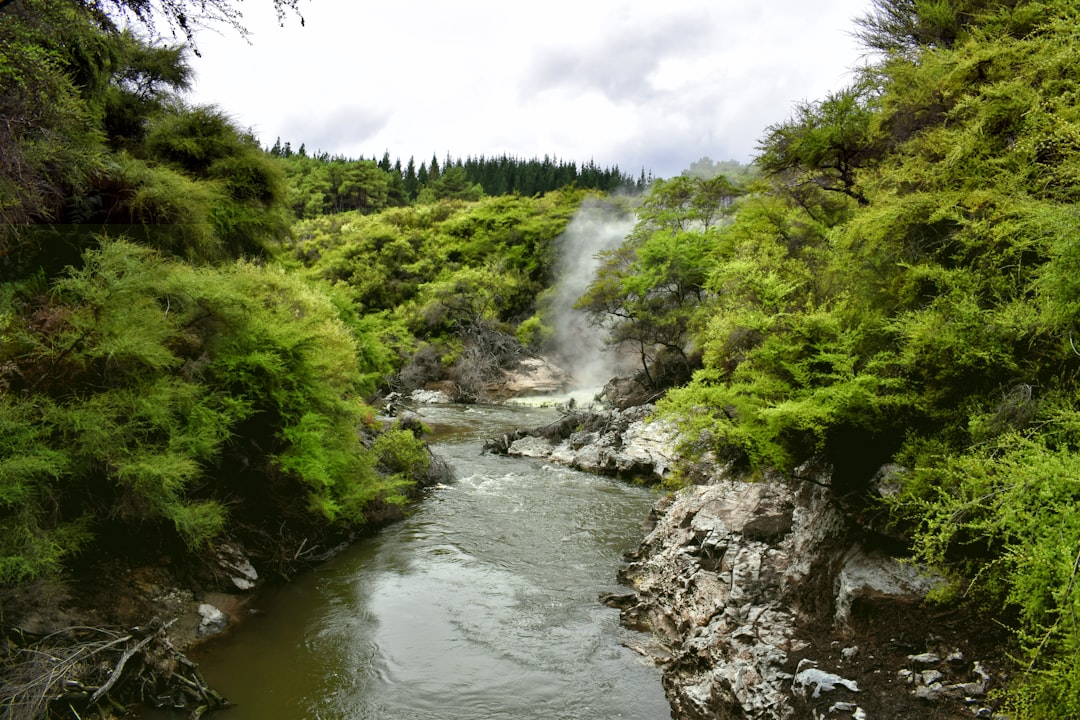
Inspired by New Zealand’s bold step, other countries and communities have begun to recognize rights of nature. In India, the Ganges and Yamuna rivers received legal personhood, though the implementation has faced challenges. In Ecuador and Colombia, courts have recognized the rights of rivers and forests, drawing on both indigenous and environmental arguments. These legal experiments are reshaping how societies protect the natural world.
Guardians of the River: The Role of Kaitiaki
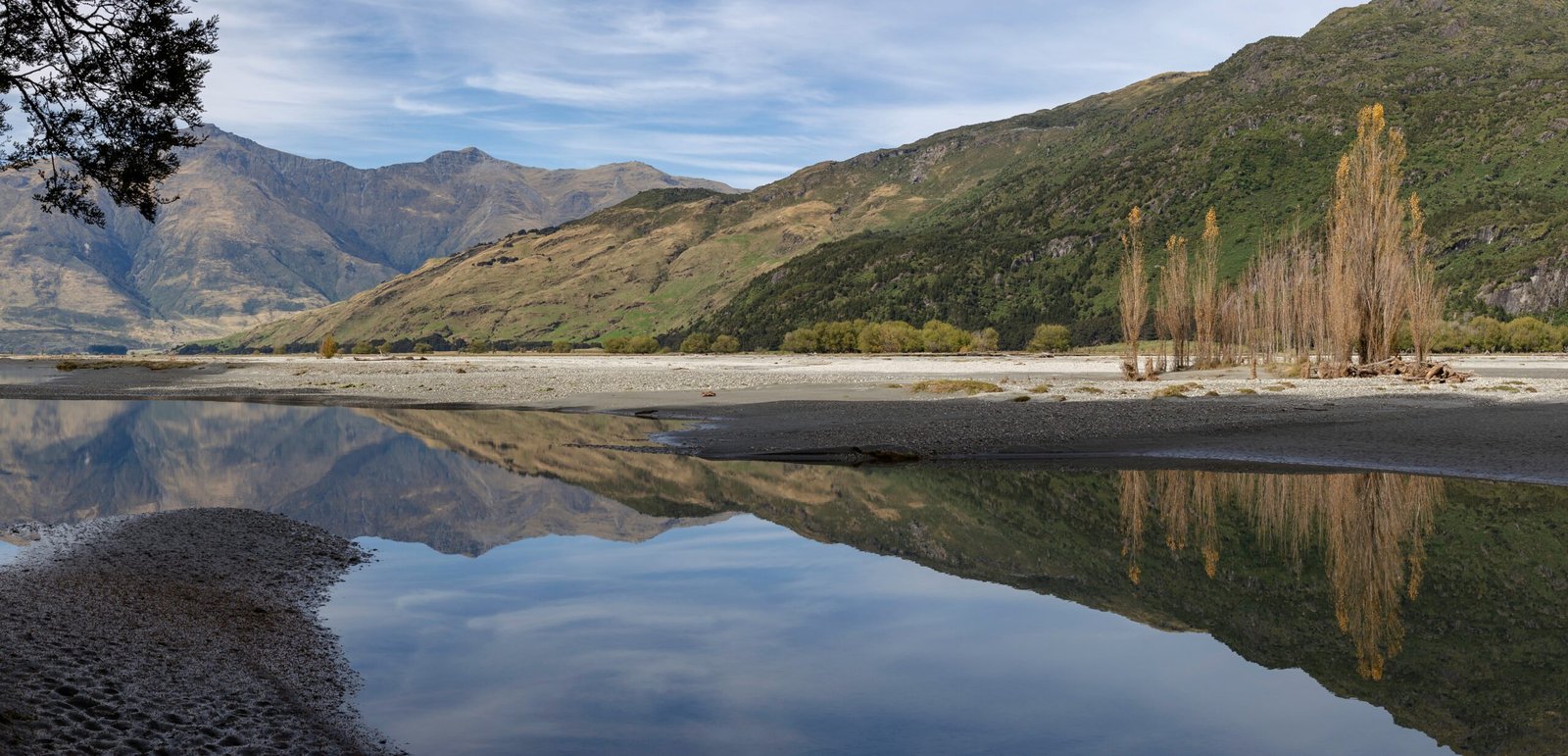
In the Whanganui case, the river’s legal guardians—called kaitiaki in Māori—hold a unique responsibility. They must balance the needs of people, animals, and the river itself. This role is both practical and symbolic, representing a shift from dominion over nature to stewardship and care. Kaitiaki monitor river health, consult with stakeholders, and ensure that the river’s voice is heard in all decision-making.
The Emotional Power of Personhood
Granting rivers legal rights stirs powerful emotions. For many, it feels like justice for a long-abused relative or a long-awaited recognition of nature’s dignity. Environmentalists describe it as “a victory for the voiceless.” Others see it as a hopeful sign that humanity is finally learning humility and respect. Skeptics worry about legal complexities, but few can deny the emotional resonance of a river defending itself in court.
Challenges and Controversies
The path to recognizing rivers as people is not without obstacles. Critics argue that giving nature legal rights could lead to endless lawsuits or confusion over property and development rights. Some question who truly speaks for the river—government agencies or local communities? There are also practical questions about enforcement and funding. Despite these concerns, supporters believe the benefits far outweigh the risks.
From Law to Action: Real-World Impact
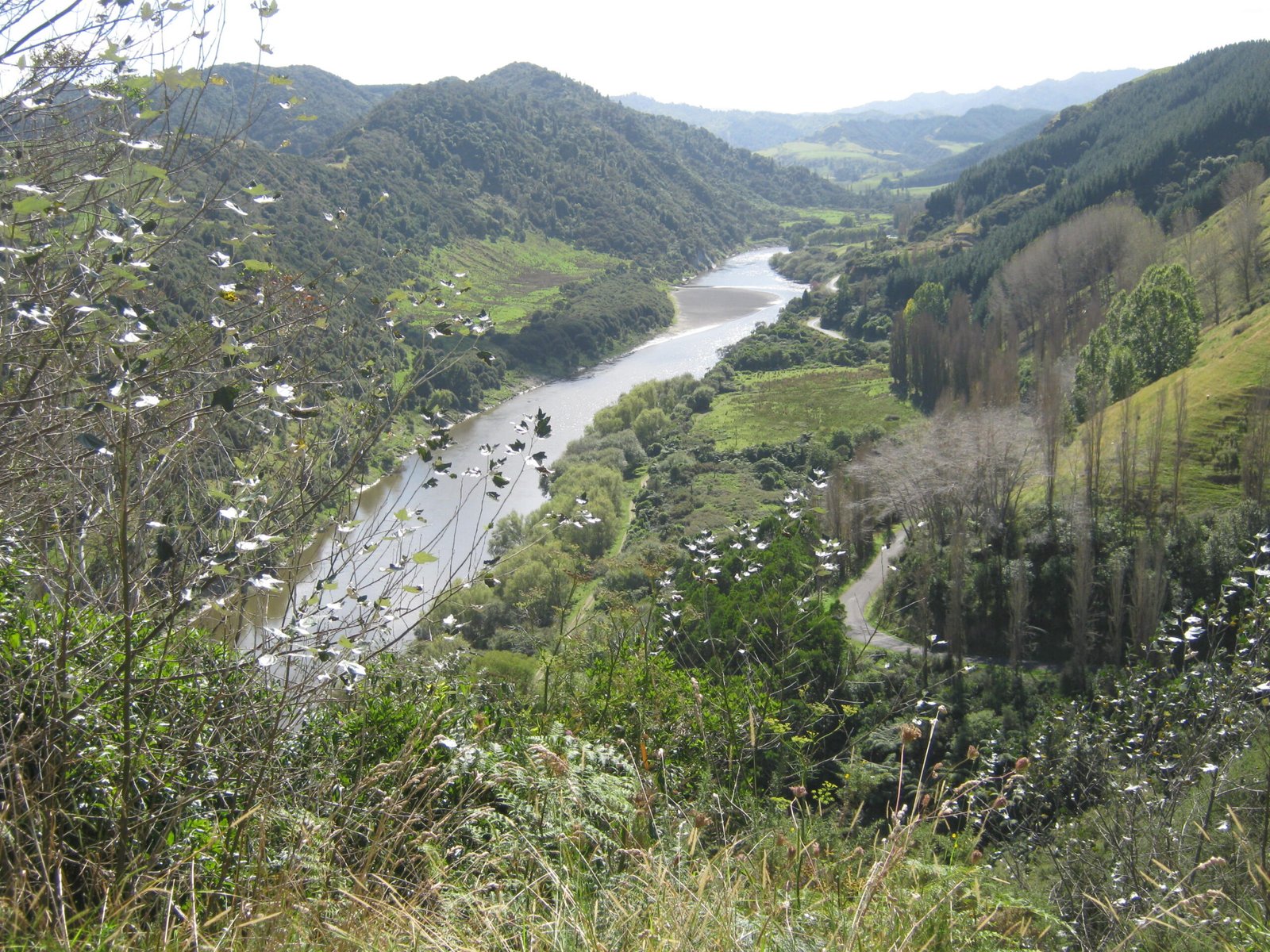
Legal personhood is more than a symbolic gesture. Already, the Whanganui River’s guardians have intervened in projects that threaten its health, from water extraction to pollution. The river’s new status has led to increased funding for restoration and monitoring. Community groups are more empowered to speak out when the river’s interests are at stake. Slowly but surely, the law is changing how people interact with the river.
The Connection Between People and Place
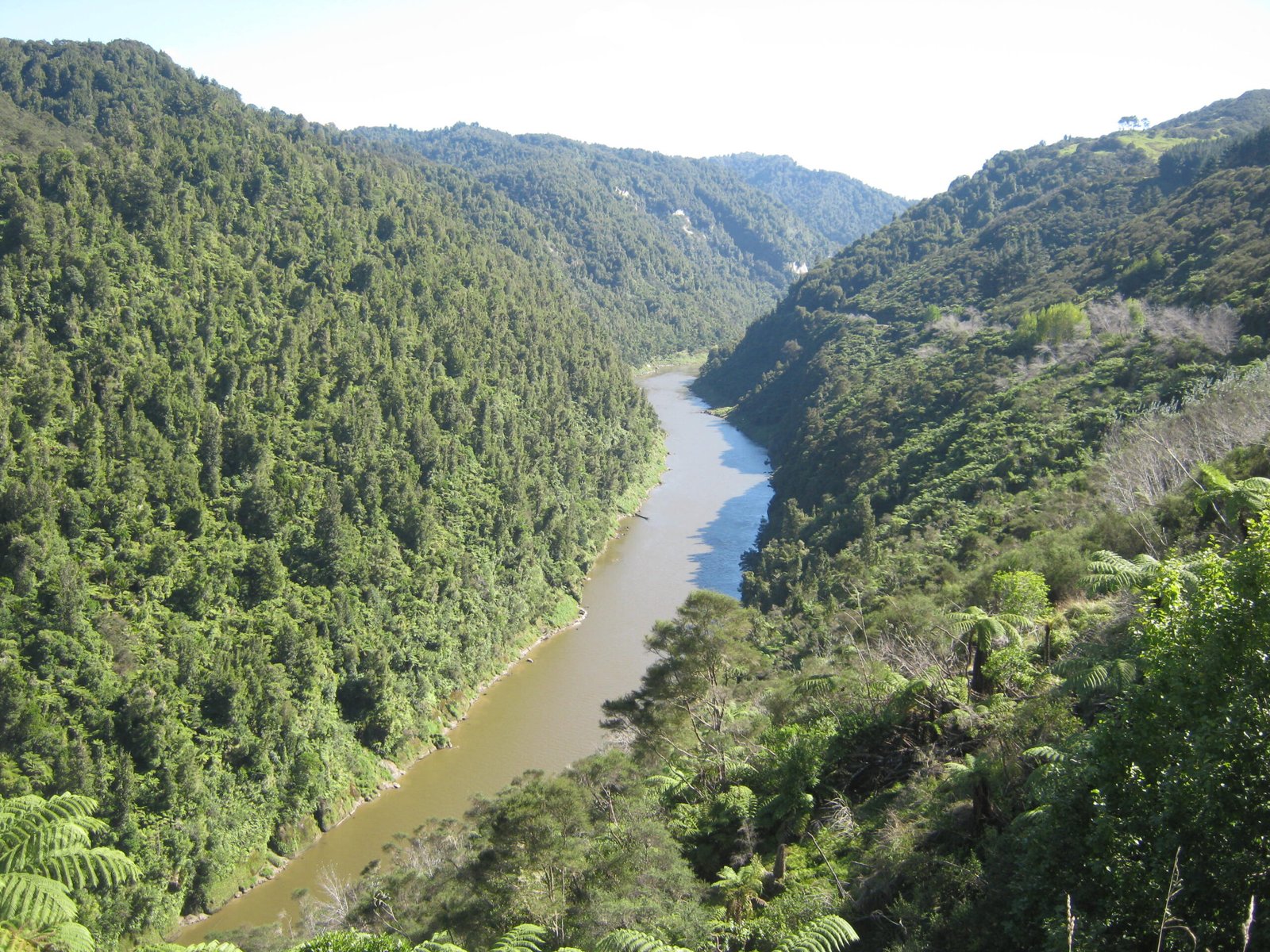
The story of the Whanganui River is also a story about belonging. For the Māori, the river is not just home—it is family, identity, and history. Legal personhood honors this relationship, inviting everyone to consider their own connections to the natural world. When a river is seen as a relative, it becomes harder to ignore its suffering or to treat it as expendable.
Environmental Justice and Equity
Recognizing rivers as people isn’t just about ecology—it’s about justice. Many marginalized communities depend on rivers for survival, culture, and wellbeing. Legal personhood can help protect their rights, ensuring that powerful interests cannot exploit rivers at their expense. This approach reframes environmental protection as a matter of fairness and human dignity.
The Role of Language and Storytelling
How we talk about rivers shapes how we treat them. By calling a river a “person,” we change the story—from resource to relationship, from object to subject. This linguistic shift is profound, inviting empathy and moral responsibility. Storytelling becomes a tool for advocacy, helping people imagine a world where nature is not a silent backdrop but an active participant in our shared future.
Legal Precedents and Future Cases
New Zealand’s law has set a legal precedent that courts and lawmakers around the world are watching closely. Each new case tests the boundaries of what rights of nature can achieve. Will other countries follow suit? Can rivers defend themselves against climate change, industrial pollution, or dam construction? The answers will shape the next generation of environmental law.
Scientific Monitoring and River Guardianship
Guardianship isn’t just about legal battles—it’s also grounded in science. River health is measured through water quality tests, biodiversity surveys, and monitoring of pollution sources. Guardians work with scientists to gather data, identify threats, and propose solutions. This collaboration ensures that decisions are informed by the best available evidence, not just ideology or politics.
Education and Public Awareness
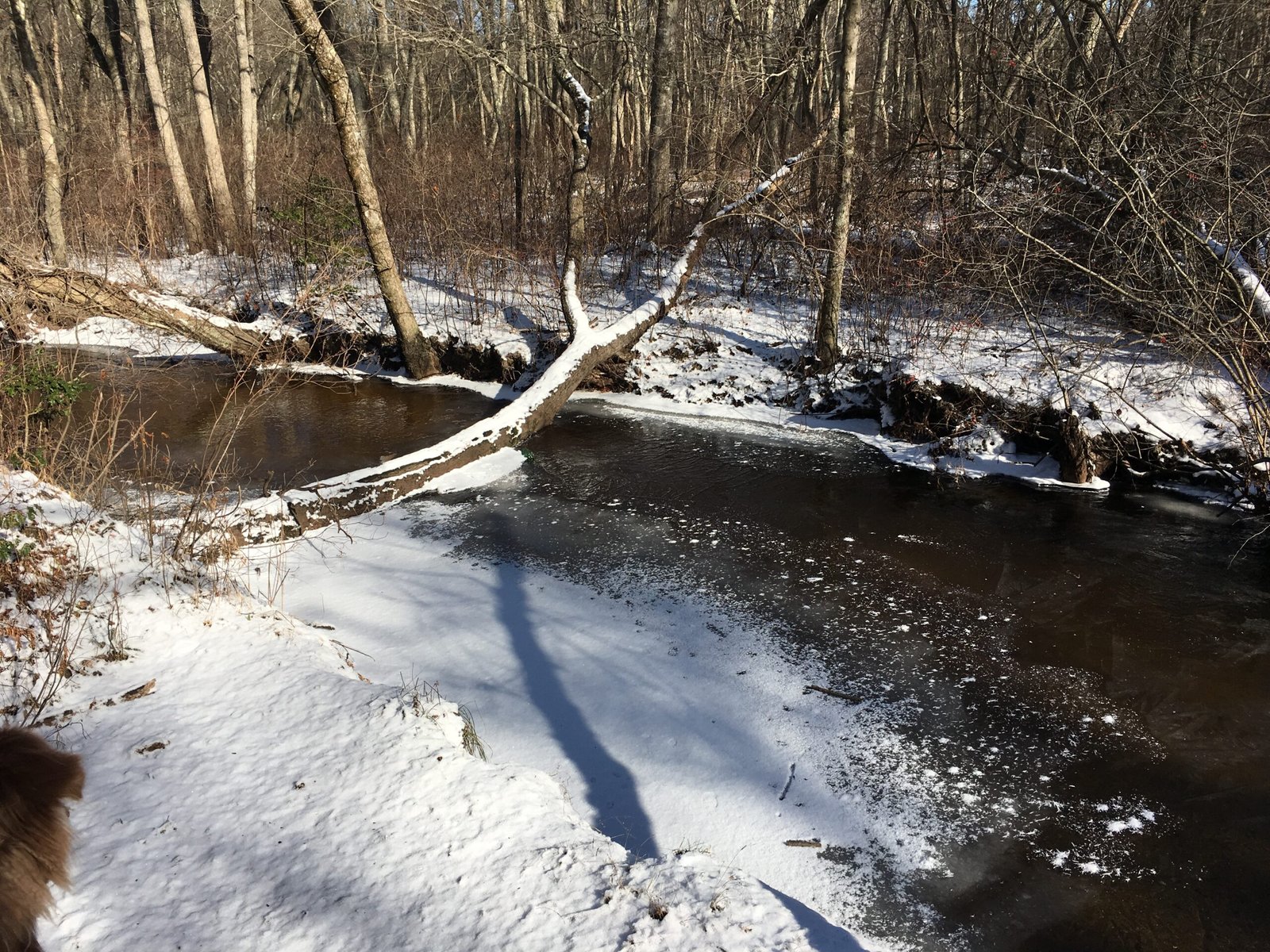
One of the most exciting impacts of river personhood is how it sparks public imagination. Schools teach children about the river’s rights. Artists and musicians create works inspired by the river’s new legal status. Community events celebrate the river as a living being. This cultural shift helps cultivate a new generation of environmental stewards, grounded in respect and wonder.
Economic Implications: Rethinking Development
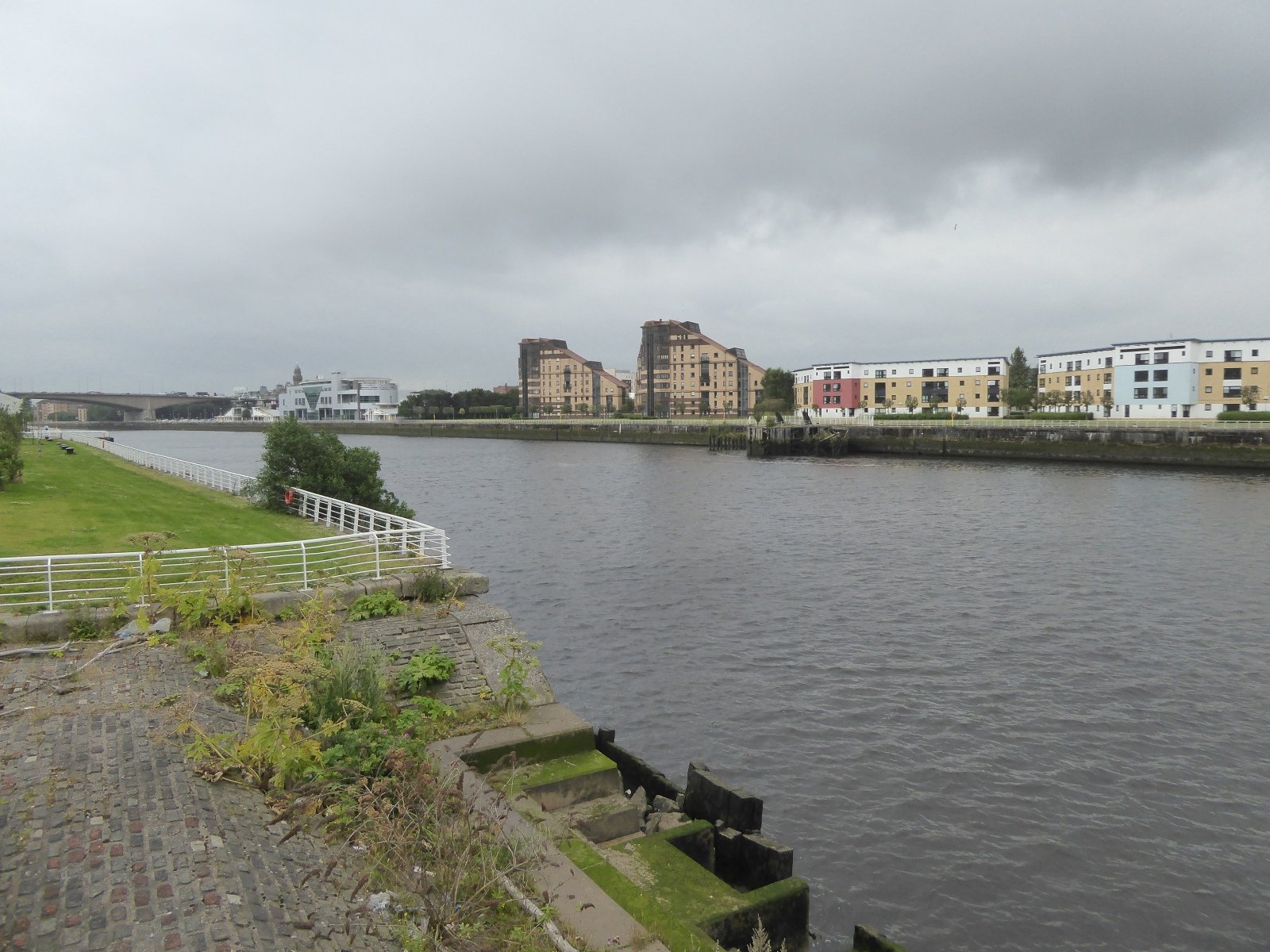
Recognizing rivers as people forces societies to rethink how they balance development and conservation. Projects that once seemed routine, like building a dam or diverting water, now require careful consideration of the river’s own rights. This can slow down development, but it also encourages more sustainable, long-term planning. Businesses and governments must weigh profits against the health of ecosystems.
Personal Reflections: What Does This Mean for Us?
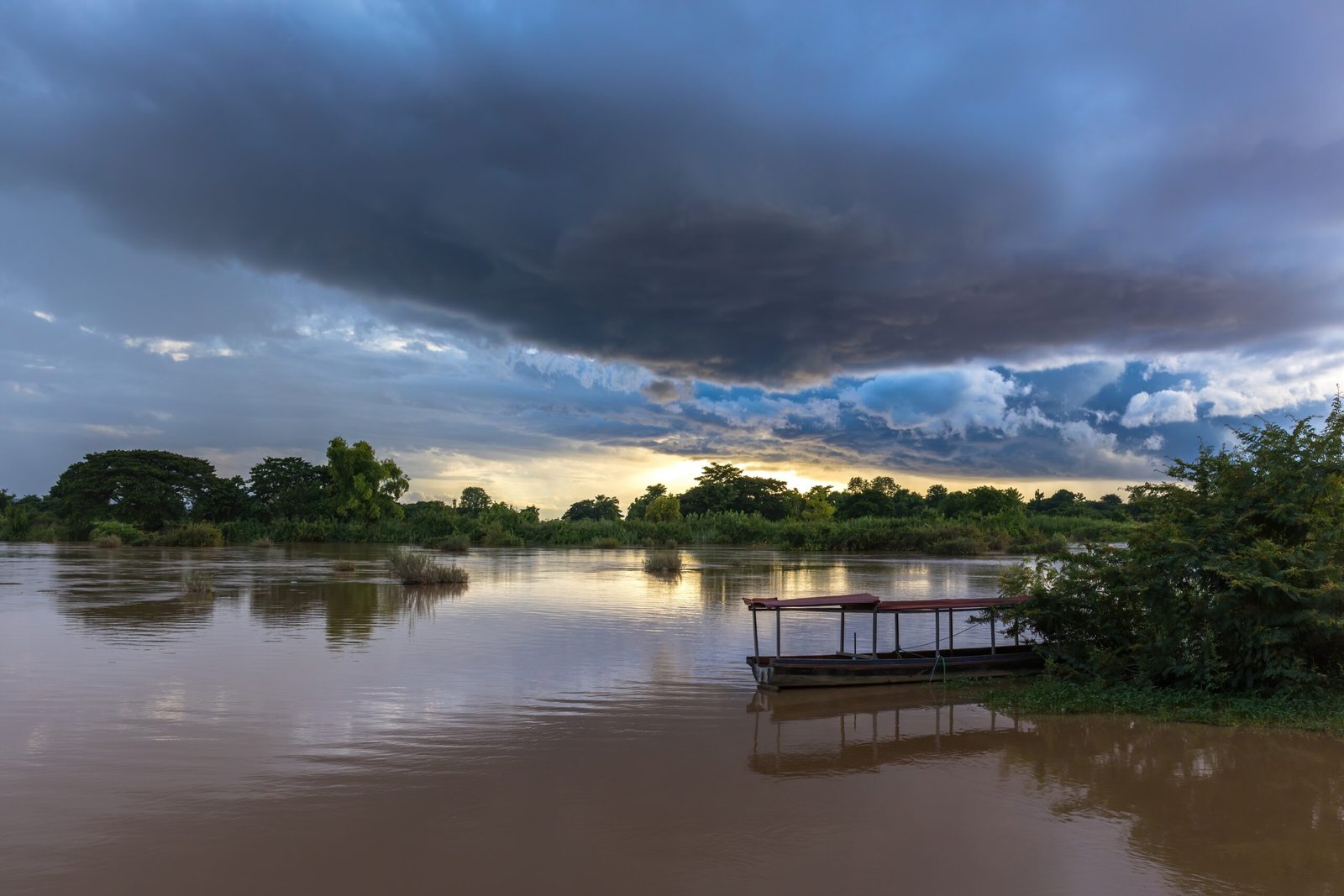
For many people, the idea of a river with rights is both startling and inspiring. It challenges us to reconsider our own relationship with the natural world. Are we caretakers or conquerors? Do we see ourselves as separate from nature, or deeply intertwined with it? For me, walking along a riverbank now feels different. I feel a sense of responsibility, as if I’m visiting a friend whose wellbeing matters.
A New Era of Environmental Law
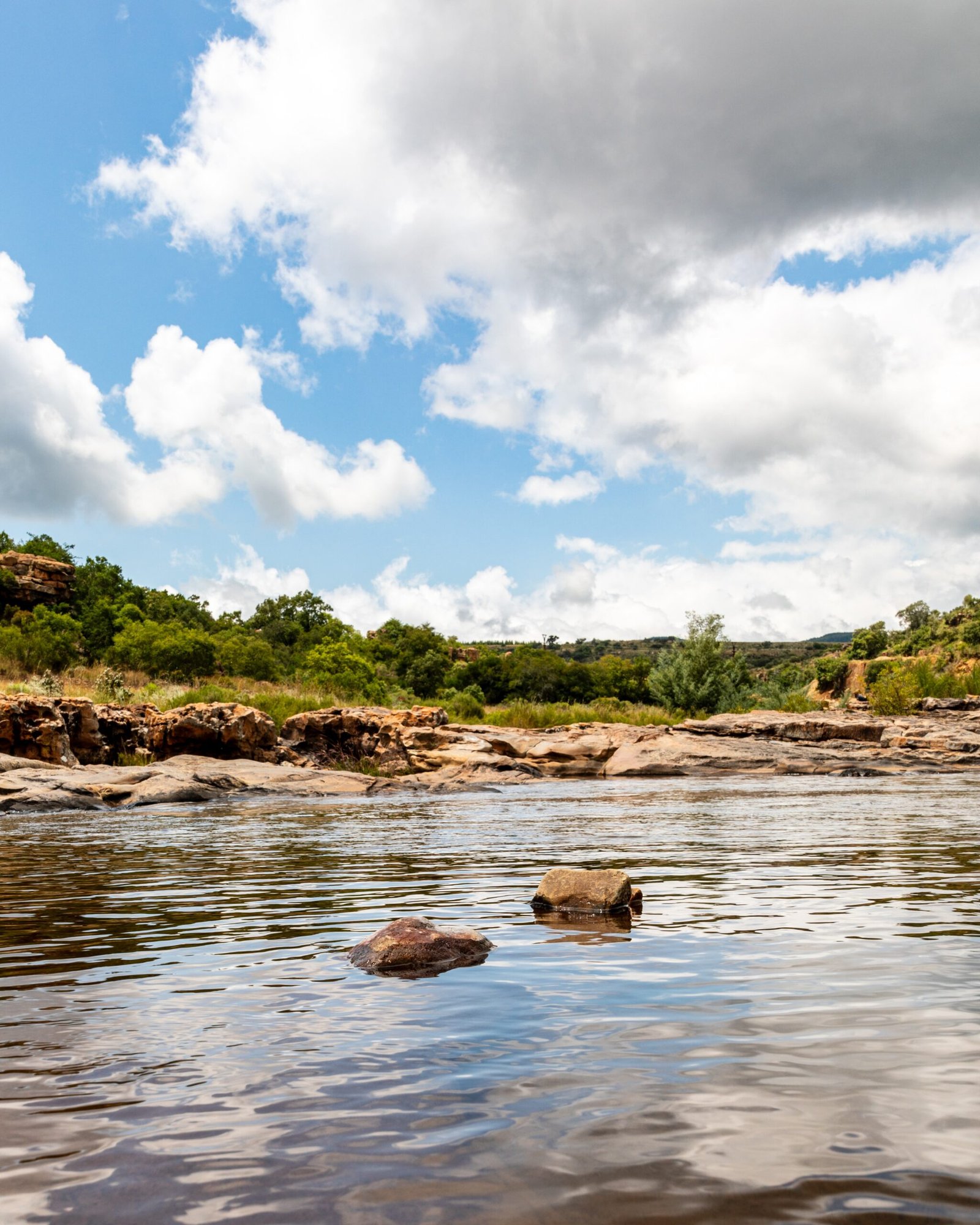
The legal recognition of the Whanganui River marks the beginning of a new era in environmental law. It’s a bold experiment that invites us to imagine a world where nature is not just protected, but respected and empowered. Other countries are watching, debating, and learning. The movement is still young, but its potential is enormous.
The Ripple Effect: Global Inspiration
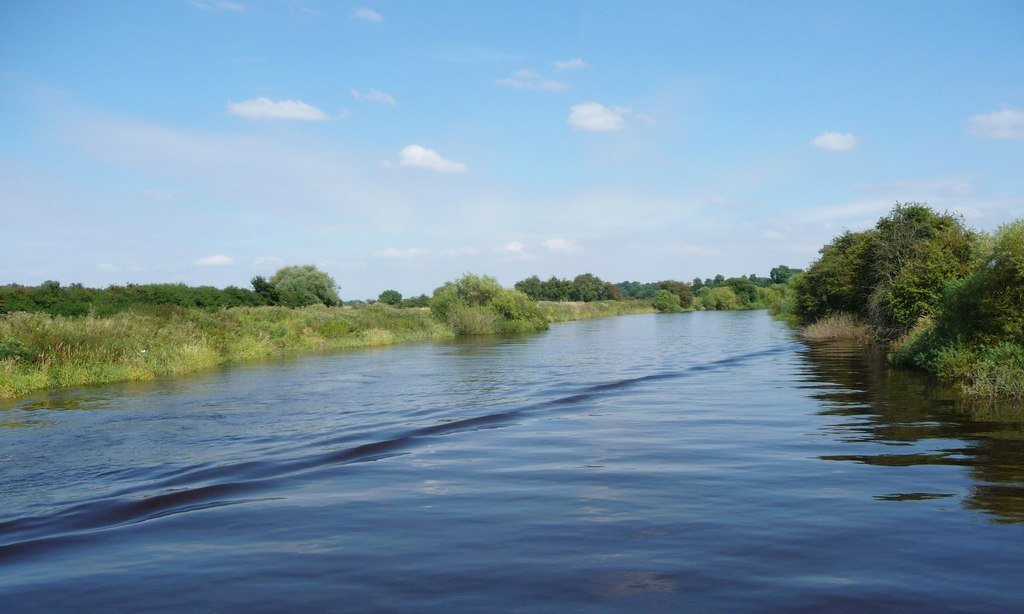
The story of the Whanganui River has inspired movements around the world. Environmental groups, indigenous communities, and legal scholars are asking: If a river can be a person, what else is possible? This ripple effect promises to transform not just laws, but hearts and minds. The journey is far from over—nature’s voice is only just beginning to be heard.