If you think the mysteries of ancient Egypt are the oldest stories on earth, you might want to look east—way east. Tucked away in the lush, misty heartland of Malaysia, the Lenggong Valley quietly cradles bones and tools from a time before the Pharaohs even dreamed of building their pyramids. Imagine discovering a human skeleton so ancient it predates the Great Pyramid of Giza by thousands of years. That’s exactly what’s happened in Lenggong, a place where the rainforest hums with secrets that stretch back nearly two million years. This isn’t just history—it’s prehistory, and it’s alive under the soil of a sleepy Malaysian valley.
A Hidden Jewel in Malaysia
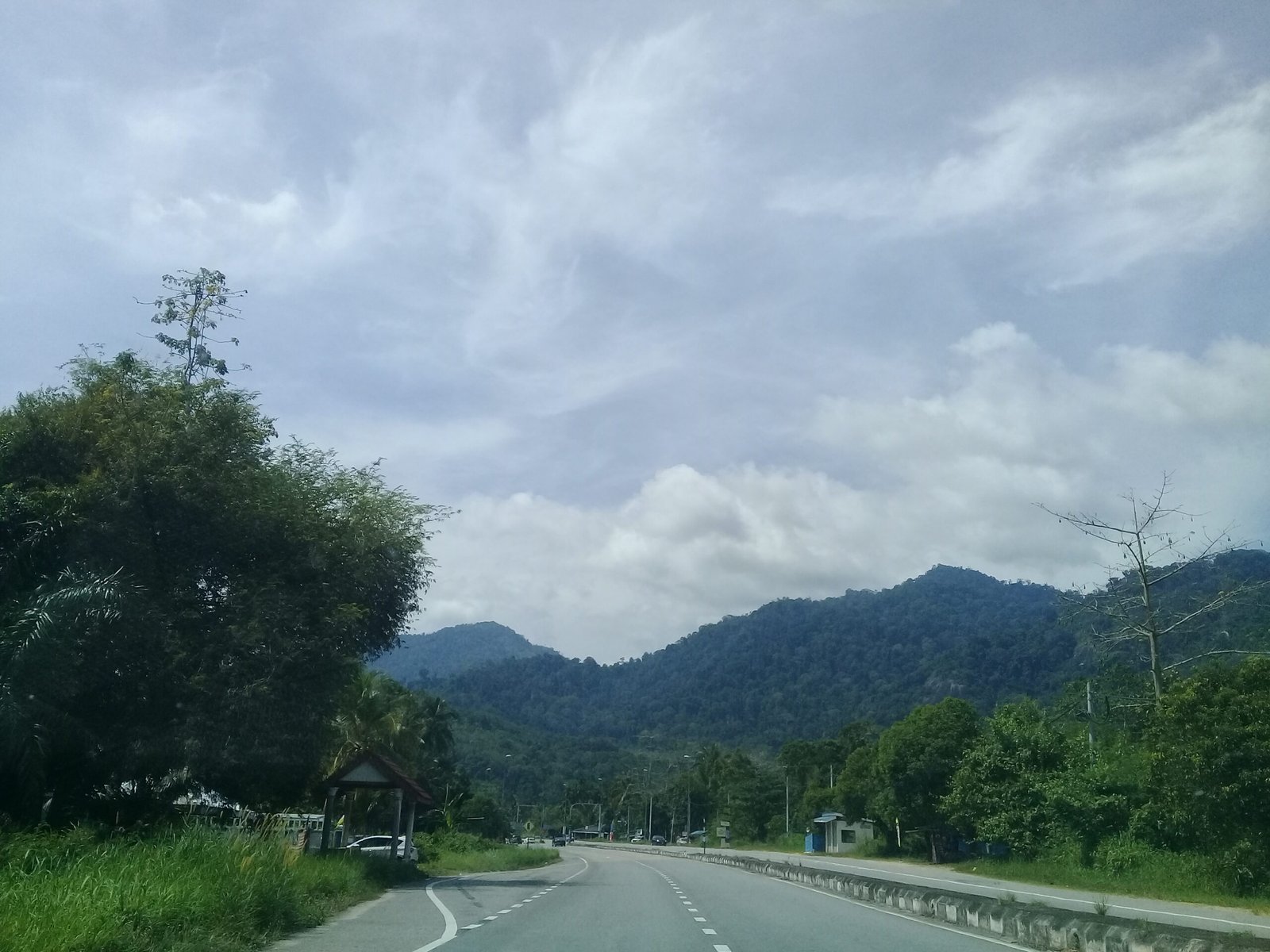
Lenggong Valley might not be a name that rolls off everyone’s tongue, but for archaeologists, it’s a sacred ground. Set amid rolling hills and thick jungle, the valley is quiet, almost shy, about its importance. But under its green canopy lies a treasure trove of archaeological wonders. The region’s isolation protected its secrets for centuries, letting them rest untouched while civilizations rose and fell elsewhere. For nature lovers, the valley is a living museum—one where human footprints linger alongside ancient rivers and limestone caves.
Meet Perak Man: Southeast Asia’s Oldest Skeleton
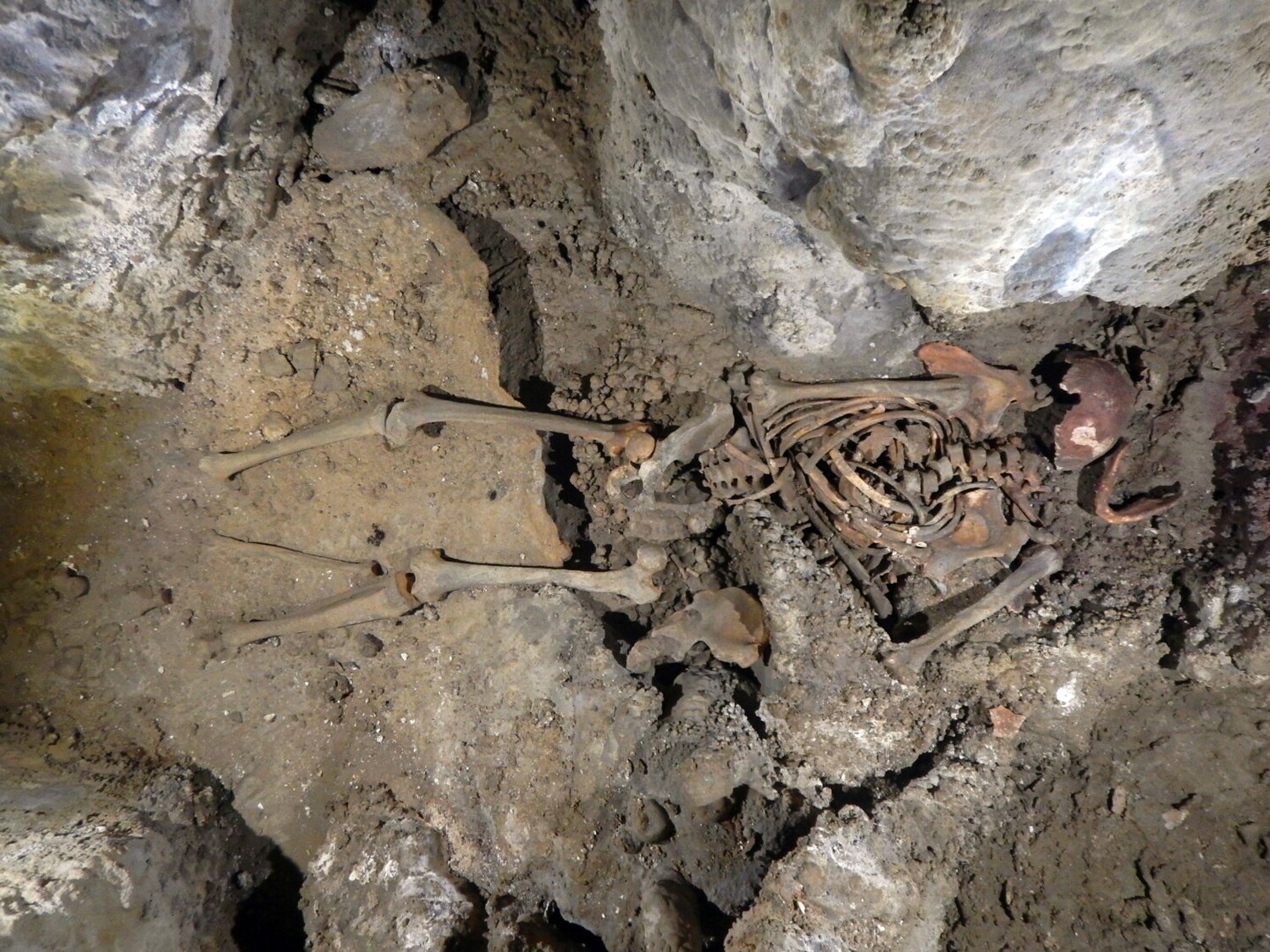
In 1991, a discovery shocked the archaeological world: the skeleton of Perak Man. Estimated to be about 11,000 years old, he’s the oldest and most complete human skeleton ever found in Southeast Asia. Perak Man was gently curled up in his grave, his bones astonishingly well-preserved. Unlike the mummified kings of Egypt, Perak Man was an ordinary person—yet his remains offer extraordinary insights into prehistoric life, disability, and survival in ancient times.
Older Than the Pyramids: The Timeline Revealed
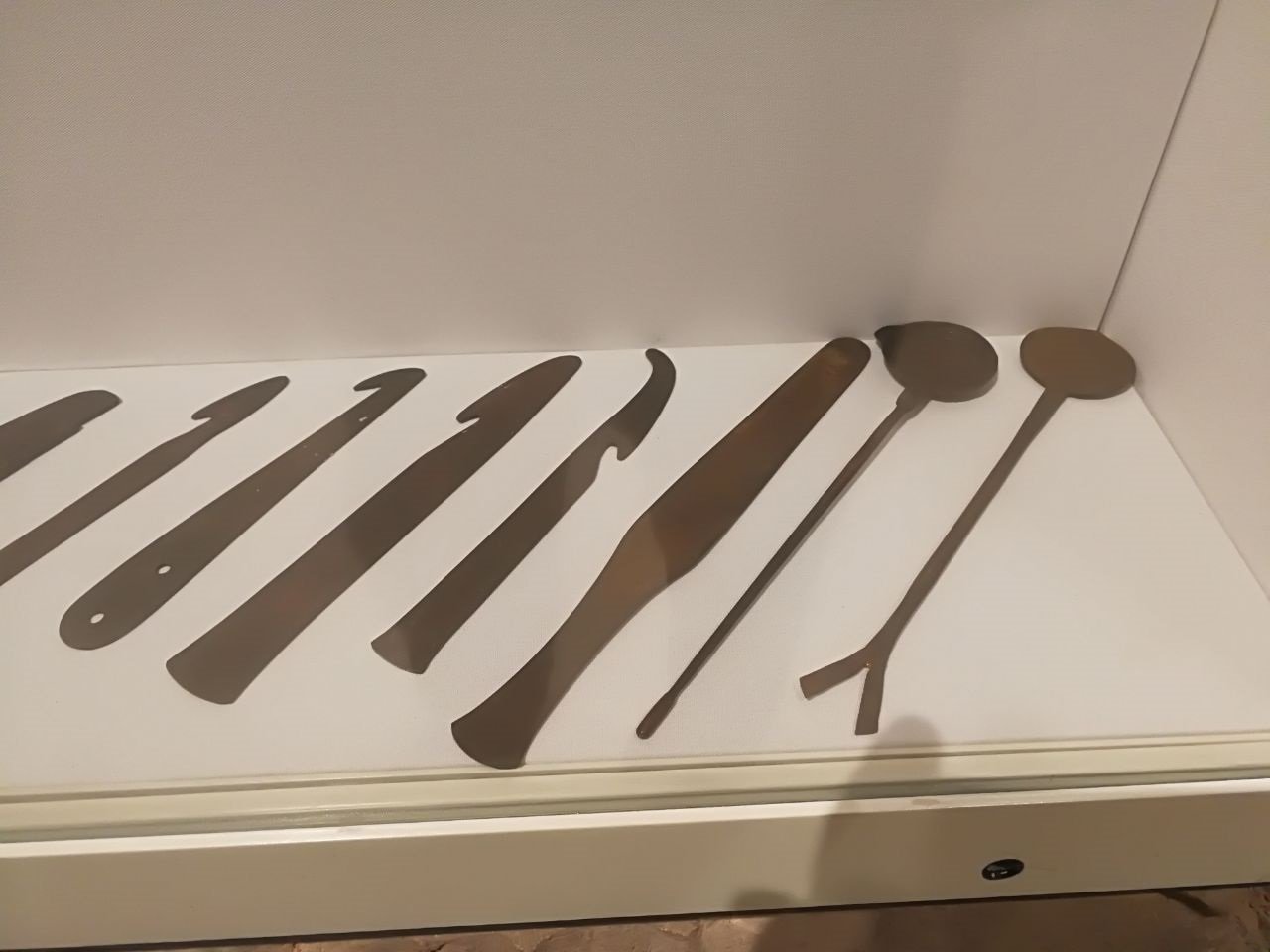
The Great Pyramid of Giza is about 4,500 years old. Perak Man and Lenggong Valley’s ancient sites? Their stories reach back more than twice as far. Some stone tools uncovered in the valley are believed to be up to 1.83 million years old, pushing human presence here deep into the Pleistocene. When you stand in Lenggong, you’re standing on ground that humans walked before written language, agriculture, or massive stone monuments were even imagined.
Stone Tools and Ancient Artisans
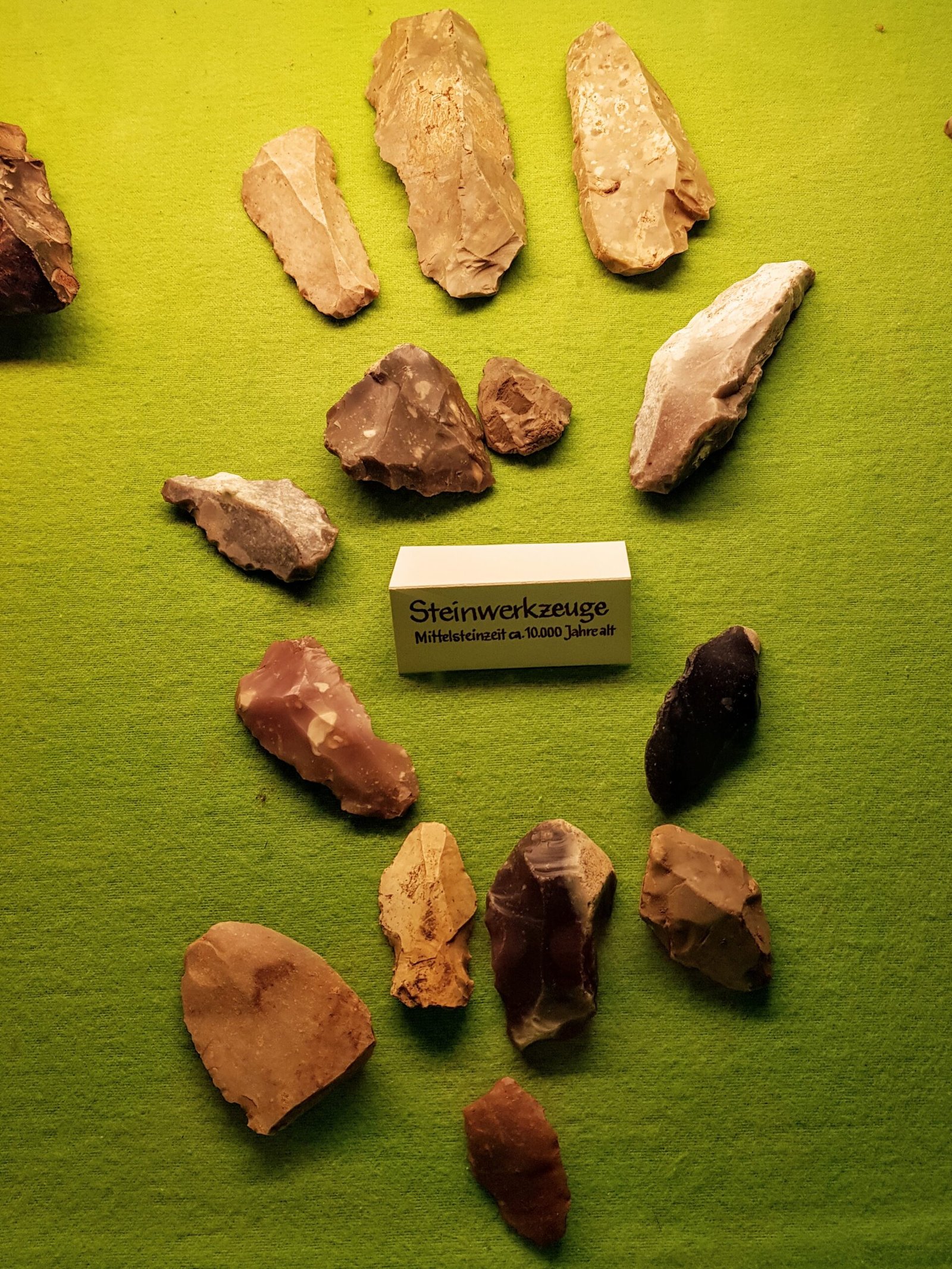
Lenggong Valley isn’t just about skeletons. Archaeologists have unearthed thousands of stone tools—axes, blades, and scrapers—that show early humans were skilled, clever, and adaptable. These artifacts, painstakingly chipped from local rocks, tell stories of hunting, survival, and a developing sense of craftsmanship. Imagine a prehistoric artisan, crouched by a riverbank, shaping a blade that might one day save a life or cut through dense jungle.
Secrets Hidden in Caves
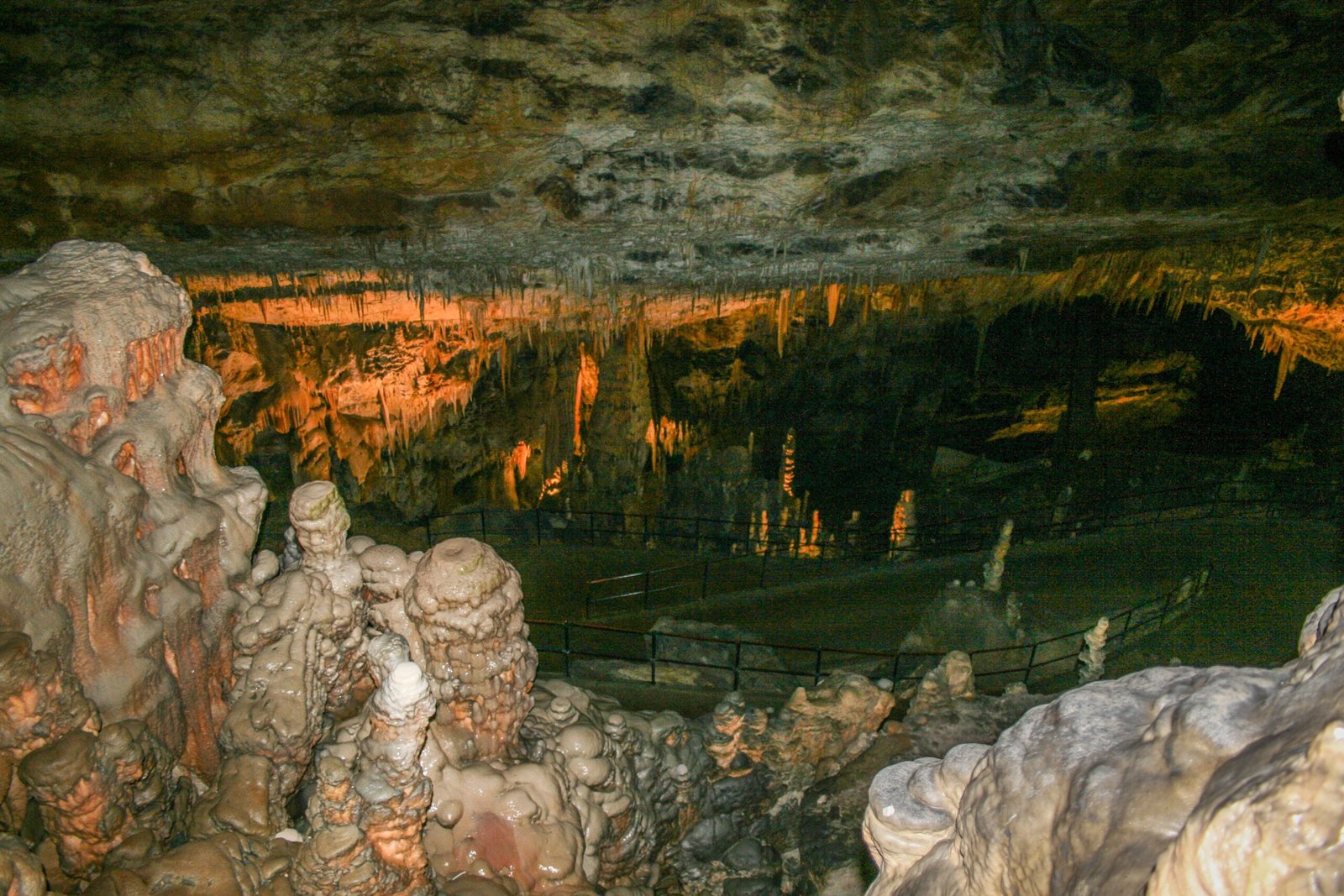
The caves of Lenggong are natural time capsules. Places like Gua Gunung Runtuh and Gua Harimau have yielded not only human remains but also animal bones, pottery shards, and evidence of ancient fires. These caves served as homes, workshops, and burial sites, preserving fragile traces of daily life. Stalactites hang like ancient chandeliers, and every twist in the passages whispers the possibility of another world-changing discovery.
UNESCO World Heritage Recognition
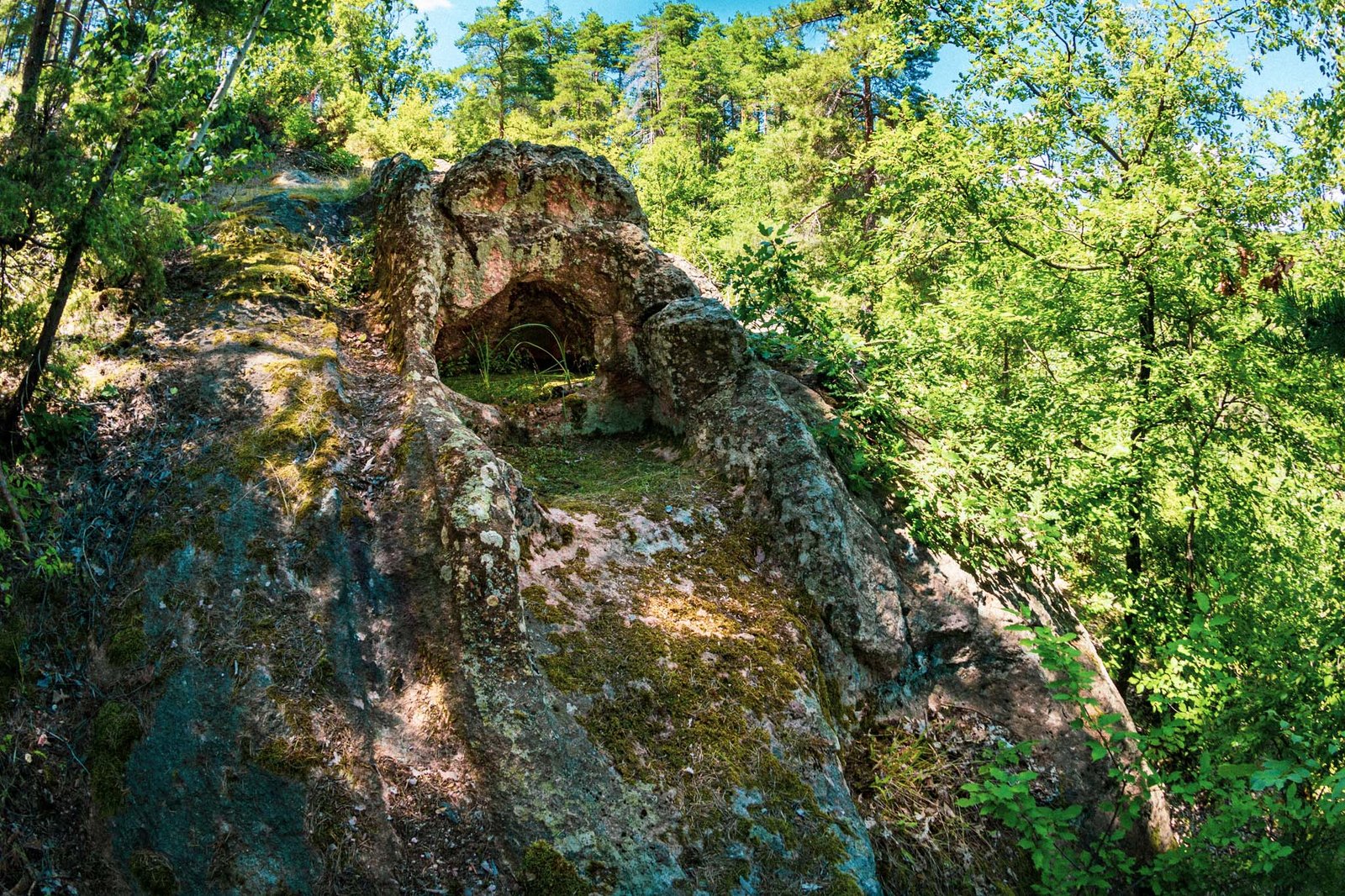
In 2012, Lenggong Valley was officially inscribed as a UNESCO World Heritage Site—a stamp of global importance. This recognition didn’t just honor the valley’s age; it acknowledged its role as a crossroads of early human migration. The world took notice, and so did Malaysia, which began investing more in conservation, research, and tourism. The designation has helped protect the valley from modern encroachment, allowing its ancient stories to endure.
Clues to Human Migration
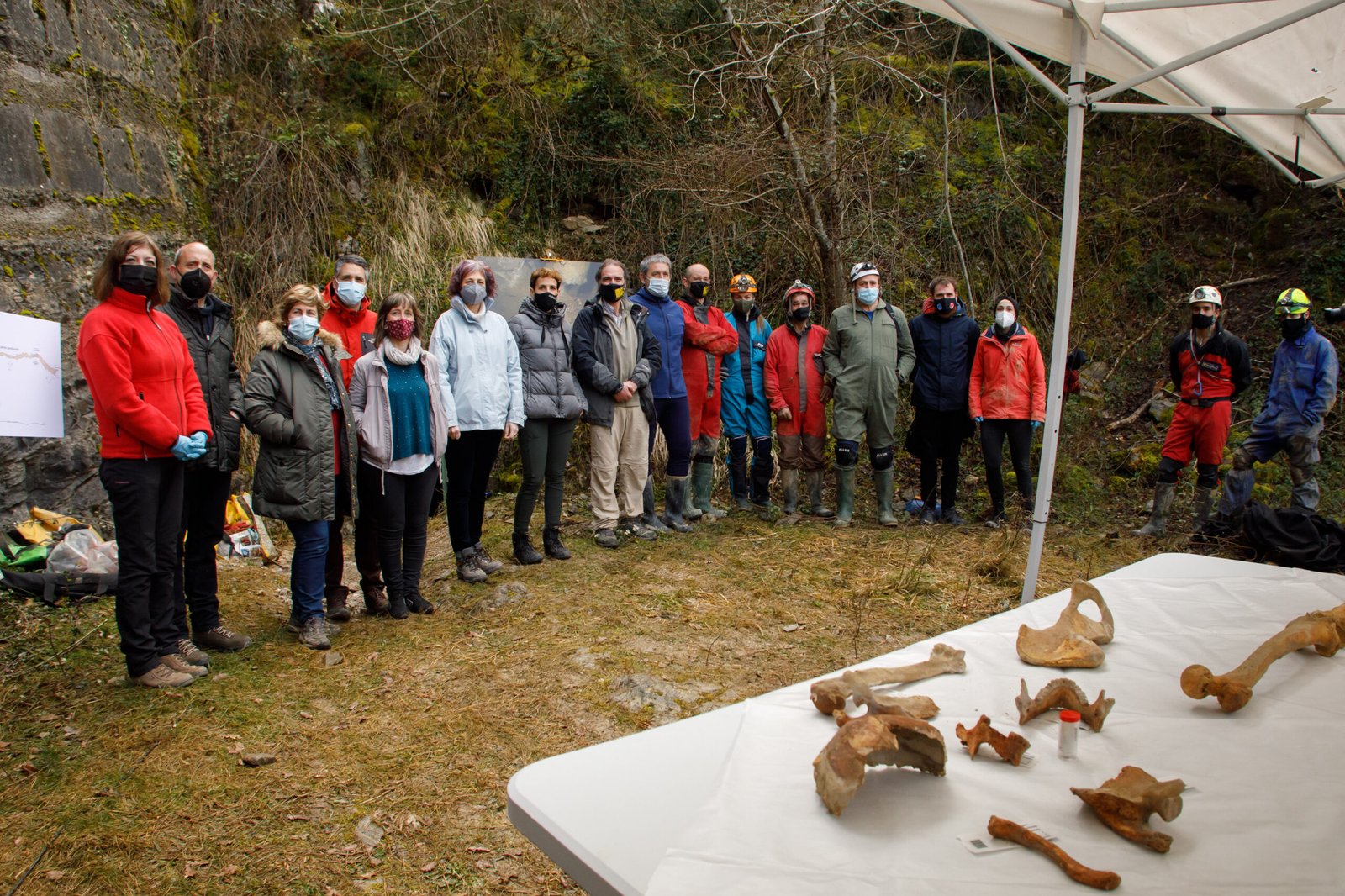
One of the valley’s most thrilling revelations is its role in the great human journey across continents. Fossils and tools from Lenggong indicate that early humans were moving through Southeast Asia long before they were building cities anywhere else. The discoveries here challenge old theories about how and when humans spread out of Africa, hinting that Malaysia was a vital stop on our species’ epic trek across the globe.
Unraveling the Mystery of the Perak Man’s Life
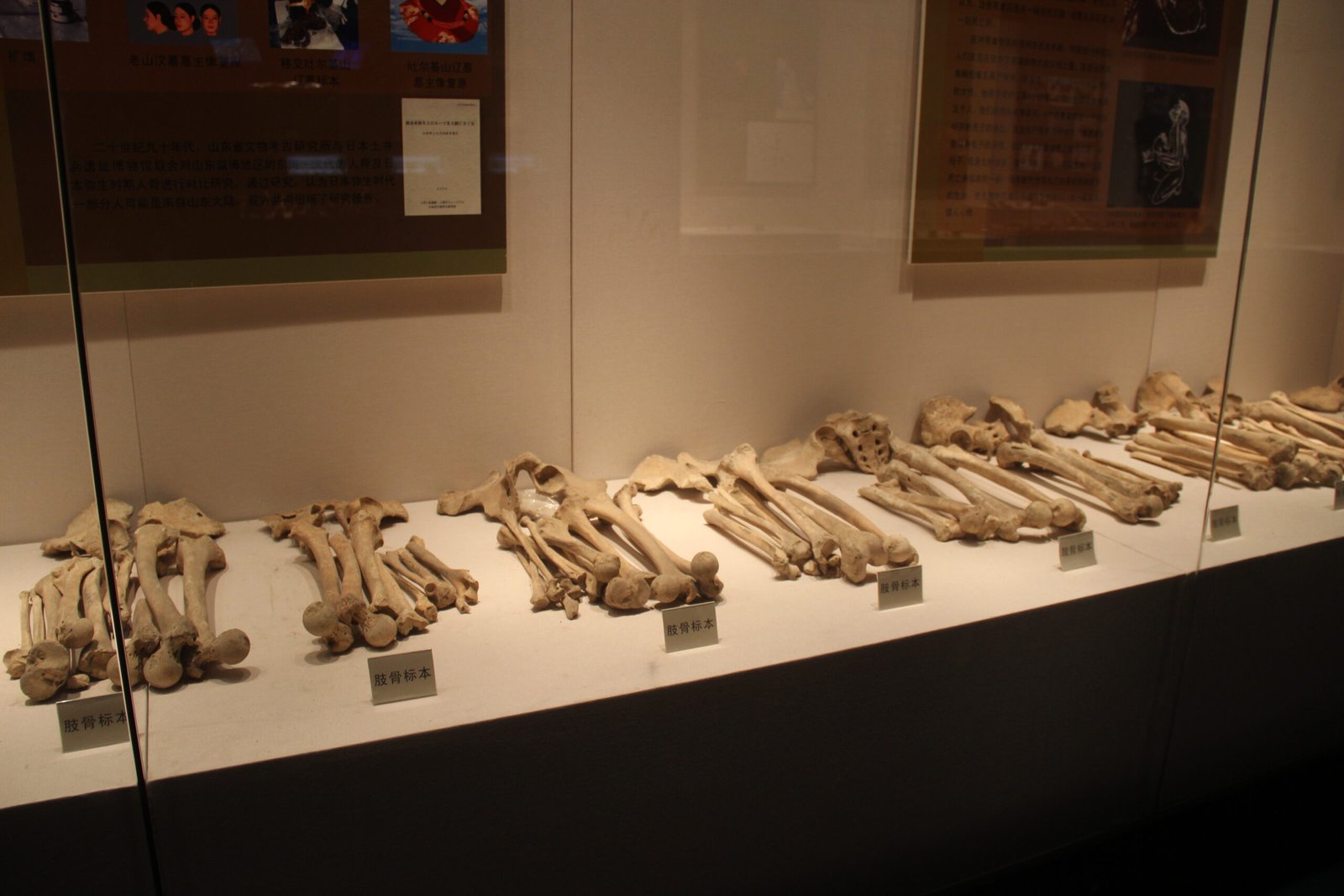
Researchers have pieced together a portrait of Perak Man’s life from his bones. He suffered from a physical disability—possibly a malformed arm—yet lived to a relatively old age for his era. This suggests that his community cared for him, a surprising window into the compassion and social structure of ancient peoples. Even in a harsh, unpredictable world, empathy found a way to flourish.
Ancient Burial Practices
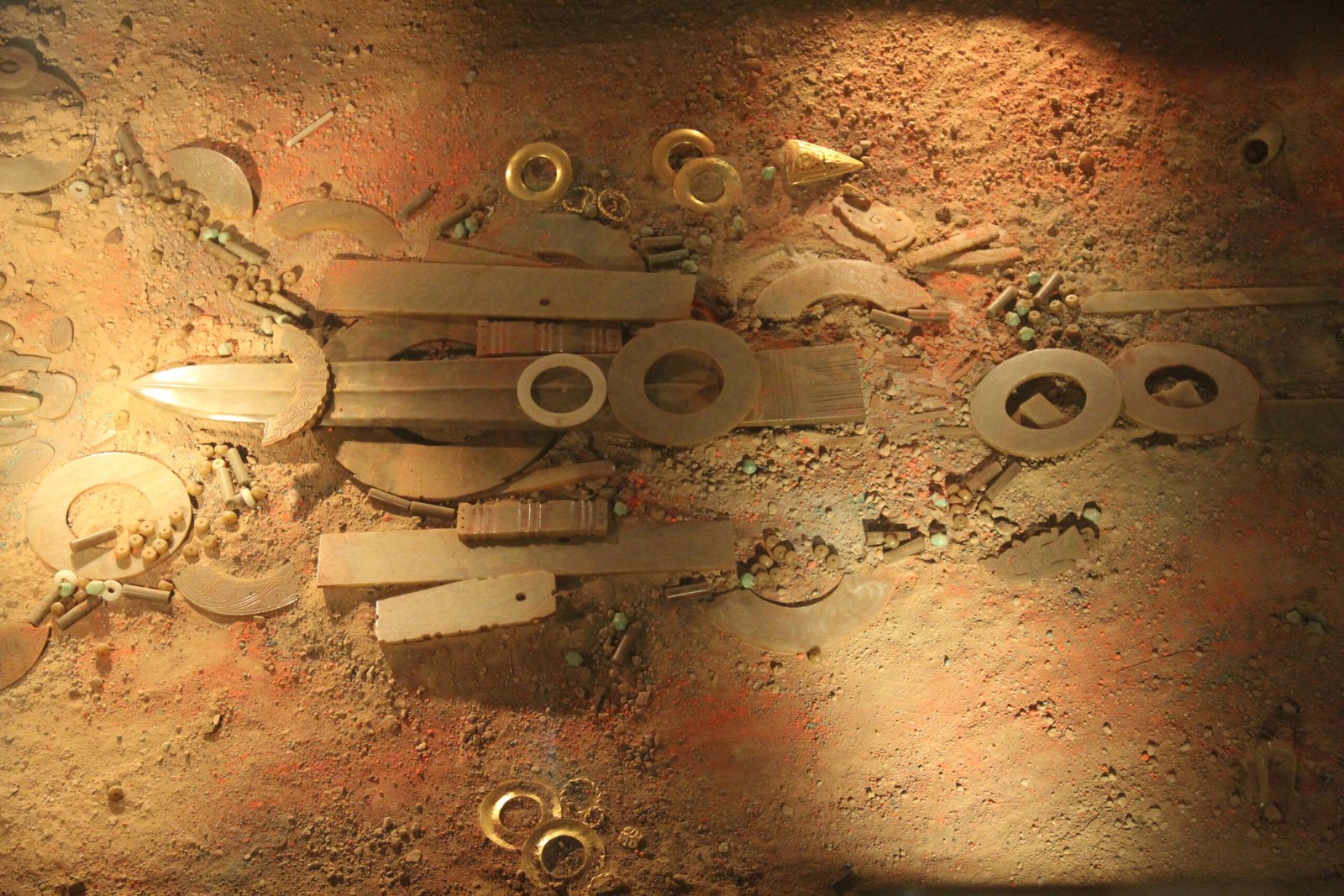
The way Perak Man was buried is as fascinating as his skeleton itself. He was laid to rest with care, surrounded by tools and artifacts. This attention to burial suggests early beliefs about death, the afterlife, or the importance of individuals within a group. Other graves in the area show similar patterns, indicating that funeral rituals and respect for the dead were already deeply rooted in human culture.
The Lenggong Valley’s Unique Geology
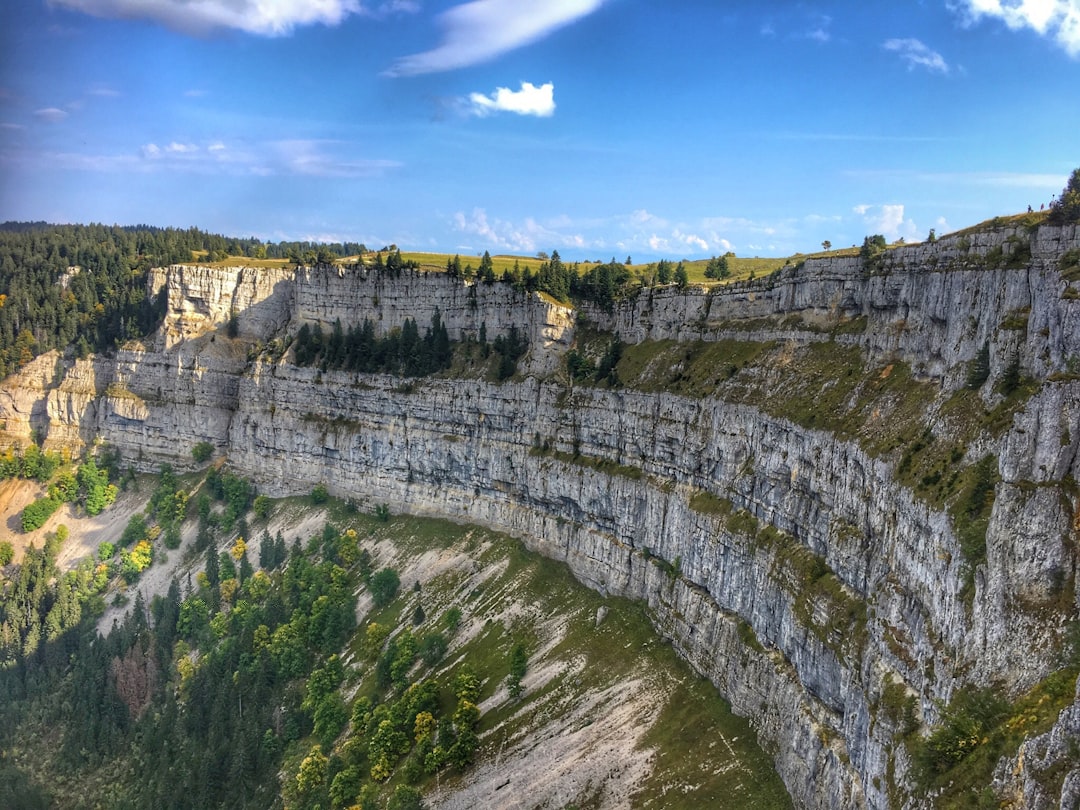
The valley’s dramatic limestone hills and ancient caves aren’t just scenic—they’re the reason archaeological treasures survived here. The porous rock and stable climate protected bones and artifacts from the ravages of time. Rivers carved out the landscape, creating nooks and crannies where evidence of ancient life could hide undisturbed for thousands of years, waiting for modern eyes to rediscover them.
What Animal Bones Reveal
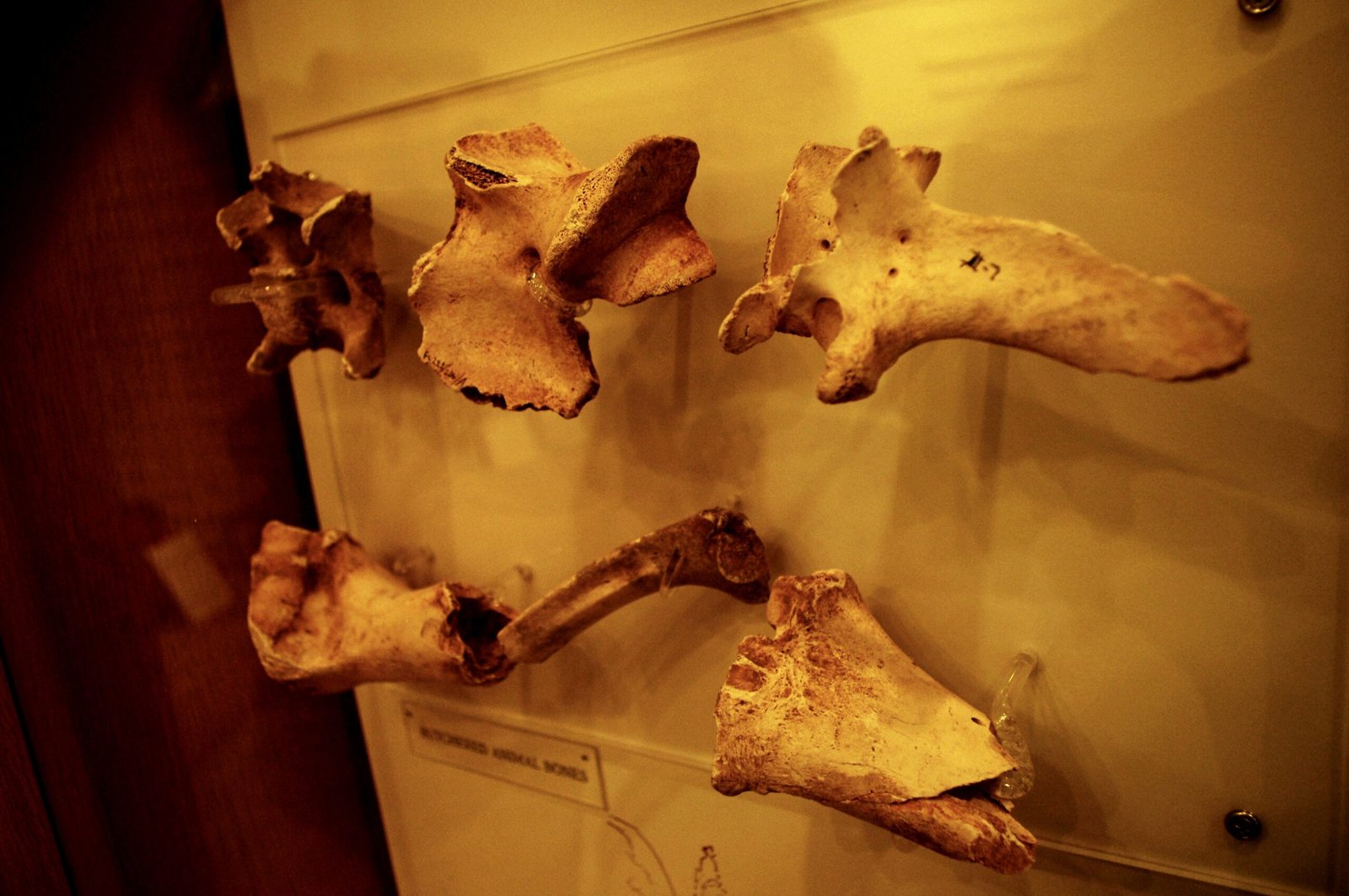
It’s not just human bones that tell stories in Lenggong. Remains of ancient elephants, deer, and even extinct tigers have surfaced in the valley’s caves. These animal bones paint a vivid picture of a landscape teeming with life—a place where humans and wild creatures crossed paths, sometimes peacefully, sometimes not. By studying these remains, scientists piece together the ecosystem of a lost world.
Pottery and the Rise of Culture
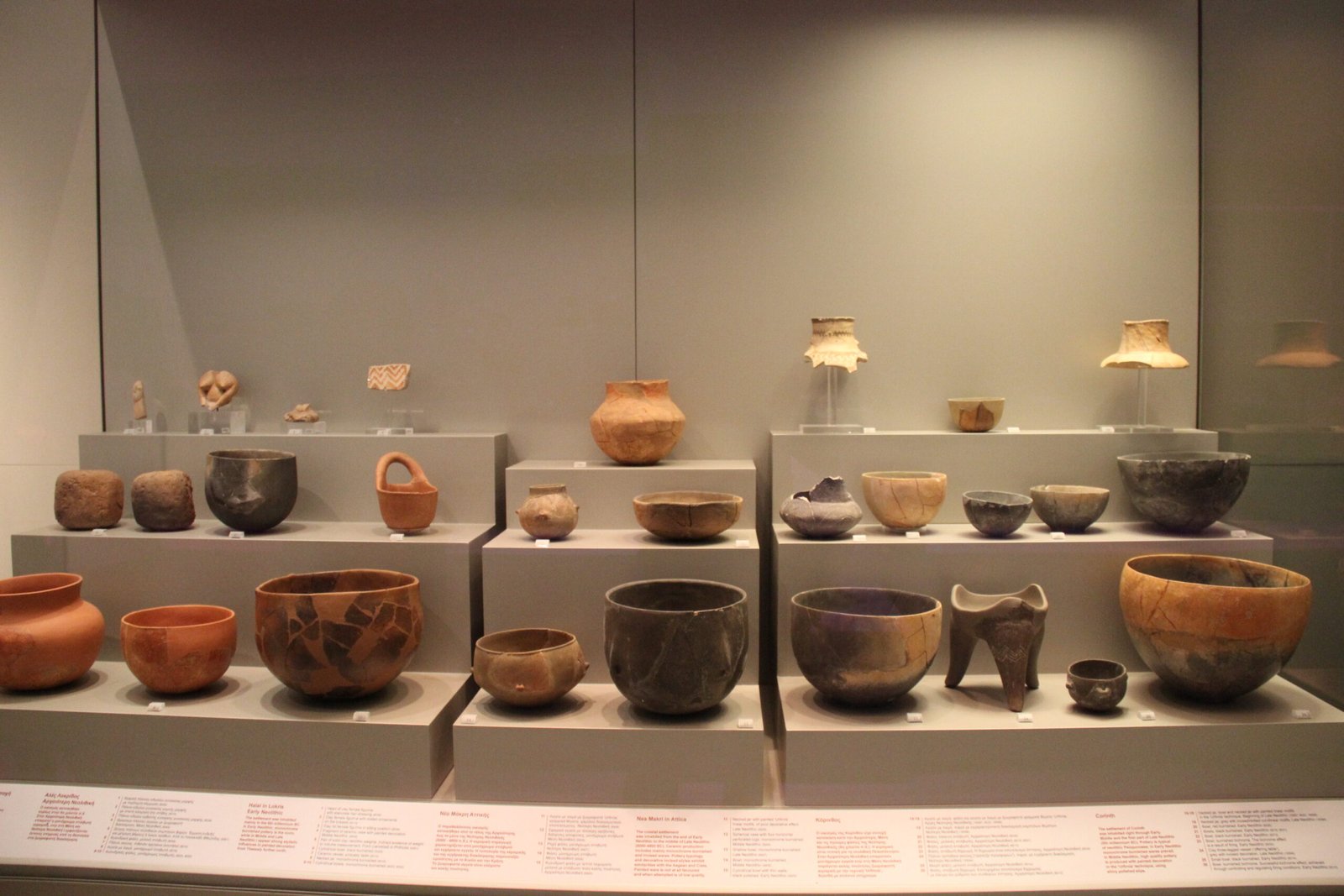
Alongside stone tools and skeletons, archaeologists have found fragments of pottery—simple, sturdy, and practical. These shards are signs of a society beginning to settle, cook, and store food, moving away from the nomadic lifestyle of pure hunter-gatherers. Pottery marks a turning point in human history, a small but profound step toward civilization.
Climate Change in Prehistoric Times
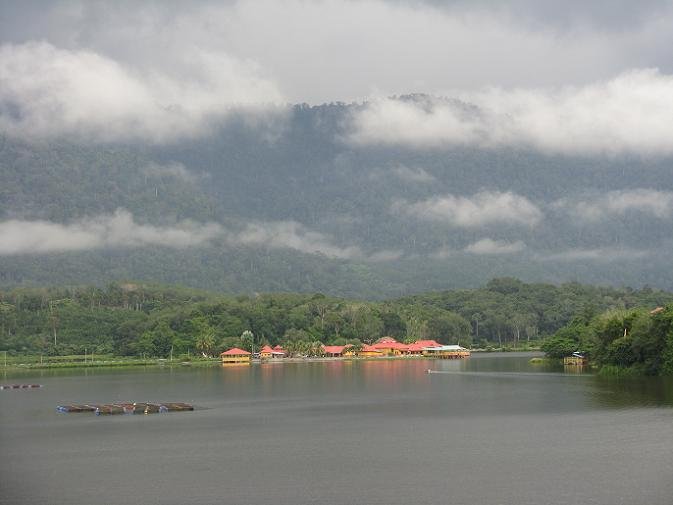
Lenggong Valley’s ancient layers record more than just human activity—they also tell a story of dramatic climate shifts. Sediments and pollen samples reveal periods of drought, flooding, and changing vegetation, all of which shaped how people lived and moved through the landscape. Understanding these ancient patterns can even help us make sense of the climate challenges we face today.
How Discoveries Changed Malaysian Identity
For many Malaysians, the revelations from Lenggong Valley have been a source of enormous pride. Suddenly, the nation has a story that stretches back into the earliest chapters of human history. Schools teach about Perak Man, and local guides share his story with visitors. The valley has become a symbol of Malaysia’s deep, often-overlooked roots in the human saga.
Challenges of Preservation
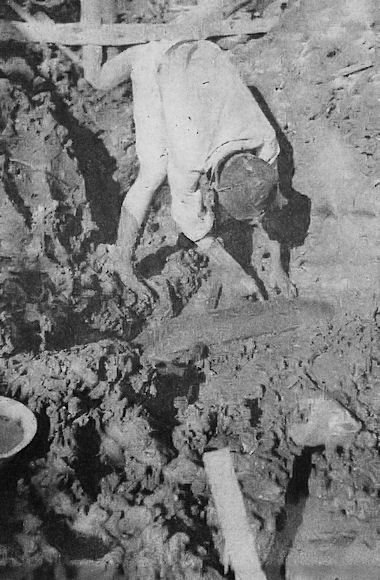
With fame comes risk. Increased tourism and development threaten the delicate balance that preserved the valley for so long. Archaeologists and conservationists must battle erosion, vandalism, and the relentless march of modernity. Protecting Lenggong’s treasures is a race against time and indifference—a task that demands both passion and patience from those who care about the past.
Technological Advances in Archaeology
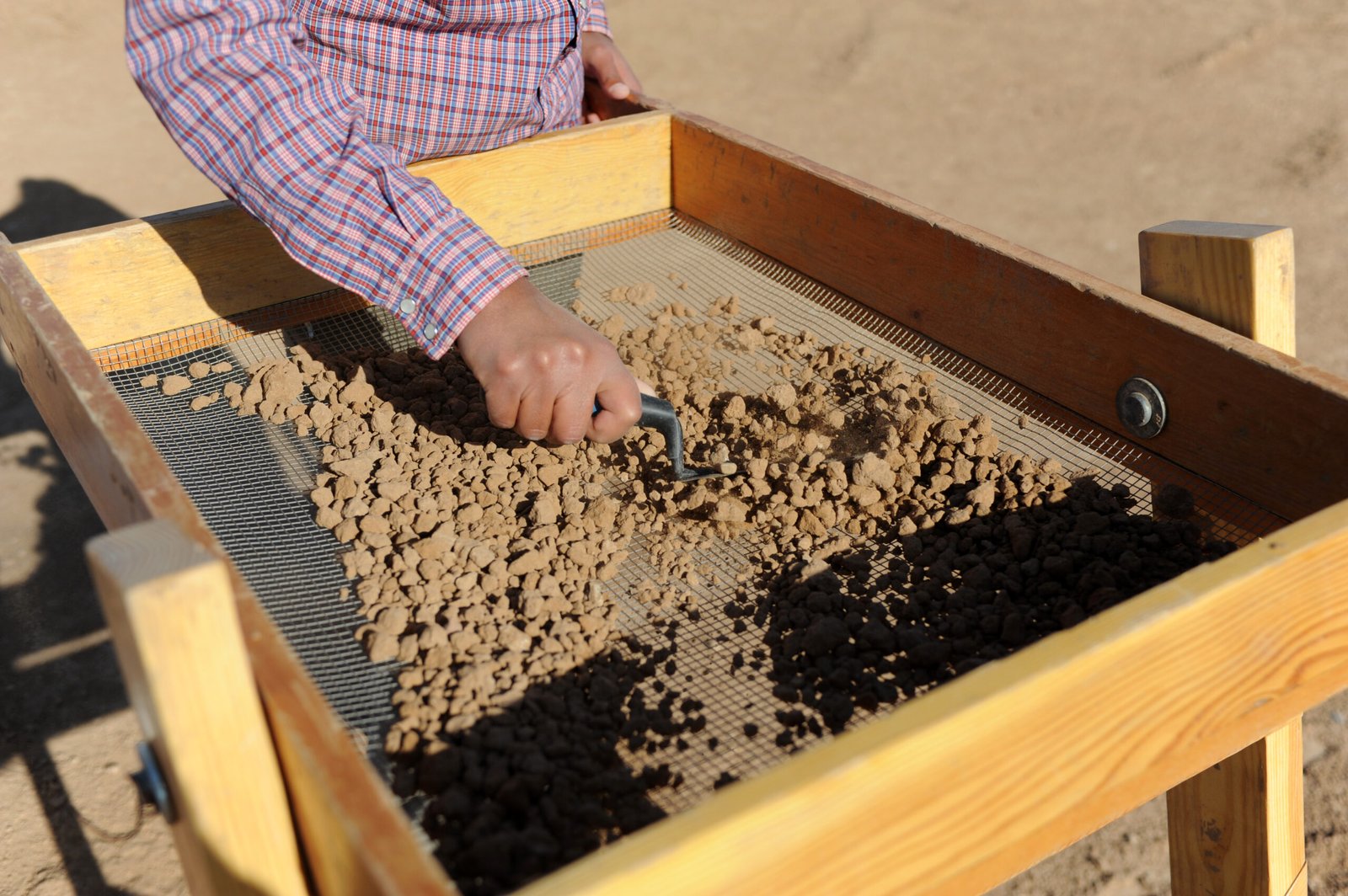
Today’s researchers use tools Perak Man could never have imagined—ground-penetrating radar, DNA analysis, and 3D scanning—to unlock the valley’s secrets. These technologies help scientists find new sites, reconstruct ancient faces, and read genetic clues from tiny bone fragments. Each breakthrough brings us closer to understanding not just what happened in Lenggong, but why it matters to us all.
Education and Community Involvement

Lenggong Valley’s story isn’t just for scientists. Local communities play a vital role in protecting sites and sharing stories. Educational programs, museums, and guided tours help turn curiosity into stewardship. By involving people who live near the valley, preservation becomes a shared mission, not just an academic pursuit.
Lenggong Valley in Popular Culture
The legend of Perak Man and the valley’s ancient wonders have begun to inspire books, documentaries, and even art installations. These creative works bring prehistory to life for new audiences, sparking wonder and debate. The valley’s mystique is growing, turning scientific discoveries into the stuff of modern legend.
The Future of Lenggong Valley
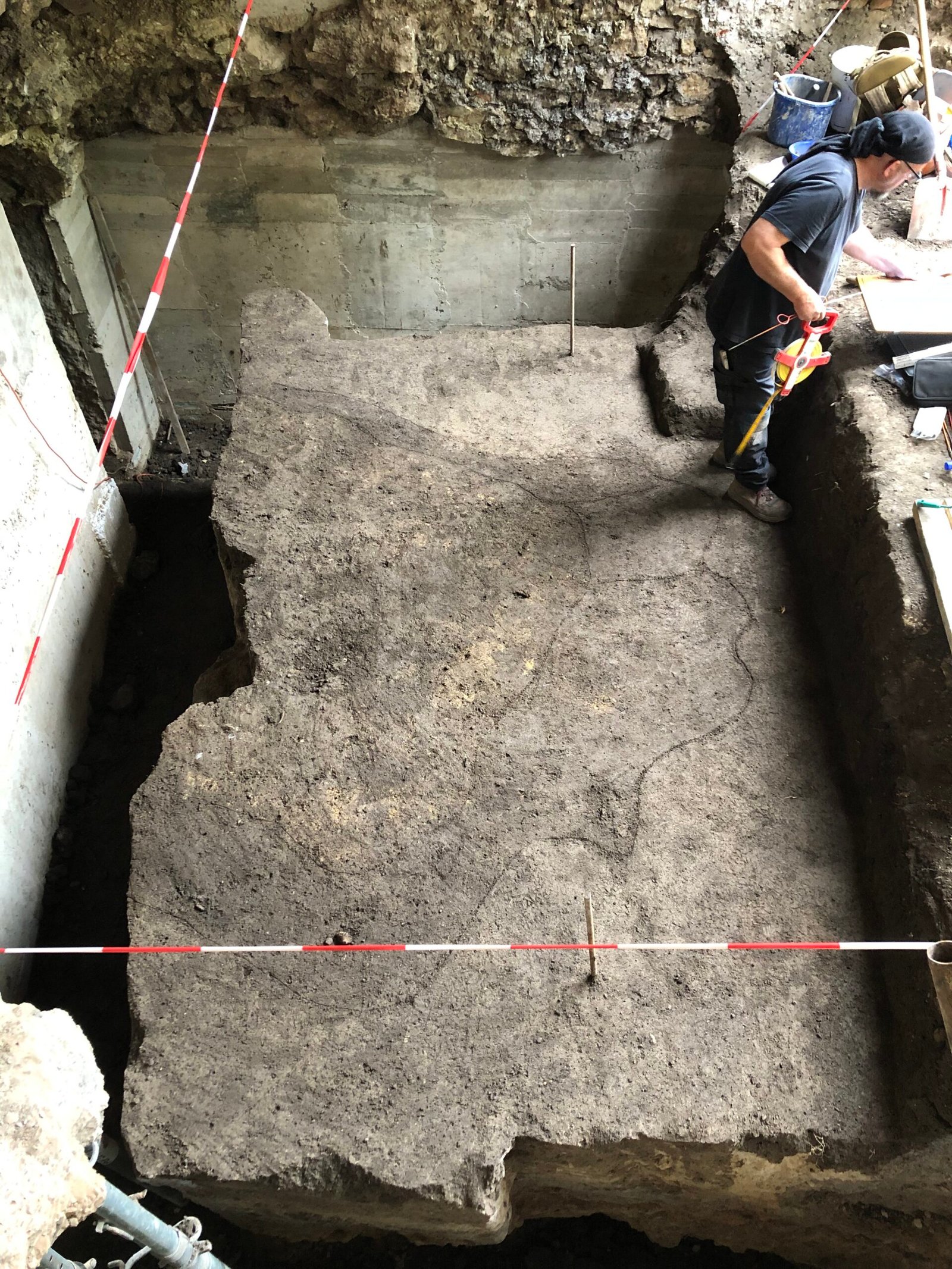
What secrets still sleep beneath the valley’s soil? Each excavation opens new questions, and the work is far from over. As technology advances and curiosity deepens, Lenggong’s role in the story of humanity will only grow. The valley stands as a reminder that sometimes, the world’s oldest stories are still waiting to be told.
Enduring Lessons from an Ancient Land
Lenggong Valley isn’t just about skeletons and stones—it’s about connection. Here, we uncover evidence of care, adaptation, and creativity that echoes down the ages. These discoveries remind us that even in the distant past, people faced hardship, built communities, and dreamed of something more. What other secrets might the earth be waiting to share?