The mighty rivers of the Pacific Northwest once thundered with the pulse of millions of salmon returning home, their silvery bodies slicing through currents in a timeless dance. Today, that dance is under siege. Imagine a world where the simple journey of a fish becomes a battleground for technology, tradition, and survival. In the struggle between roaring hydroelectric dams and ancient salmon runs, entire cultures hang in the balance. The story of these rivers is more than just science or politics—it’s a saga of life, death, and the fight to hold on to what matters most.
The Lifeblood of the Pacific Northwest
Salmon are often called the lifeblood of the Pacific Northwest. Their annual migrations have shaped the land, the forests, and even the people who live there. These fish are unique in that they are born in freshwater rivers, swim out to the vast ocean, and then return—sometimes hundreds of miles—to the exact spot where their lives began. This remarkable journey not only inspires awe but also sustains countless species, from bears and eagles to tiny insects in the riverbanks. When salmon thrive, entire ecosystems flourish. Their presence, or absence, tells a story about the health of the land itself.
A River Transformed: The Age of Dams
The 20th century saw the construction of massive hydroelectric dams throughout the Pacific Northwest. These concrete giants tamed wild rivers, providing electricity to booming cities and irrigation to thirsty farms. While dams powered progress, they also changed the natural rhythms of the waterways. Natural floods ceased, sediment settled, and the once free-flowing rivers became a series of slow-moving reservoirs. For salmon, whose lives depend on cold, clear, and fast-moving water, the transformation was nothing short of catastrophic.
Salmon’s Epic Journey: A Story of Survival
The journey of a salmon is nothing less than heroic. From the moment they hatch, young salmon called fry must dodge predators, navigate shifting currents, and survive a perilous trip to the sea. Years later, driven by instincts scientists still marvel at, adult salmon return, leaping waterfalls and battling rapids to reach their birthplace. Dams, however, block and lengthen this journey. Fish ladders and bypass systems have been built to help, but many salmon never make it past the concrete walls. Every dam adds risk, and every missed migration is a blow to the entire river ecosystem.
The Cultural Heartbeat: Salmon and Indigenous Peoples
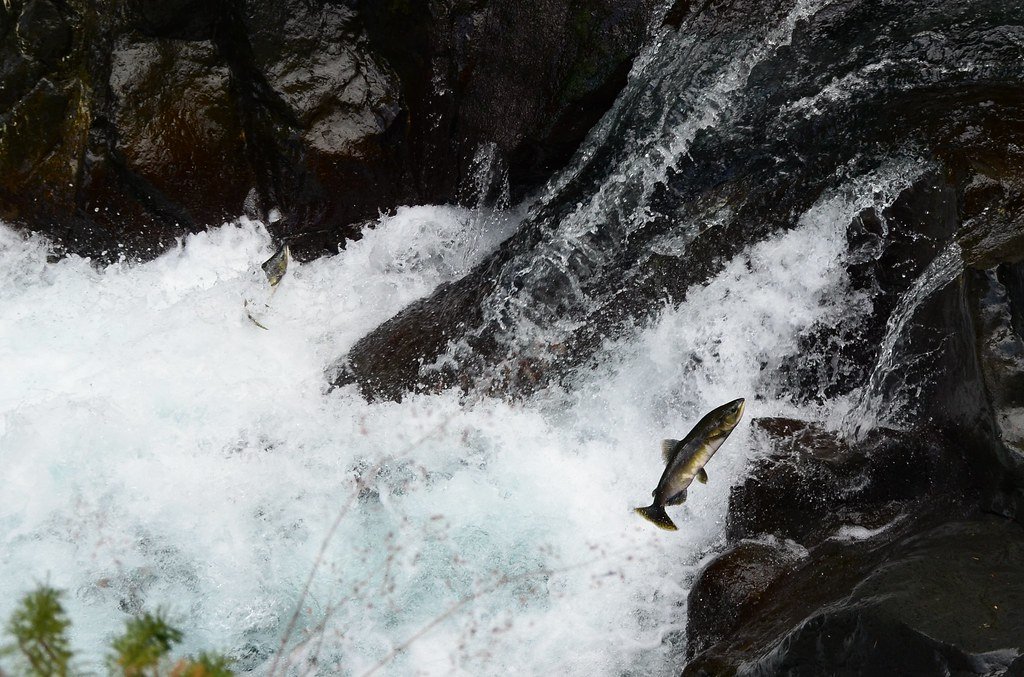
For Indigenous peoples of the Pacific Northwest, salmon are more than a resource—they are a sacred relative, woven into stories, ceremonies, and everyday life. Tribes such as the Yakama, Nez Perce, and Lummi have depended on salmon for thousands of years, shaping their calendars and communities around the fish runs. The decline of salmon is not just an environmental loss; it strikes at the heart of cultural identity and survival. Elders recall days when rivers ran silver with fish, and children learned respect for nature by the water’s edge. Today, many Native communities fight to restore salmon runs as a way to heal both land and spirit.
Ecological Ripple Effects: More Than Just a Fish
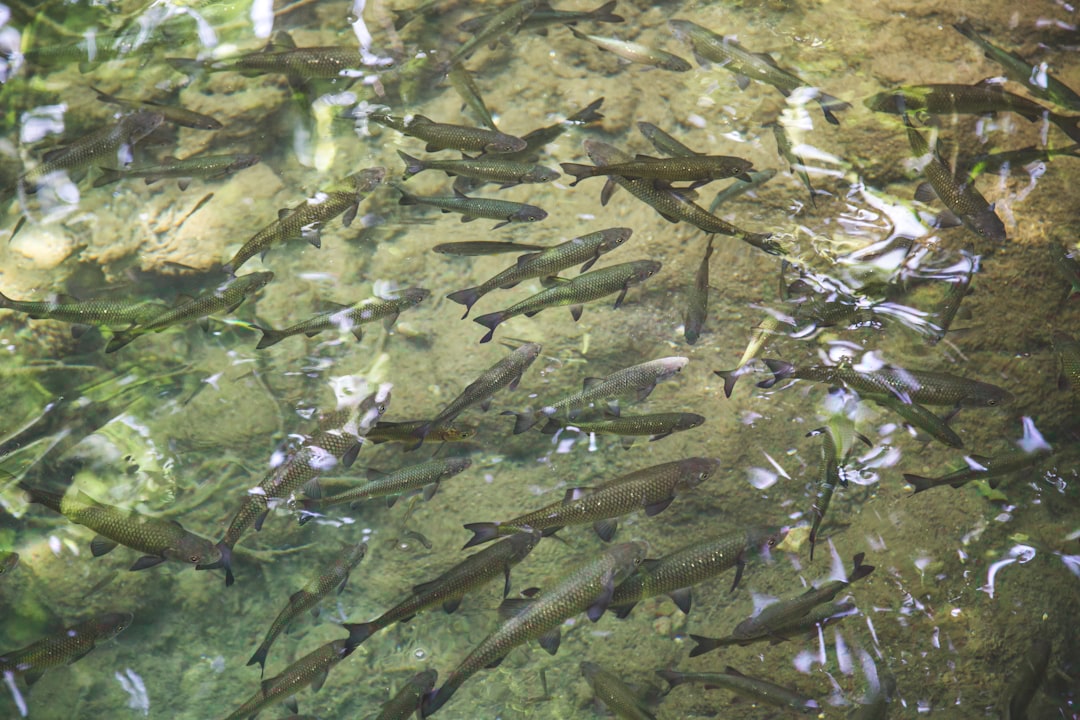
Salmon play a starring role in the story of the Pacific Northwest’s web of life. When adult salmon return to spawn and die, their bodies become food for bears, eagles, and even the forests themselves. Scientists have discovered that trees along salmon-rich rivers grow faster and stronger, nourished by nutrients from salmon carcasses. Take away the fish, and the entire ecosystem shudders. The loss of salmon means less food for wildlife, thinner forests, and rivers stripped of vitality. The fate of the salmon is deeply tied to the fate of the land.
Hydropower’s Promise and Price
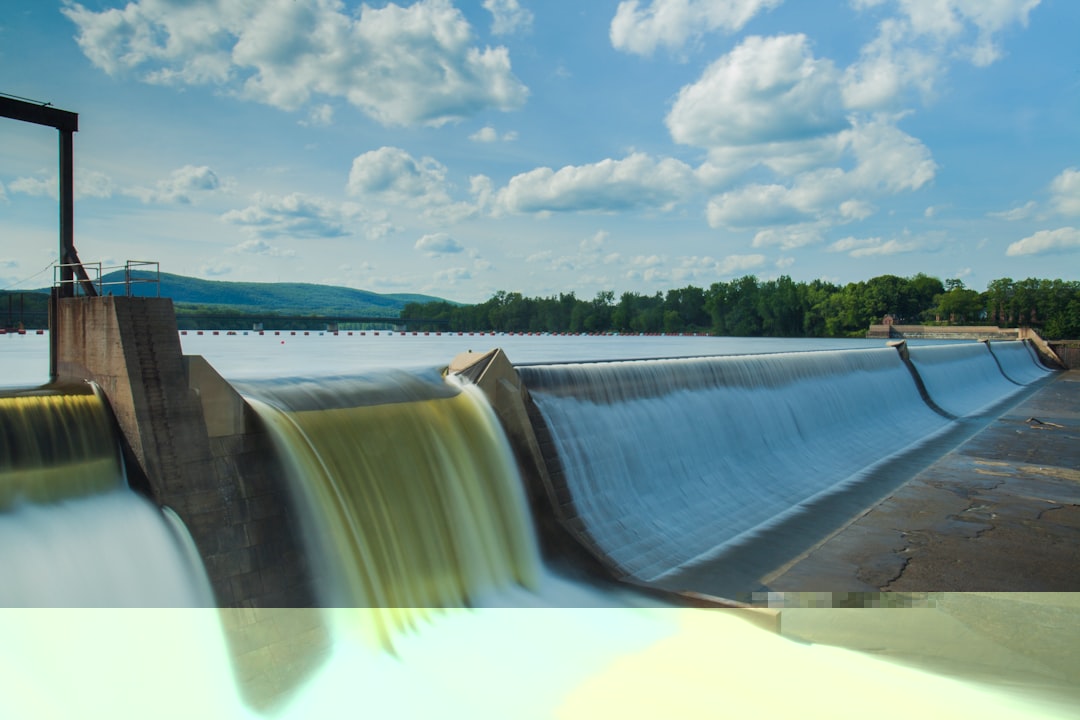
Hydroelectric dams are often praised as a source of clean, renewable energy. They light up cities like Seattle and Portland, and their steady output has helped drive economic growth. But this promise comes at a price. Dams interrupt the natural flow of rivers, block migration routes, and change water temperatures. Fish hatcheries have tried to make up for lost salmon, but wild populations still struggle. The debate over dams is heated: can we power our world without sacrificing the ancient rhythms of nature?
Innovative Solutions: Can Technology Save the Salmon?
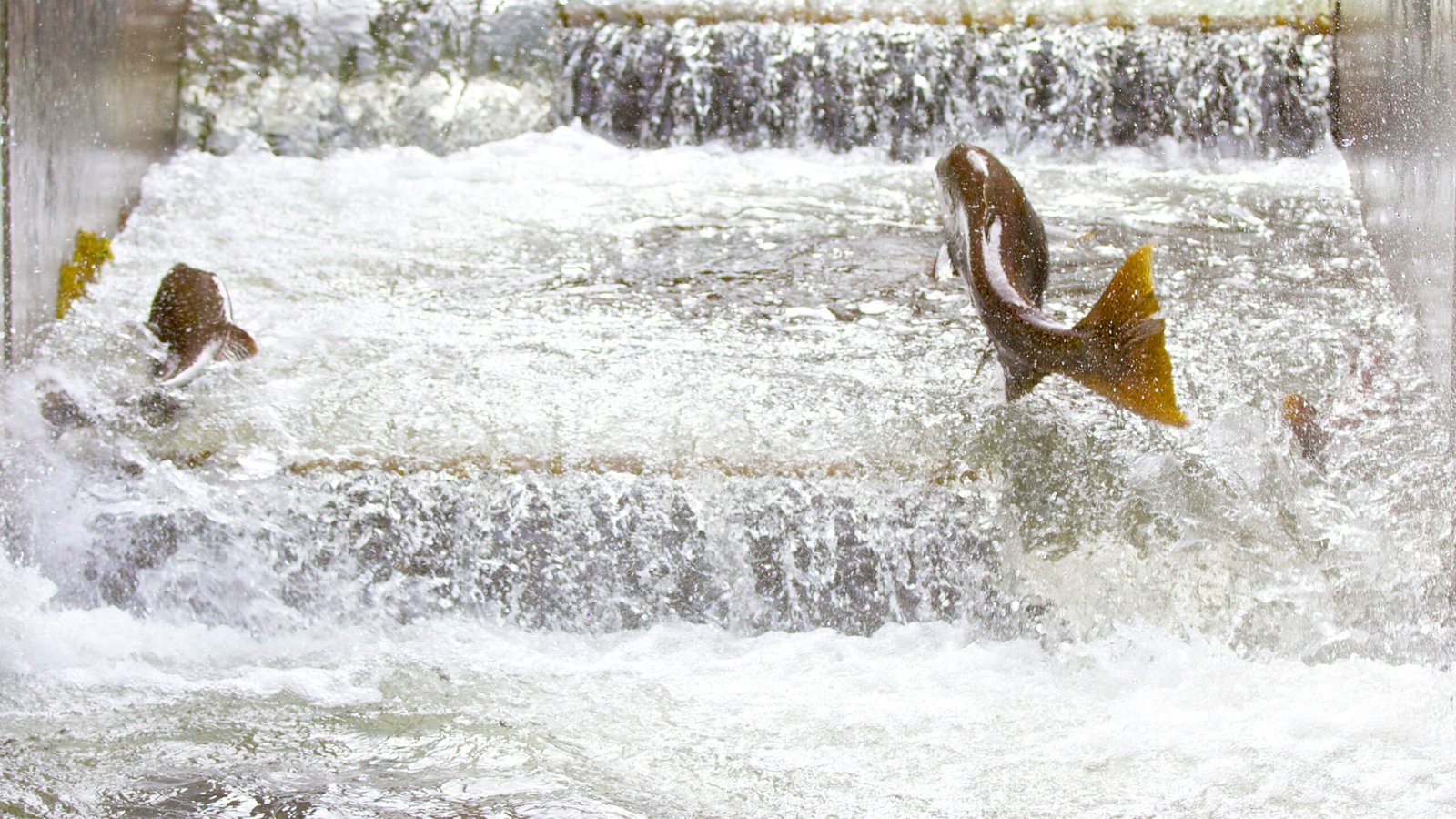
In recent years, engineers and biologists have teamed up to invent new ways to help salmon navigate the rivers. From high-tech fish ladders to underwater “fish cannons” that gently shoot salmon over dams, creative solutions are being tested. Some dams have even been retrofitted with “smolt slides” that help young salmon slip past turbines unharmed. While these efforts show promise, the numbers tell a sobering story—no manmade system can fully replace a wild, free-flowing river. The question remains: is technology enough, or is it time for a bigger change?
Breaching the Walls: The Push to Remove Dams

In some places, the call to remove dams is growing louder. The Elwha River in Washington State is a powerful example. After two aging dams were torn down, salmon returned to stretches of river they hadn’t seen in a century. The ecosystem began to heal almost immediately—gravel beds reappeared, forests flourished, and wildlife rebounded. Still, dam removal is controversial. Some fear loss of energy, water for farms, or changes to local economies. The debate is as turbulent as the rivers themselves.
Climate Change: A New Threat on the Horizon
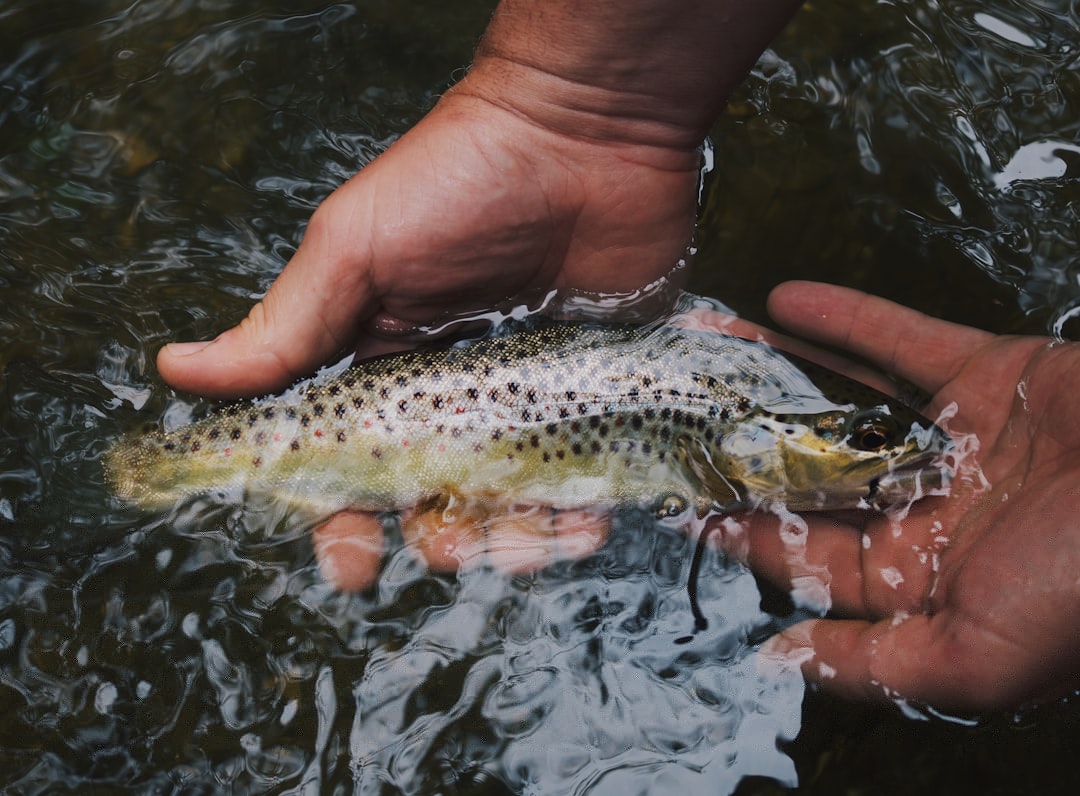
As if dams weren’t enough, salmon now face a new and growing enemy: climate change. Warmer waters stress the fish, making it harder for them to survive and spawn. Droughts reduce river flows, while sudden floods can wash away eggs. In some years, entire runs have collapsed due to heat waves and low water. Scientists warn that, without bold action, climate change could push many salmon populations to the brink. The changing climate is making every other threat worse.
Restoration in Action: Success Stories and Setbacks
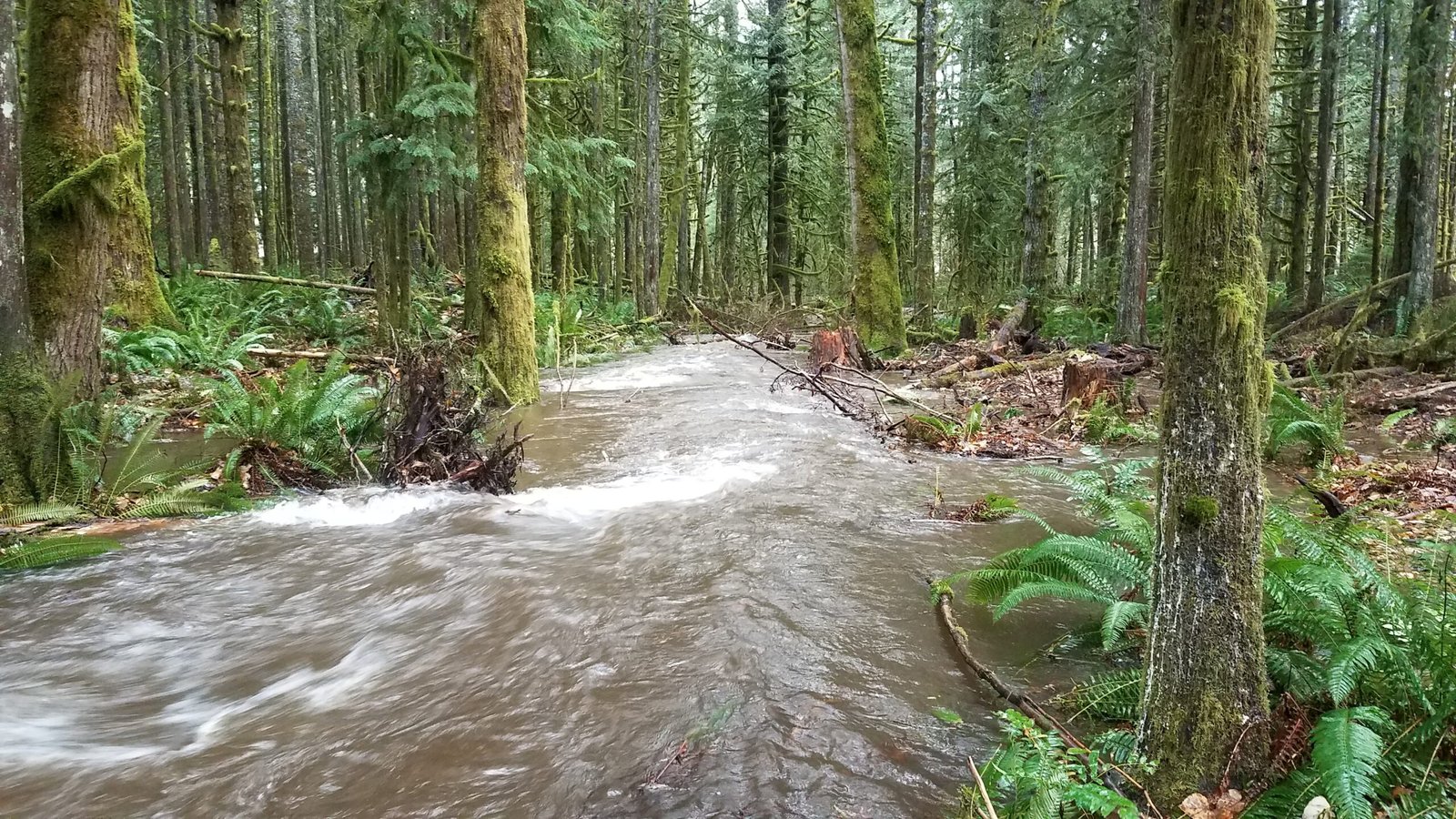
Not all hope is lost. Across the Pacific Northwest, countless volunteers, scientists, and tribal members are working to restore salmon habitat. Projects include planting trees along riverbanks, removing invasive species, and rebuilding gravel beds where salmon lay their eggs. In some rivers, these efforts have paid off—salmon numbers are rising, and wildlife is returning. But progress is slow, and setbacks are common. Each success is a reminder that nature is resilient, but also that recovery takes patience, dedication, and sometimes, a little luck.
Legal Battles: Rights, Treaties, and Promises Broken
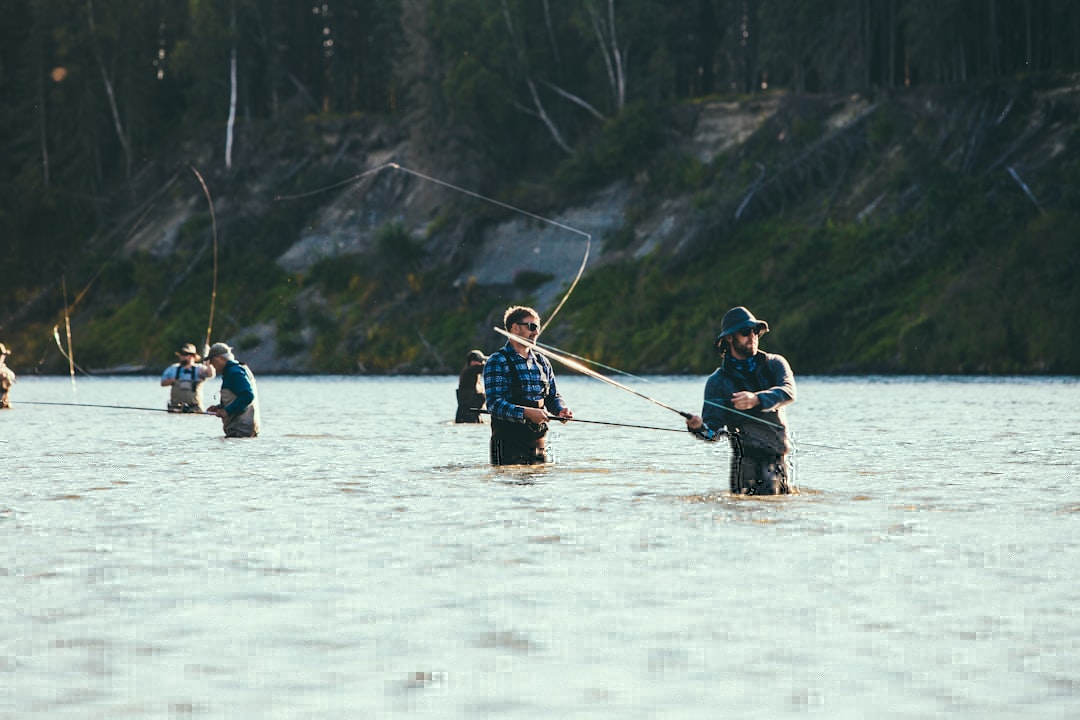
The fight for salmon is also fought in courtrooms. Many Indigenous tribes signed treaties with the U.S. government guaranteeing their right to fish. As salmon runs disappeared, so did the ability to exercise those rights. Lawsuits have forced states and agencies to consider the impacts of dams and demand better protections for fish. These legal battles are often long and bitter, revealing deep scars between communities, industries, and government agencies. In many ways, the courtroom has become another battleground for the rivers.
The Economics of Rivers: Jobs, Power, and Profit
Hydroelectric dams are deeply tied to the region’s economy. They provide cheap power, support jobs, and supply water for agriculture. For many towns, dams are a source of pride and prosperity. On the flip side, commercial and recreational fishing industries have been devastated by declining salmon runs. The loss of salmon affects everything from tourism to the price of groceries. Balancing economic needs with environmental reality is a delicate act—and one with no easy answers.
Community Voices: Stories from the Riverbanks
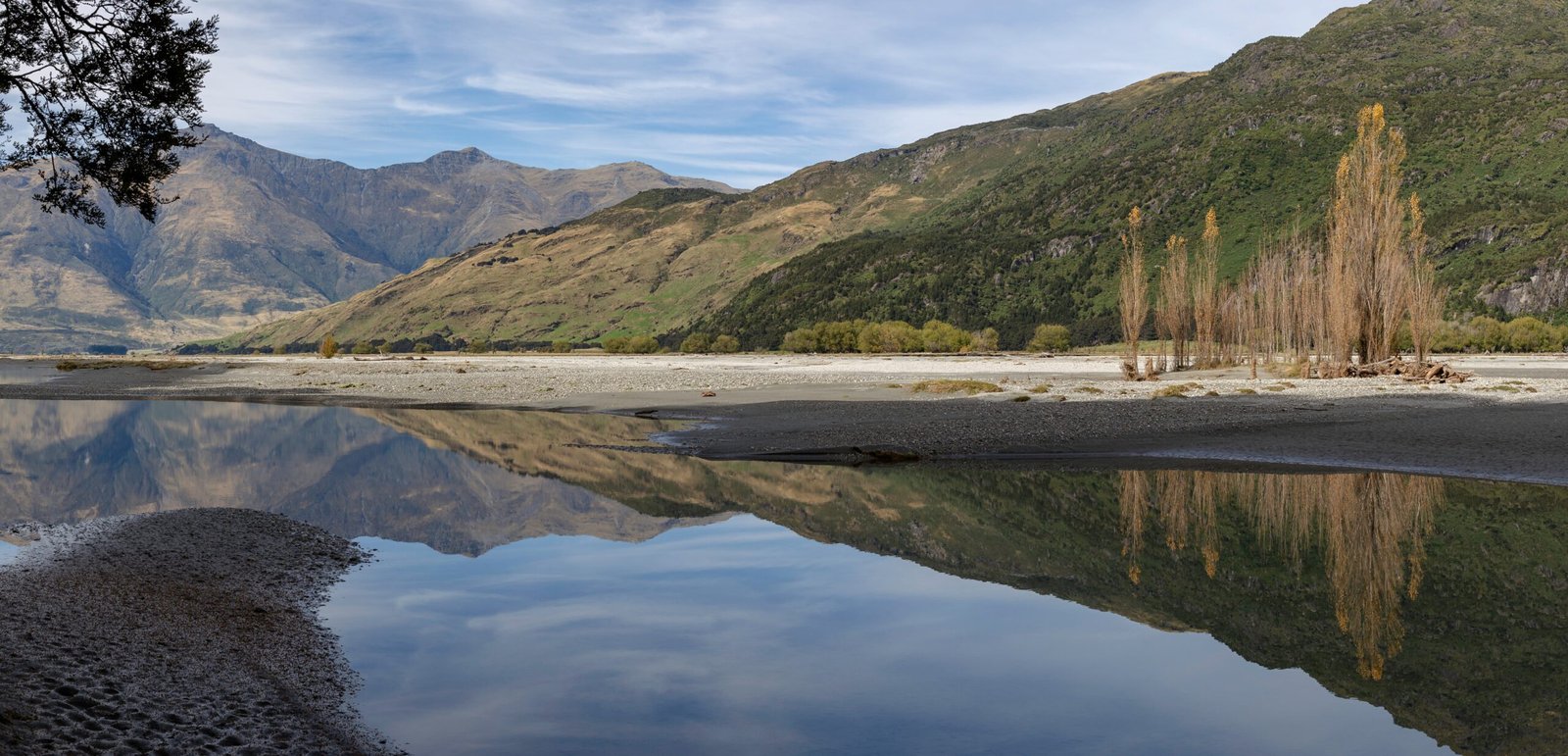
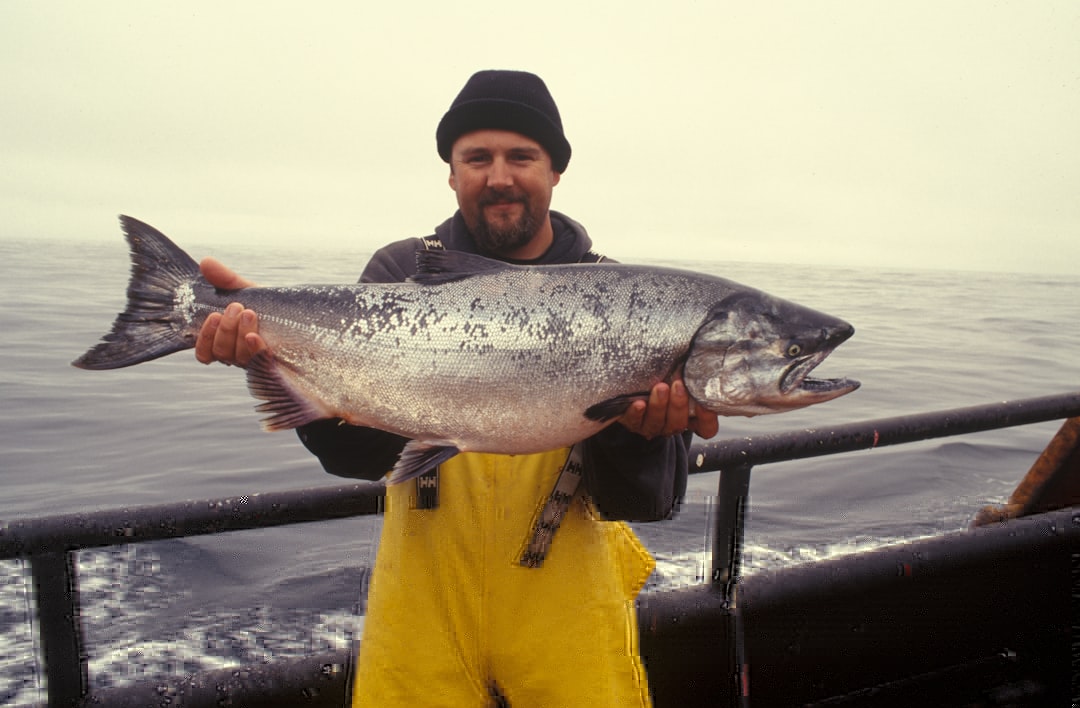
If you walk the banks of the Snake or Columbia River, you’ll hear stories that statistics can’t capture. Fishermen remember the thrill of a big catch; elders recall feasts that brought families together. For some, the river is a source of peace and inspiration. For others, it’s a reminder of loss and broken promises. These personal stories are as important as any scientific study, revealing how deeply rivers shape the lives of those who live beside them.
The Science Behind Salmon Decline
Researchers have spent decades unraveling the complex causes of salmon decline. They’ve tracked toxins from road runoff, studied diseases, and measured the impact of hatcheries. While dams are a major factor, scientists also point to overfishing, habitat destruction, and changing ocean conditions. The mystery of the missing salmon is layered and complex—like a puzzle with too many missing pieces. But one thing is clear: without urgent action, the outlook for wild salmon is grim.
Education and the Next Generation
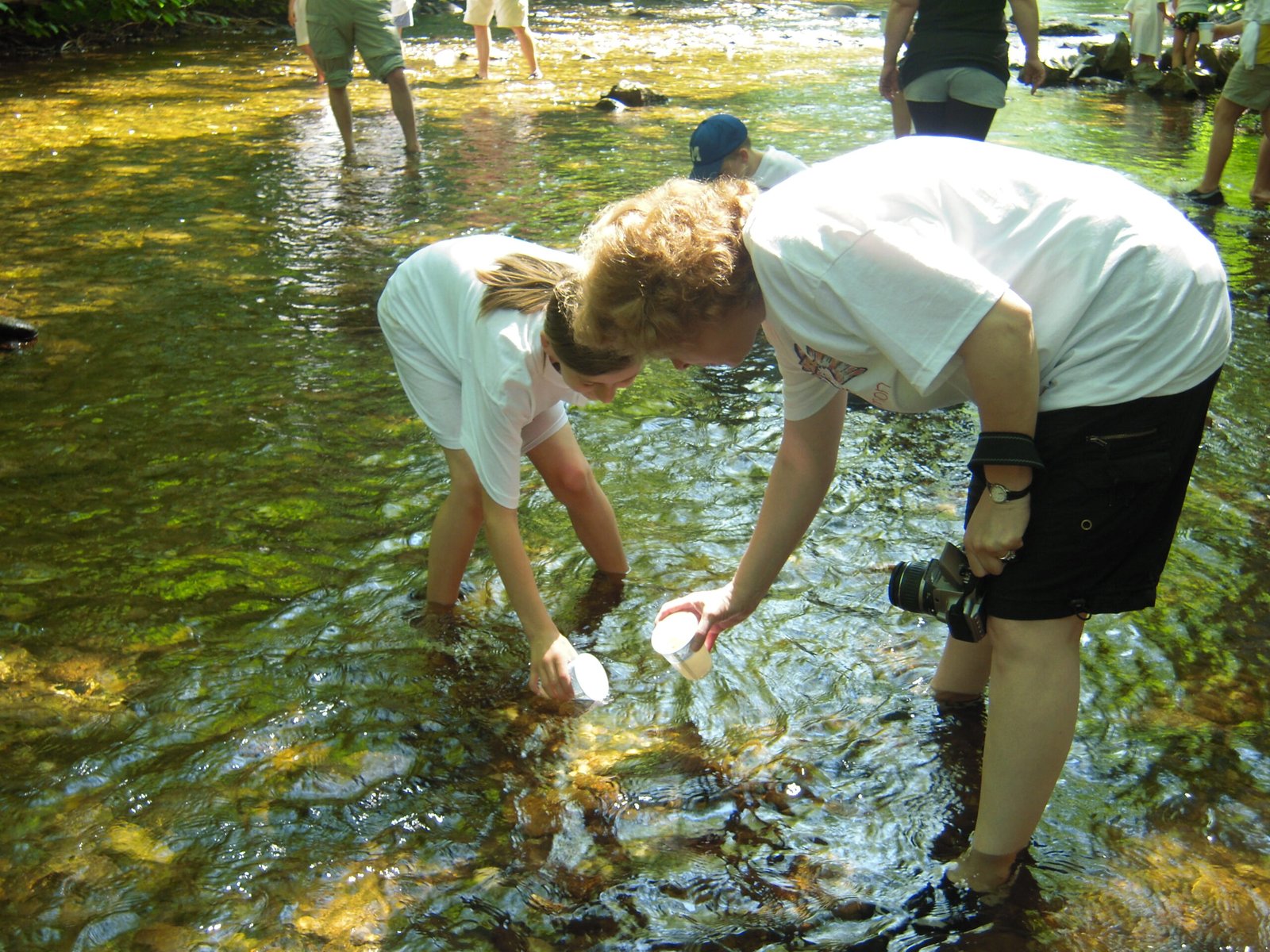
Many schools in the Pacific Northwest now teach students about salmon and rivers. Children raise salmon in classroom tanks, releasing them into local streams each spring. These hands-on lessons connect kids to nature and inspire them to become stewards of the land. The hope is that a new generation will care enough to fight for the rivers, remembering that every fish matters. Education is planting seeds that may one day grow into real change.
International Waters: Salmon Beyond Borders
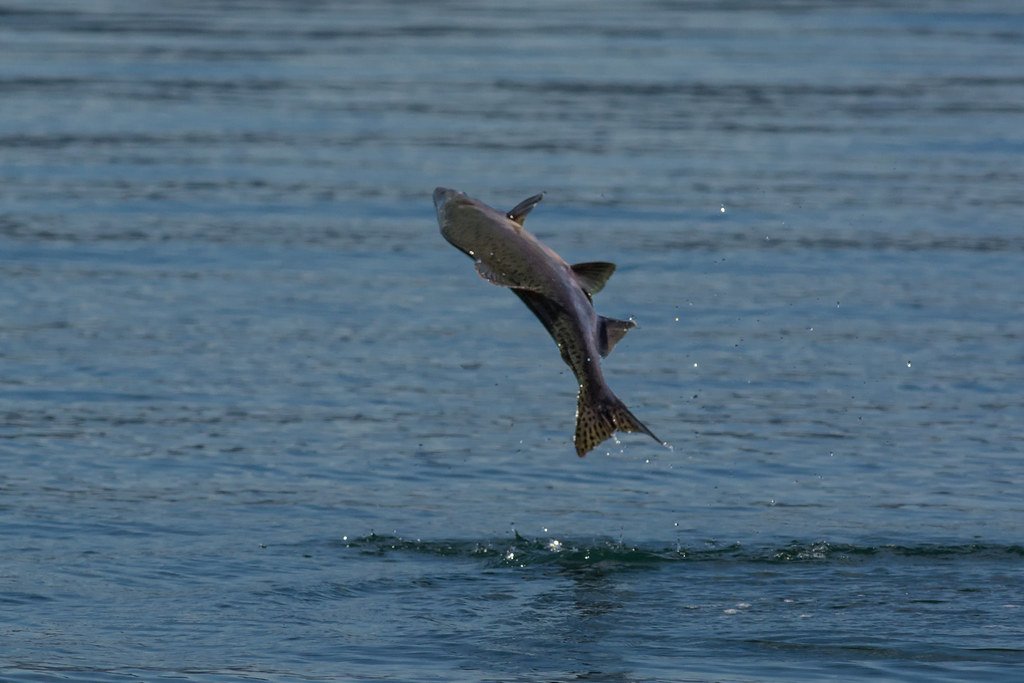
Salmon don’t recognize political lines—they swim from the rivers of Oregon and Washington all the way to the icy waters off Alaska and even into Canada and Russia. International treaties and cooperation are crucial to their survival. When one region pollutes or overfishes, it affects everyone. Protecting salmon demands teamwork on a global scale, reminding us that nature’s problems rarely stop at borders.
Urban Rivers: Bringing Salmon Home to the City
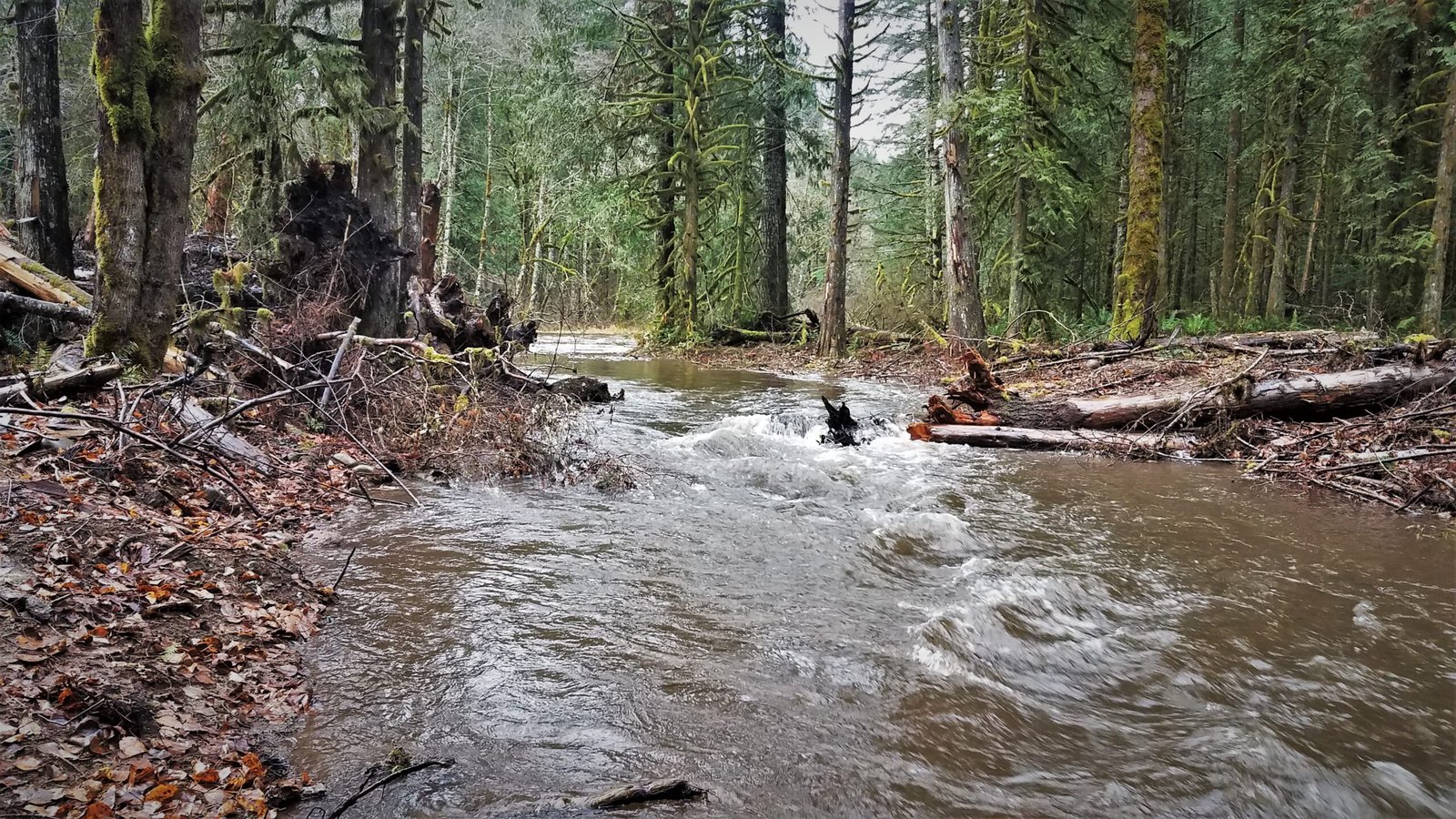
Once written off as hopeless, some urban rivers are now seeing the return of salmon. Restoration projects in cities like Seattle and Portland have removed old culverts, planted native plants, and opened up miles of habitat. It’s a hopeful sign that, even in the heart of the city, nature can make a comeback. Watching salmon leap through a city stream is a reminder that wildness can exist right alongside skyscrapers and highways.
The Role of Art and Storytelling

Artists, poets, and musicians have long kept the story of the salmon alive. Murals decorate city walls, songs tell of epic journeys, and carvings celebrate the spirit of the fish. Storytelling becomes a form of activism, helping people connect emotionally to the fate of the rivers. Sometimes, a single painting or poem can do more to inspire change than a stack of scientific reports. Art turns data into something we can feel.
The Power of Collective Action
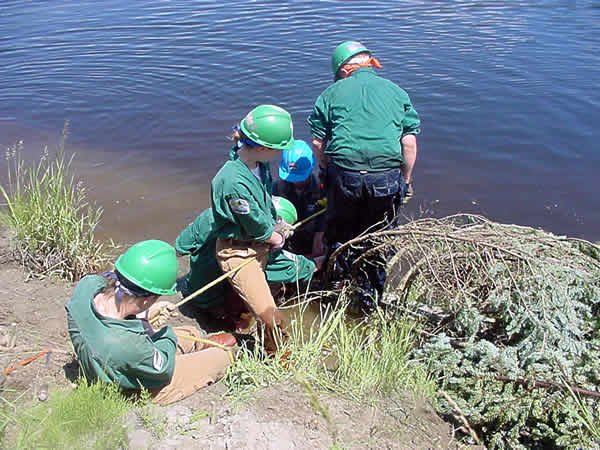
Change rarely comes from one person or one law alone. It takes communities coming together—farmers, fishers, scientists, and activists—to make a difference. Local groups have banded together to monitor rivers, lobby for better policies, and protect threatened habitats. The fight for salmon is a reminder that we all have a role to play, no matter how small. Collective action can turn the tide, one stream at a time.
Reflections on the Future: What Will We Choose?
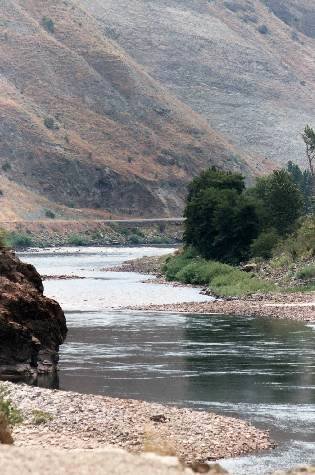
The battle over the Pacific Northwest’s rivers is far from over. Each generation faces the choice: do we value short-term gains, or do we fight for a future where salmon still return home? The decisions we make today will echo for centuries, shaping not just the fate of a fish, but the soul of a region. Will we rise to the challenge, or let the rivers fall silent?