The roar of a lion isn’t just a sound; it’s a heartbeat of the wild, a living echo from a time when kings and deities called them kin. In India’s Gir Forest, that echo survives—barely. Once, Asiatic lions wandered a vast continent, stretching from Greece to the heart of India. Now, every single wild Asiatic lion lives in and around a single pocket: Gujarat’s Gir Forest. Their journey from the edge of oblivion to a story of survival is both breathtaking and bittersweet, filled with surprising twists and stubborn hope. But even as their numbers recover, their future hangs by a thread, threatened by forces as old as time and as new as the modern world. Can the last lions of Asia continue to defy extinction, or is their story still in danger of a tragic ending?
The Ancient Majesty of Asiatic Lions
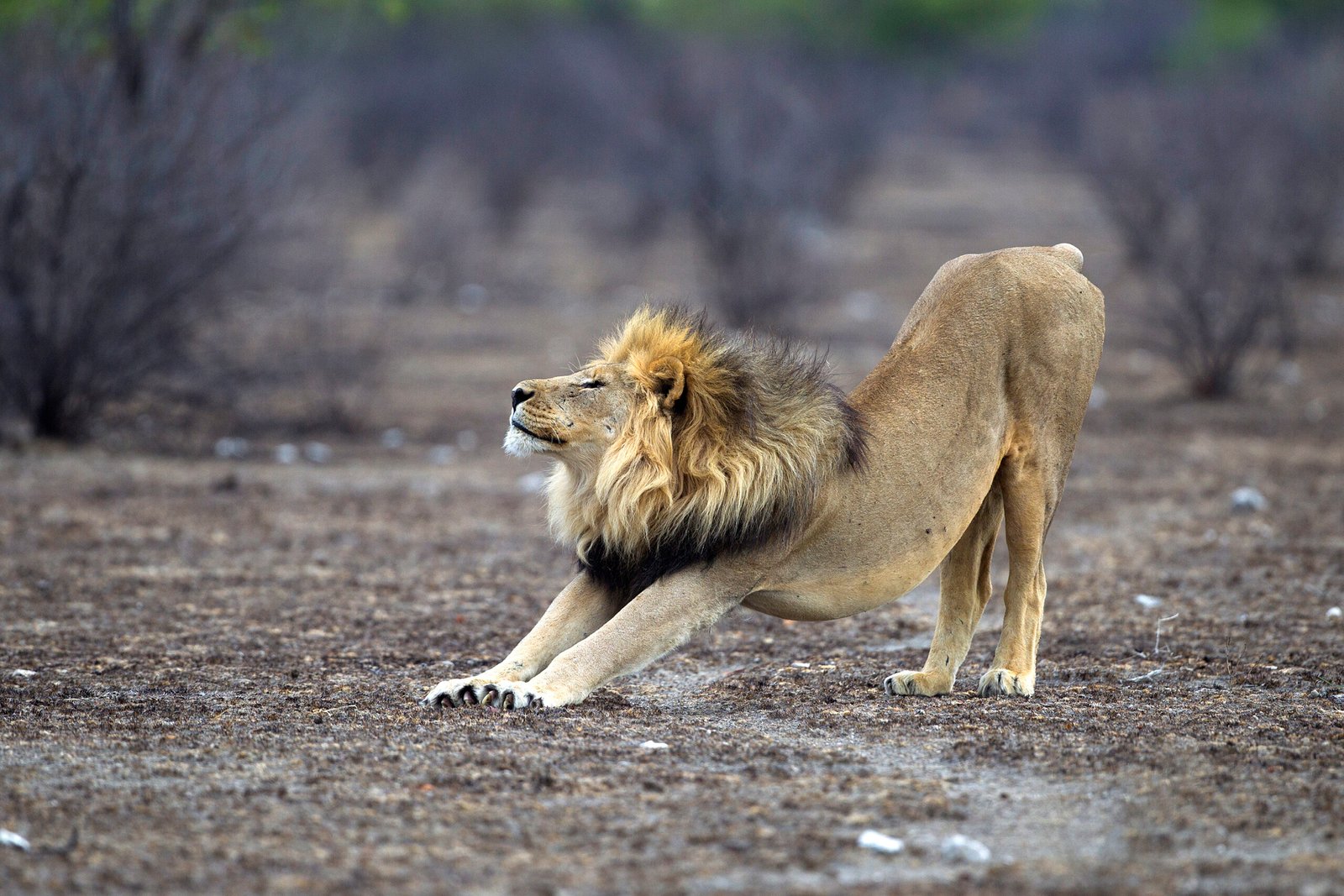
Asiatic lions once ruled over a kingdom that stretched far beyond India’s borders. These lions, slightly smaller than their African cousins, were symbols of power in ancient Persia, Babylon, and India. Archaeologists have found their likeness carved into the walls of royal palaces and temples. Their thick, bushy manes and distinctive belly folds set them apart. Even today, catching sight of a lion in Gir feels like stepping into a living legend. The connection between these lions and India’s cultural heritage runs deep, sparking awe and reverence in those who witness their regal stride.
From Thousands to Dozens: The Brink of Extinction
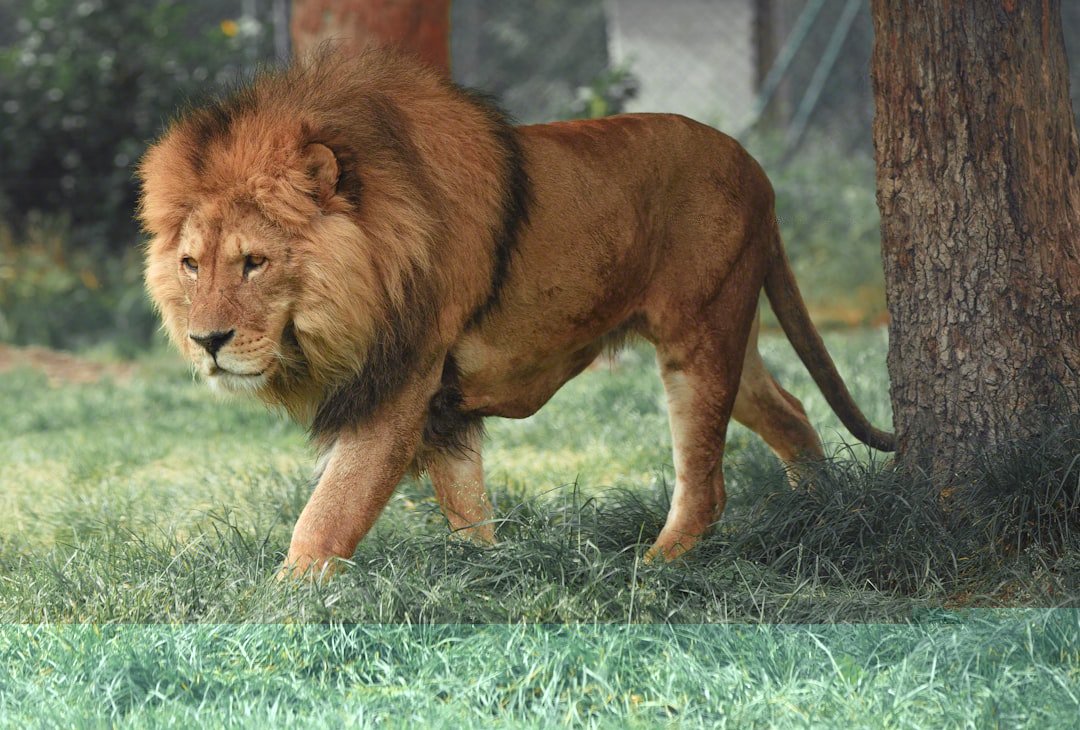
Barely a century ago, the fate of Asiatic lions teetered on disaster. Rampant hunting by colonial officers, local kings, and poachers decimated their numbers. By the late 1800s, fewer than 20 lions remained, all clustered in the Gir Forest. The forests echoed with silence, as the great cats vanished from the wild. It’s almost impossible to imagine the emptiness that must have haunted the landscape, knowing that centuries of history and culture were about to disappear with the last lion’s roar.
The Nawab Who Saved a Species
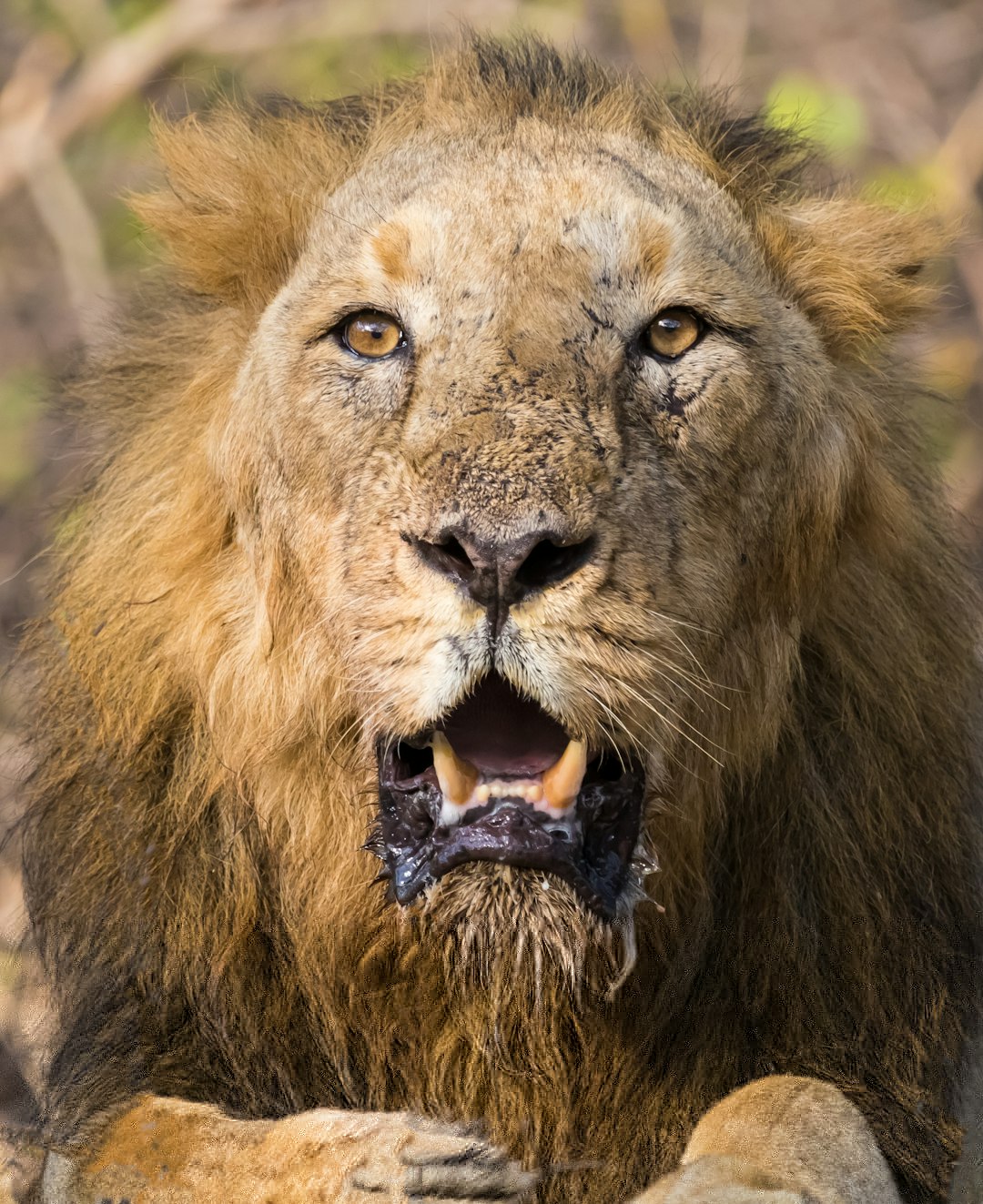
In a twist fit for a fable, salvation came from an unlikely hero: the Nawab of Junagadh. Shocked by the impending extinction, he issued a royal decree banning lion hunting on his lands. Guards patrolled the forests, and anyone caught harming a lion faced severe punishment. The Nawab’s actions were radical for his time—defying the hunting culture of the era. His decision wasn’t just about protecting animals; it was about preserving a legacy for generations yet unborn.
Gir Forest: The Last Refuge
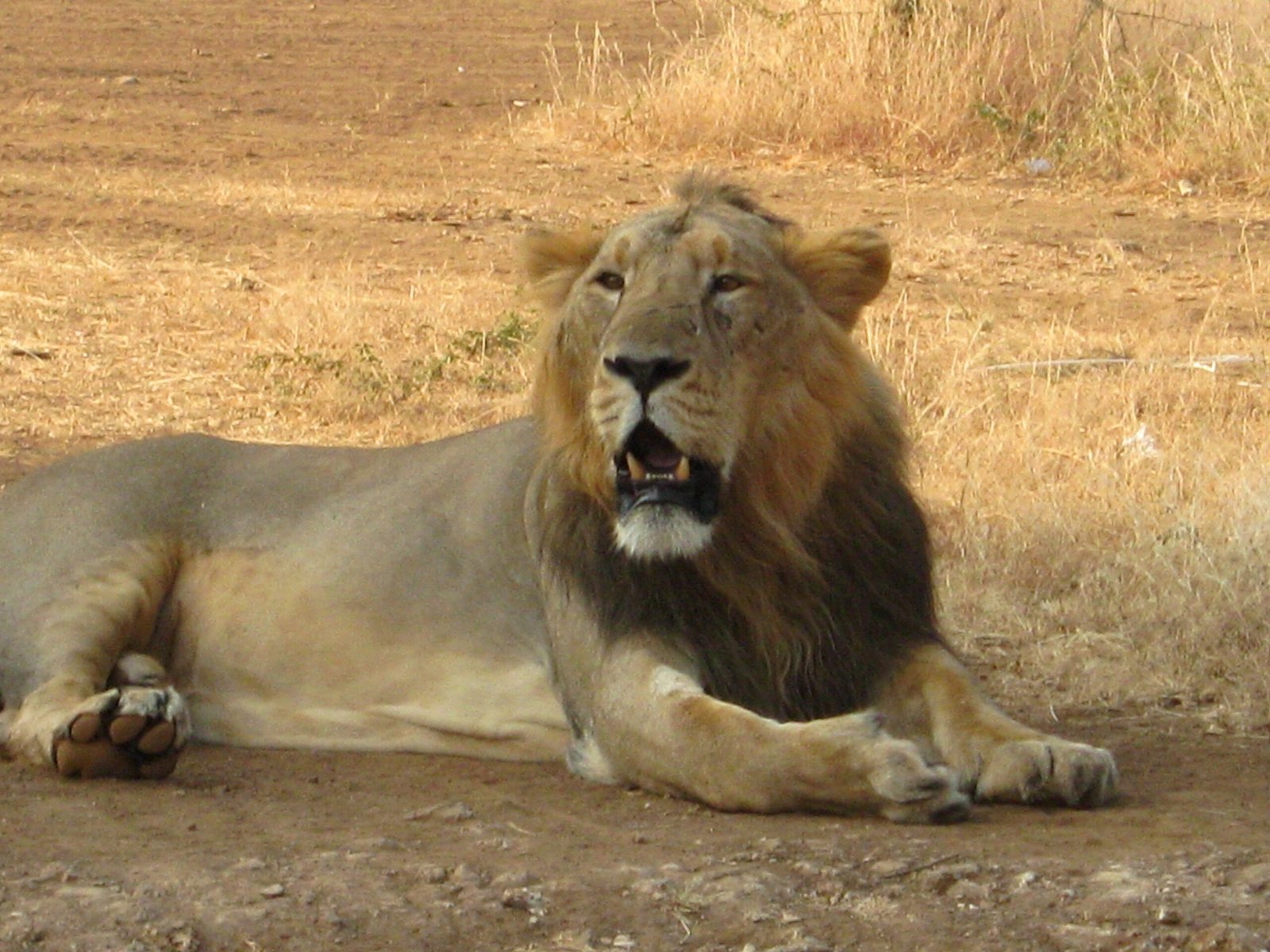
Gir Forest is more than just a patch of trees—it’s the last sanctuary for Asiatic lions in the wild. Spanning over 1,400 square kilometers in Gujarat, Gir is a mosaic of dry deciduous forest, grassland, and rocky hills. The forest pulses with life: deer dart through the undergrowth, leopards prowl the edges, and peacocks call from the treetops. In this unique ecosystem, lions play a crucial role as apex predators, keeping the balance among prey and shaping the landscape itself.
The Lion’s Comeback: A Conservation Miracle
Against all odds, the Asiatic lion population began to recover. By the mid-20th century, their numbers had climbed from a handful to a few hundred. Dedicated forest guards, vigilant locals, and wildlife officials worked tirelessly—tracking lions, preventing poaching, and treating the sick and injured. Today, the population has crossed 700, a triumph hailed as one of the world’s most inspiring conservation stories. The Gir lions have become symbols of hope, showing that humans can reverse the tide of extinction when they unite for a cause.
Living on a Knife’s Edge: The Dangers of a Single Population
Despite their comeback, Asiatic lions remain perilously vulnerable. All wild individuals live in and around Gir, making them susceptible to disease outbreaks, natural disasters, or food shortages. In 2018, a deadly outbreak of canine distemper virus killed dozens of lions in just a few weeks—a stark reminder of how fragile their recovery is. Scientists warn that a single catastrophe could wipe out the entire species, much like having all your prized possessions in one fragile basket.
Human-Wildlife Conflict: Sharing Space, Facing Challenges
As Gir’s lions multiply, they sometimes wander into villages and farmlands outside the protected forest. This sparks conflict with local people, whose livestock are easy prey for hungry lions. For villagers, losing a buffalo or cow can mean financial hardship. Yet, many locals see the lions as a source of pride, calling them “our lions.” Some even perform rituals for their well-being. The delicate balance between coexistence and conflict is a daily reality, requiring constant negotiation and understanding.
Poaching and Illegal Trade: A Persistent Threat
While lion hunting is banned, the illegal wildlife trade remains a shadowy threat. Bones, claws, and other body parts are sometimes trafficked for use in traditional medicine or as status symbols. Rangers face off against cunning poachers who exploit loopholes and bribe their way past borders. Even a single successful poacher can cause irreparable damage, making law enforcement and community vigilance critical to the lions’ survival.
Genetic Bottleneck: The Hidden Danger Within
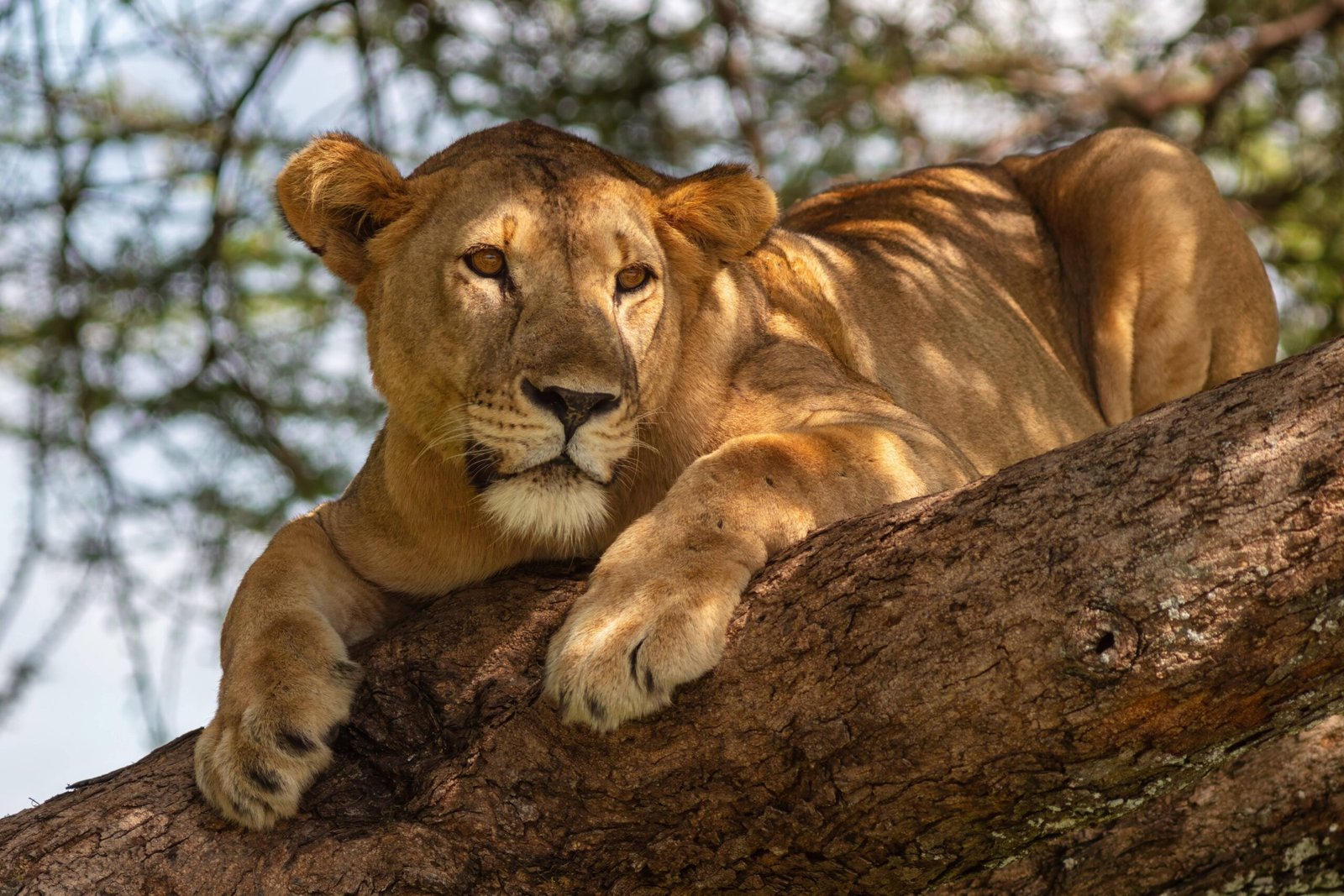
With all Asiatic lions descended from a tiny group of survivors, their gene pool is dangerously shallow. This genetic bottleneck makes them more susceptible to diseases and birth defects. Scientists worry that inbreeding may reduce fertility, weaken immune systems, and threaten the long-term health of the population. Conservationists compare it to a family tree with too few branches—beautiful but fragile, and at risk of being toppled by a single storm.
Translocation: A Controversial Solution
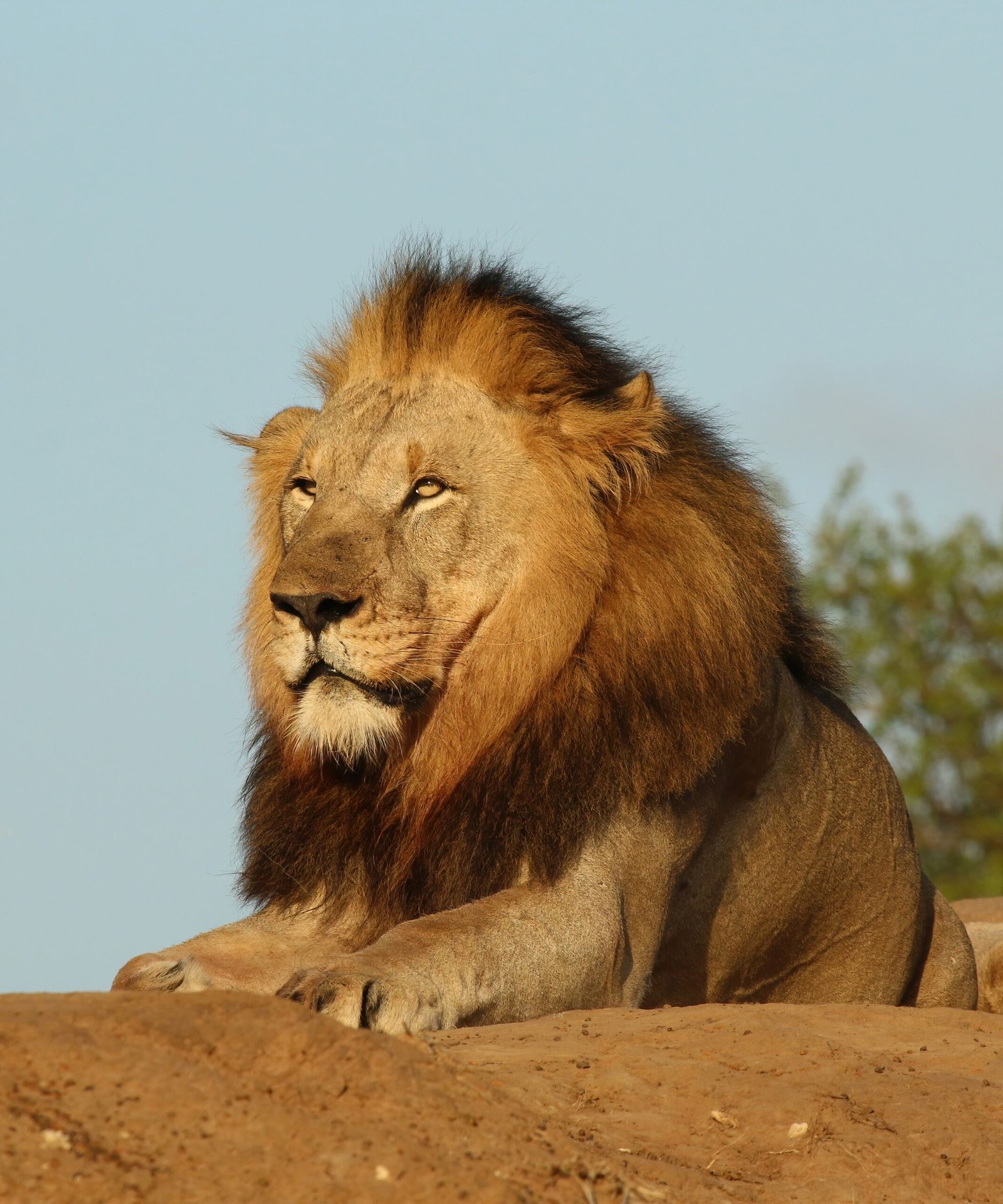
To safeguard the future of Asiatic lions, experts have proposed moving some to other reserves in India, like Kuno National Park in Madhya Pradesh. The idea is to create a “second home” in case disaster strikes Gir. However, the plan is tangled in legal disputes, political resistance, and local concerns. Some leaders in Gujarat worry about losing their iconic lions, while others question whether the new habitat is truly suitable. It’s a debate that pits science against sentiment, tradition against change.
Ecotourism: Boon or Bane?
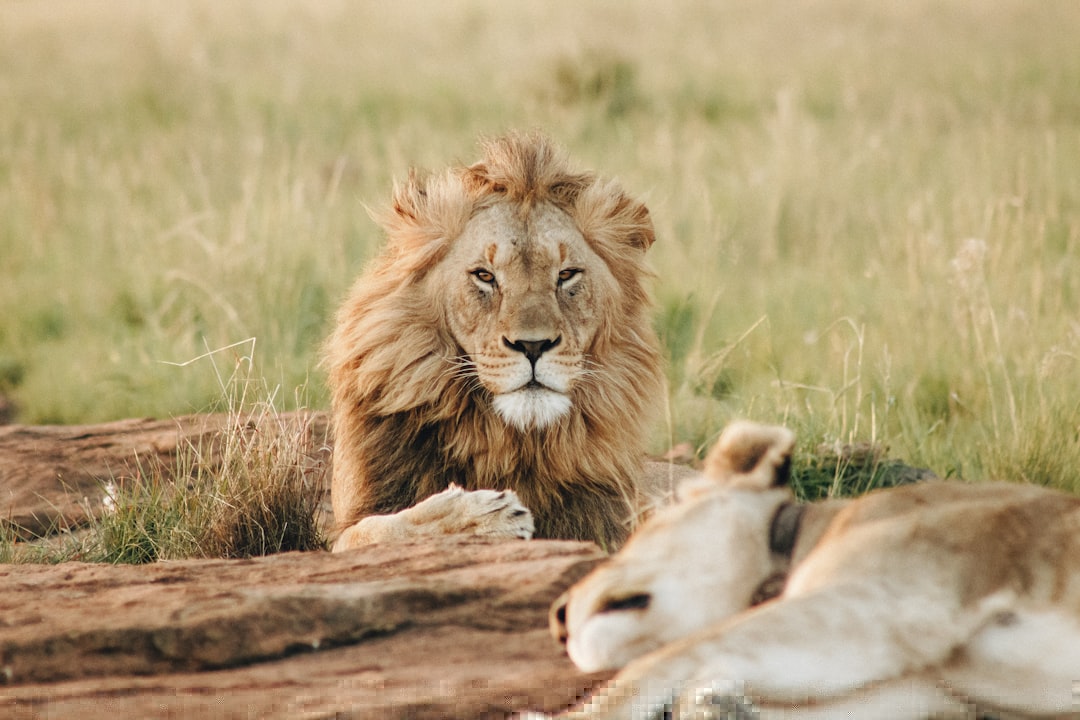
Gir’s lions attract thousands of tourists each year, bringing much-needed revenue to local communities. Safari jeeps weave through the forest, their passengers clutching cameras and binoculars. While ecotourism supports conservation, it also brings risks—disturbing wildlife, littering, and overcrowding. Striking the right balance between profit and protection is an ongoing challenge. When managed responsibly, tourism can be a lifeline for both people and lions, but unchecked, it could become a double-edged sword.
The Role of Local Communities
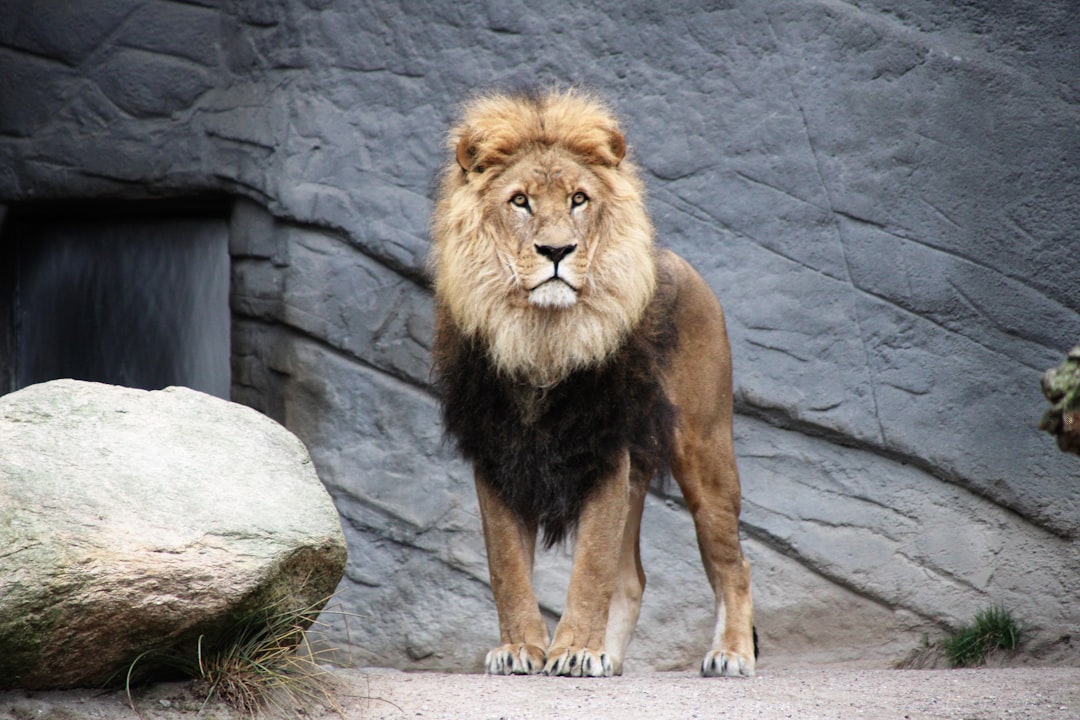
The people living around Gir are more than bystanders—they’re partners in conservation. Many are members of the Maldhari community, traditional herders who graze their cattle in the forest. Over time, some have adapted by building lion-proof livestock enclosures and participating in compensation programs for lost animals. These grassroots efforts have transformed former adversaries into guardians of the lions, proving that conservation works best when it includes everyone.
Innovative Conservation Techniques
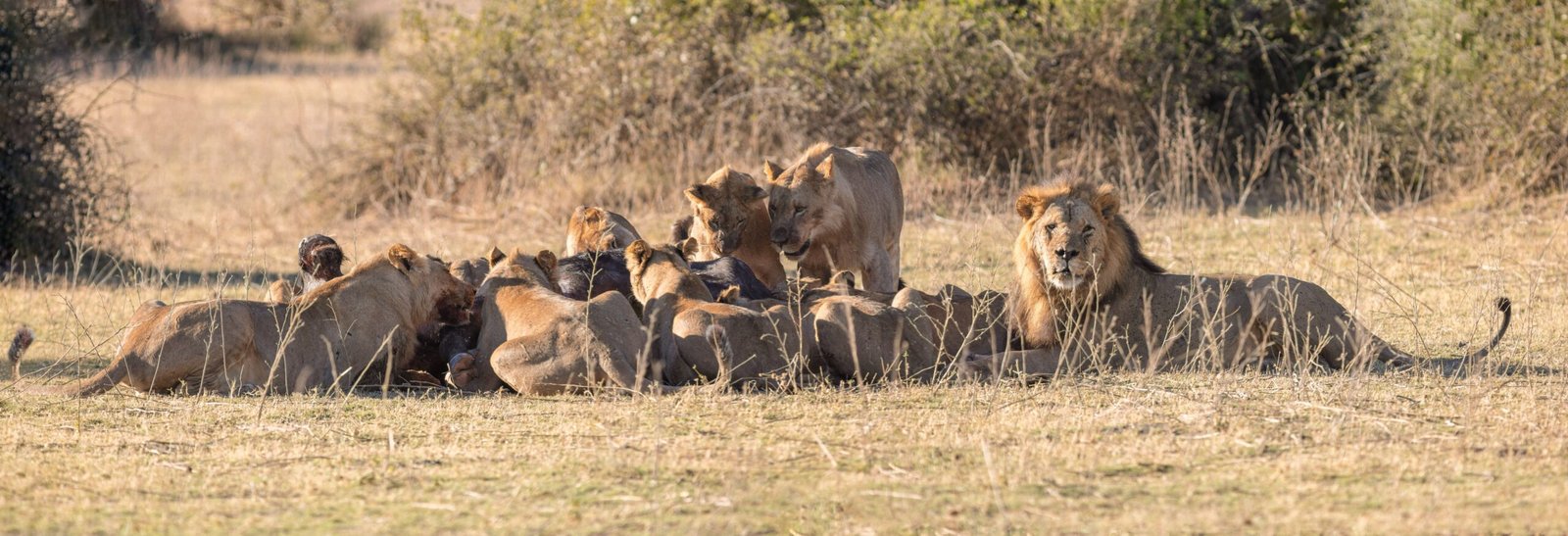
Modern technology is now a vital tool in Gir’s conservation arsenal. Camera traps, radio collars, and satellite tracking allow researchers to monitor lion movements and health in real time. Drones help patrol vast tracts of forest, spotting poachers and lost animals. Veterinary teams are on call to treat injured or sick lions. These innovations blend ancient wisdom with cutting-edge science, offering new hope for the world’s rarest lions.
Lions Beyond Gir: The Struggle to Expand
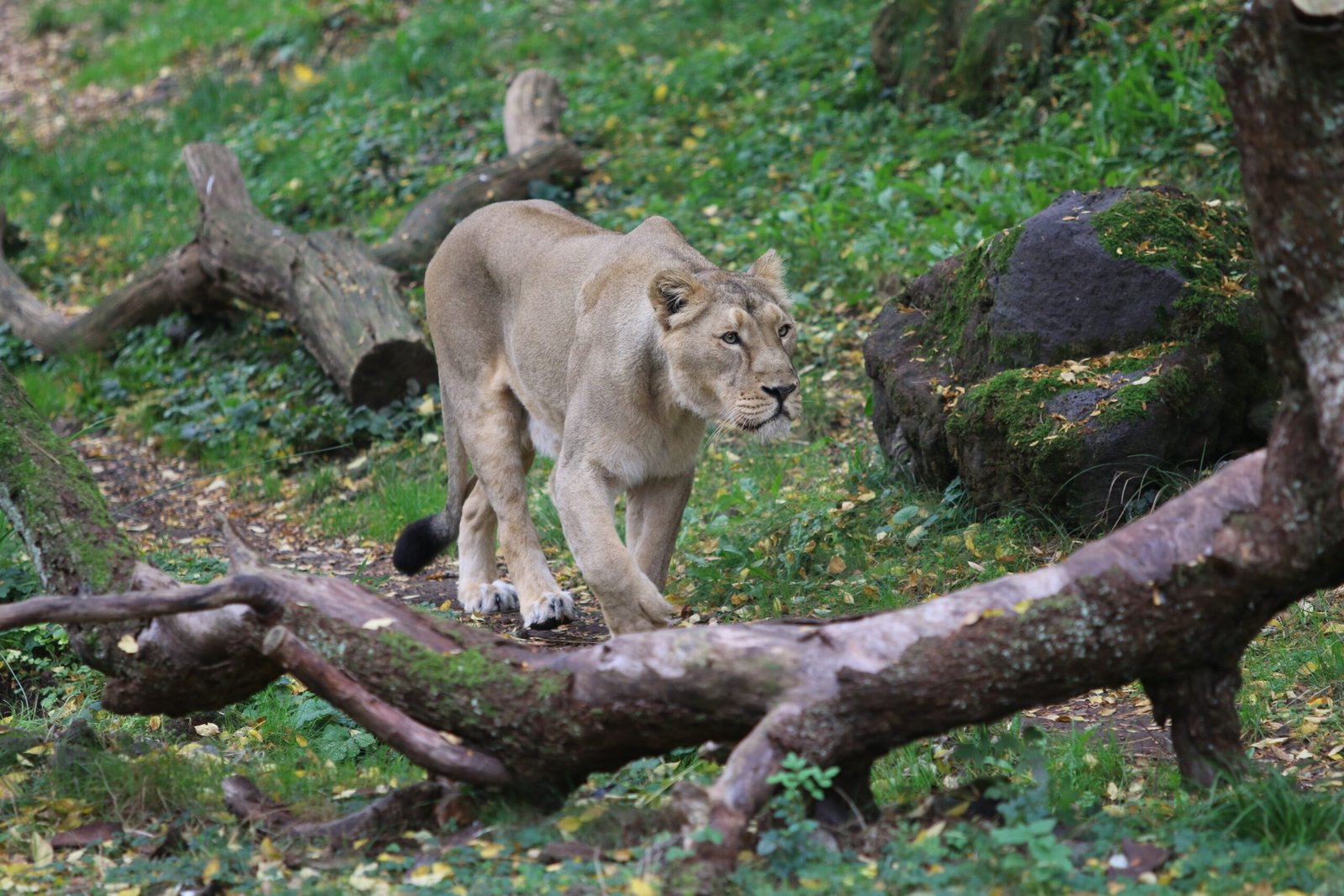
As lion numbers grow, some have dispersed far beyond Gir’s boundaries, roaming as far as coastal beaches and cultivated fields. While this expansion is a sign of success, it raises new challenges—how to manage lions in human-dominated landscapes, and how to ensure their safety outside protected areas. Wildlife corridors, safe passageways that connect habitats, are being explored as solutions, allowing lions to roam without risking deadly encounters with highways or trains.
Climate Change: An Unseen Enemy
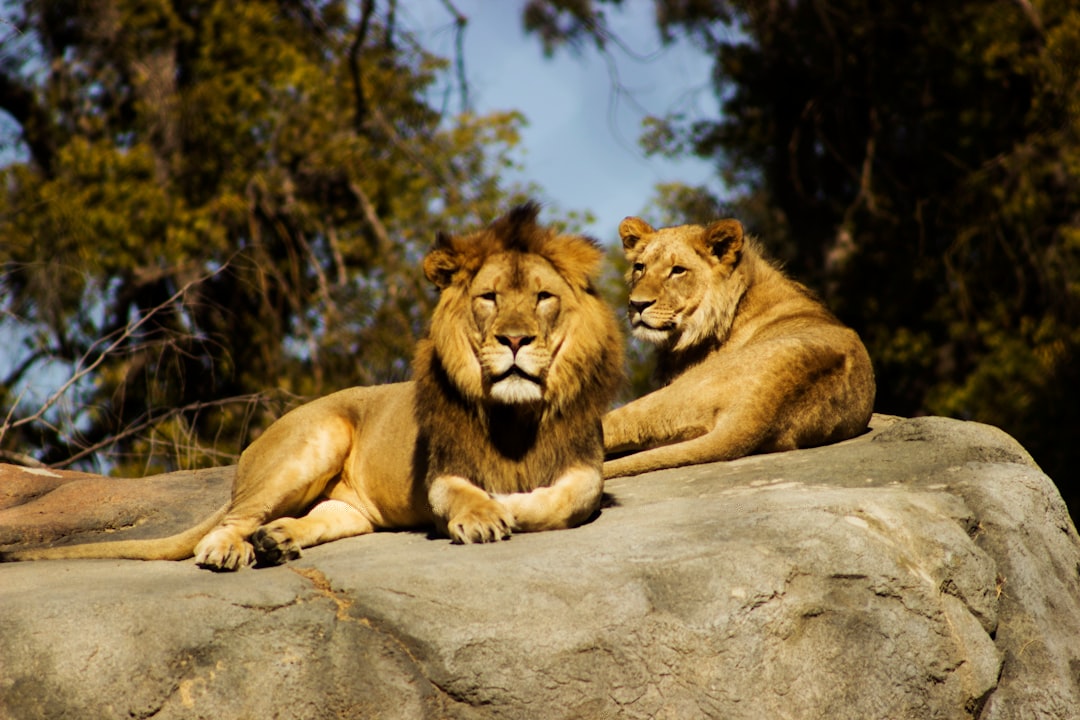
The specter of climate change looms over Gir like a gathering storm. Rising temperatures, erratic rainfall, and drought threaten the forest’s delicate balance. Waterholes dry up, vegetation changes, and prey animals become scarce. Scientists fear that climate stress could push lions to search for new territories, increasing conflict with people and exposure to dangers outside the sanctuary. Preparing Gir and its lions for a warming world is now an urgent priority.
Lessons from Africa: What Can Be Learned?
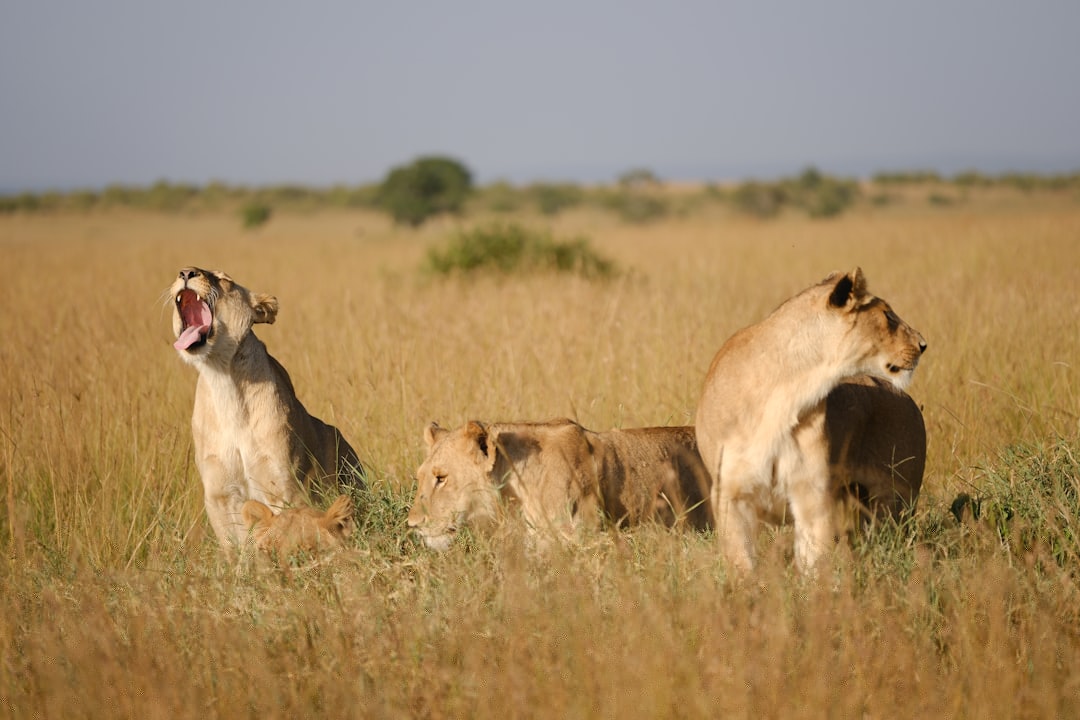
Africa’s lion populations face many of the same challenges—poaching, habitat loss, and conflict with humans. Conservationists in India study African strategies, from community-based projects to anti-poaching patrols and wildlife corridors. Yet, the unique history and culture of India’s lions demand solutions tailored to their specific needs. Collaborations with African experts allow for a cross-continental exchange of ideas, blending the best of both worlds to secure the future of Gir’s pride.
The Lion in Indian Culture and Identity
The Asiatic lion is woven into the fabric of Indian identity. It appears on the national emblem, symbolizing strength, courage, and justice. Stories of lions fill ancient epics, folk tales, and religious texts. For many Indians, the survival of the Gir lions is deeply personal—a matter of pride and cultural continuity. Their story is not just about wildlife, but about what it means to be Indian in an ever-changing world.
The Next Generation: Inspiring Youth and Future Stewards
Education programs in schools and communities around Gir are planting seeds of conservation in young minds. Children learn about the importance of lions, the role they play in ecosystems, and the threats they face. Many dream of becoming forest rangers or wildlife biologists. By inspiring the next generation of stewards, conservationists hope to ensure that Gir’s lions will always have defenders, both today and tomorrow.
Global Significance: Why the World Should Care
The battle for the Asiatic lion is not just India’s story—it’s a chapter in the global fight to save Earth’s wildlife. Each lion in Gir represents a victory against extinction, a beacon of hope for countless other endangered species. Their survival proves that with determination, cooperation, and heart, humanity can undo some of the damage it has caused. The world watches Gir not just for its lions, but for inspiration in the face of overwhelming odds.
A Roar That Must Not Be Silenced
The tale of the Gir lions is more than a conservation story; it’s a testament to resilience, courage, and the power of collective action. Their survival is a fragile miracle, a living thread connecting past, present, and future. The question that remains is simple yet profound: Will we rise to protect this legacy, or let the last lion’s roar fade into memory?