Imagine a creature so cunning, so eerie, that it can turn a living animal into a perfectly obedient puppet—a zombie under its spell. This isn’t science fiction or the plot of a horror film. Deep in gardens, forests, and even urban backyards, a real-life drama unfolds as the emerald jewel wasp (Ampulex compressa) transforms cockroaches into mindless slaves. It’s a story of biological manipulation that seems too bizarre to be true, yet it’s happening right beneath our feet. If you think you’ve seen nature at its weirdest, wait until you meet the wasp that rewires brains and controls bodies with chilling precision.
The Emerald Jewel Wasp: Nature’s Hypnotist
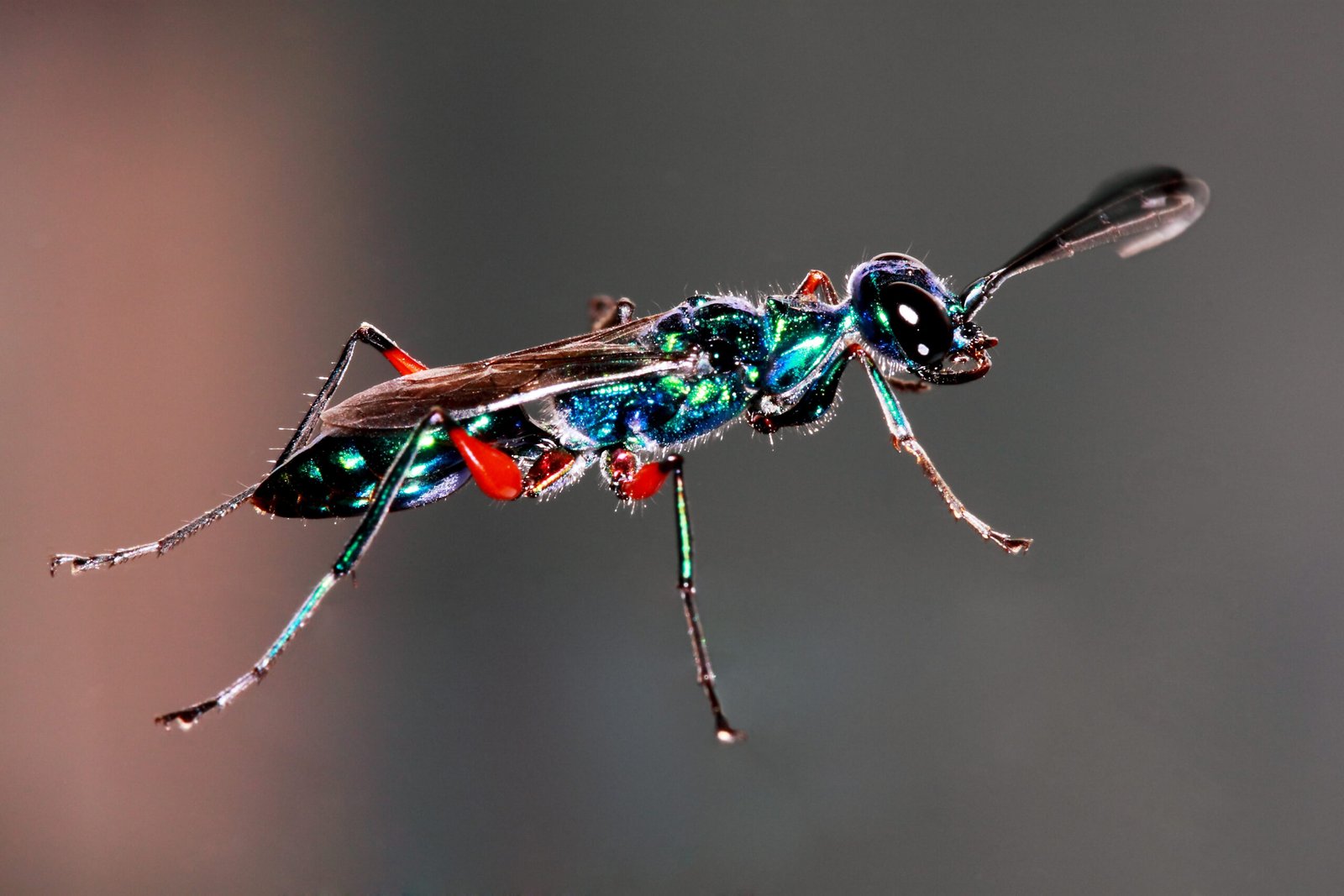
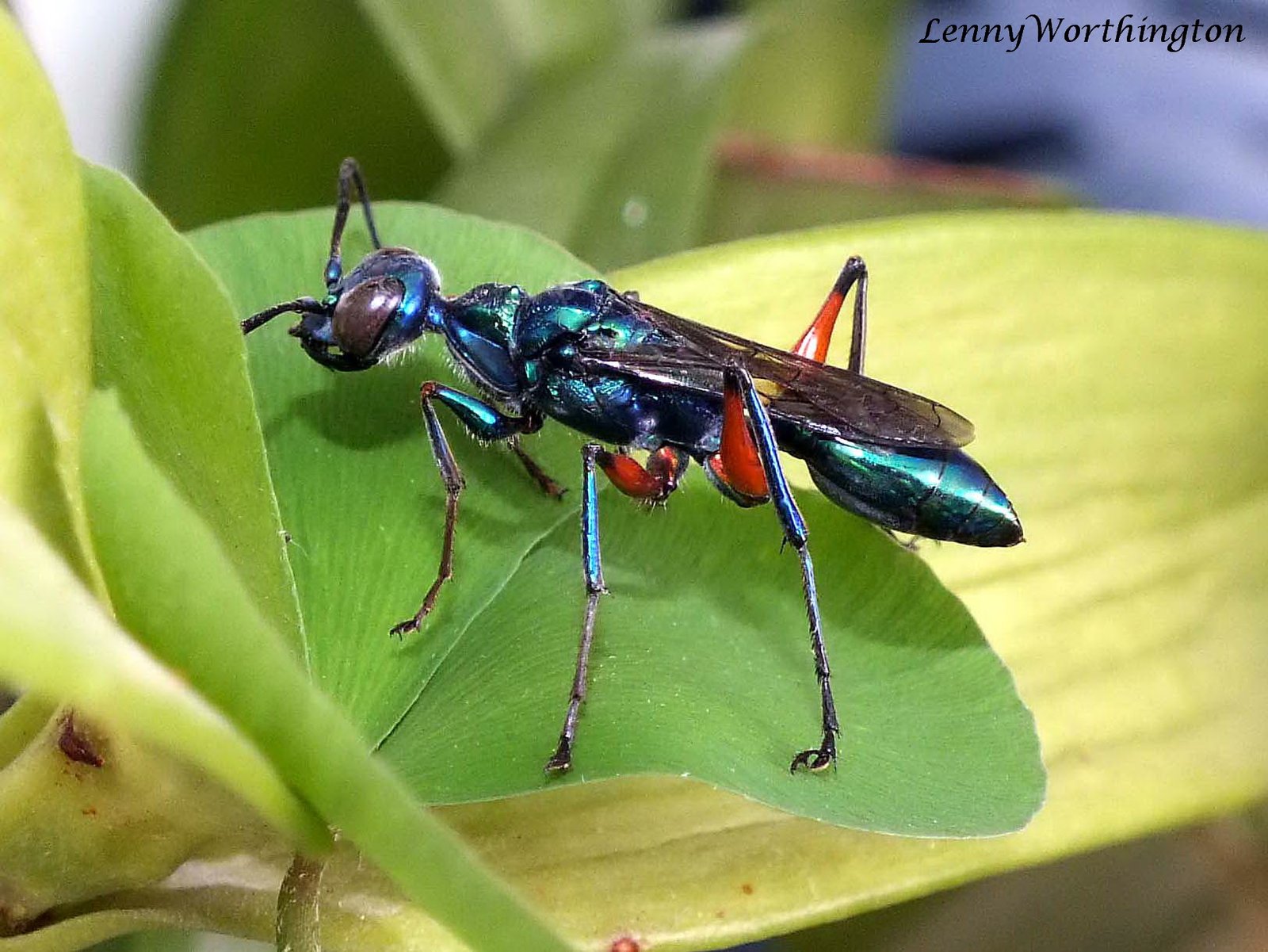
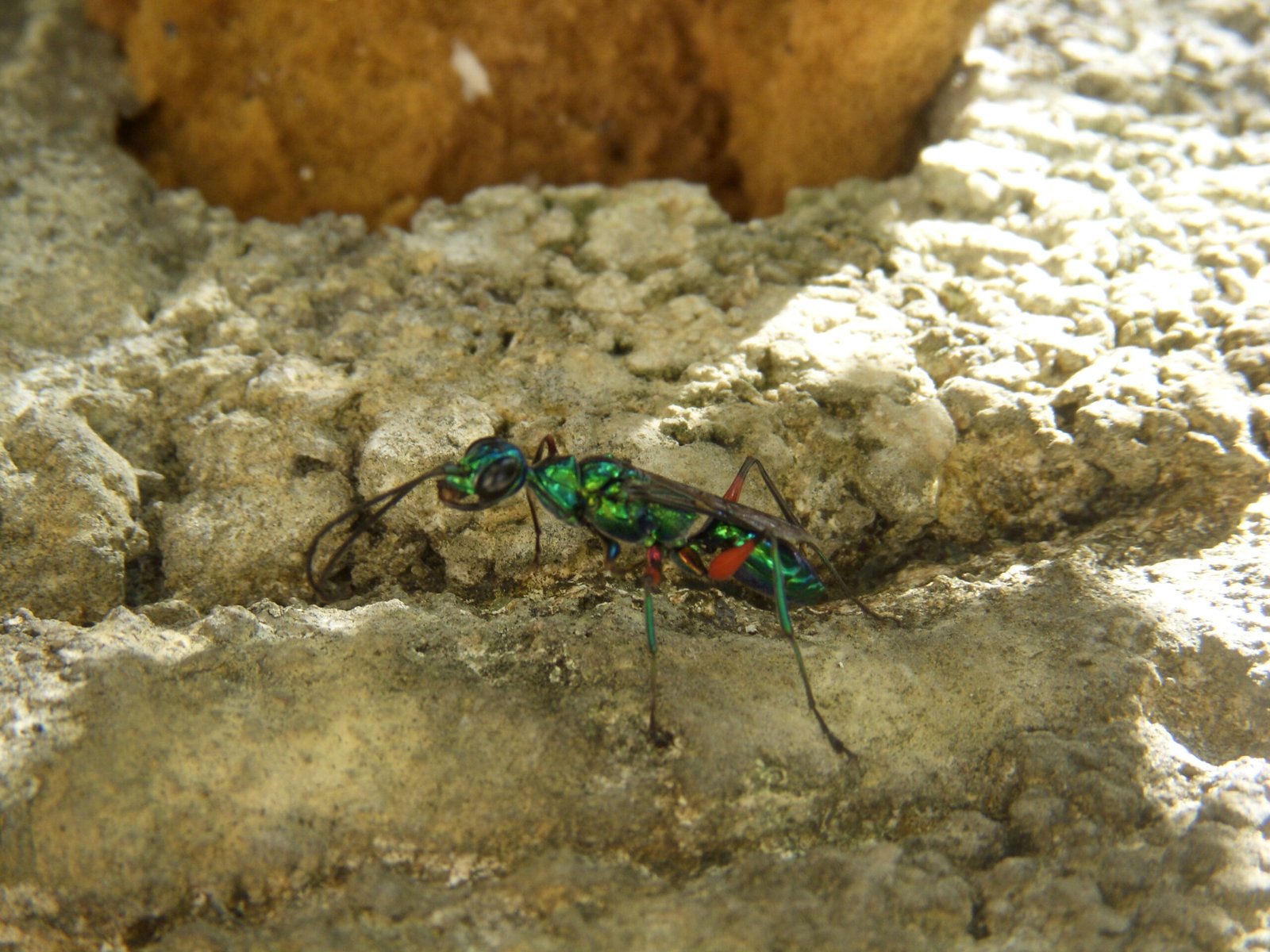
The emerald jewel wasp is an insect that looks as stunning as its name suggests. Its metallic green-blue body glints in the sunlight, making it one of the most beautiful wasps in the world. But don’t let its jewel-like appearance fool you. This wasp holds a secret power that’s nothing short of extraordinary—mind control. Unlike most predators that simply hunt and kill, the emerald jewel wasp takes a more sinister approach. It doesn’t just kill its prey; it takes over its mind, bending it to its will. This remarkable ability has made the wasp a subject of fascination among scientists and nature enthusiasts alike.
The Cockroach: An Unlikely Victim
Cockroaches are famous for their resilience. They can survive radiation, go weeks without food, and slip through the tiniest cracks. But even these tough survivors are no match for the emerald jewel wasp. When targeted by the wasp, a cockroach’s natural defenses seem almost useless. The wasp’s strategy is not about brute force; it’s about psychological warfare. The cockroach, usually quick to scurry away, becomes strangely docile under the wasp’s influence. It’s one of the most shocking role reversals in the insect world.
A Deadly Encounter: The Initial Attack
The drama begins when the emerald jewel wasp spots its prey. With incredible speed, the wasp pounces on the cockroach, grabbing it with its spiny legs. The cockroach struggles, but the wasp’s grip is strong and unyielding. Next comes the wasp’s secret weapon: its stinger. But this isn’t just any sting. The wasp delivers a precise, calculated jab directly into the cockroach’s thorax, temporarily paralyzing its front legs. This first sting is just the beginning of the horror for the cockroach.
The Precision Sting: Targeting the Brain
What makes the emerald jewel wasp truly remarkable is its ability to inject venom with surgical accuracy. After the first sting, the wasp finds its way to the cockroach’s head. Using sensors on its antennae, it locates a very specific spot in the cockroach’s brain—the area that controls escape and movement. With astonishing precision, the wasp drives its stinger through the cockroach’s neck and injects its venom. This venom doesn’t kill. Instead, it shuts down the cockroach’s will to run or resist, turning it into a passive, compliant host.
The Science of Mind Control: How the Venom Works
The venom of the emerald jewel wasp is a complex cocktail of chemicals. Scientists have discovered that it targets neurotransmitters in the cockroach’s brain, especially those linked to motivation and movement. By blocking these signals, the venom essentially removes the cockroach’s desire to escape. Imagine feeling awake and aware, but unable to summon the will to move. That’s the nightmarish reality for the cockroach. This form of mind control is so effective that the cockroach obeys the wasp’s every command, following along like a pet on a leash.
Leading the Zombie: The Wasp’s Next Move
With the cockroach now under its control, the emerald jewel wasp grabs one of its antennae and begins to lead it away. This might sound like a scene from a fantasy novel, but it’s all too real. The cockroach, powerless to resist, walks in a slow, robotic manner as the wasp pulls it toward a pre-dug burrow. It’s a chilling sight—a living insect being led by another as if hypnotized. This stage is crucial, as the wasp needs the cockroach alive but docile for what comes next.
The Living Tomb: Preparing the Nursery
Once inside the burrow, the emerald jewel wasp takes extra precautions. It often trims the cockroach’s antennae, sipping the fluid that comes out—almost like a sinister trophy. Then, in a final act of control, the wasp lays a single egg on the cockroach’s leg. The burrow is sealed up, trapping the cockroach inside with just enough air to keep it alive. This isn’t just a prison—it’s a carefully prepared nursery for the wasp’s offspring.
The Larva Emerges: The Grim Fate of the Cockroach
Within a couple of days, the wasp’s egg hatches into a hungry larva. The cockroach, still alive but helpless, becomes a fresh, living buffet. The larva burrows into the cockroach’s body, carefully eating its organs in a specific order to keep it alive as long as possible. It starts with the least vital tissues, saving the heart and nervous system for last. This gruesome method ensures that the larva has fresh food for days, all while the cockroach remains alive but paralyzed—a true zombie.
The Transformation: From Larva to Wasp
Over the next week or so, the larva continues to feed and grow inside its living host. Eventually, it forms a cocoon within the hollowed-out shell of the cockroach. Here, it undergoes metamorphosis, transforming from a larva into an adult wasp. The cockroach, by this point, is nothing more than an empty husk. When the transformation is complete, the new adult wasp emerges from the burrow, ready to start the cycle all over again.
The Evolutionary Arms Race
The relationship between the emerald jewel wasp and the cockroach is a classic example of an evolutionary arms race. Over millions of years, the wasp has evolved incredibly precise methods for controlling its prey, while cockroaches have developed quick reflexes and tough exoskeletons to evade attackers. Yet, the wasp’s mind-control strategy seems to give it a consistent edge. This ongoing battle between predator and prey is a powerful reminder of just how inventive and ruthless nature can be.
The Chemistry of Control: Venom Under the Microscope

Researchers have spent years dissecting the chemical makeup of the emerald jewel wasp’s venom. What they’ve found is nothing short of astounding. The venom contains a mix of peptides and neurotransmitter-blocking molecules that specifically target cockroach brain cells. It’s as if the wasp’s venom was custom-designed to override the cockroach’s free will. Understanding these chemicals could one day help scientists develop new medicines or even novel ways to control pests.
Behavioral Manipulation in the Animal Kingdom
The emerald jewel wasp isn’t alone in its mind-control abilities. Nature is filled with parasites and predators that manipulate the behavior of other animals. For instance, the lancet liver fluke makes ants climb grass stalks so they’ll be eaten by cows, continuing the parasite’s life cycle. The fungus Ophiocordyceps turns ants into “zombies” that march to their deaths. But few examples are as dramatic and precise as the emerald jewel wasp’s control over the cockroach.
Why Cockroaches? The Perfect Host
You might wonder why the wasp targets cockroaches and not other insects. The answer lies in the cockroach’s size, resilience, and ample supply. Cockroaches provide the perfect combination of durability and nutrients for the wasp’s developing larvae. Their ability to survive for days without food or water means they stay alive long enough for the larva to complete its development. In this twisted relationship, the cockroach’s toughness becomes its downfall.
The Role of Scent: How the Wasp Finds Its Victim
Finding a cockroach in a bustling, busy environment isn’t easy. The emerald jewel wasp relies heavily on its sense of smell to track down its prey. Chemical cues in the air lead the wasp straight to hiding cockroaches. Once close, the wasp uses its antennae like tiny radar dishes, probing every crevice until it locates the perfect victim. This heightened sense of smell is crucial for the wasp’s survival, as its entire reproductive cycle depends on finding and subduing cockroaches.
Lessons From a Zombie Maker: Medical and Scientific Applications

The mind-control abilities of the emerald jewel wasp are inspiring more than just awe—they’re fueling cutting-edge research. Scientists are studying the wasp’s venom to develop new treatments for pain, neurological disorders, and even surgical anesthesia. By mimicking the wasp’s ability to selectively block certain brain signals, researchers hope to create safer, more targeted drugs. The wasp’s extraordinary biology is opening doors to medical breakthroughs that could benefit humans in surprising ways.
Nature’s Dark Genius: What the Wasp Teaches Us
The story of the emerald jewel wasp is more than a curiosity—it’s a window into the wild, unpredictable creativity of evolution. This tiny wasp challenges our ideas about intelligence, control, and even free will. What does it mean to be alive but not in control of your own actions? The wasp’s strategy raises deep questions about the nature of consciousness and the lengths to which life will go to survive. Nature’s “dark genius” is both horrifying and deeply fascinating, reminding us that the real world is often stranger than fiction.
The Ultimate Zombie Master: Awe and Fear in Equal Measure
As you walk through your garden or city park, you might never notice the emerald jewel wasp at work. Yet, this little insect is a true master of manipulation, capable of feats that seem to defy belief. The next time you see a cockroach, remember: somewhere out there, a wasp could be turning it into a mindless puppet. The emerald jewel wasp stands as one of nature’s most astonishing—and unsettling—creations. Just how many other secrets does the natural world still hold, waiting to be discovered?