If you think you’ve seen old, think again. Imagine discovering a living creature so ancient that it predates the invention of the light bulb, the steam engine, and even the first newspaper. Now picture this animal quietly existing, completely hidden from the world, inside a plain, unremarkable shell at the bottom of the ocean. That’s not a fantasy—it’s the real-life story of the oldest animal ever found. When scientists finally cracked open its shell, they didn’t just find an old clam. They unlocked a time capsule, a living relic whose story stretches back centuries, inviting us to rethink everything we know about life, time, and survival.
The Unexpected Discovery on the Ocean Floor
It all began with a routine expedition in the chilly waters off Iceland. Marine biologists were dredging the seafloor, collecting shellfish to study Earth’s complex underwater ecosystems. Among their haul was a small, weathered clam—unremarkable at first glance, just one of many. But in science, the ordinary often hides the extraordinary. This little mollusk, later named “Ming,” would soon stun the world with its secret. The researchers almost overlooked it, yet curiosity led them to take a closer look, changing our understanding of animal longevity forever.
The Mysterious Life of the Ocean Quahog
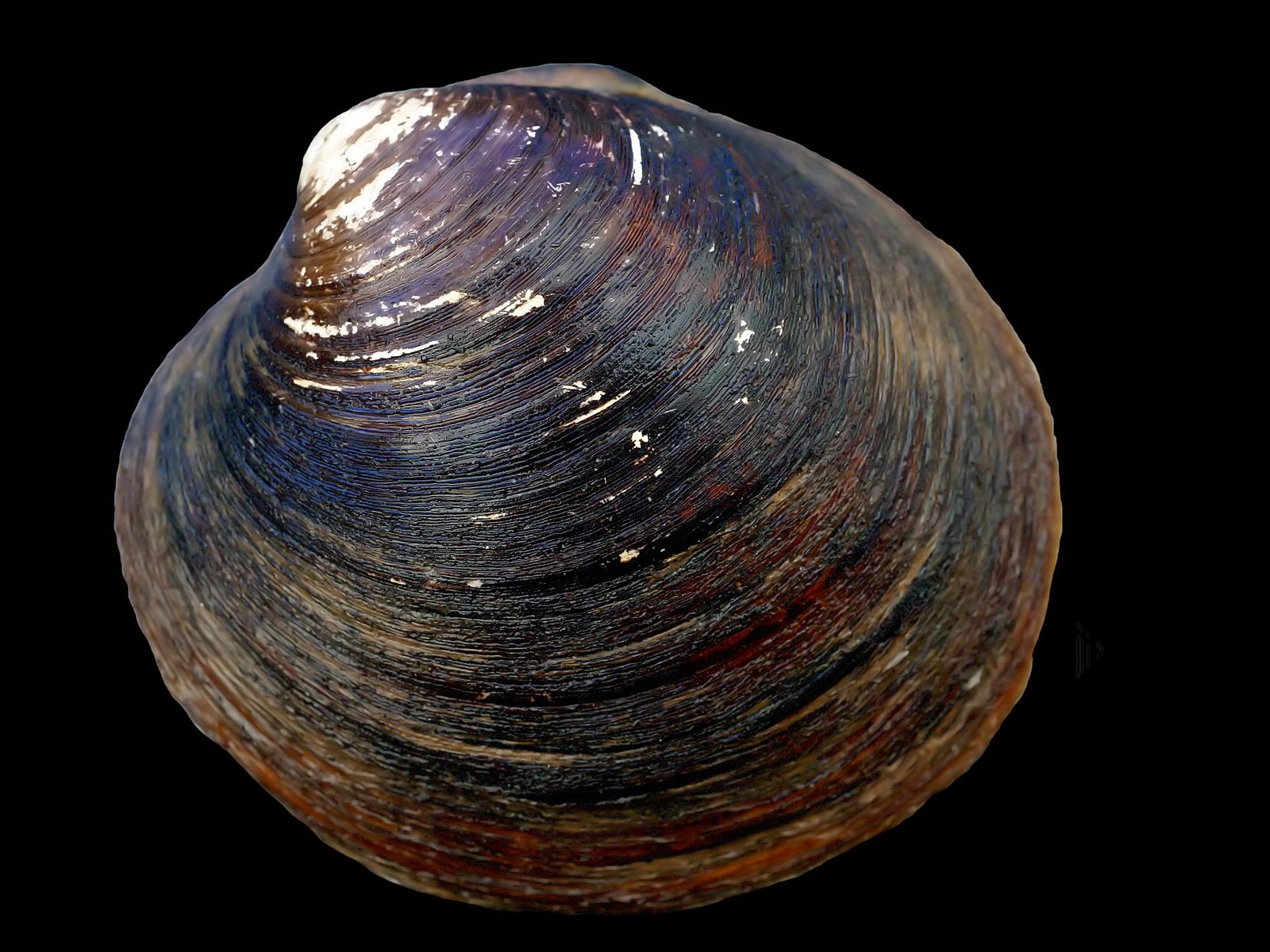
The unassuming star of this tale is the ocean quahog (Arctica islandica). Found in deep, cold waters of the North Atlantic, these clams are masters of survival. Unlike their flashier ocean neighbors, quahogs live quiet lives, buried in sand or mud, filter-feeding in near silence. Their shells grow slow and steady, layer by layer, much like tree rings, each line marking another year endured. To the casual observer, they’re forgettable. But beneath their dull exteriors lies a story of patience, resilience, and time itself.
Cracking the Code: How Scientists Measure Age
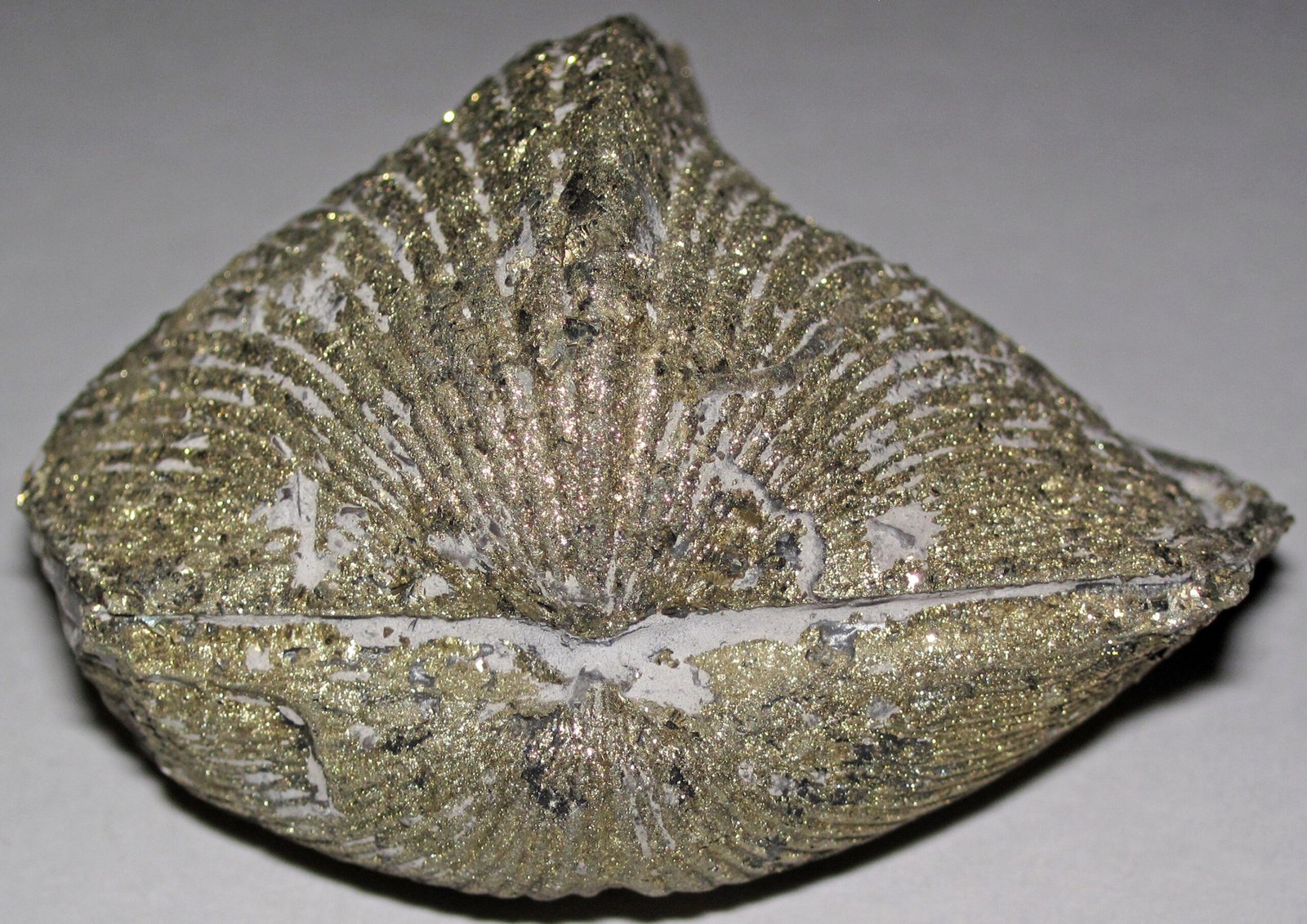
Just how do you tell the age of a clam? It’s not like they carry birth certificates. Marine scientists rely on a technique called sclerochronology, which is a bit like counting tree rings, but for shells. Each year, as the clam grows, it adds a new band to its shell. By carefully slicing and examining these shells under a microscope, experts can tally the years, sometimes revealing breathtaking ages. When they counted Ming’s shell bands, their jaws must have dropped—this clam was centuries old, quietly enduring the march of history.
Ming the Clam: The Oldest Animal Ever Recorded
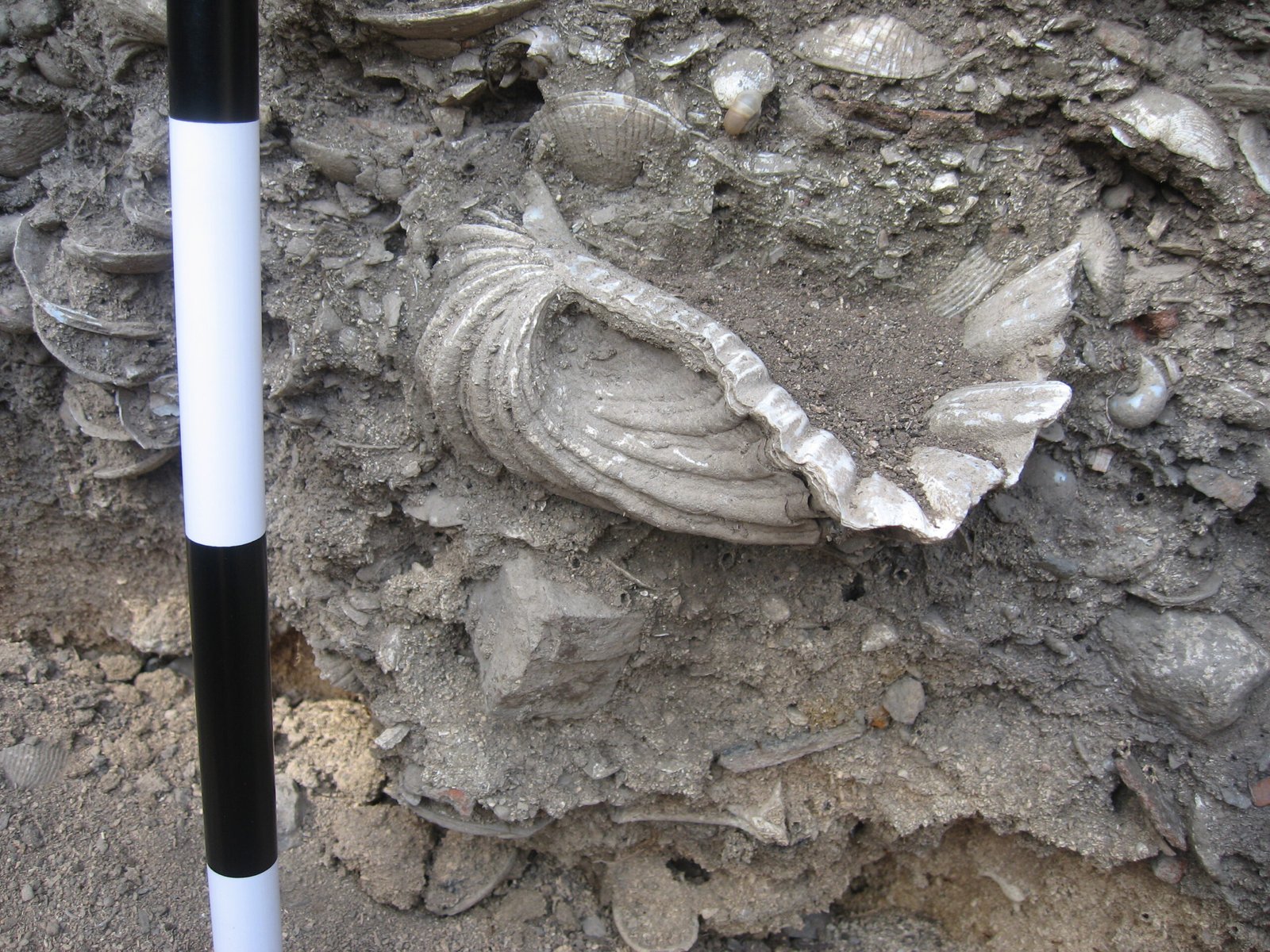
Ming’s story is as fascinating as it is humbling. When scientists finished counting, they realized Ming had lived for over 500 years. Born around 1499, Ming witnessed the rise and fall of empires, the birth of modern science, and countless human dramas—all while remaining firmly rooted in the mud. The name “Ming” was chosen because the clam’s estimated birth coincided with China’s Ming dynasty, adding a poetic twist to its tale. Imagine a creature so long-lived it could have “remembered” the days of Leonardo da Vinci!
What Life Was Like Centuries Ago — Through a Clam’s Eyes
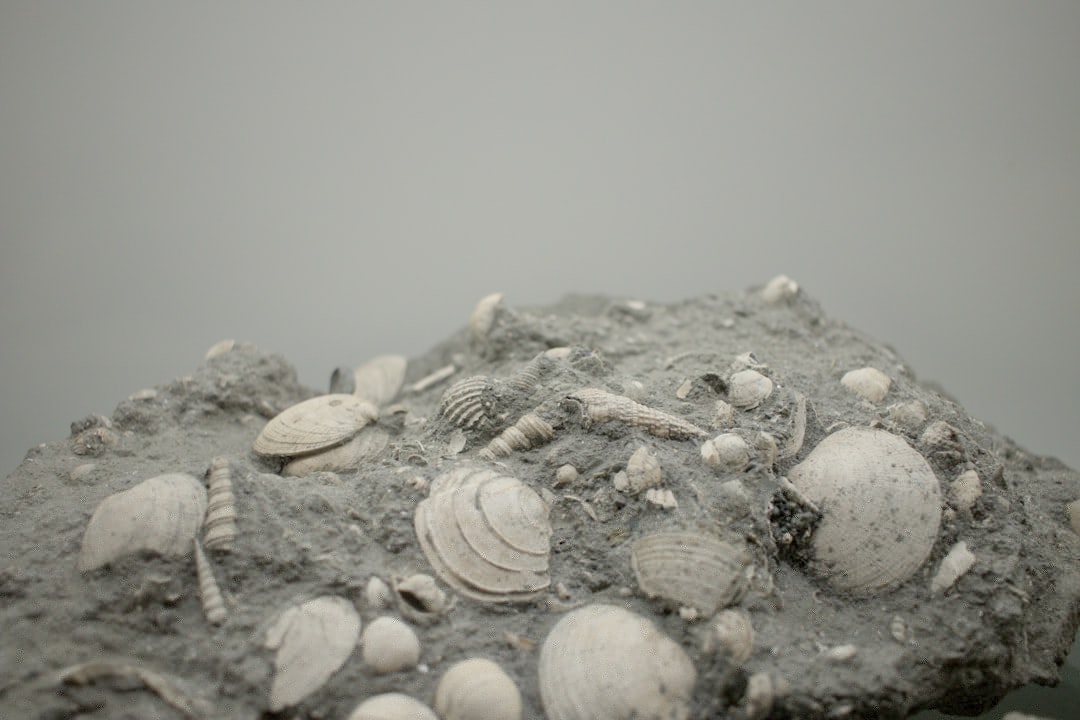
It’s mind-boggling to imagine what the world was like when Ming was just a tiny, vulnerable clam. The oceans teemed with whales, forests covered much of Europe, and the world’s population was a fraction of today’s. While humans were writing letters with quill pens, Ming was already hunkered down in the darkness, filter-feeding and quietly growing. Every year, its shell thickened, narrating a silent story of survival against the odds.
The Science of Longevity: How Did Ming Survive So Long?
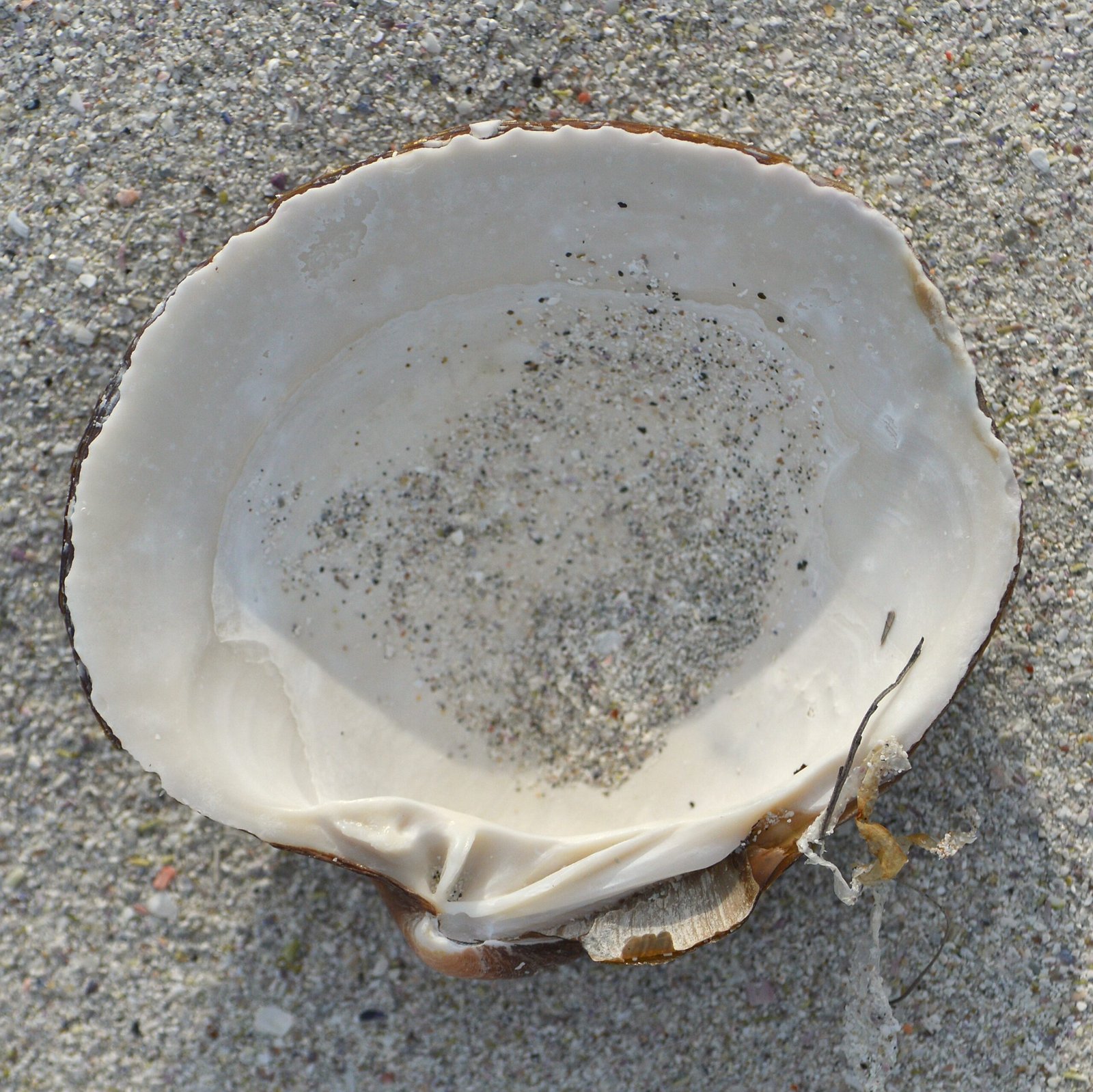
What’s Ming’s secret? The ocean quahog’s extraordinary lifespan is more than just luck. Scientists believe their cold, stable habitats slow down their metabolism, reducing cellular wear and tear. Unlike warm-blooded animals, these clams don’t expend much energy, so their bodies age at a snail’s pace. Their shells offer robust protection, and they face fewer predators in the frigid depths. This slow and steady lifestyle is the biological equivalent of taking life one careful step at a time.
What Ming Taught Us About Aging
Ming’s discovery didn’t just break records—it challenged our understanding of aging itself. Researchers flocked to study its tissues, hoping to unlock clues about why some animals live far longer than others. Were there special genes at work? Could these mechanisms help humans live longer, healthier lives? Ming became a celebrity in scientific circles, its cells and shell fragments passed from lab to lab like precious artifacts, fueling new questions and sparking fresh curiosity.
The Tragic Twist: Ming’s Untimely End
There’s a bittersweet irony at the heart of Ming’s story. In the process of determining its age, scientists unwittingly ended Ming’s life by opening its shell. The discovery that brought Ming into the spotlight also marked its demise. This realization brought a wave of regret but also highlighted the difficult choices researchers face when balancing discovery with preservation. Sometimes, the very act of learning costs us the things we cherish most.
The Importance of Shells: Nature’s Time Capsules
Shells are more than just houses for clams—they’re biological diaries. Every layer records a year of growth, along with tiny chemical clues about the environment at the time. By analyzing these layers, scientists can reconstruct past climates, water temperatures, and even pollution levels. Ming’s shell, for example, offered a direct, unbroken timeline of ocean history stretching back five centuries, making it one of the most valuable natural records ever found.
How Ocean Quahogs Are Studied Today
Since Ming’s discovery, researchers have become more careful and creative in their techniques. Non-destructive methods allow scientists to estimate ages without harming the animals. Tiny shell samples, careful imaging, and even advanced scanning technology help unlock secrets while keeping these ancient beings alive. The lessons learned from Ming have shaped how marine biology is practiced, emphasizing respect and caution when studying the oldest creatures on Earth.
What Other Animals Rival Ming’s Longevity?
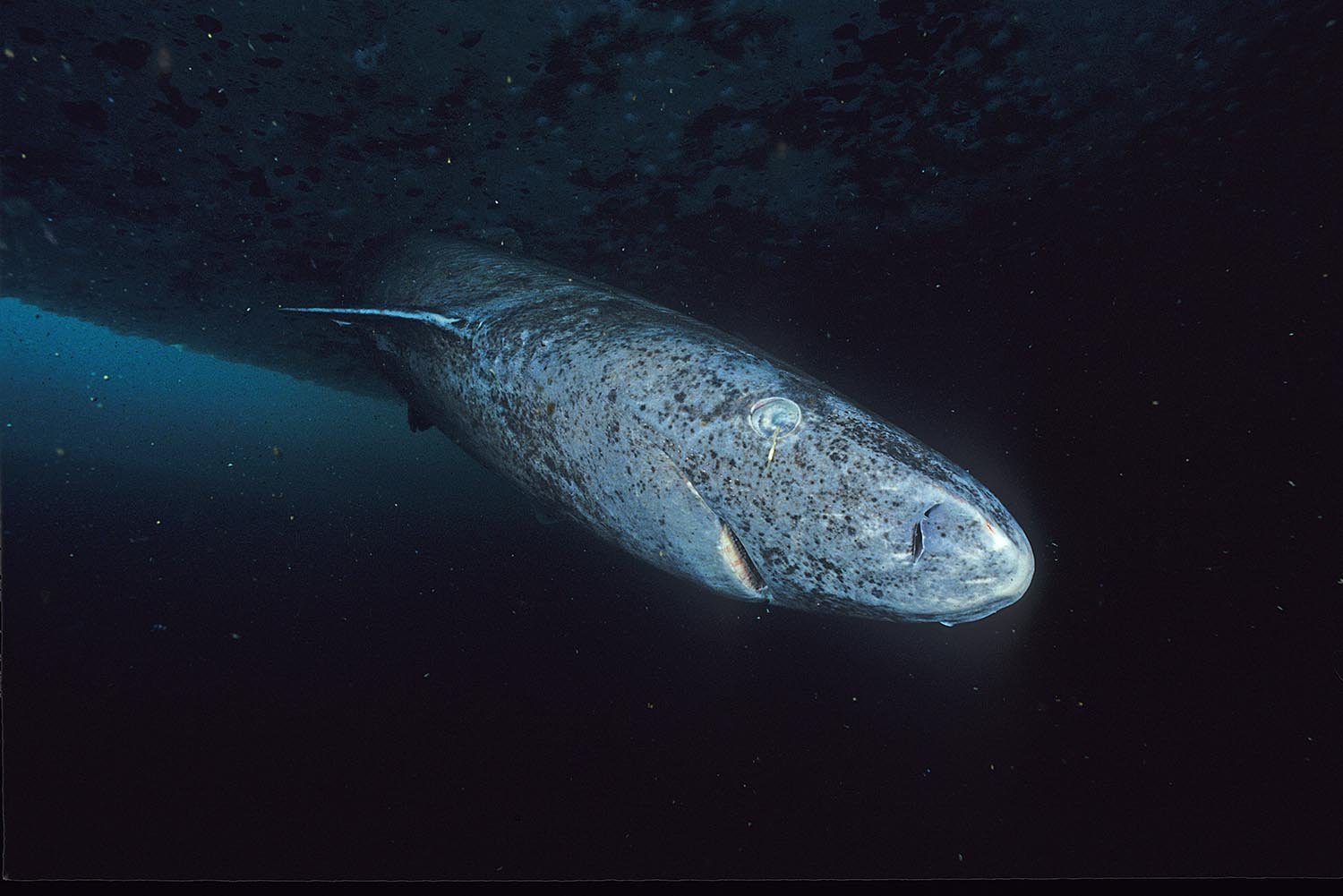
Ming isn’t alone in the quest for immortality. There are other contenders lurking in the world’s oceans. Greenland sharks, for example, can live up to 400 years, and certain Antarctic sponges may survive for thousands. But few can match the verifiable, year-by-year record preserved in a quahog’s shell. Each of these animals has evolved unique tricks to slow down time, but Ming remains the undisputed champion of documented longevity.
The Role of Cold, Deep Oceans in Life Extension
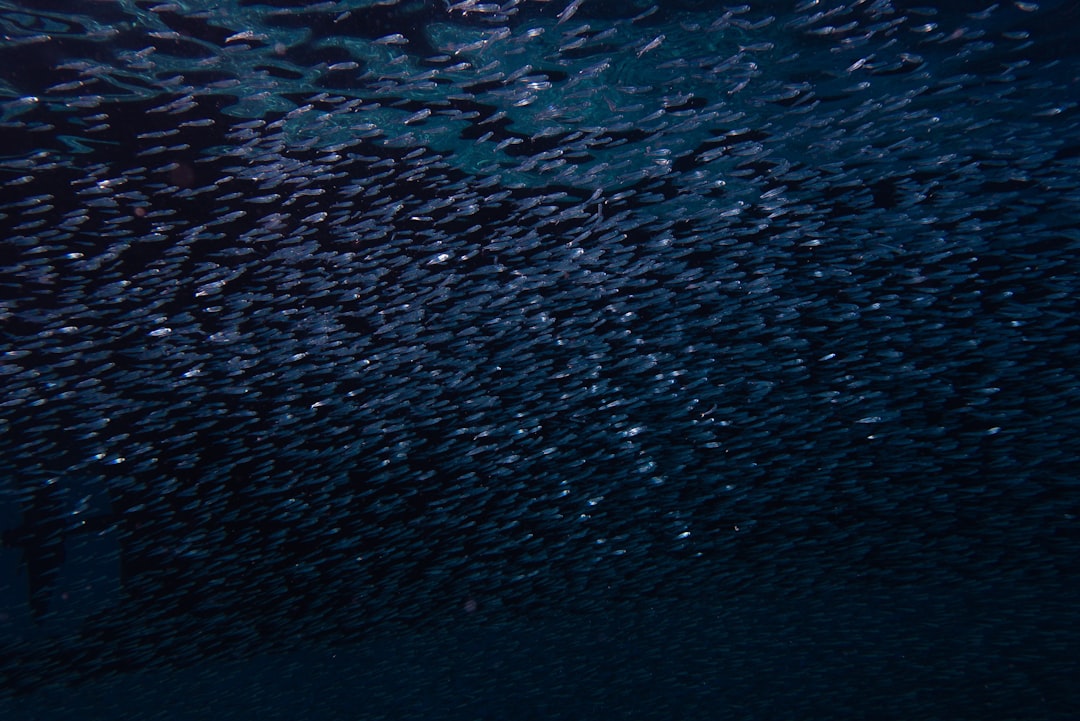
Cold, deep waters are like natural refrigerators, preserving life in slow motion. The creatures living there have adapted to the chill with slow metabolisms and long lifespans. It’s as if time itself moves differently in these shadowy depths. The ocean quahog thrives where other animals struggle, sheltered from storms and predators. This environment may be harsh, but it’s also a sanctuary for Earth’s most ancient living beings.
What We Can Learn from Ancient Creatures
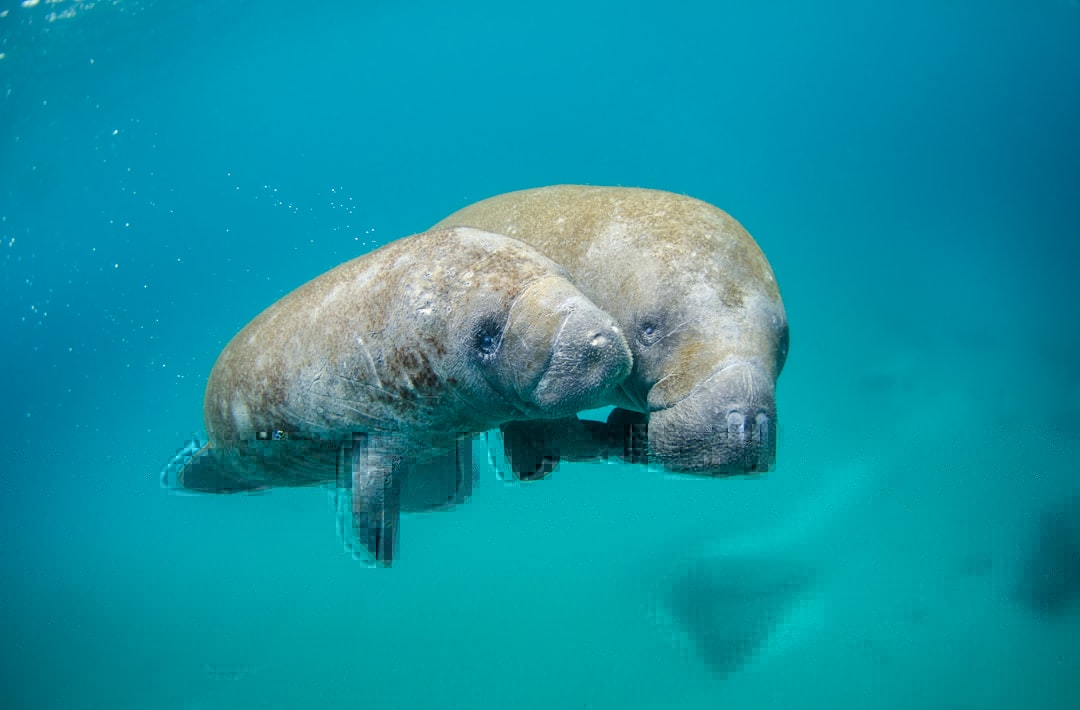
Studying animals like Ming is more than an exercise in curiosity. Their remarkable longevity teaches us about resilience, adaptation, and the hidden possibilities of life on Earth. These creatures survived ice ages, wars, and natural disasters, all while maintaining their quiet routines. In a world obsessed with speed and change, Ming’s story is a gentle reminder of the power of patience and the beauty of endurance.
How Climate Change Threatens Ancient Ocean Life
Sadly, the world that allowed Ming to flourish is rapidly changing. Warming waters, ocean acidification, and pollution threaten the delicate balance that supports long-lived species. Ocean quahogs and other ancient animals are now at risk, their homes disrupted by human activity. Protecting these creatures isn’t just a matter of curiosity—it’s a test of our responsibility to preserve Earth’s living history for future generations.
Preserving the Legacy of Ming and Other Ancient Animals
Museums and research centers now treasure Ming’s shell as both a scientific marvel and a symbol of our connection to deep time. Educational programs use Ming’s story to inspire awe and respect for ocean life. These relics remind us that every creature, no matter how humble, can hold the key to mysteries we’ve yet to imagine. Ming’s legacy lives on, not just in laboratories, but in the hearts and minds of everyone who hears its story.
The Enduring Mystery: Are There Even Older Creatures Waiting to Be Found?

If one clam could live for over 500 years, what else is hiding in the unexplored corners of our planet? The ocean is vast and mysterious, its depths still largely uncharted. Somewhere, another ancient animal may be patiently waiting its turn in the spotlight. The search continues, fueled by curiosity and wonder, as scientists scan the seafloor for the next record-breaker, hoping to crack open another secret of time.