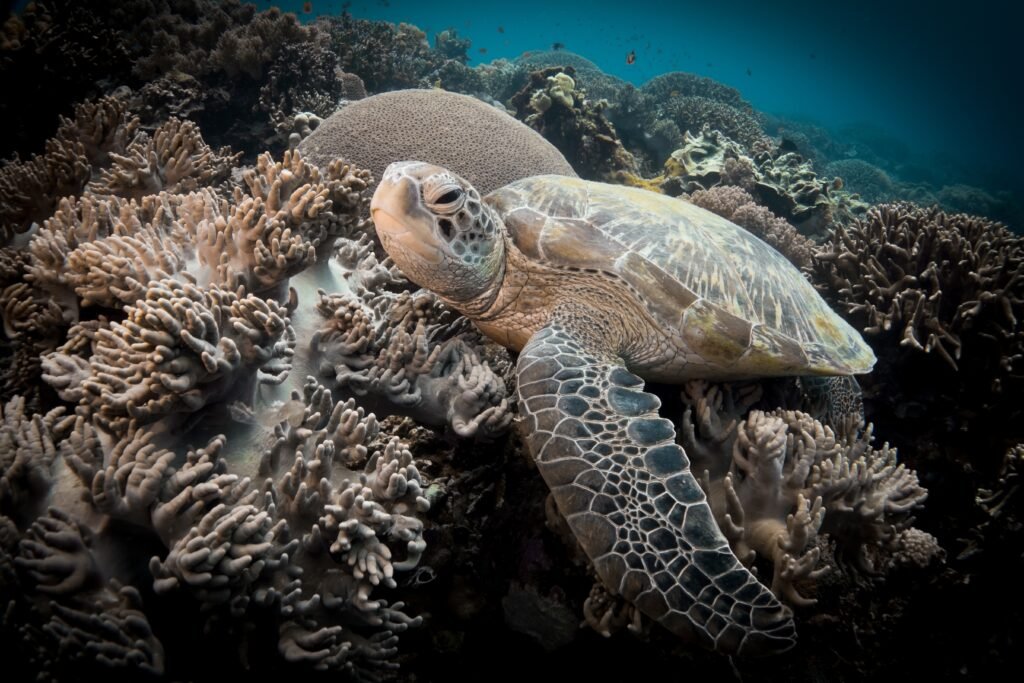
Imagine drifting across thousands of miles of open ocean, guided only by the sun, stars, and mysterious forces we’re just beginning to understand. For marine turtles, this remarkable journey isn’t just a feat of survival—it’s a breathtaking ballet performed by some of Earth’s oldest wanderers. Each year, on World Turtle Day, we honor these ancient mariners, but their stories go far beyond the sandy beaches and turquoise waves we picture on postcards. Let’s plunge beneath the surface and explore the dazzling science behind marine turtle migration, a phenomenon as wondrous as any myth, yet grounded in hard-earned scientific discovery.
The Ancient Lineage of Marine Turtles
Marine turtles are living fossils, tracing their ancestry back over 100 million years to the time of the dinosaurs. These resilient reptiles have weathered ice ages, shifting continents, and mass extinctions. Today’s seven species—including the iconic leatherback and green turtle—carry the legacy of survival in their DNA. When you look into a turtle’s wise, deep-set eyes, you’re peering into a lineage that’s seen the world change in unimaginable ways. Their biology has been finely honed by evolution, preparing them for the epic migrations that are central to their lives.
What Makes Marine Turtle Migration So Extraordinary?
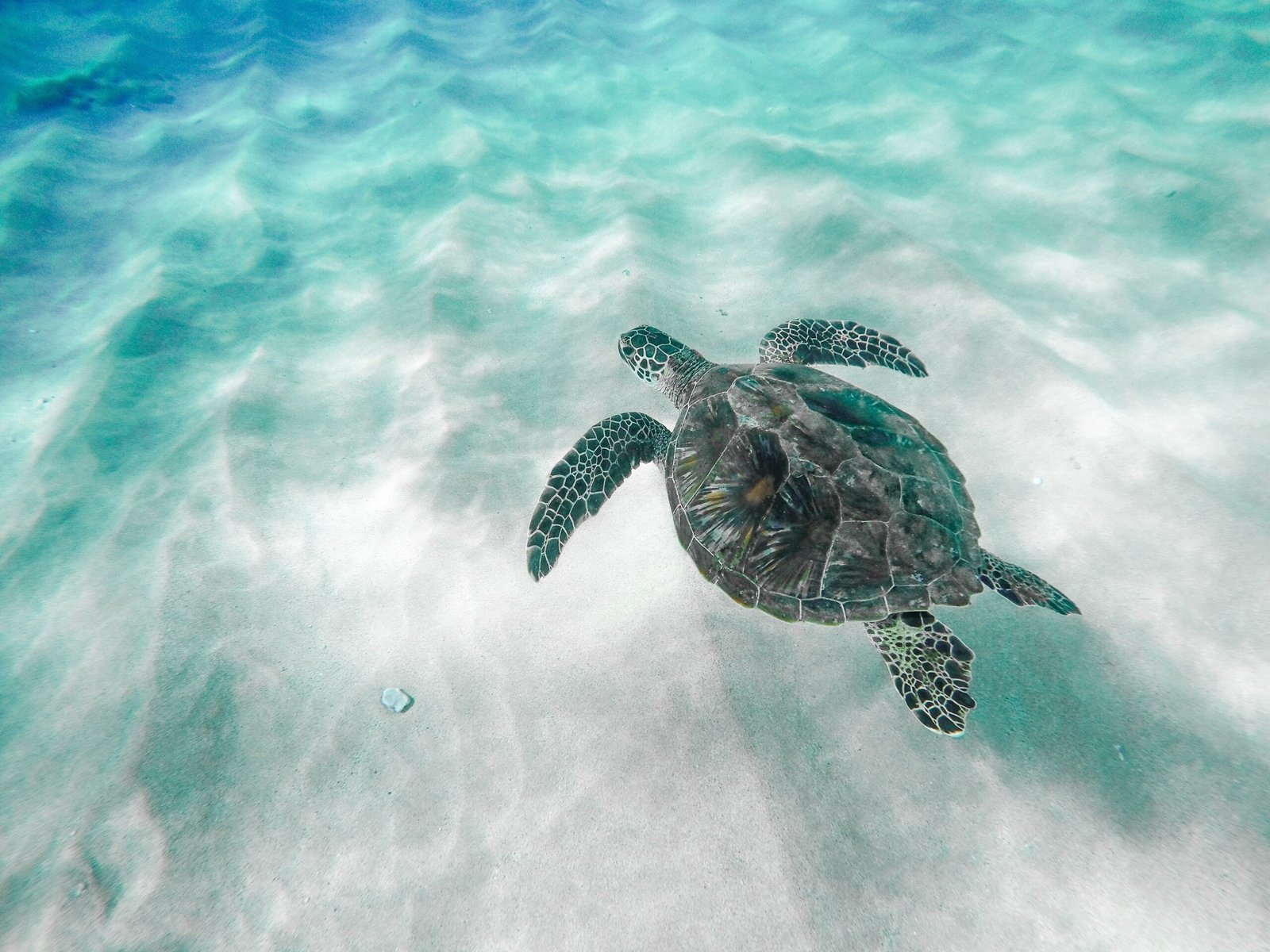
Unlike most reptiles, marine turtles undertake jaw-dropping migrations that can span entire oceans. Imagine a tiny hatchling, no bigger than your palm, setting out from a Florida beach and eventually making its way to the coast of Africa. Adult turtles travel thousands of kilometers between their feeding grounds and nesting beaches, often returning with astonishing accuracy to the very spot where they were born. This incredible homing ability is still being unraveled by scientists, but it’s one of nature’s most awe-inspiring mysteries.
The Science of Navigation: Nature’s GPS
How do turtles find their way across such vast and featureless expanses of ocean? Recent research points to a suite of biological tools. Turtles seem to sense the Earth’s magnetic fields, much like a living compass, using tiny magnetite crystals in their brains. They also rely on the position of the sun and even chemical cues in the water. Some scientists compare their navigation to a sophisticated GPS system—except these navigators have no satellites, just instincts and evolutionary wisdom.
Tracking Turtle Journeys With Modern Technology
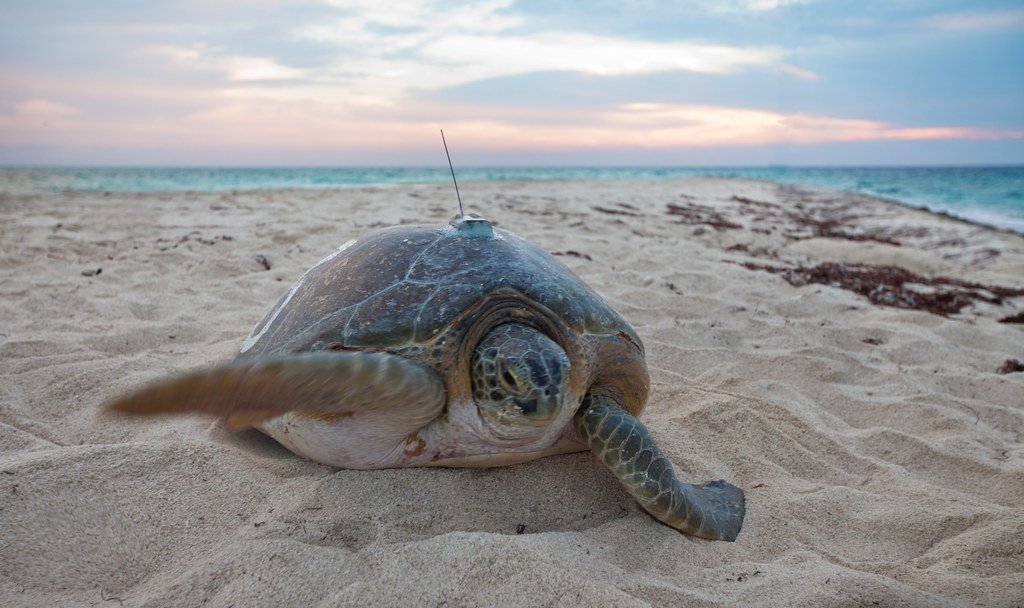
The mysteries of turtle migration are finally being illuminated thanks to cutting-edge technology. Scientists use satellite tags attached to turtles’ shells to track their movements in real time. These electronic trackers reveal migration routes that stretch for thousands of miles, crossing entire oceans and international boundaries. Data from satellite tagging has revolutionized our understanding, showing us just how far, and with what precision, these animals travel. It’s like watching a living map of adventure unfold.
Life Stages: From Tiny Hatchling to Ocean Voyager
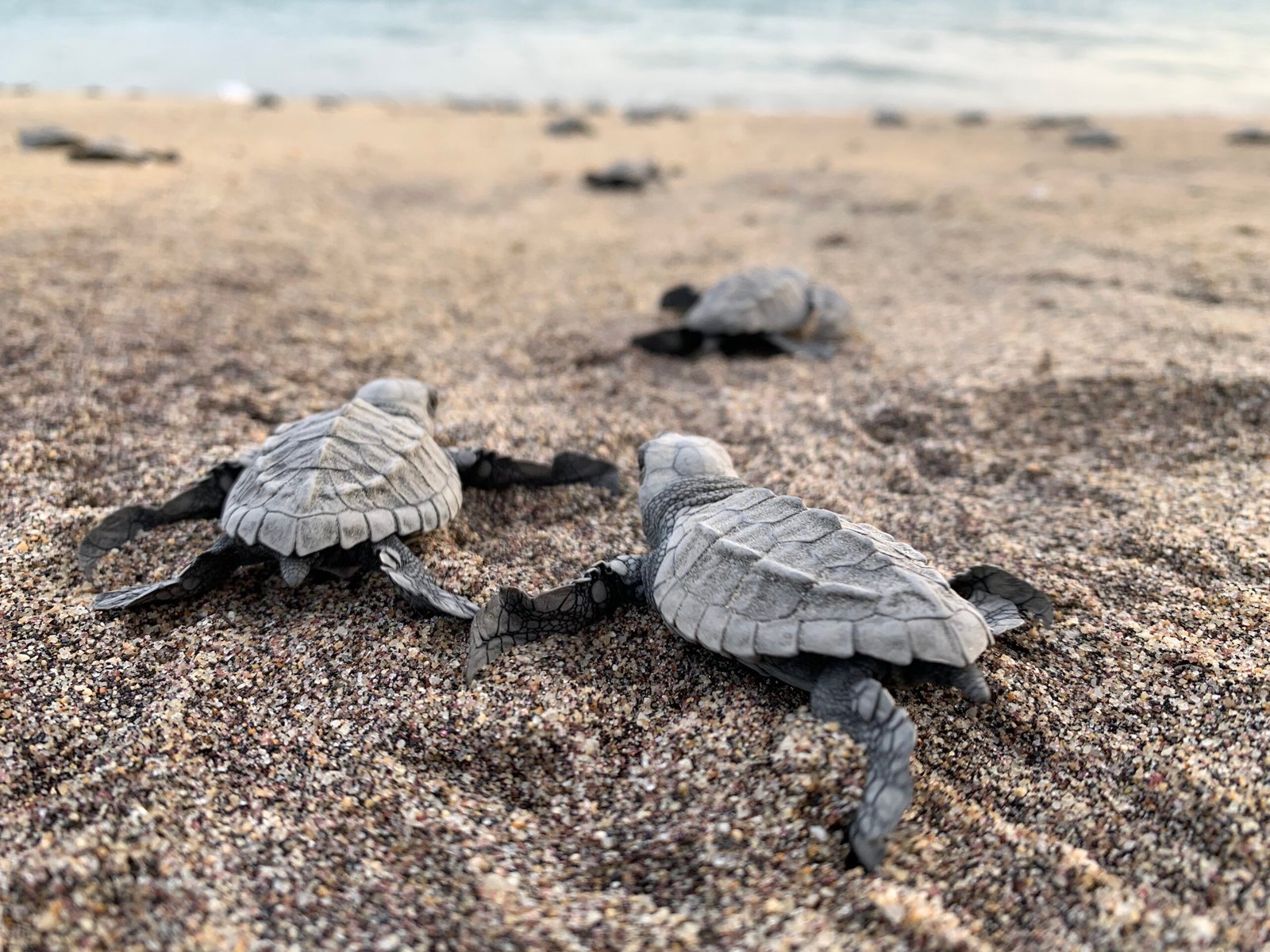
The journey of a marine turtle begins long before its migration truly starts. After emerging from a sandy nest, hatchlings make a perilous dash to the sea, dodging predators and obstacles. Once in the water, they enter what scientists call “the lost years,” vanishing from sight as they drift with ocean currents and grow. Only after reaching juvenile or adult stages do turtles embark on their legendary migrations, returning to coastal feeding areas or natal nesting beaches. Each stage brings new challenges and marvels.
Feeding Grounds: Where Turtles Refuel
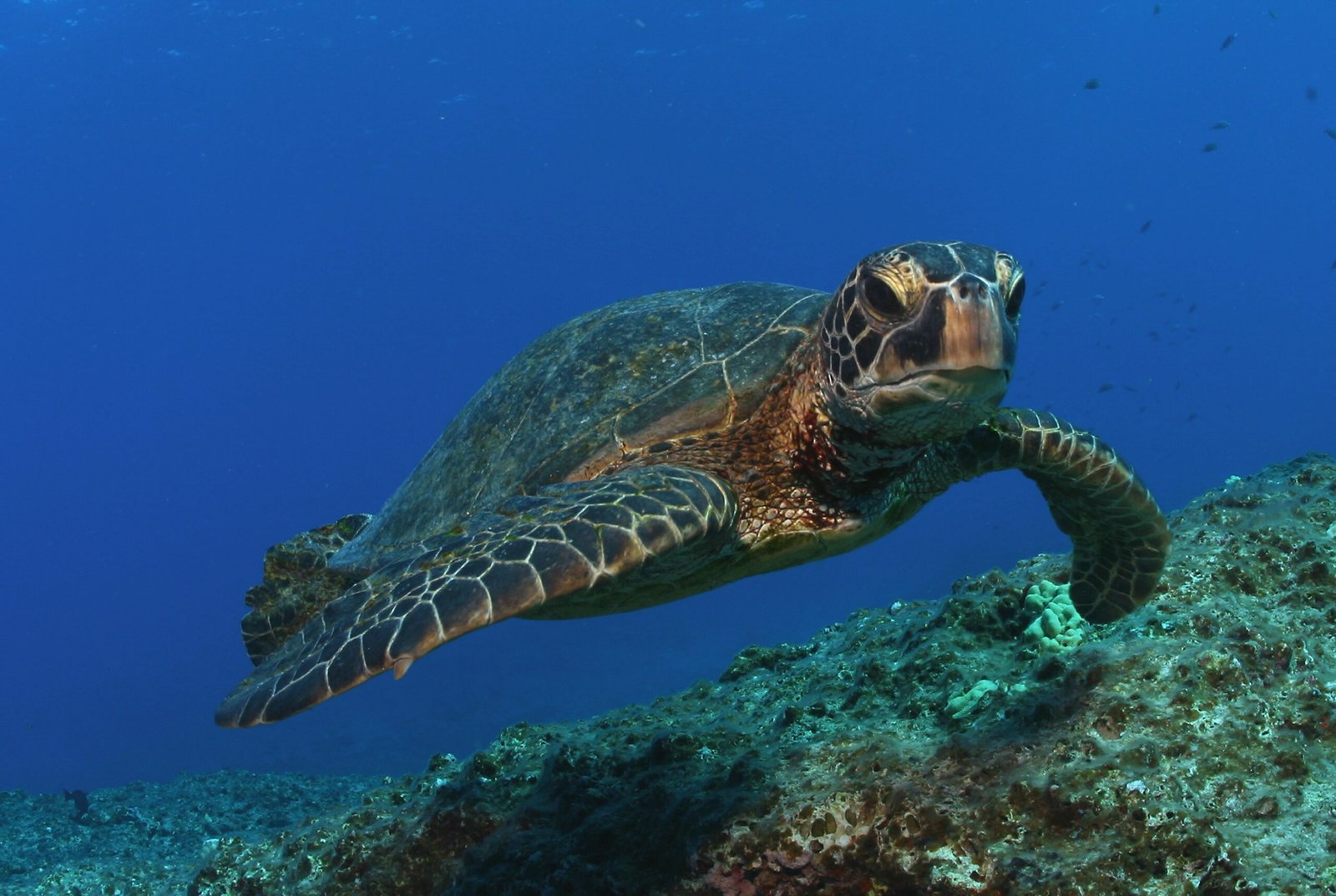
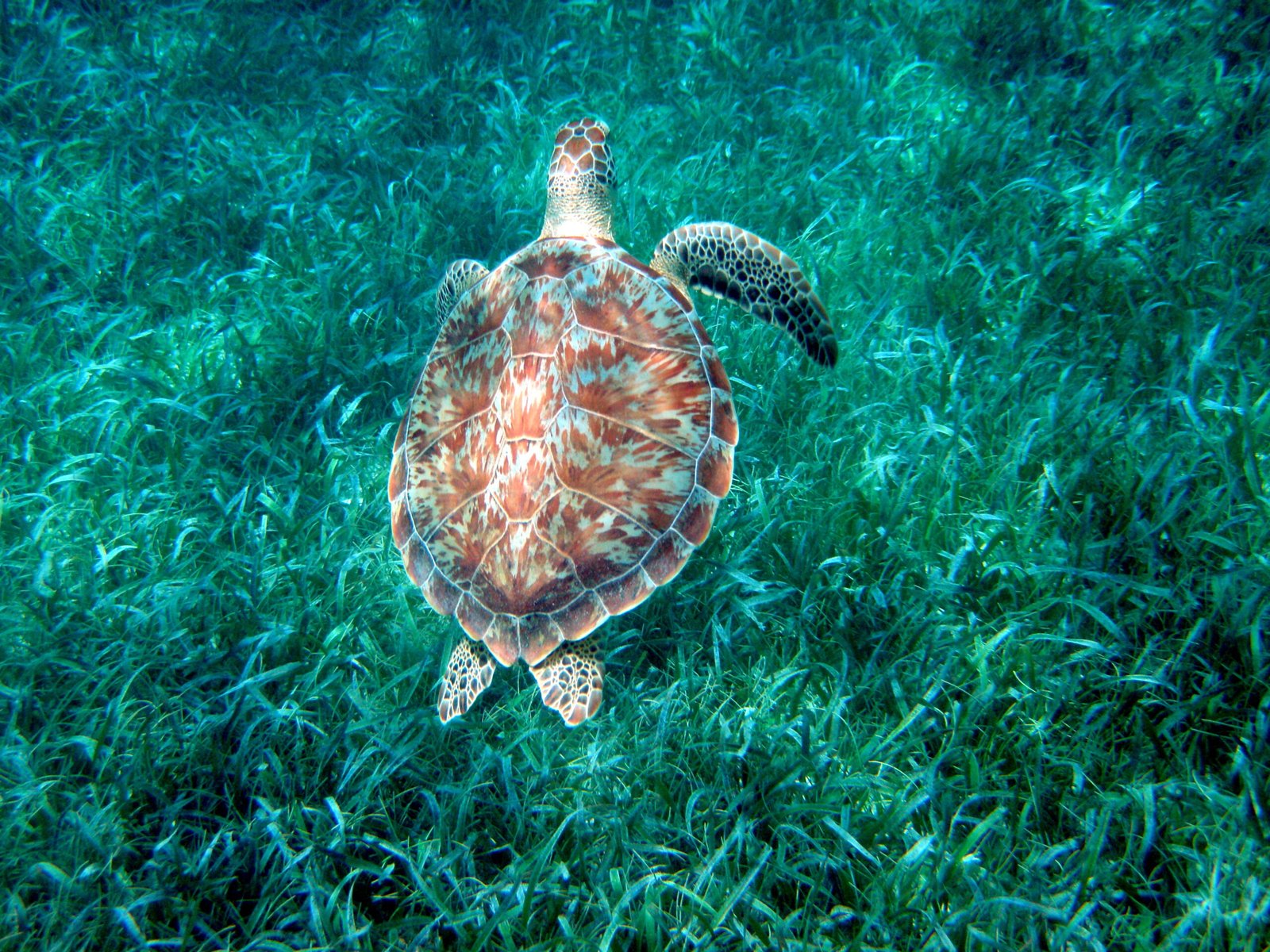
Turtles don’t just wander aimlessly; their migrations have purpose. Feeding grounds are vital waypoints, offering rich beds of sea grass, algae, or jellyfish—depending on the species. Green turtles, for example, graze meadows of seagrass like underwater cows, while leatherbacks hunt jellyfish in open ocean. These feeding sites are crucial for building up the energy reserves needed for long-distance travel and successful breeding.
Nesting Beaches: The Heart of Turtle Life Cycles
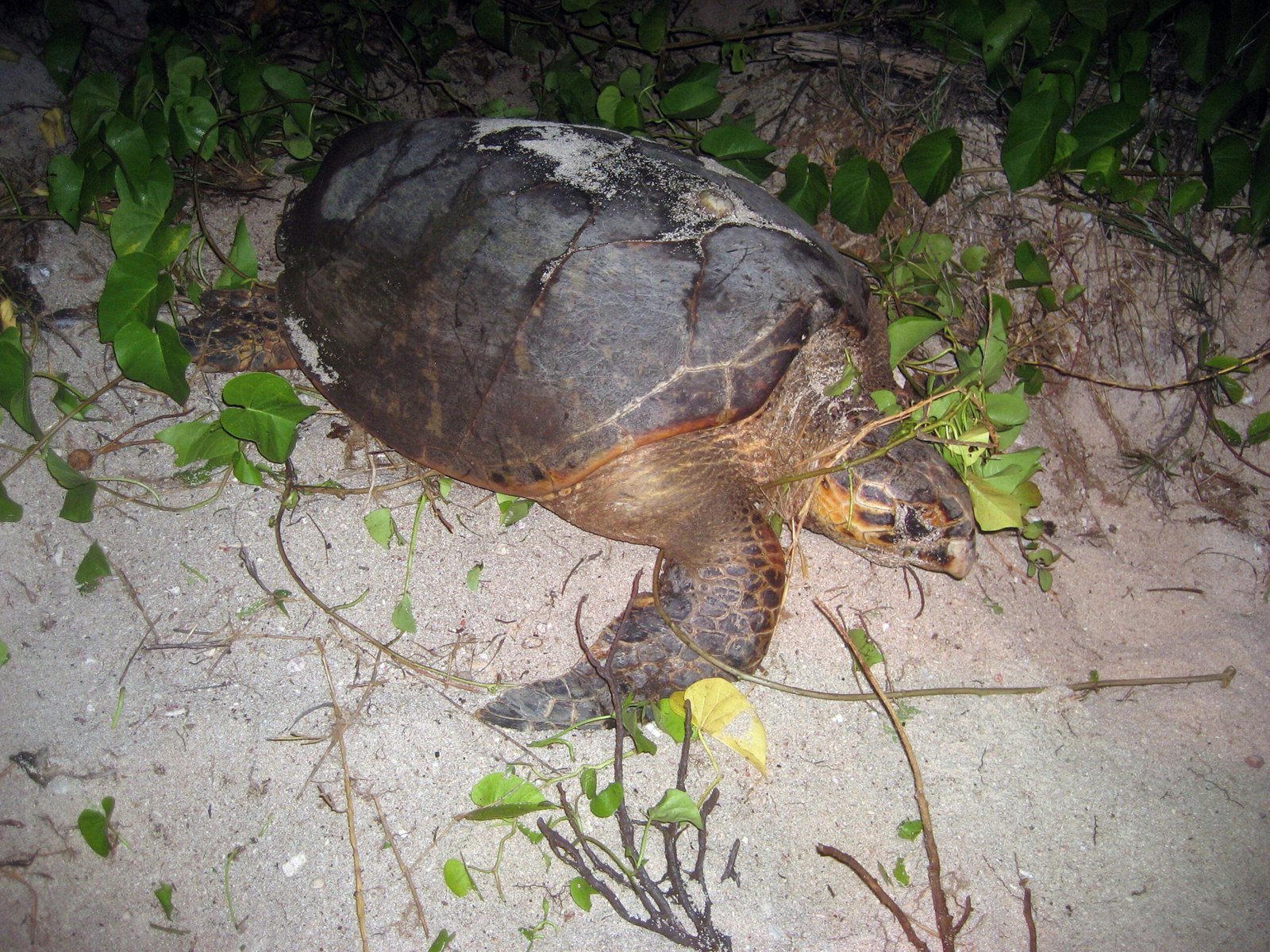
Despite spending most of their lives at sea, marine turtles are inextricably tied to land. Females return, sometimes decades after hatching, to lay their eggs on the same beaches where their own lives began. This remarkable site fidelity is a testament to their navigational prowess. The survival of future generations depends on these sacred nesting sites, which are often threatened by coastal development and human activity.
The Perils of Migration: Natural and Human Threats
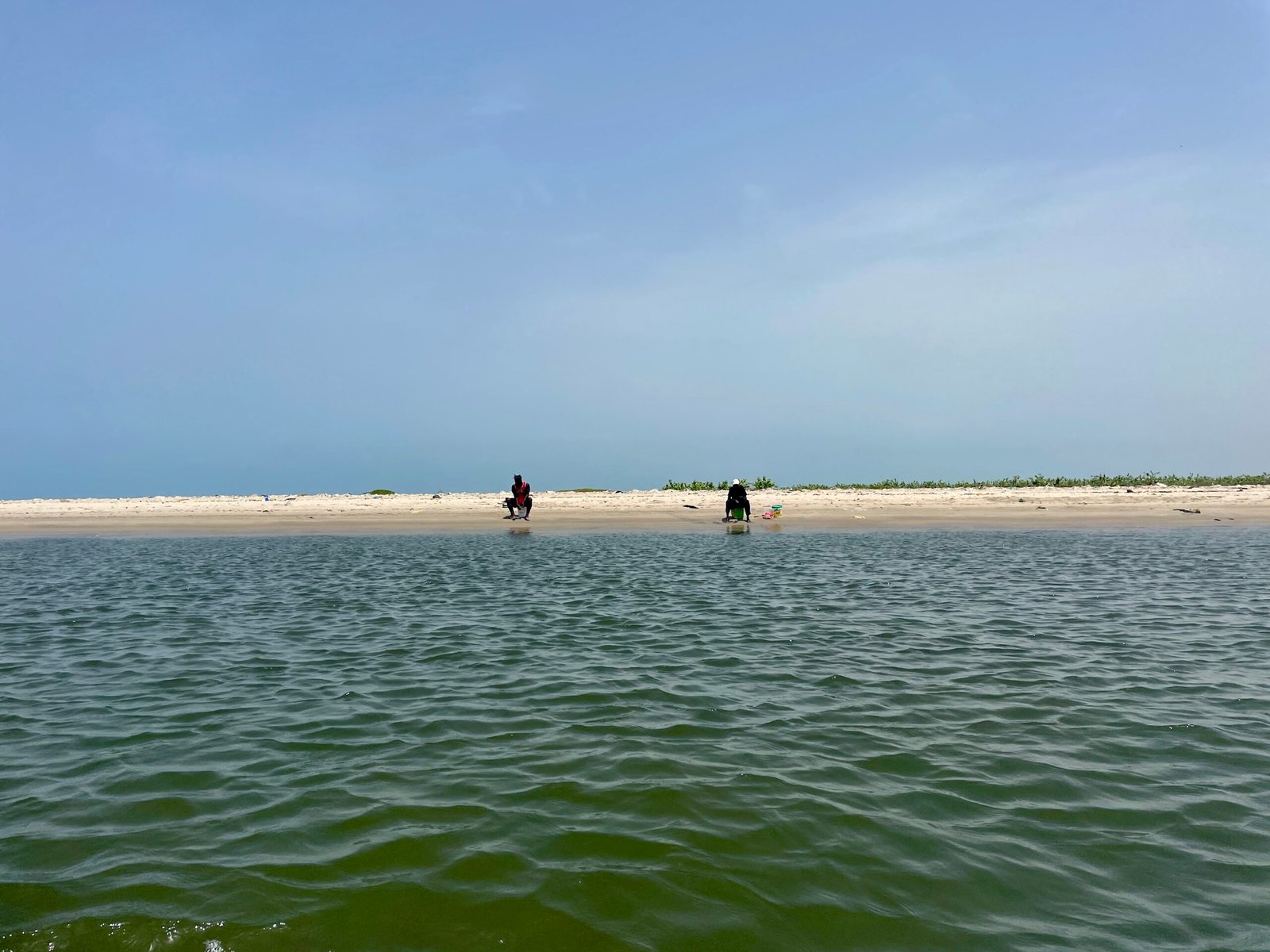
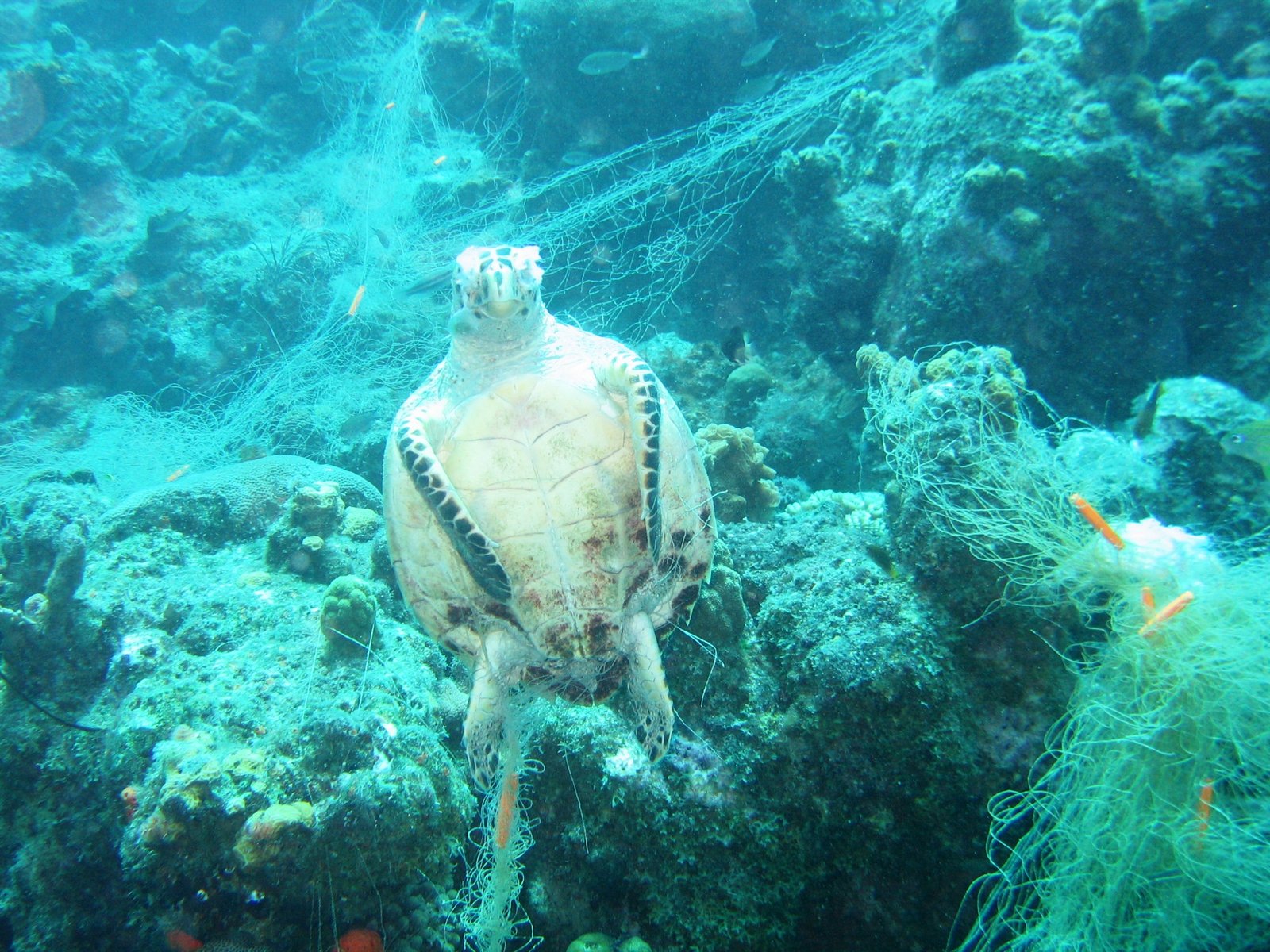
Life on the move is fraught with danger for marine turtles. Natural predators, such as sharks, pick off the weak or unwary. But increasingly, the greatest threats come from humans: fishing nets, plastic pollution, boat strikes, and climate change. Each year, countless turtles are accidentally caught as bycatch in commercial fishing operations. Others ingest plastic debris, mistaking it for food. These hazards make the already difficult journey even more treacherous.
Climate Change and Its Ripple Effects on Migration
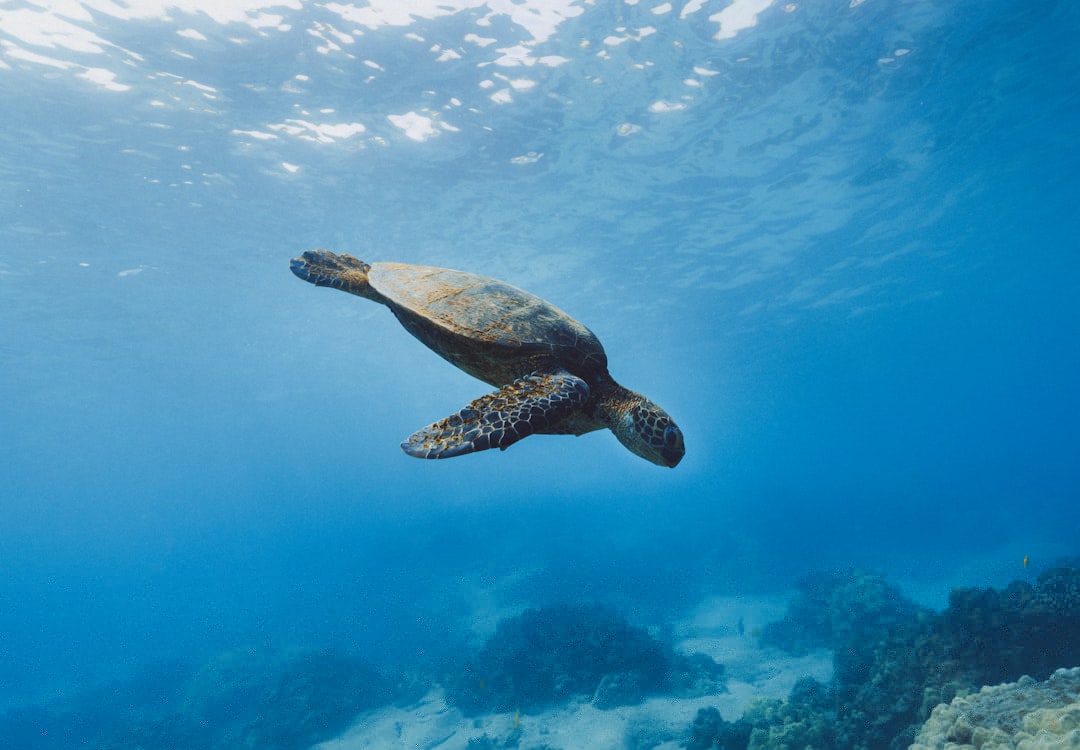
Rising global temperatures are rewriting the rules of turtle migration. Warmer sands alter hatchling sex ratios, as temperature determines whether embryos become male or female. Shifting ocean currents, caused by climate change, can disrupt migratory routes and affect the availability of food along the way. Some turtles now arrive at nesting beaches earlier or later than before, throwing delicate ecological balances out of sync. The future of migration may hinge on how quickly turtles—and humans—can adapt.
Conservation Efforts: Protecting the Migratory Pathways
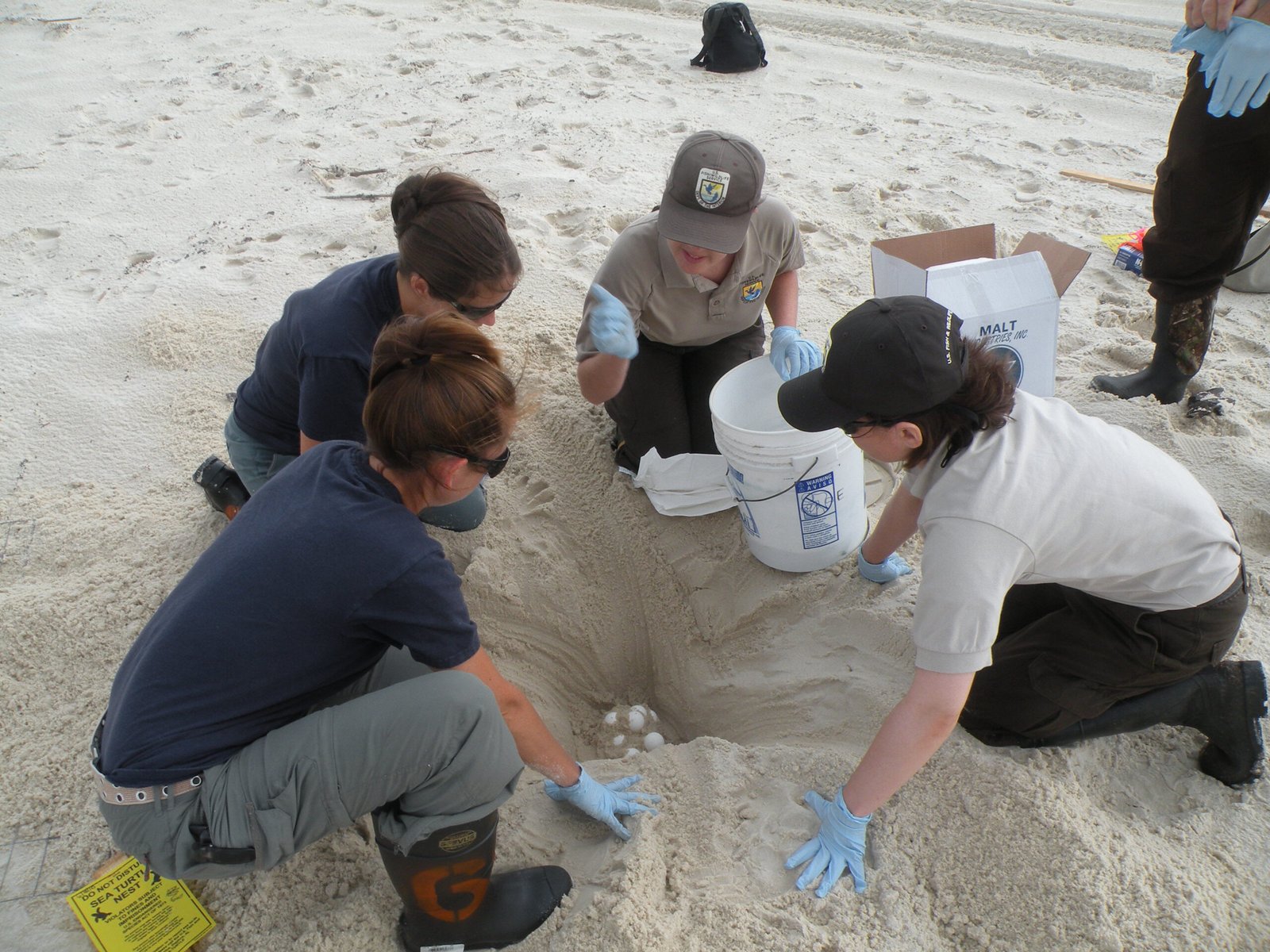
Conserving marine turtles means thinking big—across borders and vast stretches of ocean. International agreements and protected areas are essential, as turtles pay no heed to human-drawn boundaries. Conservationists work to safeguard nesting beaches, reduce bycatch through turtle excluder devices, and clean up plastic pollution. Community-based programs empower local people to become turtle guardians, blending modern science with traditional wisdom.
The Role of Citizen Science in Turtle Tracking
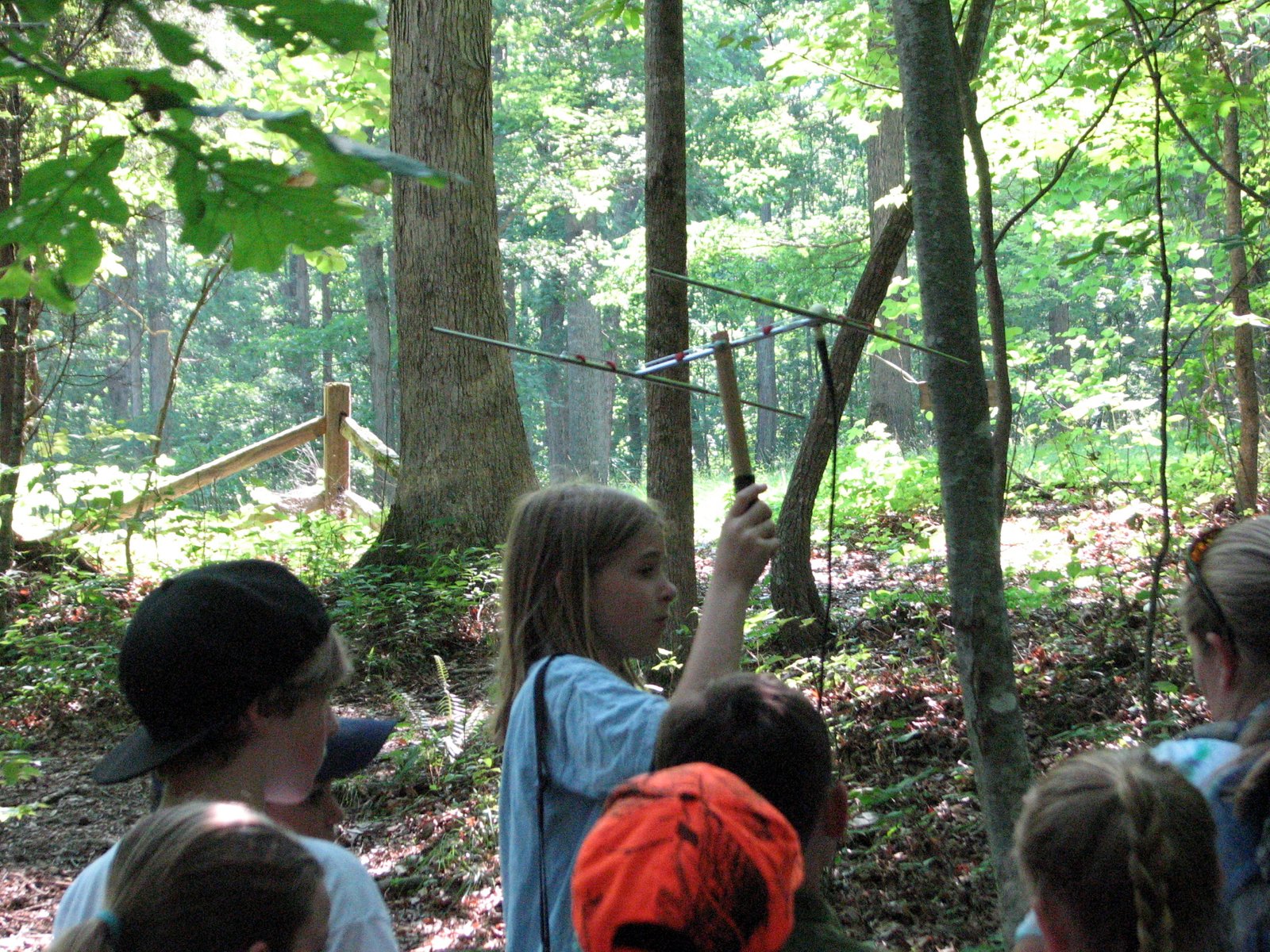
You don’t need a PhD to help unravel the secrets of turtle migration. Citizen science projects invite everyday people to get involved, from reporting turtle sightings to participating in beach cleanups and nest monitoring. Smartphone apps and online platforms make it easier than ever to contribute valuable data. This grassroots involvement not only aids research but also fosters a sense of connection and stewardship.
How Turtles Shape Ocean Ecosystems
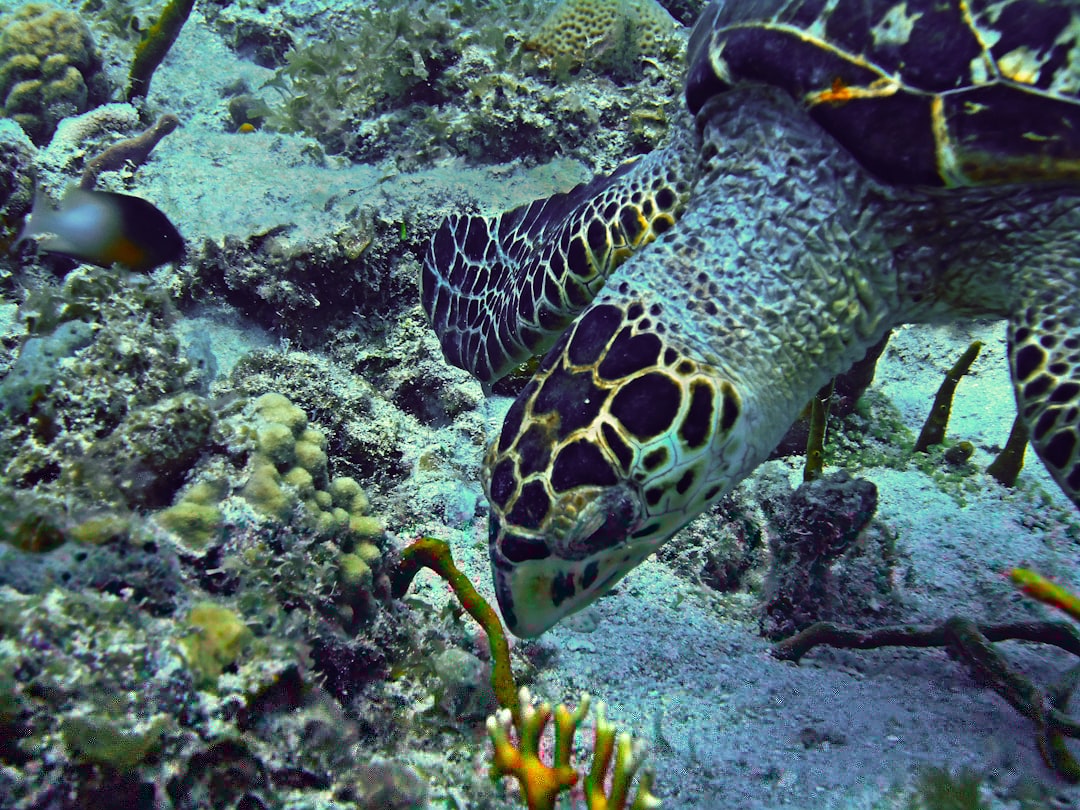
Marine turtles aren’t just travelers—they’re ecosystem engineers. By grazing on seagrass or controlling jellyfish populations, turtles help maintain the health of marine habitats. Their eggs, when left on nesting beaches, provide nutrients that nourish dune vegetation. The ripple effects of healthy turtle populations extend far beyond the animals themselves, supporting vibrant, balanced ecosystems that benefit countless other species.
Remarkable Migration Records: The Champions of the Sea
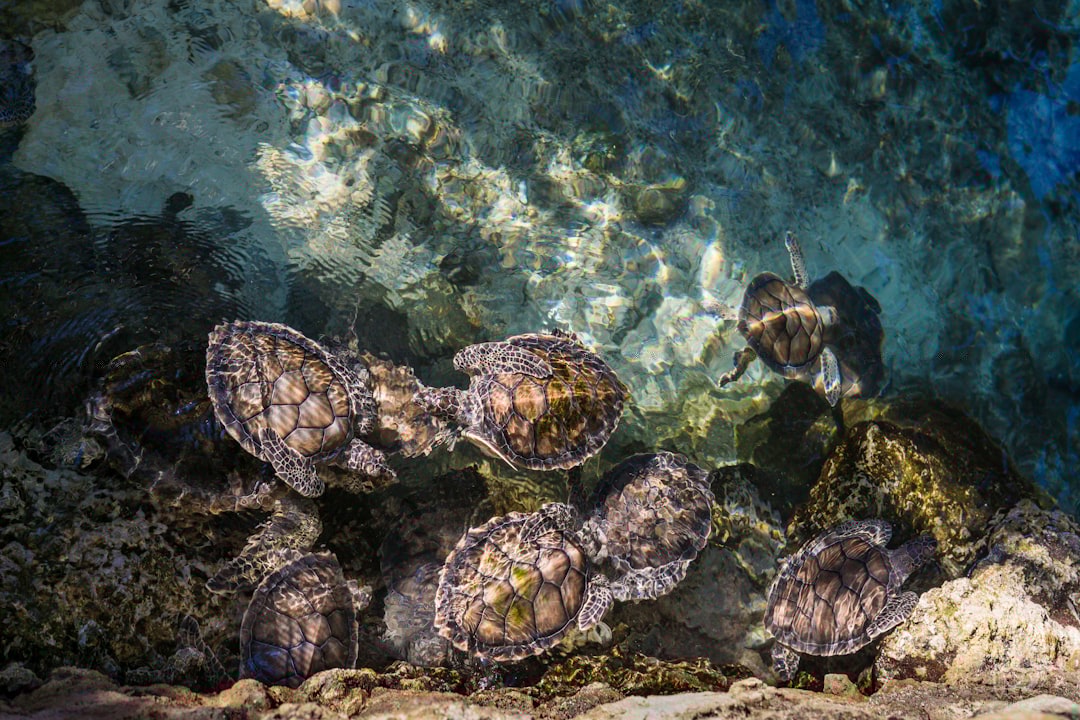
Some marine turtles are true record-breakers. Leatherback turtles, for instance, can migrate over 10,000 miles between feeding and nesting grounds—the longest migration of any reptile. One famous individual, nicknamed “Yoshi,” swam from South Africa to Australia, covering over 22,000 miles in just a few years. These epic journeys inspire awe and remind us of the resilience and determination encoded in every turtle.
The Power of Instinct and Learning
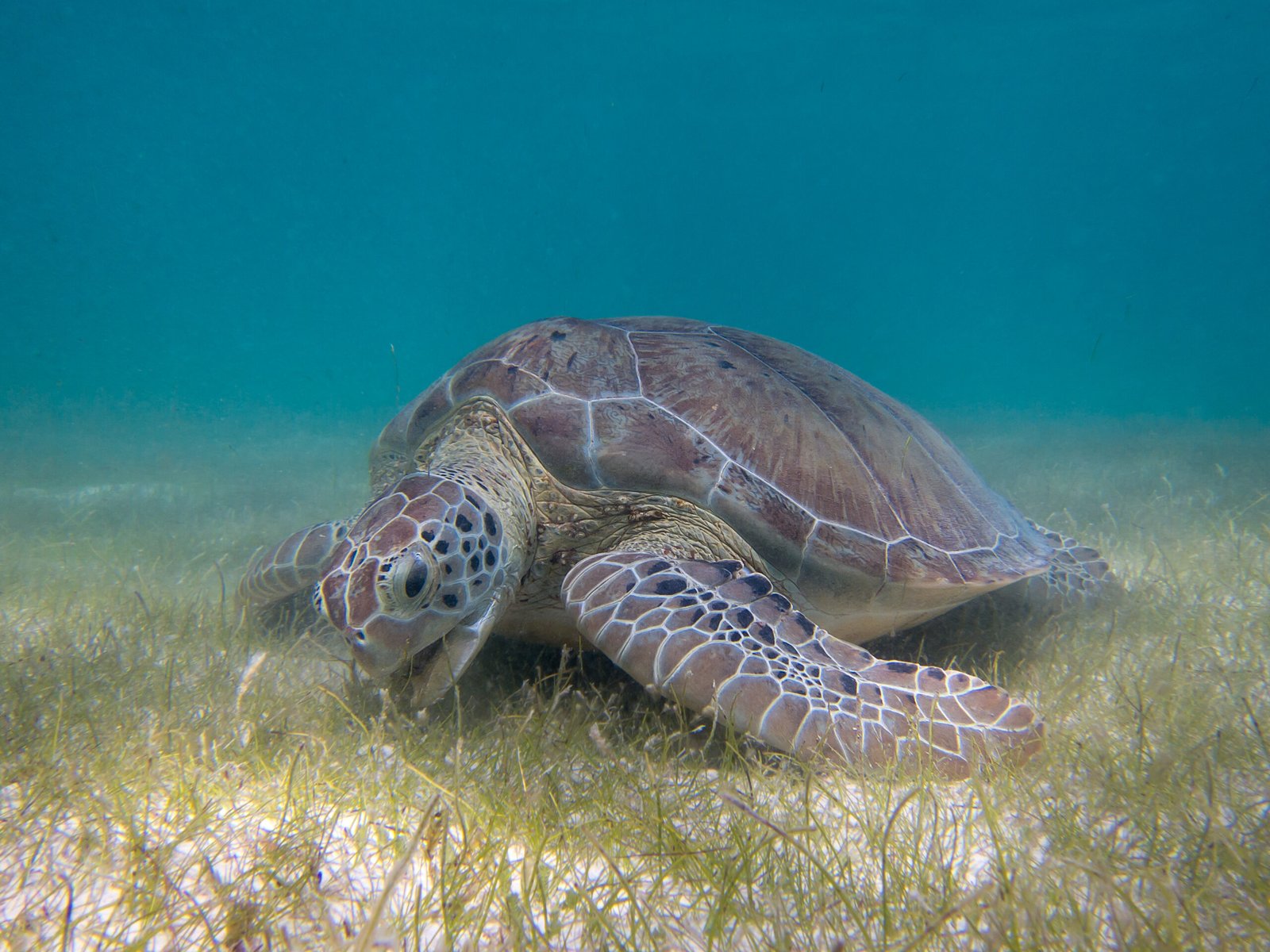
Are turtle migrations entirely innate, or do turtles learn as they go? The answer seems to be a blend of both. Hatchlings set off with built-in instincts, but experience fine-tunes their navigation skills over time. Some researchers believe older turtles become more adept at reading environmental cues, passing knowledge from one generation to the next not through teaching, but through survival and repetition.
The Mystery of the “Lost Years”
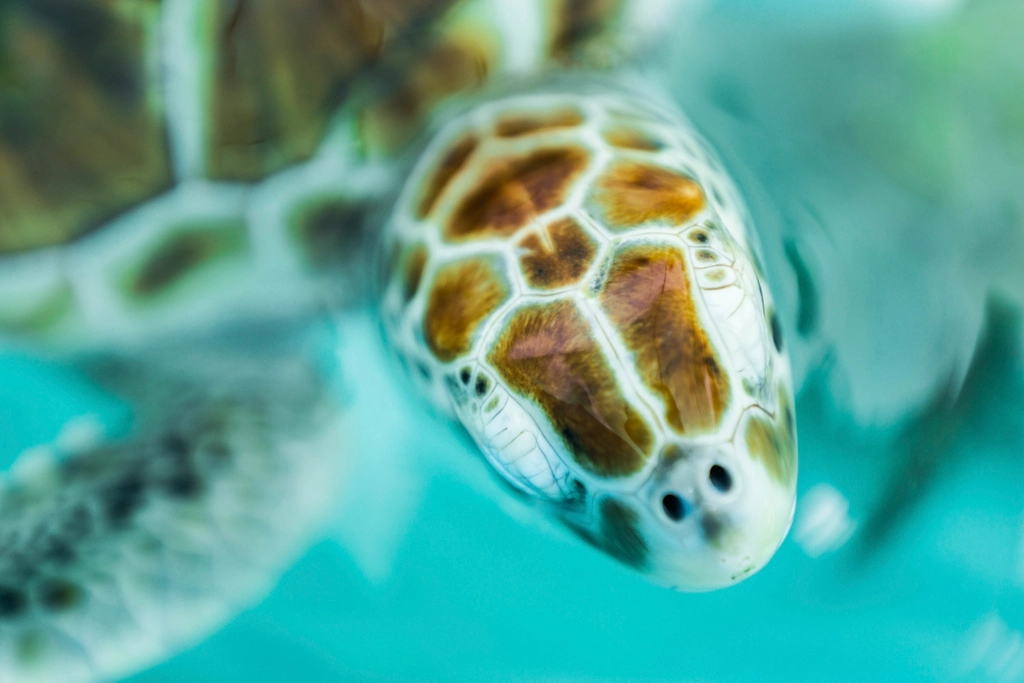
For years, scientists puzzled over what happens to young turtles after they disappear into the ocean. Advances in miniature tracking devices and genetic analysis have begun to reveal their secret lives. These “lost years” see juveniles drifting vast distances, sometimes hitching rides on ocean currents or floating mats of seaweed, where they feed and grow out of sight. This period is crucial for survival, yet remains one of the most enigmatic chapters in a turtle’s migration story.
Communication on the Move: How Turtles Sense the World
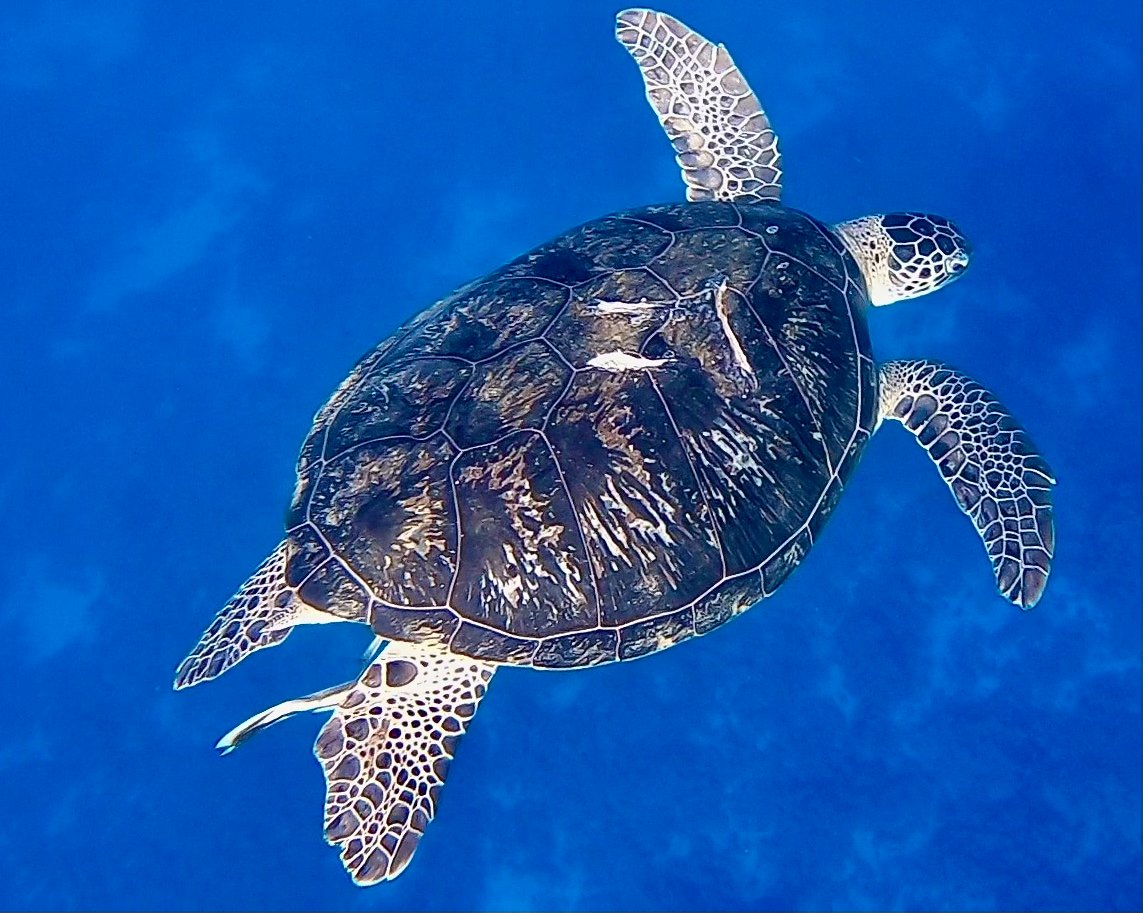
While turtles may seem solitary, they’re finely tuned to their environments. They communicate with subtle body language, chemical signals, and even low-frequency sounds that travel great distances underwater. During migration, turtles use their acute senses to detect changes in water temperature, salinity, and ocean currents—clues that help them navigate and avoid danger. Their perception of the world is a blend of instinct, sensory magic, and evolutionary adaptation.
Migration and the Cycle of Life
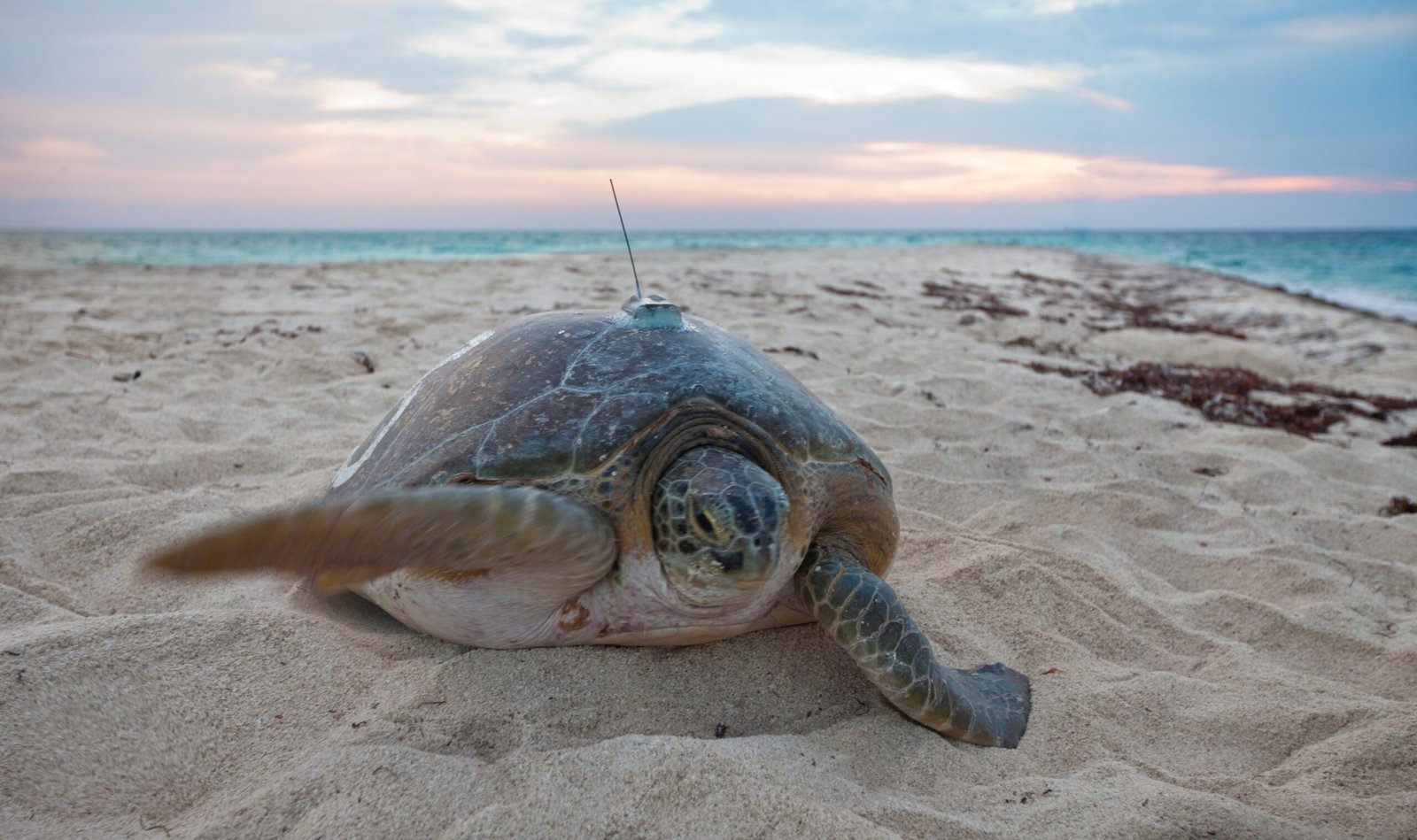
The migration of marine turtles is not just a journey; it’s a circle. Each individual is part of a cycle that connects distant shores, deep waters, and countless generations. The act of returning to nest ensures that life continues, linking the past with the future. In watching these migrations, we witness one of nature’s most profound stories—a testament to endurance, memory, and hope.
Inspiring Human Stories: Guardians of the Turtles
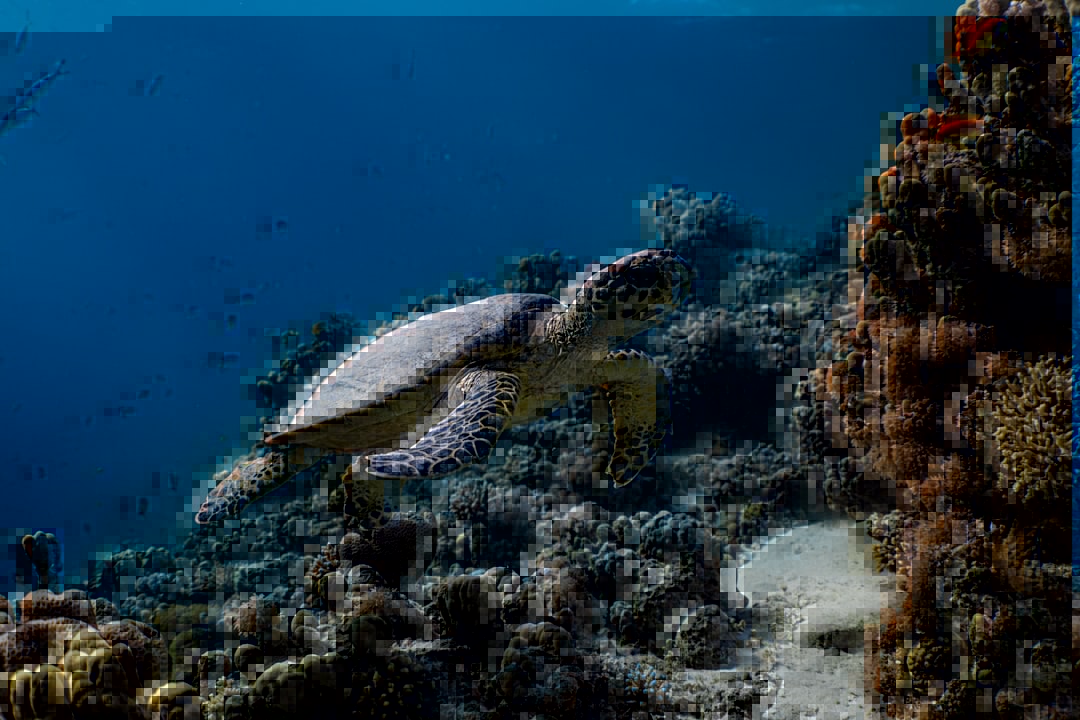
Marine turtle migration has inspired people around the world to become protectors and storytellers. From beach patrollers in Costa Rica to indigenous monitors in Australia, countless individuals dedicate their lives to safeguarding turtles. Their stories are filled with hope, heartbreak, and triumph. They remind us that the fate of these ancient mariners is inextricably linked to our own choices and actions.
How You Can Make a Difference
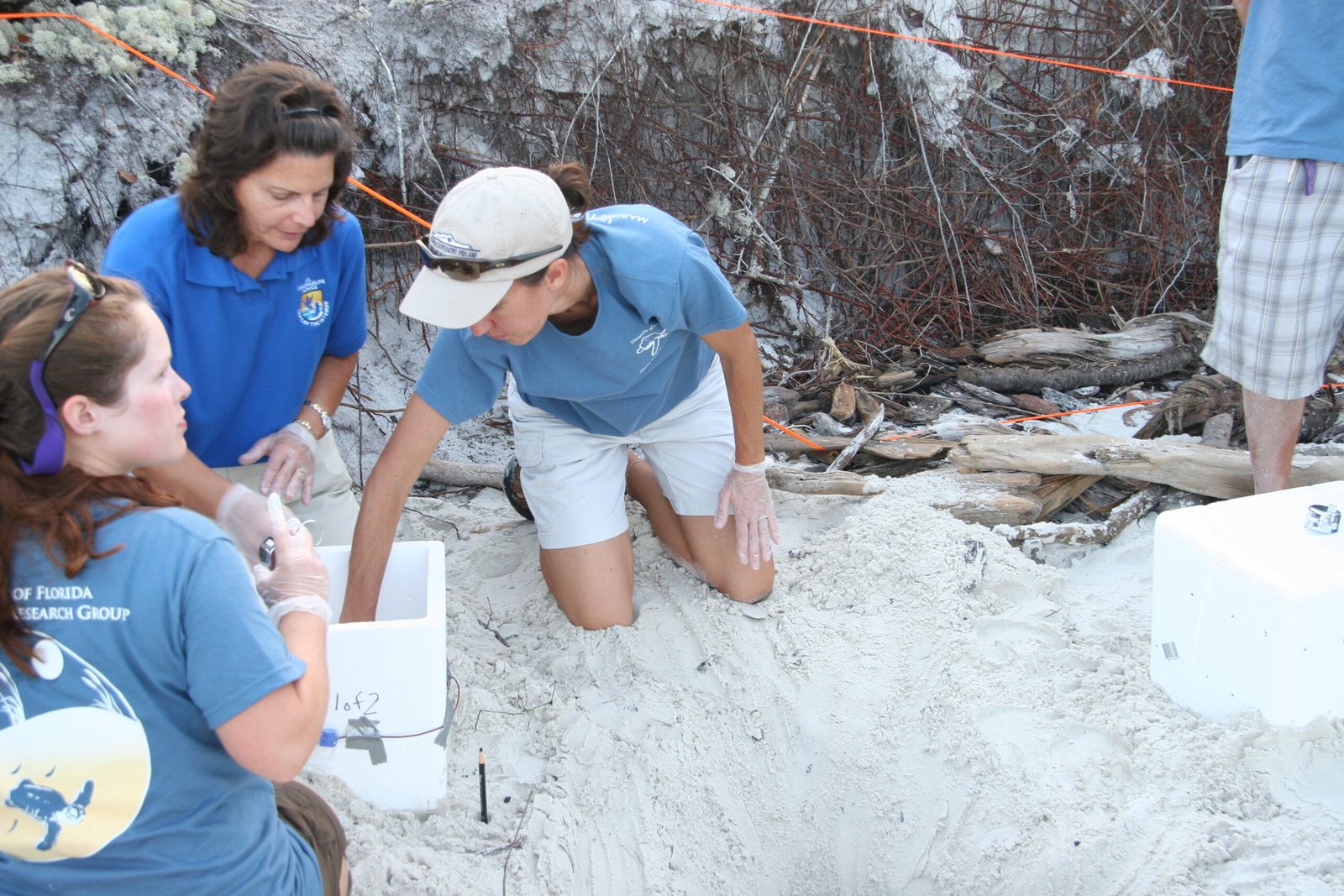
Everyone has a role in ensuring the future of marine turtles. Small actions—reducing plastic use, supporting sustainable seafood, volunteering for beach cleanups—add up to big impacts. Advocacy and education are powerful tools, too. By spreading awareness and demanding stronger protections for turtles and their habitats, we become stewards of the migration miracle. Every effort, no matter how small, sends ripples across the oceans.
Why World Turtle Day Matters More Than Ever
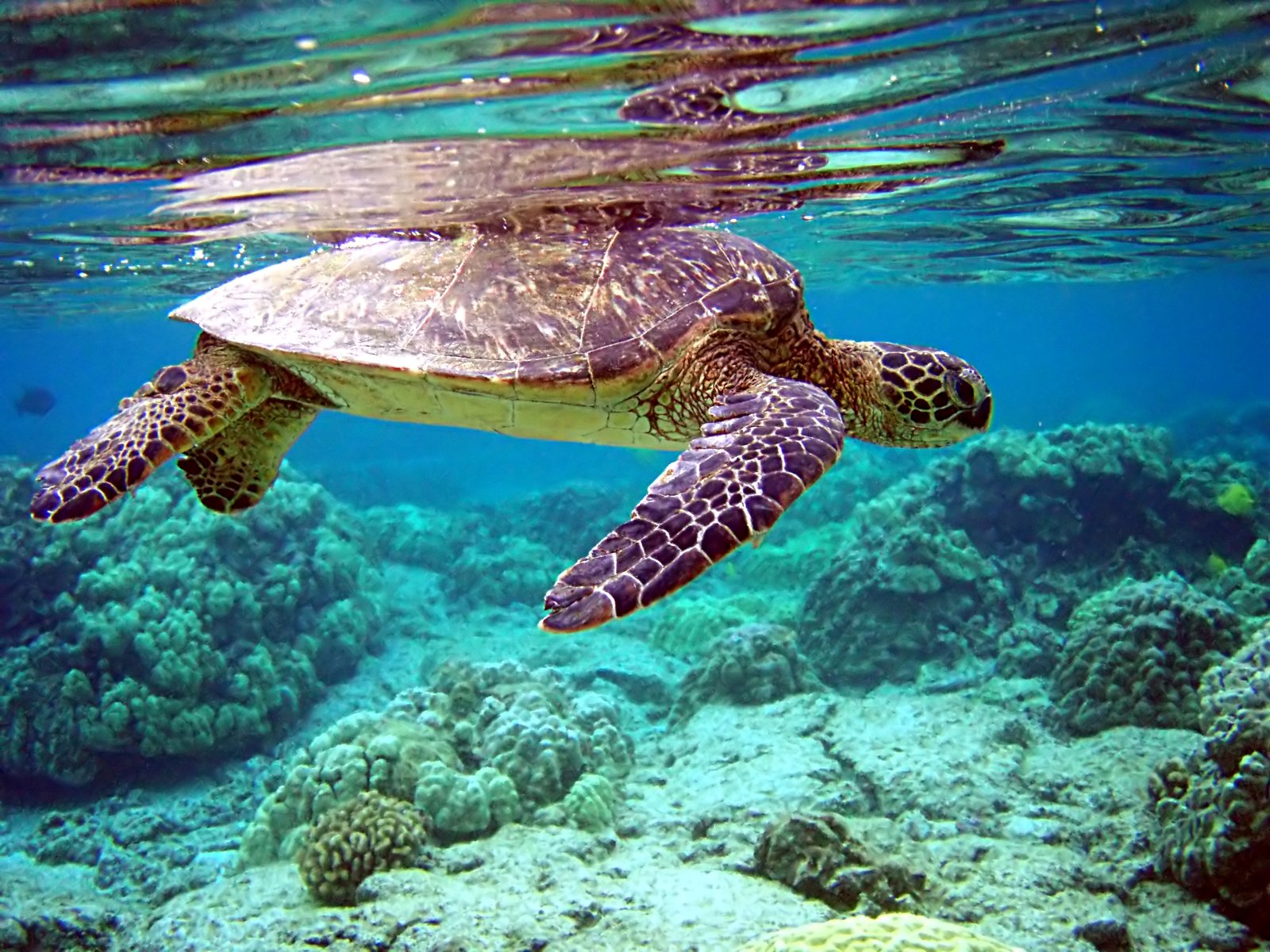
World Turtle Day is more than a date on the calendar—it’s a global celebration of resilience, connection, and wonder. It invites us to look beyond the familiar and see the world through the eyes of these remarkable travelers. Their migrations are epic, yes, but they’re also fragile, threatened by forces both ancient and modern. By learning, caring, and acting, we honor the journey and ensure that future generations can marvel at the sight of turtles gliding through the sea. What journey would you take if you knew the world remembered your every step?