
Imagine gazing out across a shimmering blue lake, its surface calm and unbroken, only to realize you’re standing on the rim of an ancient volcano. Now, picture the heart of this volcano cradling another, even smaller lake—one that sits inside a second volcano, itself nestled in the first. It sounds like the setup for a riddle or a scene from a fantasy novel, but it’s real. This mind-bending geological marvel, a lake inside a volcano inside a lake inside a volcano, actually exists. It’s not just a tongue-twister; it’s a testament to the wild creativity of our planet. Let’s dive deep into this natural wonder and peel back the layers—literally—of how such an astonishing formation came to be.
The Volcano-Lake-Volcano-Lake Puzzle: Where Is It?
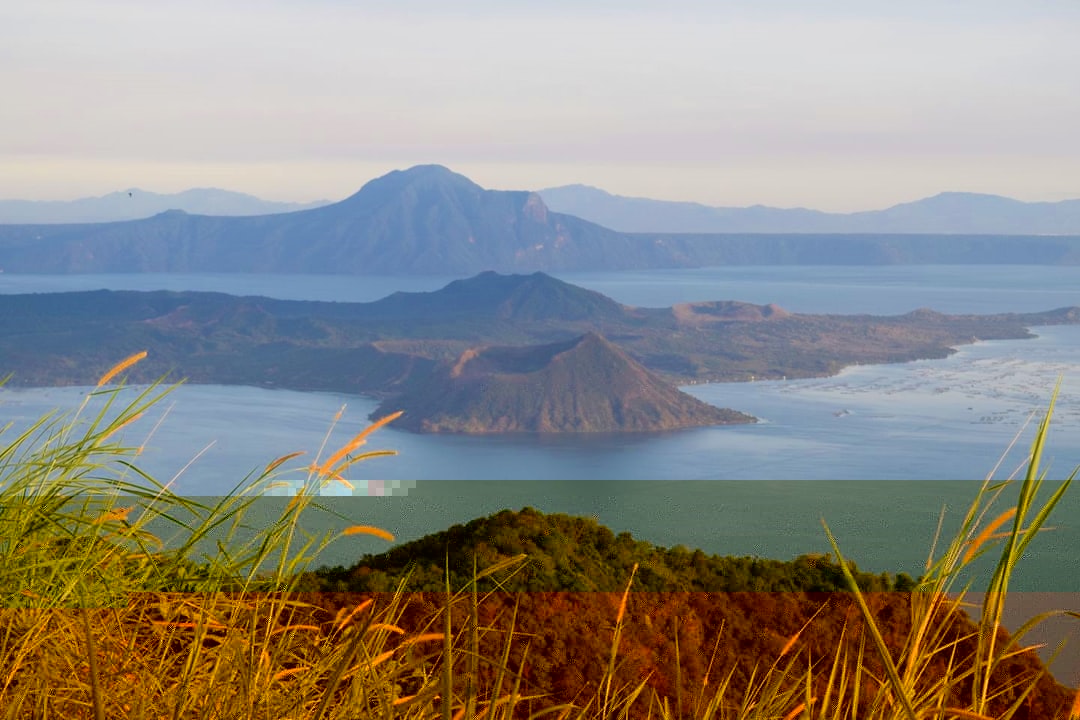
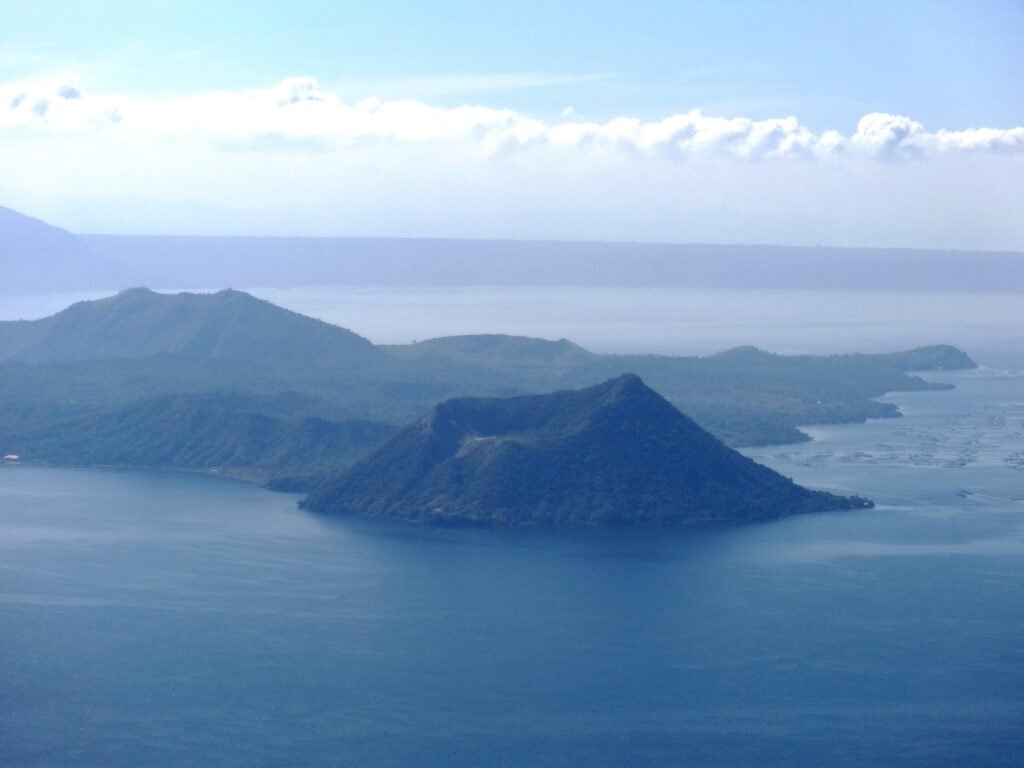
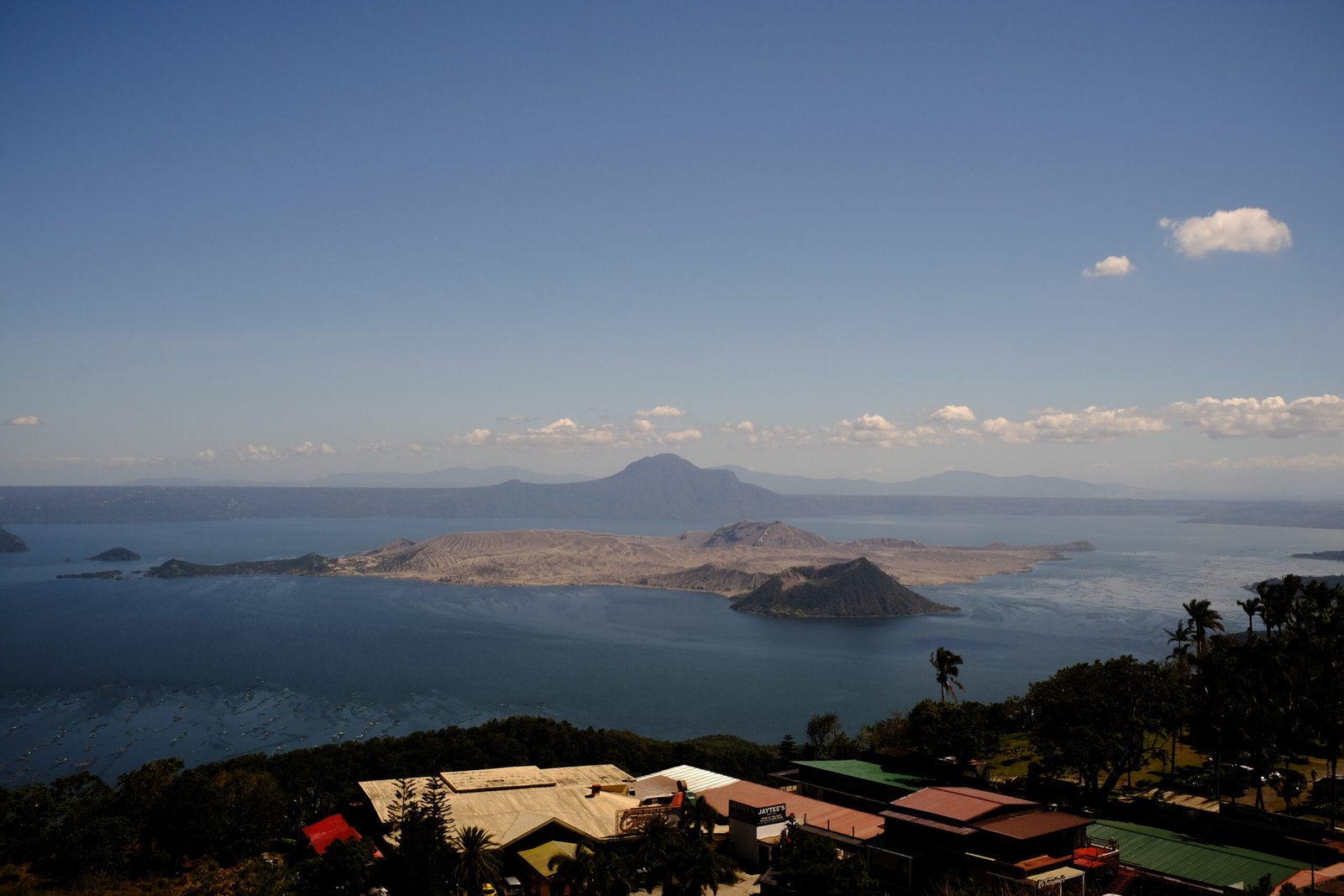
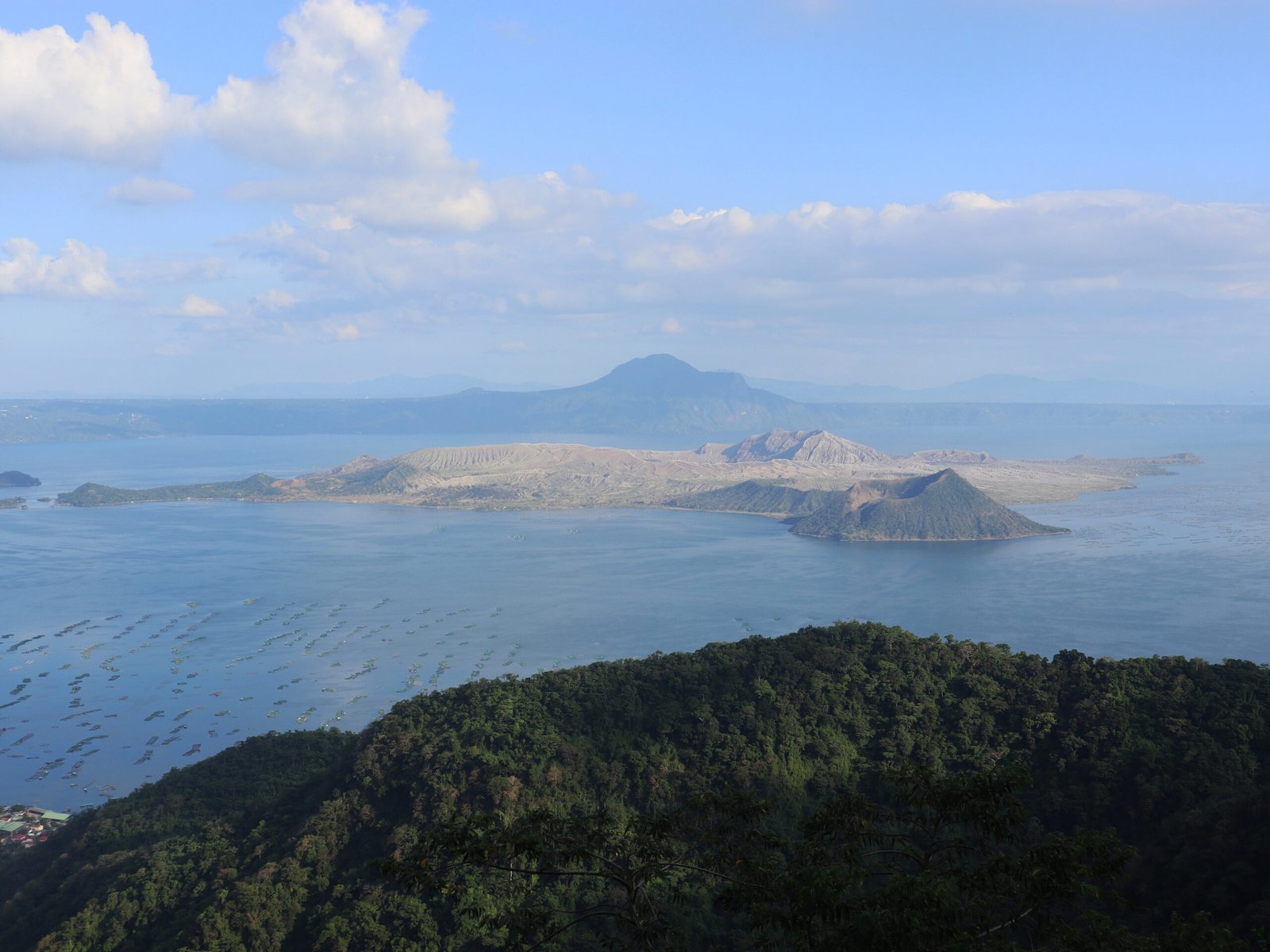
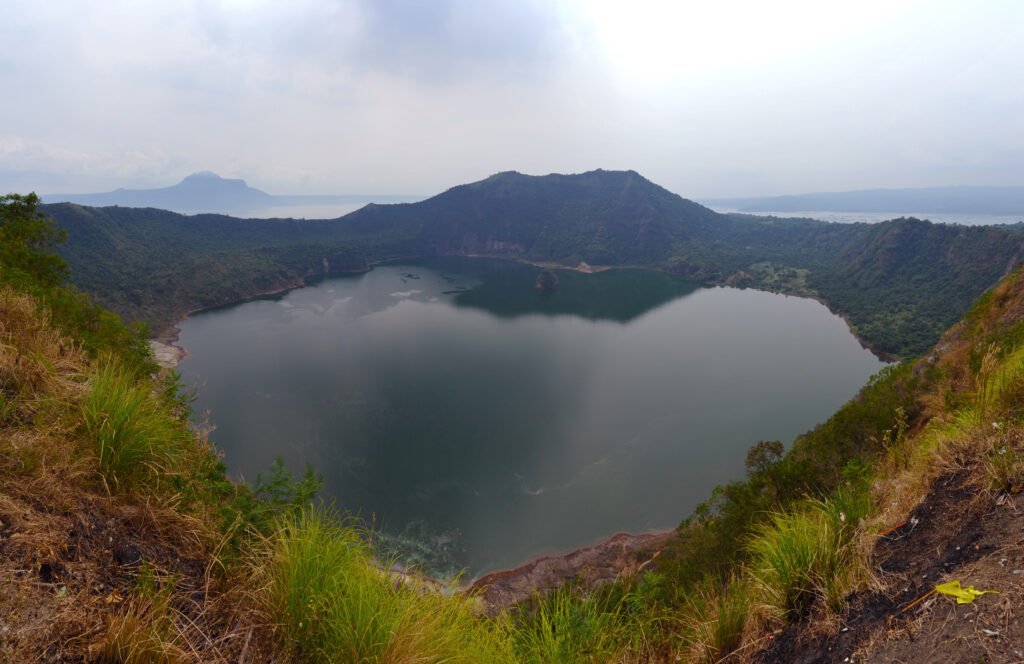
This extraordinary natural phenomenon can be found on Luzon Island in the Philippines. The place is called Taal, and it’s the kind of spot that seems almost too magical to be real. Taal Volcano sits in the middle of Taal Lake, and within the volcano’s crater is another lake, known as Crater Lake. But it doesn’t stop there. On the tiny Vulcan Point Island inside Crater Lake, you’ll find land that’s technically the tip of yet another volcanic cone. It’s a geological Russian doll, with each layer revealing another surprise. Taal’s layered lakes and volcanoes have captured the fascination of scientists and travelers alike, making it one of Earth’s most unique and mesmerizing locations.
The Anatomy of Taal’s Marvelous Layers
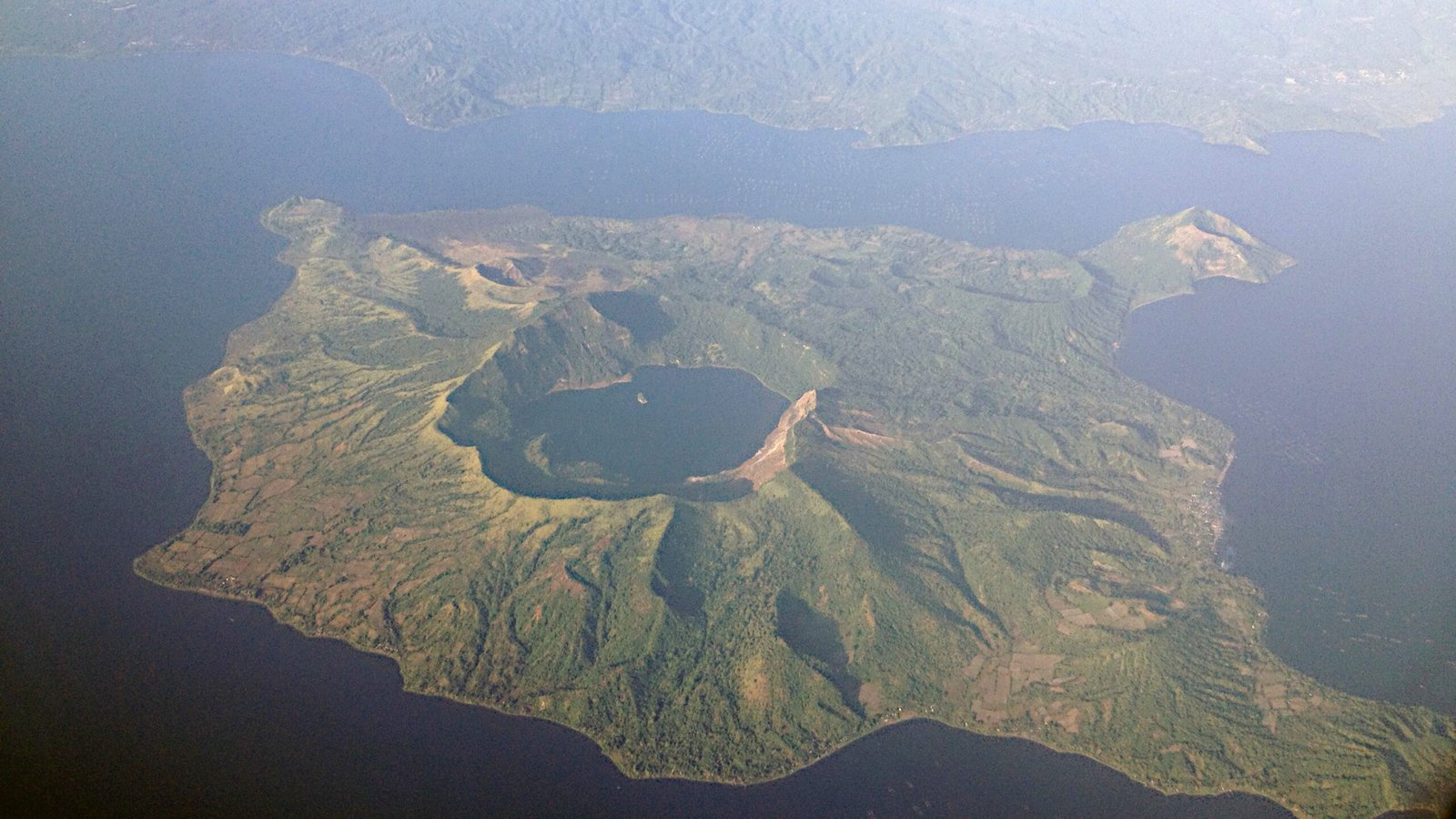
At first glance, Taal looks like a peaceful lake with a small island in the center. But its true structure is far more complex. The largest “lake” you see is actually the flooded caldera of an ancient supervolcano. Rising from its waters is Volcano Island, which is the active Taal Volcano itself. Within this volcano’s crater lies Crater Lake—a smaller, horseshoe-shaped body of water. And poking up from Crater Lake is Vulcan Point, the remnant of another volcanic vent. Each layer tells a story of explosive eruptions, earth-shaking events, and slow, persistent geological change.
How Did Such a Formation Happen?
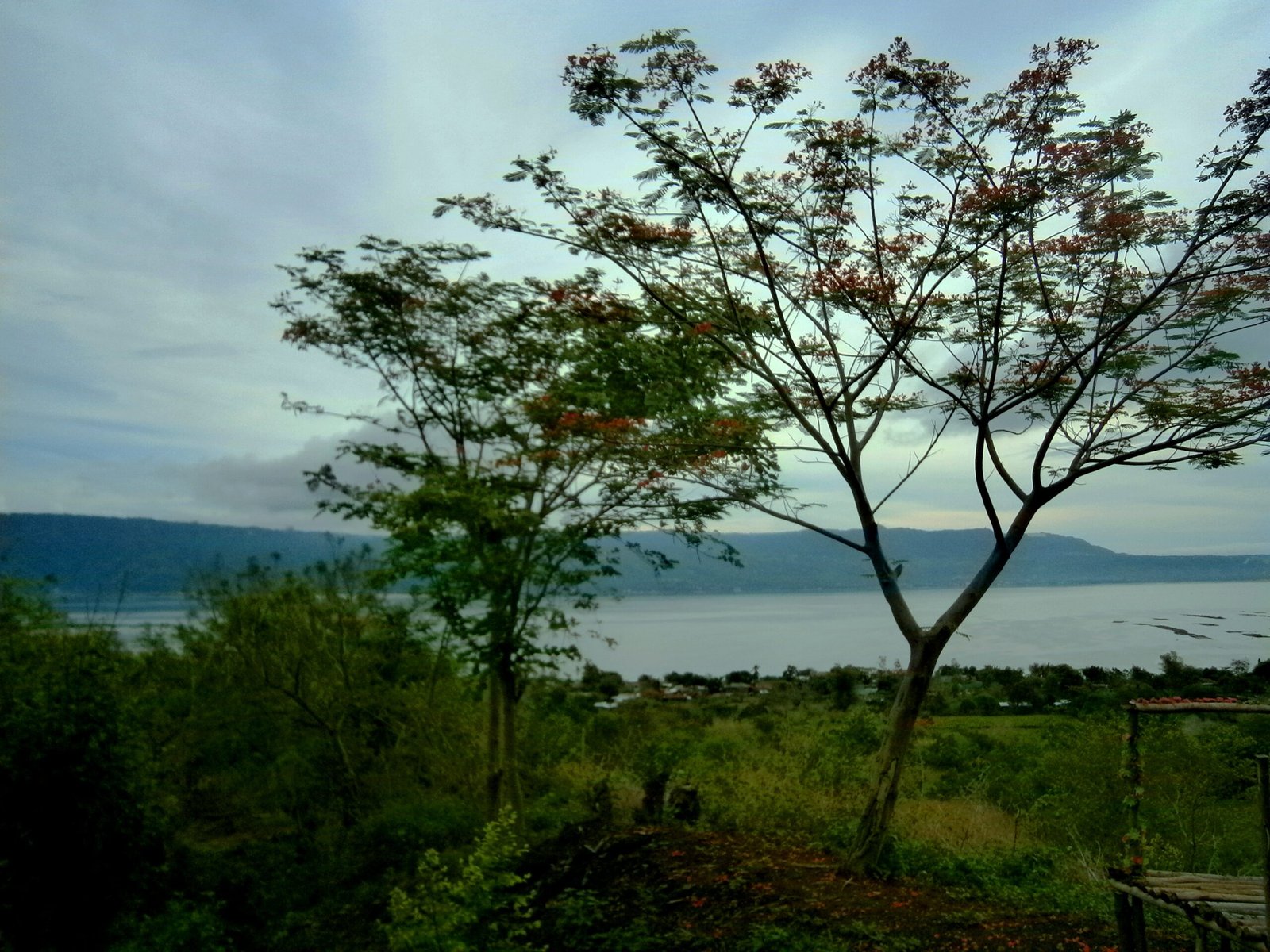
The creation of Taal’s stacked lakes and volcanoes is a saga millions of years in the making. The oldest structure, the Taal caldera, formed after a massive eruption blew the top off a primordial volcano, creating a huge basin. Over time, this basin filled with water, forming Taal Lake. Later, continued eruptions built up Volcano Island in the middle of this lake. The most recent eruptions hollowed out the summit of Volcano Island, giving birth to Crater Lake. It’s a process of destruction and rebirth, with each eruption adding a new chapter to the story.
The Power and Peril of Living Beside Taal
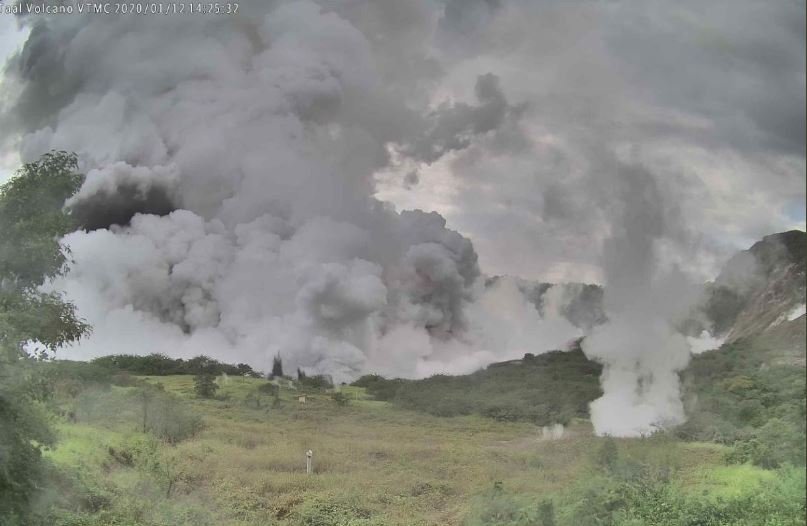
People have lived around Taal for centuries, drawn by the fertile soils and abundant fish in the lake. But this beauty comes with risks. Taal is one of the most active and dangerous volcanoes in the Philippines, with over 30 recorded eruptions since the 16th century. The most recent eruption in January 2020 sent ash plumes miles into the air and forced thousands to evacuate. Yet, many locals remain fiercely attached to their home, living with both the gifts and the threats of a life beside the volcano.
A Closer Look at Vulcan Point: The Island Inside the Island
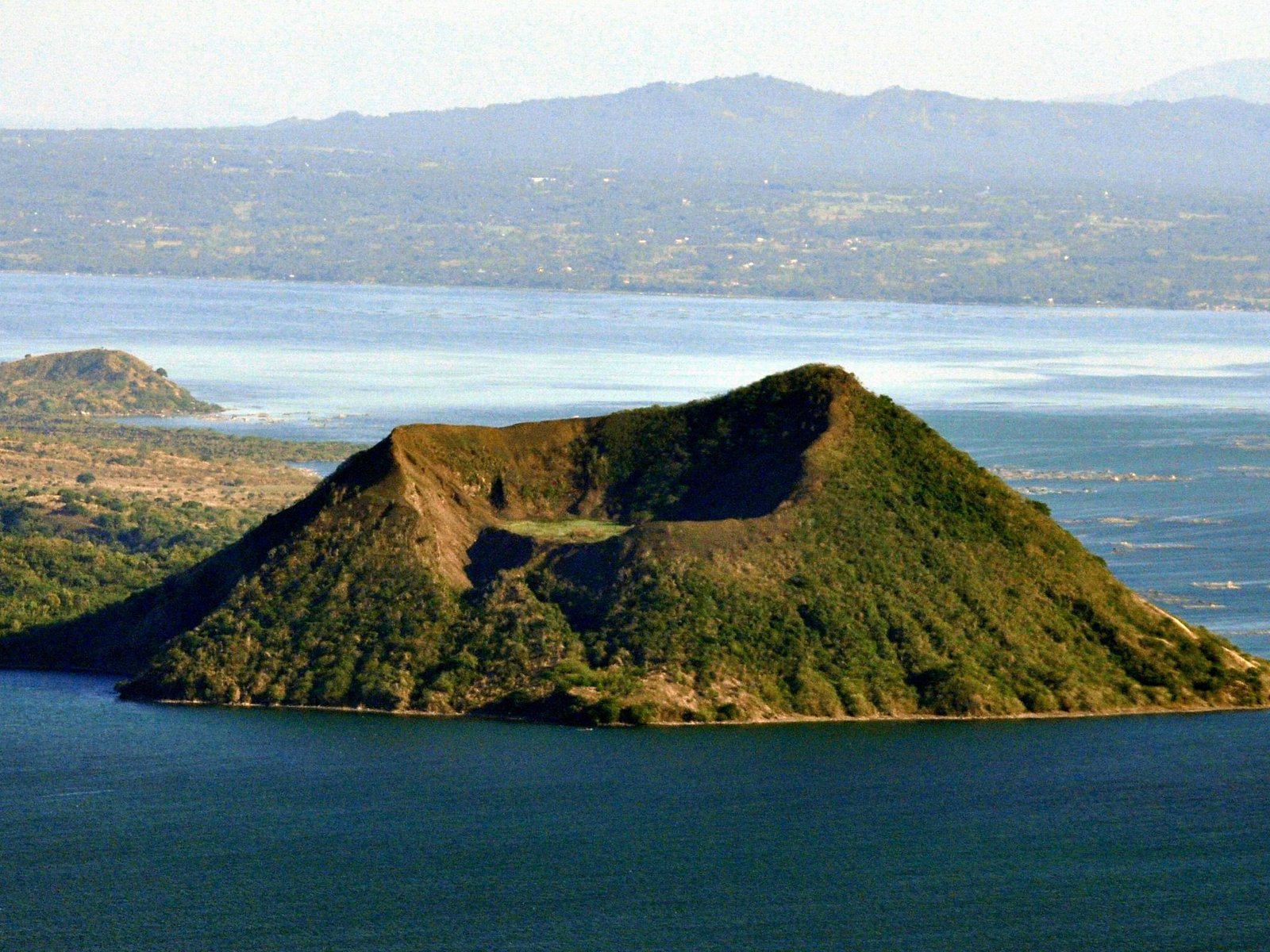
Vulcan Point is a rocky, green-tufted outcrop poking up from Crater Lake’s surface. It’s not just an island; it’s the tip of an old volcanic vent, making it one of the world’s most mind-boggling landforms. Geographically, Vulcan Point is often cited as “the world’s largest island in a lake on an island in a lake on an island.” It’s a quirky record that sparks the imagination and makes geologists’ heads spin. You could stand on Vulcan Point, surrounded by water, on an island, in a lake, on another island, itself in another lake. It’s nature’s version of a nested puzzle box.
The Science Behind Nested Calderas
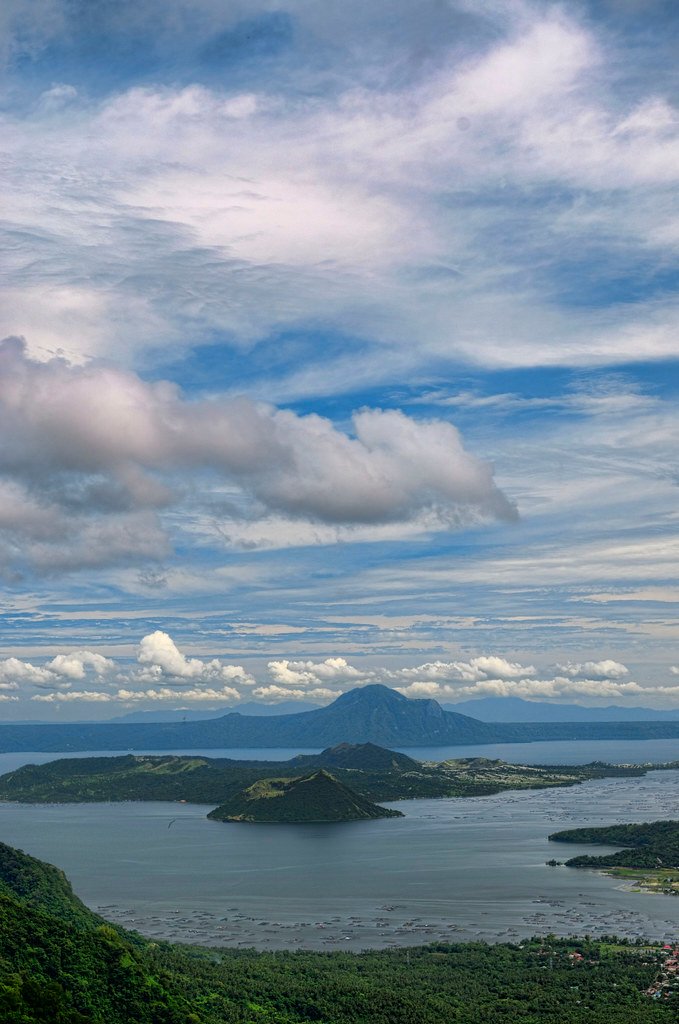
Nested calderas like Taal are rare but not unique to the Philippines. They form when a volcano erupts so violently that its central region collapses, creating a depression. If volcanic activity resumes, a new cone can grow within the old caldera, sometimes forming a new crater and even a new lake. The process is similar to Russian nesting dolls: each layer fits inside the last. Taal is especially spectacular because its inner features are so well-preserved and visible, with each layer clearly demarcated for all to see.
Water’s Role in Shaping Taal’s Identity
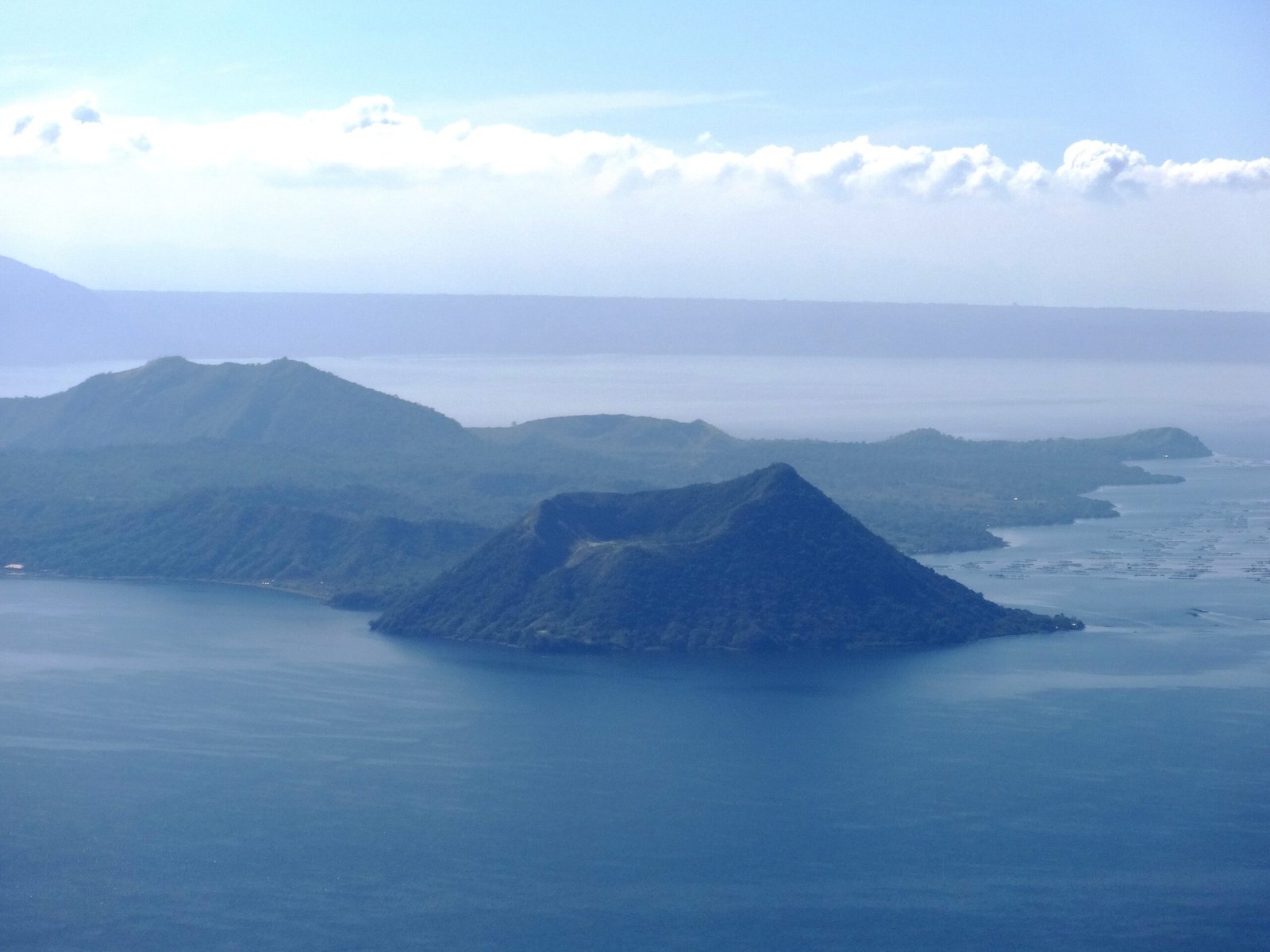
Water is the silent architect of Taal’s beauty and danger. Taal Lake was once connected to the South China Sea, but volcanic eruptions blocked the channel, trapping fresh water inside. Over centuries, rain and rivers diluted the salt, turning it into a freshwater lake. The lake’s waters now lap at the base of Volcano Island, and the smaller Crater Lake lies at the volcano’s summit. These waters not only reflect the sky but also shape the local climate and provide for the people and wildlife who call Taal home.
Wildlife Thriving in a Volcanic Wonderland
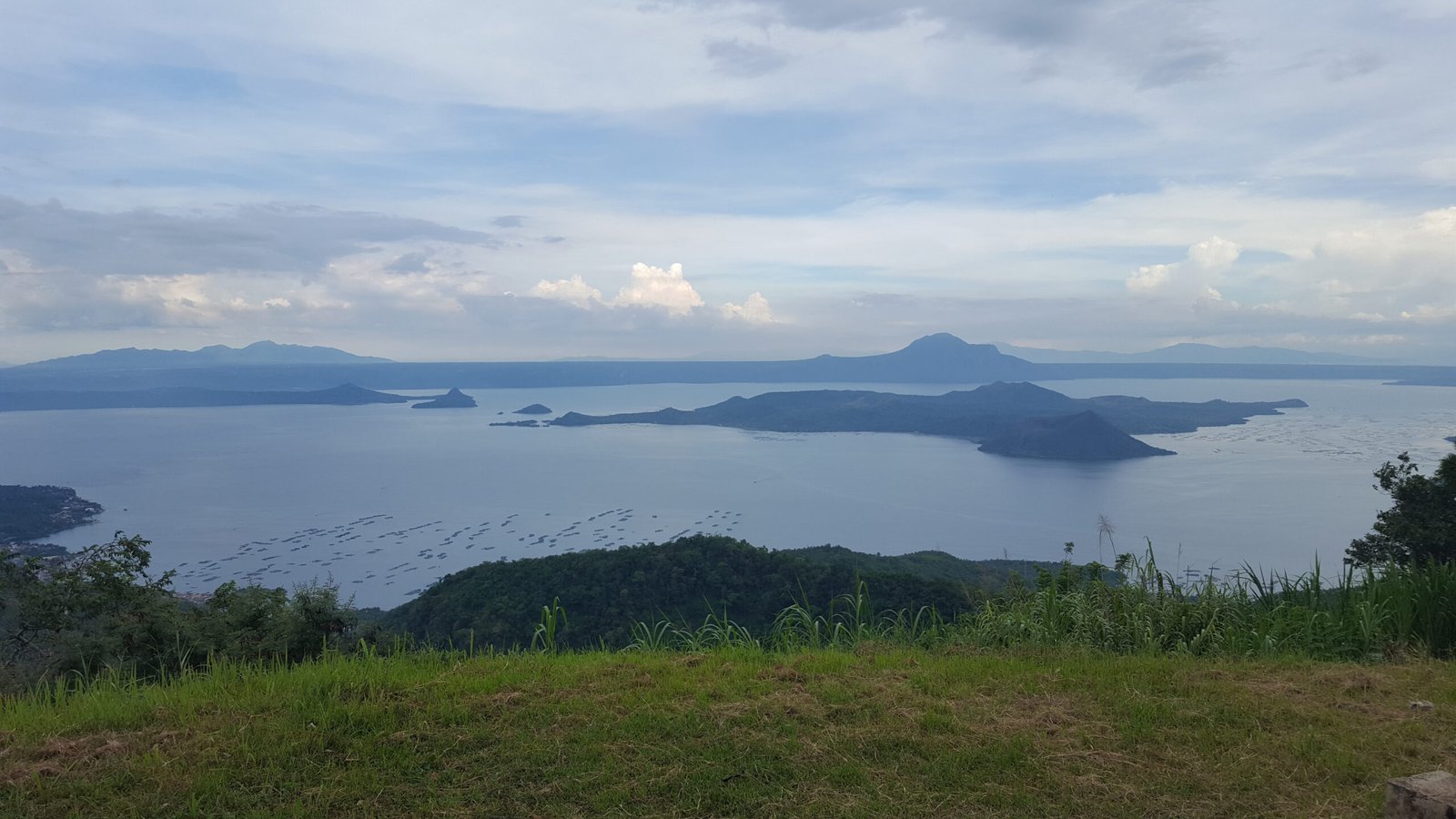
Despite—or perhaps because of—its fiery origins, Taal is home to a stunning array of life. The lake supports a unique species of freshwater sardine called tawilis, found nowhere else on Earth. Birds, reptiles, and insects all thrive among the lush vegetation covering Volcano Island. Even Vulcan Point, tiny as it is, has its own ecosystem. Life here is resilient, adapting to cycles of eruption and renewal in a way that’s both humbling and inspiring to witness.
The Human Connection: Legends and Lore
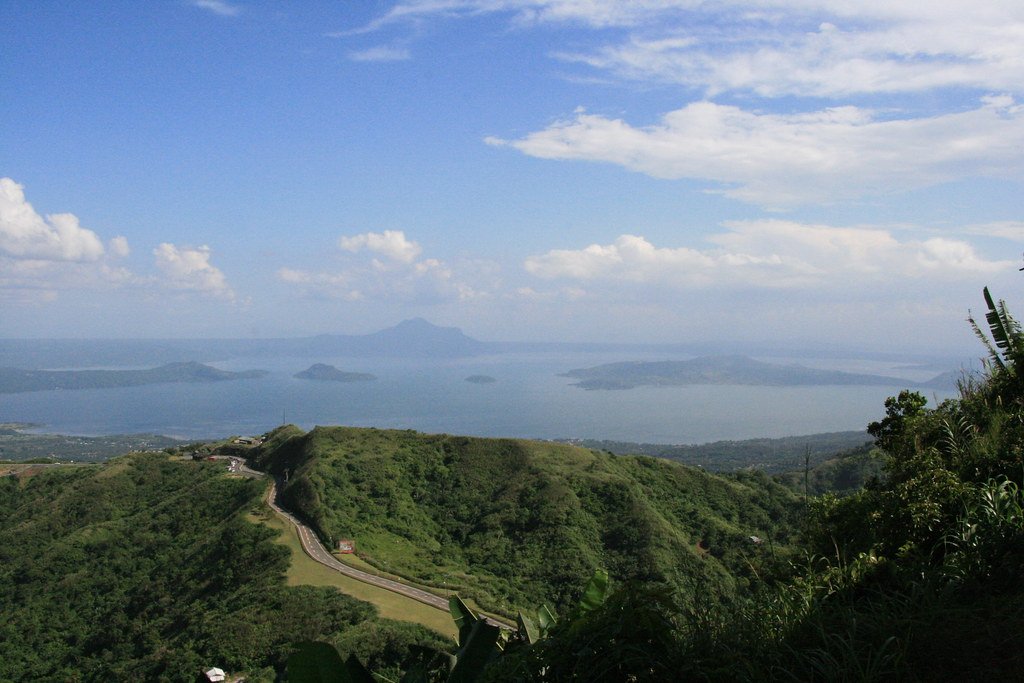
Taal has inspired countless legends among the people living around its shores. Some stories speak of the volcano as a sleeping giant whose anger can shake the earth. Others tell tales of lovers turned to stone or islands emerging overnight. These myths are more than just stories—they’re a way for people to make sense of the awesome forces shaping their world. The volcano is both a giver and a taker, and the local culture reflects that deep respect for nature’s power.
The Ever-Present Threat of Eruption
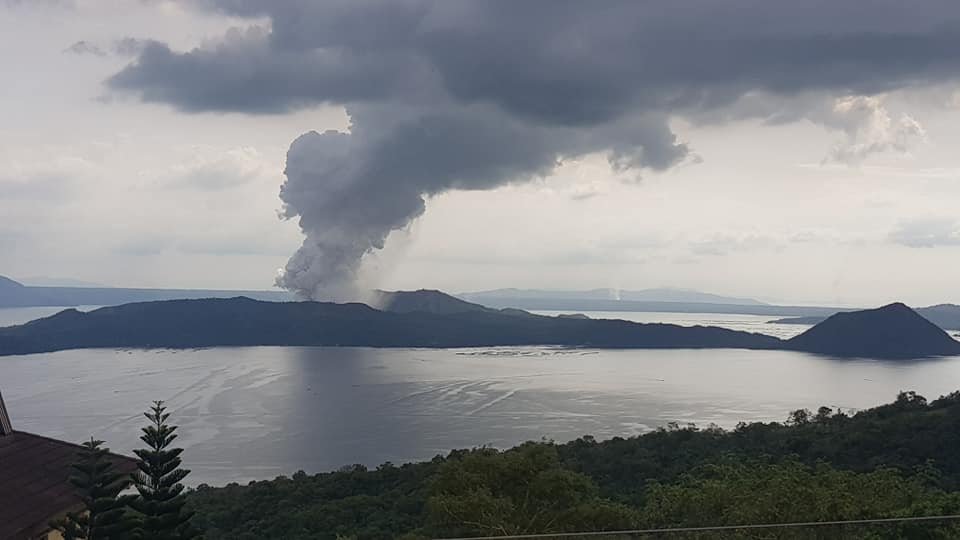
Taal’s peaceful appearance is deceptive. Beneath the surface, magma churns and gases build, ready to erupt at any moment. Scientists closely monitor Taal for signs of activity, using seismographs, gas sensors, and satellite images to watch for changes. The risk is always there, but so is the determination of local communities to prepare and adapt. Over time, people have learned to coexist with the volcano, balancing caution with resilience.
Tourism’s Double-Edged Sword
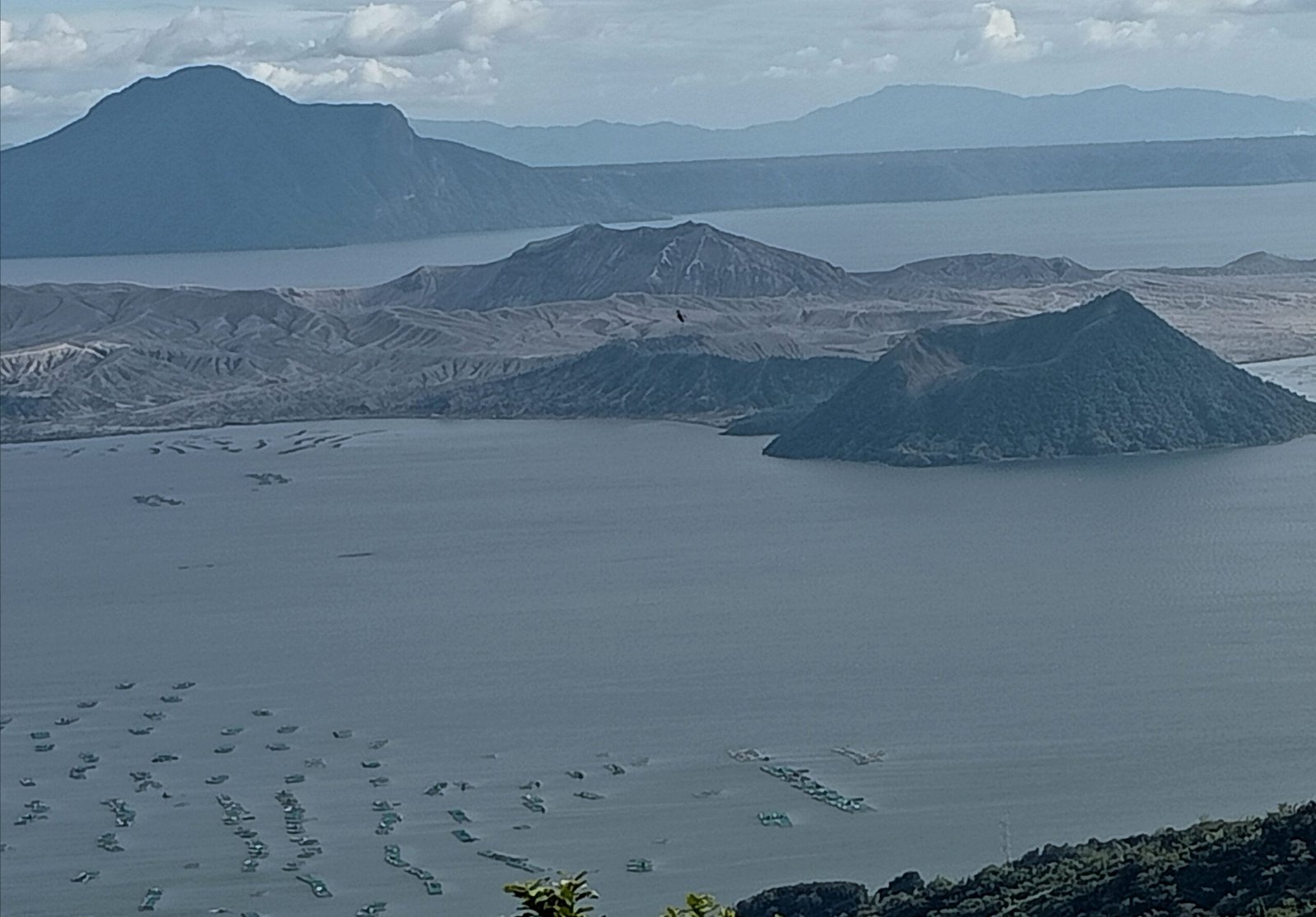
The strange beauty of Taal draws tourists from around the world. Boat rides across the lake, treks up Volcano Island, and breathtaking views from the caldera rim make it a top destination. But tourism brings challenges. Increased foot traffic can damage delicate ecosystems, and the influx of people strains local resources. Managing tourism sustainably is crucial to preserving Taal for future generations, ensuring that wonder doesn’t come at too high a cost.
The Role of Technology in Understanding Taal
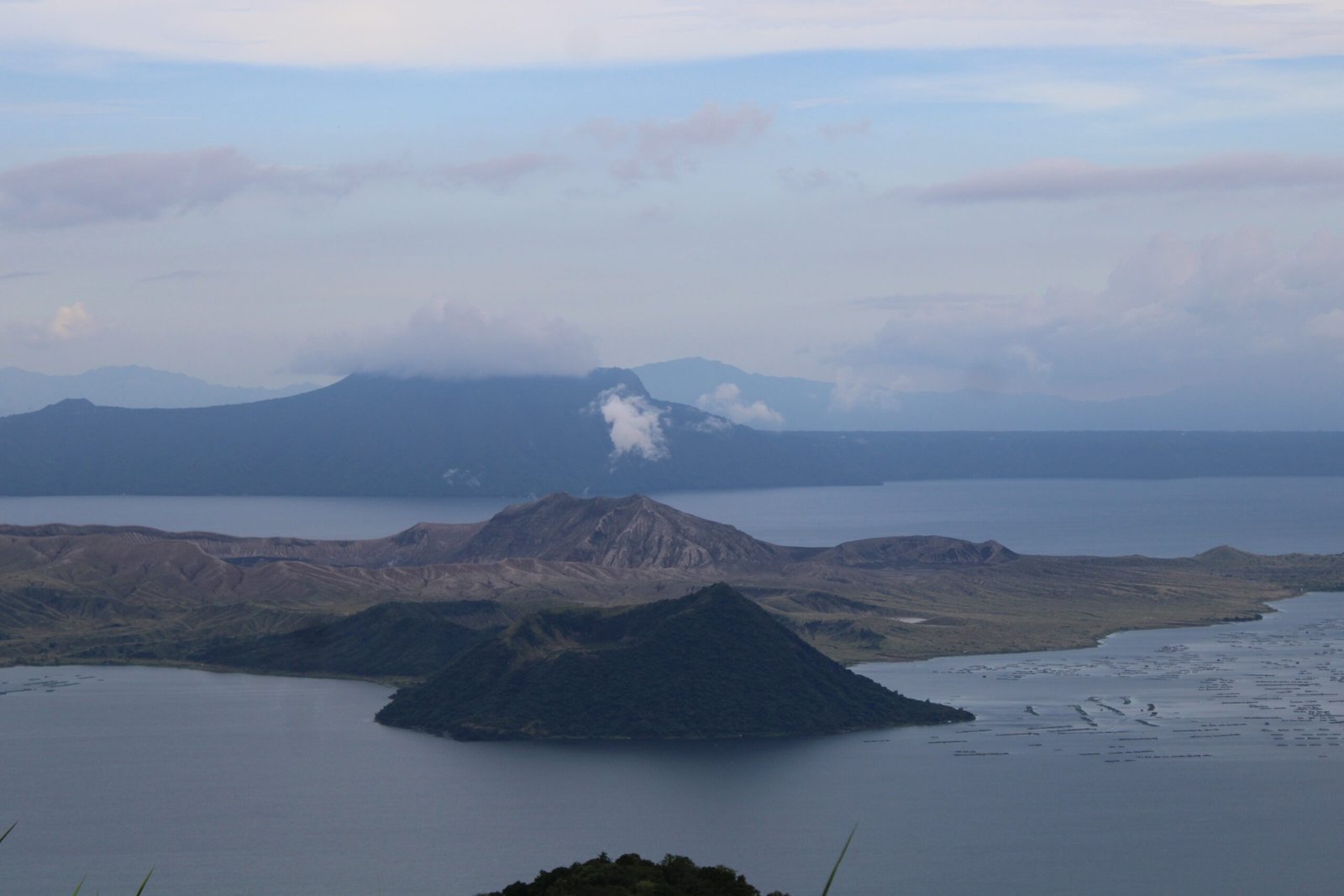
Modern technology has revolutionized our ability to study Taal. Drones capture high-resolution images of the crater, while remote sensors collect data on gas emissions and ground movement. Satellite imagery helps scientists monitor changes in real time, even during dangerous eruptions. This data is vital for predicting eruptions and keeping people safe, showing how science and technology can work hand-in-hand to unravel nature’s mysteries.
Taal’s Place in Global Geology
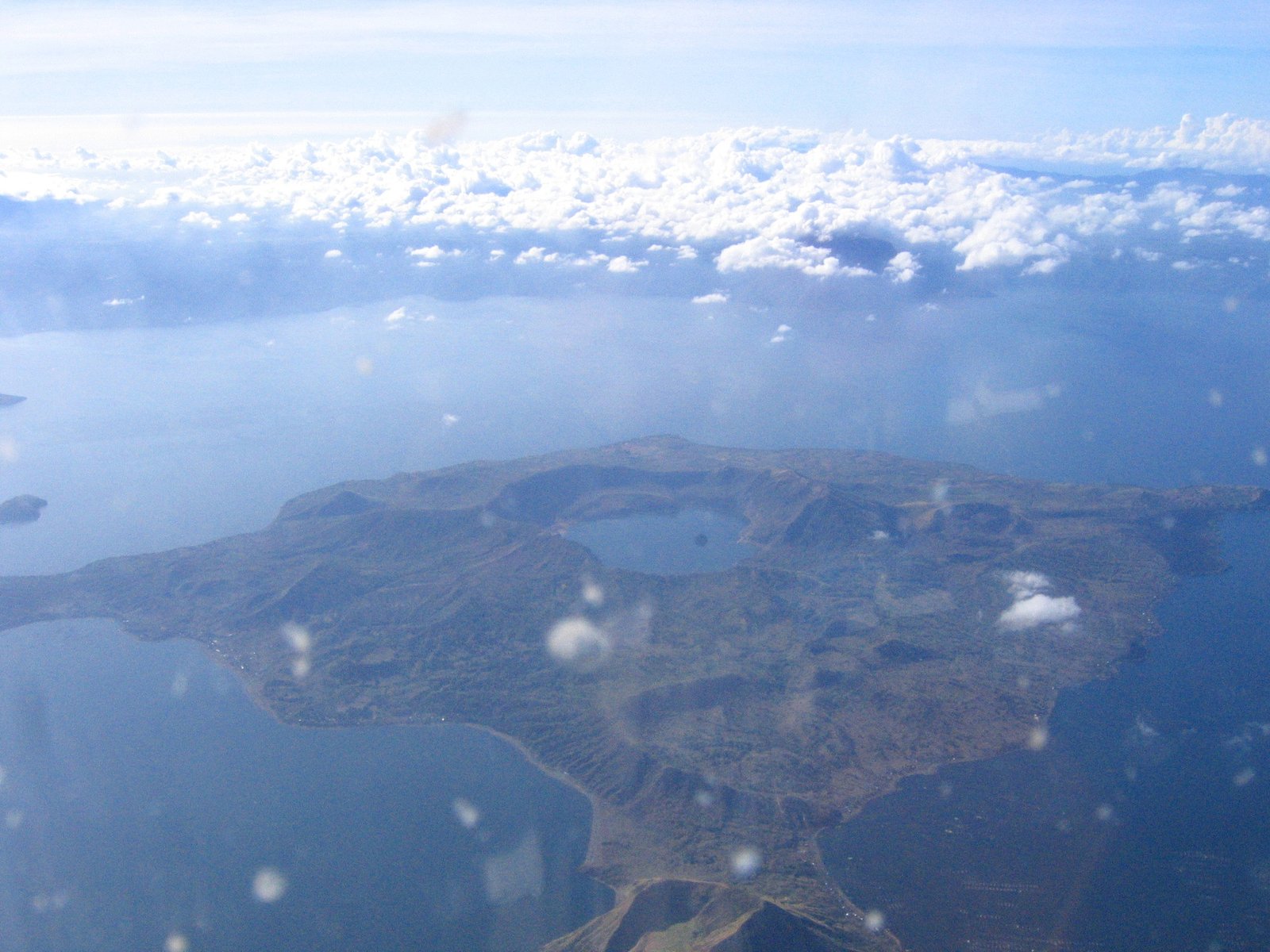
Taal isn’t just a local curiosity—it’s a geological superstar. Its complex structure makes it a favorite case study for volcanologists worldwide. Researchers compare Taal to other nested calderas in places like Indonesia and the United States, hoping to unlock broader secrets about how volcanoes evolve. Taal’s unusual combination of lakes and islands sets it apart, making it a living laboratory for earth science.
How Eruptions Reshape the Landscape
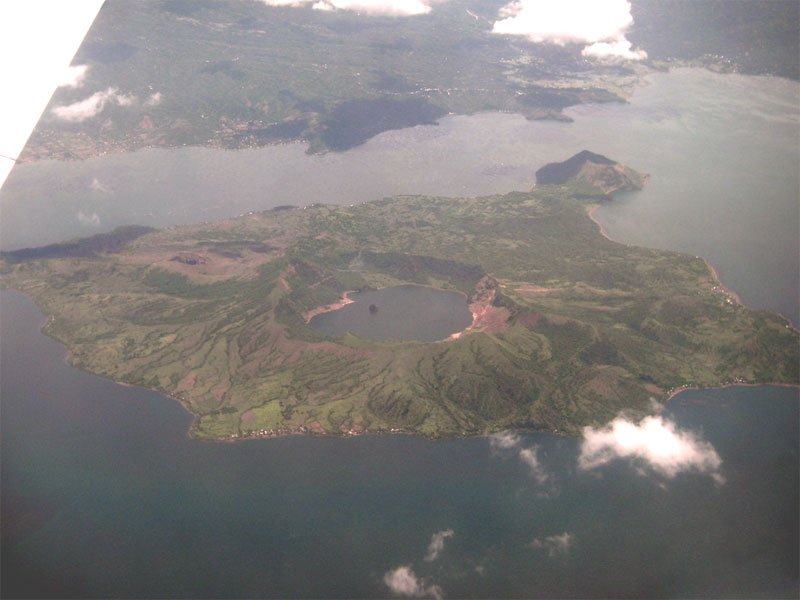
Every eruption at Taal leaves a mark. Ash covers fields, reshaping the soil. New vents open and old ones close. Sometimes, eruptions create new land or alter the shape of existing islands. After major events, scientists and locals alike survey the changes, piecing together how each eruption fits into the long story of the volcano. It’s a reminder that the landscape is never truly finished—it’s always in the process of becoming something new.
Adapting to Life on the Edge
For those living around Taal, adaptation is a way of life. Homes are built with evacuation in mind, and children grow up knowing the signs of an impending eruption. Farming communities have backup plans for when ashfall destroys crops. Even the fishers on Taal Lake have learned how to respond when water turns acidic after an eruption. Their resilience is a testament to the human spirit’s ability to thrive, even in the shadow of danger.
When Science Meets Adventure
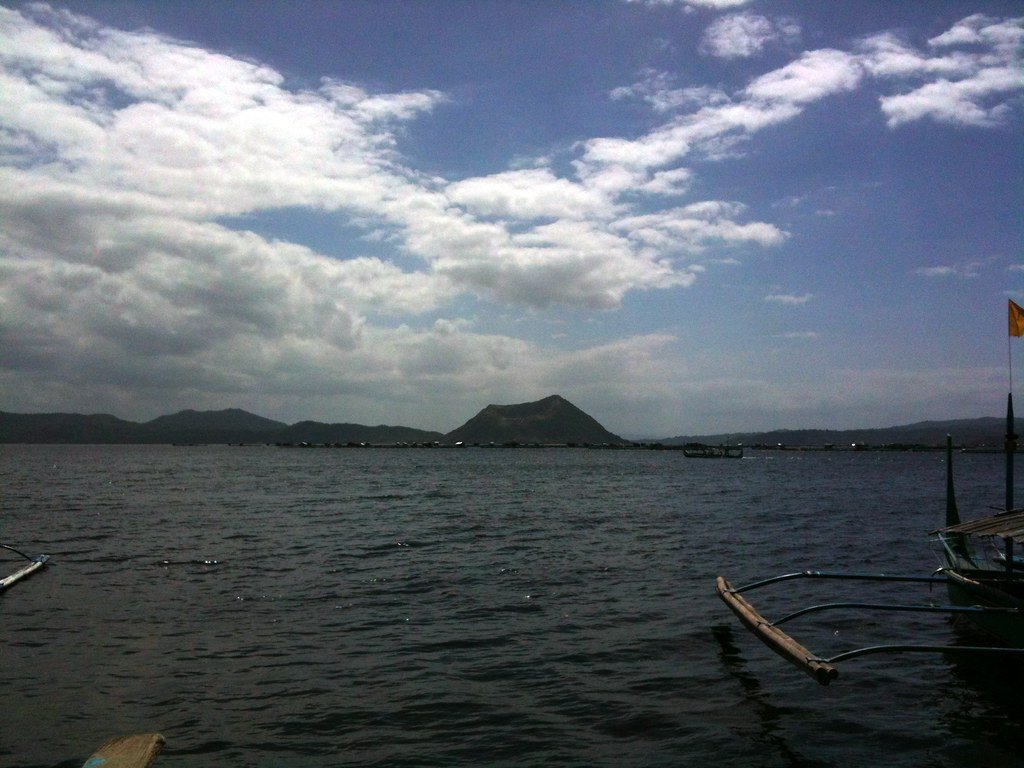
Visiting Taal isn’t just a lesson in geology—it’s an adventure. Hikers climb steep trails to the crater’s edge, while boaters cross the lake’s placid waters, knowing full well what lies beneath. It’s a place where scientific curiosity and a sense of wonder go hand in hand. For many, standing on Vulcan Point and looking out at the nested lakes and volcanoes is a moment they’ll never forget.
A Magnet for the Imagination
Taal’s layered wonders have inspired artists, writers, and dreamers for generations. Painters try to capture the shifting light on the lakes, while poets muse about the volcano’s secrets. The landscape invites you to ask big questions—about time, change, and our place in the world. It’s hard not to feel a sense of awe when you realize you’re standing inside a volcano inside a lake inside a volcano.
Global Lessons from a Local Wonder
Taal’s story isn’t just for the Philippines. It’s a vivid example of how the Earth is always changing—sometimes violently, sometimes subtly, but always with a kind of creative force. Scientists studying Taal learn lessons they can apply to volcanoes around the world, improving our understanding of everything from eruption prediction to ecosystem resilience. In this way, Taal connects us all, reminding us that the planet’s stories are shared, not separate.
Unraveling the Layers of Time
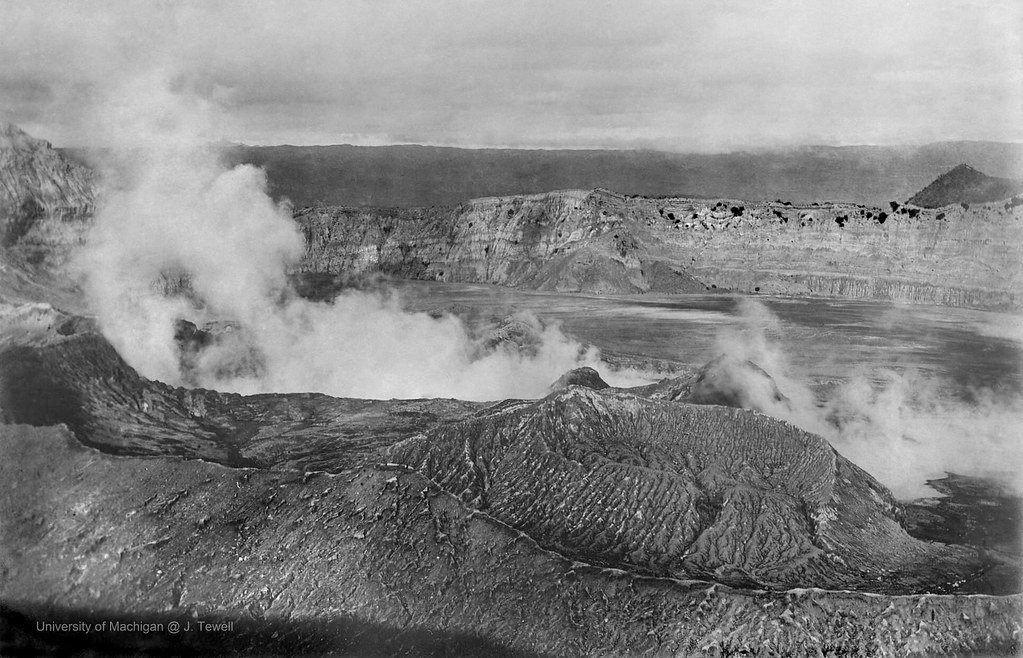
Each layer of Taal—lake, volcano, lake, volcano—is a chapter in a story that’s still being written. The rocks tell of ancient explosions, the water speaks of slow, patient change, and the living creatures show how life adapts to the unexpected. It’s a place where the past, present, and future collide in spectacular fashion, with every eruption and every calm day adding something new to the mix.
What Taal Teaches Us About Earth’s Surprises
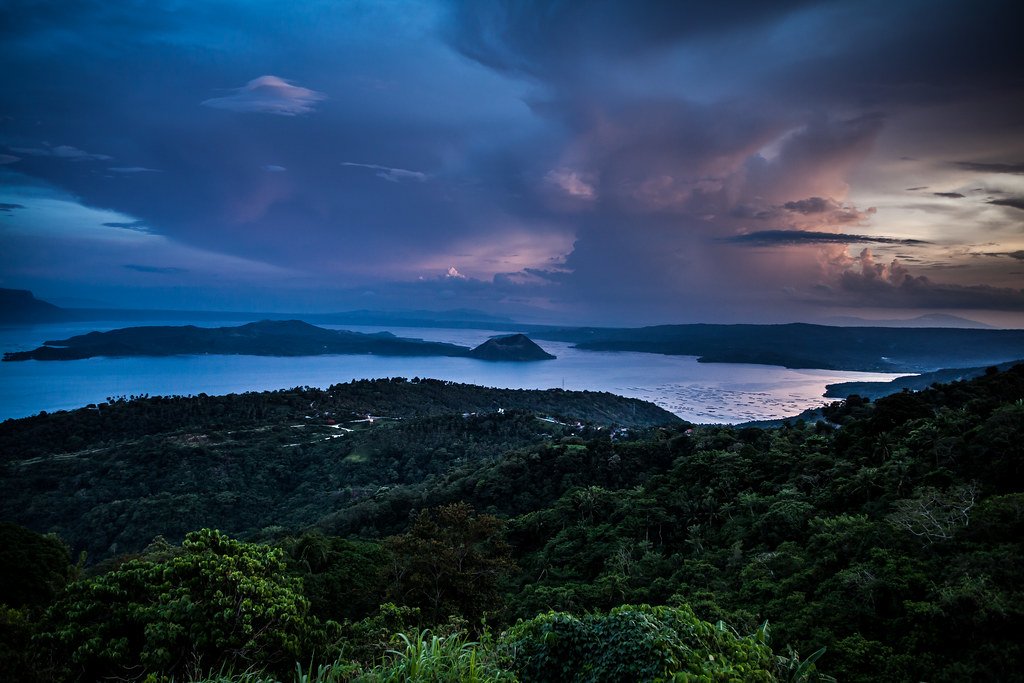
Taal is a masterclass in nature’s ability to surprise and delight. Just when you think you’ve seen it all, you find a place like this—a lake inside a volcano inside a lake inside a volcano. It’s a reminder to never stop exploring, never stop asking questions, and never assume you know all the answers. The world is full of wonders, if we’re willing to look closely and let ourselves be amazed.