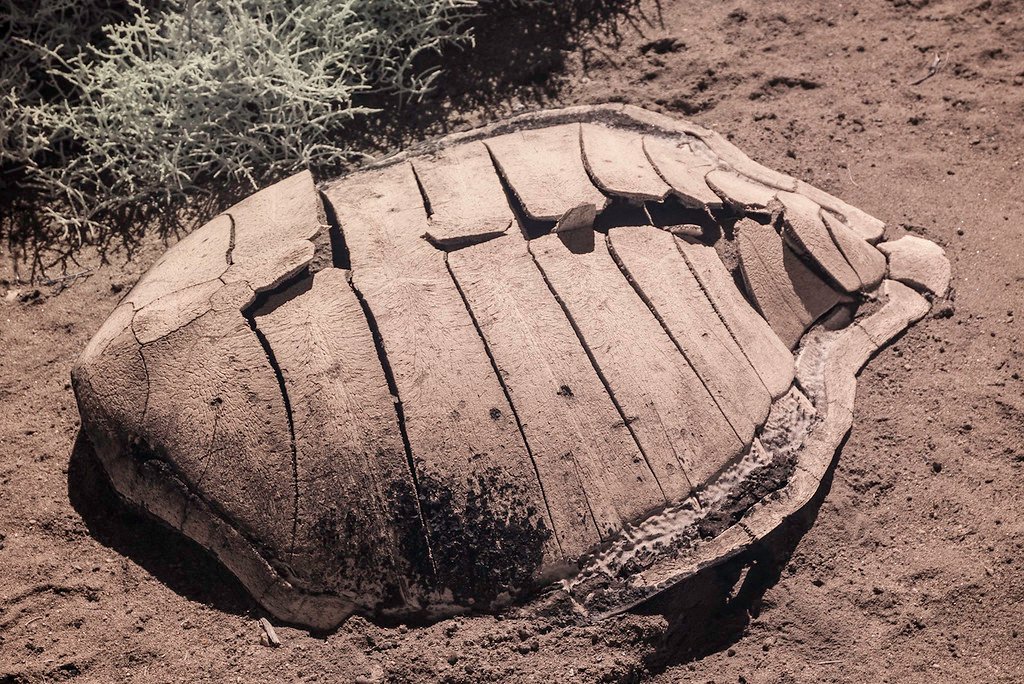
A turtle’s shell is more than just a suit of armor—it’s a living, breathing miracle crafted over millions of years. Every May 23rd, World Turtle Day rolls around, and suddenly, these ancient wanderers become the stars of the show. But have you ever stopped to wonder what’s really going on beneath those iconic domes? Their shells hold secrets of time, survival, and ingenious adaptation. From helping them outlast dinosaurs to inspiring human inventions, the turtle shell is nature’s ultimate shield. Dive in, and you might just find that what turtles have to teach us about survival and evolution is more surprising—and more moving—than you ever imagined.
The Origins of Turtle Armor: A Geological Time Machine
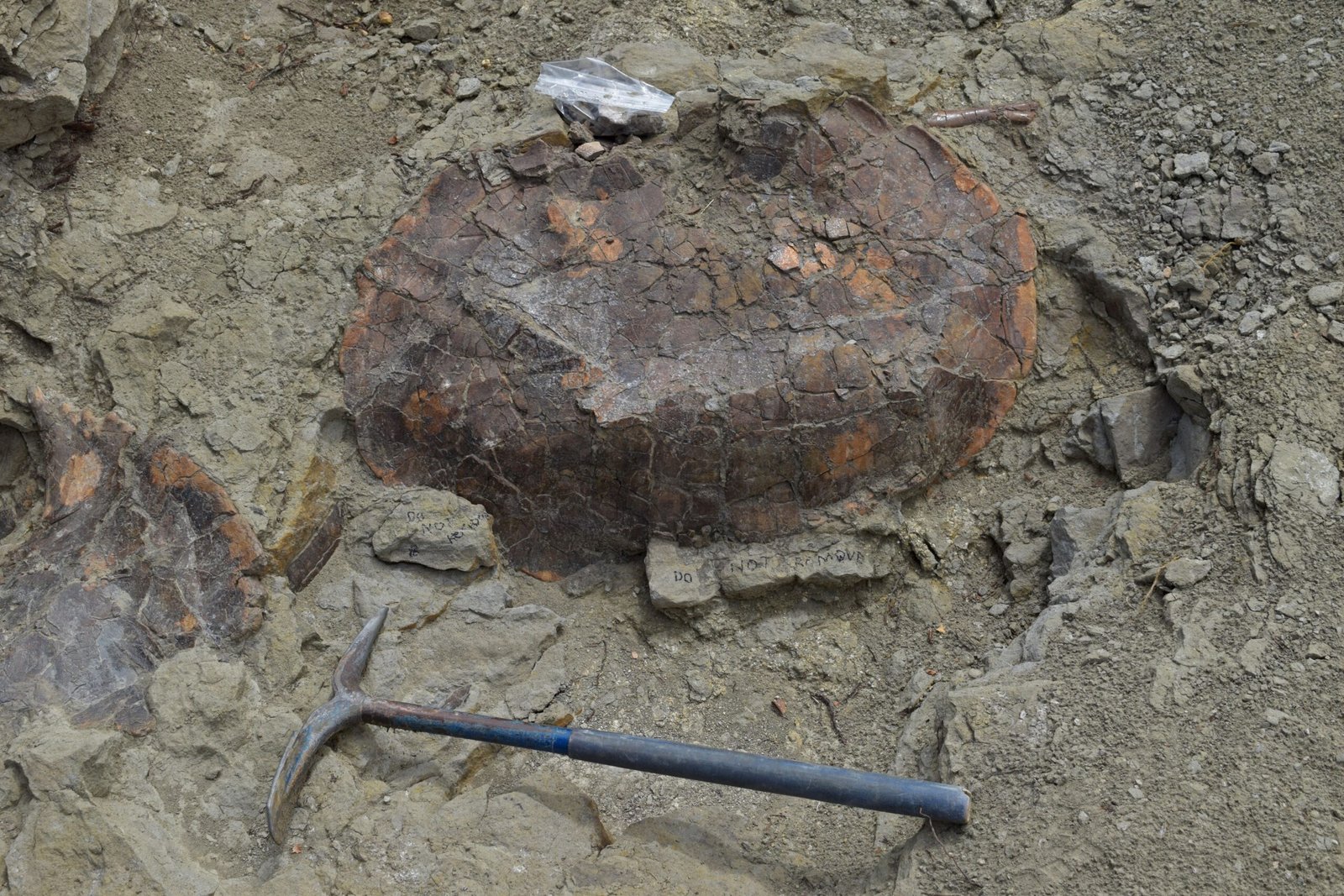
Turtle shells go back more than 200 million years, making them one of the oldest living lineages of armored animals on Earth. Imagine the world before mammals, even before flowering plants—turtles were already perfecting their protective gear. Fossils reveal that early turtles like Odontochelys had only partial shells, suggesting their famous armor evolved slowly, piece by piece. This gradual shift allowed them to survive predators and catastrophic changes that wiped out many other species. Their shells became a time capsule, holding clues to ancient climates and ecosystems. It’s as if every turtle carries a bit of Earth’s deep history on its back.
The Anatomy of a Turtle Shell: More Than Just a Shield
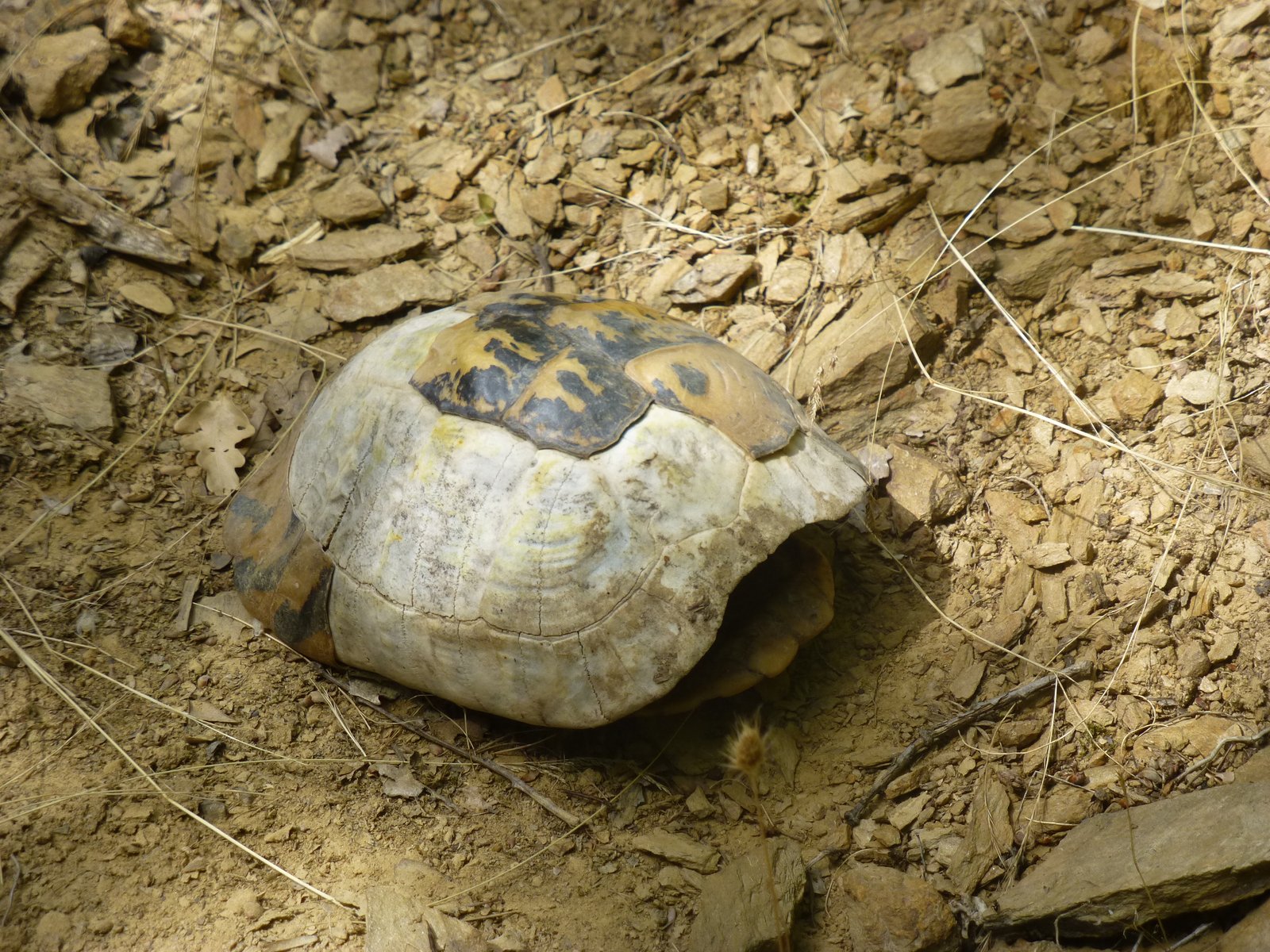
A turtle’s shell isn’t just a helmet slipped on over its body—it’s part of the turtle itself. The shell is made of two main parts: the carapace on top and the plastron underneath, joined by bony bridges. These aren’t like a crab’s hard covering; they’re fused to the turtle’s spine and ribs. Blood vessels and nerves run through the shell, so turtles can actually feel pressure and pain. This living armor grows with the turtle, always adapting to its needs. The shell’s strength comes from a mix of bone and keratin, the same protein found in your fingernails.
Evolution’s Toolbox: How the Shell Changed the Game
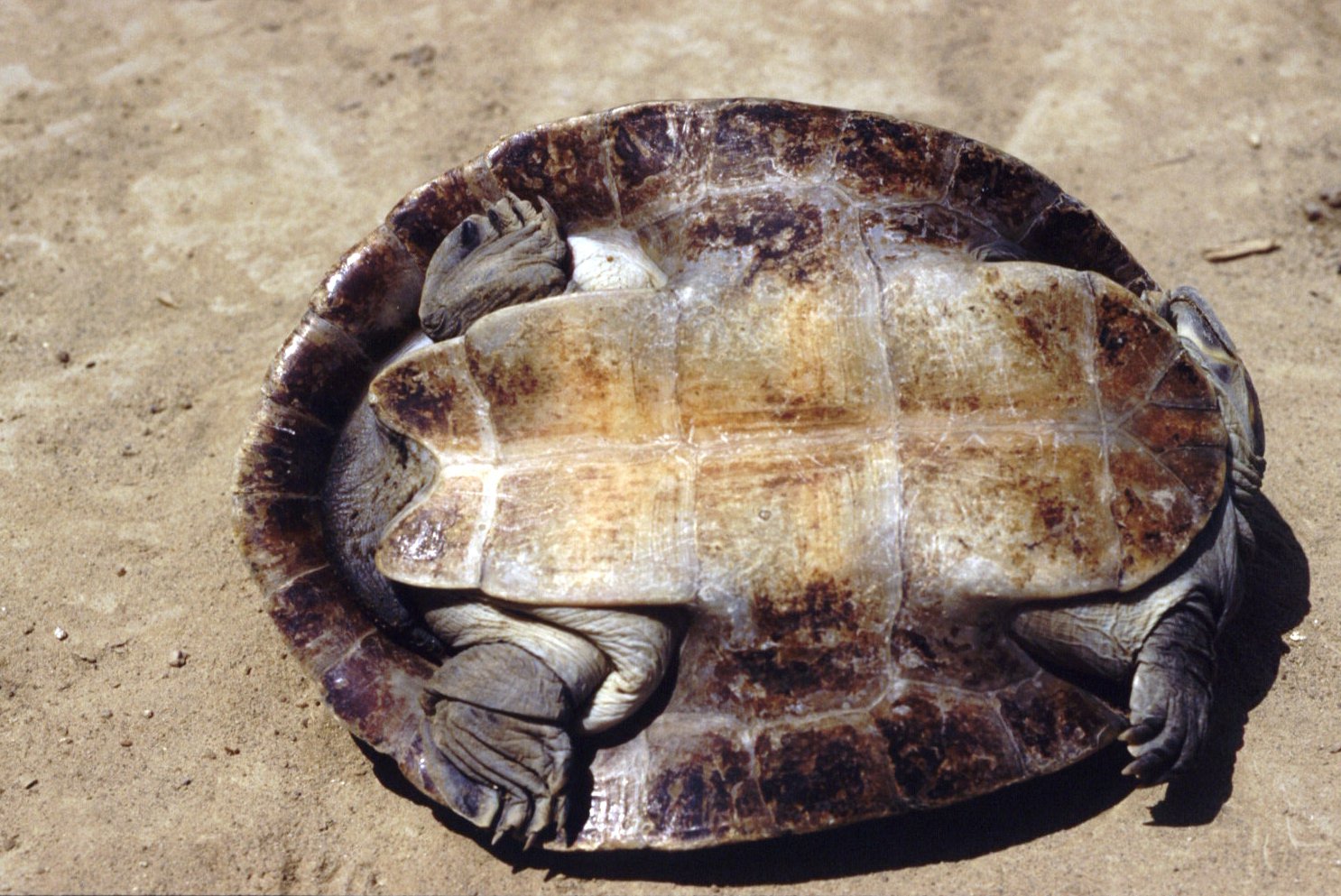
The shell changed the rules for turtles, opening up new worlds. It let them move slowly and steadily, focusing on outlasting rather than outrunning threats. Their armor meant they could afford to be patient and cautious—traits that have kept them alive through mass extinctions. The shell also freed turtles from the need for speed, allowing them to colonize ponds, rivers, oceans, and forests. Evolution tinkered with shapes and sizes, from the domed shells of land tortoises to the flattened, streamlined carapaces of sea turtles. Each variation tells a story about the battles fought and won in their environment.
Shells in the Wild: Survival Against All Odds
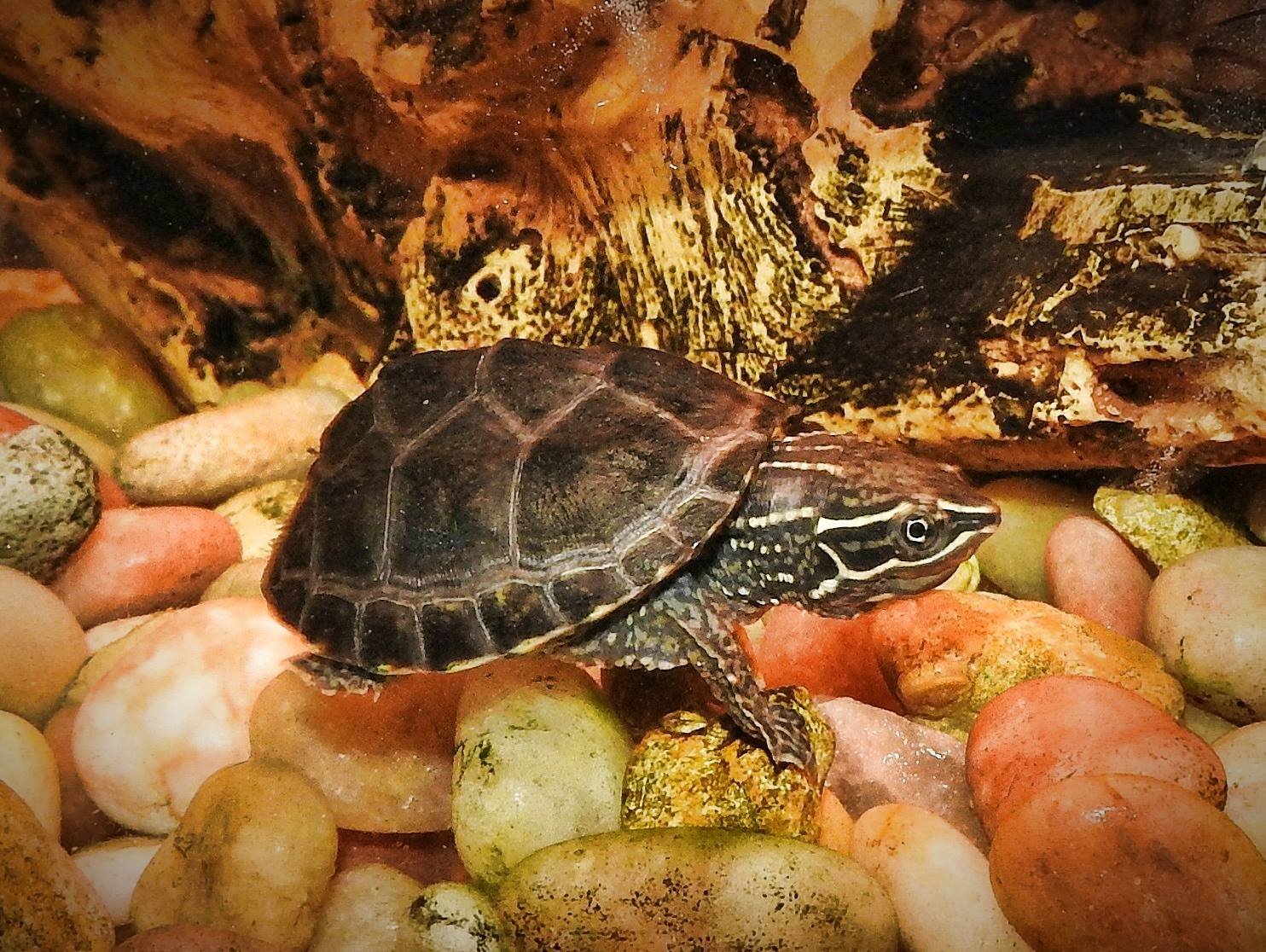
Turtle shells are more than just defense—they’re a survival toolkit. On land, a domed shell helps deflect attacks from predators like big cats and birds. In water, a flatter shell lets aquatic turtles glide through currents or wedge themselves under rocks. Even the color matters—some shells are dark to absorb sunlight and help with thermoregulation, while others blend into leafy or sandy backgrounds to avoid detection. When threatened, many turtles pull in their heads and limbs, turning into nearly impenetrable fortress balls. It’s a masterclass in evolutionary problem-solving.
A Living Fortress: The Science Behind Shell Strength
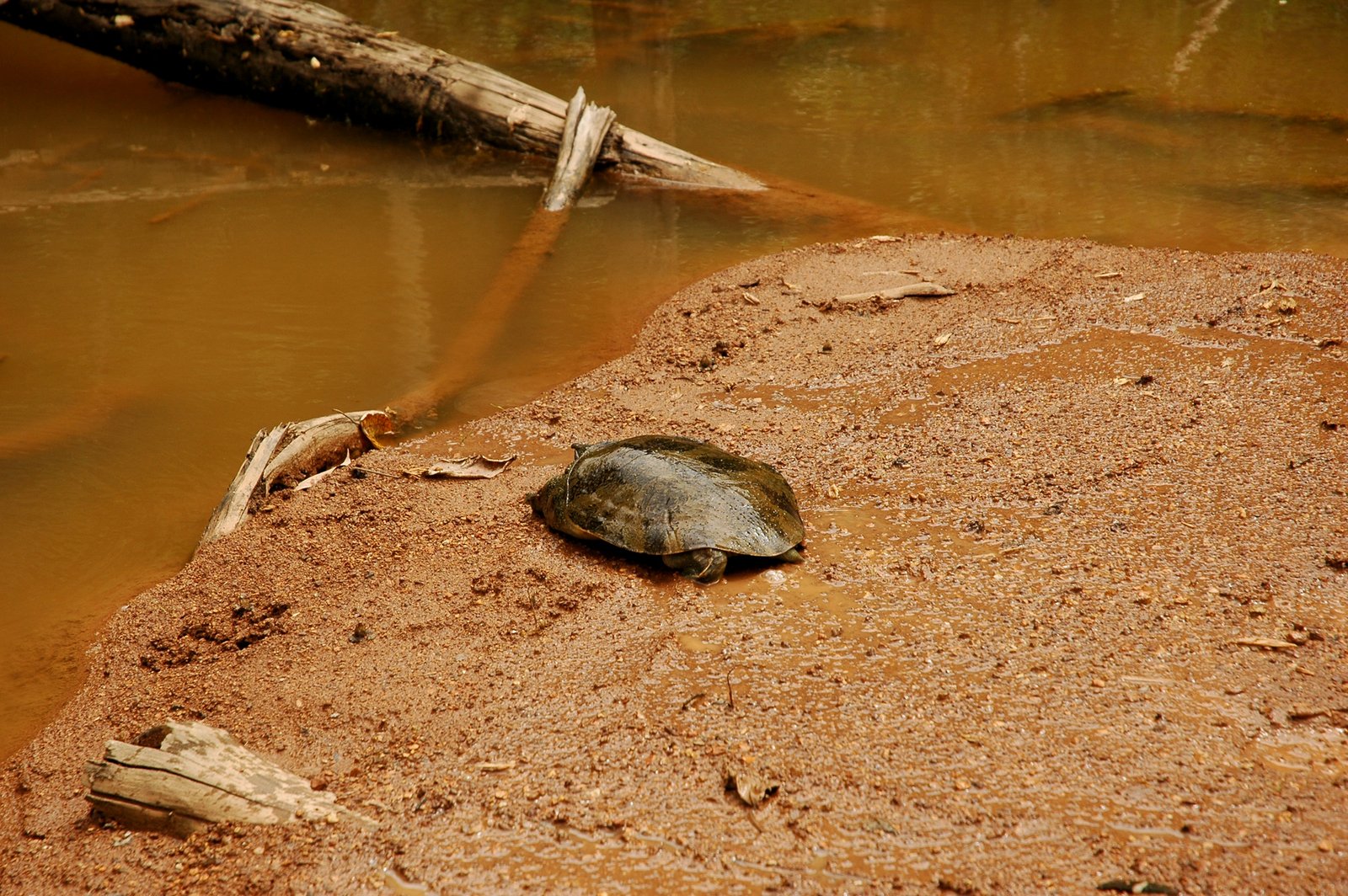
The incredible resilience of a turtle shell comes from its architecture. The shell’s bones are arranged in a mosaic pattern, distributing force across the entire structure. Some species have shells strong enough to withstand the bite of a crocodile. Researchers have even tested turtle shells by dropping weights or simulating predator attacks, and the results are astonishing—they rarely break. This natural engineering feat has inspired scientists to study turtle shells for clues on building stronger helmets, vehicles, and body armor for humans. Nature’s blueprints are often the best.
Not Just Protection: The Shell’s Surprising Roles
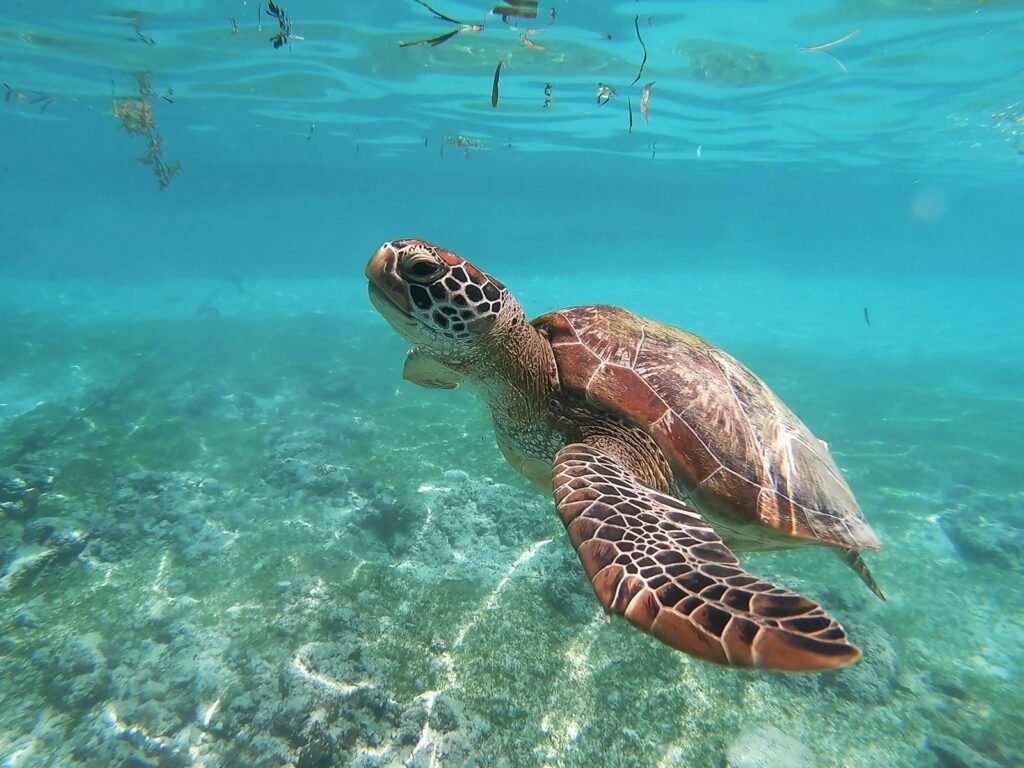
While the shell’s main job is defense, it also plays a part in breathing, buoyancy, and communication. Some turtles can pump air in and out by moving their limbs or throats, since they can’t expand their ribcage like other animals. The shell’s shape and weight help with floating or sinking, crucial for aquatic turtles hunting or escaping threats. In some cases, shell bumps or colors are used to attract mates or warn rivals. The shell is a multitool, always adjusting to the turtle’s needs.
From Land to Sea: Shell Adaptations for Different Habitats
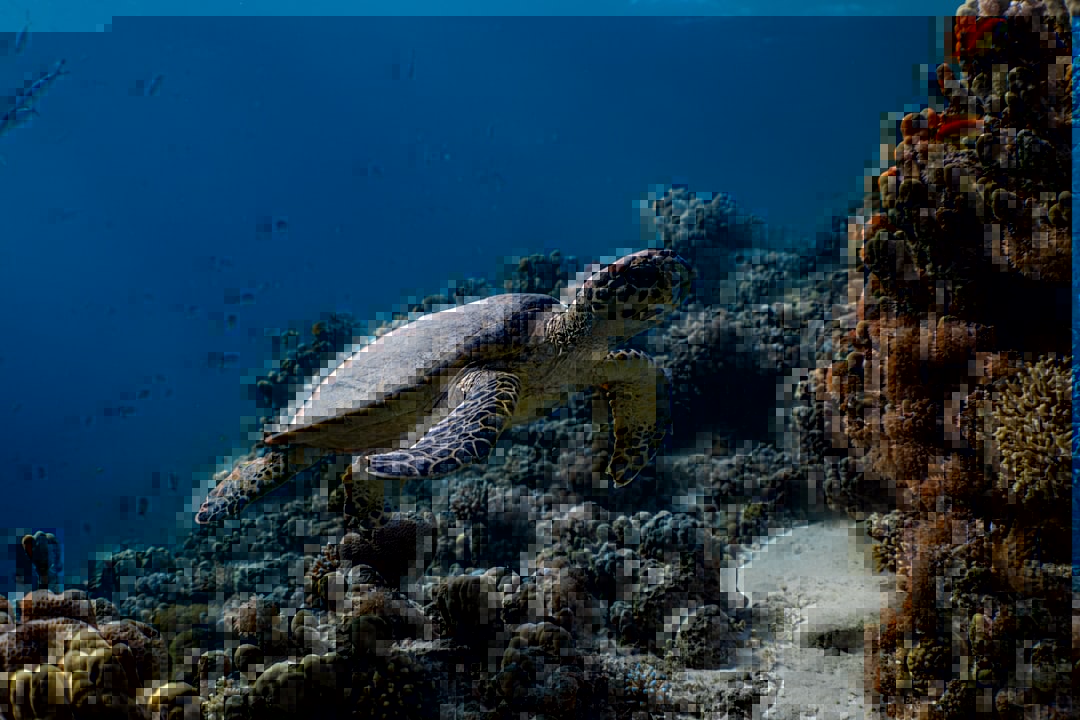
Turtles have conquered almost every corner of the planet, thanks to their adaptable shells. Tortoises on land have high, rounded shells for protection and support, perfect for slow walking and burrowing. River turtles have flatter, more streamlined shells for quick escapes and swimming through currents. Sea turtles went even further, evolving lightweight, hydrodynamic shells that let them cross oceans. Each shell is a perfect fit for the turtle’s lifestyle, shaped by millions of years of trial and error.
Shell Stories: Ancient Mysteries and Modern Discoveries
Every fossilized turtle shell is like a message from the past. Some ancient turtles had shells so massive they could barely move, while others had weird, spiky armor to fend off prehistoric monsters. Scientists use advanced CT scans to peek inside fossil shells, discovering how ancient turtles lived and what killed them. New species are still being found, each with its own unique shell design. These discoveries show that the shell is always evolving, always finding new ways to solve the challenges of survival.
Shell Repair: Nature’s Way of Healing
When a turtle’s shell is damaged—by predators, cars, or disease—it doesn’t always spell doom. Turtles have an amazing ability to heal cracks and breaks. Their bodies produce new bone and keratin to patch wounds, much like how our skin heals after a cut. Wildlife rehabilitators sometimes help by using special resins or even 3D printing to create temporary shell patches. This resilience is part of what makes turtles such survivors, even in a world full of hazards.
Human Connections: Turtles in Culture and Myth
Turtles and their shells have fascinated people for thousands of years. In some cultures, the turtle is a symbol of wisdom, longevity, and stability. Native American stories describe the world as being built on the back of a giant turtle. Ancient Chinese mythology sees turtles as creatures that bear the secrets of the universe on their shells. Even today, turtles appear in art, literature, and pop culture, always representing endurance and hope. Their shells are icons of survival.
Threats to Turtles: When Armor Isn’t Enough
Despite their incredible defenses, turtles are under threat today like never before. Habitat loss, pollution, climate change, and illegal trade have pushed many species to the brink of extinction. Roadways cut through nesting grounds, and plastic debris can trap or injure turtles. Even their shells, once a near-perfect shield, offer little protection against bulldozers and fishing nets. Conservationists are racing against time to protect these living fossils before it’s too late.
Learning from Turtles: Bio-Inspired Innovation
Scientists and engineers have started looking to turtles for inspiration. The layering and structure of turtle shells have influenced the design of lightweight but strong materials for vehicles, sports gear, and protective clothing. The way turtles heal their shells has sparked ideas for new medical treatments and self-repairing materials. By studying turtles, we’re learning how to build things that last—and how to bounce back from damage.
Climate Change and Shell Evolution
Rising temperatures are changing the game for turtles, especially when it comes to shell development and survival. Some turtles rely on specific temperatures for their eggs to hatch successfully, and climate shifts can skew the balance of males and females born. Hotter sand can change how shells develop, leaving hatchlings more vulnerable. Scientists are tracking these changes, hoping to understand how turtles might adapt—or struggle—in a warming world.
Shell Shapes and the Art of Camouflage
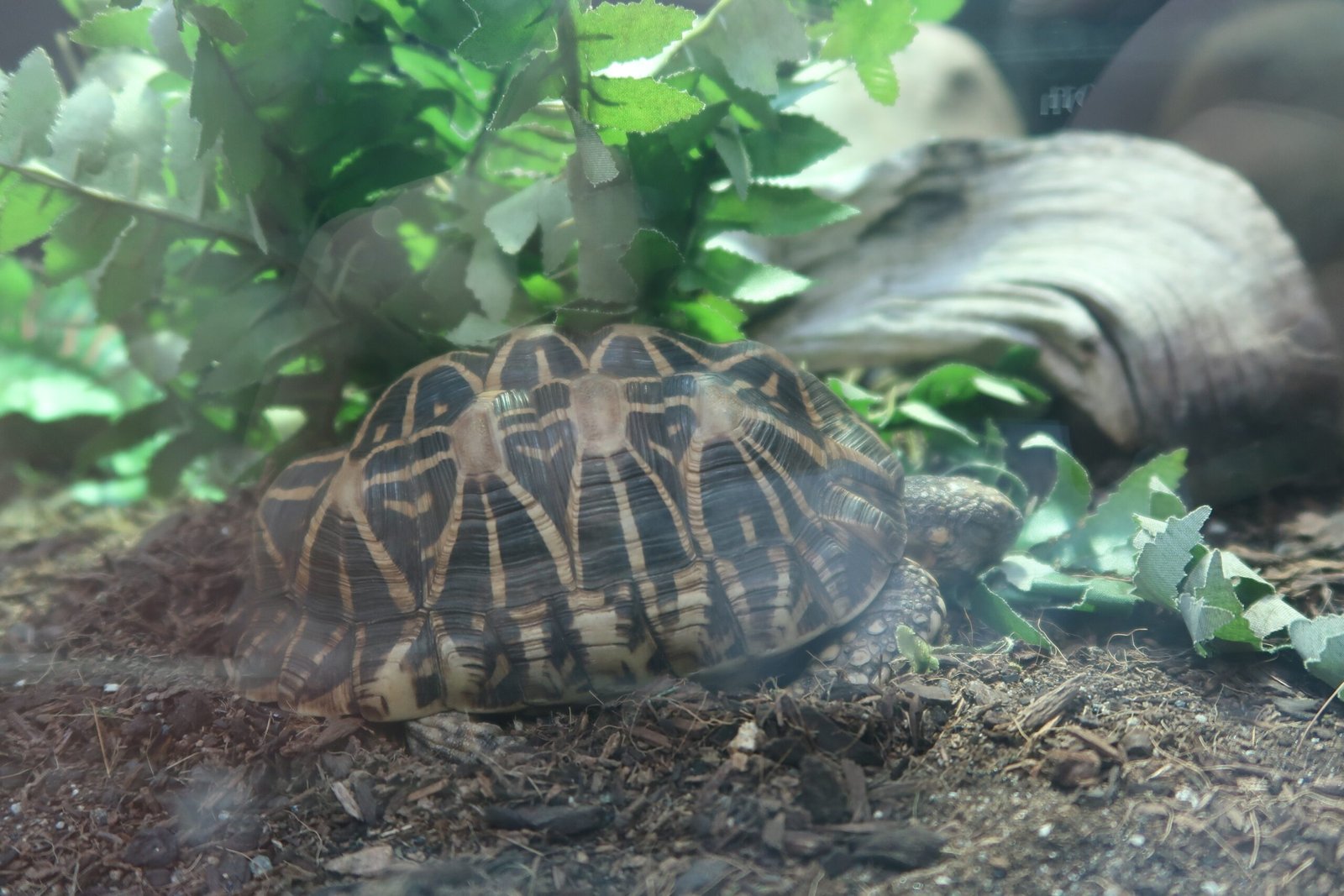
A turtle’s shell is its first line of defense, but it’s also a master of disguise. Some turtles have shells that mimic the leaves, rocks, or mud in their environment, making them almost invisible to predators. The radiated tortoise of Madagascar, for example, has a shell with star-like patterns that break up its outline in the dappled forest light. This kind of camouflage is a result of millions of years of natural selection, fine-tuning the perfect hiding place.
Shell Growth: A Slow and Steady Race
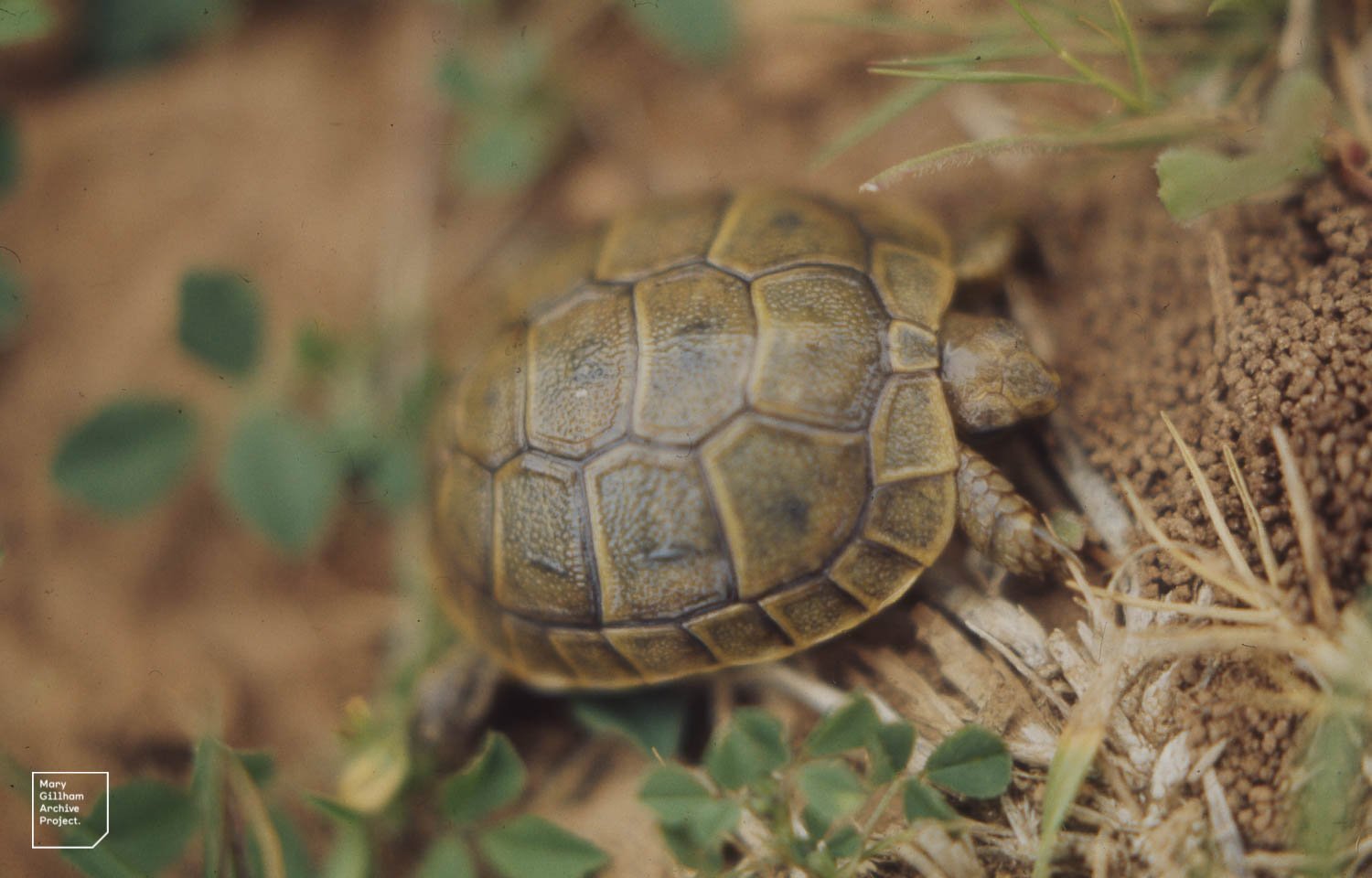
Turtles grow slowly, and so do their shells. Unlike snakes or crabs that shed their skins, turtles add new layers to their shells over time. Growth rings, a bit like those in trees, can even tell scientists how old a turtle is. This slow pace is a double-edged sword—it means turtles can live for decades, sometimes over a century, but it also makes them vulnerable to threats before they reach maturity. Patience has always been their secret weapon.
Shell Color and Health: A Window Into Well-Being
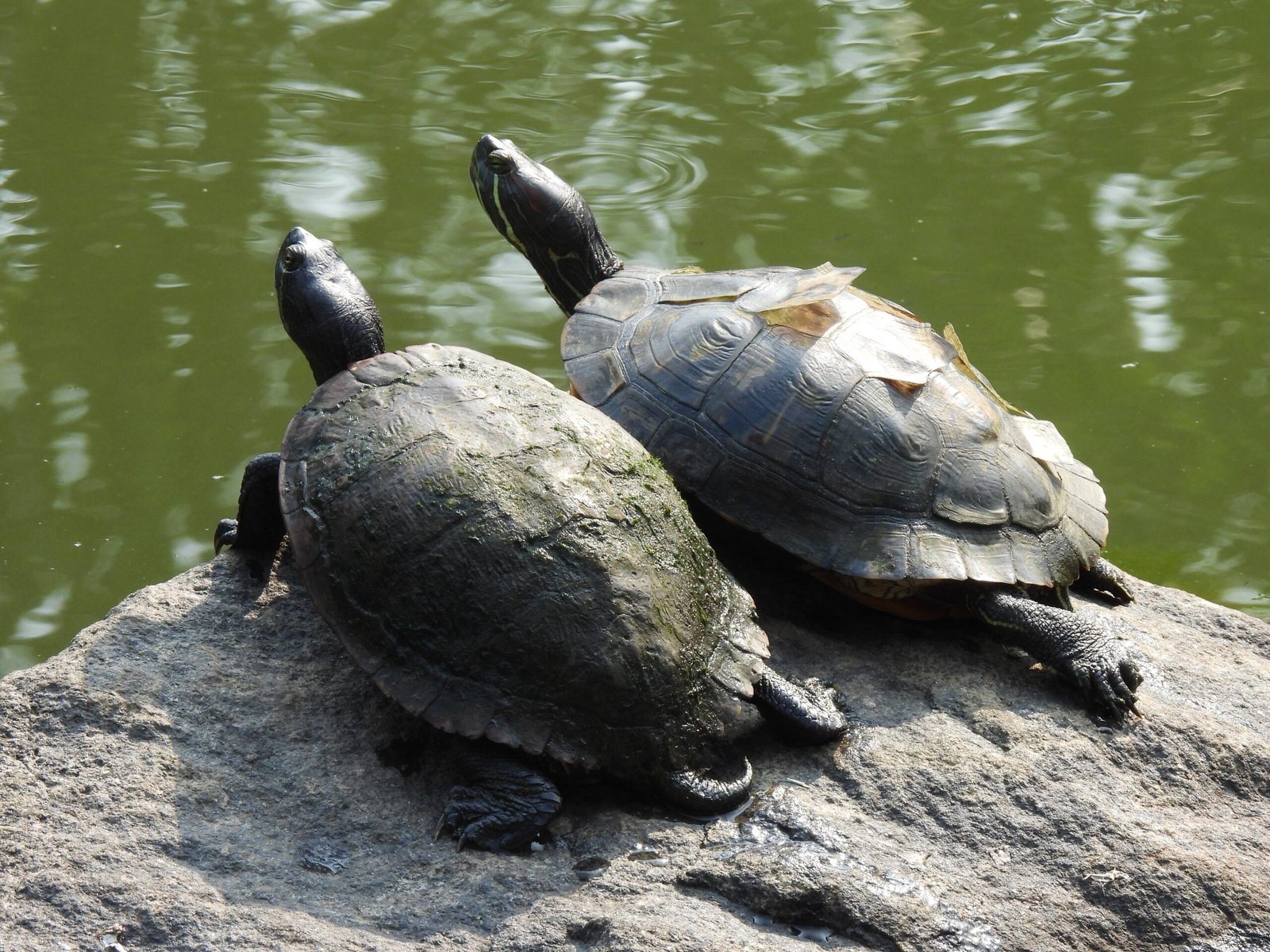
The color and condition of a turtle’s shell can reveal a lot about its health. Bright, even coloring usually signals a well-fed, healthy turtle, while dull or cracked shells may point to disease or poor nutrition. Scientists use shell health as a quick check on turtle populations in the wild. Pollution and UV exposure can cause shell deformities, making it harder for turtles to survive. Monitoring shell color is one way researchers keep tabs on these remarkable creatures.
Shells in the City: Urban Turtles and Adaptation
Turtles are turning up in ponds, parks, and even roadside ditches in cities around the world. Urban environments pose unique challenges—cars, trash, and people can all be threats. Yet, turtles are finding ways to survive, sometimes using storm drains or man-made ponds as new habitats. Their adaptable shells help them cope with bumps and scrapes, and their slow, careful movements let them avoid trouble. These urban turtles remind us that nature can be resilient, even in concrete jungles.
Shell Communication: Signals and Stories
Some turtles use their shells to communicate, especially during mating season. Males might bang or rub their shells against rivals, or even produce sounds by tapping their carapace underwater. The shell’s shape and markings can signal age, health, or readiness to mate. These subtle messages are part of the complex social lives of turtles, hidden in plain sight to all but the most attentive observers.
World Turtle Day: A Call to Action
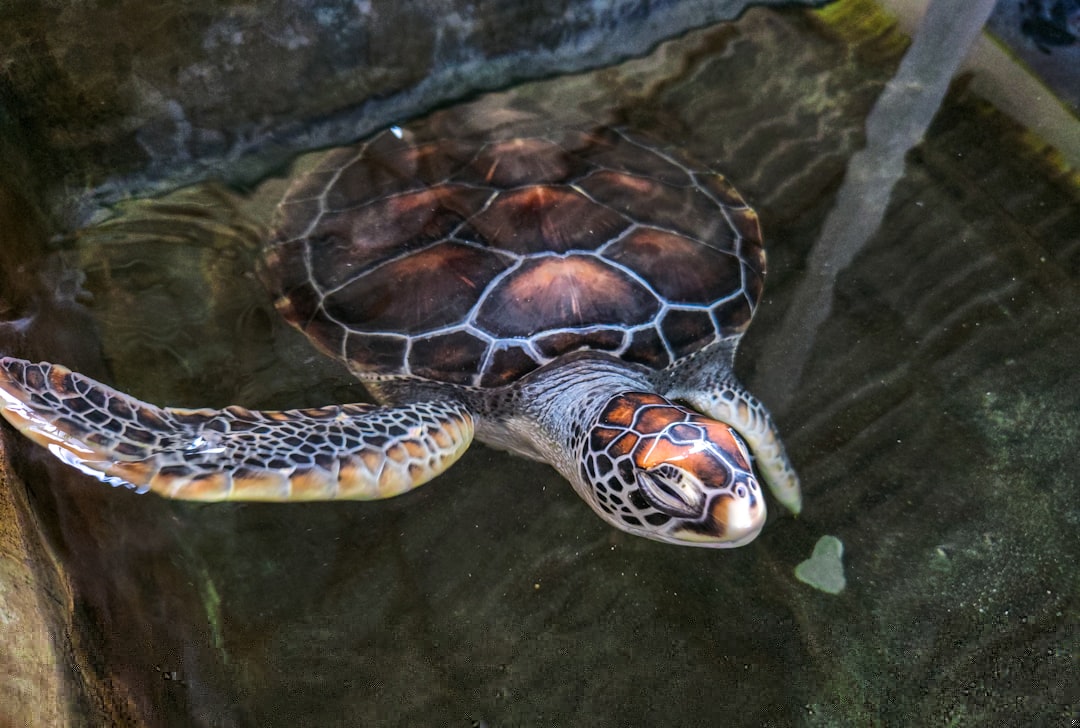
World Turtle Day isn’t just about celebrating turtles—it’s a reminder of what we stand to lose if we don’t act. Each shell is a testament to survival against the odds, a blueprint for resilience in a changing world. By learning from turtles, supporting conservation, and protecting habitats, we can help ensure these armored wonders stick around for generations to come. What will you do to keep their story alive?