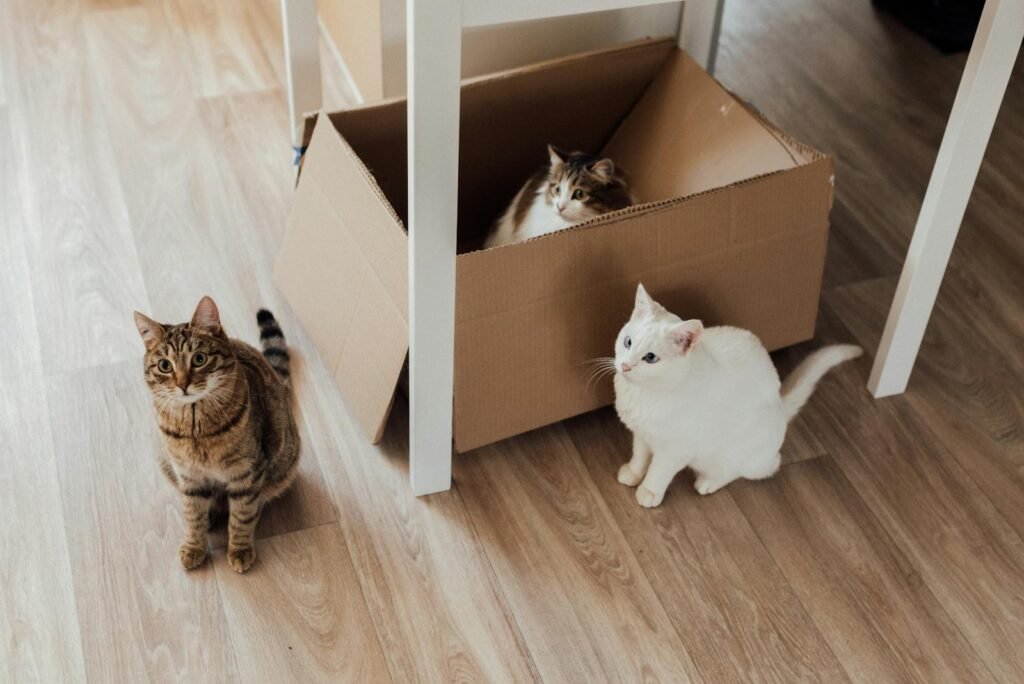
Did you ever unwrap a package, set the box on the floor, and watch your cat leap inside with the excitement of a child at a carnival? It’s almost uncanny—no matter the size, shape, or material, your cat seems magnetically drawn to boxes. But what is it about these simple cardboard containers that capture the feline imagination so completely? The answer is a fascinating mix of evolutionary instincts, biology, and behavior that goes much deeper than curiosity alone. Let’s peel back the layers of this mystery and discover why your cat’s heart belongs to boxes.
The Evolutionary Roots of Feline Hiding
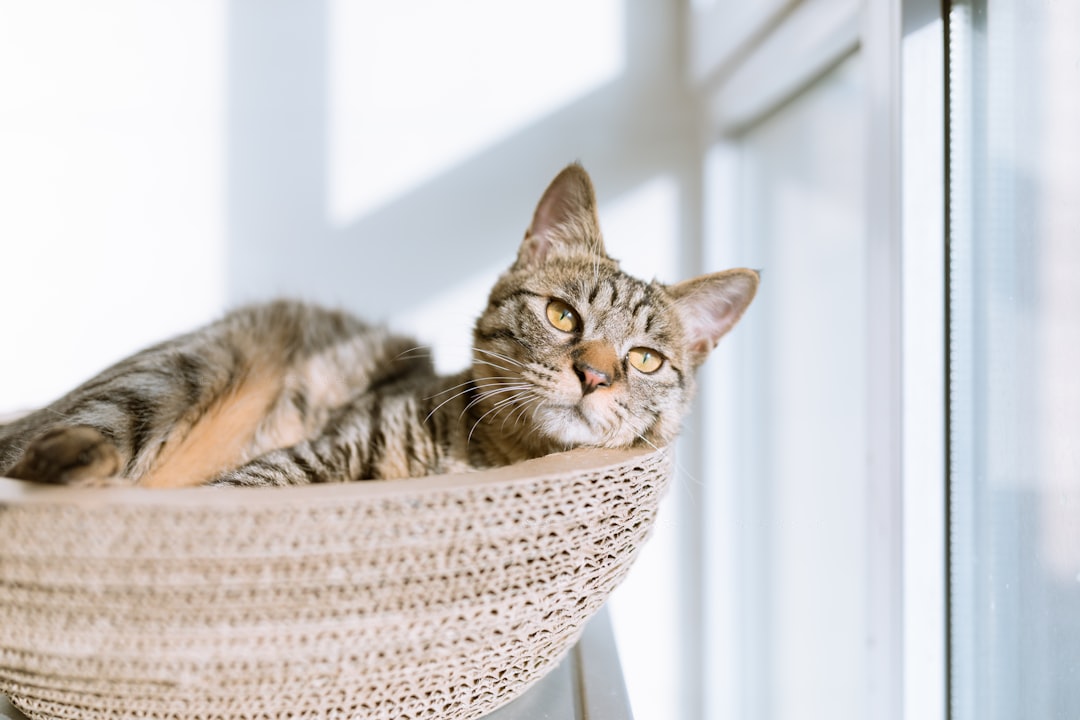
Cats have spent thousands of years perfecting the art of survival. In the wild, hiding is not just a pastime—it’s a matter of life and death. Their ancestors, both big and small, relied on stealth and concealment to avoid predators and to catch prey. A box, to a domestic cat, is the modern-day equivalent of a secluded thicket or hollow log. It offers a temporary sanctuary, a place to plan their next move, or simply catch a break from the chaos of human life. Even the bravest house cat is hardwired to seek out cozy, enclosed spaces.
The Science of Stress Reduction
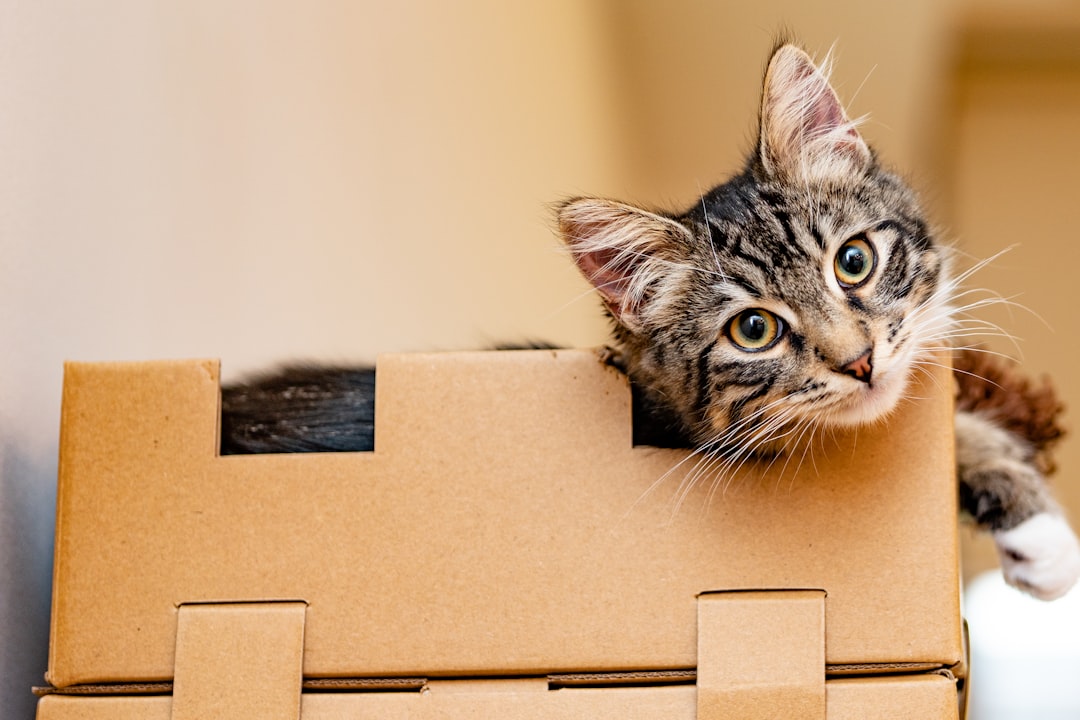
One of the most surprising facts about cats and boxes is that these hiding spots actually help lower feline stress. Studies have shown that cats provided with boxes adapt faster to new environments, like animal shelters, and display fewer signs of anxiety. The walls of a box act as a buffer from the unpredictable world outside, allowing your cat to feel safe while observing the environment from a secure vantage point. This little slice of security is crucial, especially for cats in unfamiliar or busy households.
Boxes as Comfort Zones
Think of a box as your cat’s version of a weighted blanket—a soft, enclosed space where the world’s worries can’t seep in. When a cat curls up in a box, it’s practicing self-care in the truest sense. The snug fit of a cardboard box provides gentle pressure on their sides, which can be comforting and reassuring. This may even trigger the release of feel-good hormones, helping your cat truly relax.
The Appeal of Warmth
Cardboard is a surprisingly good insulator. When your cat steps into a box, it’s not just about privacy—it’s also about staying warm. Cats love a cozy, warm spot, and boxes help trap their body heat, creating a microclimate that’s several degrees warmer than the room. This is a big deal for animals whose ancestors lived in diverse climates and often sought out warm, safe dens.
Safe Havens in a Noisy World
The average household can be a whirlwind of sound, movement, and chaos. From vacuum cleaners to loud TVs, these disruptions can be overwhelming for cats, whose senses are far more acute than ours. A box provides a quiet, muffled retreat from the sensory overload. Inside, your cat can escape the din and recharge, much like a person might seek solitude in a quiet room after a long, noisy day.
Predatory Instincts and the Element of Surprise
Cats are natural-born hunters, and boxes are the perfect tool for ambush. Hiding inside a box allows cats to observe without being seen, and to suddenly pounce on unsuspecting toys—or toes—passing by. This stalking behavior is a throwback to their wild ancestors, who used cover to get close to prey. Even the most domesticated feline still loves to practice their hunting skills, and a box is the perfect stage for these dramatic rehearsals.
The Allure of Novelty
It might sound odd, but cats are drawn to new things—especially new hiding spots. The sudden appearance of a box is irresistible, like a surprise gift. Exploring new objects helps cats map their territory and satisfy their curiosity. That’s why even if you give them the fanciest bed, they’ll often choose the humble cardboard box, at least for a while, before moving on to the next new thing.
Personal Space and Boundaries
Just like people, cats need time alone. A box is the ultimate “do not disturb” sign. It allows them to retreat from housemates, children, or other pets when they need peace and quiet. Inside their box, cats can control who gets close and when. This sense of ownership over a space, no matter how small, is vital for their mental well-being.
The Sensory Experience: Texture and Smell
Cardboard provides a delightful texture that many cats adore. Scratching, biting, or rubbing against the rough surface can be satisfying and even help with claw maintenance. Plus, cardboard is great at absorbing scents, allowing cats to mark the box with their own aroma. This makes the box feel even more like home—familiar, comforting, and uniquely theirs.
Kittenhood Memories and Imprinting
Cats are deeply influenced by their early experiences. Kittens often seek out small, enclosed spaces to feel safe, especially if they’re separated from their mother or siblings. This imprinting can last a lifetime, making adult cats gravitate toward boxes as a subconscious throwback to those early, comforting memories.
Social Dynamics and Hierarchy
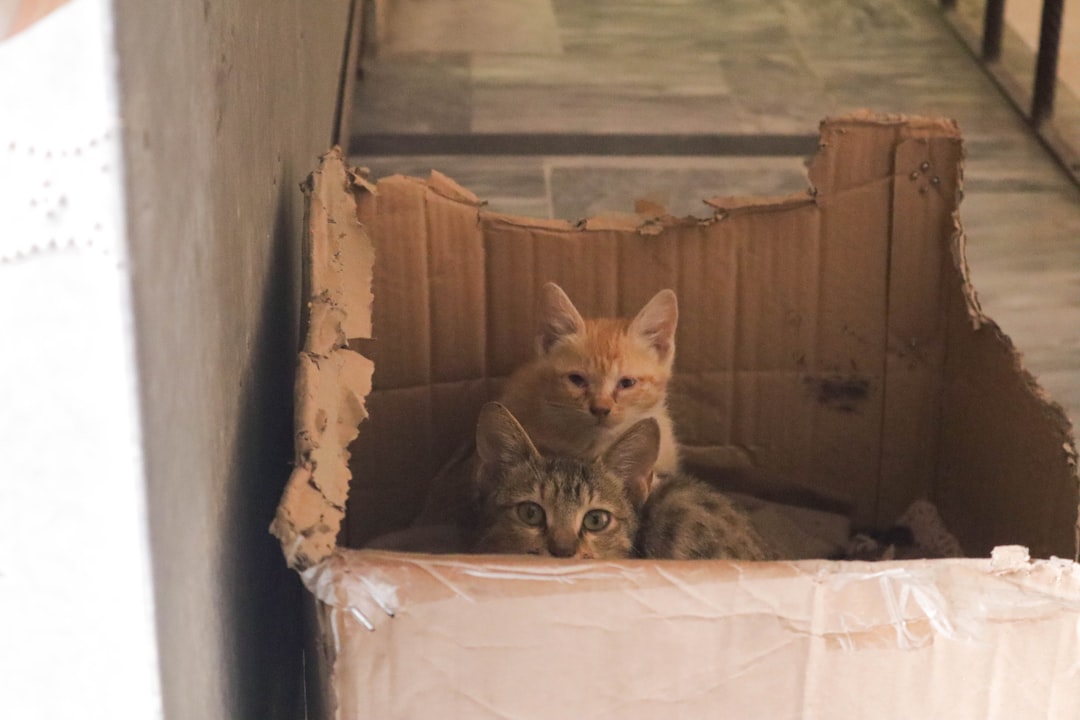
In multi-cat households, boxes can play a surprising role in social relationships. Cats may use boxes to avoid conflict, establish territory, or even signal dominance. Who gets the coveted box spot can speak volumes about the pecking order in your home. Sometimes, you’ll see one cat sitting in a box while others circle around, waiting for their turn. It’s a silent negotiation, played out with remarkable grace.
Boxes as Playgrounds
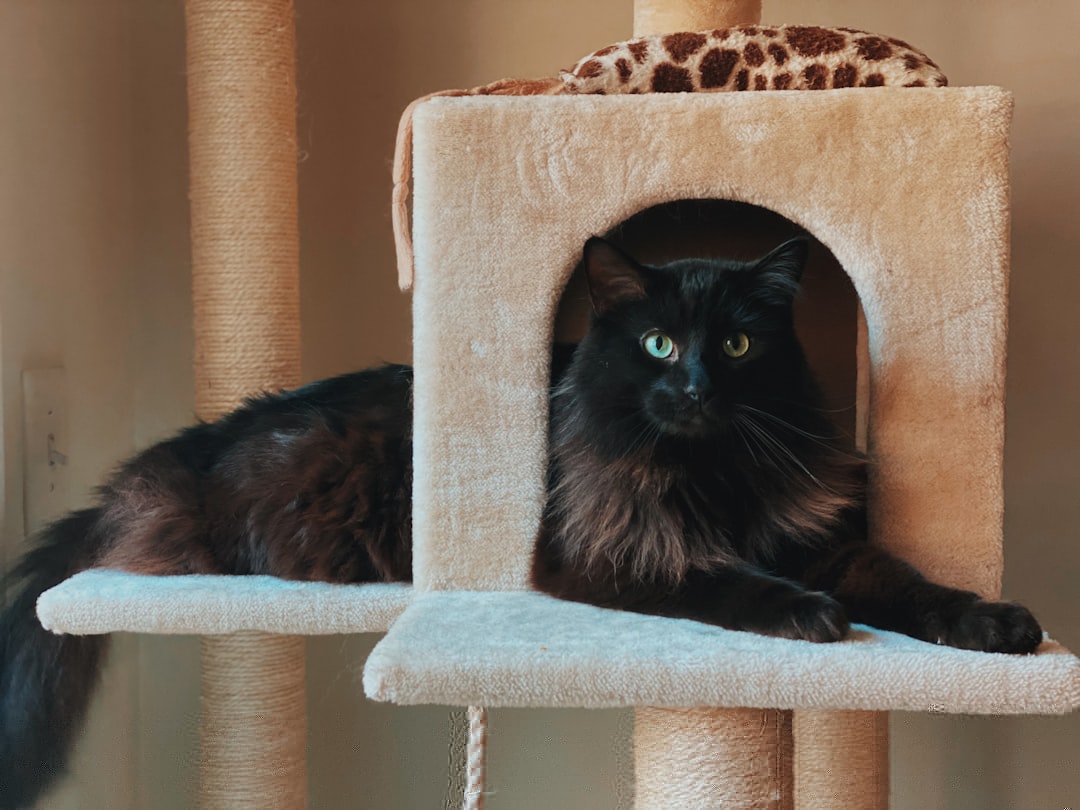
To a cat, a box isn’t just a hiding spot—it’s also a playground. Jumping in and out, peeking through holes, or launching surprise attacks from within are all part of the fun. Boxes encourage exercise, creativity, and problem-solving. You might even notice your cat inventing their own games, turning a simple container into a fortress, race track, or jungle gym.
Reducing Boredom and Enriching the Environment
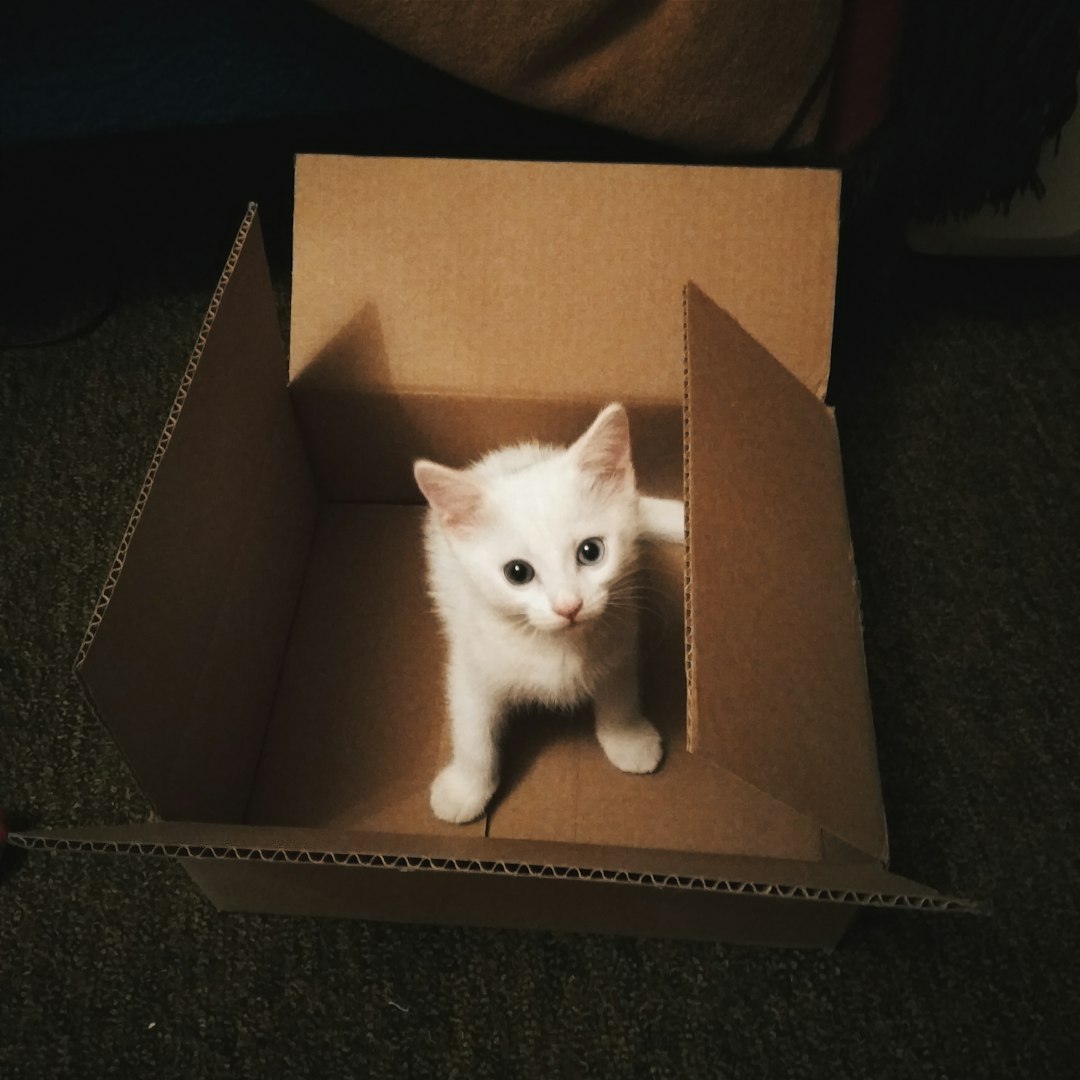
Environmental enrichment is key to a happy, healthy cat. Boxes are one of the simplest and most effective ways to spice up your cat’s daily routine. A new box can break up the monotony of indoor life, providing a fresh challenge and a new place to explore. When cats have plenty of opportunities to hide, play, and rest, they’re less likely to develop behavioral problems born from boredom.
Health Benefits: Physical and Mental
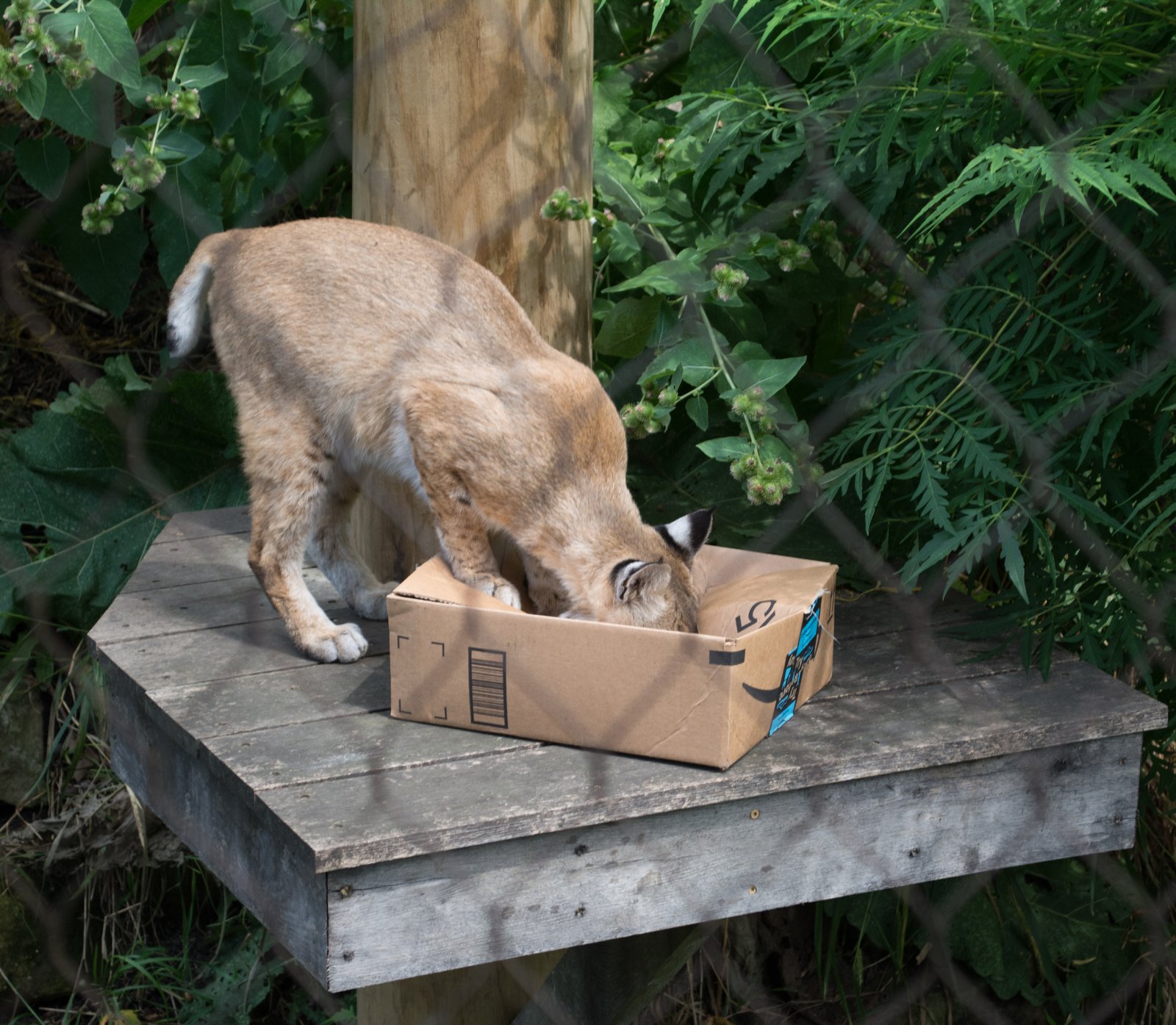
Providing boxes isn’t just about entertainment—it can also support your cat’s health. The physical activity of jumping, climbing, and crawling through boxes keeps muscles toned and joints limber. Mentally, the sense of security and stimulation boxes offer can reduce stress-related illnesses, promote better sleep, and even boost immune function. It’s a win-win, all from a recycled piece of cardboard.
The Role of Size and Shape
Not all boxes are created equal in your cat’s eyes. Some prefer tight fits, while others want a little more wiggle room. The size and shape of the box can influence how comfortable and appealing it is. Experimenting with different boxes lets you see what your cat prefers—sometimes, the smaller and more awkward, the better! There’s something hilarious about seeing a big cat squeeze into a tiny box, proving once again that feline logic is a world unto itself.
The Cardboard Conundrum: Safety First
While boxes provide endless fun, it’s important to make sure they’re safe. Remove any staples, tape, or sharp edges before giving a box to your cat. Avoid boxes that have contained toxic substances or strong-smelling chemicals. Always supervise your cat with smaller boxes or those that could trap a paw or head. With a little care, cardboard boxes can be the safest—and cheapest—toy your cat will ever love.
Boxes in the Animal Shelter: A Lifeline for Stressed Cats
In shelters, boxes can be a lifeline. Cats arriving in a new, intimidating environment are often overwhelmed by noise and unfamiliar smells. Providing a simple box gives them a place to hide, reducing anxiety and helping them adjust faster. Animal care experts have found that cats with access to boxes are more likely to eat, groom, and interact with people—critical steps on the road to adoption.
Why Cats Sometimes Ignore Boxes
Not every cat is a box fanatic. Some may ignore them entirely, showing more interest in soft beds or perching up high. Factors like age, personality, or previous experiences can all influence whether your cat joins the box craze. It’s a gentle reminder that, just like people, every cat is unique. If your feline friend doesn’t fall for boxes, try offering different types of hiding spots to see what sparks their interest.
Beyond Boxes: Other Feline Hideaways
Boxes are just the beginning. Cats are equally drawn to laundry baskets, paper bags, suitcases, and even the space under your bed. What matters is the sense of seclusion and safety these spots provide. By understanding your cat’s love for hiding, you can create a more cat-friendly home with plenty of cozy nooks and crannies to explore.
A Window Into the Feline Mind
Watching your cat claim a box is like peeking behind the curtain of their mysterious inner world. It’s a reminder that our pets are deeply rooted in their wild ancestry, carrying instincts and preferences that can surprise even the most devoted cat parent. Embracing your cat’s love of boxes isn’t just about indulging a quirky habit—it’s about honoring the intricate, fascinating creature who shares your home.
The next time your cat disappears into a cardboard fortress, remember: you’re witnessing a beautiful blend of nature, nurture, and pure feline joy. Isn’t it amazing how something as simple as a box can unlock the wild heart of your gentle companion?