Close your eyes for a second and imagine plunging into a lake so dense, so unimaginably salty, that your body bobs up to the surface like a forgotten cork in a wine bottle. You kick, but you can’t sink. This isn’t a fantasy or a magic trick—it’s a remarkable reality found in the heart of Romania. Welcome to the surreal world of Lake Ursu, a place where the laws of nature seem to bend, and the ordinary becomes extraordinary. This isn’t just a lake; it’s a natural phenomenon, a scientific wonder, and a playground for the curious. But what makes this Romanian lake so unique? Let’s dive in—metaphorically, of course, because sinking here isn’t really an option.
The Hidden Gem of Transylvania

Tucked away in the rolling hills of Transylvania lies the spa town of Sovata, home to Lake Ursu. While Transylvania is often associated with legends of vampires and misty forests, Sovata offers a different kind of enchantment. The town feels like a well-kept secret, surrounded by lush forests and gentle mountains. Lake Ursu sits at the center, its shimmering surface reflecting the ever-changing sky. Few people outside Eastern Europe know about this bizarre lake, but locals treat it like a natural treasure. For generations, it’s been a place of healing, relaxation, and wonder.
Why Is Lake Ursu So Incredibly Salty?

At first glance, Lake Ursu looks like any other picturesque mountain lake. But dip your finger in, and you’ll taste something shocking—salt, and lots of it. The lake’s bizarre salinity comes from natural salt deposits deep underground. Over thousands of years, rainwater and melting snow seeped through mineral-rich soil, dissolving massive salt beds left behind from an ancient sea. This geological quirk turned Lake Ursu into one of the saltiest lakes in Europe, rivaling even the Dead Sea in parts. It’s a living testament to the region’s prehistoric past.
The Science of Floating: How Does It Work?
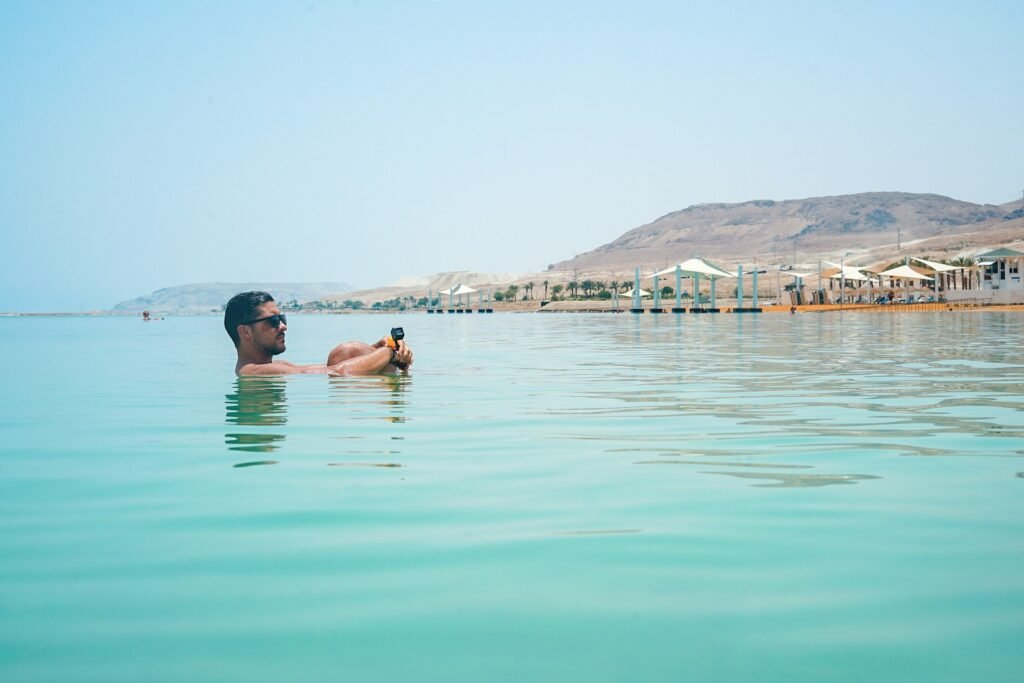
Floating on water may sound simple, but there’s real science behind this gravity-defying sensation. Pure water has a certain density, but mix in huge amounts of salt and you get a solution where the density skyrockets. The human body, being less dense than the briny soup of Lake Ursu, is pushed upward—exactly like a cork in a bottle. This is called buoyancy, and it’s why even non-swimmers can lounge on the surface without effort. It feels like lying on a water mattress, and many people can’t help but giggle at the sensation.
A Lake That Changes with the Seasons
Unlike most lakes, Lake Ursu’s salinity isn’t constant. During spring and early summer, melting snow and rainfall dilute the surface, creating a layer of fresh water on top. By late summer, the sun’s heat evaporates some water, leaving the salt behind and raising the salinity. This seasonal dance means your floating experience can change depending on when you visit. On warm days, the top layer heats up dramatically, sometimes reaching over 40°C (104°F), making it feel like a natural hot tub. It’s a lake that keeps reinventing itself, season after season.
The Legend of the Bear-Shaped Lake

Lake Ursu isn’t just a scientific marvel; it’s steeped in local legend. Its name, “Ursu,” means “bear” in Romanian, and the lake’s outline is said to resemble a giant bear paw. According to folklore, the lake was formed when a shepherd’s bear drowned in a salt pit, and the tears of the shepherd filled the depression, creating the lake. Whether you believe the myth or not, there’s something poetic about the story. The shape does look uncanny from above, and the tale adds a layer of mystery to the experience.
Healing Waters: Ancient Beliefs and Modern Science
For centuries, people have flocked to Lake Ursu, not just for fun, but for its supposed healing properties. The highly saline water is believed to soothe skin conditions, relieve joint pain, and even help with respiratory issues. Modern science partially backs up these claims; saltwater can have anti-inflammatory effects, and soaking in mineral-rich waters is a time-honored therapy worldwide. The unique combination of salts, mud, and warm temperatures makes it a magnet for wellness seekers. Some visitors say a dip in Lake Ursu feels like hitting the reset button on their bodies.
The Mud Beneath: Nature’s Spa Treatment
Beneath the salty surface lies another treasure—thick, black mud loaded with minerals. Locals and visitors alike scoop up this mud and slather it on their skin, believing it draws out toxins and leaves the skin radiant. The sensation is a bit odd at first—cool, slick, and slightly gritty—but many swear by its benefits. Scientific studies have found that the mud contains magnesium, calcium, and other minerals known for their skin-nourishing properties. It’s a spa treatment straight from the earth, without any fancy packaging.
Wildlife in a Salty World

You might think that such a salty environment would be barren, but Lake Ursu is full of surprises. Although few fish can survive the high salinity, microscopic organisms flourish. Special types of algae and bacteria have adapted to thrive in the salty, mineral-rich water. These tiny life forms play an important role in the lake’s ecosystem, breaking down organic matter and supporting a delicate balance. Birds often visit the lake’s shores, feasting on insects drawn to the water’s edge. It’s a subtle reminder that life finds a way, even in the most unlikely places.
The “Reverse Lake” Phenomenon

One of the most fascinating features of Lake Ursu is its “reverse stratification.” Most lakes are warmer at the surface and colder below, but Ursu does the opposite at times. Thanks to its salt layers, the deeper water can actually be warmer than the surface. This happens because dense, salty water traps heat and holds it like a giant thermal blanket. Swimmers sometimes feel a sudden, pleasant warmth around their legs—a sensation that’s as surprising as it is delightful.
Tourism and the Local Economy
Lake Ursu has become a lifeline for Sovata, drawing visitors from all over Romania and beyond. The town’s hotels, guesthouses, and spas thrive thanks to the lake’s unique appeal. Local shops sell everything from bath salts to postcards, and the buzz of tourism keeps the community vibrant. Yet, there’s still a sense of authenticity; unlike some overdeveloped resorts, Sovata remains charming and approachable. The lake gives back in more ways than one, sustaining both bodies and livelihoods.
Environmental Protections and Sustainability

With great popularity comes great responsibility. Authorities have taken steps to protect Lake Ursu’s fragile ecosystem from pollution and overuse. Strict rules limit the number of swimmers at any one time, and motorboats are banned to preserve water quality. Educational programs teach visitors about the lake’s unique biology and geology. These efforts help ensure that future generations can continue to marvel at the lake’s wonders without damaging its delicate balance.
Comparisons to the Dead Sea
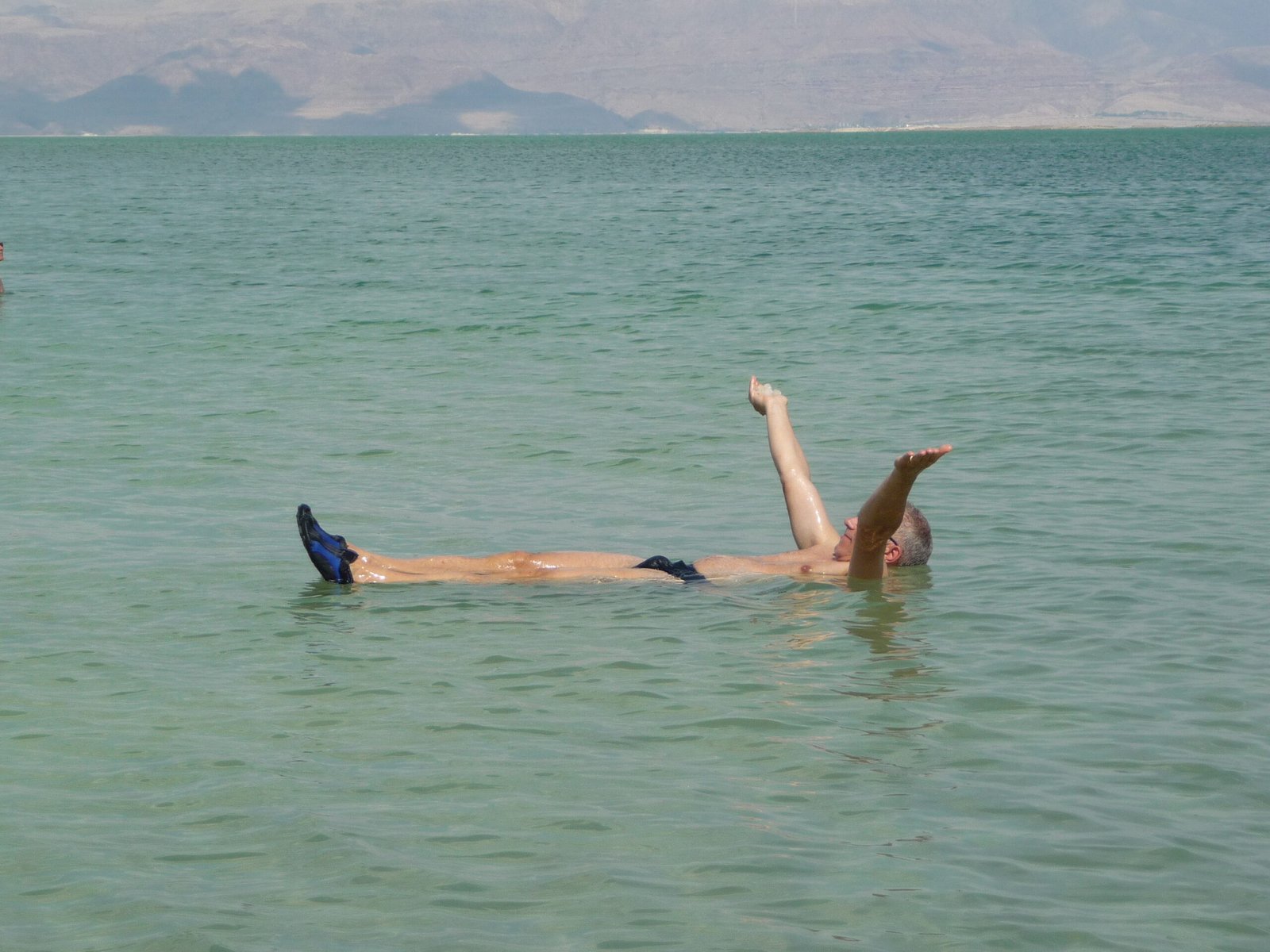
Many people compare Lake Ursu to the world-famous Dead Sea, and the similarities are striking. Both have extreme salinity, unique mud, and a reputation for healing. But while the Dead Sea sits in a desert, Lake Ursu is surrounded by green forests and gentle hills. Ursu is also smaller and less commercialized, giving it a more intimate, untouched feel. Some visitors claim that floating in Ursu feels even more surreal, thanks to the contrast between its lush setting and otherworldly waters.
A Place of Surprising Serenity
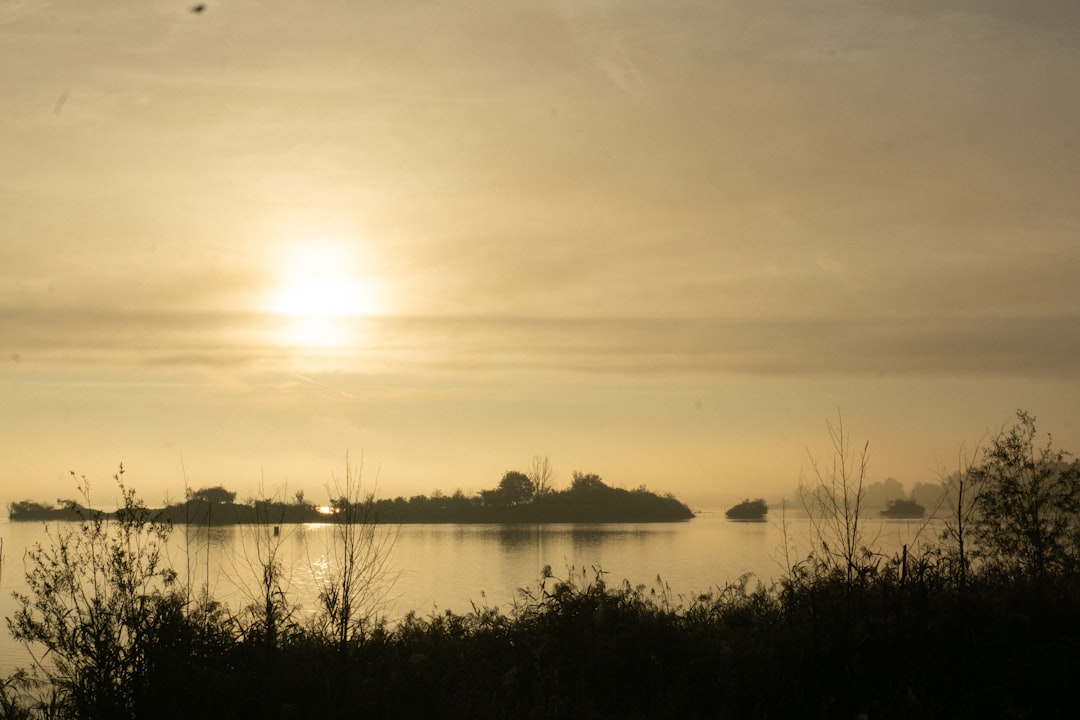
Despite its popularity, there are moments of stillness around Lake Ursu that feel almost magical. Early in the morning, mist drifts across the surface, and the only sounds are birds calling in the trees. It’s a place where you can lose yourself in thought, letting the saltwater buoy you both literally and metaphorically. Many people leave feeling lighter—not just in body, but in spirit. The lake’s calm seems to seep into your bones, washing away stress and worry.
The Science of Salt: More Than Just Flavor

Salt is more than a kitchen staple; it’s a fundamental building block of life and a powerful force in nature. In Lake Ursu, salt shapes everything—from the way you float to the kind of life that can survive. Scientists study the lake to learn about extremophiles, organisms that thrive in harsh conditions, providing clues about life on other planets. The chemistry of the lake also offers insights into ancient climates and geological processes. Every crystal of salt tells a story millions of years in the making.
Adventures Beyond the Water

While Lake Ursu steals the spotlight, the surrounding area is full of adventures. Hiking trails wind through dense forests, leading to hidden viewpoints and wildflower meadows. Caves and salt mines dot the landscape, offering a glimpse into the region’s geological history. For those who crave more than a swim, Sovata is a springboard to explore one of Romania’s most beautiful corners. There’s a sense of discovery here, whether you’re knee-deep in mud or standing on a mountain ridge.
Visiting Lake Ursu: What to Expect
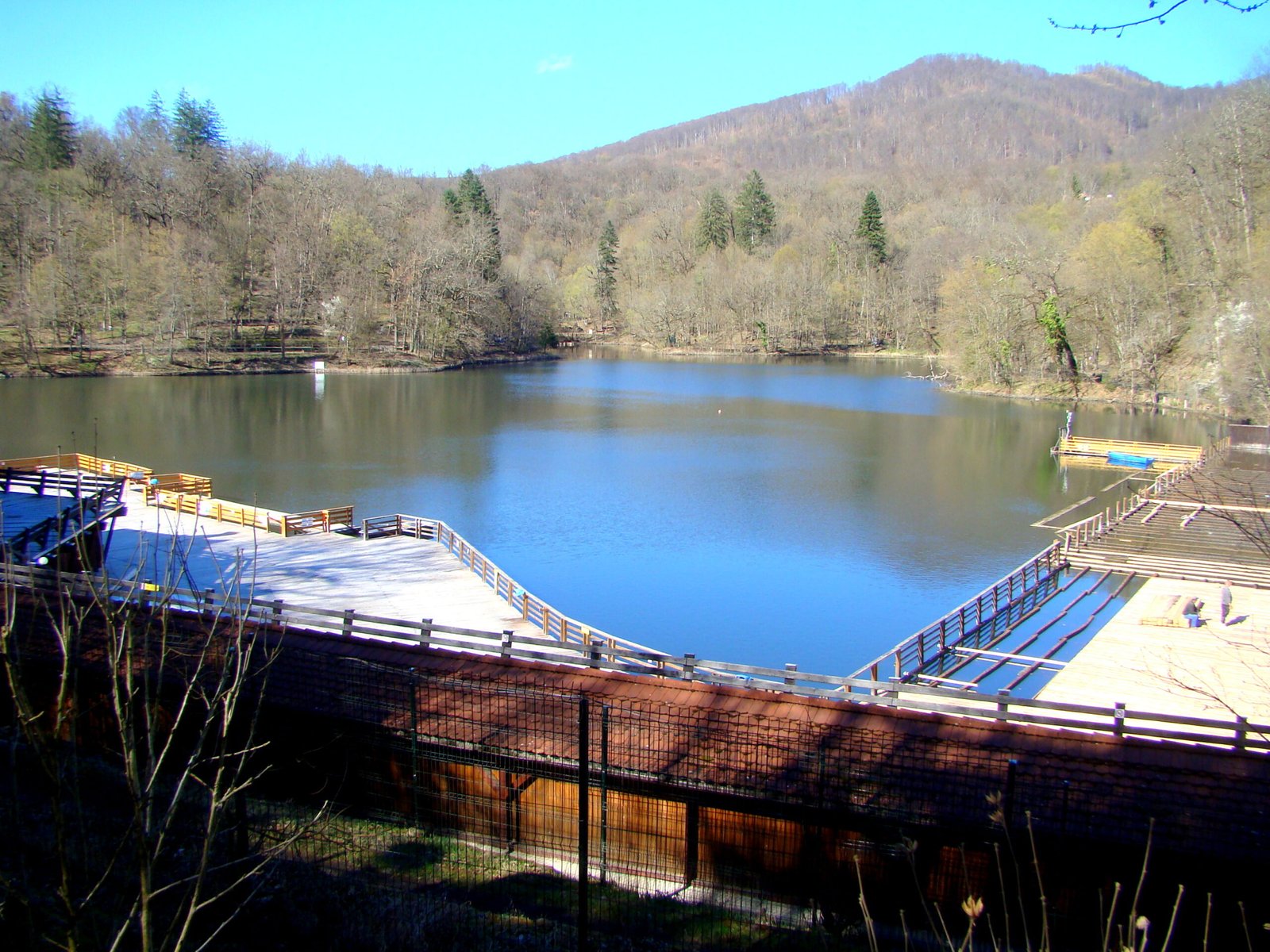
A trip to Lake Ursu is unlike any other. The first thing you’ll notice is the lake’s slightly surreal appearance—its calm, almost glassy surface and the faint scent of minerals in the air. When you step in, the sensation of weightlessness is immediate and unforgettable. Facilities around the lake make it easy for families, couples, or solo travelers to enjoy the experience. Lifeguards keep a watchful eye, and plenty of shaded spots invite you to relax between swims. It’s a place that feels safe, welcoming, and just a little bit magical.
Health Precautions and Tips for Swimmers

While floating is fun, there are a few important things to keep in mind. The high salt content can sting your eyes or any open cuts, so it’s best to rinse off thoroughly after your swim. People with certain skin conditions should check with their doctor before taking the plunge. It’s easy to become dehydrated in the sun and salty water, so drink plenty of fluids and don’t overdo it. For most visitors, though, a dip in Lake Ursu is both safe and exhilarating—a memory that lingers long after you’ve dried off.
Stories from the Locals

Locals in Sovata are full of stories about the lake. Some remember childhood summers spent splashing in the warm shallows, while others swear by the healing powers of the mud. There’s a sense of pride in the community, a belief that Lake Ursu is something special worth sharing with the world. One elderly woman, her face creased with laughter, once told me, “The lake keeps us young—it’s our secret fountain of youth.” Whether or not you believe in magic, it’s hard not to be swept up by their enthusiasm.
Global Curiosity: Scientists and Travelers Unite
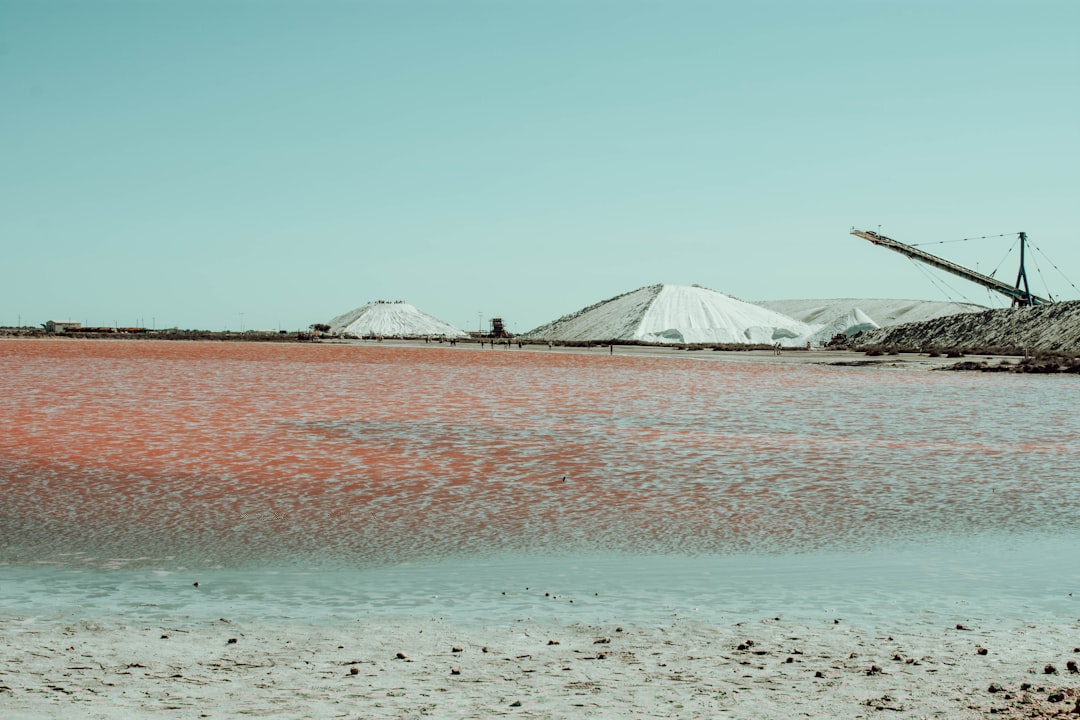
Lake Ursu has caught the eye of scientists and travelers from around the globe. Researchers come to study its unique ecology and chemistry, hoping to unlock secrets about life in extreme environments. Tourists arrive, drawn by tales of floating like a cork and the promise of healing waters. There’s a sense of global curiosity, a feeling that this little corner of Romania has something to teach us all—about nature, resilience, and the joy of discovery.
Lasting Impressions: Why Lake Ursu Captivates
Perhaps the most surprising thing about Lake Ursu is the way it lingers in your memory. Long after your skin stops feeling salty and the mud has washed away, the sensation of effortless floating remains. It’s a gentle reminder that the world is full of hidden wonders, waiting to be discovered. The lake invites us to slow down, let go, and let ourselves be lifted—by science, by nature, and by a little bit of magic.