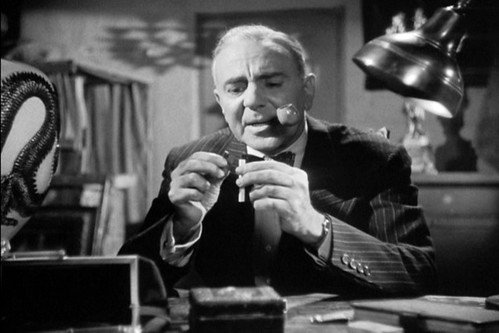

Imagine stepping into the shadowy, gas-lit streets of Victorian London, your senses alert to every detail—the faint scent of tobacco, the soft scuff of a shoe, a curious pattern in the mud. Here, a sharply dressed figure with a piercing gaze bends over a crime scene, his mind racing faster than any carriage. Sherlock Holmes: genius detective, master of deduction, and, incredibly, the spark that ignited a forensic revolution. Every year on Sherlock Holmes Day, fans celebrate not just a literary legend, but a character who changed the very way we solve mysteries in the real world. Let’s dive into the astonishing connection between fiction and science, and discover how one man’s imagination helped shape the field of forensic investigation.
The Origins of Sherlock Holmes Day

Sherlock Holmes Day, celebrated on May 22nd, marks the birthday of Sir Arthur Conan Doyle, the brilliant mind behind the world’s most famous detective. What began as a niche celebration among mystery lovers has grown into a global event, with fans donning deerstalker hats and reenacting Holmes’s legendary cases. This day isn’t just about dressing up or reading stories—it’s a tribute to the enduring influence of Sherlock Holmes on both literature and science. Across the world, libraries, museums, and forensic labs use this day to honor how Holmes’s methods still inspire real investigations. The sense of excitement and curiosity that fills the air on Sherlock Holmes Day perfectly mirrors the relentless pursuit of truth in both fiction and reality.
Arthur Conan Doyle: The Man Behind the Legend

Sir Arthur Conan Doyle was more than just a storyteller; he was a trained physician whose fascination with observation and logic seeped into every Holmes adventure. Drawing on his medical background, Doyle gave Holmes an astonishing attention to detail and a scientific approach to solving crimes. Doyle once said, “Detection is, or ought to be, an exact science and should be treated in the same cold and unemotional manner.” His own experiences with diagnosis and deduction became the bedrock of Holmes’s character, blending the art of storytelling with the precision of science. Without Doyle’s unique blend of imagination and intellect, the world might never have seen the birth of modern detective fiction—or forensic science as we know it.
The Science of Deduction: Holmes’s Signature Method

Holmes’s famous “science of deduction” wasn’t just literary flair; it was a radical way of thinking that challenged the norms of police work. Instead of relying on gut feelings, Holmes observed, hypothesized, and tested his ideas—mirroring the very process of scientific inquiry. For example, he would analyze footprints, tobacco ash, or even the color of mud to reconstruct a suspect’s movement. This methodical, evidence-based approach turned crime-solving into a logical puzzle anyone could, in theory, solve. Holmes made deduction look like magic, but at its core, it was all about careful observation and rational analysis—principles that form the backbone of today’s forensic science.
Victorian London: A City Ripe for Mystery

The foggy streets and stark contrasts of Victorian London provided the perfect stage for Holmes’s adventures. Crime was rampant, the police were under constant scrutiny, and scientific progress was booming. This backdrop was not just atmospheric—it was integral to the rise of detective fiction. Holmes’s exploits highlighted the limitations of contemporary police methods and hinted at the untapped potential of scientific reasoning. The gritty realism of London’s alleys, bustling crowds, and peculiar characters made each case feel urgent and authentic. It’s no wonder that readers were captivated, eager to believe that such a detective could truly exist amid the chaos.
From Fiction to Fact: Holmes’s Forensic Legacy

It’s shocking but true: many forensic techniques popularized by Holmes were ahead of their time. Long before fingerprinting became standard practice, Holmes was dusting for prints and analyzing handwriting. He pioneered the examination of trace evidence, from fibers to footprints, and even considered bloodstains as crucial clues. Real-life detectives took notice. Inspired by Holmes, police departments began to value the scientific method, leading to the creation of dedicated crime labs and the professionalization of forensic science. Holmes’s fictional feats laid the groundwork for real-world advances—proof that imagination can change lives.
Early Forensics: Science Catches Up to Sherlock
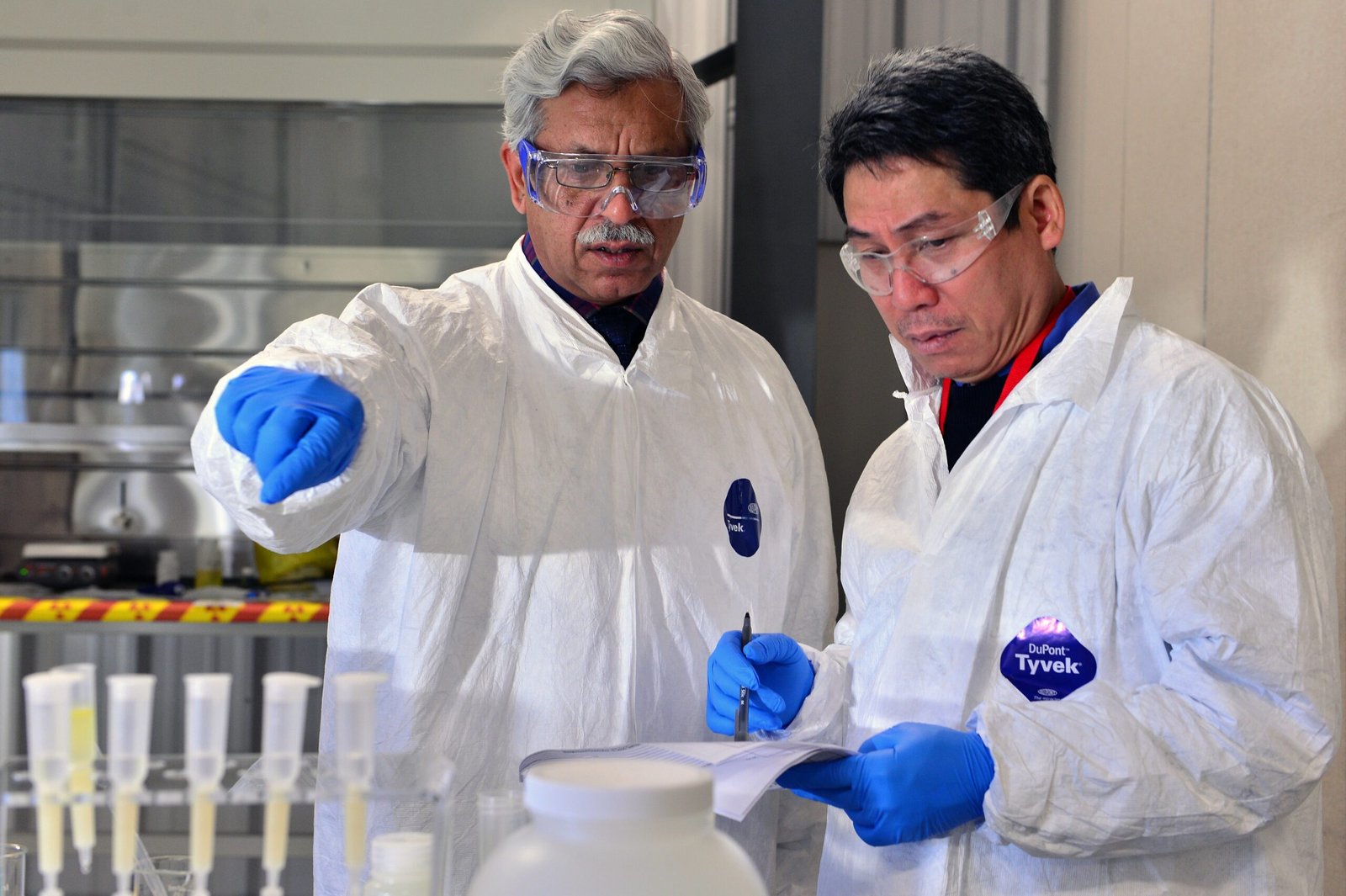
When Holmes first appeared in print, forensics was in its infancy. Crime scenes were often trampled, and evidence was sometimes ignored or mishandled. Yet, as Holmes’s adventures gained popularity, police forces started adopting his meticulous methods. By the early 20th century, fingerprint analysis, ballistics, and blood typing had become standard tools in the detective’s toolbox. Holmes’s stories weren’t just entertainment—they served as blueprints for a new era of scientific policing. The ripple effect was enormous, with universities and police academies embracing courses in forensic science, inspired by the detective’s adventures.
The Power of Observation: Training the Detective’s Eye
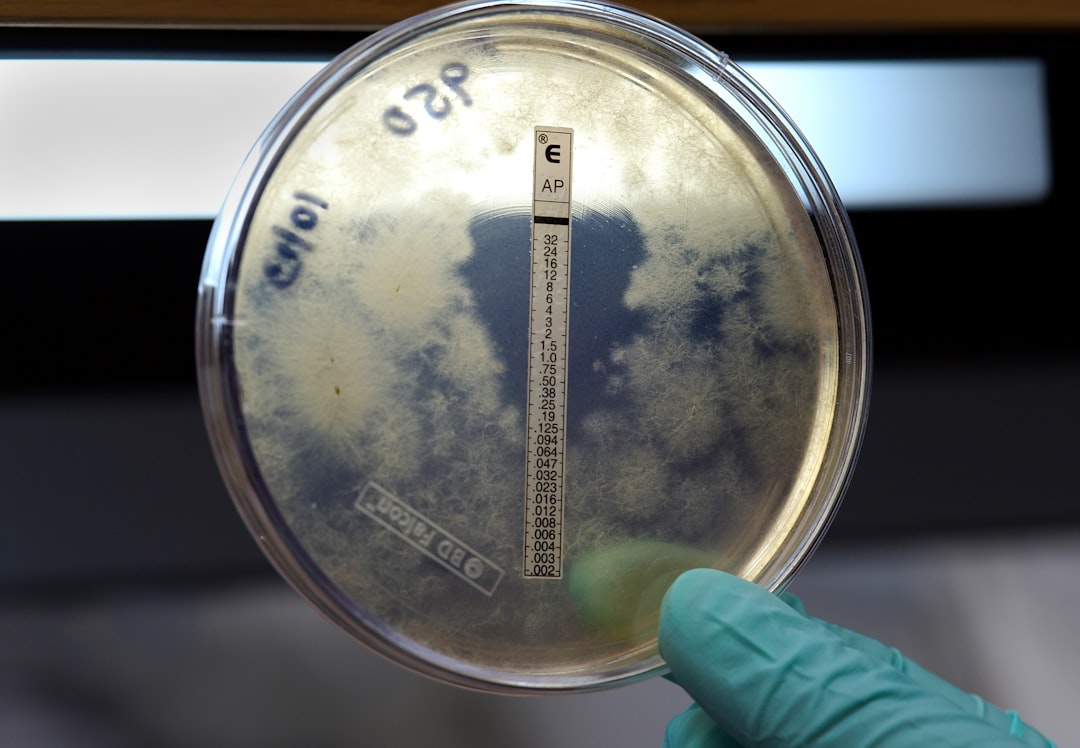
Holmes often reminded Watson, “You see, but you do not observe.” This simple yet profound distinction revolutionized how detectives approached their work. Observation became more than a passive act—it required focus, patience, and an almost artistic attention to detail. Modern forensics now trains investigators to notice everything from the smallest scratch on a windowpane to the arrangement of objects at a scene. By showing that even the tiniest detail could crack a case wide open, Holmes taught generations of detectives to sharpen their senses and trust their analytical instincts.
The Role of Chemistry in Crime Solving

Holmes’s chemical experiments were legendary, from testing stains for blood to analyzing poison. He treated his Baker Street lodgings like a makeshift laboratory, using reagents and glassware to uncover the secrets hidden in everyday substances. Today, forensic chemists carry on this tradition, using advanced technology—like chromatography and mass spectrometry—to identify drugs, toxins, and explosives. Holmes’s curiosity about the chemical world laid the foundation for these real-world breakthroughs. His adventures remind us that sometimes, the answer to a baffling mystery lies at the molecular level.
Fingerprints and Beyond: The Evolution of Identification
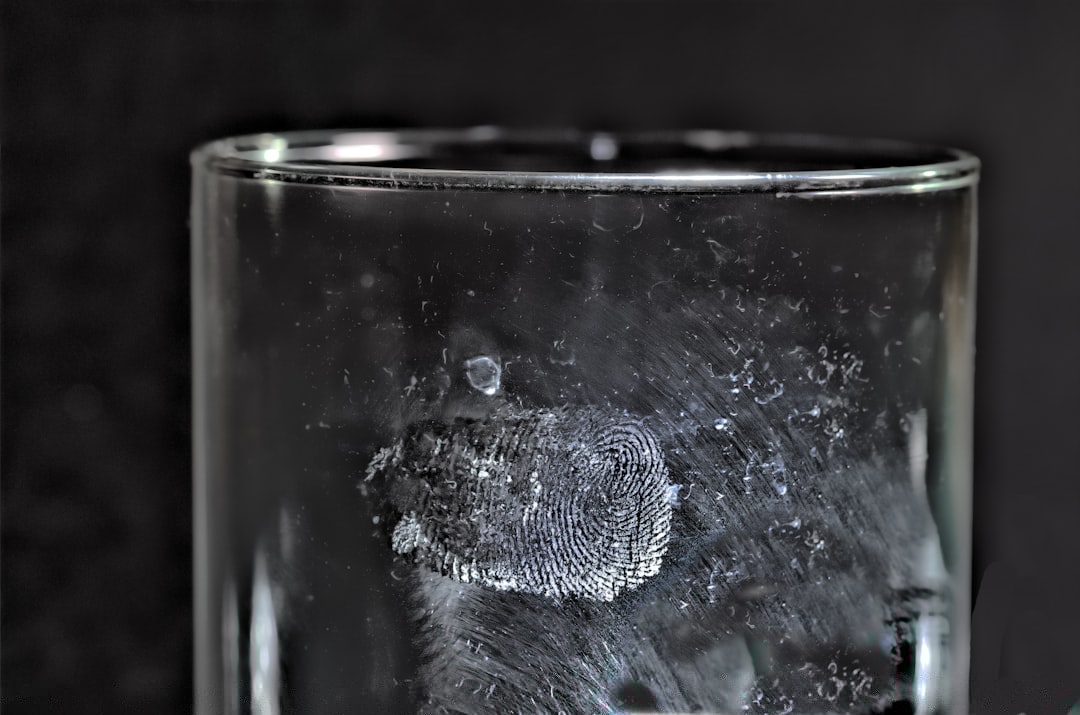
In “The Norwood Builder,” Holmes was one of the first fictional detectives to use fingerprints as evidence—a practice not yet widely adopted in real police work. Just a few years later, fingerprinting became the gold standard for identifying suspects. Today, the science has evolved to include DNA profiling, facial recognition, and even digital forensics. Yet, the principle remains the same: unique clues left at a scene can reveal the truth about what happened. Holmes’s early embrace of fingerprint science foreshadowed a revolution that would forever change how justice is served.
Blood, Fibers, and Trace Evidence

Holmes’s cases often hinged on seemingly insignificant clues—a speck of blood, a stray hair, a peculiar fabric thread. These details, easily overlooked by others, became the keys to unlocking the case. Modern forensic science now relies on similar forms of trace evidence, using powerful microscopes and chemical tests to link suspects to crime scenes. The meticulous collection and analysis of tiny clues—once the stuff of fiction—are now routine practice in labs around the world. Holmes’s approach taught us that the smallest details can have the biggest impact.
Handwriting Analysis: Decoding the Written Word

Holmes was a master at deciphering handwriting, using it to reveal everything from a person’s mood to their identity. In stories like “The Reigate Squires,” he compared the slant, pressure, and spacing of letters to solve the case. Today, forensic document examiners analyze everything from ransom notes to forged signatures, applying scientific methods to what was once considered an art. Holmes’s adventures highlighted the subtle ways handwriting can betray a person’s secrets—a lesson that modern forensics has taken to heart.
The Psychology of the Criminal Mind

Holmes wasn’t just a scientist—he was also a keen psychologist, able to read motives and predict behavior with uncanny accuracy. He often profiled suspects based on their actions, habits, and even their choice of words. Modern criminal profiling draws directly from Holmes’s methods, using behavioral science to narrow down suspect lists and anticipate moves. Holmes’s insight into the human psyche showed that solving crimes isn’t just about evidence—it’s about understanding the minds behind the acts.
Cultural Impact: Inspiring Generations

Beyond science, Holmes has become a cultural icon, inspiring countless films, television shows, and real-life detectives. His influence stretches from the pages of classic literature to modern pop culture, with characters like CSI’s Gil Grissom and real forensic specialists citing Holmes as their inspiration. The detective’s dedication to truth, logic, and justice resonates across generations. Holmes’s legacy isn’t just about solving fictional crimes—it’s about inspiring people to think critically, question assumptions, and never stop searching for answers.
Holmes and Watson: Teamwork in Detection

The partnership between Holmes and Dr. John Watson is legendary—an early example of the power of collaboration in detective work. Watson’s grounded perspective and medical knowledge complemented Holmes’s brilliance, showing that teamwork often leads to better results. In today’s forensic labs, multidisciplinary teams of scientists, detectives, and analysts work together to solve cases, each bringing unique skills to the table. Holmes and Watson remind us that even the sharpest mind benefits from a trusted friend and partner.
Women in Forensics: Breaking Barriers
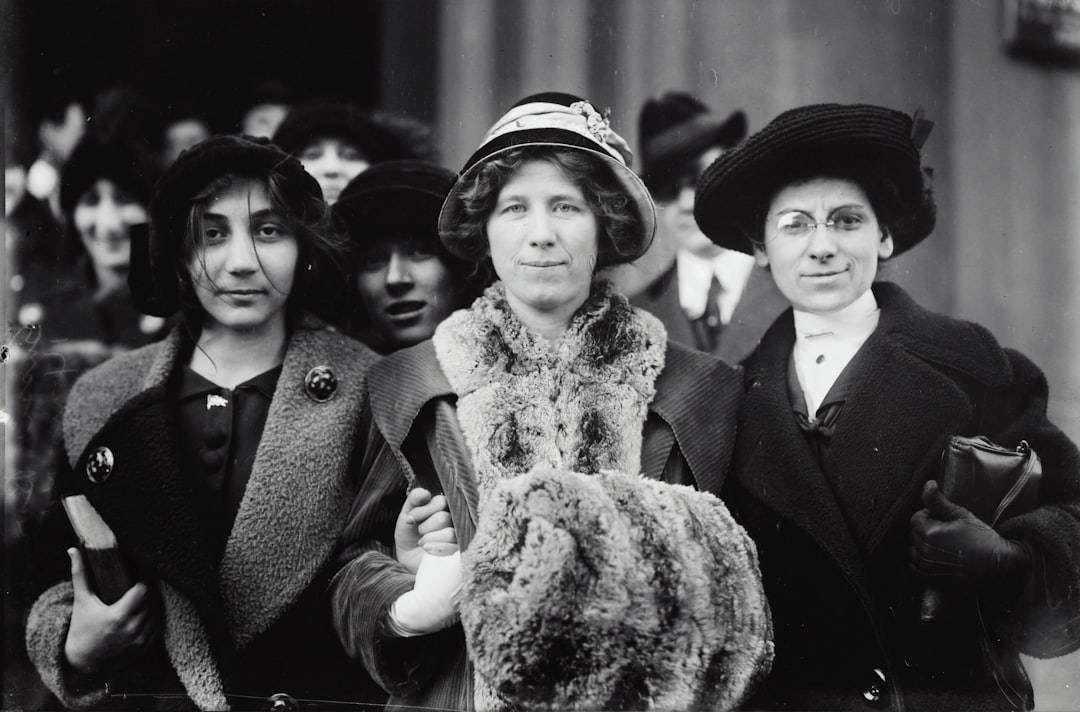
While Holmes’s world was largely male-dominated, today’s forensic science is powered by a diverse workforce, including many trailblazing women. Inspired by Holmes’s example, women have risen to leading roles in forensic labs, crime scene investigation, and legal medicine. Their contributions have shattered glass ceilings and enriched the field with new perspectives. The spirit of curiosity and determination that defined Holmes now lives on in a new generation of women scientists and detectives.
Technology and the Modern Detective

Holmes relied on magnifying glasses and chemical reagents, but today’s detectives have a dazzling array of tools at their disposal. From high-resolution scanners to artificial intelligence, technology has taken Holmes’s dream of scientific crime-solving to new heights. Digital footprints, encrypted messages, and cybersecurity threats have added new layers to the modern mystery. Yet, at its core, the art of deduction remains unchanged: follow the evidence, trust your instincts, and never underestimate the power of careful observation.
Forensic Science in the Courtroom

Evidence gathered using scientific methods is now the gold standard in courtrooms around the world. Just as Holmes’s deductions convinced skeptical Scotland Yard inspectors, forensic experts today use data and analysis to persuade judges and juries. Techniques like DNA analysis, toxicology reports, and digital reconstructions help ensure that justice is based on facts, not guesswork. Holmes’s insistence on evidence-based conclusions echoes in every modern trial where science takes center stage.
The Enduring Appeal of Holmes’s Mysteries

More than a century after his creation, Sherlock Holmes remains as popular as ever. His adventures have been translated into dozens of languages, and new adaptations appear every year. What keeps readers returning to Baker Street? It’s the thrilling blend of mystery, logic, and the promise that every puzzle has a solution. Holmes’s world is a reminder that, with patience and intellect, even the most baffling riddles can be unraveled.
Celebrating Curiosity and Wonder
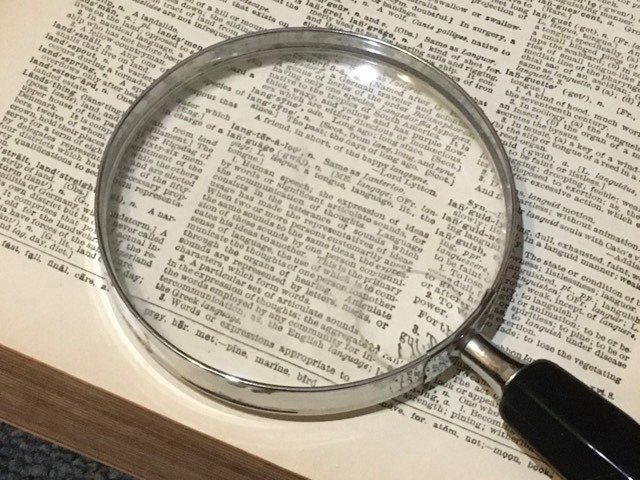
Sherlock Holmes Day isn’t just for fans—it’s a celebration of curiosity, wonder, and the relentless pursuit of knowledge. Whether you’re a scientist, a student, or simply a lover of good mysteries, Holmes’s legacy invites you to look closer, think deeper, and never stop asking questions. In a world full of uncertainty, the spirit of deduction is a guiding light, showing us that answers are always within reach—if only we have the courage to seek them.