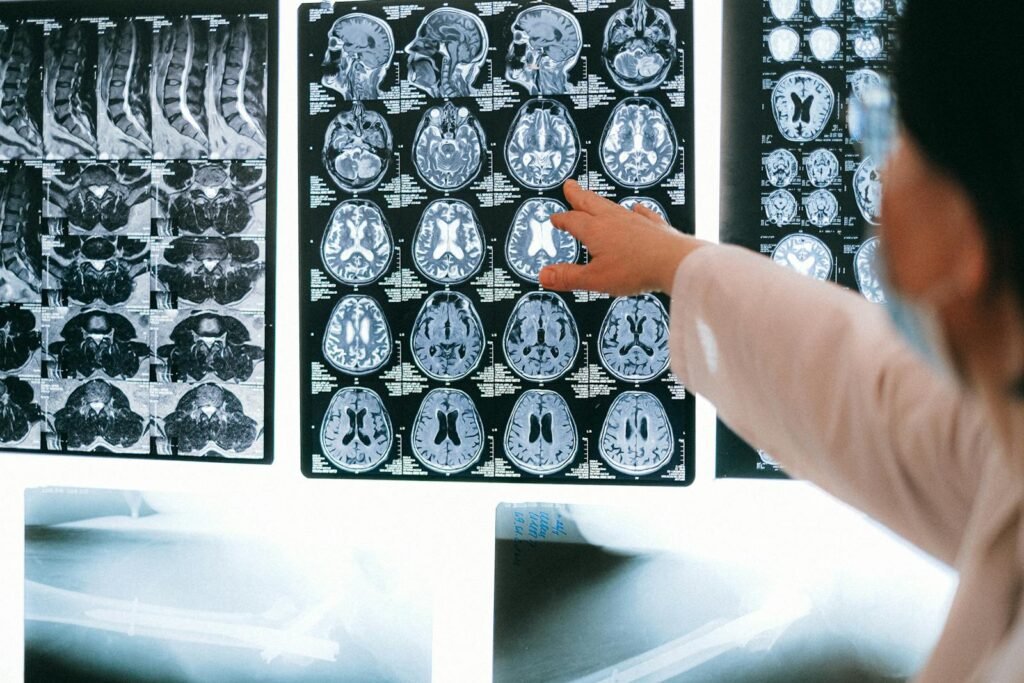
It’s almost shocking to imagine: while the world around us has exploded with technological marvels and dazzling inventions, our brains have actually gotten a little bit smaller over the last 10,000 years. That’s right—the very organ we associate with genius, progress, and the wild imagination of humanity has subtly shrunk in size since our ancestors were hunting mammoths and painting bison on cave walls. But what if this isn’t the apocalyptic sign of “dumbing down” that pop culture headlines sometimes shout? What if, hidden in this surprising shift, there’s a story not just of loss, but of adaptation, efficiency, and maybe even collective wisdom? Grab a seat, because the real story of our shrinking brains might just turn everything you thought you knew about human evolution on its head.
The Astonishing Discovery: Brains Are Smaller Than Before

Archaeologists and anthropologists have been measuring ancient skulls for decades, and the results keep coming in: modern Homo sapiens have brains that are about 10% smaller than those of our Stone Age ancestors. Imagine holding a grapefruit in one hand and a large orange in the other—that’s roughly the difference in volume. This isn’t just a fluke in one population, either. Whether you look at European, Asian, or African skulls, the trend pops up again and again. It’s one of those facts that makes you stop and wonder if something huge is going on beneath the surface.
How Did Scientists Measure Ancient Brains?
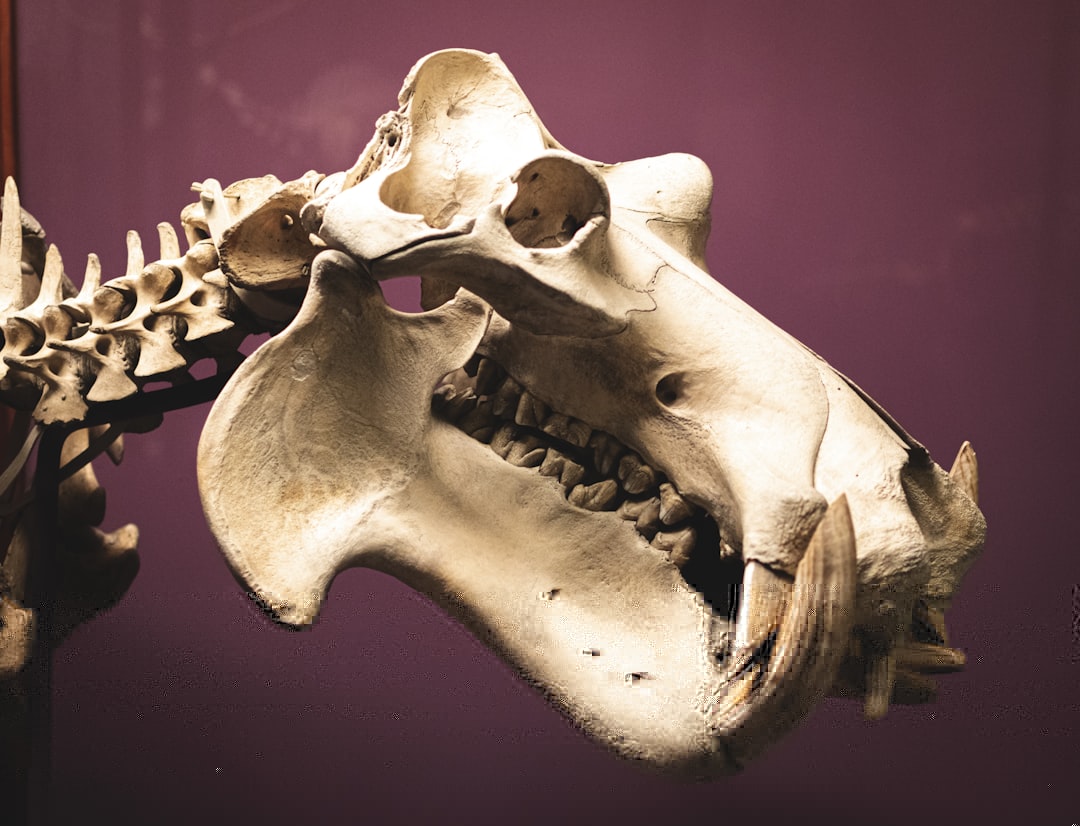
So, how do we actually know our ancestors had bigger brains? Scientists have developed clever methods for estimating brain size by measuring the inside of fossilized skulls. It’s a bit like pouring plaster into a mold—you get a three-dimensional shape that shows the brain’s former home. Advances in 3D imaging now let researchers create detailed digital reconstructions without damaging precious fossils. By comparing hundreds of skulls from different eras, experts have built a pretty convincing case that the average human brain has indeed lost some volume since the last Ice Age.
When Did This Shrinking Start?
The timeline for our shrinking brains isn’t random. Most estimates point to the end of the last Ice Age—about 10,000 years ago—as the turning point. This period, known as the Holocene, saw humans shifting from wild foraging to farming and settling in larger groups. With agriculture came food surpluses, permanent homes, and, eventually, the rise of cities. It’s almost poetic: just as our societies got more complex, our brains started to slim down. This overlap has sparked endless debates about cause and effect.
Why Were Ancient Brains So Large?
Picture our ancestors braving harsh Ice Age winters, outsmarting saber-toothed cats, and inventing tools from scratch. Survival was brutal, and every extra gram of brain power probably made a difference. A bigger brain might have meant sharper senses, better memory, and more creative problem-solving. But it also came with a big price tag—literally. Brains are greedy organs, sucking up to 20% of our calories. If you weren’t using all that extra brain power, it was just wasted energy. In the ancient world, there was no room for freeloaders.
The Surprising Cost of a Big Brain
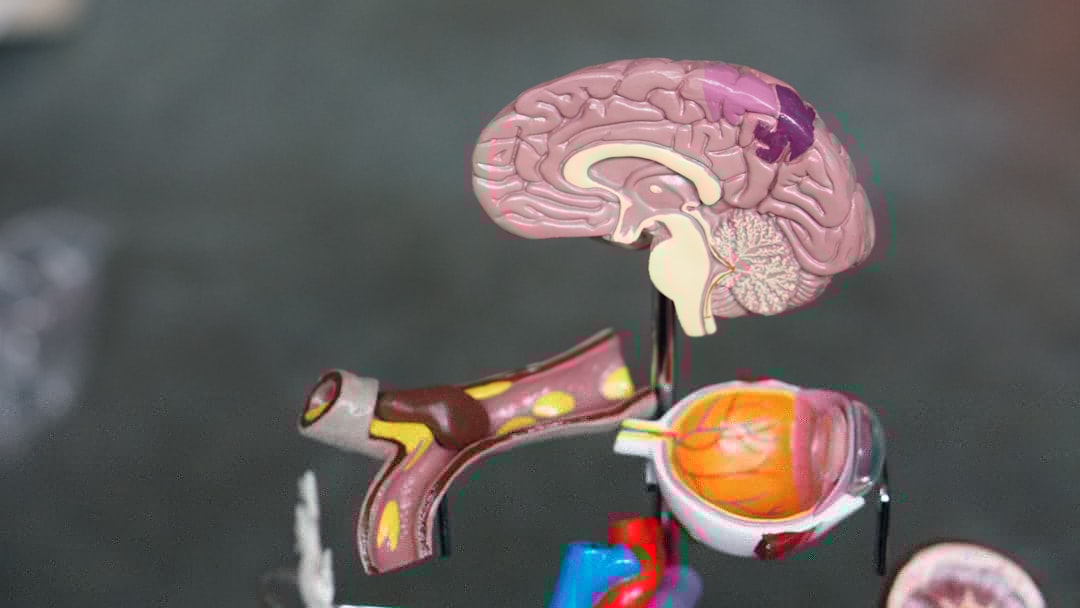
Having a huge brain isn’t just about thinking harder. It’s a metabolic gamble. The bigger your brain, the more food you need to keep it running. In times of famine or poor nutrition, a large brain could actually become a burden, making survival harder. There’s a reason animals with the biggest brains—like dolphins, elephants, and us—have to eat so much and live in complex social groups. Our ancestors might have reached a tipping point where the cost of a bigger brain outweighed the benefits.
Did We Get Dumber—or Just More Efficient?
Here’s where things get juicy. A smaller brain doesn’t automatically mean less intelligence. It’s tempting to think of the brain like a hard drive, but size isn’t everything. In fact, some of our most brilliant relatives in the animal kingdom, like ravens and parrots, have tiny brains but astonishing smarts. Scientists now think that as we moved into more structured societies, we could “offload” some cognitive tasks onto the group—kind of like sharing the mental load with your friends and neighbors.
The Social Brain Hypothesis
One of the most fascinating ideas in anthropology is the “social brain hypothesis.” This theory suggests that the size and complexity of our social networks shaped our brains just as much as hunting or toolmaking did. As we learned to rely on each other, share information, and cooperate on big projects, we might not have needed as much raw brainpower as before. Instead, we developed more specialized brains that excel at communication, empathy, and group problem-solving. It’s like switching from a rugged Swiss army knife to a sleek, specialized toolkit.
The Role of Domestication: Are We Tamer?

Here’s a curveball: some researchers believe that humans have been “self-domesticating” for thousands of years. Just like we bred dogs to be friendlier and less aggressive, we may have unconsciously selected for traits like sociability and calmness in ourselves. The wild ancestors of dogs, sheep, and even rabbits all have larger brains than their modern, domesticated descendants. Could our shrinking brains be a sign that we’ve become less wild—and maybe even a little more peaceful?
Brain Shrinkage and Creativity
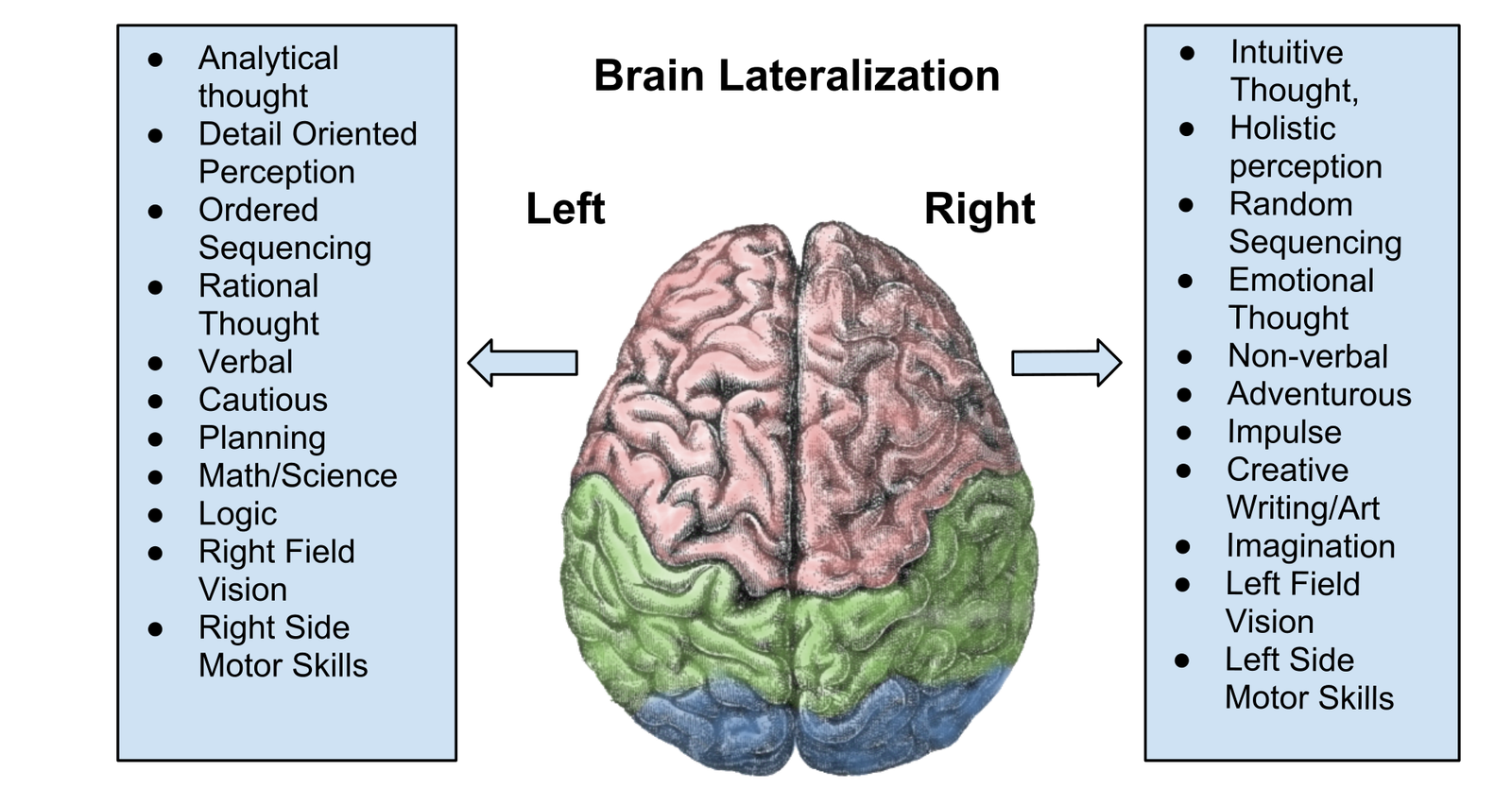
It might sound counterintuitive, but smaller brains could be better at creative thinking. As brains get more compact, the connections between different regions can become shorter and more efficient. This means faster thinking and better integration of ideas. Some neuroscientists believe this streamlining could actually make us better at innovation and abstract thought. The brain’s wiring, not its raw size, could be what really matters for those flashes of genius.
Are We Still Getting Smarter?
Even as our brains have shrunk, our achievements have soared. From building cities to landing on the moon, our collective intelligence has never looked more impressive. IQ scores worldwide have been rising for decades—a phenomenon known as the Flynn effect. This suggests that environmental factors like education, nutrition, and technology might be more important than brain volume when it comes to smarts. We’re proof that a smaller brain doesn’t put a limit on human potential.
Genetics and Brain Evolution
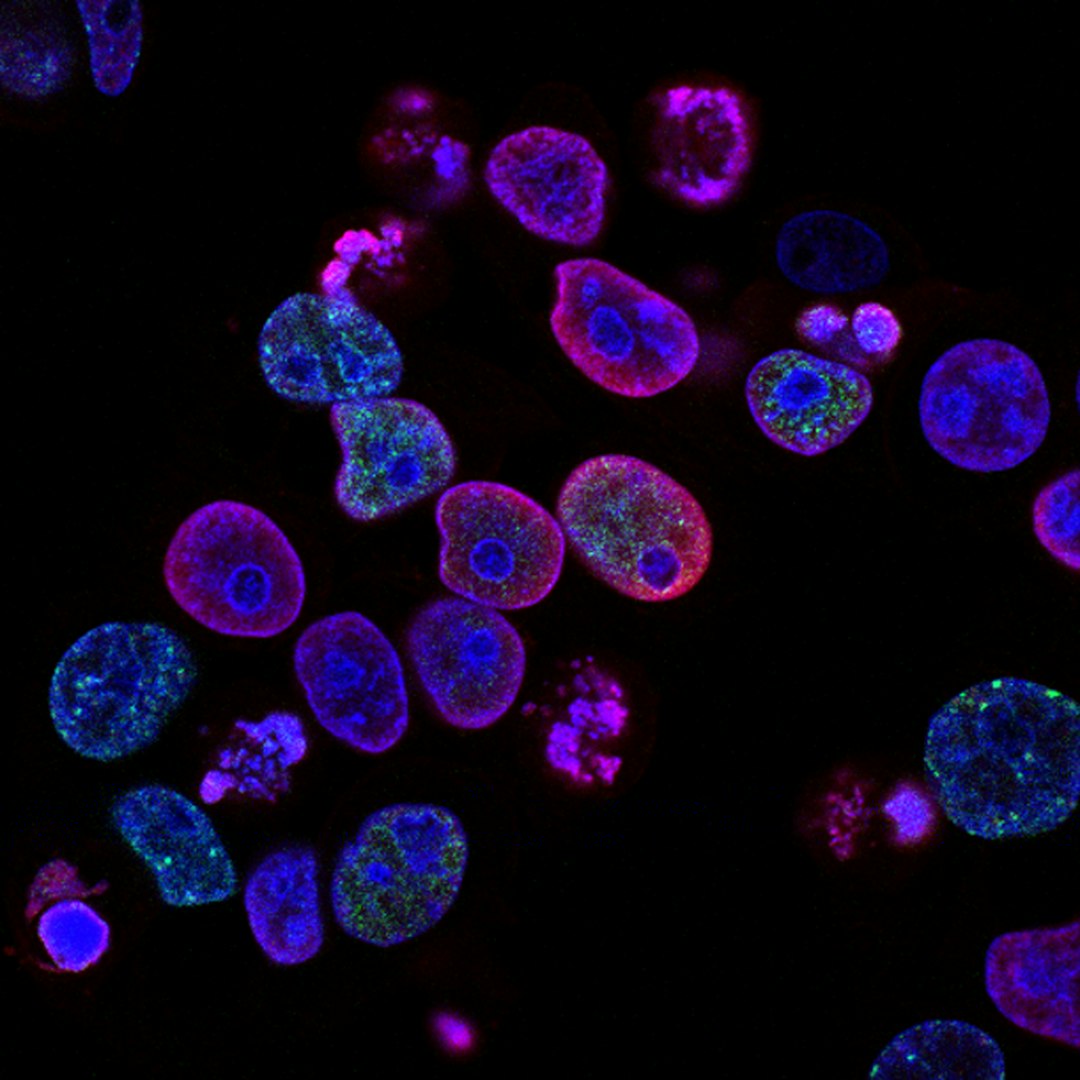
Modern genetics has given us new clues about how our brains evolved. Scientists have identified hundreds of genes that influence brain size and structure. Some of these genes have changed rapidly in the last 10,000 years, possibly as humans adapted to new diets, climates, and lifestyles. There’s also evidence that genes related to brain development are still evolving today. Our brains are not static—they’re works in progress, shaped by the world around us.
The Impact of Diet and Lifestyle
Switching from hunting and gathering to farming changed more than just our dinner plates. Early farmers ate more grains and less protein than their hunter-gatherer ancestors. This shift in nutrition may have played a role in shrinking brain size. Lifestyle changes—like living in permanent settlements and having access to stored food—also reduced the physical and mental stress of survival. With fewer pressures, our brains may have shed some of their excess “survival hardware.”
Childhood and Brain Development
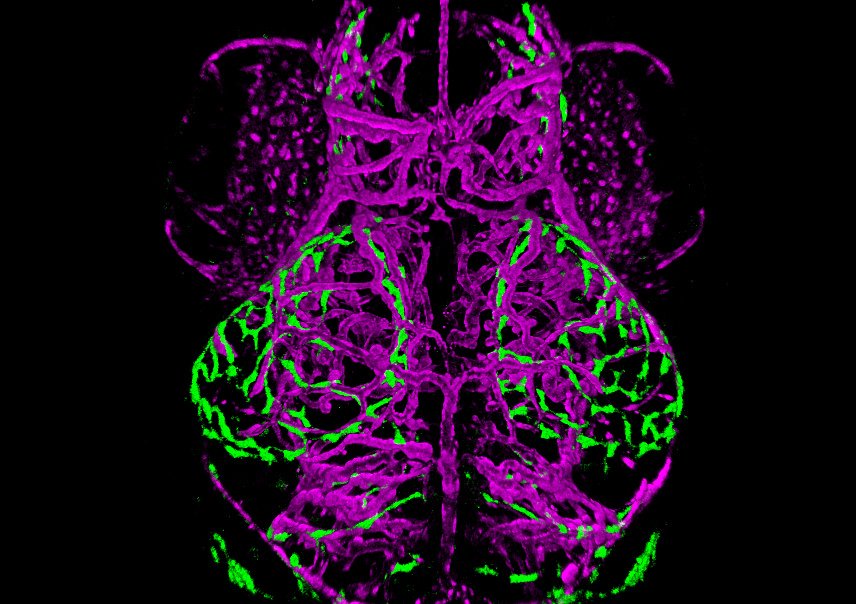
Childhood is a critical time for brain growth. In ancient times, high infant mortality and unpredictable food supplies meant only the strongest (and smartest) survived. Today, better nutrition, healthcare, and education allow nearly every child to reach their full potential. The result? Our brains might be smaller, but they’re healthier and better equipped for complex tasks. This could be another reason why shrinking brains haven’t slowed us down.
Brain Size Versus Brain Complexity
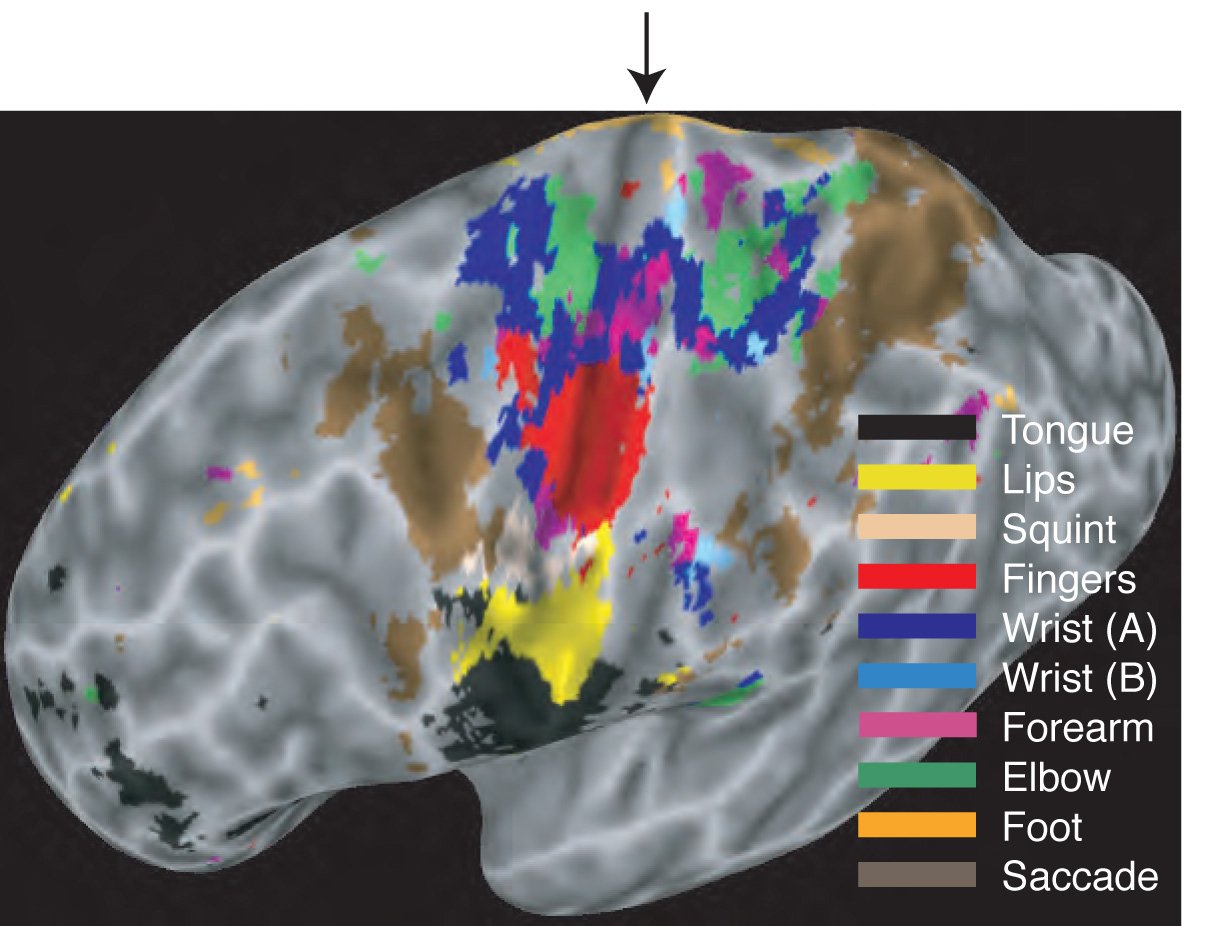
Think of the brain as a city. A bigger city isn’t always a better place to live—it might just be more chaotic. What really matters is how efficiently the city is organized. In the same way, a smaller brain with denser connections and more specialized regions can be more effective than a sprawling, inefficient one. Many neuroscientists now believe that our brains have become more “optimized” over time, trading bulk for performance.
The Myth of Bigger Equals Better
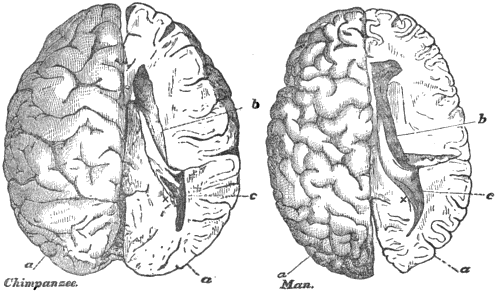
It’s a stubborn myth that bigger brains mean smarter people. If that were true, elephants would be writing novels and blue whales would be building skyscrapers. Intelligence is a slippery thing to define, and it depends on much more than just brain size. Factors like structure, connectivity, and experience play huge roles. The human story is a powerful reminder that evolution is about adaptation, not just accumulation.
What We Can Learn From Other Species

Humans aren’t the only species whose brains have changed over time. Dogs, cats, and even domesticated birds all have smaller brains than their wild ancestors. In each case, brain shrinkage seems to go hand-in-hand with increased social cooperation and adaptability. By looking at our animal companions, we can see that shrinking brains aren’t necessarily a sign of decline—they might be a clever evolutionary shortcut.
Brain Shrinkage and Mental Health
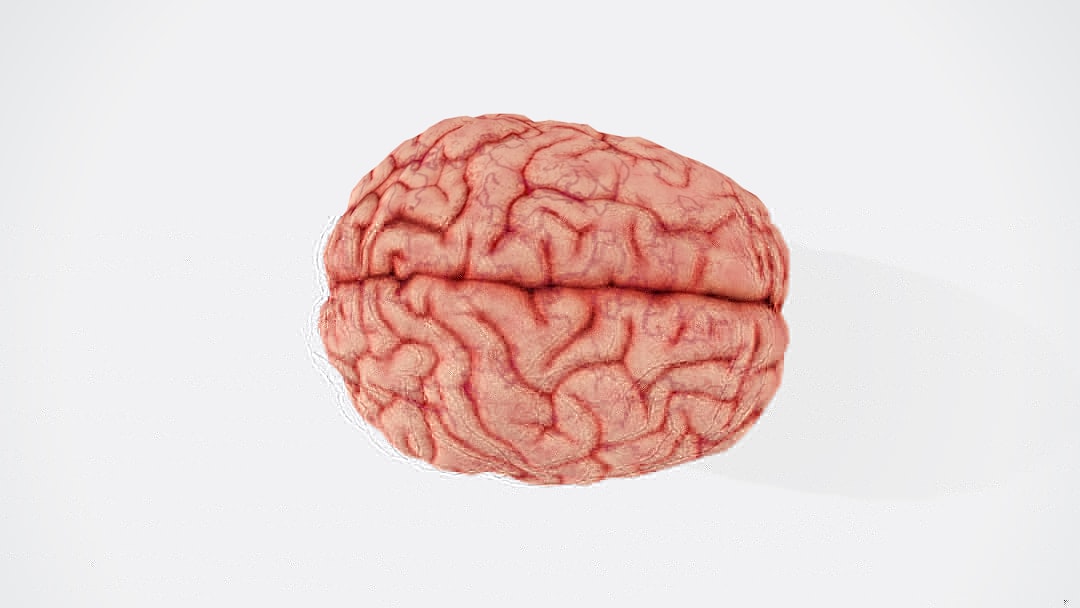
Some researchers wonder if changes in brain size could relate to modern mental health issues. While there’s no simple answer, it’s possible that evolutionary shifts have made our brains more sensitive to stress or social pressures. On the flip side, smaller brains might also be more resilient, thanks to their streamlined design. This is an area where science is still catching up, but it’s a fascinating piece of the puzzle.
Could Our Brains Shrink Further?
Looking to the future, it’s possible that human brains will continue to shrink, at least a little. With artificial intelligence, advanced technology, and global information networks, we might need less raw processing power and more adaptability. Some even speculate we could eventually “outsource” certain mental tasks to machines, freeing our brains for creativity and connection. It’s a wild thought, but not out of the realm of possibility.
What This Means for the Story of Humanity

Our shrinking brains remind us that evolution doesn’t have to mean “bigger, better, stronger.” Sometimes, survival is about becoming more efficient, more connected, and more adaptable. The real measure of human progress isn’t the weight of our brains, but the richness of our cultures, the warmth of our communities, and the spark of our imagination. What will you make of our remarkable, ever-evolving minds?