Have you ever walked along the edge of a Minnesota lake in late winter or early spring and seen something that looks more like a frozen margarita than a glassy sheet of ice? If you have, you know the sight is both bizarre and mesmerizing: thick, chunky ice crystals swirling together, churning in the wind, and sometimes even piling up along the shoreline. It’s almost as if Mother Nature decided to turn the whole lake into a massive slushy machine. But what’s really going on here? Let’s dive deep into this frosty phenomenon, unraveling the science, the spectacle, and the surprising quirks that make Minnesota’s lakes the stars of their own frozen show.
The Magic of Minnesota’s Winter Climate
Minnesota is famous for its brutal winters, but the magic really starts when winter begins to loosen its grip. The state’s climate is a cocktail of cold, dry air and sudden bursts of warmth. These dramatic shifts in temperature are the first step in creating those giant lake slushies. When a cold snap is followed by a brief warm spell, the thick ice covering the lakes doesn’t melt evenly. Instead, it starts to break down in strange and fascinating ways, setting the stage for something truly unique.
Understanding the Freeze-Thaw Cycle
Lakes in Minnesota go through a relentless freeze-thaw cycle from late winter into early spring. One day, temperatures might plummet to well below freezing, locking everything in solid ice. The next day, sunshine and warmer air might soften the top layers, leaving the deeper ice untouched. This constant back-and-forth causes the ice to fracture, expand, and contract, forming icy chunks and creating perfect conditions for the slushy spectacle.
How Sunlight Plays a Key Role

You might be surprised to learn just how much sunlight affects the ice. As days get longer and the sun climbs higher in the sky, its rays penetrate the ice, warming it from the inside out. Unlike the bitter cold of deep winter, this gentle heat doesn’t just melt the surface—it seeps down, loosening the bonds between ice crystals and turning them into slush. It’s almost like the sun is stirring the world’s largest cocktail shaker, and the lake is the glass.
The Power of Wind on the Water
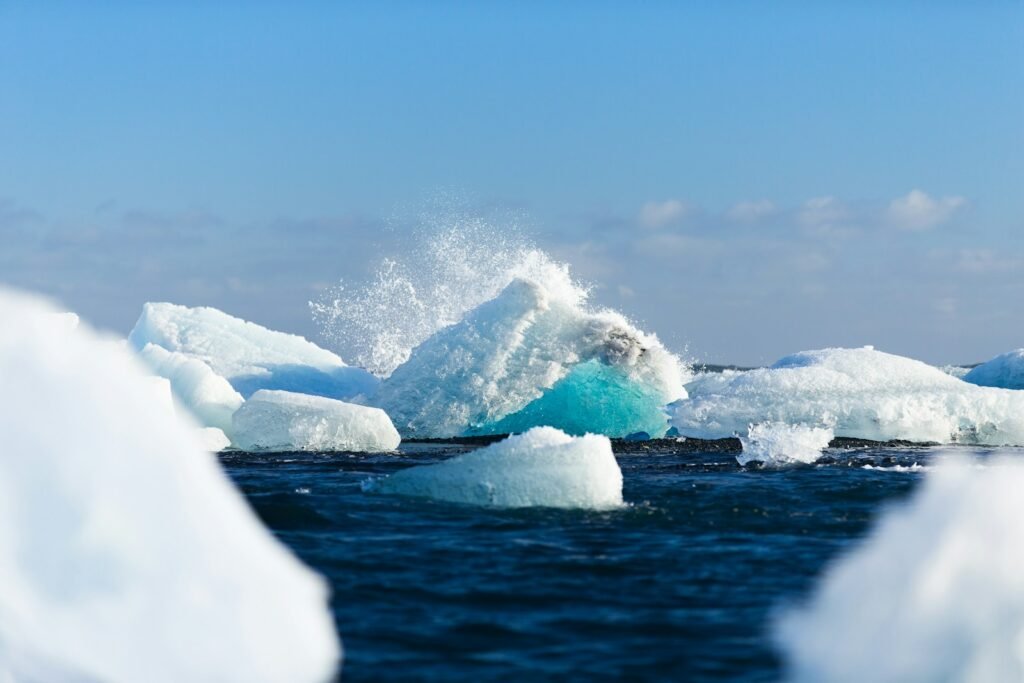
Wind is another unsung hero in the slushy transformation. When the ice starts to weaken, gusty winds push and pull at the fractured pieces. Small ice chunks are tossed and tumbled, grinding against each other until they break down into even finer slush. Sometimes, wind can even pile heaps of slush along the shoreline, creating mountains of what looks like shaved ice or snow cones, just waiting for someone to add syrup.
Ice Candles: Nature’s Frozen Artistry

One of the most enchanting sights during this process is the formation of “ice candles.” As the ice melts unevenly, vertical rods or columns of clear ice form. These delicate structures look like thousands of tiny candles packed tightly together. When they break apart, they create the perfect building blocks for lake slush, making it sparkle and crunch underfoot. It’s a fleeting masterpiece—here today, gone tomorrow.
Lake Depth and Its Surprising Impact
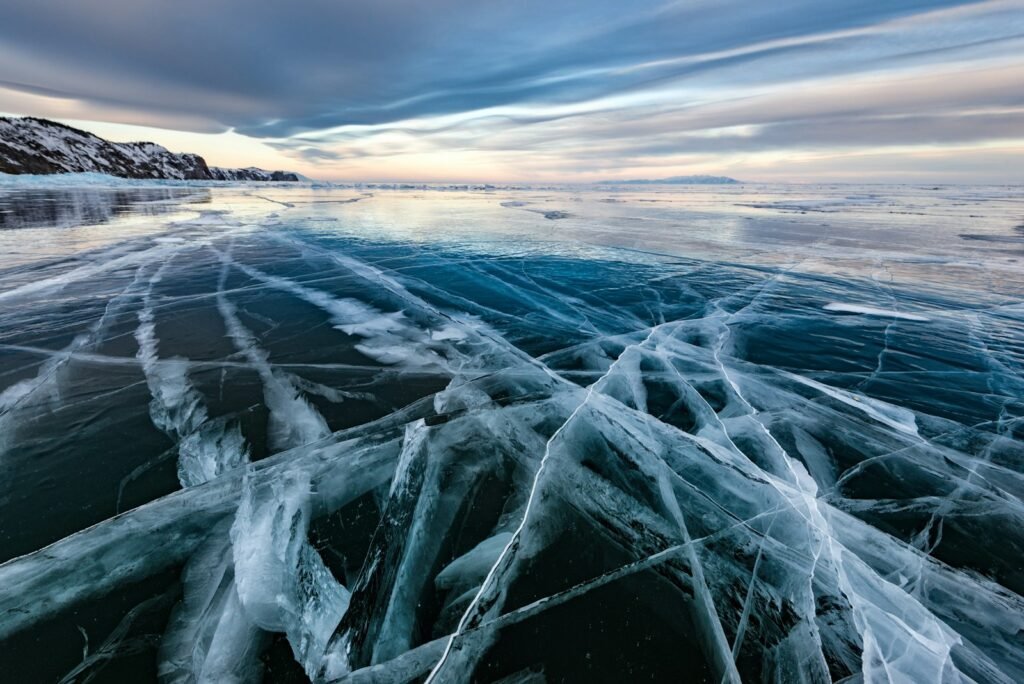
Not all lakes slush up in the same way. Shallow lakes tend to freeze and thaw more rapidly than deep ones, because there’s less water to heat or cool. This means shallow lakes often turn into slushy playgrounds earlier in the season. Deep lakes, on the other hand, hold onto their cold cores longer, making the slushier transition more drawn out and dramatic.
The Science of Ice Crystal Formation
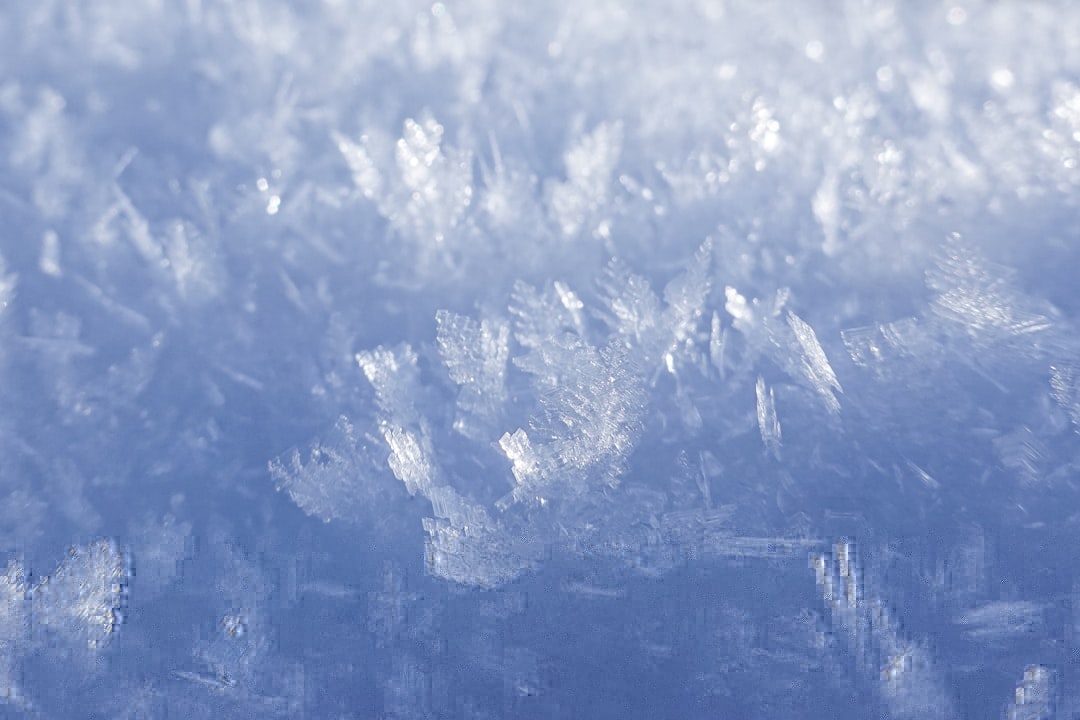
Let’s get microscopic for a moment. When ice forms, it creates a lattice of tightly packed crystals. But when temperatures hover just below freezing, the structure begins to loosen. Water molecules move more freely, breaking the lattice into smaller, jagged crystals. These are the building blocks of the slushy texture—sharp, crunchy, and translucent. Imagine a snowflake melting in your hand, then freezing again in a different shape every few seconds.
Slush and Oxygen: A Hidden Relationship
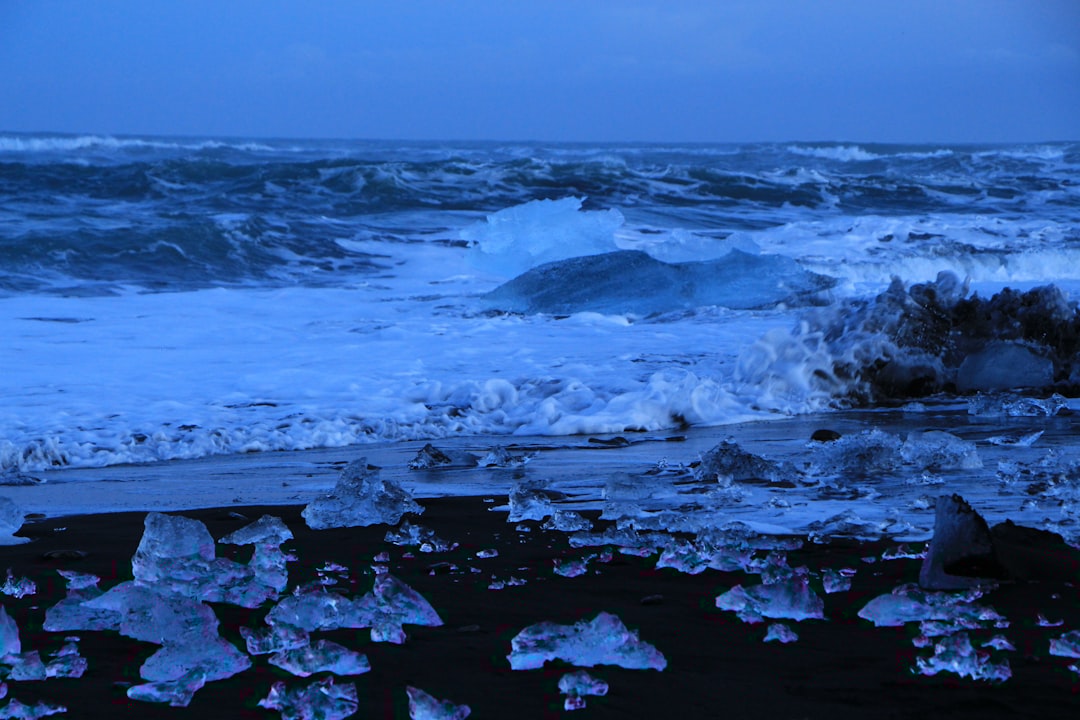
Slushy ice isn’t just a visual treat—it also plays a surprising role in the lake’s ecosystem. As ice breaks down into slush, oxygen can more easily reach the water below. This sudden boost of oxygen helps wake up dormant aquatic life, giving fish and plants a much-needed breath of fresh air after a long, suffocating winter under solid ice.
The Dangers Lurking Beneath the Slush
As beautiful as it is, slushy ice can be treacherous. It’s much weaker than solid ice, making venturing out onto the lake a risky proposition. Every year, unwary ice anglers and curious explorers find themselves unexpectedly plunging through, their boots sinking into the frigid, half-liquid mess. It’s a stark reminder that Mother Nature’s beauty often comes with a warning label.
When Slush Becomes Ice Shoves
Sometimes, wind-driven slush can pile up on shore with immense force. These so-called “ice shoves” can damage docks, boathouses, and even nearby homes. Imagine a slow-moving glacier suddenly crashing into your backyard. The sound is unforgettable—a deep, groaning roar as tons of ice push up onto land, leaving behind a jumble of icy debris.
Snow Cover’s Surprising Influence
Snow acts like a cozy blanket, insulating the ice below and slowing down the melting process. When heavy snow falls on the ice, it can actually delay slush formation, keeping the lake frozen longer. But if the snow melts quickly, it seeps into cracks and weak spots, hastening the transition from solid ice to slush. Each year, the timing and amount of snowfall can make a world of difference in the slushy spectacle.
Why Not All Years Are Equal

Every spring is different in Minnesota. Some years, the slush comes early and vanishes quickly. Other years, a stubborn winter hangs on, and the transformation happens slowly, over weeks. The timing depends on a perfect storm of temperature swings, sunlight, snowfall, and wind. It’s this unpredictability that keeps locals guessing—and makes each year’s slush show a little bit different.
Aquatic Life and the Spring Awakening
For fish, frogs, and even tiny plankton, the arrival of slushy ice signals a shift in seasons. As oxygen levels rise and sunlight penetrates deeper into the water, all kinds of aquatic life spring back into action. Fish start to move closer to the surface, plants begin photosynthesizing again, and the lake’s ecosystem roars back to life after months of frozen slumber.
Human Traditions and Lake Slush
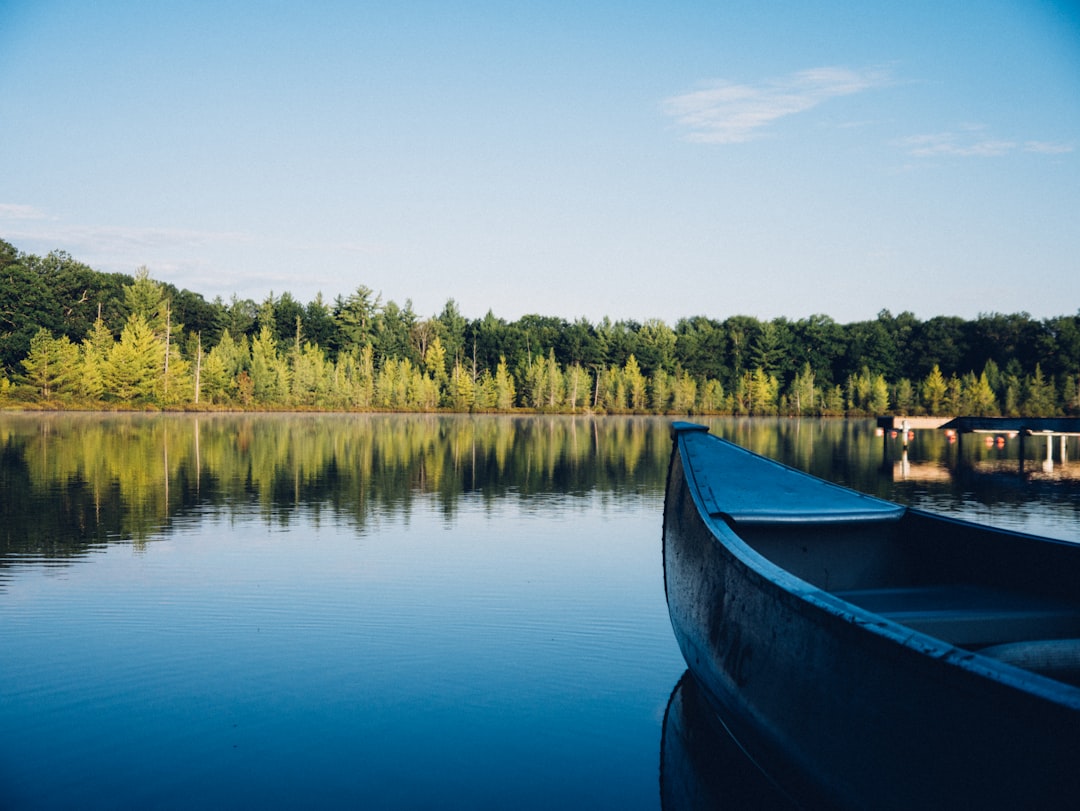
Minnesotans have a love-hate relationship with slushy lakes. For some, it’s a sign that ice fishing season is over and boating is just around the corner. For others, it’s a chance to revel in the wild, fleeting beauty of nature’s frozen artistry. Local kids sometimes race to see who can find the deepest slush, their laughter echoing across the shoreline.
Fascination for Scientists and Photographers
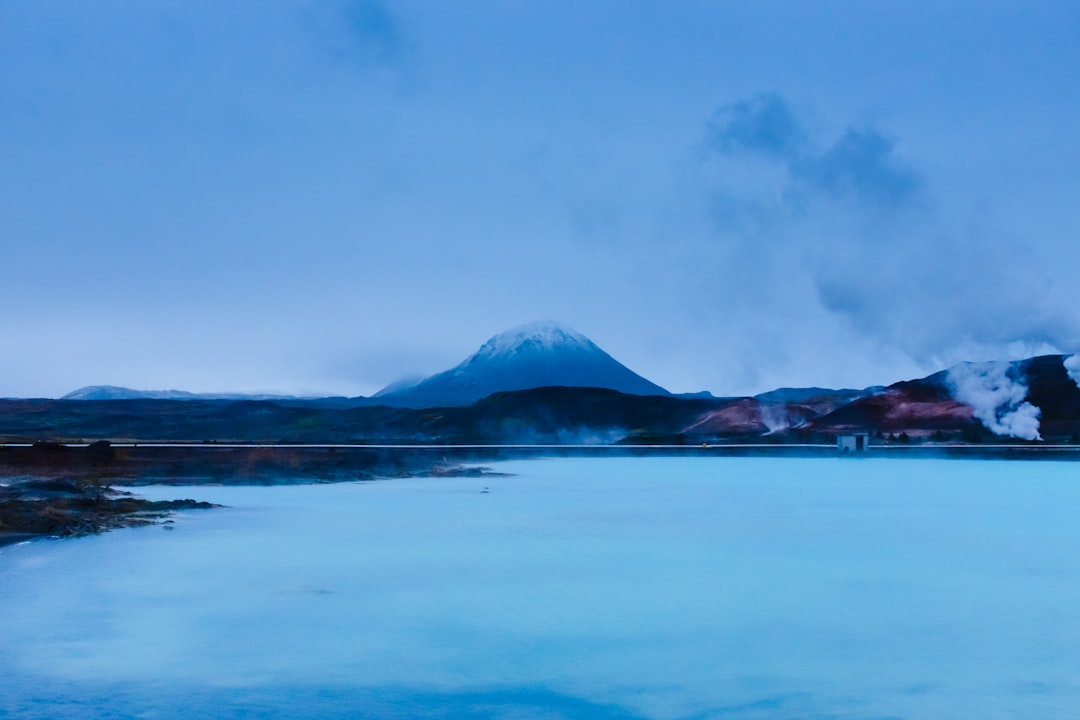
Scientists flock to Minnesota’s lakes each spring, eager to study the physics behind the slushy transformation. It’s a living laboratory, offering clues about climate change, water chemistry, and the delicate balance of lake ecosystems. Photographers, meanwhile, love to capture the surreal textures and shimmering light as the sun dances across the crystallized surface.
Climate Change and the Future of Slushy Lakes
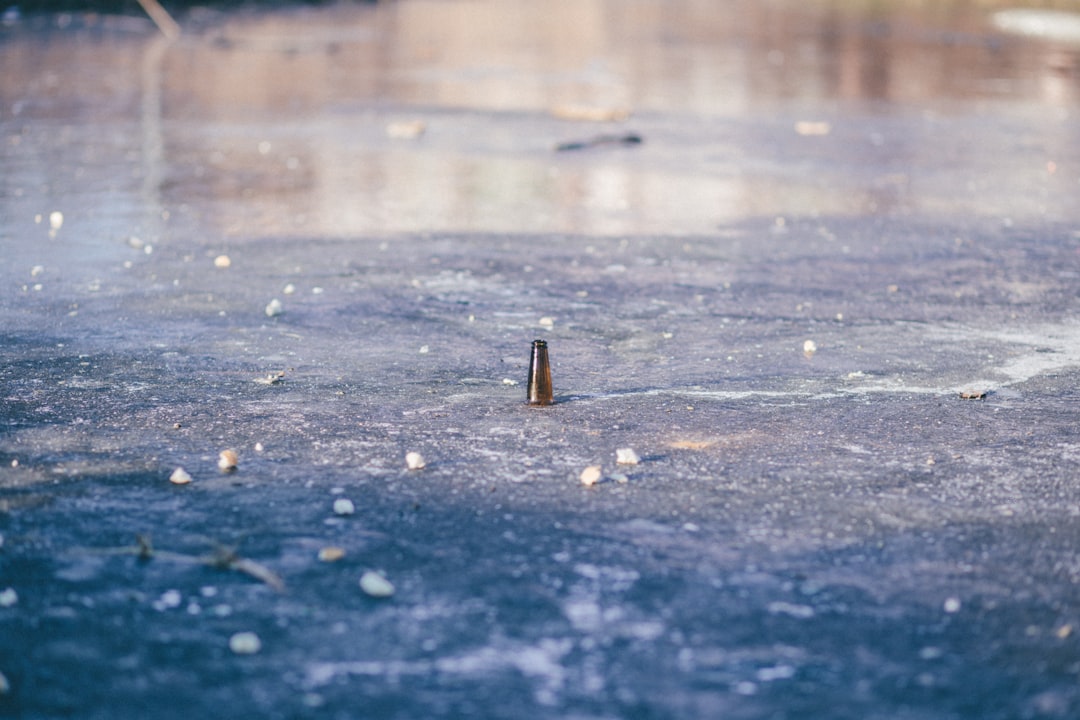
There’s a bigger story here, too. As Minnesota’s winters grow warmer and less predictable, the freeze-thaw cycles become more erratic. Some years, lakes barely freeze at all; other years, they slush up earlier or later than ever before. These changes offer real-time evidence of how our climate is shifting, and scientists are watching closely to see what the future holds for these iconic landscapes.
The Allure of the Unexpected
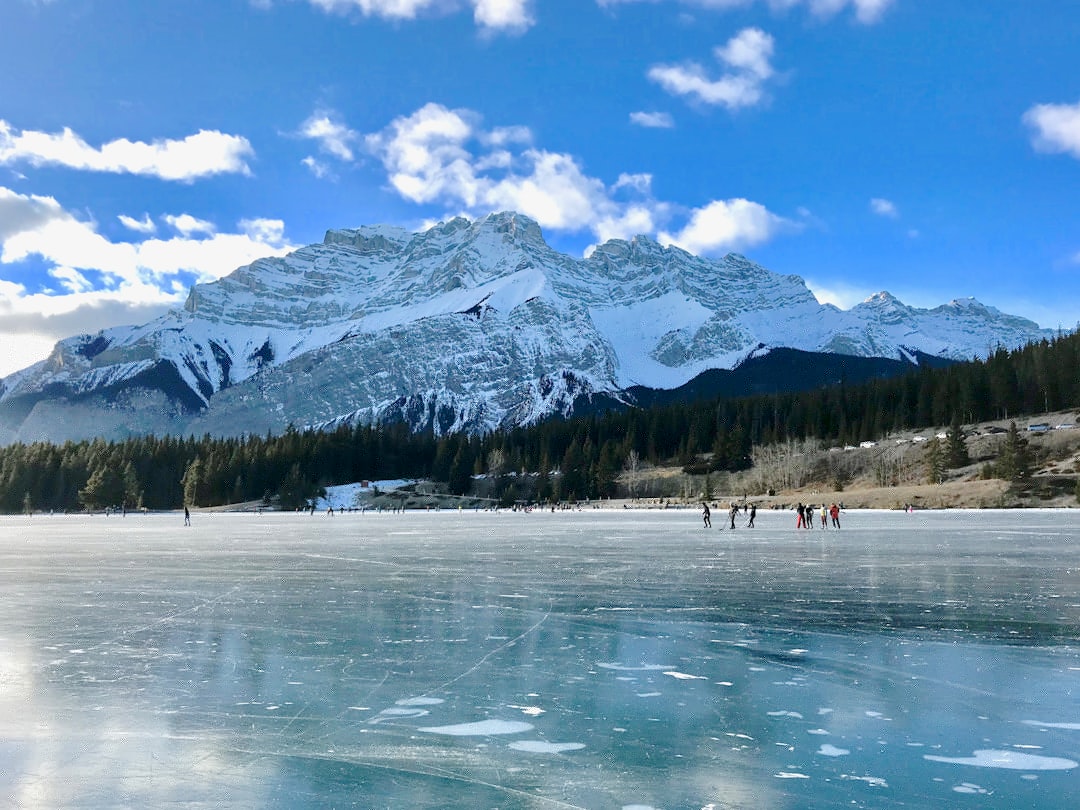
There’s something magical about stumbling upon a lake transformed into a giant slushy. It’s an unexpected twist in the tale of winter, a reminder that even the most familiar landscapes can surprise us. The next time you see a Minnesota lake swirling with icy crystals, take a moment to marvel at the perfect storm of weather, water, and sunlight that made it happen.
Lessons from Nature’s Slushy Machines
Minnesota’s slushy lakes are more than just a quirky spectacle—they’re a testament to the power and unpredictability of nature. They remind us that the world is full of surprises, waiting just beneath the surface if we know where to look. And sometimes, the most ordinary places can turn into something extraordinary, if only for a few shimmering days each year.