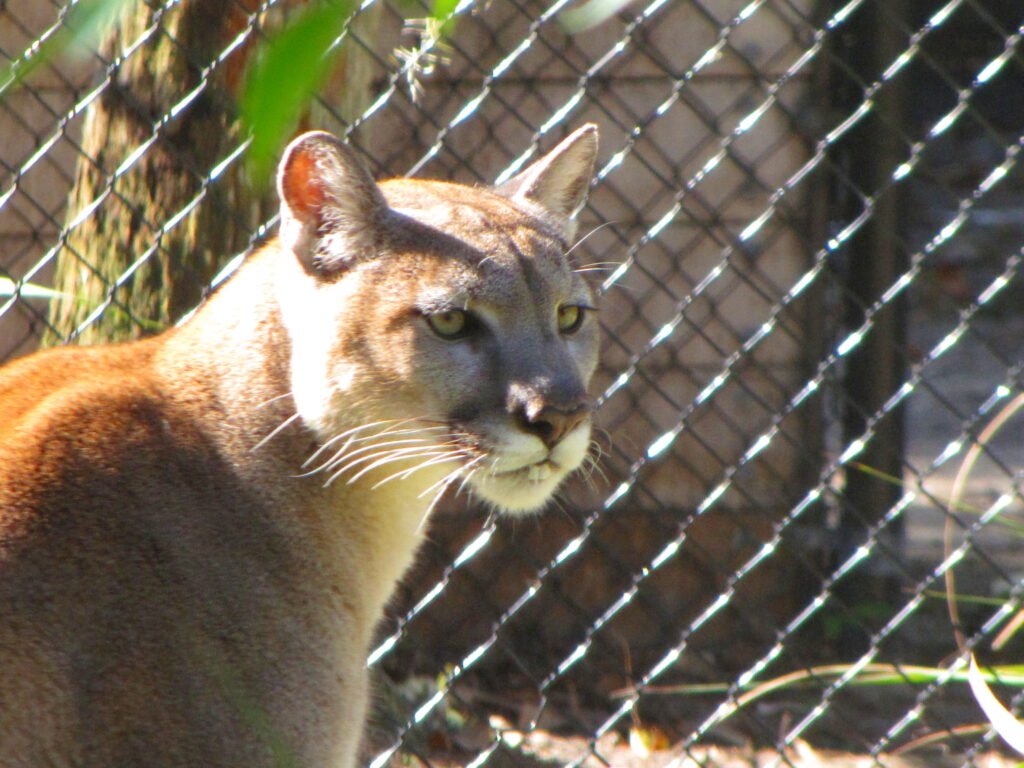

Deep in the tangled heart of Florida’s wildest swamps, a shadow moves—silent, graceful, and almost invisible. The Florida panther, with its tawny coat and piercing eyes, is more than just a cat; it’s a living legend. Fewer than two hundred of these majestic creatures remain, making every paw print in the mud a rare and precious find. Yet, the real danger they face isn’t the alligator’s jaws or the hurricane’s winds. It’s something far more ordinary: our highways. Roads slice through their ancient forests, turning the world into a dangerous maze. How did this mysterious big cat become a symbol of both survival and struggle? Let’s step quietly into the world of the Florida panther, and discover why saving this elusive animal means rethinking the very roads we travel.
A Glimpse Into the Panther’s Secret World
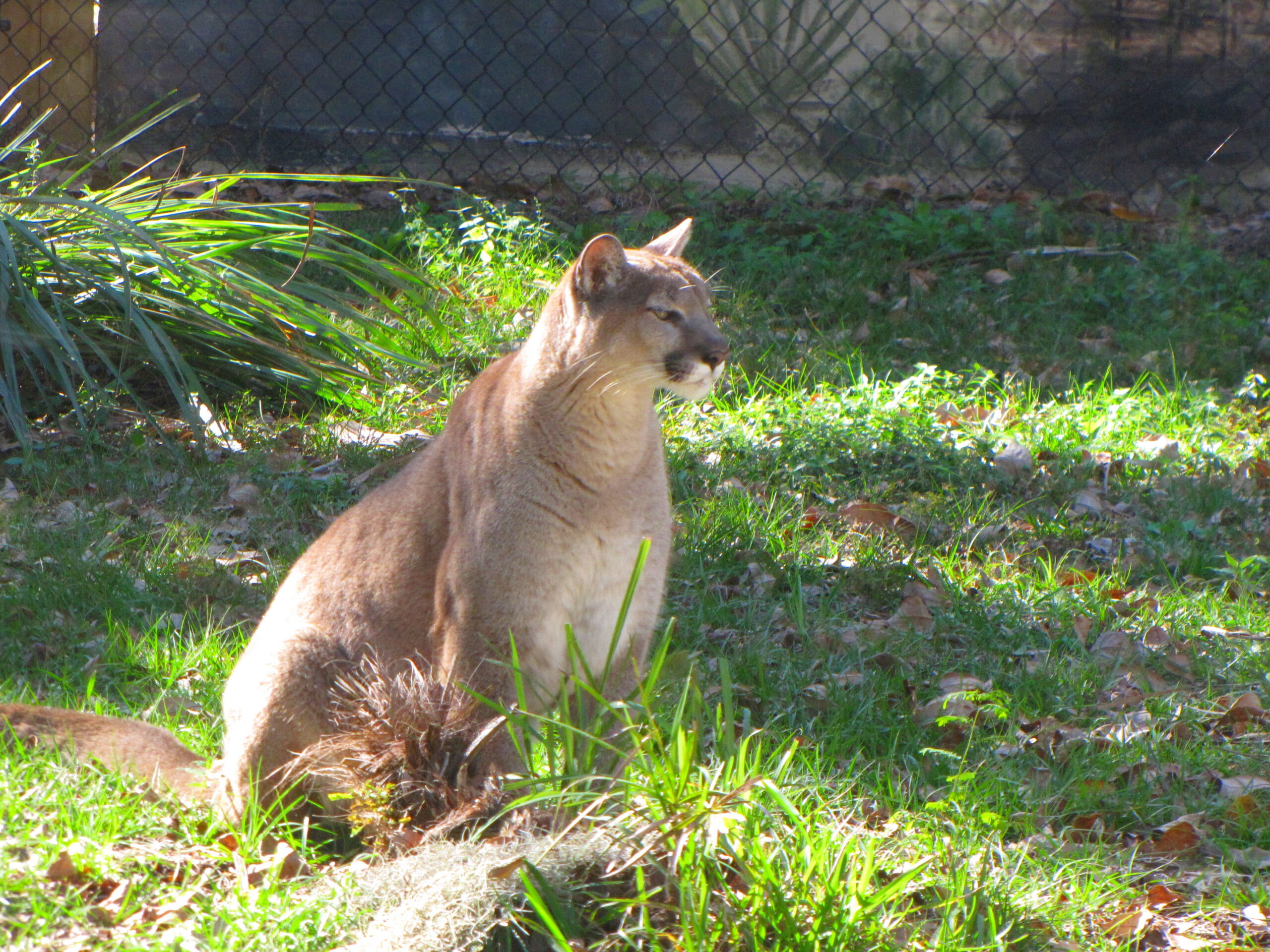
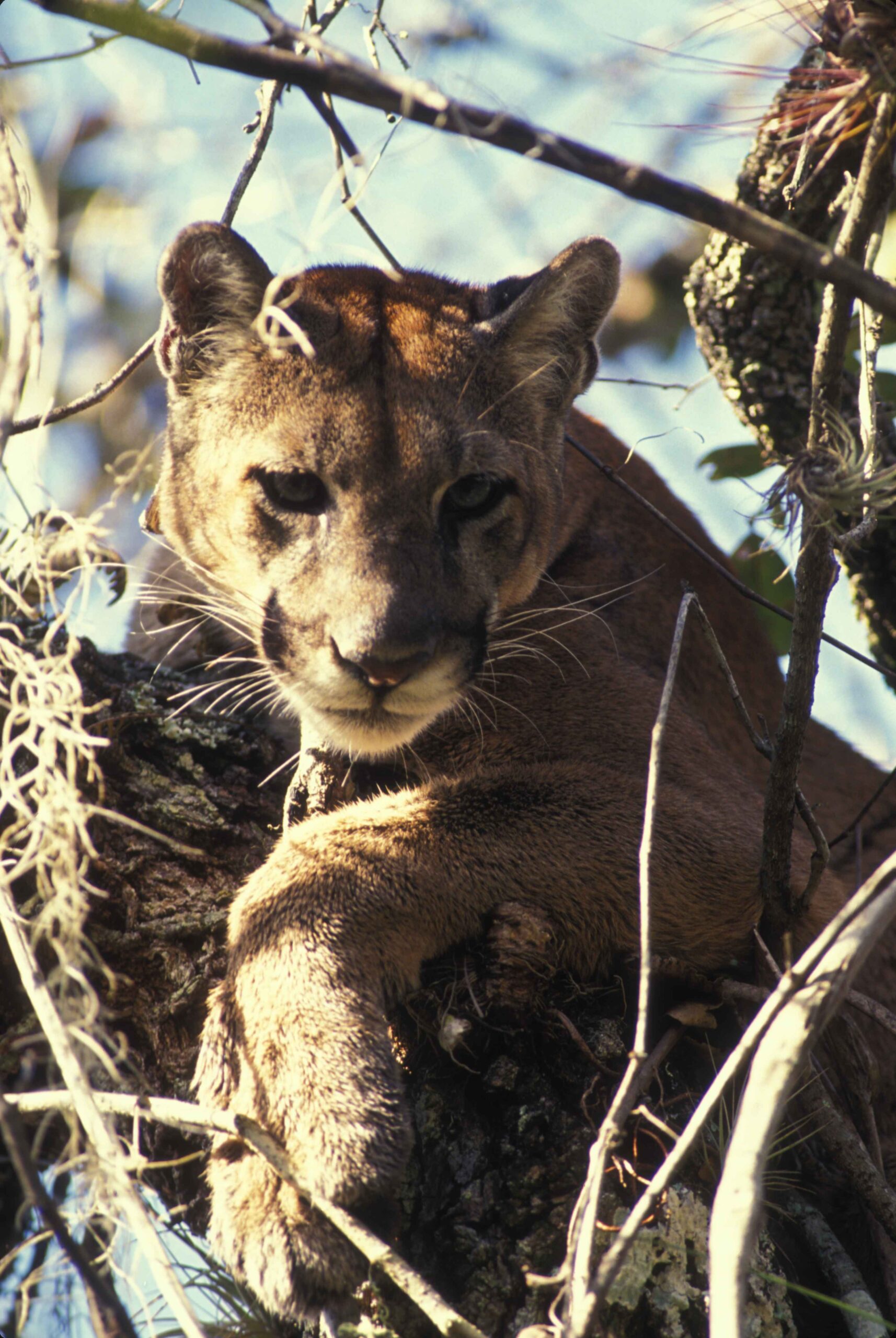
The Florida panther isn’t just any big cat—it’s a creature of secrets, slipping through palmetto thickets and cypress shadows with hardly a whisper. Most people will never actually see one in the wild, and that’s not by accident. These cats are shy, solitary, and mostly active at dawn and dusk, making them masters of camouflage. Their range stretches across the tangled wetlands and pine forests of southern Florida, but even here, their home is shrinking. The rare flicker of a tail or a single muddy track is usually all that betrays their presence. For many Floridians, knowing panthers are out there—watchful, wild, and rare—adds a thrilling edge to the landscape.
America’s Forgotten Big Cat
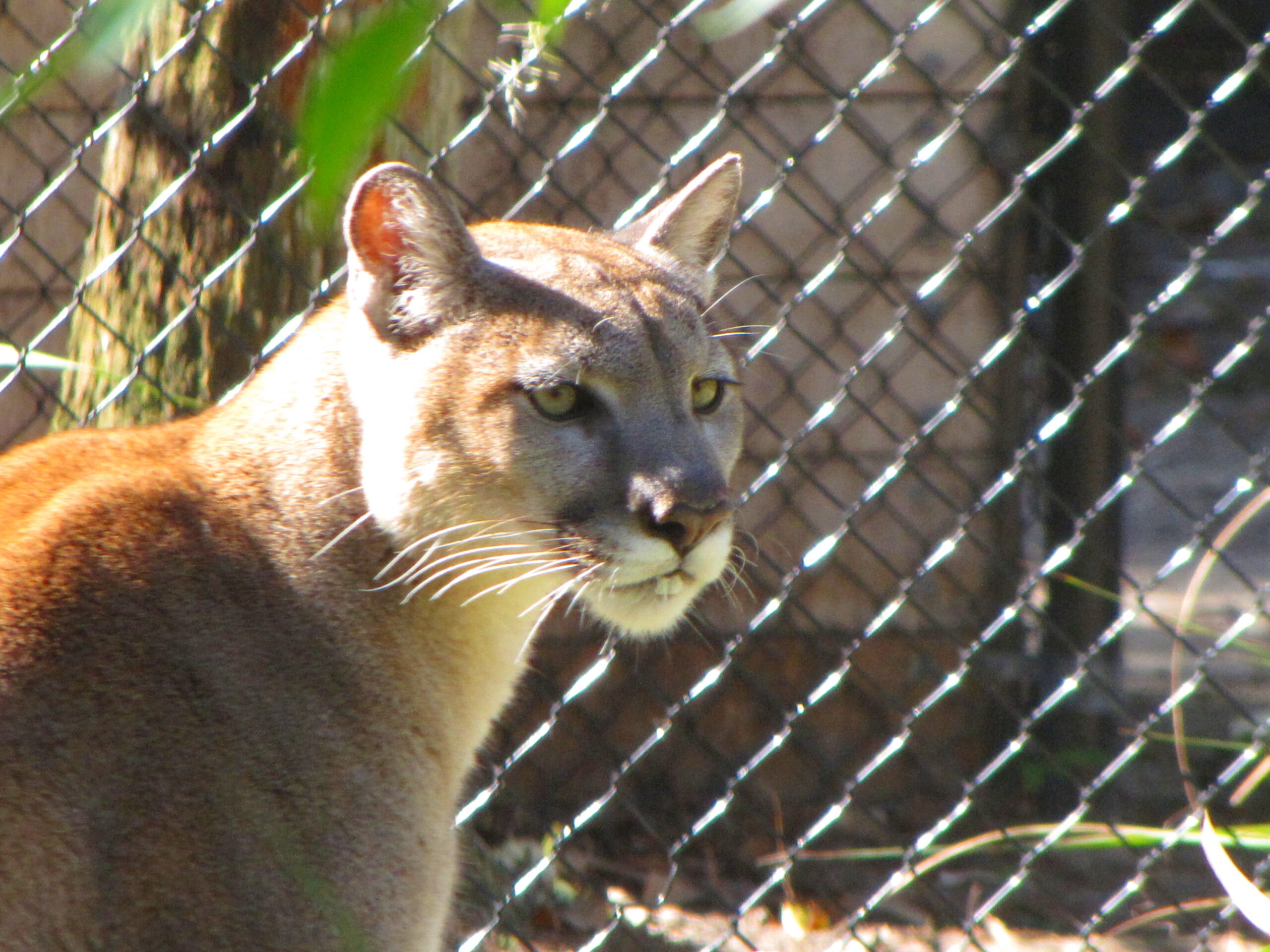
When people think of American big cats, they often picture the mountain lion roaming the Rockies or jaguars prowling the Southwest. Yet, the Florida panther is a subspecies of the cougar, sometimes called a puma or mountain lion, and is the only breeding population of its kind east of the Mississippi. Once found from Arkansas to South Carolina, these panthers have retreated to a tiny corner of southern Florida. The story of the Florida panther is one of resilience, but also of loss—an entire legacy of wild cats now hanging by a thread.
A Cat With Many Names
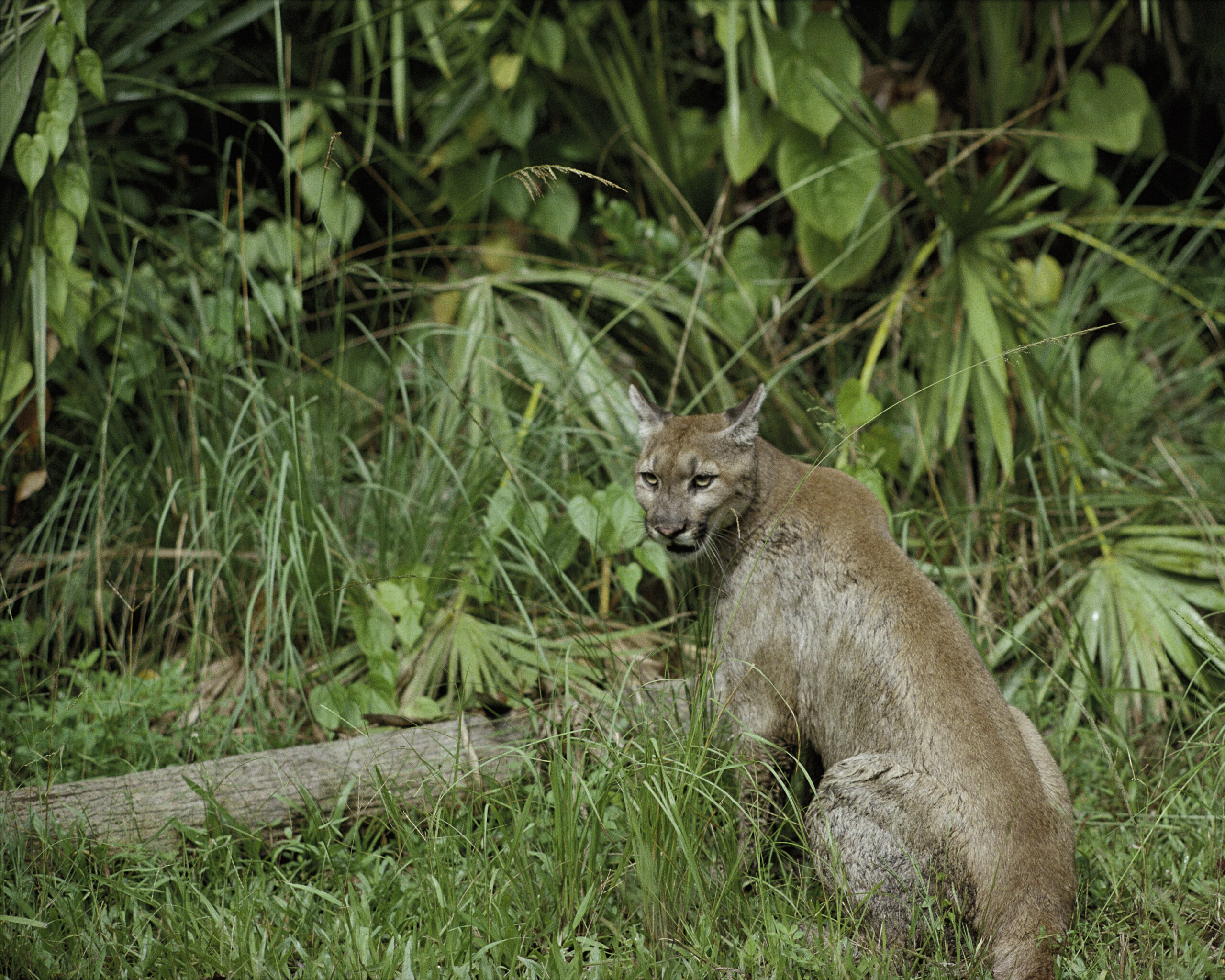
The Florida panther wears many names, each hinting at its mysterious nature. Scientists call it Puma concolor coryi, but locals have their own words: painter, catamount, cougar, and even “ghost of the Everglades.” This tangle of names shows just how deeply woven the panther is into American folklore. No matter what you call it, the animal remains the same—stealthy, powerful, and hauntingly beautiful. It’s a reminder that wildness can still exist, even in a state famous for beaches and theme parks.
The Panther’s Unique Appearance
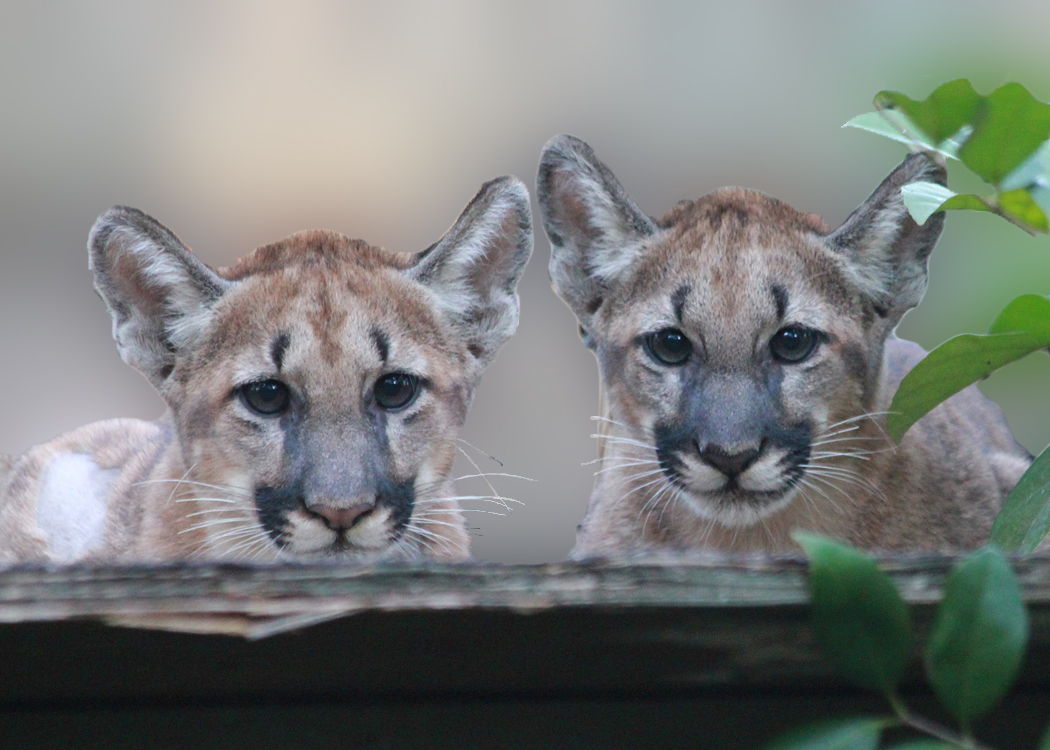
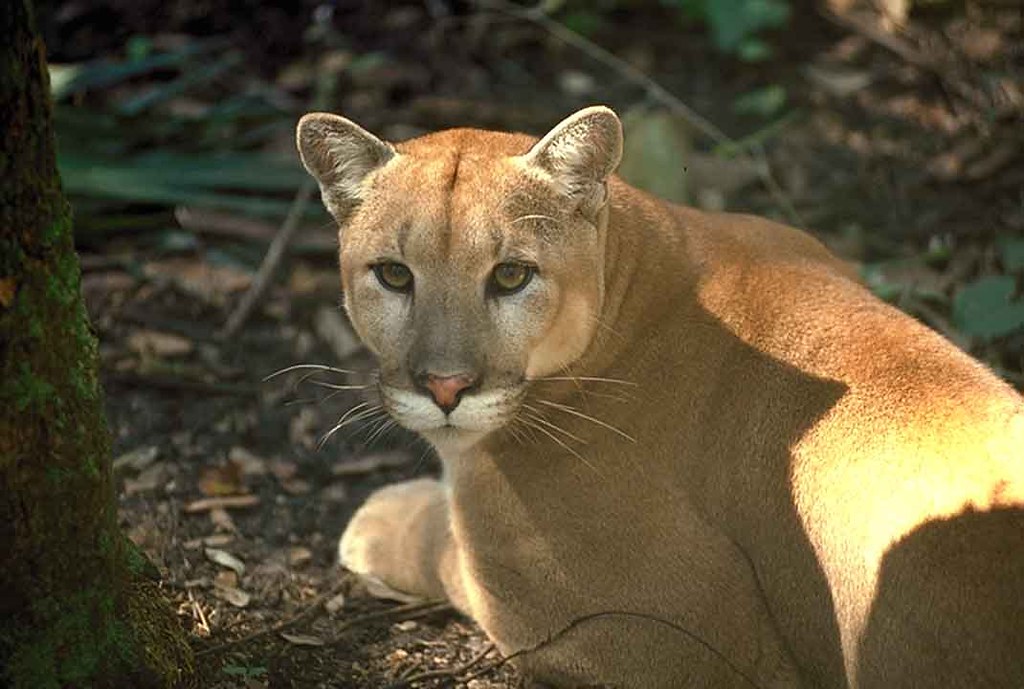
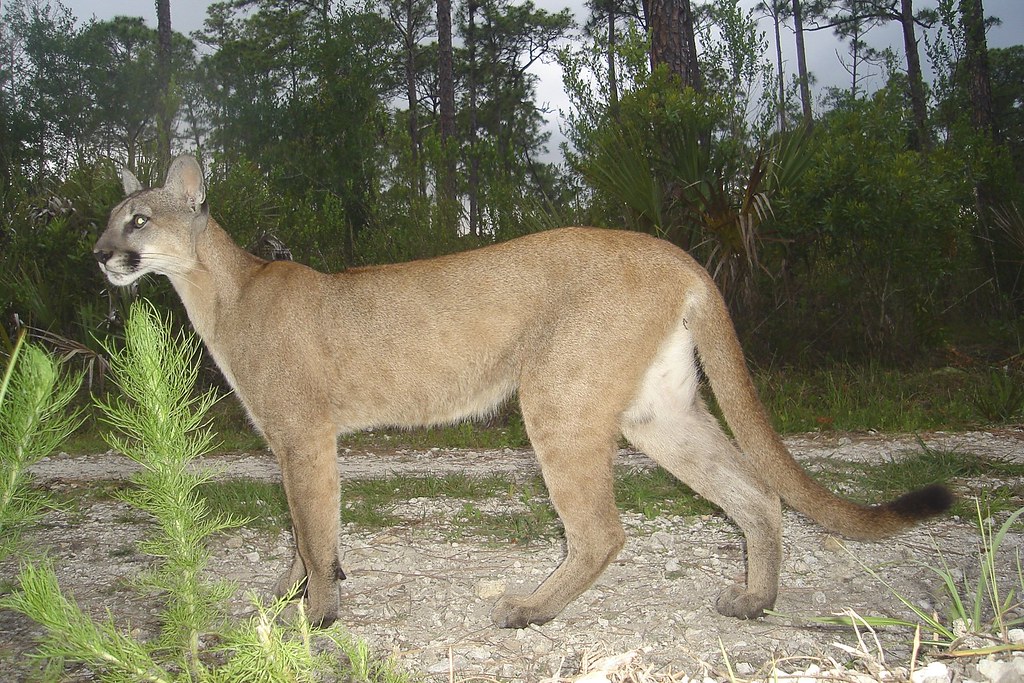
Unlike its mountain cousins, the Florida panther is a bit smaller and leaner, with a long, whiplike tail and a distinctive crooked kink at the end. This kinked tail, along with a patch of cowlick fur on its back, sets it apart from other cougars. Its coat glows a warm, pale gold in the sun, and its eyes seem to hold the green shadows of the swamp. These subtle differences are more than just quirks—they’re the marks of a long, isolated survival in Florida’s unique wilds.
Living Where Water Rules
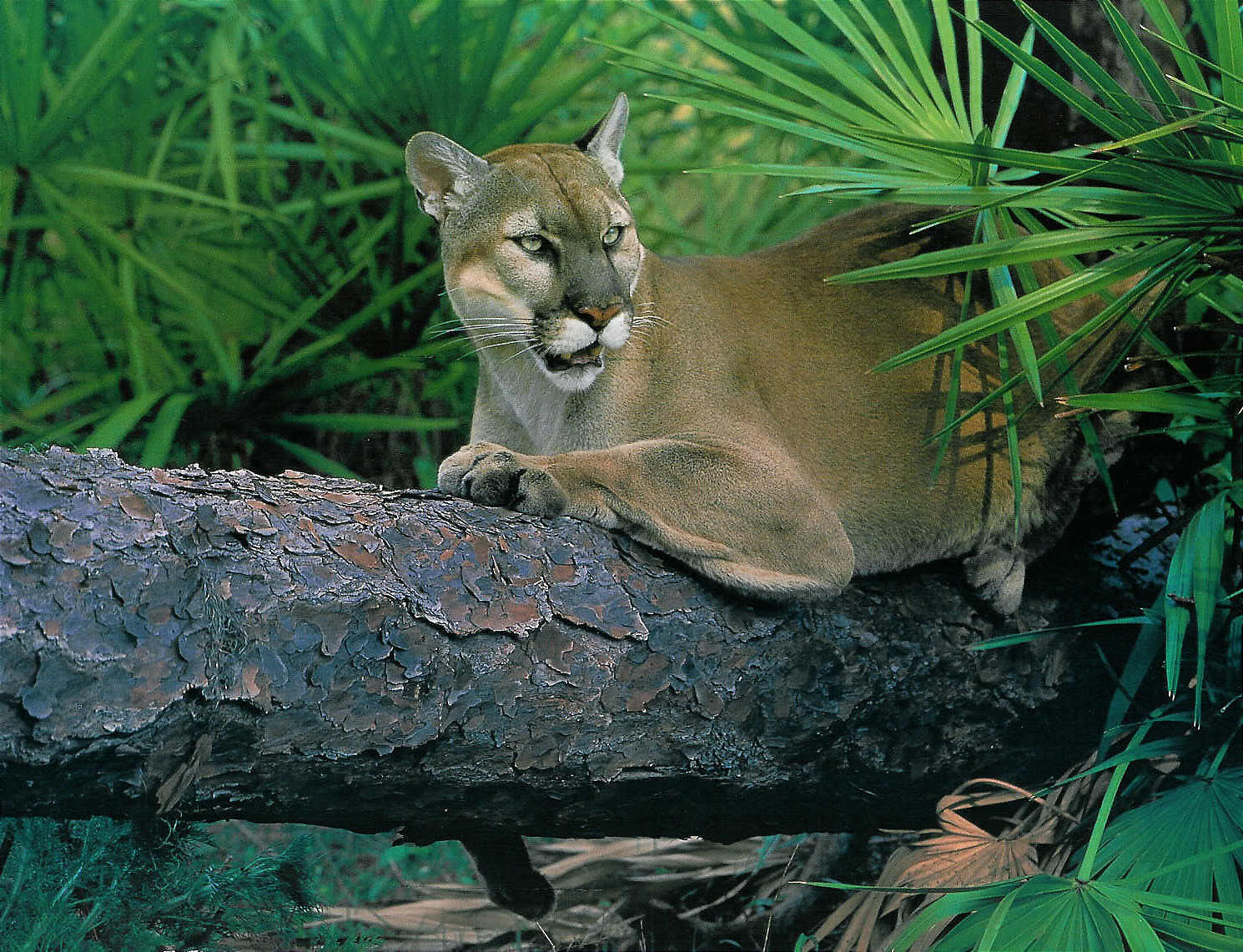
The Florida panther’s home isn’t just any forest. It’s a world shaped by water—vast sawgrass prairies, shadowy cypress domes, and tangled mangrove swamps. Surviving in this watery wilderness takes agility and cunning. Panthers must swim across rivers, leap over fallen logs, and hide from both predators and people. This demanding environment has shaped the panther into a creature of remarkable adaptability and strength. For the panther, every day is a test of survival.
The Panther’s Prey and Hunting Style
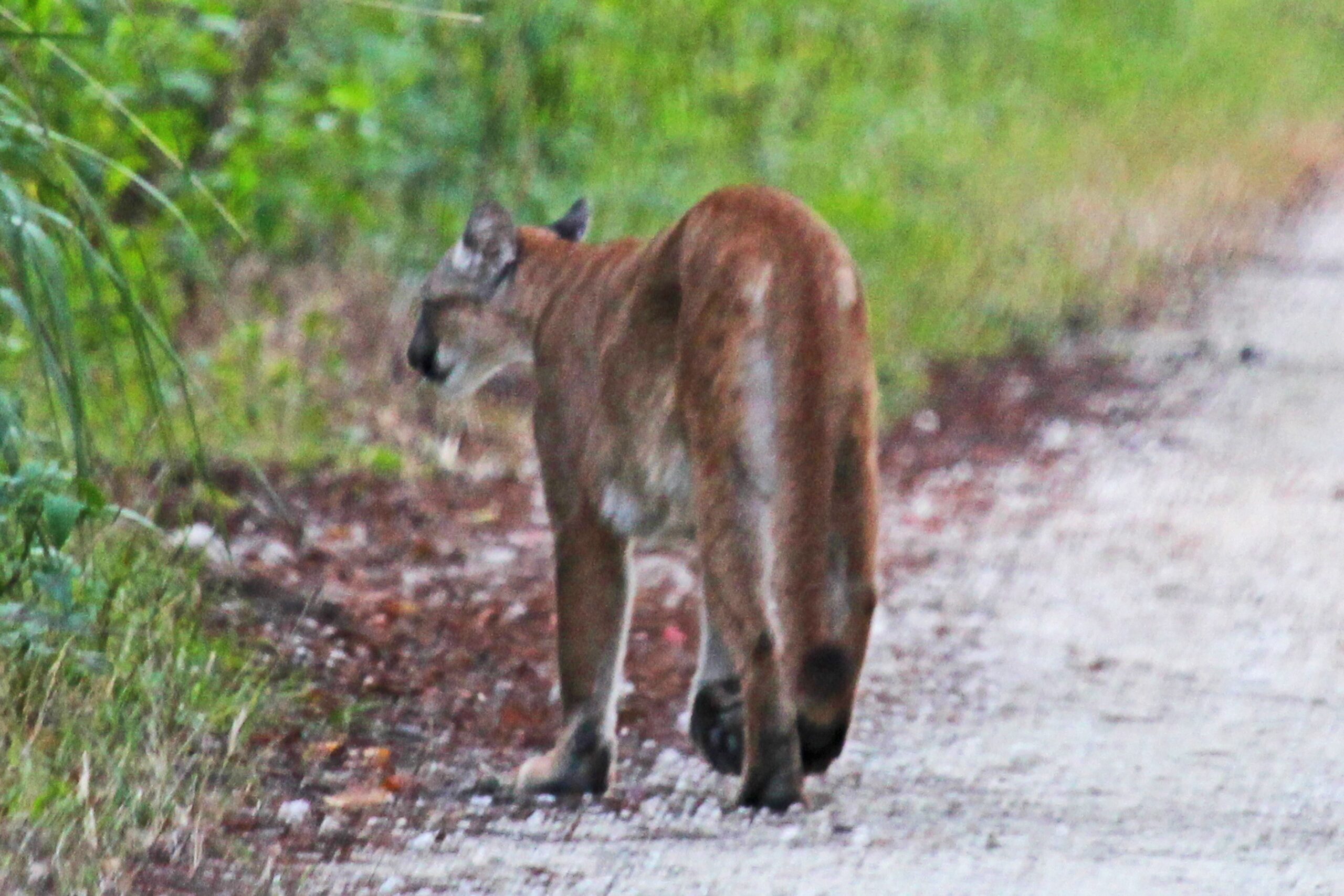
Stalking silently through the undergrowth, the Florida panther is a master hunter. Its favorite meal? White-tailed deer, but it won’t say no to wild hogs, raccoons, or even the occasional armadillo. With patience and stealth, the panther creeps close before launching a lightning-fast ambush. Its powerful jaws and sharp claws make quick work of its quarry. Yet, as development squeezes their territory, finding enough food is becoming a daily challenge for these predators.
The Role of the Panther in the Ecosystem
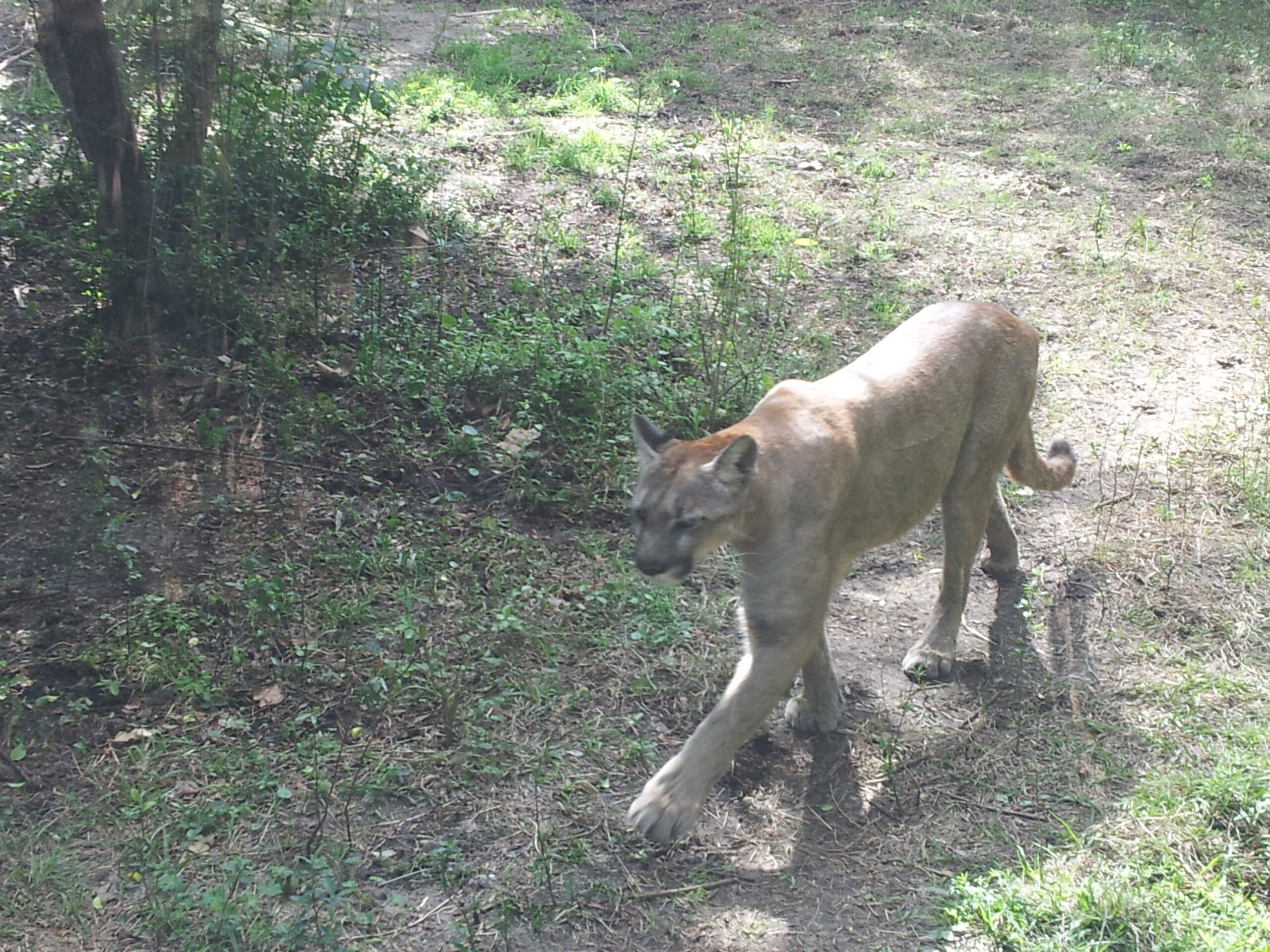
The Florida panther isn’t just a solitary hunter—it’s the keystone of its ecosystem. By preying on deer and other animals, it helps keep populations balanced and the landscape healthy. When panthers disappear, prey animals can overrun the forests, damaging plants and changing the flow of water. In this way, every panther is a guardian of the wild, silently keeping nature’s delicate balance in check.
From Near Extinction to Hopeful Recovery
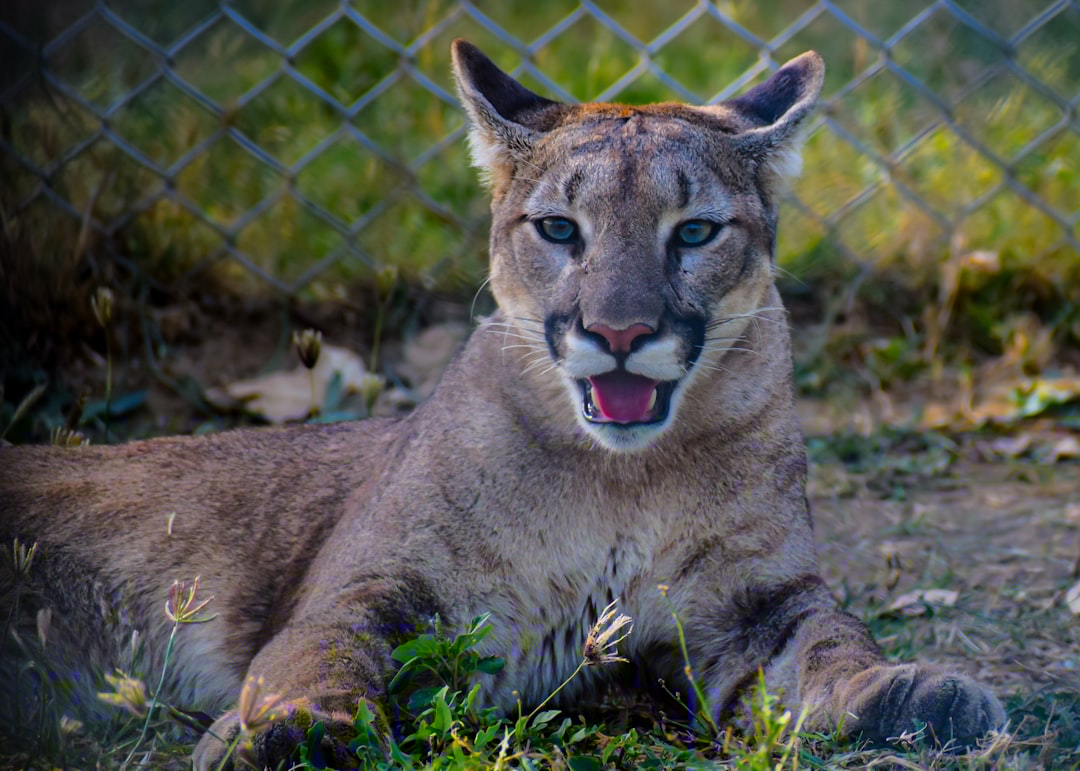
By the 1970s, the Florida panther was almost a ghost—fewer than 30 remained in the wild. Inbreeding, disease, and habitat loss pushed them to the brink. Scientists and wildlife managers jumped into action, even bringing in female cougars from Texas to boost genetic diversity. This bold move helped the population rebound, and today, there are around 120 to 230 panthers roaming Florida. It’s a story of hope, but also a reminder that recovery is fragile and far from guaranteed.
The Highway Trap: Roads as the Panther’s Biggest Danger
Imagine a panther, hungry and restless, forced to cross a busy highway in the dark. Every year, dozens of panthers are killed by cars—making vehicle strikes the leading cause of death for these endangered cats. Highways slice through their habitat, turning safe hunting grounds into deadly traps. Fences and underpasses help in some places, but not nearly enough. For the panther, a simple road can mean the end of the line.
How Roads Fragment Panther Territory
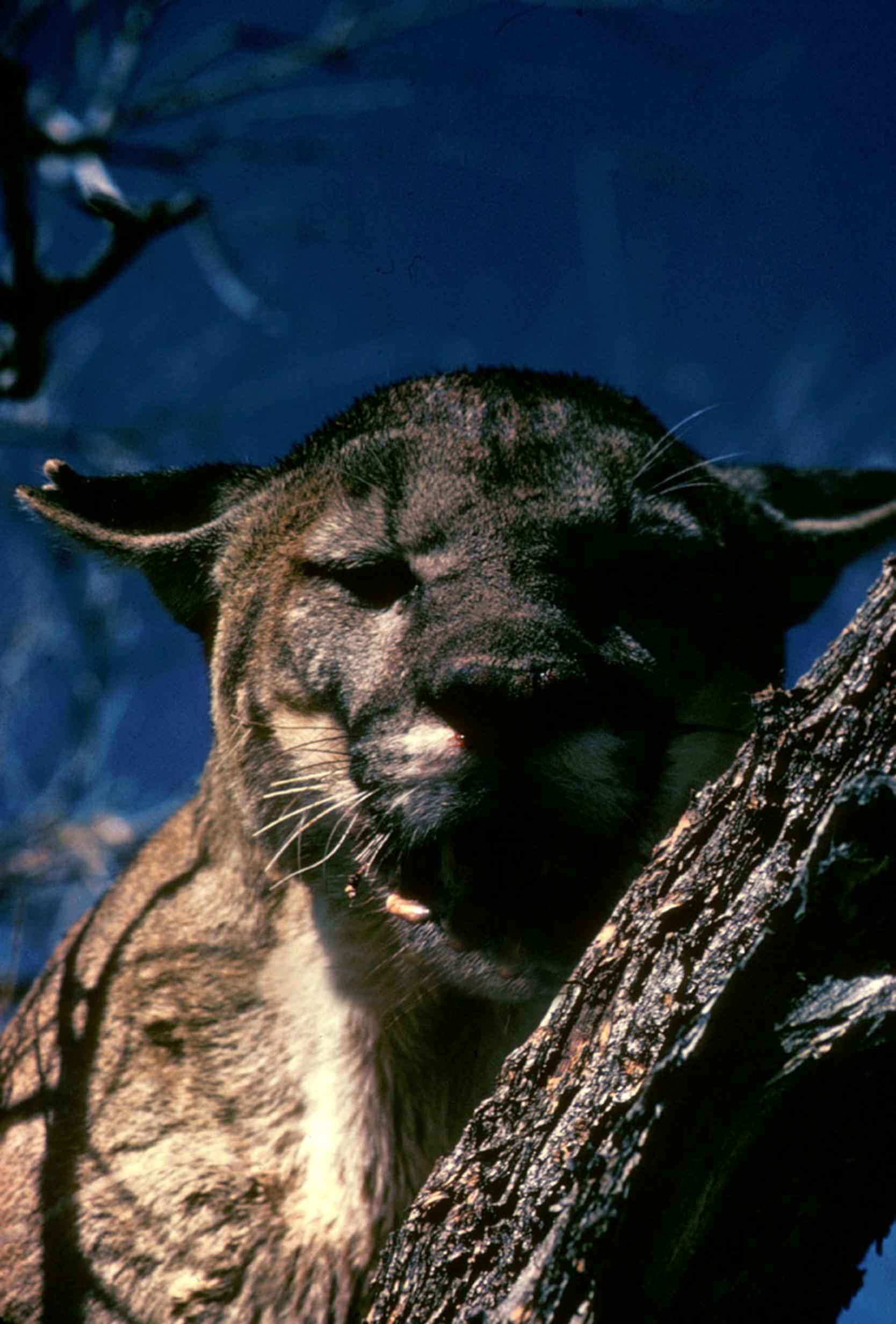
Highways don’t just kill panthers—they also cut the wild into pieces. Each new road creates invisible walls, breaking the panther’s world into smaller and smaller patches. This fragmentation makes it harder for panthers to find mates, hunt for food, and escape danger. It’s like trying to live in a house where every room is separated by a locked door. Over time, this isolation can weaken the population, making it even harder for the species to survive.
The Science of Panther Crossings
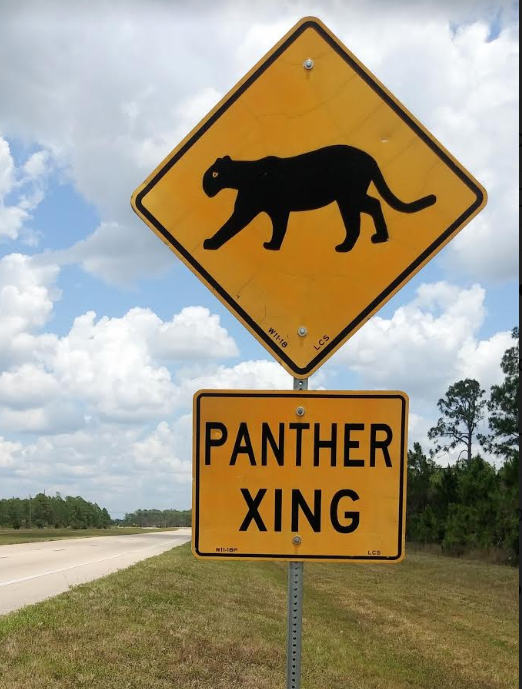
Wildlife scientists have studied how panthers move around highways, using radio collars and motion-sensing cameras to track their journeys. They’ve found that panthers will walk for miles to find safe places to cross, but many still get trapped by guardrails or spooked by traffic. Underpasses—special tunnels built beneath highways—offer a safer route, but only if they’re placed in the right spots. Every new crossing is a victory, but the battle is far from over.
Genetic Challenges: The Cost of Isolation
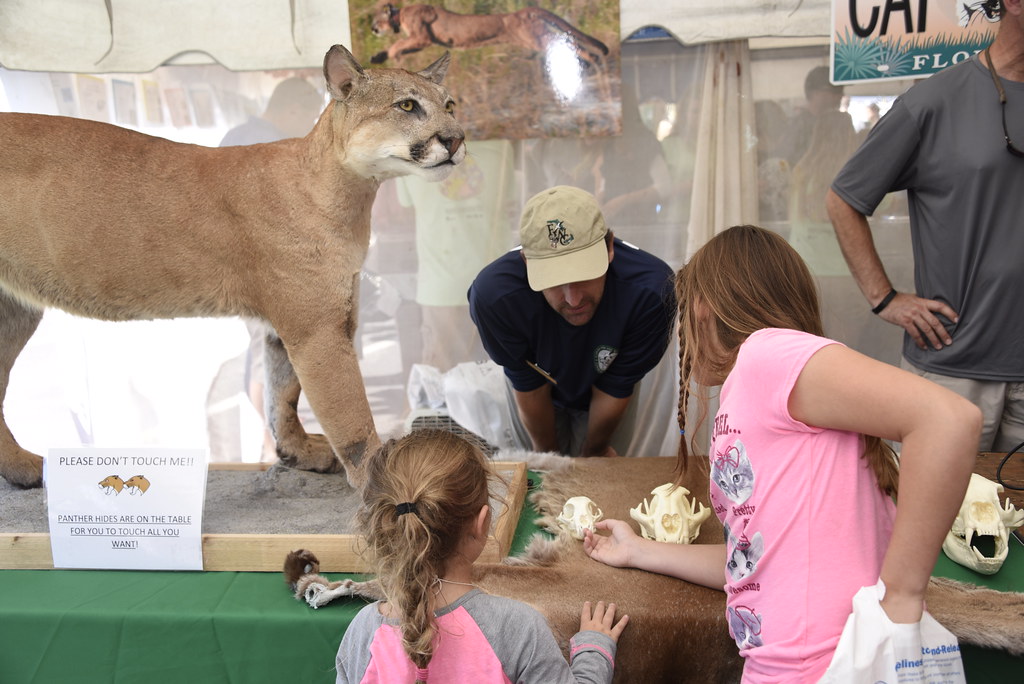
With such a small and isolated population, Florida panthers face serious genetic problems. Inbreeding can lead to heart defects, crooked tails, and other health issues. Scientists have seen everything from cowlicks in their fur to holes in their hearts. The introduction of new genes from Texas cougars helped, but without more space to roam and connect, the danger remains. Genetics isn’t just a numbers game—it’s the key to the panther’s future.
Panther Kittens: Born Survivors
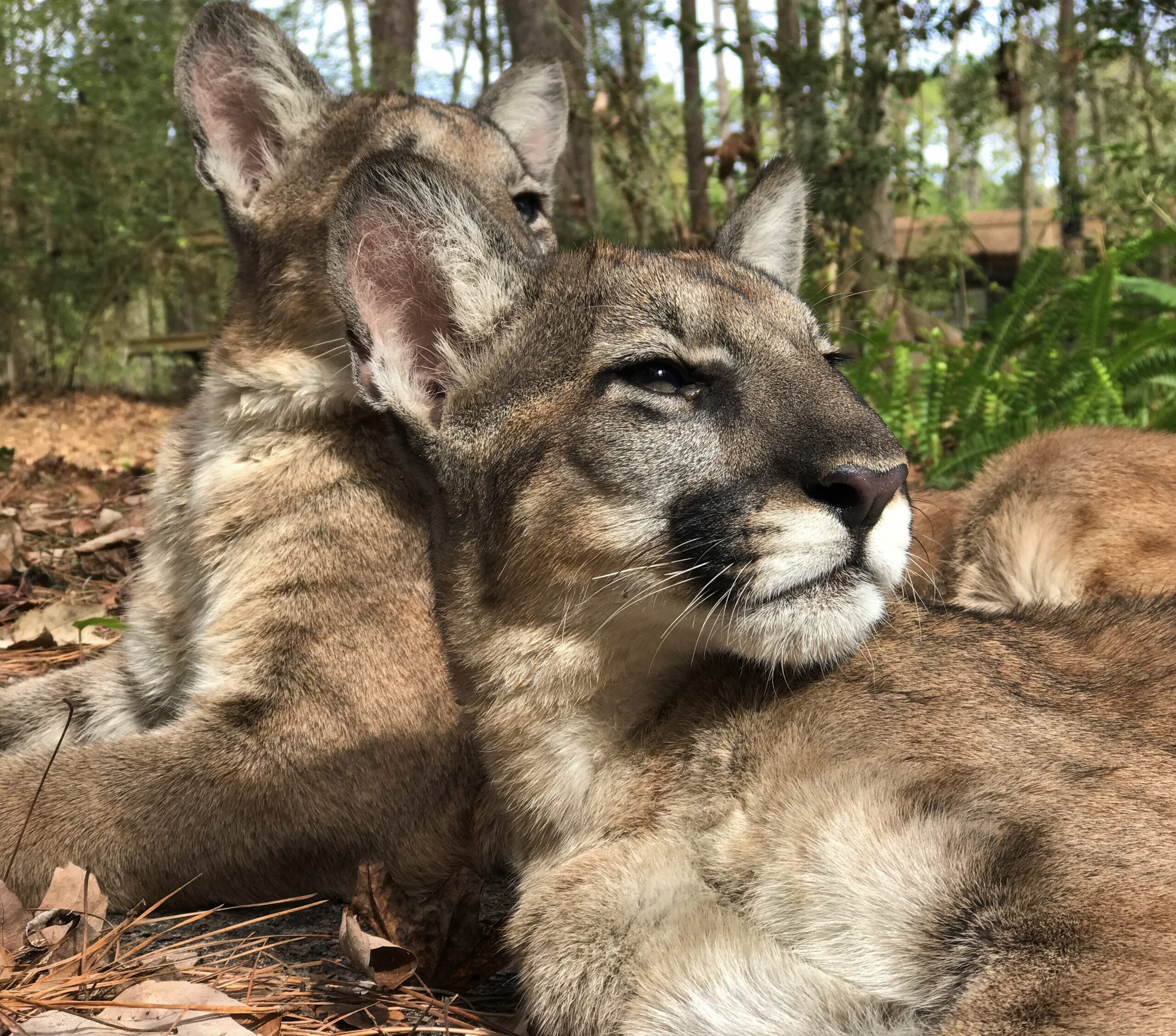
Panther kittens are tiny, spotted bundles of energy, hidden away in dens deep in the underbrush. Mothers raise their litters alone, teaching them to hunt, hide, and survive in a world full of dangers. Only a few kittens make it to adulthood, as predators, disease, and accidents take their toll. Each new litter is a small miracle—a sign that hope still lives in the wild heart of Florida.
The Human Factor: Our Impact on Panther Survival
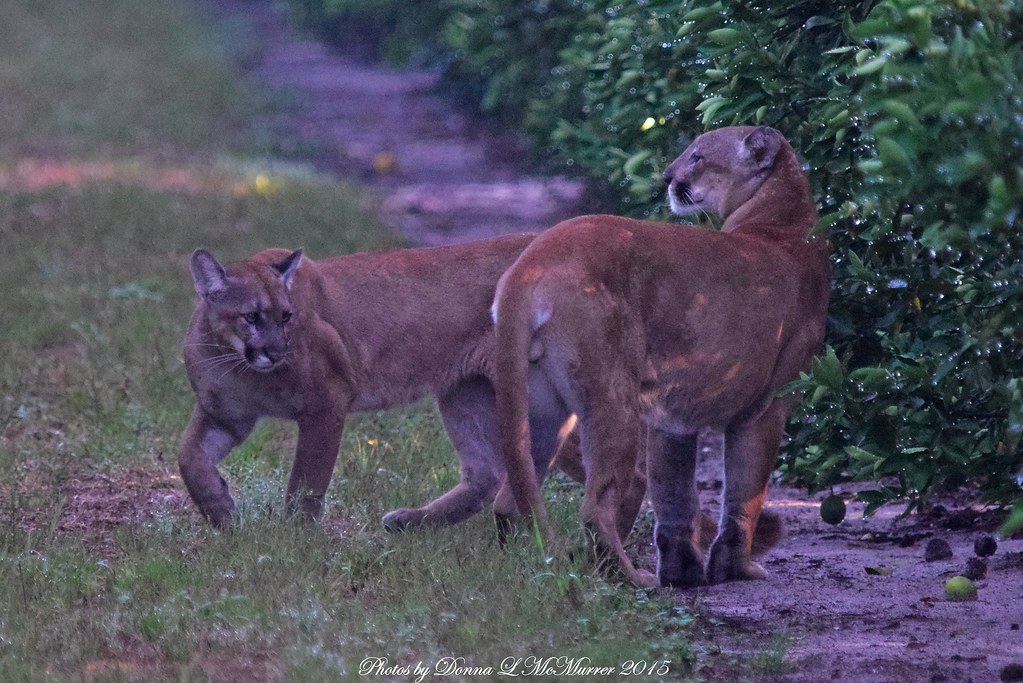
Every new neighborhood, shopping mall, or stretch of highway chips away at the panther’s world. Human development pushes these cats into smaller spaces, often forcing them into contact with people, pets, and livestock. Sometimes, panthers are killed out of fear or misunderstanding. The choices we make—where we build, how we drive, what we protect—shape the future of this incredible animal. Our actions matter.
Panther Protection Laws and Efforts
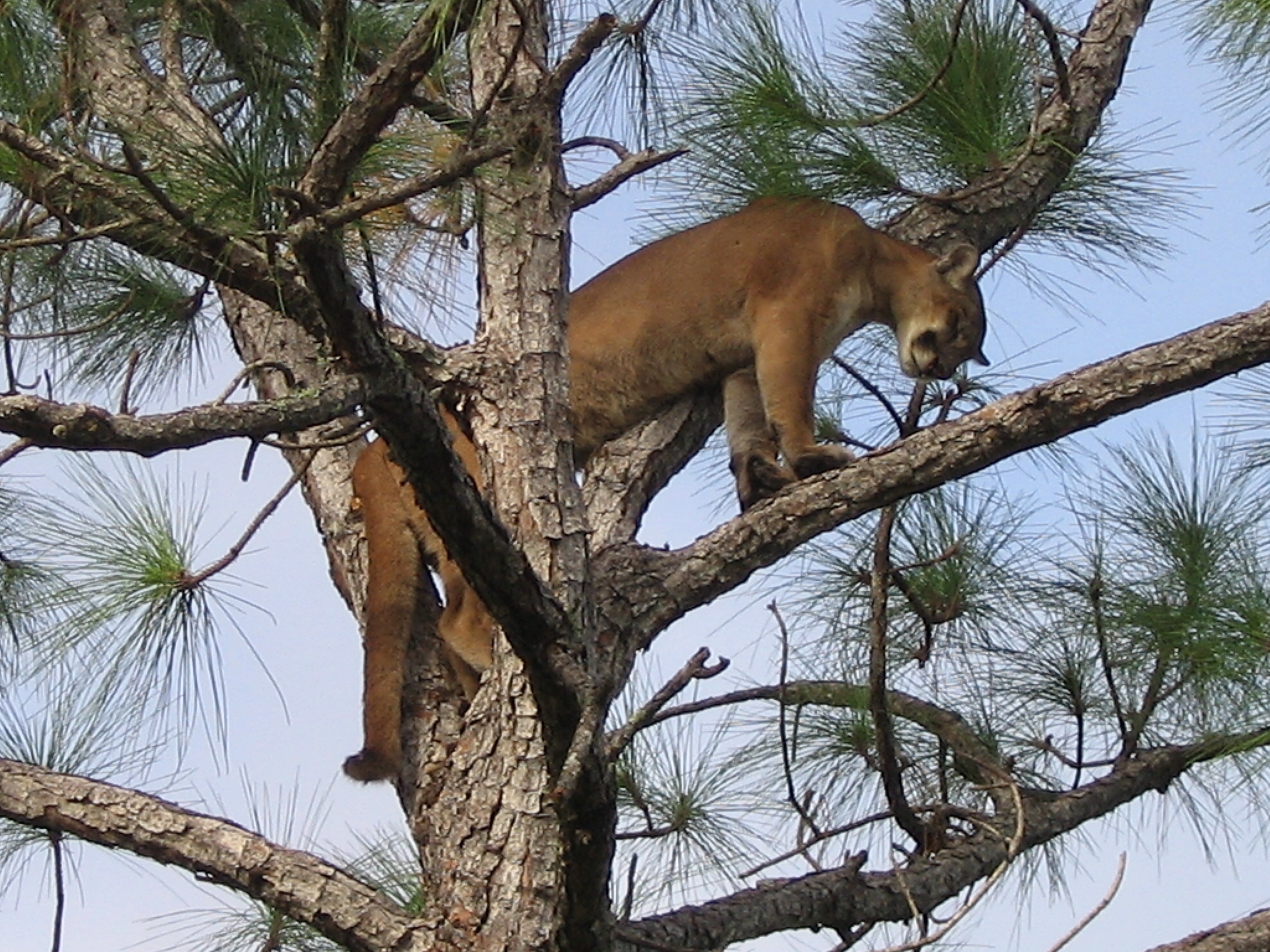
The Florida panther is protected by both state and federal laws, making it illegal to harm or harass them. Conservationists work tirelessly to restore habitat, build wildlife crossings, and educate the public about living alongside panthers. Programs to compensate ranchers for lost livestock help reduce conflict, and every rescued panther is treated with the utmost care. Yet, laws alone can’t save them—the real test is turning policy into action on the ground.
Coexisting With Panthers: A Delicate Balance
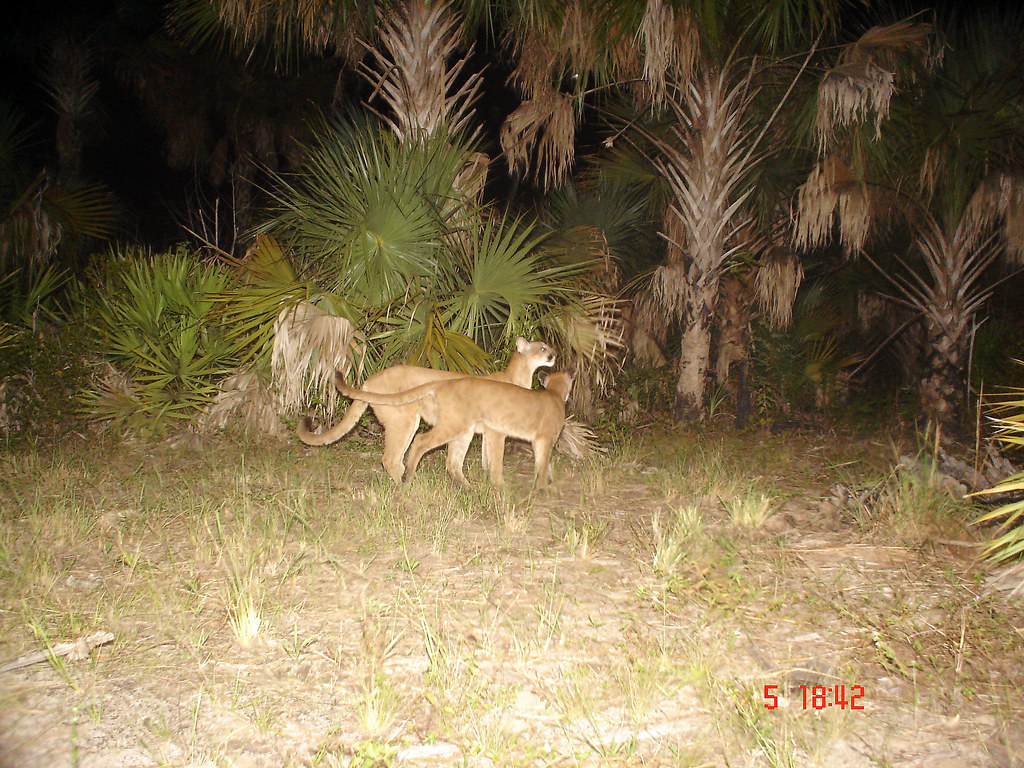
Living in panther country means taking extra steps to keep pets and livestock safe. Simple actions, like securing garbage and using fencing, can prevent problems before they start. People are learning to appreciate panthers as neighbors, not just threats. Educational programs in schools and communities are helping to build a new culture of coexistence. It’s not always easy, but it’s the only way forward.
Climate Change: A New Challenge
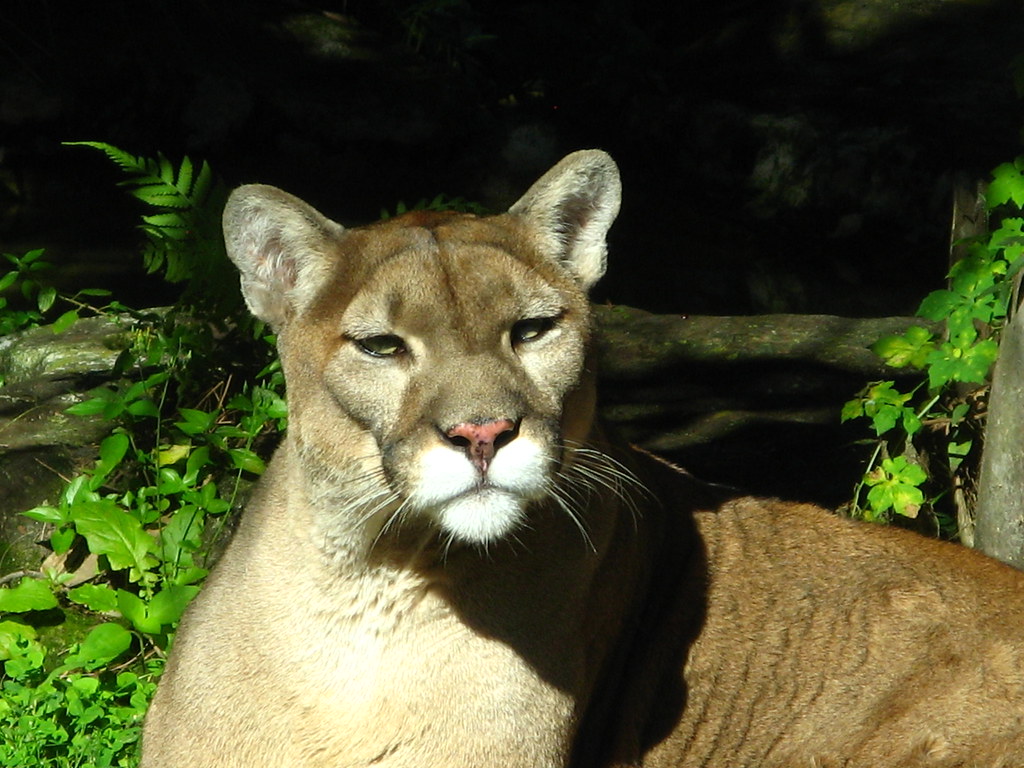
As sea levels rise and storms grow fiercer, the panther’s habitat is changing fast. Coastal swamps may flood, while droughts can dry up vital water sources. Climate change adds a new layer of uncertainty to the panther’s struggle. Scientists are racing to predict how the landscape will shift—and how panthers will adapt. In the face of this massive threat, resilience and adaptability are more important than ever.
Technology and Tracking: Peering Into Panther Lives
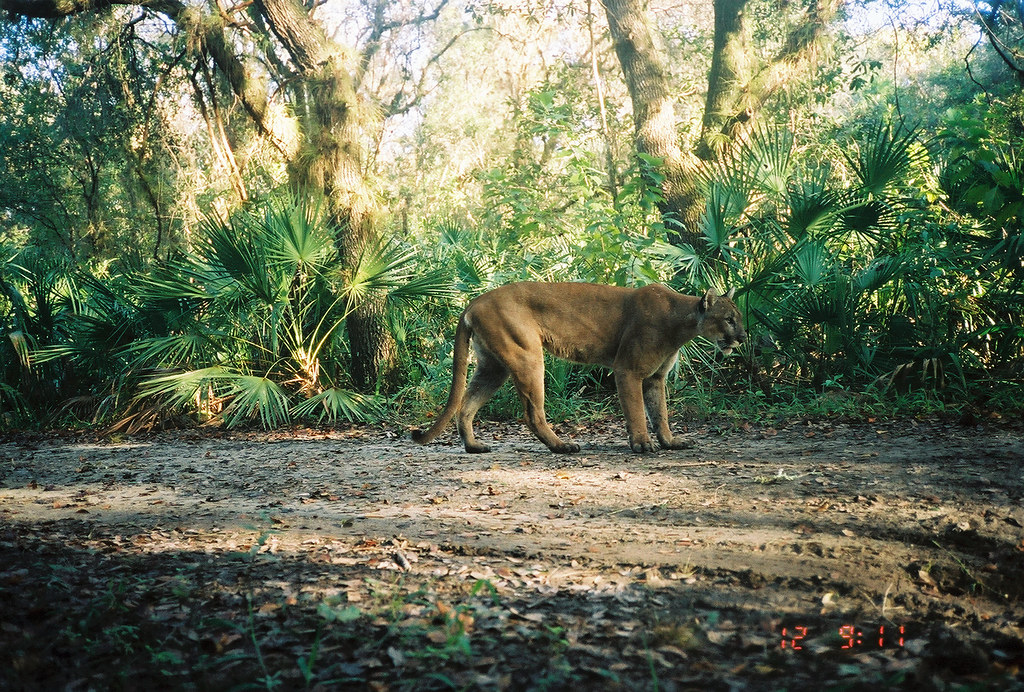
Modern technology has revolutionized how we study and protect the Florida panther. GPS collars, camera traps, and even drones reveal where panthers roam, what they eat, and how they survive. This high-tech window into their world helps scientists spot dangers, measure success, and plan new conservation strategies. Every data point is a step closer to saving the species.
Panther Stories: From Tragedy to Triumph
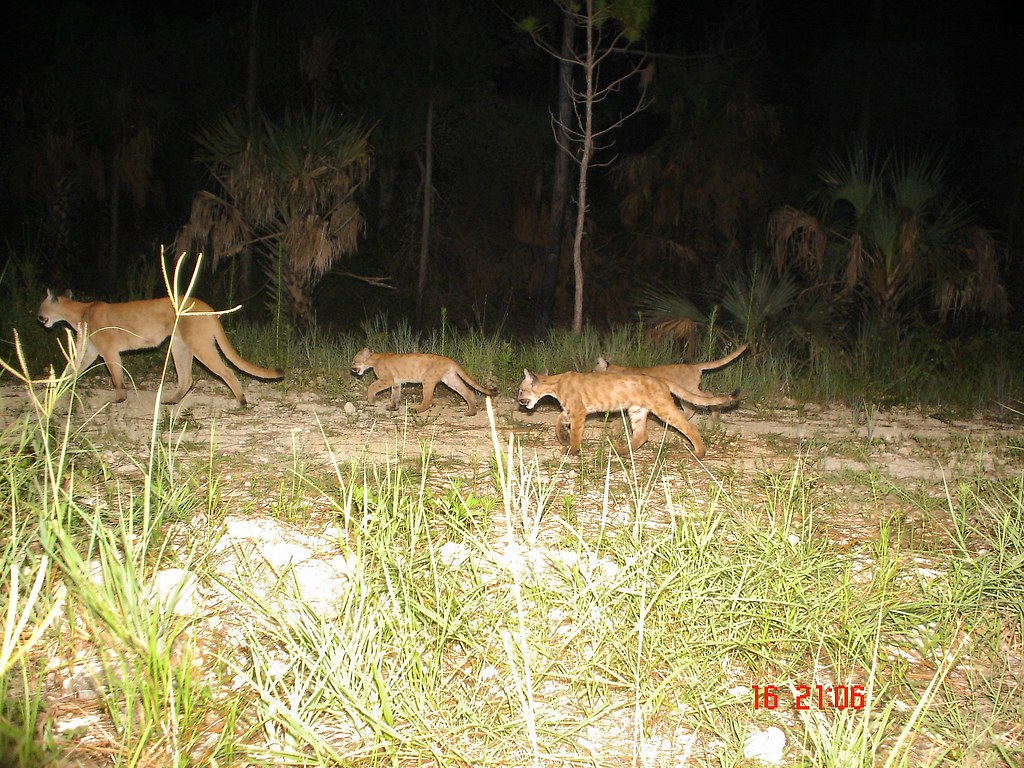
Each panther has a story—sometimes tragic, sometimes inspiring. There are tales of kittens rescued from highways, mothers reunited with their young, and panthers adapting to life near people. These individual stories remind us that every panther matters. They’re not just statistics; they’re living, breathing symbols of wild Florida. Their victories and losses shape the future of the species.
The Power of Public Support
Saving the Florida panther isn’t just a job for scientists and lawmakers—it takes everyone. Public support fuels conservation efforts, from volunteering to reporting sightings and supporting wildlife organizations. When people care, real change happens. The panther’s survival depends on a community willing to fight for wildness, even when it means making tough choices or changing old habits.
Looking Ahead: The Future of the Florida Panther
The road ahead for the Florida panther is uncertain, but not hopeless. With continued conservation, smarter development, and a little bit of luck, this elusive cat can thrive once again. Every safe crossing, every protected acre, every healthy kitten is a step toward a brighter future. The panther’s struggle is a reminder that our choices shape the wild for generations to come. Will we rise to the challenge?