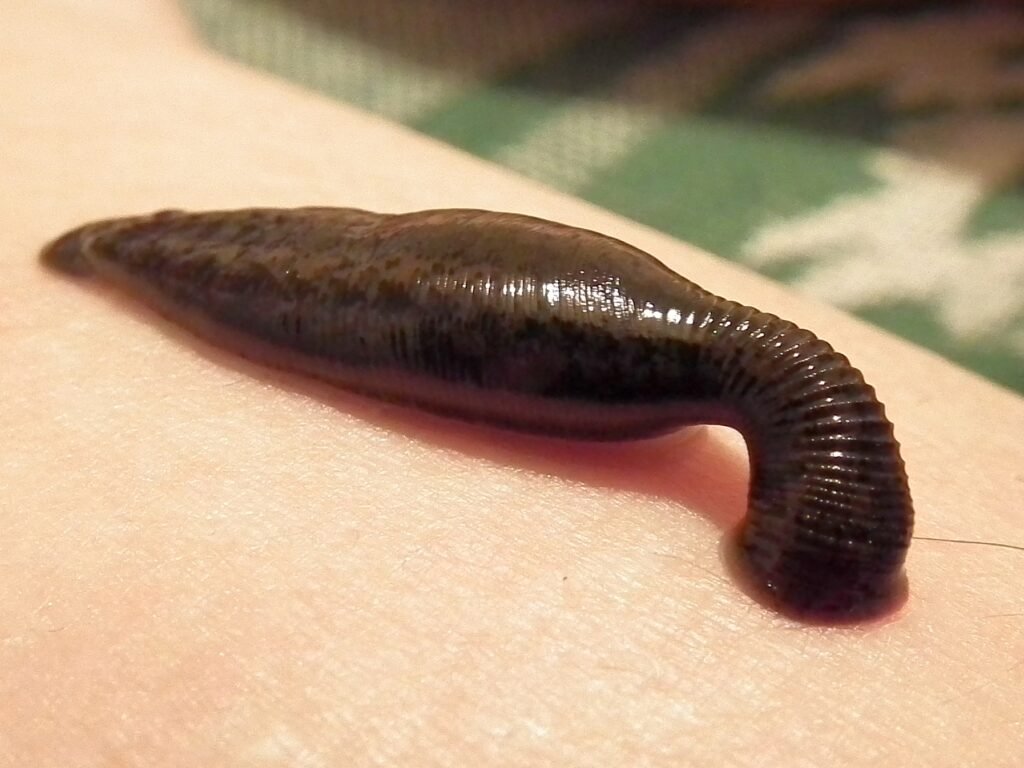

Imagine wading into a calm, murky pond, the sun dappling your skin, when suddenly you feel an icy, feather-light touch on your ankle. You look down and see a small, slippery creature clinging to your skin. Before you can react, it’s already at work—its three jaws slicing with a surgeon’s expertise, drawing your blood in a way so precise, you barely feel a thing. This isn’t a scene from a horror movie, but a real encounter with one of nature’s most fascinating—and misunderstood—predators: the three-jawed leech. Far from being just a slimy nuisance, this bloodsucker is a marvel of biology, evolution, and surgical engineering. Let’s dive deep into the world of this extraordinary animal.
The Unexpected Master of Precision
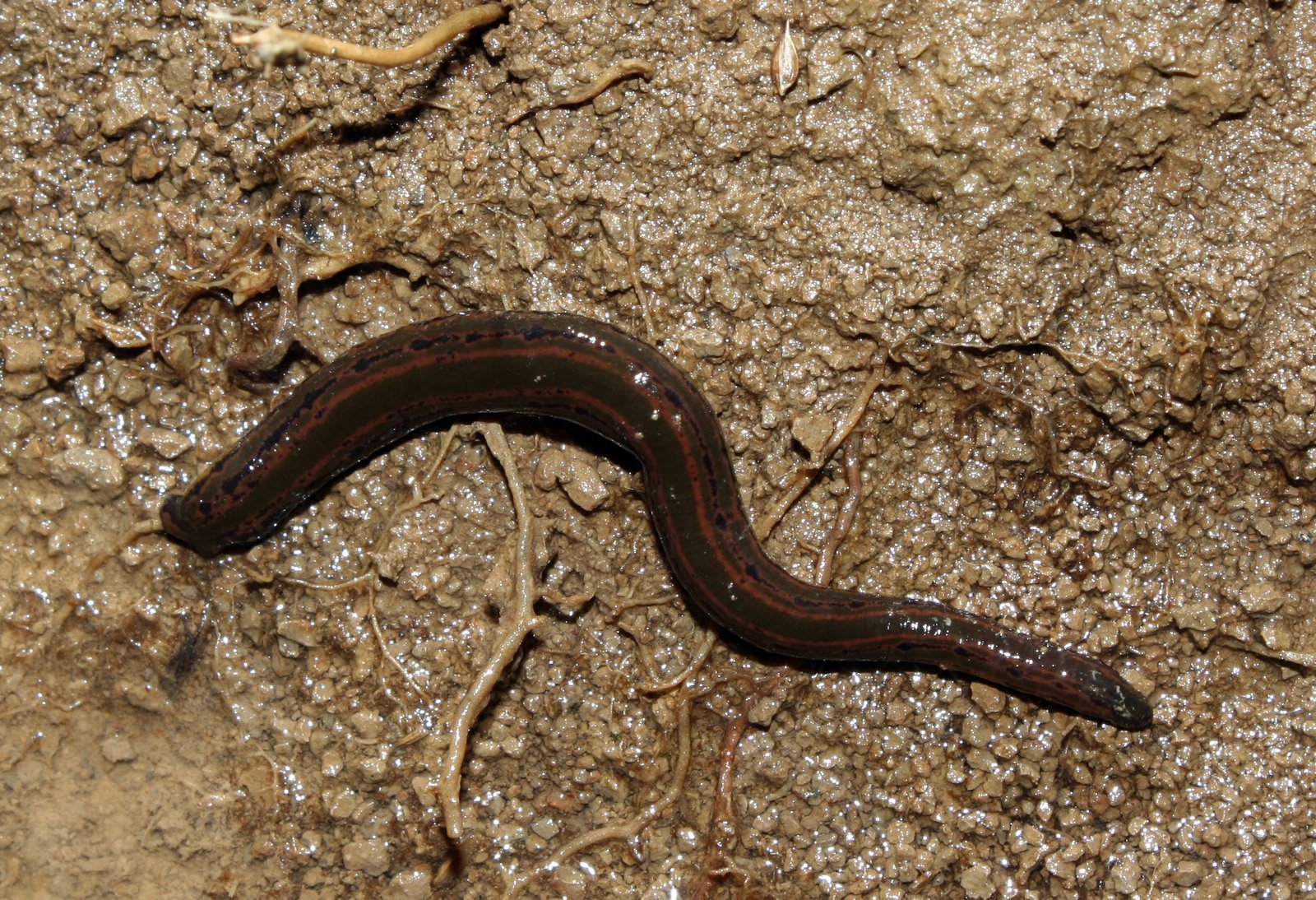
The three-jawed leech, most commonly represented by the species Hirudo medicinalis, is renowned not just for its appetite for blood, but for the almost meticulous way it feeds. Unlike the single-jawed bites of many simpler creatures, this leech’s trio of jaws acts like a set of tiny scalpel blades, slicing the skin with astonishing accuracy. Each jaw is equipped with rows of minute, sharp teeth, creating a Y-shaped incision that’s nearly painless. This clever adaptation means the leech can feed without alerting its host, a skill that would make even a ninja jealous. The surgical finesse of these bites has fascinated scientists and doctors alike for centuries.
Anatomy of an Elegant Predator
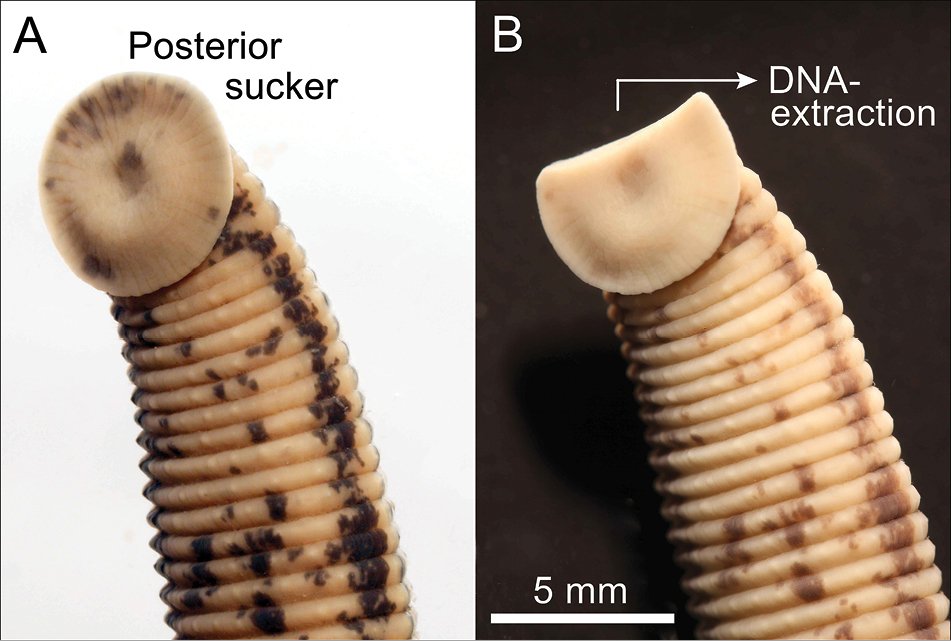
At first glance, a leech might look like nothing more than a simple, squishy worm. But beneath that slippery skin lies a surprisingly sophisticated anatomy. The three muscular jaws sit at the front of the mouth, moving in perfect coordination. Each jaw is lined with 60 to 100 razor-sharp teeth, all perfectly evolved to cut through skin quickly and efficiently. The leech’s body is also covered in sensitive receptors, helping it detect the slightest movement or change in temperature—key for finding a new meal. It’s like having a built-in GPS and surgical toolkit, all in one.
The Art of the Bite
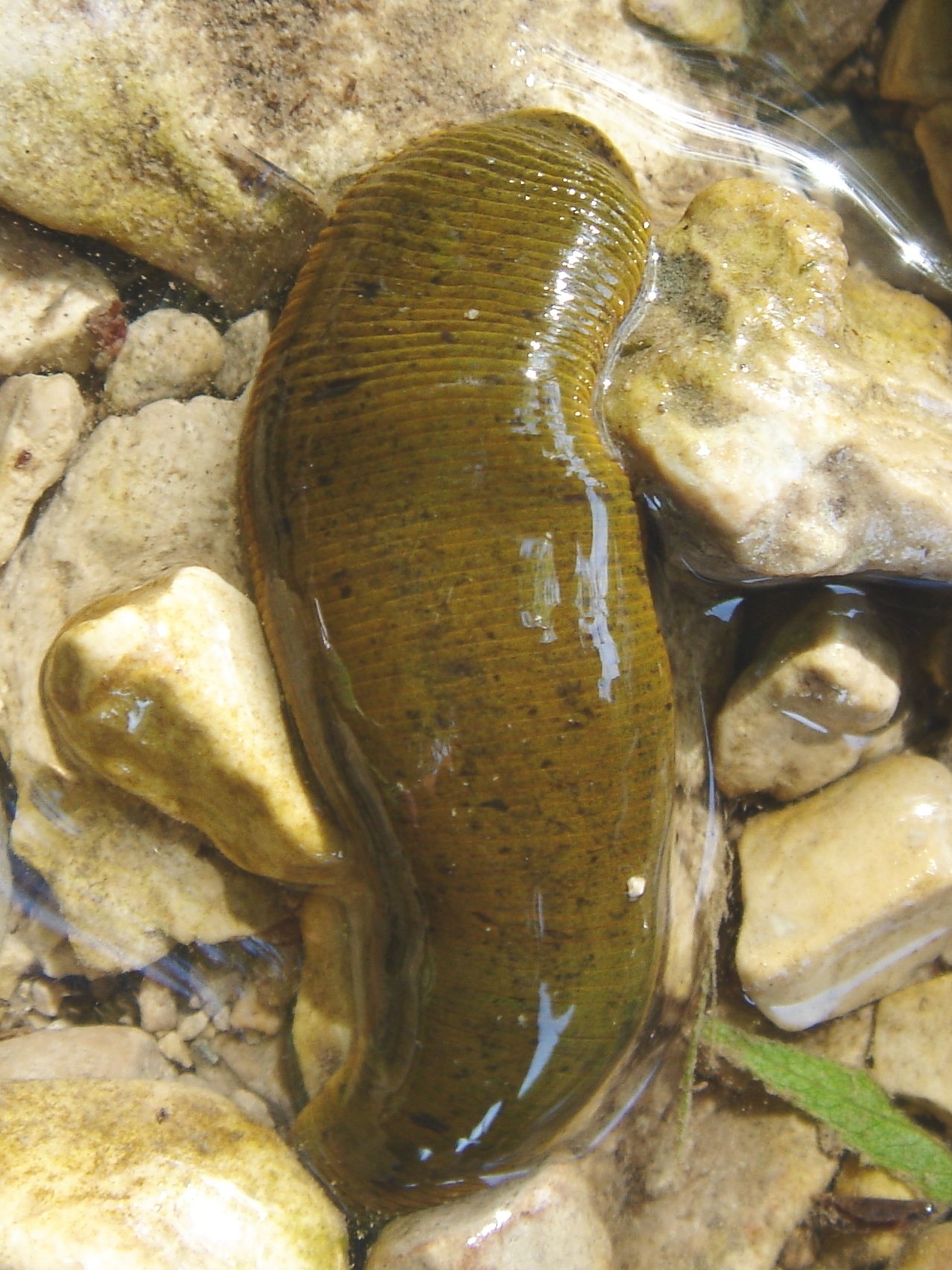
Few animals can claim to be as stealthy and painless in their feeding as the three-jawed leech. When it attaches to a host, it releases a cocktail of anesthetic compounds that numb the area. This means most victims don’t even realize they’ve been bitten until the leech is long gone. The incision, a near-perfect Y shape, allows for maximum blood flow with minimal pain. It’s a feeding technique so refined, it almost seems like the leech went to medical school. This remarkable process has even inspired the way doctors think about wound healing and surgical cuts.
Bloodletting’s Unlikely Hero
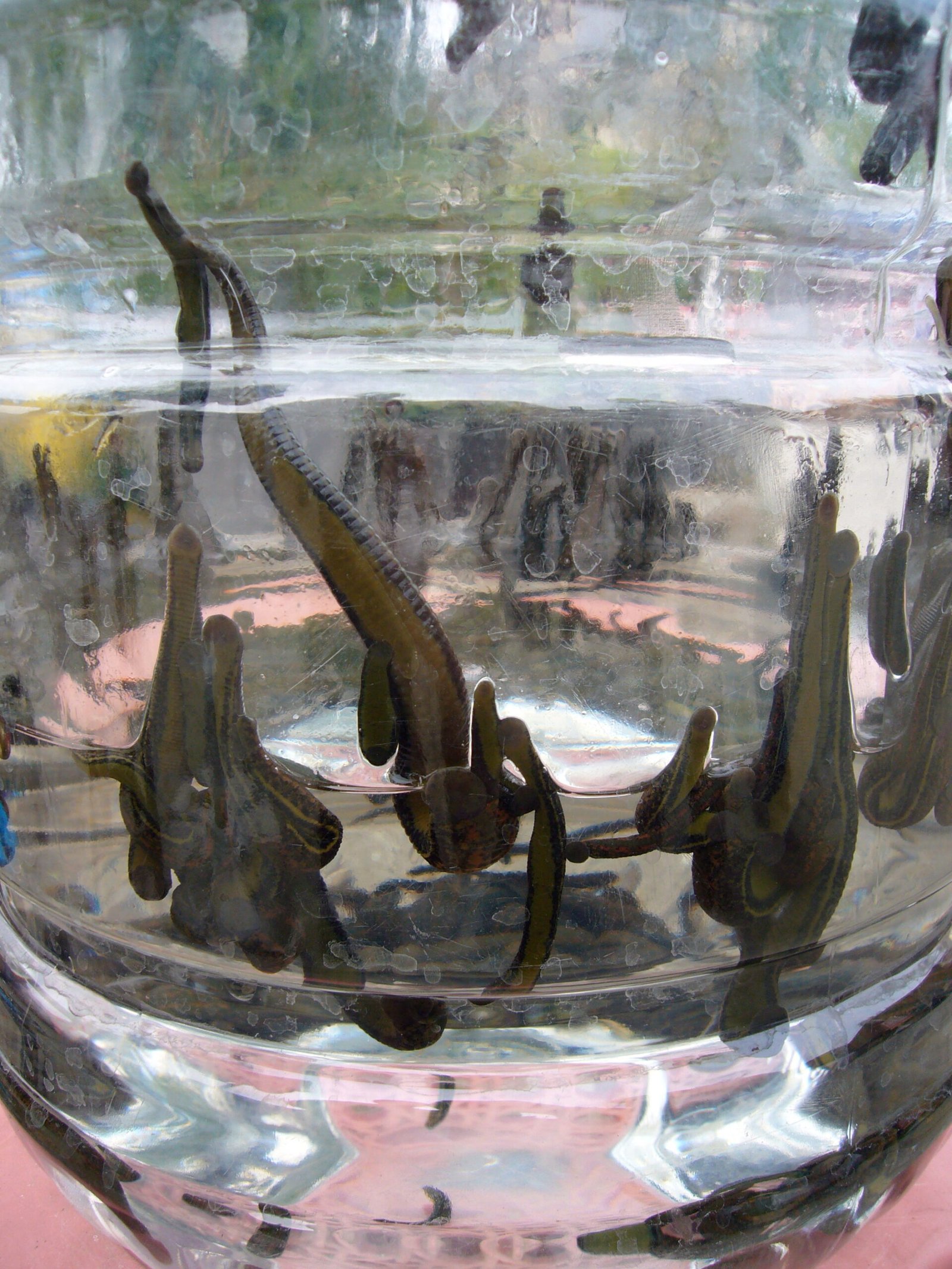
For thousands of years, leeches have played a starring role in medicine. Medieval doctors believed that draining “bad blood” could cure everything from headaches to fevers. While most of those ancient beliefs have been debunked, the three-jawed leech’s precision is still valued in modern medicine. Today, doctors use leeches to help reattach severed fingers and restore blood flow to damaged tissues. Their surgical bite and special saliva help prevent clots and promote healing—making them a living, wriggling medical tool.
The Science Behind the Saliva
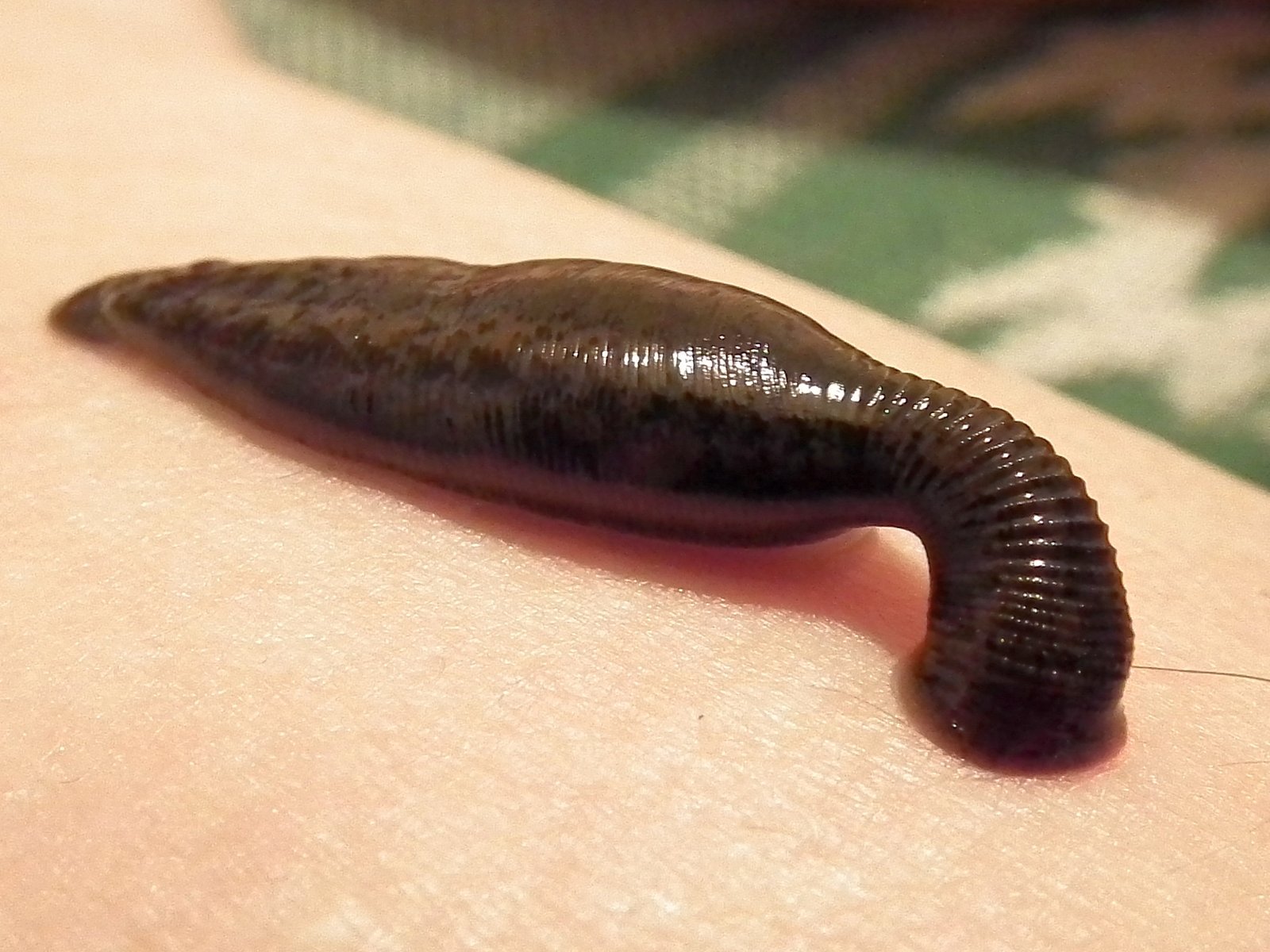
The real secret to the leech’s success isn’t just its jaws—it’s what comes out of its mouth. When feeding, the leech releases saliva packed with powerful compounds: anticoagulants (to stop the blood from clotting), anesthetics (to numb the pain), and even enzymes that break down tissue. The best-known of these is hirudin, a potent anticoagulant that’s inspired new medicines for blood disorders. Scientists are still discovering new molecules in leech saliva, some of which could lead to treatments for heart disease and stroke.
A Life Adapted for Blood
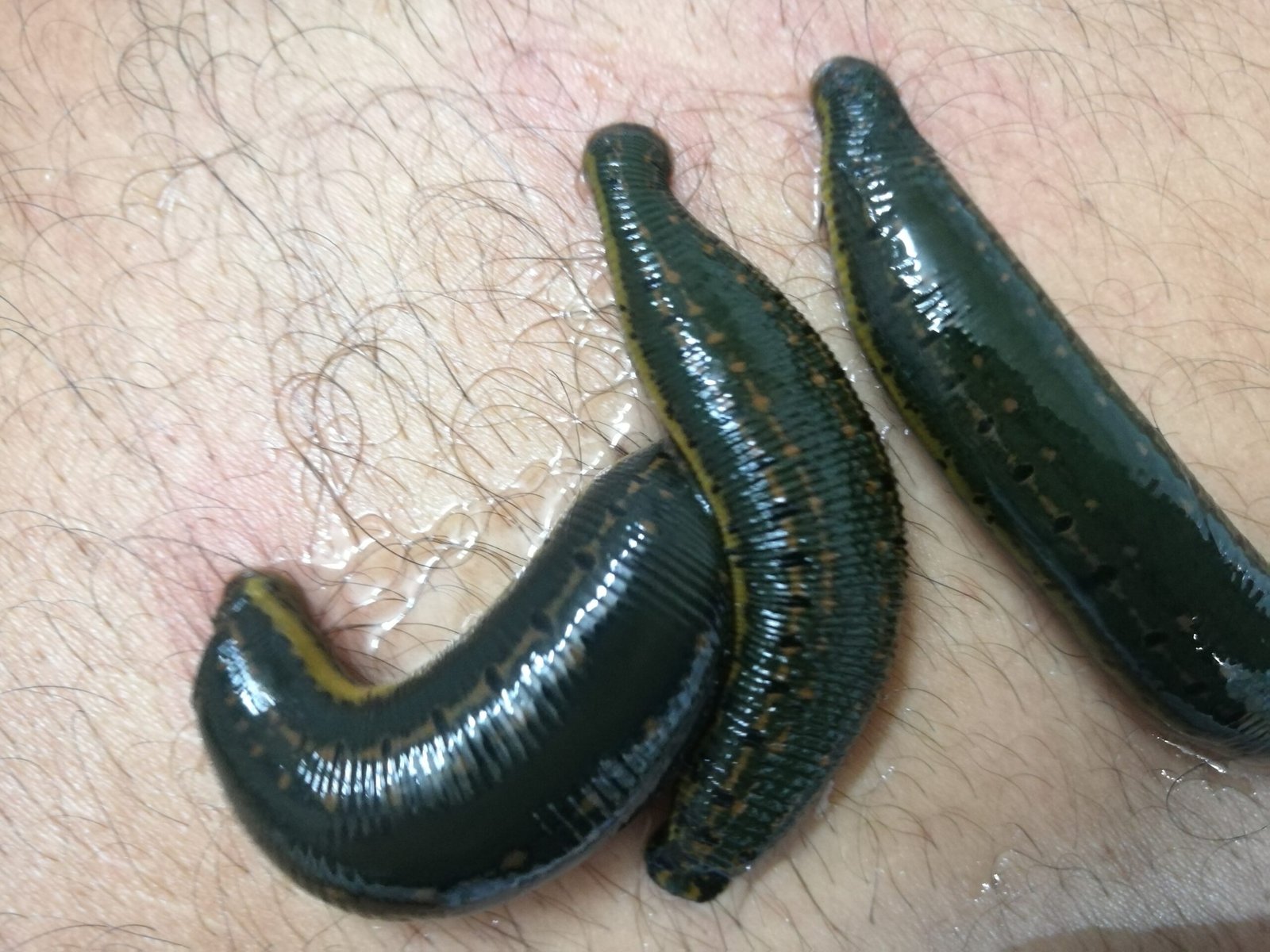
Many people are surprised to learn that leeches don’t just feed on blood for fun—it’s essential for their survival. The three-jawed leech has evolved to thrive in watery habitats, patiently waiting for a passing host. Once it feeds, it can go months—sometimes up to a year—without eating again. Its digestive system is perfectly attuned to storing and slowly absorbing nutrients from blood. It’s a feast-or-famine lifestyle, and these adaptations make the three-jawed leech one of nature’s most efficient survivors.
From Swamp to Science Lab
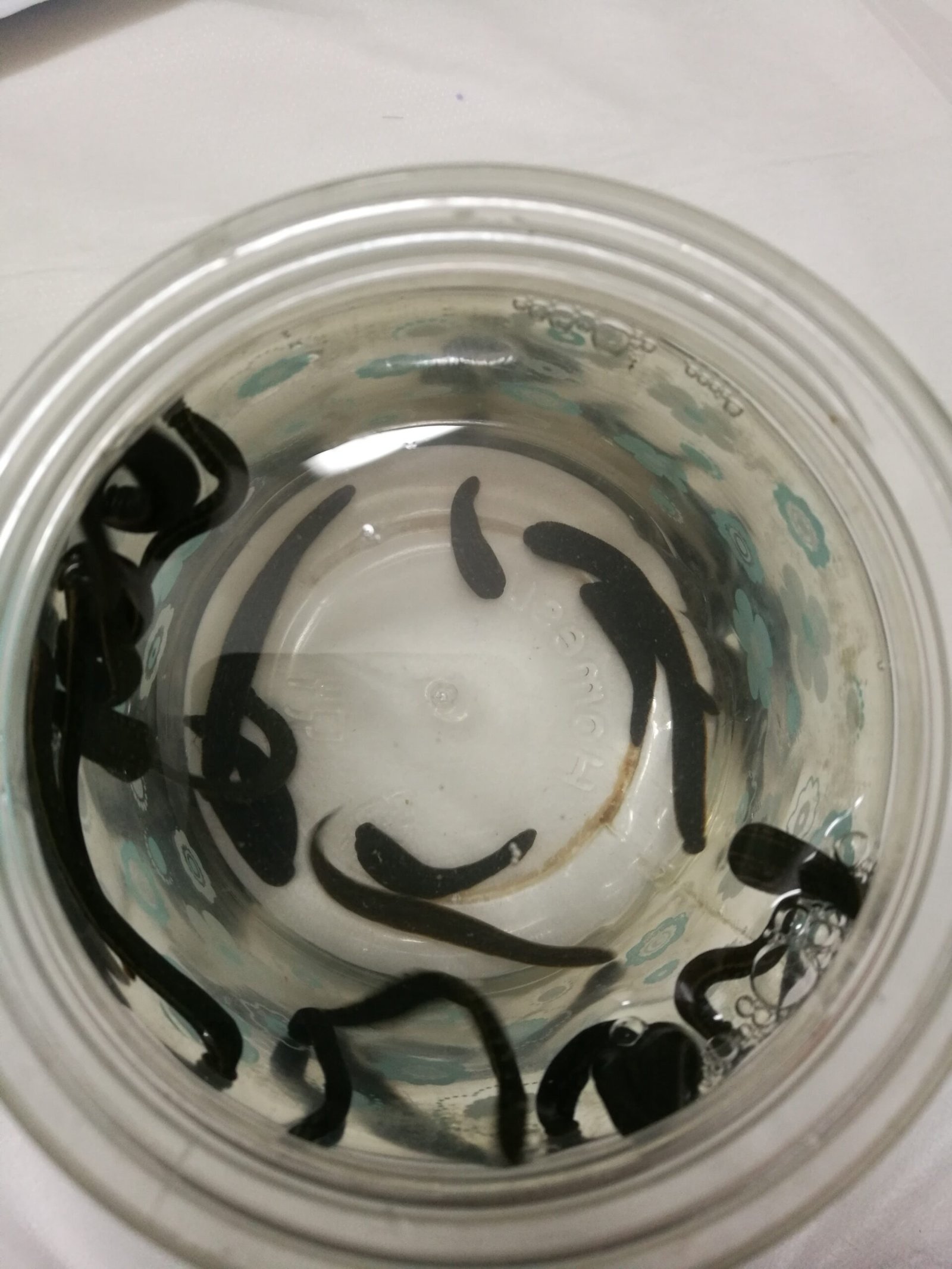
Leeches have journeyed from muddy ponds to some of the world’s most advanced research labs. Scientists study their nervous systems to better understand pain and healing. The simplicity of the leech’s nerve network makes it a popular model for research on regeneration and neurobiology. Some experiments have even used leeches to uncover secrets about how human brains work. What started as a slimy swamp dweller has become an unlikely star in the story of medical progress.
Natural Born Hunters
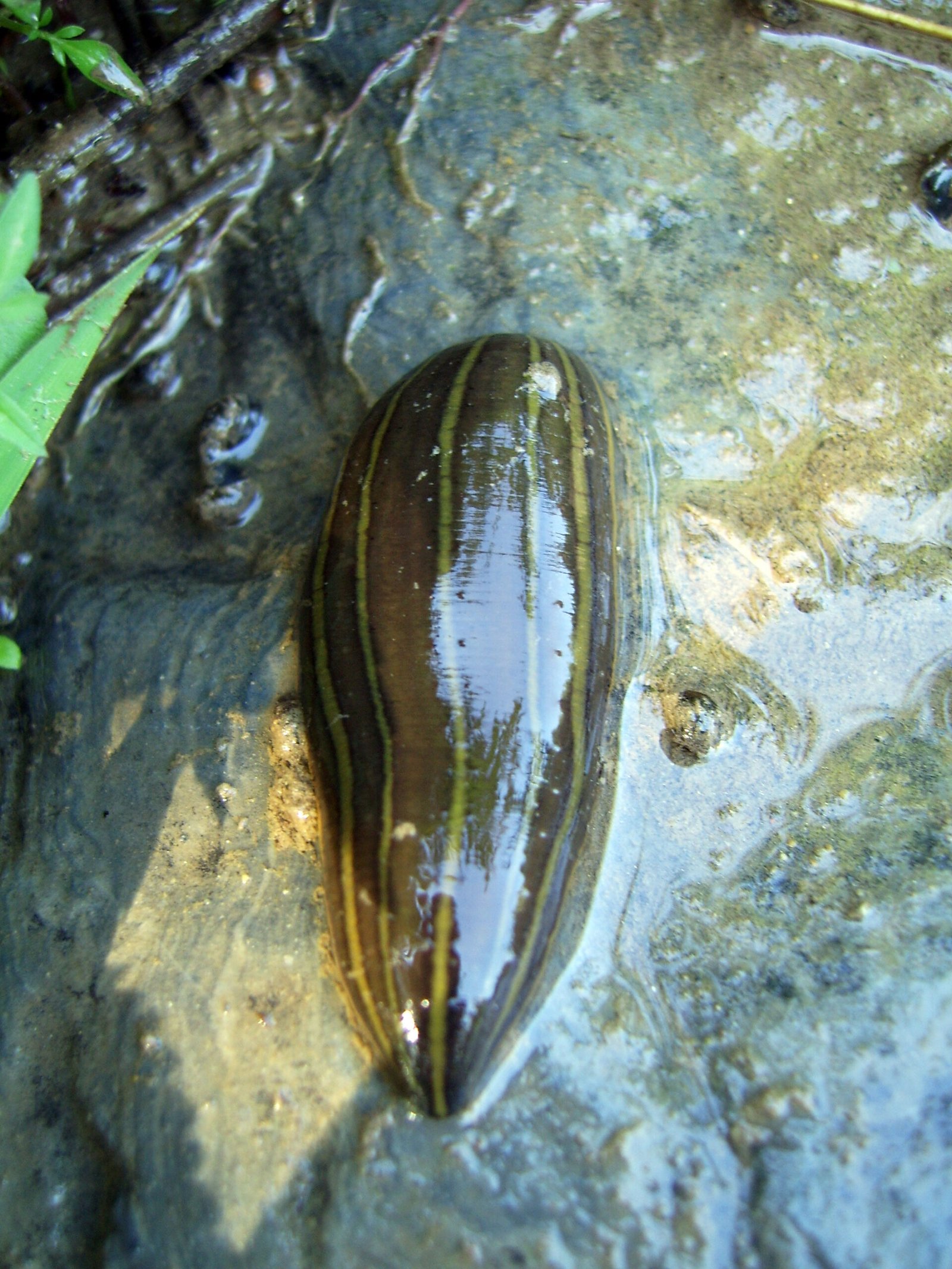
Despite their slow, gentle movements, leeches are surprisingly effective hunters. They sense vibrations, heat, and even the faintest traces of chemicals in the water—like blood or sweat. When a potential host comes near, the leech stretches out, using its muscular body to latch on. Its jaws then get to work, cutting quickly and cleanly. This hunting strategy allows leeches to target everything from frogs to fish to humans. The next time you wade into a pond, remember—you’re stepping into the territory of a true master of stealth.
Surviving the Elements
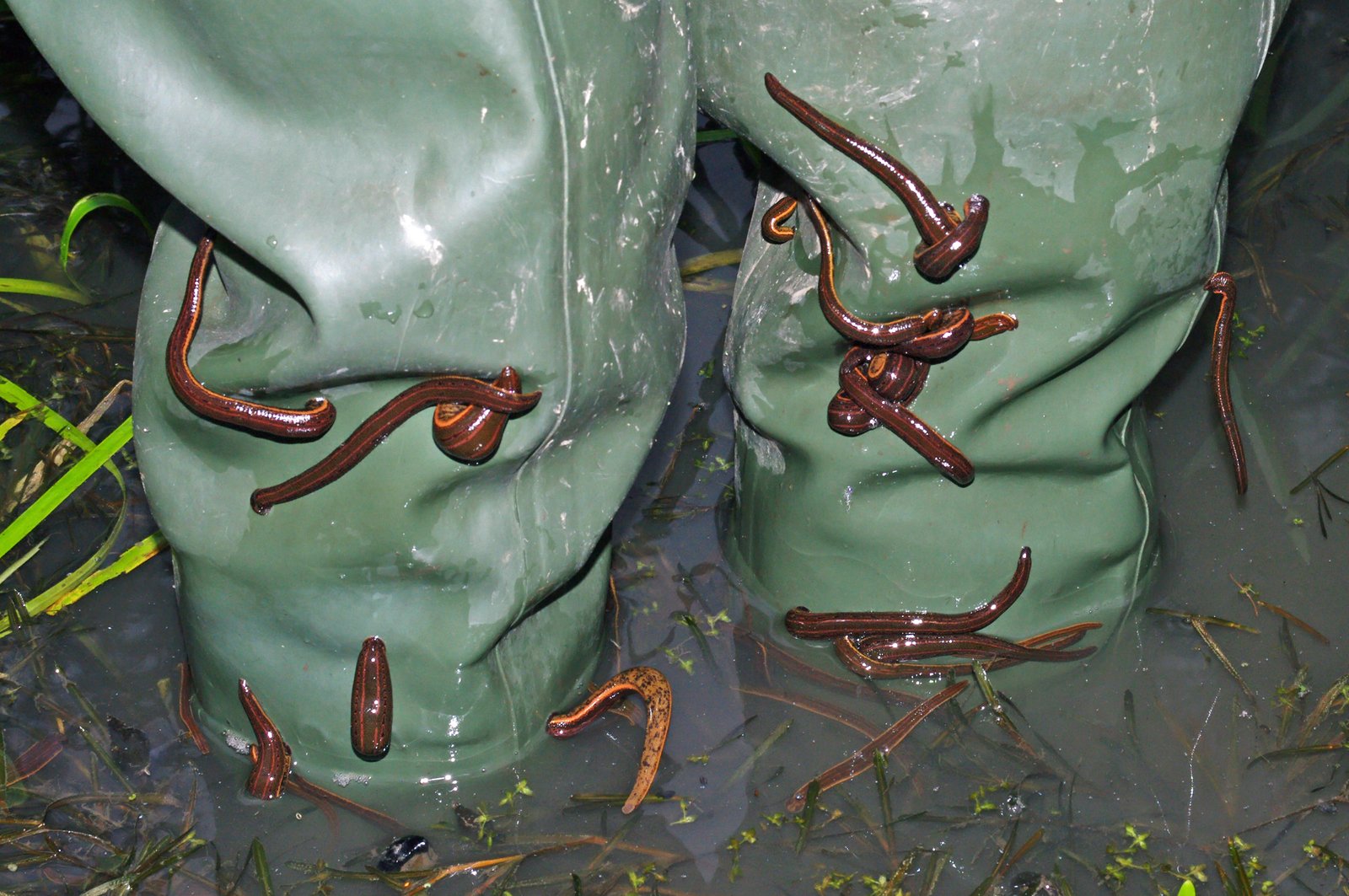
Leeches are remarkably tough creatures. They can survive in a wide range of environments, from stagnant ponds to fast-flowing streams. When water dries up, some leeches can burrow into mud and wait out the drought, almost like a tiny, bloodthirsty hibernator. Their skin is tough and flexible, helping them resist predators and environmental stress. It’s this resilience that has helped the three-jawed leech spread across much of Europe and Asia, and why it’s so hard to get rid of them once they take hold.
Leech Myths and Misunderstandings
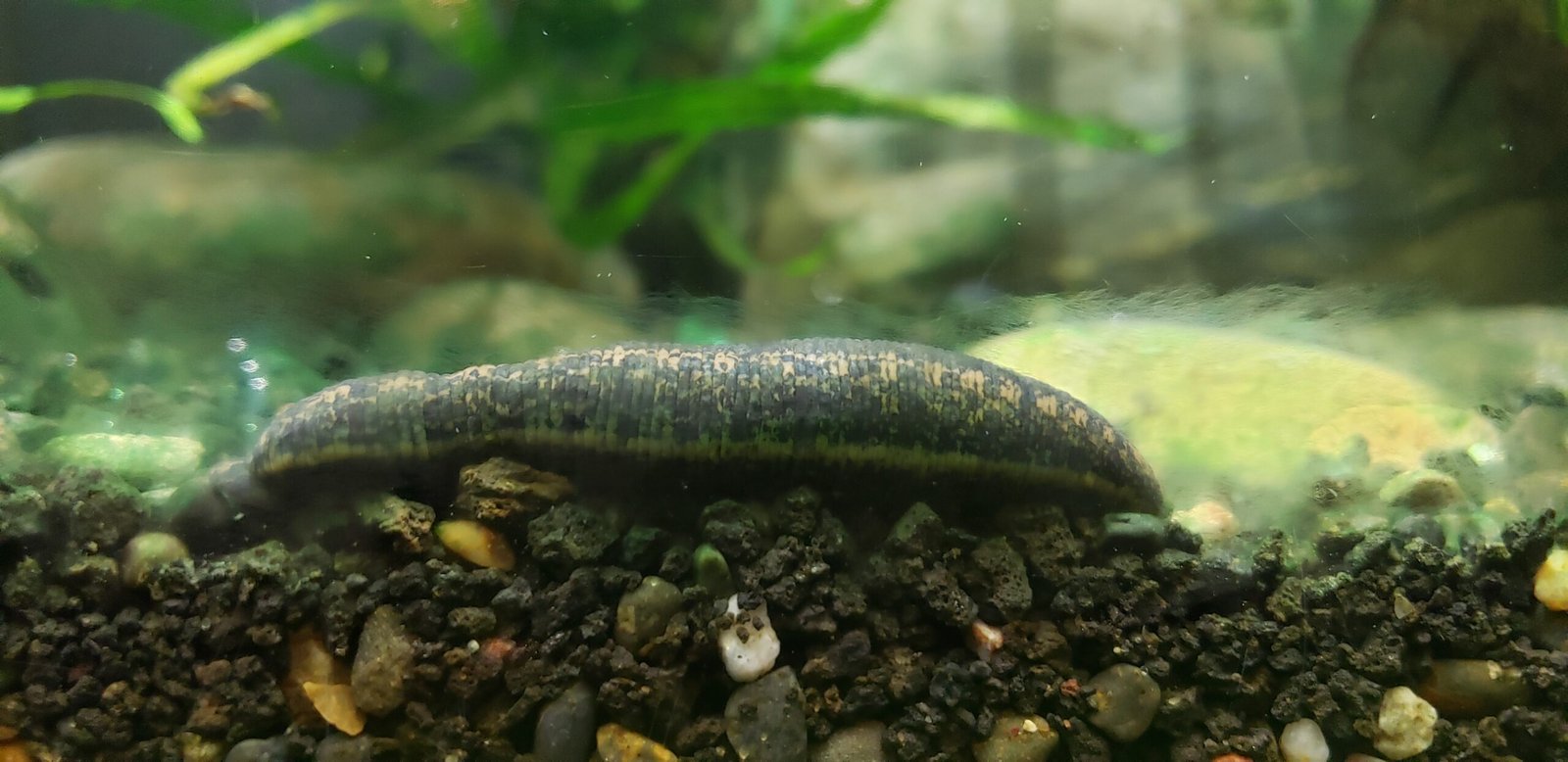
For centuries, leeches have been the villains in folklore and horror stories. People imagine them as mindless parasites, eager to suck the life out of anything that moves. But the truth is much more interesting. Most leech species don’t even drink blood—some feed on worms, snails, or insect larvae. Even the infamous bloodsuckers, like the three-jawed leech, rarely cause real harm to humans. In fact, their bites are far less dangerous than those of mosquitoes or ticks. Maybe it’s time to give these misunderstood creatures a second chance.
Striking Beauty in the Details
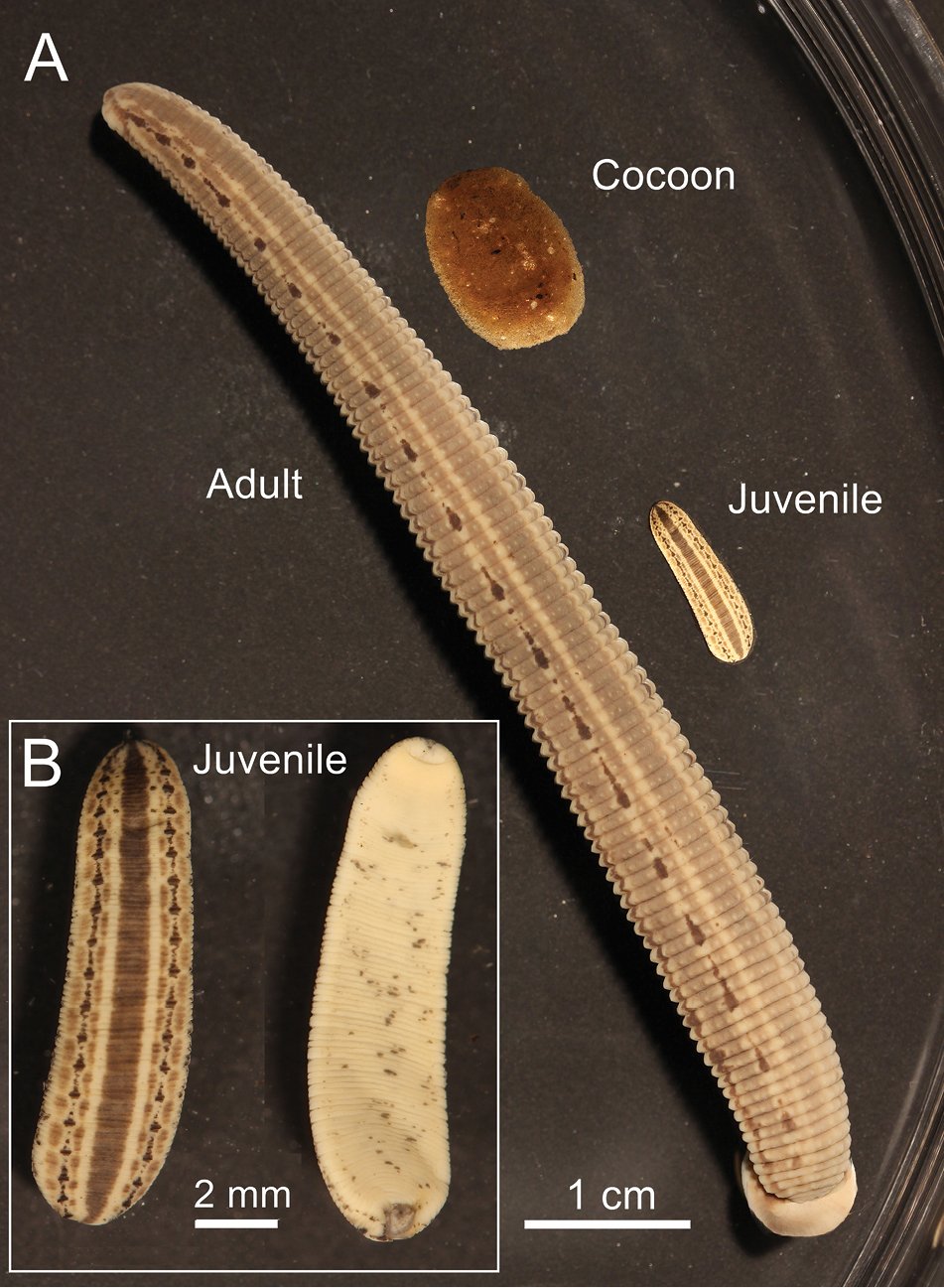
It’s easy to overlook the beauty of a leech, but a closer look reveals fascinating details. Their bodies are often patterned with stripes, spots, or iridescent colors. When they move, their skin ripples like silk underwater. The three jaws, though tiny, are perfectly shaped and aligned. Some leeches even display a kind of grace, gliding silently through the water. They might not win any beauty contests, but in the world of the pond, they’re as elegant as any fish or frog.
The Role in the Ecosystem
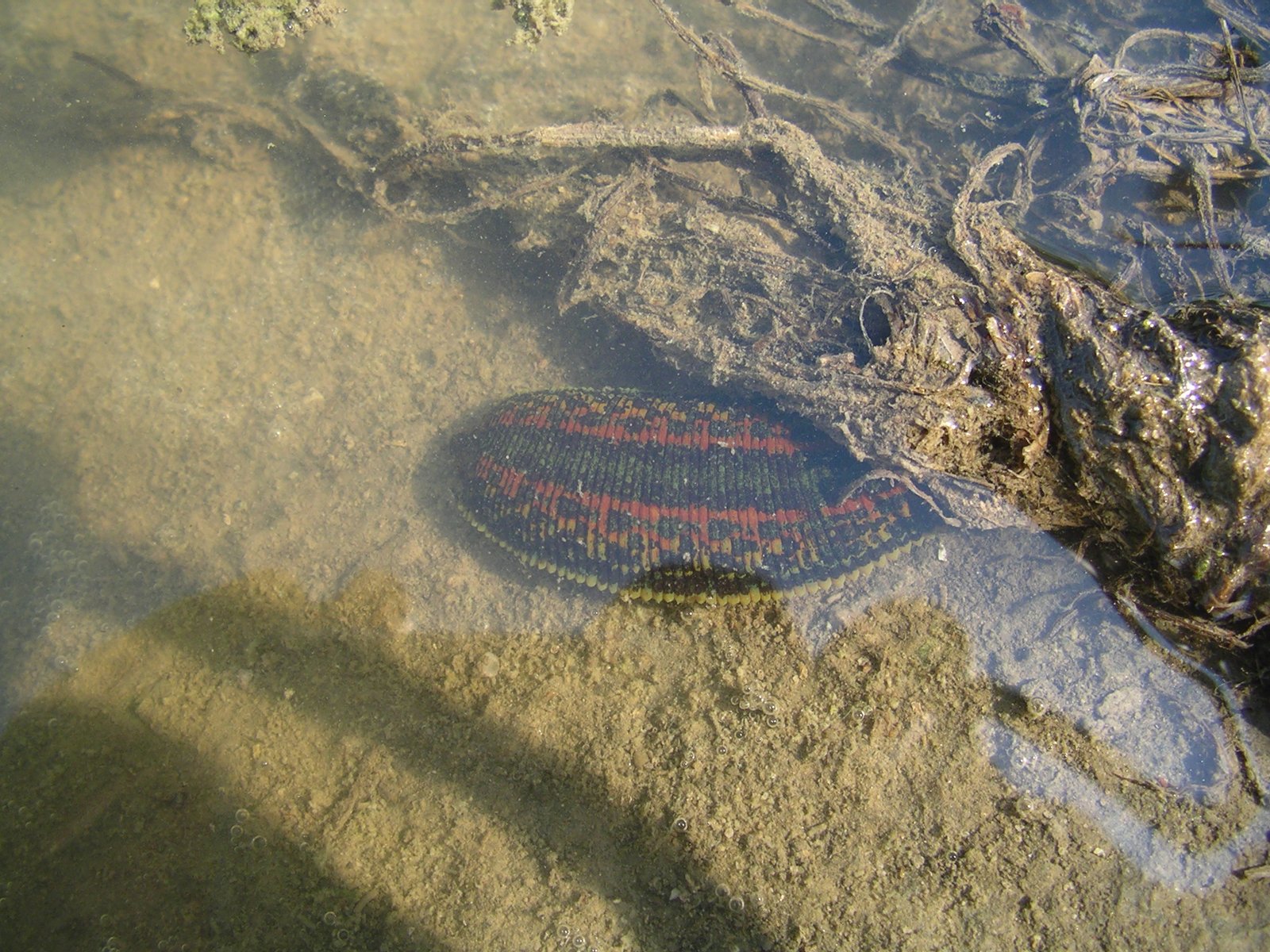
Leeches play a surprising role in their natural habitats. As both predators and prey, they help keep ecosystems balanced. By feeding on fish, amphibians, and even birds, they can control populations of smaller animals. At the same time, they serve as food for turtles, birds, and even larger fish. Their presence can be a sign of a healthy, diverse pond or stream. Remove the leeches, and the whole system can tip out of balance.
Human Encounters: Fear and Fascination
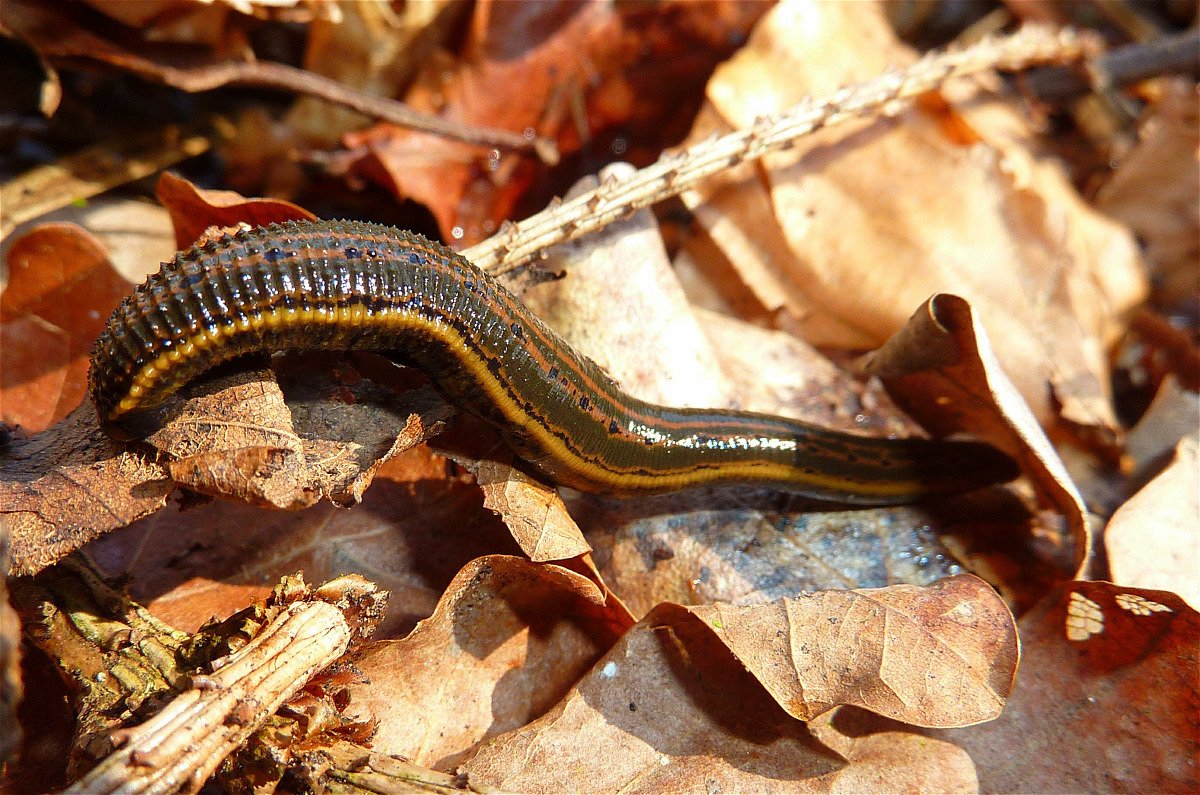
There’s something undeniably primal about our reaction to leeches. The thought of a creature quietly drinking our blood sends shivers down even the bravest spines. But for every person who recoils in disgust, there’s another who’s fascinated by their strange beauty and clever adaptations. Science museums, documentaries, and even children’s books have helped turn the leech from a horror story villain into a natural wonder. Encounters with leeches often leave people with unforgettable stories—some hilarious, some a bit shocking, but all memorable.
Medical Marvels: A Second Coming
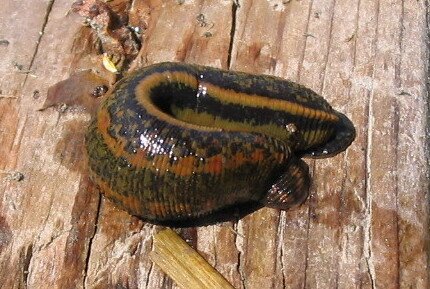
In recent years, leeches have made a medical comeback. Hospitals use them to treat everything from reconstructive surgery to arthritis. Their unique ability to restore blood flow to damaged tissues is saving lives and limbs. The substances in their saliva are being studied for new drugs, offering hope for patients with blood clots, heart problems, and even cancer. It’s a twist no one saw coming: the leech, once dismissed as a medieval relic, is now a symbol of cutting-edge science.
Leeches in Culture and History
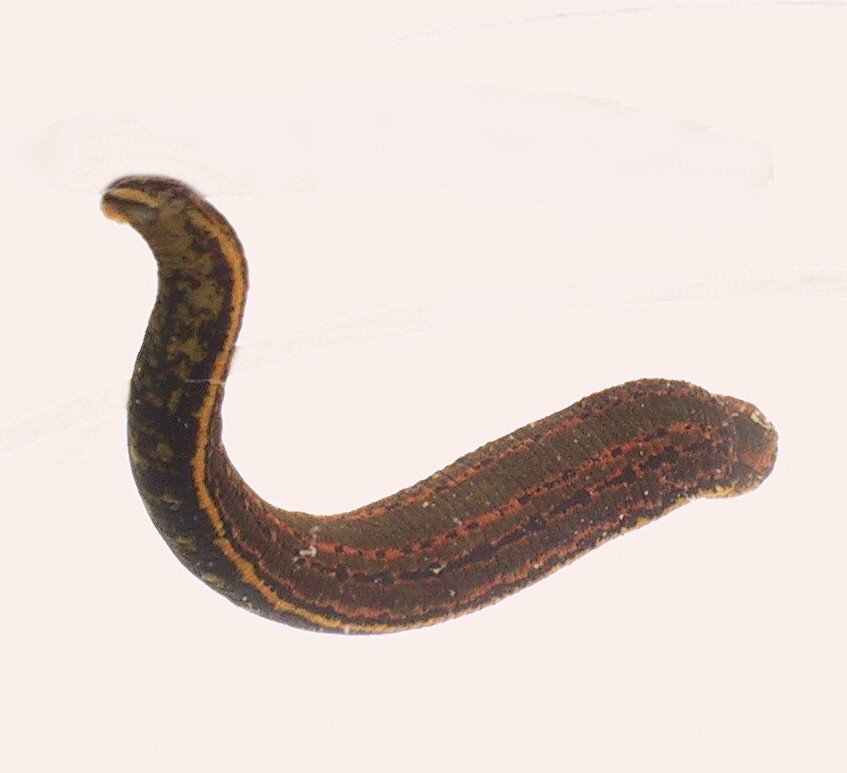
Throughout history, leeches have left their mark on everything from language to art. The word “leech” once meant doctor or healer, a nod to their medical uses. Ancient paintings and manuscripts often depicted leech therapy as a normal part of life. Even today, the image of a leech is used to symbolize persistence, resilience, or unwanted attachment. They’ve appeared in poetry, films, and even video games—a testament to their enduring place in our collective imagination.
What Makes Three Jaws So Special?
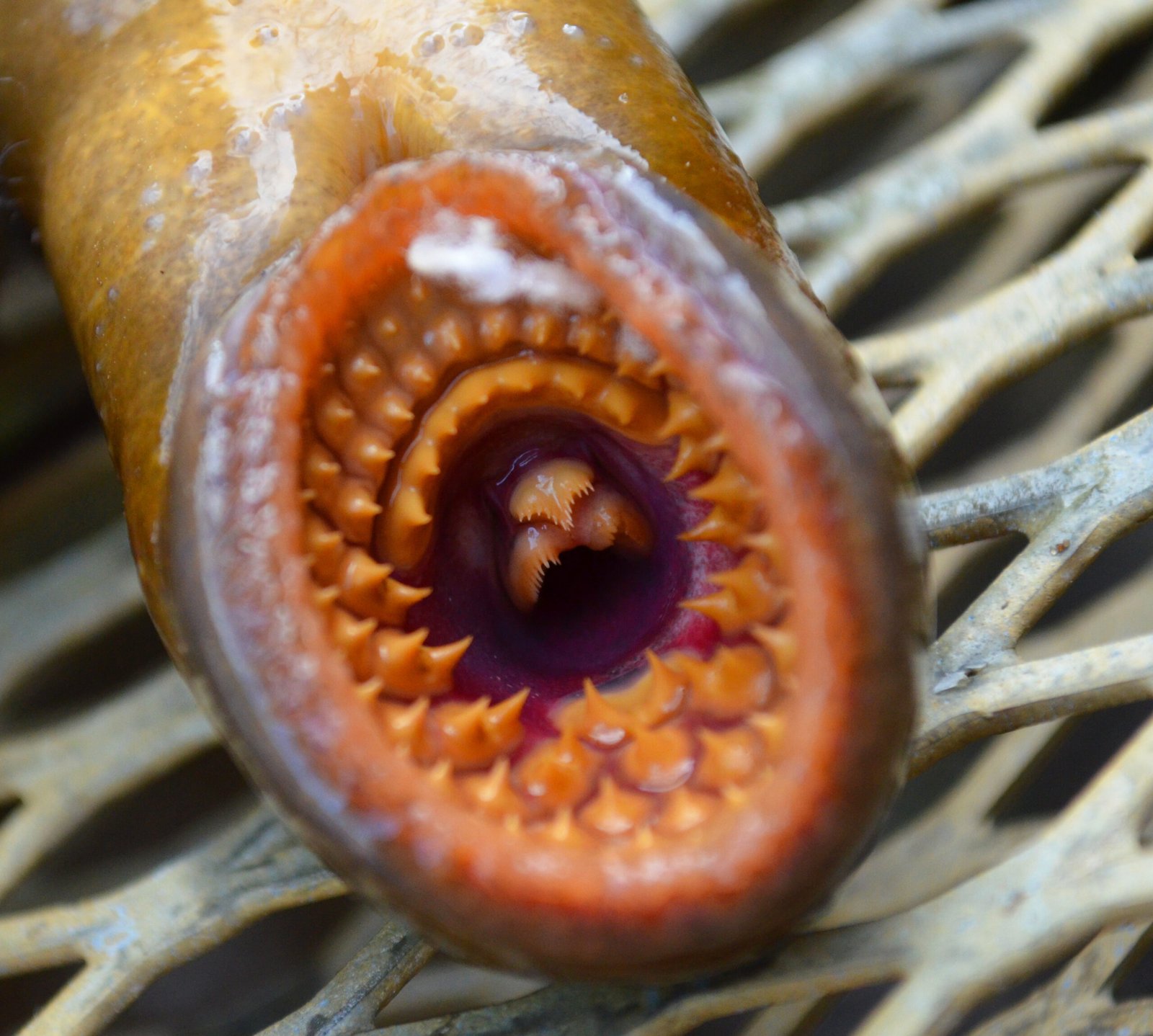
Of all the leech’s adaptations, the three jaws stand out as the key to its success. This unique structure allows the leech to feed quickly, efficiently, and (almost) painlessly. Scientists believe the three-jawed mouth evolved to maximize the chances of a successful meal, making the leech one of the most effective blood-feeders in the animal kingdom. Without this evolutionary innovation, the leech might have remained an obscure worm, rather than the superstar of medicine and science it is today.
Lessons from a Bloodsucker
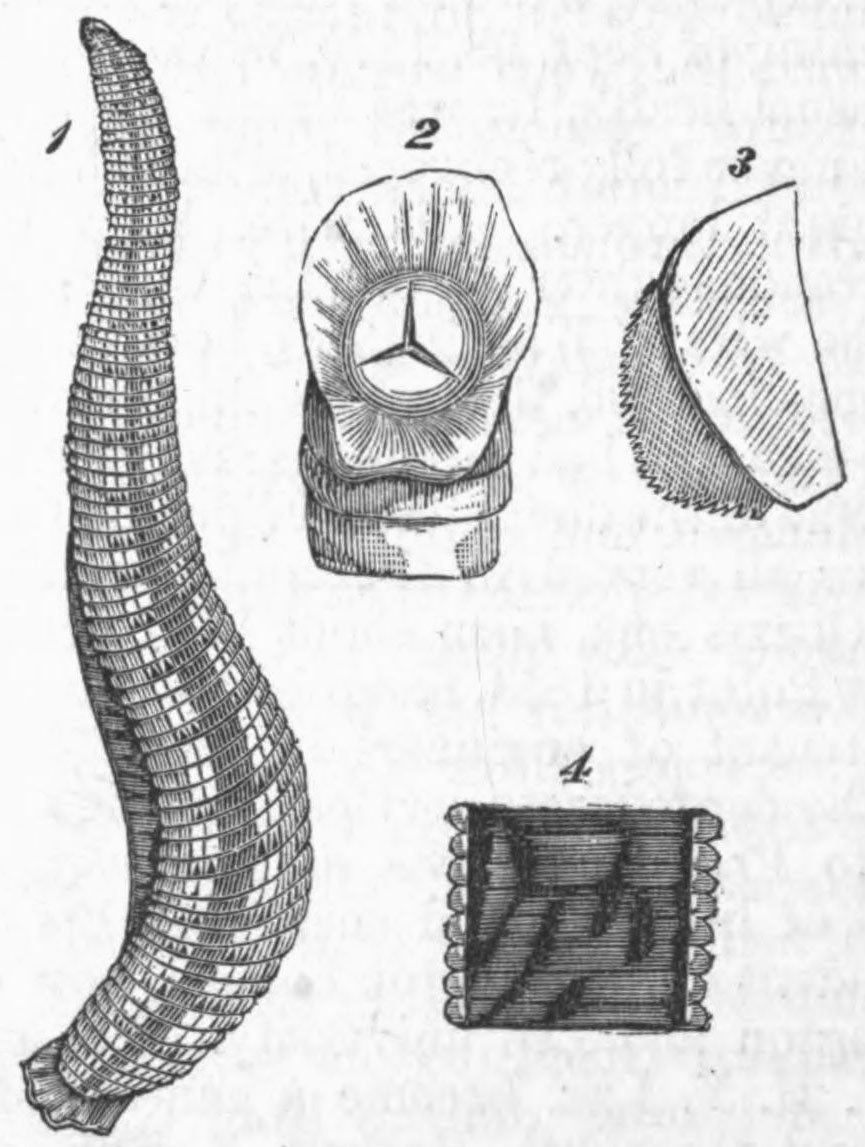
Studying leeches teaches us more than just biology. Their story is one of resilience, adaptation, and unexpected usefulness. Despite centuries of fear and misunderstanding, the three-jawed leech has quietly transformed our understanding of medicine and nature. It reminds us that even the most unlikely creatures can hold secrets worth discovering. Sometimes, the answers to our biggest questions come from the smallest, slimiest corners of the world.
Looking to the Future
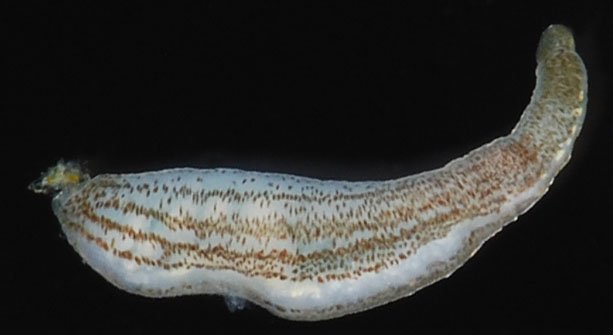
Researchers are still uncovering new secrets about the three-jawed leech. Advances in genetics, chemistry, and medicine promise to reveal even more ways these creatures can help us. Scientists hope to create new drugs based on leech saliva, develop better surgical techniques inspired by their bites, and even learn how to heal nerves and tissues by studying their biology. The leech’s story is far from over—in fact, it’s just beginning.
The Enduring Allure of the Three-Jawed Leech
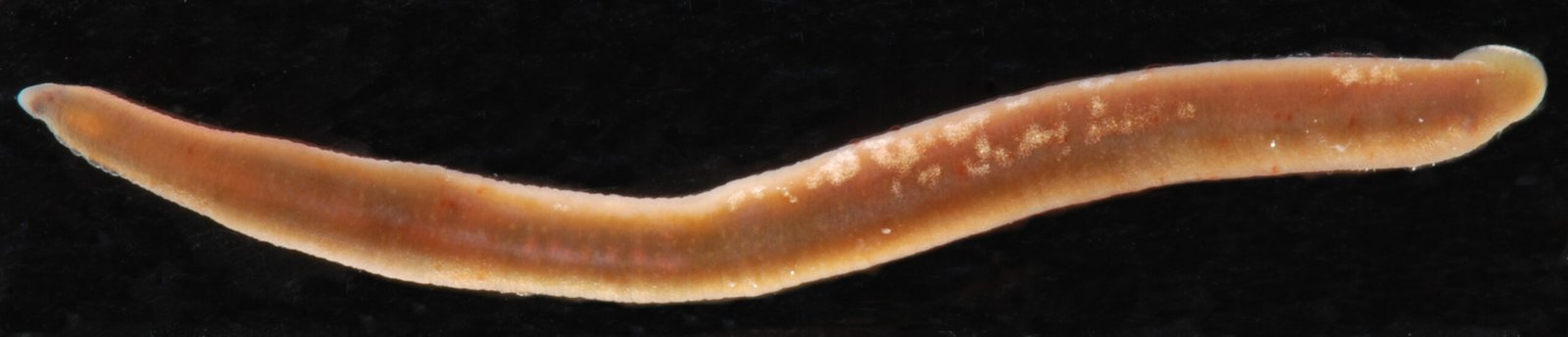
It’s easy to dismiss the leech as just a creepy crawler, but the truth is far more compelling. This little bloodsucker is a masterpiece of evolution, a living tool for doctors, and a symbol of how nature’s strangest creatures can surprise and inspire us. The next time you see a leech, remember: you’re looking at one of the world’s most precise, persistent, and surprisingly useful animals. Isn’t it amazing what a few jaws—and a lot of persistence—can accomplish?