Imagine capturing your dog’s joyful bark on your smartphone, only to realize that simple sound might one day teach artificial intelligence how to understand the language of animals. This isn’t a distant dream—it’s happening now. Every time you record your pet’s funny sounds or upload their playful antics online, you’re contributing to a revolution in AI. But have you ever stopped to wonder where your dog’s bark really goes once you hit that record button? The journey from a cozy living room to a high-tech data center is more remarkable than you might think. So, let’s dig into the fascinating world of pet data, AI learning, and the hidden travels of your dog’s voice.
The Birth of a Bark: Capturing Sounds at Home

It all starts with a moment—your dog howls at a passing siren, or barks at a squirrel in the backyard. With a tap on your phone, you’ve trapped that sound forever. Modern microphones are incredibly sensitive, picking up the subtleties in pitch, volume, and rhythm. These details matter, because what sounds like a simple “woof” to us is actually a complex signature, unique to your pet. The data you record isn’t just noise; it’s rich with information about your dog’s mood, health, and even breed. Every recording is a treasure trove, waiting to be unlocked by technology.
Uploading to the Cloud: The First Digital Step
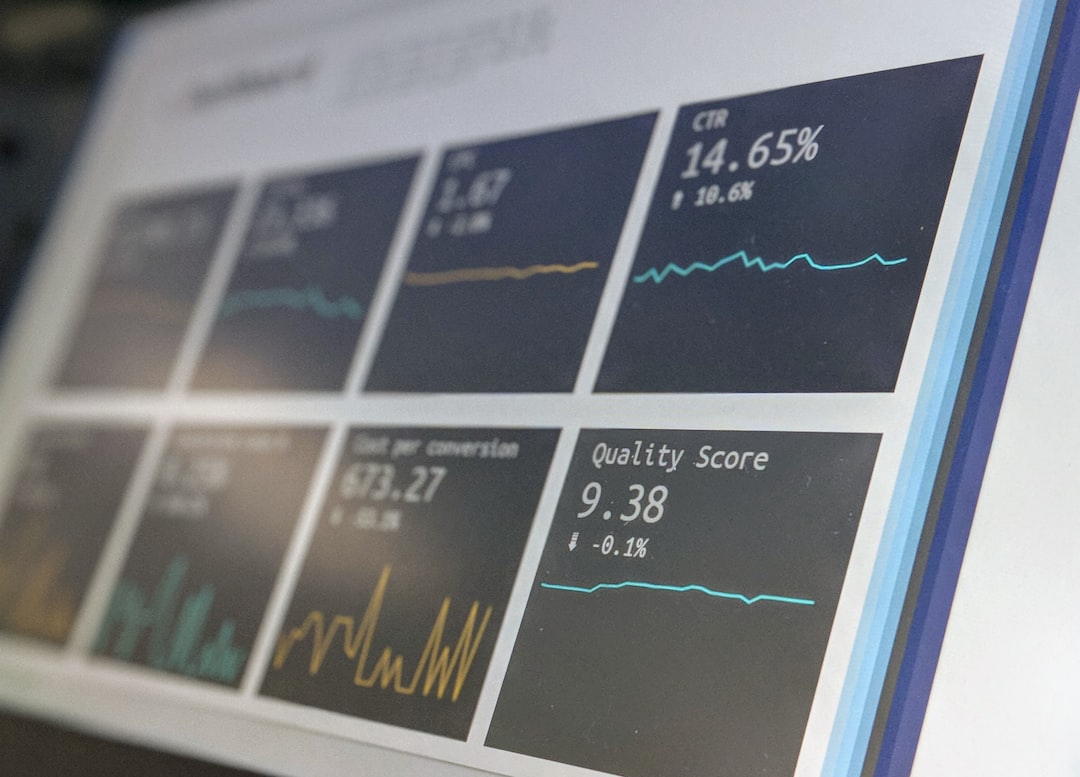
Once you hit record, the next step often involves uploading your audio to the cloud. This could be through a pet-tracking app, a social media platform, or even a veterinary telehealth service. The cloud acts as a giant library, storing millions of animal sounds from around the world. This is where your dog’s bark joins a chorus of other pets, forming the backbone of datasets AI researchers crave. The process is seamless for users, but behind the scenes, powerful servers store and organize every snippet, preparing them for analysis.
Data Labeling: Understanding the Sound

Your dog’s bark doesn’t go unnoticed. Once stored, it often undergoes a process called labeling. Human experts or advanced algorithms listen to and categorize each sound—was it a playful bark, an anxious howl, or a warning growl? Sometimes, pet owners are even asked to help describe what was happening. This labeling is crucial, as it teaches artificial intelligence to recognize context and emotion, much like a child learning to interpret a new language. The more accurately the sounds are labeled, the smarter AI can become.
Turning Barks Into Data Points

Each bark becomes a dot in a massive constellation of animal sounds. Scientists convert audio into a visual form called a spectrogram, a kind of “sound fingerprint” showing frequency and intensity over time. These images are far easier for AI to analyze than raw audio. By comparing thousands of these sound prints, AI can learn to spot patterns—like distinguishing between a bark of excitement and one of fear. This process transforms your dog’s voice from a simple sound into a piece of scientific data.
AI Training Begins: Learning From Millions of Pets
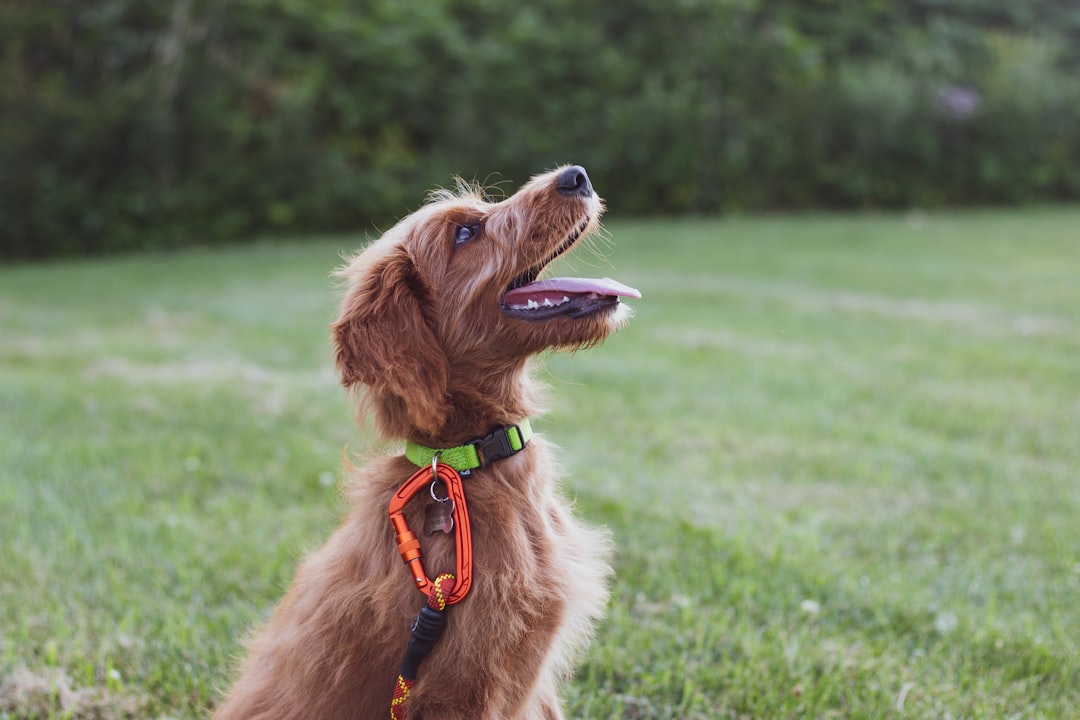
Now comes the real magic. Researchers feed these labeled, fingerprinted sounds into machine learning models—specialized computer programs designed to learn and improve. The AI listens to countless barks, meows, and chirps, gradually learning the differences between species, breeds, and emotions. It’s similar to how people learn languages by hearing many examples. The more diverse the dataset, the better the AI becomes at understanding all the subtle ways animals communicate.
Protecting Pet Privacy: Data Ethics in the Digital Age

But with all this data sharing comes responsibility. Many pet owners worry about privacy: who owns these recordings, and how are they used? Reputable organizations anonymize data, stripping away personal information and focusing only on the sounds themselves. There are strict rules about how pet data can be used, with legal protections in place. It’s a brave new world, and ethical guidelines are evolving to keep up with technology, ensuring your dog’s bark is used to help, not harm.
Real-Life Applications: From Translation to Health Monitoring
So, what can AI do with all these barks? Incredibly, some startups are developing apps that claim to “translate” animal sounds into human language, helping owners understand if their dog is happy, scared, or in pain. Other systems use sound analysis to detect early signs of illness or anxiety, alerting you before problems become obvious. These tools are not just fun—they can genuinely improve animal welfare and deepen the bond between pets and their humans.
Veterinary Innovation: Diagnosing With Sound

Veterinarians are also harnessing the power of AI-trained with pet sounds. By analyzing a dog’s cough or a cat’s meow, they can sometimes identify respiratory issues, stress, or even heart conditions. It’s like having a stethoscope that listens for much more than just a heartbeat. Early detection means faster treatment, and AI is making this possible in ways never before imagined.
Wildlife Conservation: Listening to Nature’s Voices

It’s not just household pets that benefit. Scientists are using similar AI tools to monitor endangered animals in the wild. By placing recorders in forests or jungles, they gather thousands of hours of animal calls, which AI then sorts and categorizes. This helps researchers track populations, study behaviors, and even detect threats like poaching. The humble bark in your living room is part of a global effort to protect and understand all animal life.
Personalized Pet Experiences: Smart Toys and Trainers

Imagine a smart toy that responds differently depending on how your dog barks—a cheerful sound triggers a game, while a nervous whimper prompts soothing music. AI trained on real pet data is making these personalized experiences possible. These innovations aren’t just gimmicks; they can reduce stress, encourage exercise, and keep pets mentally stimulated. For pet parents, it’s an exciting glimpse into the future of animal care.
Challenges in Sound Recognition: Not All Barks Are Equal

Training AI with pet data isn’t as simple as it might seem. Dogs have regional accents, just like people, and their barks can change depending on age, health, or environment. Some breeds are naturally more vocal, while others barely make a sound. Background noise—like a TV or children playing—can also confuse AI systems. Overcoming these hurdles requires enormous, diverse datasets and clever algorithms that can adapt to new situations.
The Role of the Pet Owner: Everyday Scientists

You might not realize it, but every time you record and share your dog’s bark, you’re helping science advance. Pet owners around the globe are citizen scientists, contributing to a better understanding of animal communication. Your everyday actions—recording, labeling, uploading—are building blocks in a much larger project. It’s a powerful reminder that ordinary moments can have extraordinary impact.
Data Security: Keeping Barks Safe

With so much data traveling across the internet, security is a top concern. Tech companies employ encryption and other safeguards to keep recordings safe from hackers or misuse. Still, it’s wise for pet owners to choose platforms with clear privacy policies and transparent data practices. Protecting your dog’s digital identity is just as important as safeguarding your own.
Emotional Connections: Hearing More Than Just Noise

For many of us, our pets’ voices are deeply personal—comforting, funny, or reassuring. The idea that AI can “understand” these sounds might seem strange or even unsettling. Yet, by learning to interpret barks, whines, and purrs, technology is bringing us closer to our animals than ever before. It’s a thrilling thought: maybe, one day, we’ll truly be able to talk with our best friends.
Innovative Research: Beyond Dogs and Cats

While dogs lead the way, researchers are expanding their focus to other animals—cats, birds, guinea pigs, and even reptiles. Each species has its own language, and AI is helping us decode these mysteries. Imagine an app that tells you if your parrot is bored or your hamster is stressed. The possibilities are endless, and the research is only just beginning.
Building Better AI: The Importance of Diversity

For AI to be truly effective, it needs exposure to a wide range of sounds—different breeds, ages, environments, and emotions. Scientists encourage pet owners from all backgrounds to participate, ensuring the AI isn’t biased or limited. This commitment to diversity makes the technology more reliable, accurate, and inclusive for everyone.
Future Frontiers: What’s Next for Pet Data?

As technology advances, so do the possibilities. Researchers are already exploring ways to combine audio data with video, motion sensors, and health records for a more complete understanding of animal behavior. One day, your dog’s bark might help diagnose illnesses, prevent accidents, or even predict natural disasters. The future is full of promise and surprises.
Global Collaboration: Uniting Pet Lovers Worldwide

The drive to understand animal communication is a global effort, uniting scientists, pet lovers, and technologists from every corner of the world. International databases and open-source projects are making it easier for everyone to contribute. Your dog’s bark could help a researcher in Japan, a veterinarian in Brazil, or a wildlife biologist in Kenya. It’s a reminder that, in the digital age, our pets’ voices have never traveled farther.
The Power of Listening: Changing How We Relate to Animals
In the end, the journey of your dog’s bark is about more than just technology. It’s about empathy, curiosity, and the timeless bond between humans and animals. By listening more closely—and teaching machines to do the same—we open new doors to understanding, compassion, and care. The next time you hit record, remember: your pet’s voice is helping shape a smarter, kinder world for all creatures, great and small.