Imagine wandering through a misty Appalachian forest at dusk, the air thick with the scent of rain-soaked leaves and moss. As you turn over a log, dozens of tiny, glistening creatures scatter—some striped, some spotted, others brilliant red or mysterious black. The Appalachians are not just rich in scenic beauty; they hide a secret beneath every stone and fallen branch. This region is the dazzling epicenter of salamander diversity on Earth, a living laboratory where evolution has gone wild. The surprising truth is that nowhere else on the planet nurtures as many salamander species as these ancient mountains. The story of why is as fascinating and winding as the streams that cut through the Appalachian wilds.
The Heart of Salamander Country

The Appalachian Mountains stretch from Alabama to Canada, and their rugged terrain shelters a world like no other. Incredibly, more than 70 species of salamanders call this place home, representing a staggering portion of global diversity. For context, the entire continent of Europe hosts fewer salamander species than a single Appalachian valley. This isn’t just a quirky fact—it’s a biological phenomenon that has scientists and nature lovers in awe. The region’s title as the “Salamander Capital of the World” is not an exaggeration, but a testament to millions of years of evolutionary artistry.
Ancient Mountains, Endless Habitats

The Appalachians are among the oldest mountains on Earth, older even than the Himalayas. Over hundreds of millions of years, their peaks have weathered down to gentle ridges and deep, shady hollows. This ancient landscape has created a patchwork of habitats—cool, moist forests, hidden springs, tumbling streams, and shadowy caves. Salamanders thrive in such variety. Each microhabitat offers a unique set of conditions, from soil moisture to temperature, letting different salamander species carve out their own ecological niches. This mosaic of environments is a major reason why so many types of salamanders can coexist here.
Rain, Mist, and the Gift of Moisture

Water is life for salamanders, and the Appalachian region delivers it in abundance. Frequent rain, misty mornings, and dense fogs keep the forest floor damp, the perfect setting for these moisture-loving creatures. Unlike frogs, most salamanders don’t have lungs—they breathe through their skin, which must stay wet. The constant humidity in the Appalachians means salamanders can roam safely at night and even on cloudy days, hunting for insects and avoiding predators. This perpetual dampness is both a blessing and a necessity for their continued survival.
Evolution in Overdrive

Isolation is the spark that ignites the fires of evolution, and the Appalachians are a masterclass in natural barriers. Rugged ridges, twisting rivers, and scattered valleys have separated salamander populations for millennia. When groups are cut off from each other, they begin to change in response to their local environments. Over time, these subtle differences add up, and entirely new species emerge. This process, called speciation, has happened on a grand scale in the Appalachians, leading to an explosion of salamander diversity that is still ongoing.
The Mysterious Plethodontids
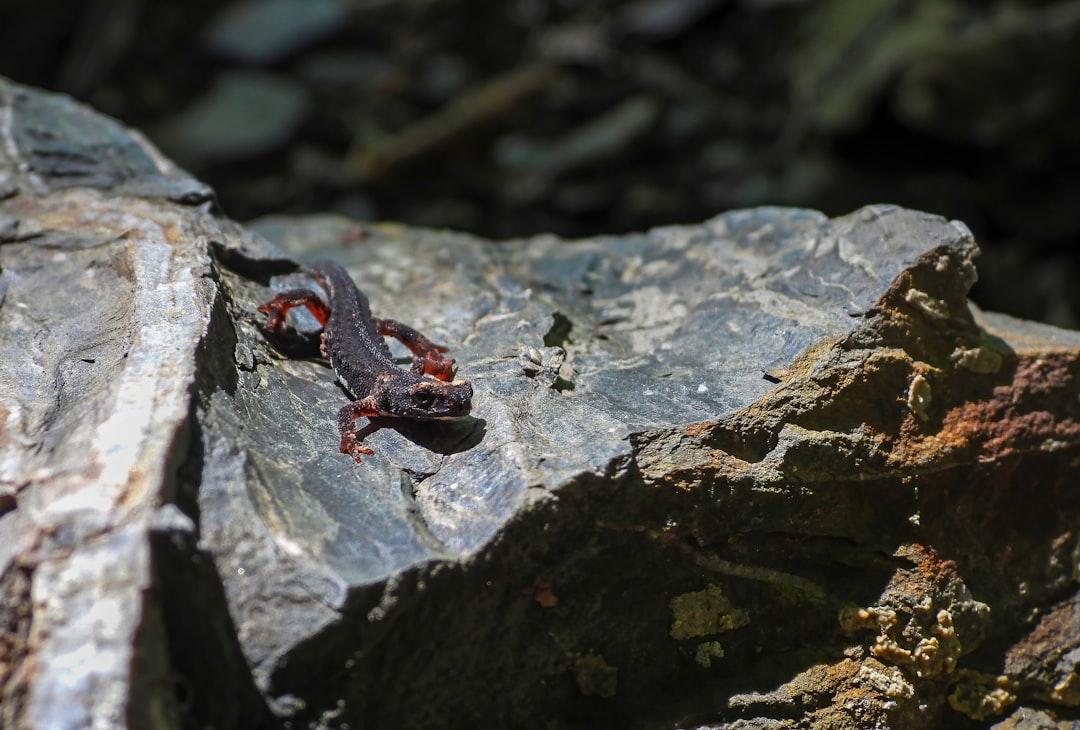
Astonishingly, the majority of Appalachian salamanders belong to one family: the Plethodontidae, or lungless salamanders. These creatures absorb oxygen directly through their moist skin, a remarkable adaptation that lets them thrive in cool, fast-flowing streams and even on the forest floor. Plethodontids are notorious for their secretive habits and astonishing variety, from the tiny, jewel-like Red-backed Salamander to the elusive Green Salamander that clings to vertical cliffs. This family’s ability to exploit every nook and cranny of the Appalachian wilderness is a big reason for the region’s explosive diversity.
Hidden Lives, Under Every Log

Most Appalachian salamanders are masters of invisibility. By day, they hide beneath leaf litter, under rocks, or inside rotting logs to avoid desiccation and predators. At night or after rain, they emerge to feed on insects, worms, and spiders. Their secretive habits mean that even seasoned hikers can walk through a salamander-rich forest without spotting a single one. But with a careful look and a gentle touch, a magical world is revealed underfoot, filled with creatures that have barely changed since the time of the dinosaurs.
A Rainbow of Salamander Species
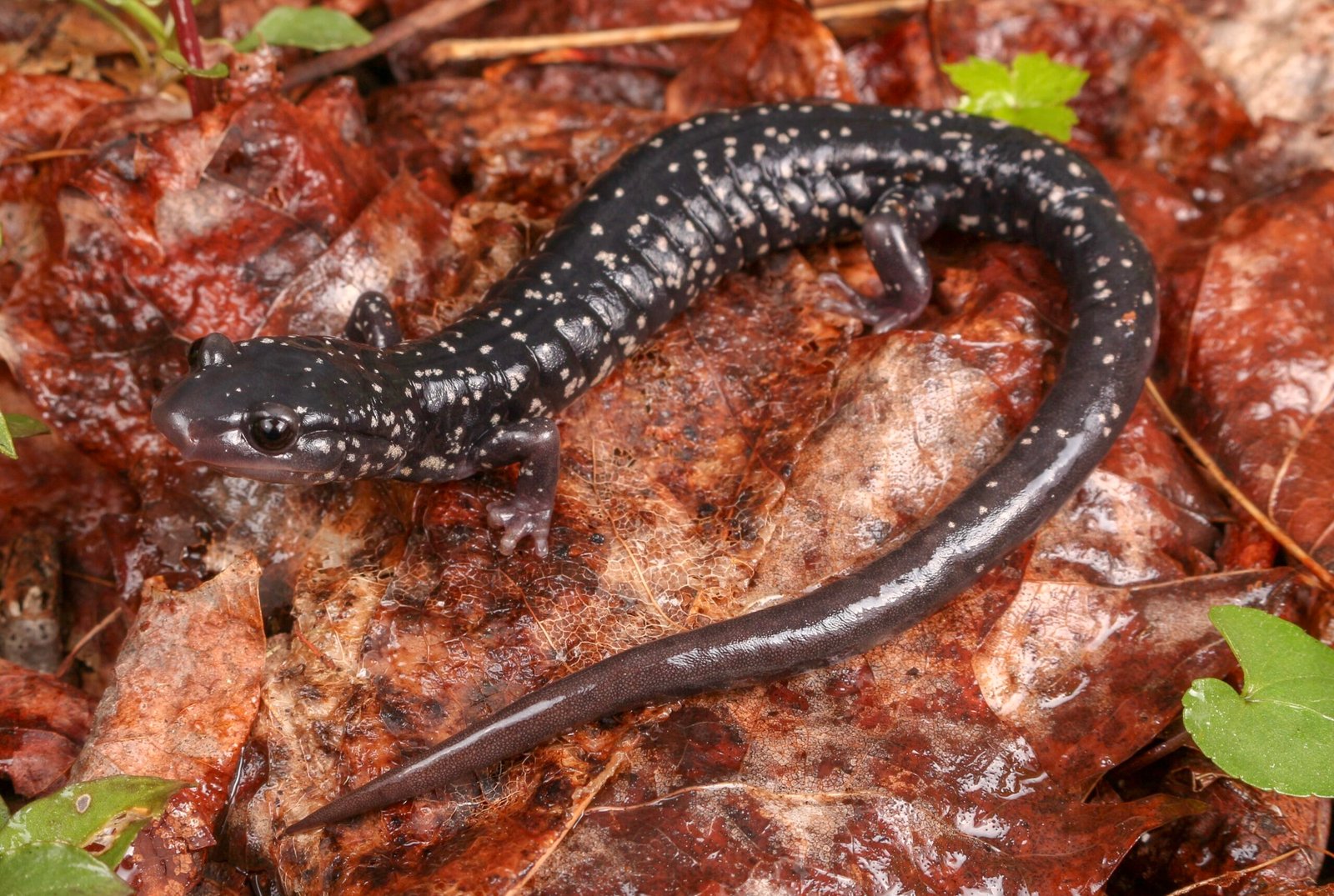
The Appalachian salamander family is a kaleidoscope of colors and forms. The Marbled Salamander sports bold black and white bands, while the Red Salamander glows like a burning coal in the leaf litter. Some, like the Eastern Newt, begin life as aquatic larvae, transform into bright orange “efts,” and eventually return to the water as adults. Others, like the Four-toed Salamander, are tiny marvels that lay their eggs on mossy banks above streams. Each species tells a story of adaptation, survival, and the tireless creativity of evolution.
Unusual Reproductive Strategies
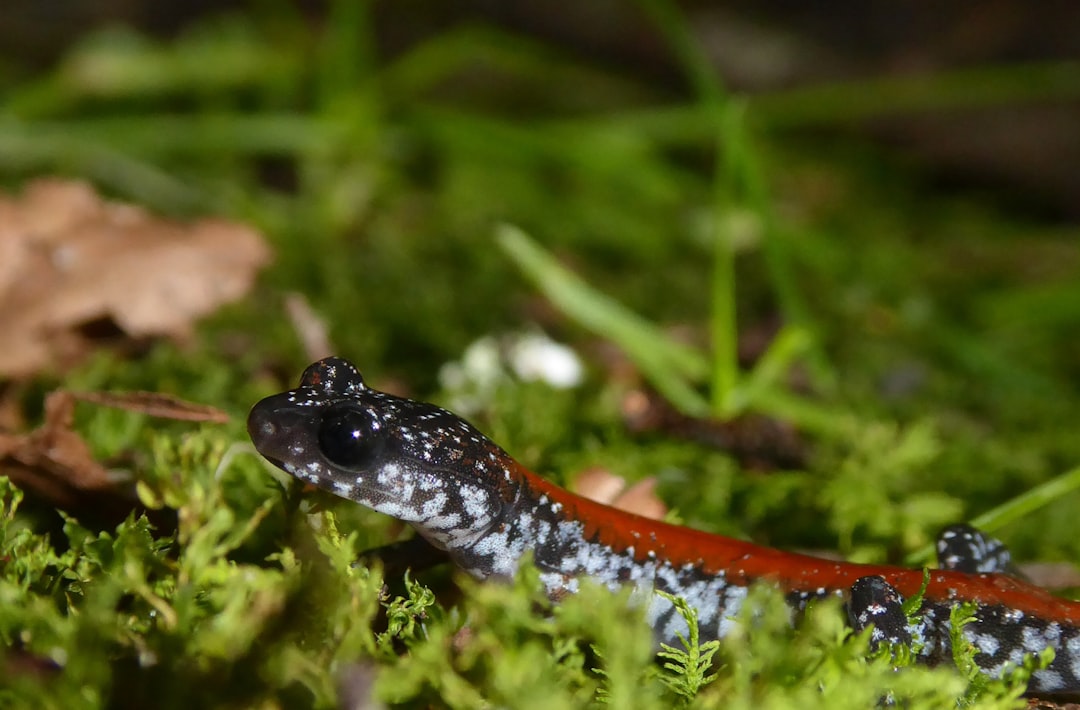
Salamanders in the Appalachians display some of the most unusual reproductive behaviors in the animal kingdom. Many species lay eggs on land, with attentive parents guarding them until they hatch—a sharp contrast to frogs, who usually abandon their eggs in water. Some salamanders even skip the larval stage completely, with babies hatching as miniature adults. These innovations help them survive in environments where ponds and streams may be scarce or unpredictable, giving Appalachian salamanders an edge in the evolutionary race.
Survival in a Changing World

Despite their resilience, Appalachian salamanders face mounting threats from habitat loss, climate change, and disease. Logging, mining, and urban expansion are fragmenting their ancient forests. Warmer temperatures and shifting rainfall patterns threaten the moist environments salamanders need. On top of that, a deadly fungus called chytrid is sweeping through amphibian populations worldwide, putting even the most remote salamander species at risk. The fate of these remarkable creatures now hangs in the balance, making their story more urgent than ever.
Sentinels of Forest Health

Salamanders are like living barometers for the health of their forests. Because they breathe through their skin and are highly sensitive to pollution and changes in moisture, their presence—or absence—can signal trouble for an entire ecosystem. In the Appalachians, scientists use salamander populations to track the effects of acid rain, forest management, and environmental change. Healthy salamander communities often mean healthy forests, teeming with life from the soil to the treetops.
Keystone Creatures of the Understory

Though small and often unseen, salamanders play a giant role in Appalachian forests. They are voracious predators of insects and other tiny invertebrates, helping to keep populations in check. Their droppings return nutrients to the soil, supporting the growth of fungi and plants. In turn, salamanders become prey for birds, snakes, and mammals, weaving them tightly into the fabric of the food web. Without salamanders, the balance of life on the forest floor would quickly unravel.
Cradle of Endemism

The Appalachians are a cradle of endemism—meaning many salamander species are found nowhere else on Earth. For example, the Cheat Mountain Salamander of West Virginia or the Yonahlossee Salamander of North Carolina exist only in tiny pockets of these mountains. Such unique creatures are living treasures, shaped by millions of years of isolation and adaptation. Their loss would mean not just the extinction of a species, but the erasure of an irreplaceable chapter in the story of life.
Discoveries in the Shadows
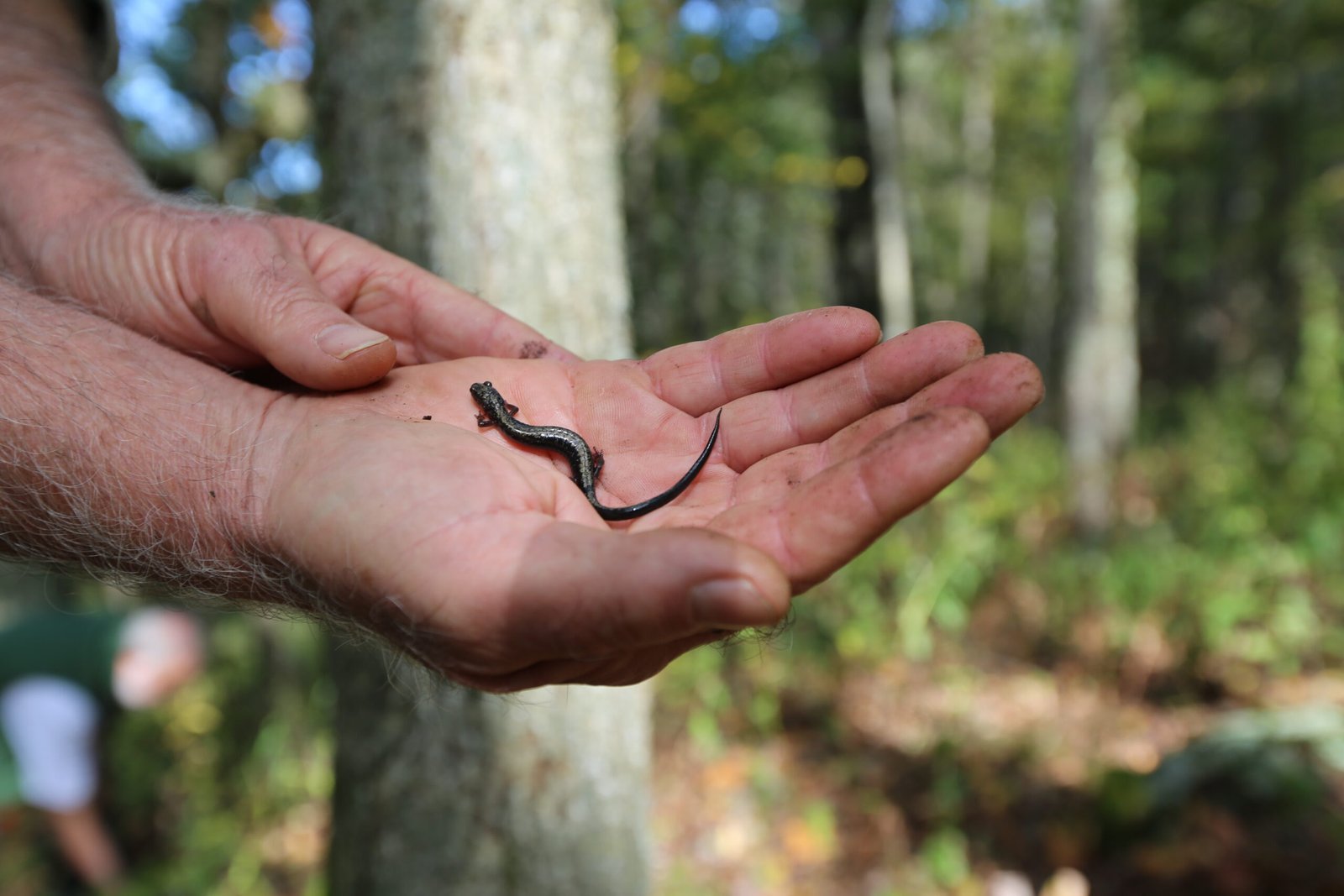
New salamander species are still being discovered in the Appalachians, even today. Scientists armed with headlamps and notebooks venture into remote hollows, often finding animals never before described. Some discoveries are so distinct that they rewrite parts of the amphibian family tree. This ongoing process of discovery underscores just how much remains hidden in these forests, waiting for curious minds to shine a light into the darkness.
The Threat of Climate Change
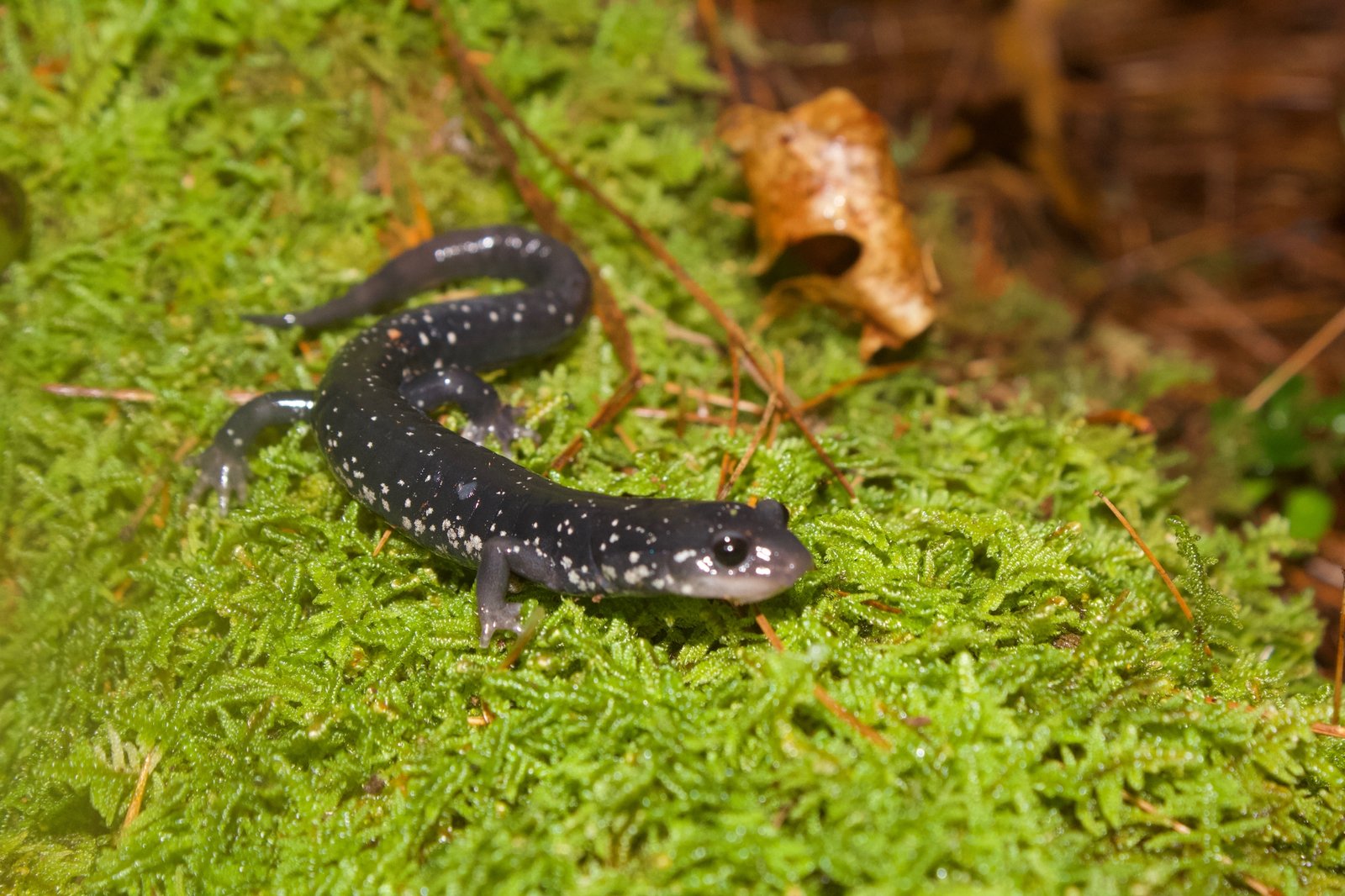
Climate change is altering the Appalachian landscape in unpredictable ways. Warmer winters, more intense storms, and shifting rainfall patterns are disrupting the delicate balance that salamanders rely on. Some species are forced to move uphill in search of cooler, wetter refuges, but their options are limited. If warming continues, entire populations could vanish from lower elevations, shrinking the range of many unique species. The race is on to understand and protect these fragile animals before it’s too late.
Conservation Efforts and Hope

Across the Appalachians, scientists, conservationists, and local communities are rallying to protect salamanders and their habitats. Protected areas, forest restoration projects, and environmental education are all part of the fight. Citizen scientists join in, counting salamanders on spring nights and reporting their findings to research groups. Every effort counts, and each new partnership brings hope that these ancient creatures will persist for generations to come.
Salamanders in Culture and Folklore

Salamanders have long captured the imagination of people living in the Appalachians. In folklore, they were thought to be born from fire or to possess magical healing powers. Today, they remain a symbol of the region’s hidden wonders—quiet, patient, and enduring. Local festivals, school programs, and even art installations celebrate the salamander’s place in Appalachian culture, reminding people of the marvels that lie just beneath the surface.
An Invitation to Explore
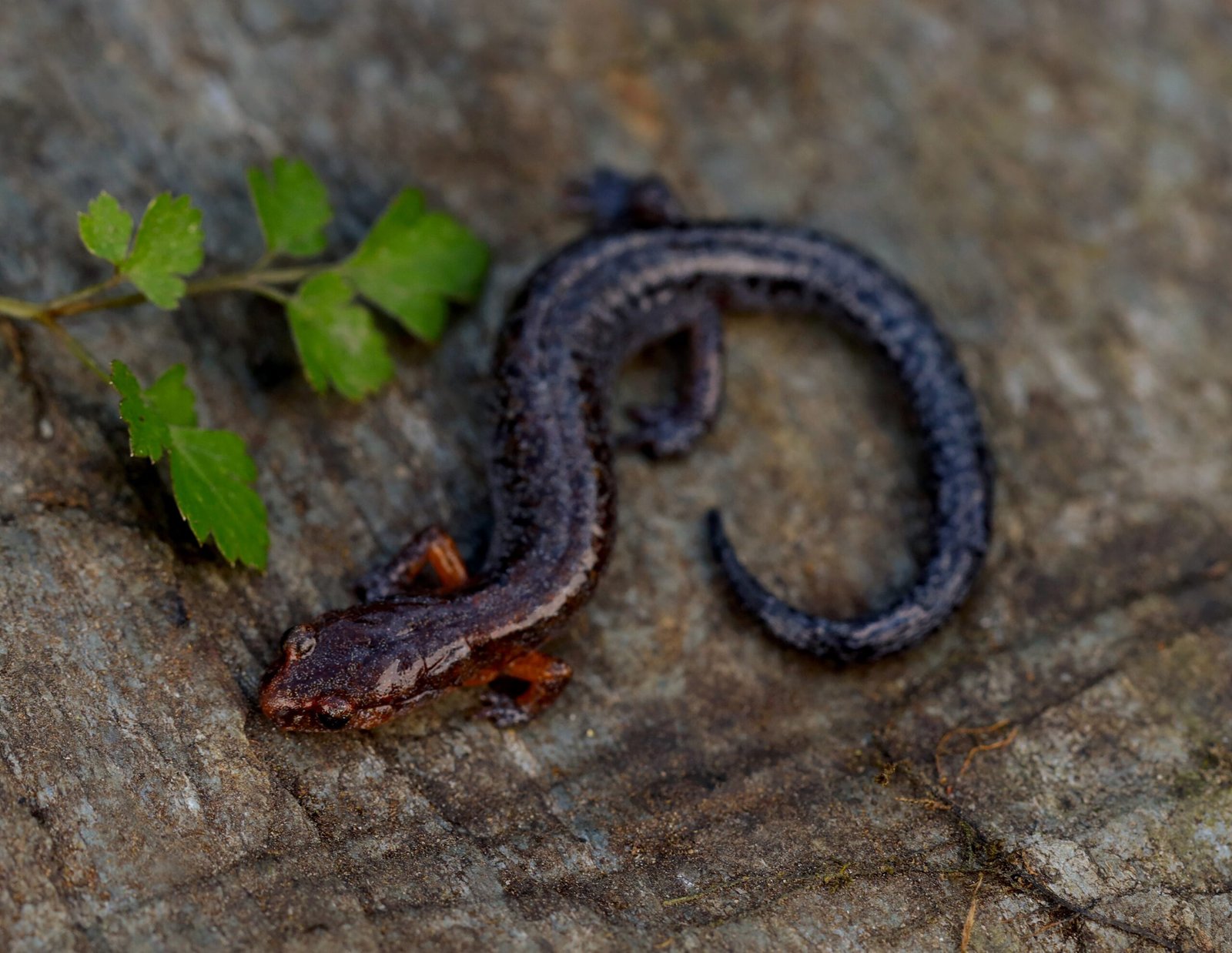
The salamander explosion of the Appalachians is not just a story for scientists—it’s an open invitation to anyone who loves nature. With a flashlight and some patience, anyone can witness these miniature marvels on a cool, damp night. Every log overturned, every stream explored, is a chance to connect with one of the planet’s oldest and most extraordinary lineages. These encounters can spark a lifelong love of the wild and a desire to protect it.
Lessons from the Salamander Surge

The diversity of salamanders in the Appalachians teaches us vital lessons about resilience, adaptation, and the power of ancient landscapes. It shows how isolation and variety can fuel a burst of life, creating ecosystems that are robust yet delicately balanced. The salamander’s story is a reminder that even the smallest creatures can have an outsized impact on the world around them, shaping forests and inspiring people across generations.
The Global Significance of a Local Wonder
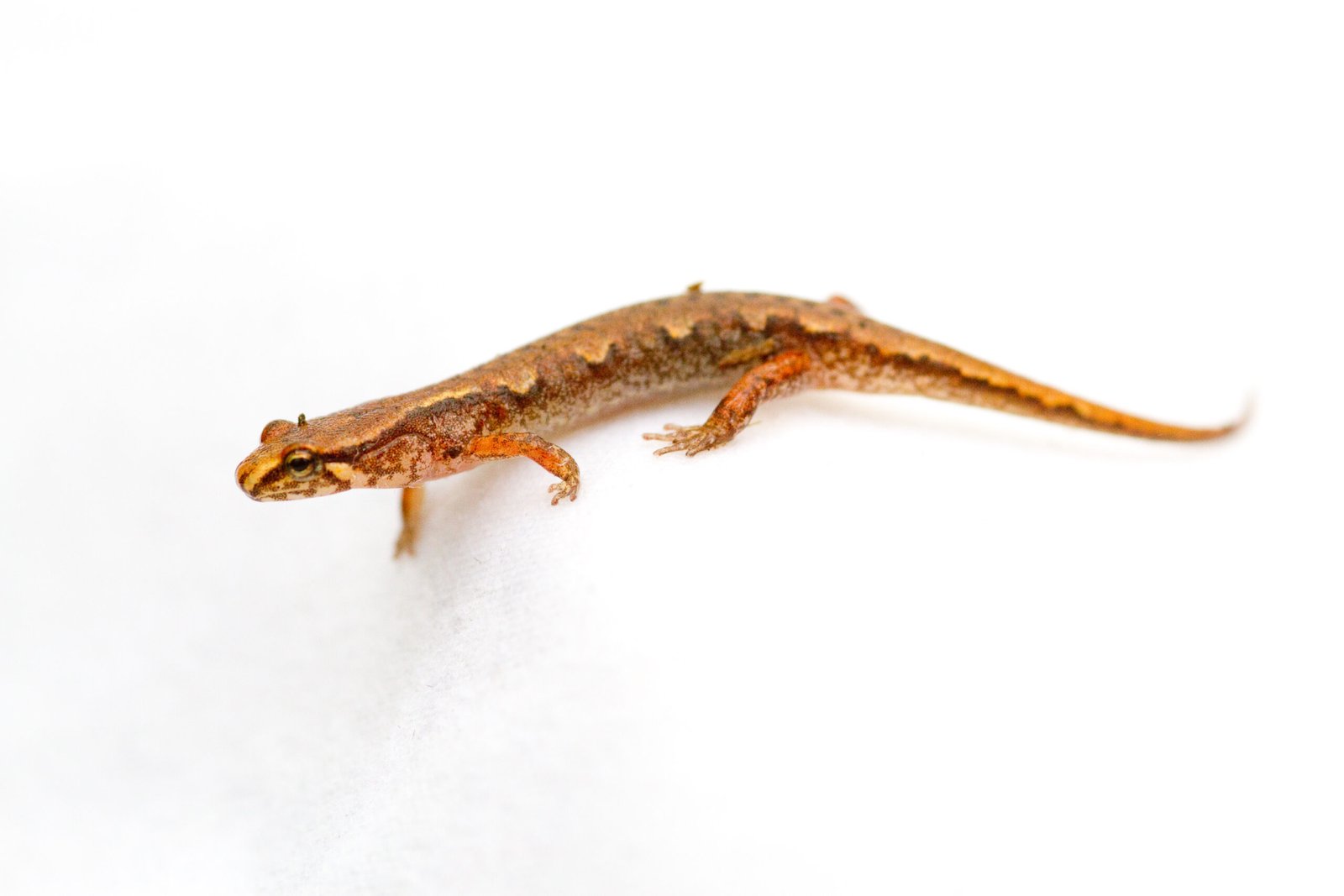
What happens in the Appalachian salamander hotspot matters far beyond these mountains. As scientists study the genetic diversity, adaptations, and ecological roles of these creatures, they gain insights into evolution, climate resilience, and conservation that apply worldwide. The lessons learned here could help save other species and ecosystems facing similar threats. The salamander explosion is not just a regional curiosity—it’s a beacon for global biodiversity and a testament to the wonders still waiting to be discovered on our planet.