
Imagine a world where we can peer into the future of our forests, oceans, and grasslands—not through crystal balls, but through the power of artificial intelligence. The idea sounds almost magical, yet it’s already happening. AI is quietly transforming how we study, understand, and even protect the delicate balance of life on Earth. As climate anxieties rise and biodiversity shrinks before our eyes, scientists are turning to advanced algorithms to help unlock the secrets of nature’s vast and intricate webs. The findings? Some are inspiring, others are sobering, all are urgently relevant. Ready to discover how machines are mapping the pulse of our planet—and what they’re revealing about our shared tomorrow?
The New Lens: AI Steps Into Ecology’s Wild World

For centuries, ecologists relied on boots-on-the-ground fieldwork, painstaking observations, and hand-drawn maps to understand life’s complexity. But now, AI is opening entirely new vistas. By analyzing massive datasets—satellite images, sensor readings, and wildlife tracking—AI can spot patterns invisible to the human eye. It’s like swapping a magnifying glass for a supercomputer, letting scientists map entire rainforests or coral reefs in astonishing detail. This new perspective is not just about speed; it’s about seeing connections and trends that could transform conservation.
Building Virtual Worlds: How AI Models Simulate Nature

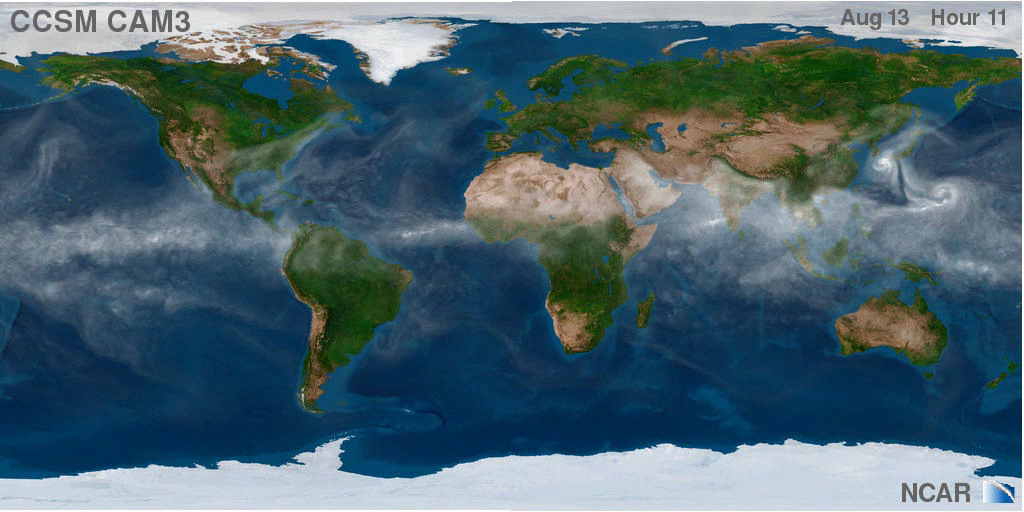
AI doesn’t just analyze data—it creates digital replicas of real ecosystems. These “virtual worlds” are built from layers of information: plant growth, animal migrations, climate cycles, and even soil chemistry. By feeding AI with real-world data and rules about how living things interact, researchers can run millions of simulations. This allows them to ask “what if?” questions: What happens if temperatures rise by two degrees? What if a keystone species disappears? These models help us rehearse the future before it happens.
Predicting Species Survival in a Changing Climate
One of AI’s most dramatic roles is predicting which species might thrive or vanish as the planet warms. By crunching climate data, migration patterns, and genetic information, AI can forecast where animals and plants might move—or whether they’ll survive at all. For example, models have revealed how polar bears may lose critical hunting grounds as Arctic ice melts, or how butterflies could shift their ranges northwards. These projections are not just academic; they guide real-world conservation priorities and emergency actions.
Mapping Biodiversity Hotspots With Unprecedented Precision
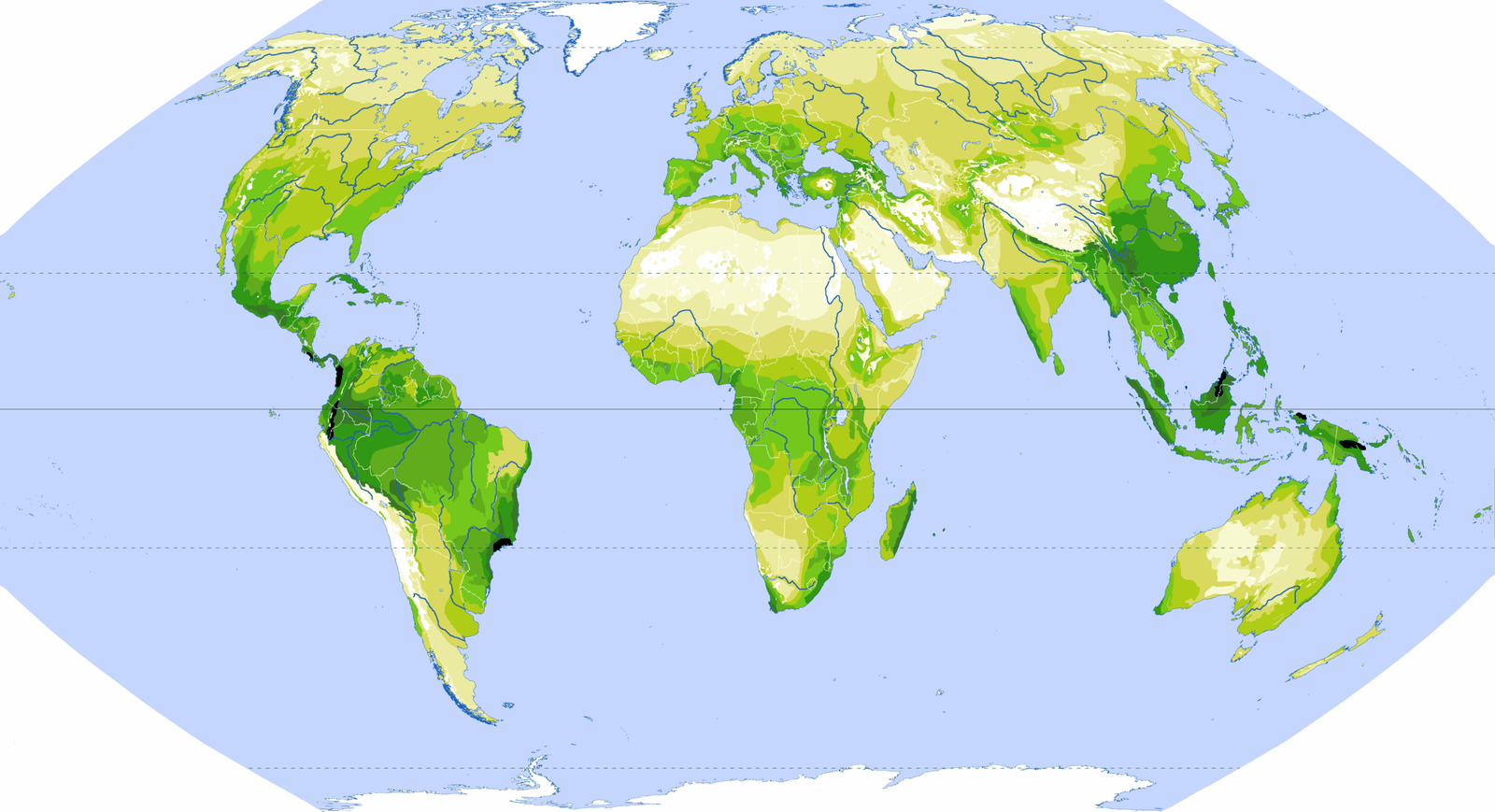
Biodiversity hotspots—places teeming with unique life—are nature’s treasure chests. AI is helping scientists pinpoint these zones more accurately than ever before. By blending satellite imagery with species records and environmental data, AI maps can highlight hidden pockets of richness, even in remote or unexplored regions. This means conservationists can act faster to protect endangered habitats, sometimes before they’re even officially discovered by humans.
Unraveling the Web: Understanding Ecosystem Interactions

Nature’s networks are breathtakingly complex. A single bee pollinating a wildflower can ripple out to affect entire food chains. AI is uniquely equipped to untangle these relationships. Using network analysis and deep learning, researchers can map who eats whom, who competes with whom, and how energy flows through an ecosystem. These insights reveal which species are linchpins—and which changes could trigger cascading collapses or surprising recoveries.
Spotting Invasive Species Before They Take Over
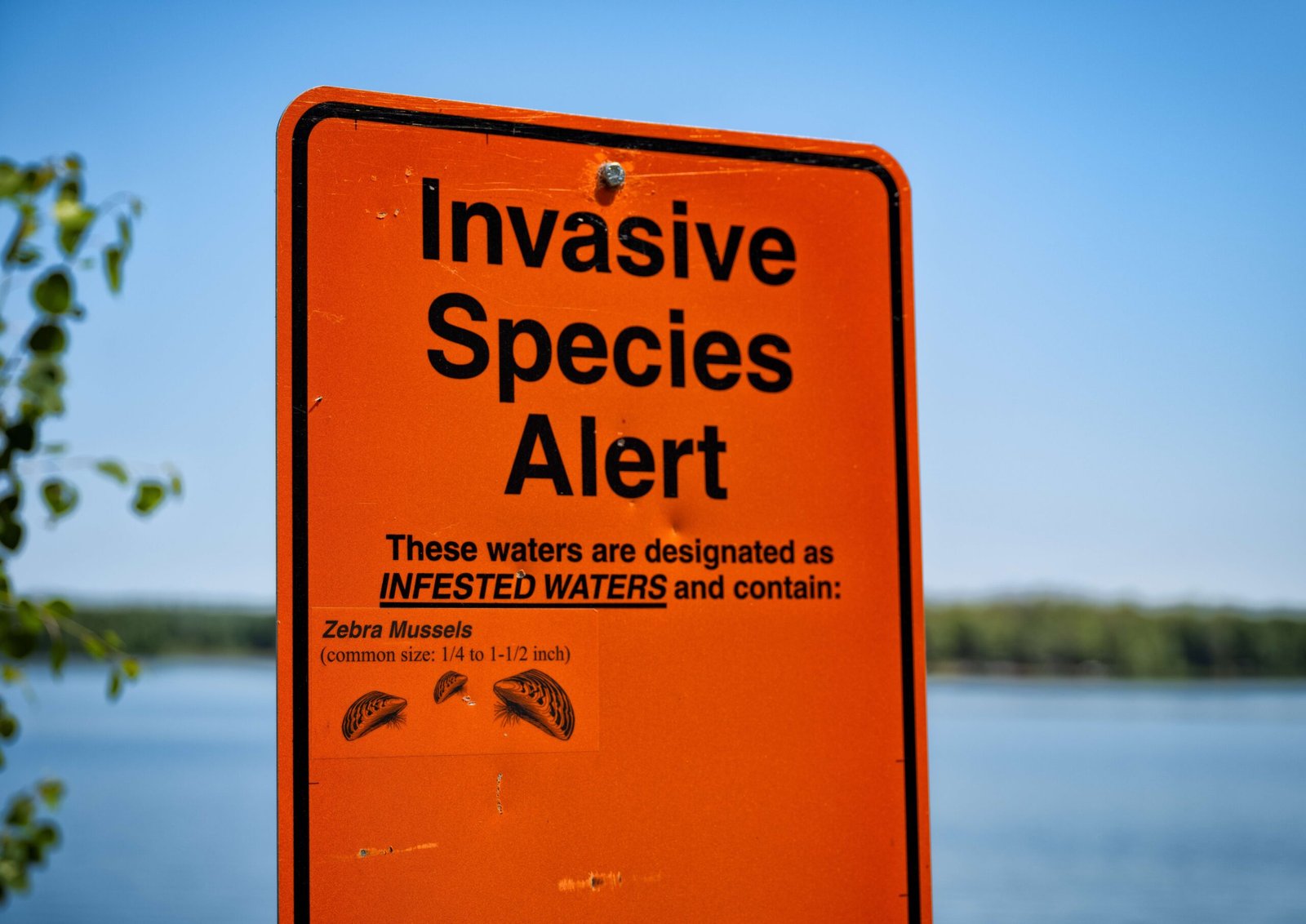
Invasive species are one of the sneakiest threats to ecosystems worldwide. They often arrive unnoticed, then explode in numbers, outcompeting native wildlife. AI-powered surveillance tools now scan satellite images and environmental DNA to spot the telltale signs of invaders—sometimes before they become a crisis. Early detection can mean the difference between a manageable problem and an ecological disaster, buying precious time for intervention.
Forecasting Wildfire Risks and Forest Health
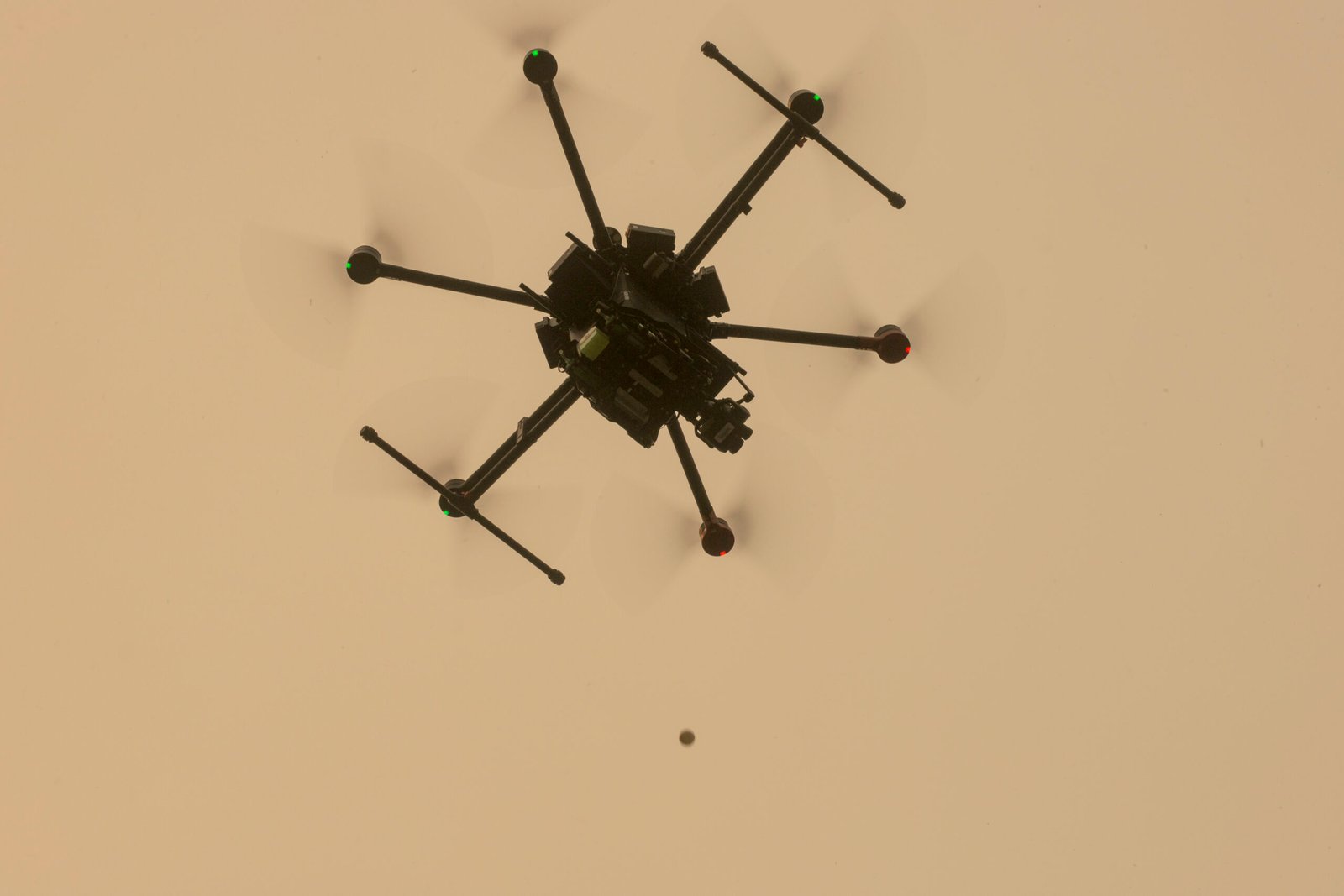
Wildfires are growing in scale and intensity, fueled by climate change and human activity. AI excels at predicting where fires might ignite and how they could spread. By analyzing weather patterns, vegetation types, and even real-time drone footage, AI offers early warnings and helps firefighters strategize. Beyond emergencies, AI also tracks forest health—spotting stress, disease, or illegal logging—so forests can be protected before catastrophe strikes.
Modeling Ocean Ecosystems to Protect Fisheries

The world’s oceans are vast, mysterious, and vital for food security. AI is revolutionizing how we monitor marine life and manage fisheries. By processing sonar data, satellite images, and fishing logs, AI can estimate fish populations and predict migration routes. This helps set sustainable fishing limits, prevent overfishing, and protect endangered marine species. In some cases, AI even spots illegal fishing operations, supporting ocean guardians worldwide.
Revealing Hidden Patterns in Plant Life

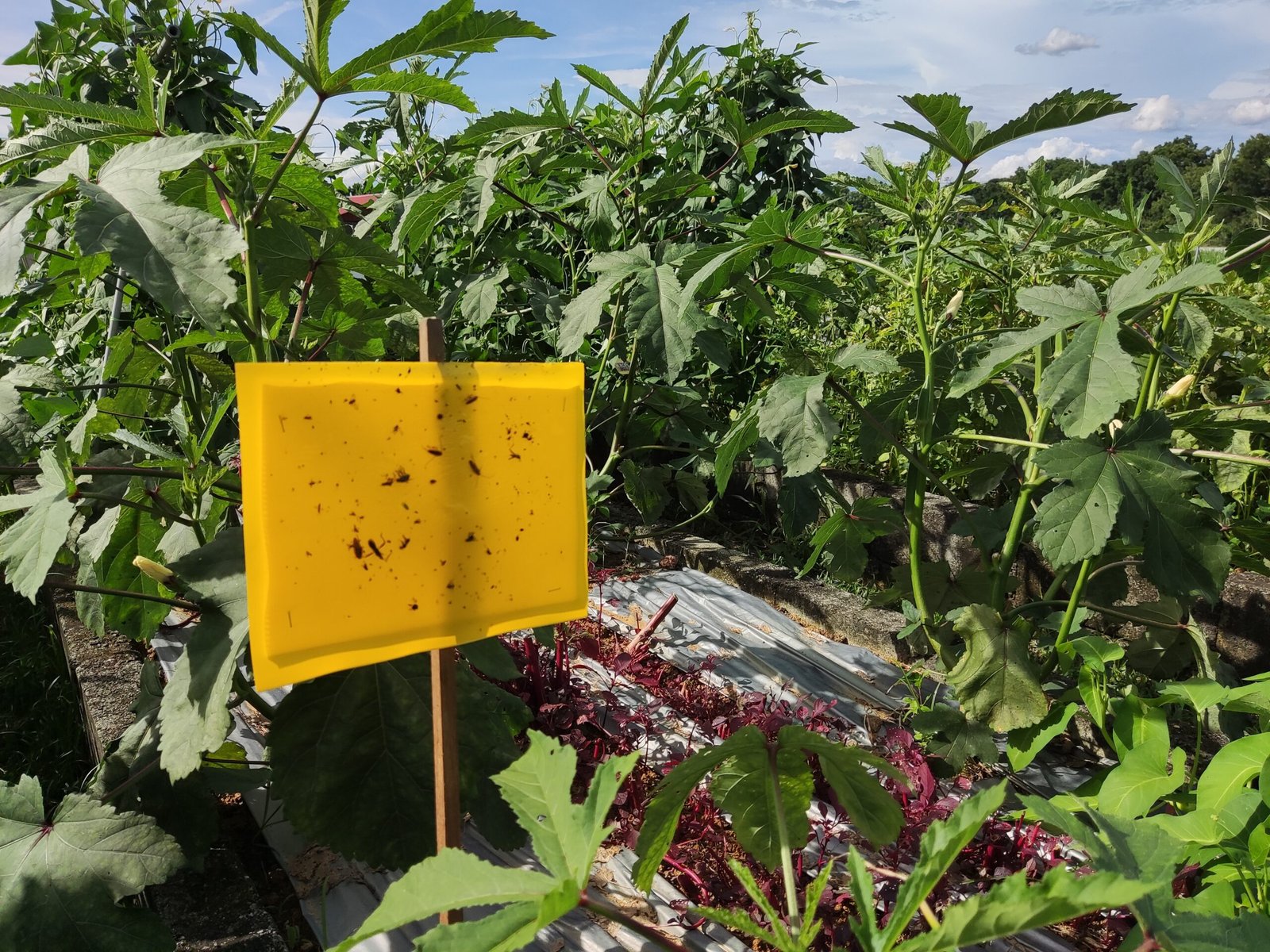
Plants are the silent engines of ecosystems, yet many of their mysteries remain hidden. AI is now decoding plant growth, stress responses, and adaptation strategies with astonishing speed. By analyzing drone imagery and climate data, AI identifies which species are flourishing and which are struggling. These insights help farmers, foresters, and conservationists adapt to changing conditions, ensuring that the green foundations of our world remain strong.
Tracking Animal Migrations Across Continents
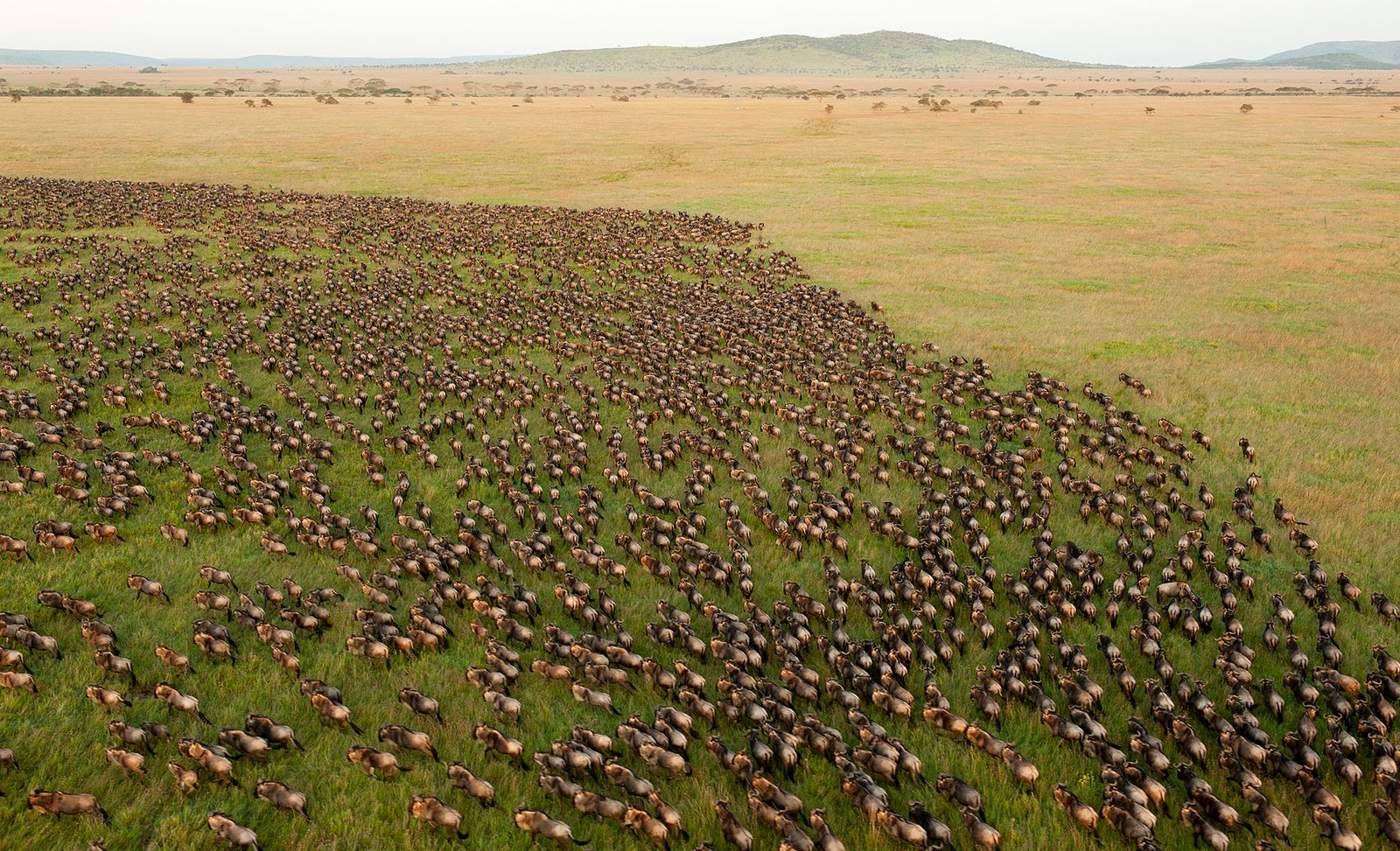
Every year, millions of animals embark on epic migrations—journeys that cross mountains, deserts, and oceans. AI-powered tracking systems combine GPS collars, remote cameras, and machine learning to follow these movements in real time. Scientists can now predict migration routes, spot barriers, and understand how climate change or human development disrupts ancient paths. This knowledge informs wildlife corridors and helps save species on the move.
Restoring Habitats With AI-Driven Precision

Restoration used to be hit-or-miss: plant some trees, hope for the best. Now, AI pinpoints exactly which species to reintroduce and where, based on detailed simulations. By forecasting how restored ecosystems will evolve, AI ensures that projects have the best chance of long-term success. This approach saves time, money, and precious biodiversity, making habitat restoration a smart investment for the future.
Fighting Illegal Poaching With Smart Surveillance
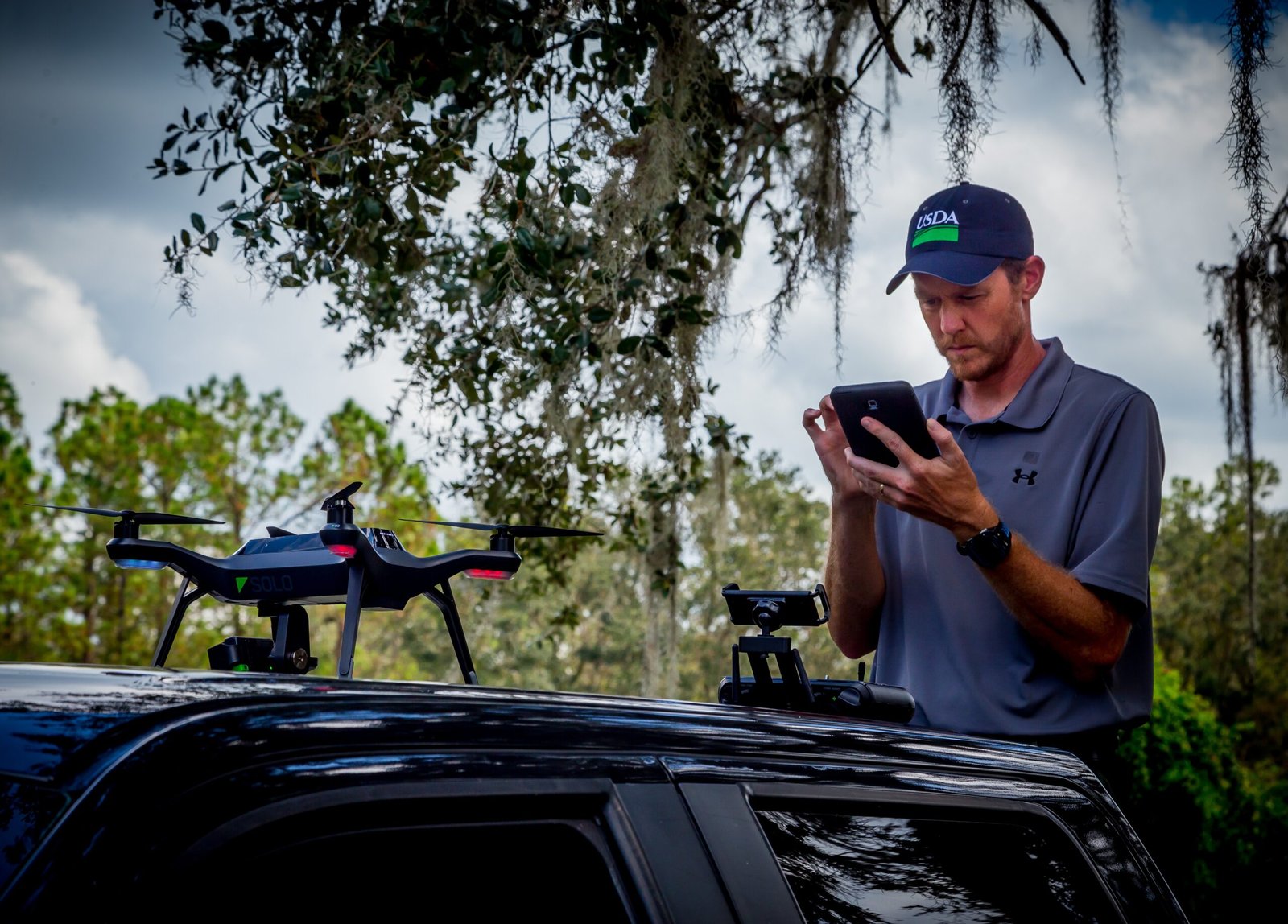
Poaching threatens elephants, rhinos, and countless other animals. AI-powered cameras and sensors are changing the game. These systems can distinguish between animals, humans, and vehicles, sending instant alerts when suspicious activity is detected. Park rangers and conservationists can respond swiftly, often preventing crimes before they happen. This fusion of ancient wisdom and cutting-edge tech is giving hope to some of the world’s most endangered creatures.
Anticipating Disease Outbreaks in Wildlife

Wildlife diseases can leap into human populations, triggering pandemics. AI is now a frontline defender, analyzing animal health data, migration patterns, and climate conditions to forecast outbreaks. Early warnings allow scientists and governments to act fast, containing diseases before they spread. This proactive approach is crucial in a world where ecological and human health are deeply intertwined.
Empowering Citizen Scientists and Local Communities

AI doesn’t just serve experts—it’s empowering everyday people to join the fight for nature. Smartphone apps powered by machine learning can identify plants, animals, or even environmental threats. Local communities use these tools to monitor their lands, report changes, and influence policy. This democratization of science brings fresh eyes and voices into conservation, making protection of the planet a truly global effort.
Reconstructing Lost Worlds and Extinct Ecosystems
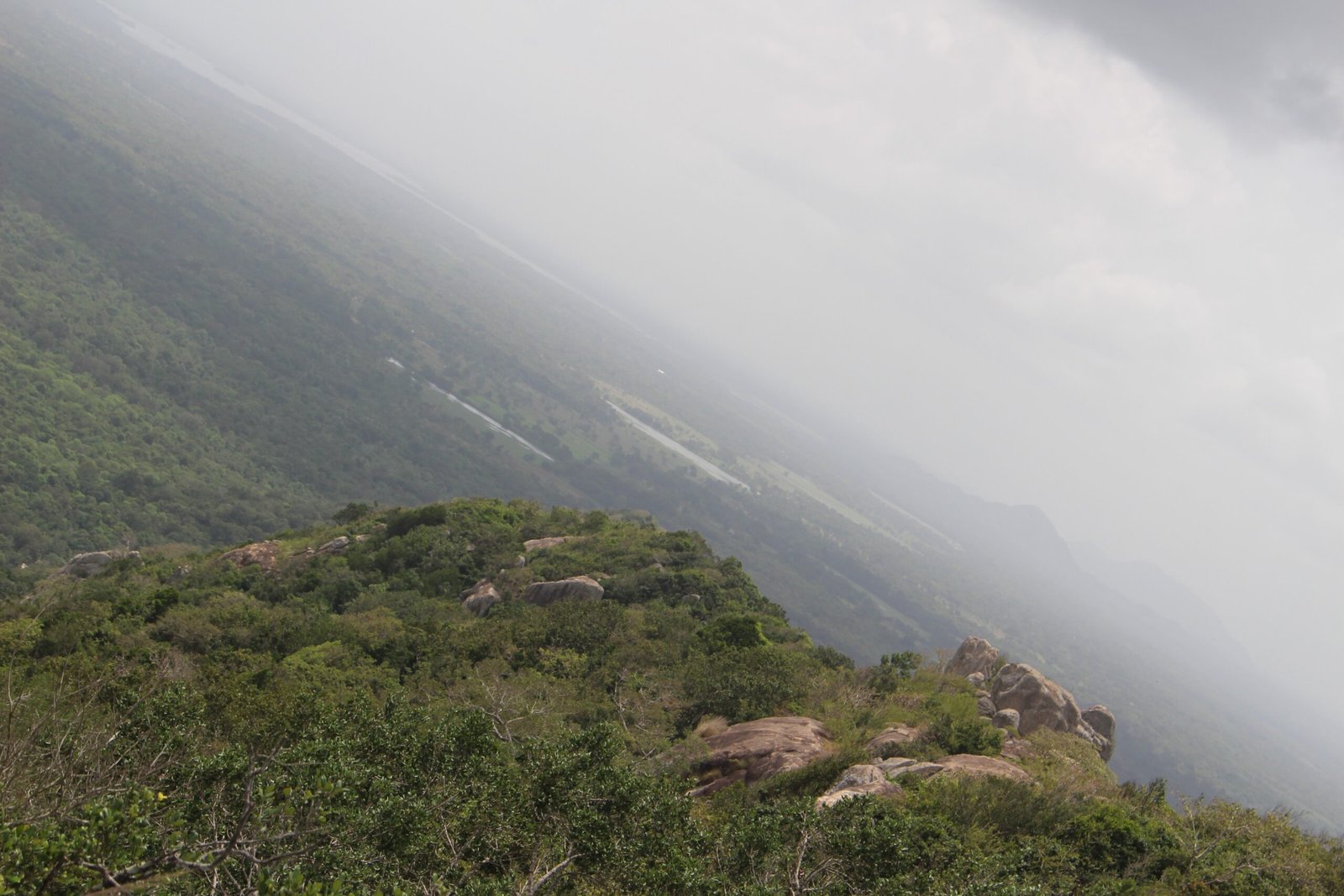
AI isn’t limited to the present or future—it’s also a window into the past. By analyzing fossil records, ancient DNA, and geological data, AI can reconstruct what vanished ecosystems looked like. Understanding why these worlds disappeared can teach us how to avoid similar fates. These digital time machines are unlocking stories of extinction, survival, and resilience, offering lessons for today’s environmental challenges.
Simulating the Impact of Human Activities

From highways to cities and dams, human footprints are everywhere. AI models can simulate how these changes ripple through ecosystems, predicting impacts on wildlife, water, and air. For example, AI can forecast how a new road might fragment habitats or how urban expansion could alter local climates. Policymakers use these simulations to balance development with sustainability, aiming for choices that benefit both people and nature.
Testing Climate Solutions Before They’re Deployed
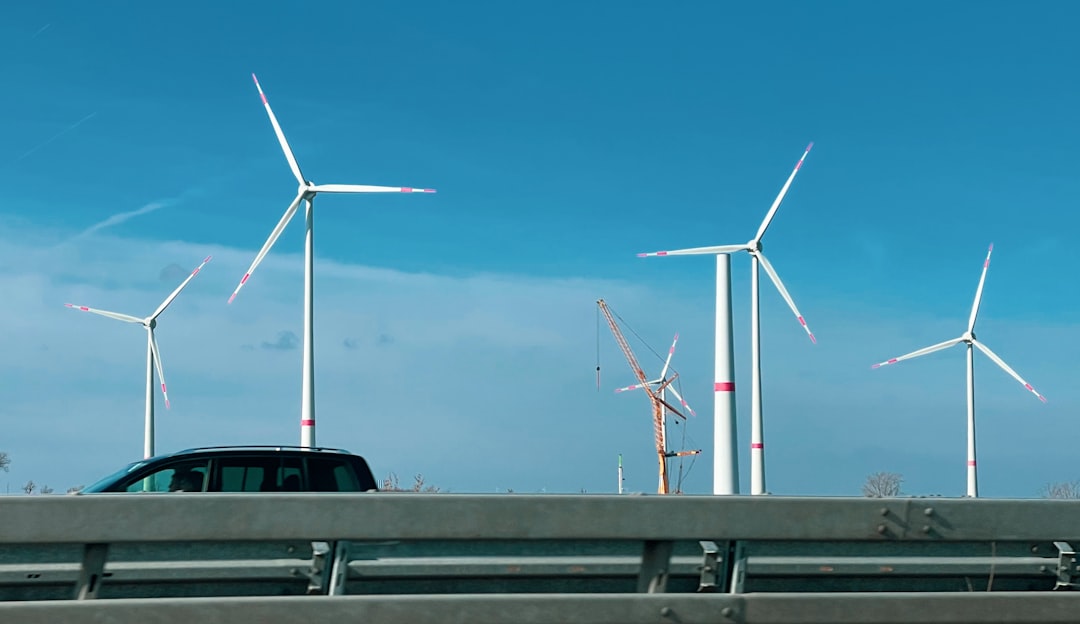
Desperate times call for bold climate solutions—like reforestation, geoengineering, or large-scale renewable energy projects. But what unintended consequences might arise? AI-powered ecosystem simulations let scientists test these interventions virtually, revealing risks and rewards before real-world rollout. This trial-and-error in silico helps avoid costly mistakes and maximizes benefits for the environment and society.
Guiding Policy With Data-Driven Insights
Governments face tough choices about land use, resource management, and conservation funding. AI provides the hard evidence needed for smart decisions. By modeling scenarios and predicting outcomes, AI helps policymakers set priorities, measure success, and adapt to new realities. This data-driven approach is slowly replacing guesswork with informed action, boosting hope for sustainable futures.
Inspiring a New Generation of Eco-Innovators
Perhaps the most exciting impact of AI in ecology is its power to inspire. Students, inventors, and dreamers worldwide are drawn to this fusion of technology and nature. Competitions, open-source projects, and online platforms invite fresh minds to tackle environmental puzzles. The result? New ideas, unexpected solutions, and a growing movement for planetary stewardship.
Facing the Unknown: Limits and Hopes of AI in Ecology
As breathtaking as AI’s advances are, it’s important to recognize its limits. Nature is full of surprises, and no model can capture every nuance. Yet, AI is already proving to be an indispensable ally in safeguarding our planet. Its greatest strength may be its ability to spark curiosity, accelerate discovery, and unite people in the urgent quest to understand and protect Earth’s living tapestry.
The fate of our ecosystems hangs in the balance, and artificial intelligence is now part of the story. As we stand at this crossroads, one question echoes: What future will we choose for our planet—and how will we use these extraordinary new tools to shape it?