Did you know that every hour, a species quietly slips closer to extinction—often without the world ever learning its name? Endangered Species Day isn’t just about the famous faces like tigers and pandas. It’s also a time to pull back the curtain on the silent, overlooked animals whose stories rarely make headlines. These creatures, with their unique quirks and vital roles in their ecosystems, are vanishing right under our noses. Their loss is not just a tragedy for nature, but a blow to the intricate web that sustains all life. Meet the forgotten inhabitants of our planet—creatures so rare and mysterious, you may never have heard of them, but their stories will leave you awestruck, inspired, and maybe even a little heartbroken.
The Saola: Asia’s Mysterious “Asian Unicorn”
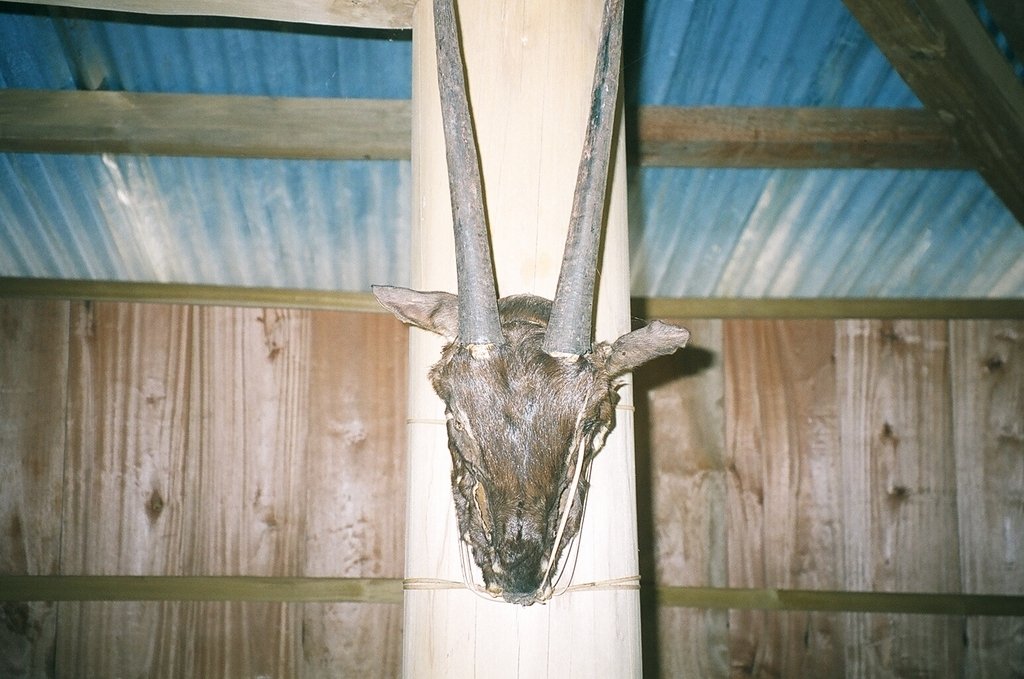
Hidden deep within the misty Annamite Mountains of Vietnam and Laos lives the saola, a gentle, antelope-like animal so elusive that scientists call it the “Asian Unicorn.” First discovered only in 1992, this creature is so rare that fewer people have seen a saola in the wild than have walked on the moon. With its long, straight horns and delicate white facial markings, the saola is a symbol of beauty and fragility. Tragically, habitat loss and poaching have pushed its numbers to the brink. Conservationists race against time, as even the forests that shelter this ghostly animal are shrinking every year. Despite its mythical nickname, the saola’s fate is heartbreakingly real—and uncertain.
The Vaquita: The World’s Rarest Marine Mammal

Off the coast of Mexico’s Baja Peninsula, the vaquita—smallest of all porpoises—clings to survival in the murky waters of the Gulf of California. With large, soulful eyes and a shy demeanor, this “panda of the sea” is vanishing at a terrifying rate. Scientists estimate fewer than ten individuals remain, mostly due to illegal fishing nets set for another endangered species, the totoaba. The vaquita’s struggle is a race against extinction, and efforts to save it have become a symbol of both hope and heartbreak in marine conservation. Despite their tiny size, their loss would leave a gaping hole in the ocean’s delicate balance.
The Kakapo: The Night Parrot of New Zealand
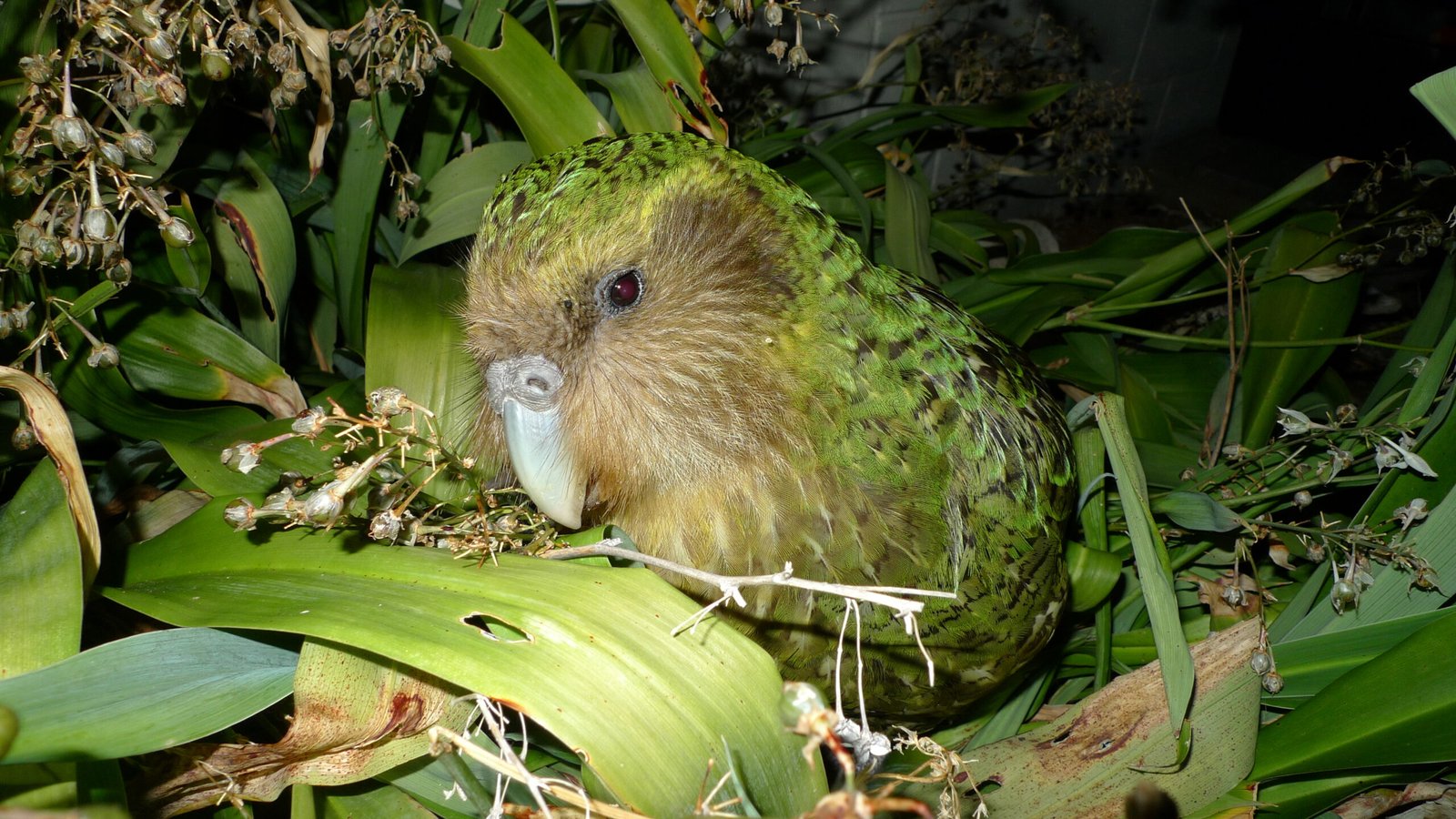
Imagine a parrot that cannot fly, is nocturnal, and smells faintly of honey. That’s the kakapo, one of the world’s rarest and most unusual birds. Once abundant across New Zealand, these moss-green parrots were nearly wiped out by introduced predators. Today, fewer than 250 kakapos survive, each with its own name and closely monitored by conservationists. Their comical, waddling gait and endearing personalities have made them beloved ambassadors for endangered species. The kakapo’s story is a testament to the power of human intervention—sometimes, it takes a village to save a single bird.
The Gharial: India’s River Guardian
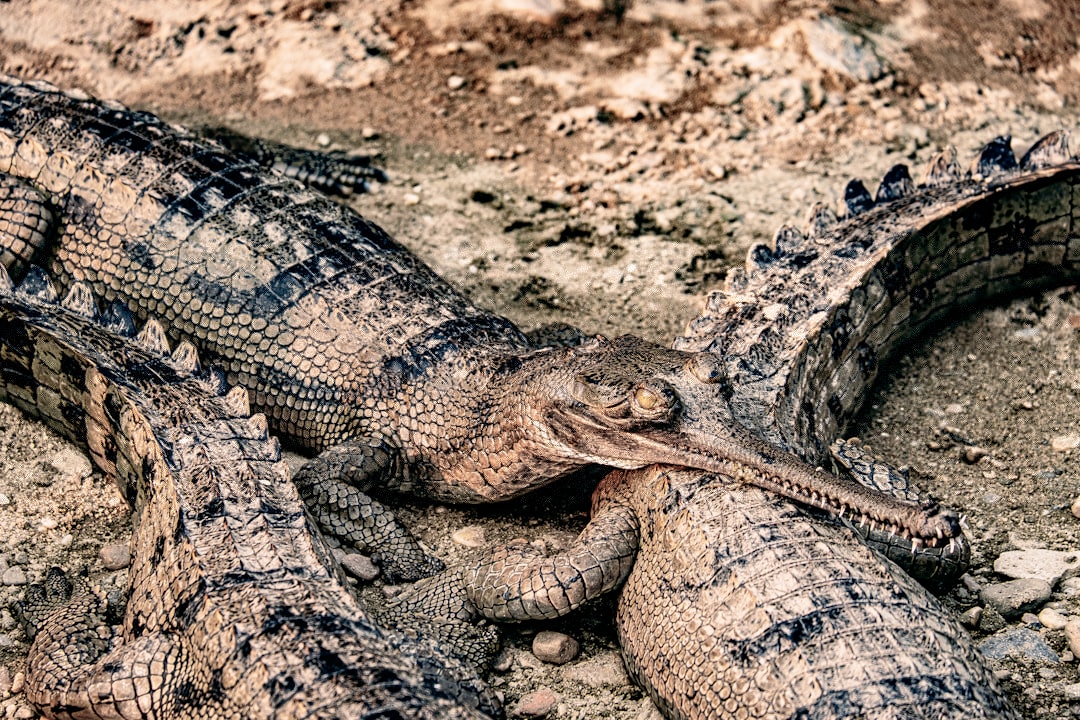
The gharial, with its long, slender snout and toothy grin, looks like something out of a prehistoric dream. This critically endangered crocodilian once thrived in the rivers of India and Nepal, but now only a few hundred cling to existence. Their unique jaws are perfectly adapted for catching slippery fish, making them vital for healthy river ecosystems. Yet, dams, pollution, and sand mining have devastated their habitat, pushing them to the edge. The gharial’s plight is a stark reminder of how river health and wildlife survival are deeply intertwined.
The Javan Rhino: A Forest Phantom
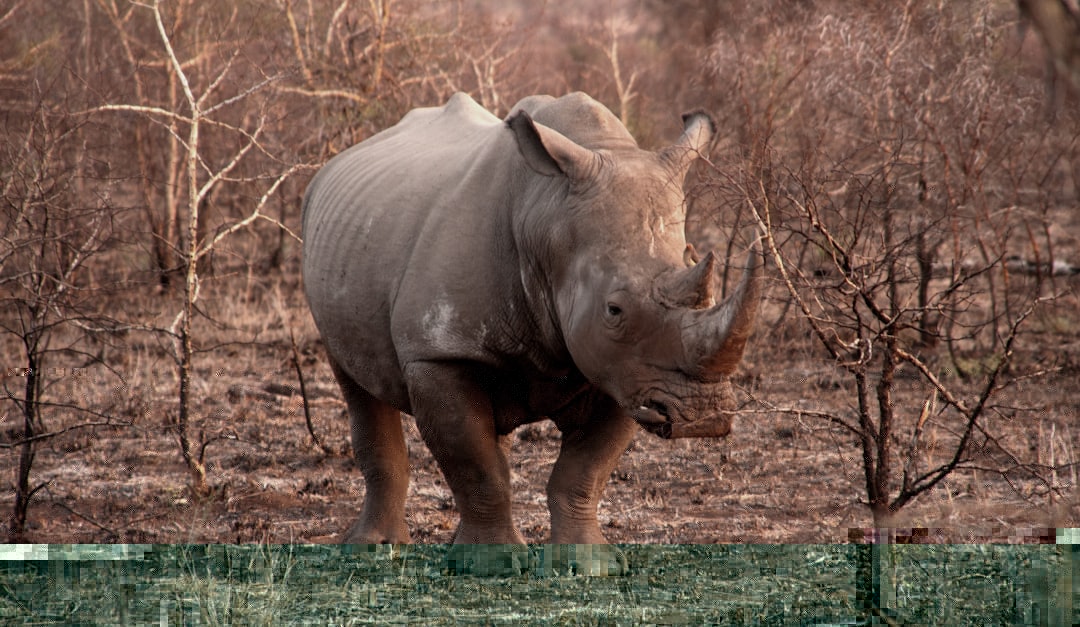
The Javan rhino is the world’s most endangered large mammal, with only about 70 individuals left—all confined to a single park in Indonesia. Unlike its African cousins, the Javan rhino is shy and rarely seen, blending seamlessly into the dense jungle. Its single horn and armor-plated skin evoke images of ancient battles, but today, its greatest enemies are habitat destruction and poaching. Each rhino’s survival is a small miracle, and their existence is a fragile thread holding together the story of their kind.
The Aye-Aye: Madagascar’s Misunderstood Lemur
If ever there were a creature straight out of folklore, it’s the aye-aye. With enormous ears, shocking yellow eyes, and an elongated, skeletal finger for extracting insects from wood, this nocturnal lemur has inspired both wonder and fear. Many local myths cast the aye-aye as a harbinger of doom, leading to its persecution. But this bizarre primate is a master of adaptation, and its survival is crucial for the health of Madagascar’s forests. As forests disappear, so does the chance to unravel the mysteries of this misunderstood marvel.
The Pangolin: The World’s Most Trafficked Mammal
Covered in tough, overlapping scales, the pangolin looks like a living pinecone. When threatened, it curls into a tight ball—a defense that tragically makes it easy prey for poachers. Pangolins are hunted for their meat and scales, prized in traditional medicine. This gentle, insect-eating mammal is vanishing faster than almost any other, yet most people have never heard its name. Saving the pangolin means changing hearts and minds across continents—a daunting but vital challenge.
The Axolotl: Mexico’s Smiling Salamander
The axolotl, with its feathery gills and perpetual grin, is more than just a social media star—it’s a symbol of resilience and regeneration. Native to the ancient lakes of Mexico City, this amphibian is capable of regrowing entire limbs, captivating scientists worldwide. But pollution and invasive species have decimated its habitat, leaving wild axolotls on the brink. Their survival depends on a delicate dance between science, culture, and conservation, as they teeter between wonder and oblivion.
The Northern Hairy-Nosed Wombat: Australia’s Hidden Treasure
Beneath the red soils of Queensland, the northern hairy-nosed wombat burrows a secret life. With only around 300 individuals left, this chubby, endearing marsupial is one of the world’s rarest mammals. Habitat loss and competition with livestock nearly spelled its end, but dedicated conservation efforts have sparked a slow recovery. The wombat’s story reminds us that even the most humble creatures can be worth fighting for—and that hope can emerge from the unlikeliest places.
The Gooty Sapphire Ornamental Tarantula: Jewel of the Forest
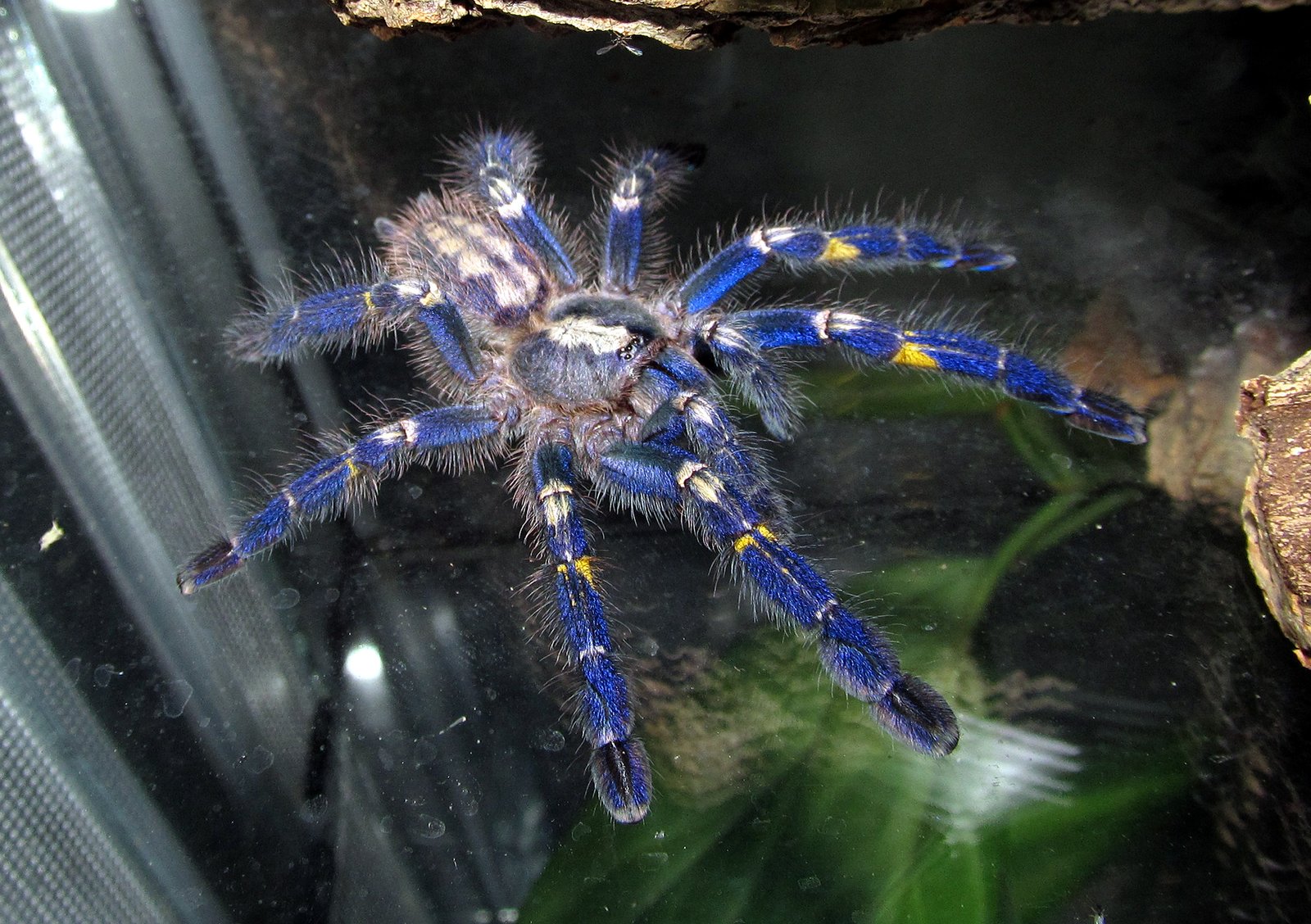
Draped in dazzling blue, the Gooty sapphire ornamental tarantula is a living gem. Found only in a tiny patch of Indian forest, this spider’s beauty has made it a target for the exotic pet trade. As its habitat shrinks, the species faces mounting pressure from collectors and deforestation. Despite its fearsome appearance, this tarantula plays a vital role in controlling insect populations. Its fate highlights the hidden dangers that beauty can bring in the wild.
The Olm: Europe’s Blind Cave Dweller
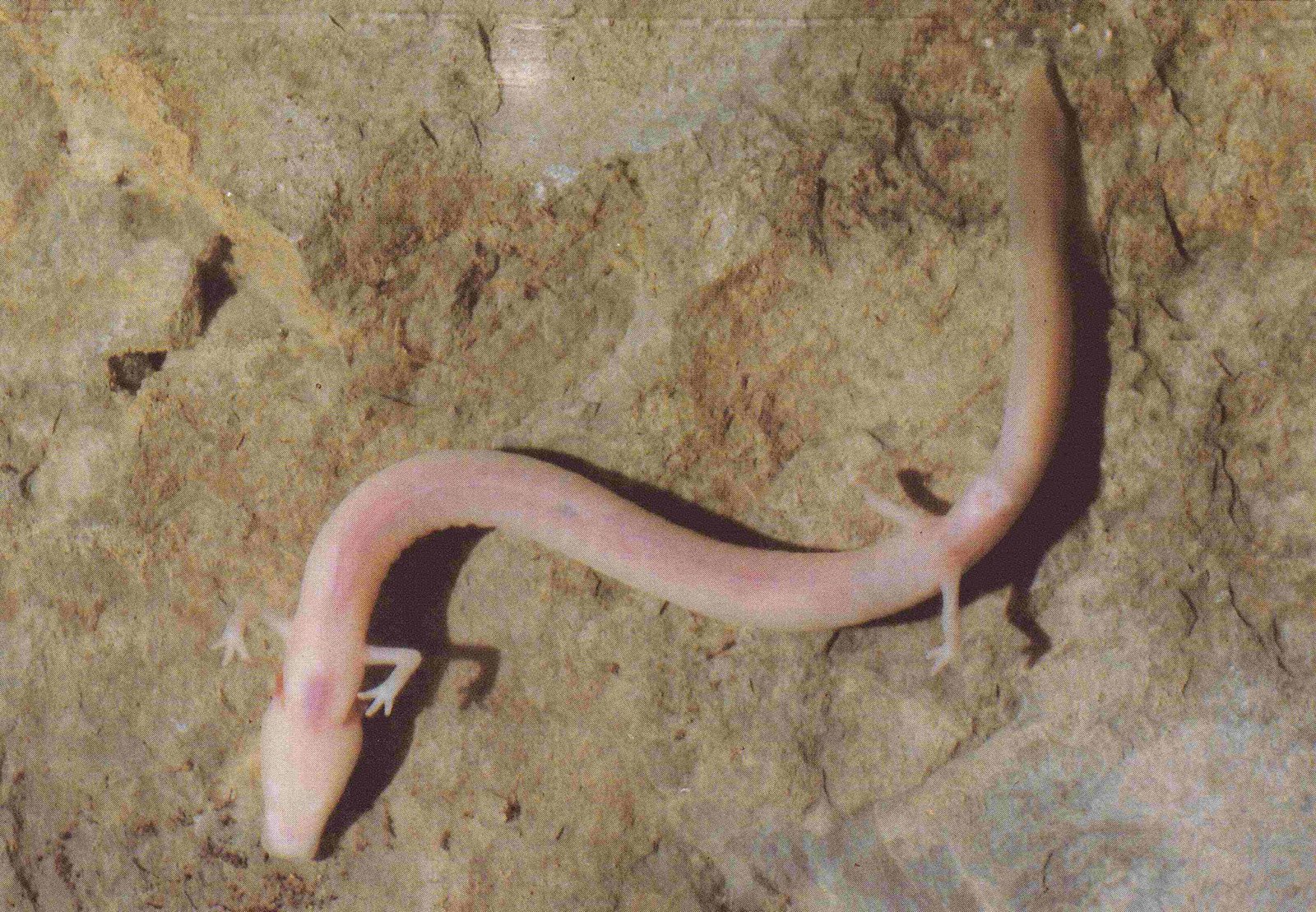
Deep beneath the limestone caves of the Balkans, the olm glides silently through subterranean streams. With pale, almost translucent skin and no eyes, this salamander is perfectly adapted to darkness. It can live for decades—some say even a century—without seeing daylight. Pollution and water extraction threaten its hidden world, making the olm a powerful symbol of the delicate balance in underground ecosystems.
The Red-Crested Tree Rat: The Rediscovered Ghost of Colombia
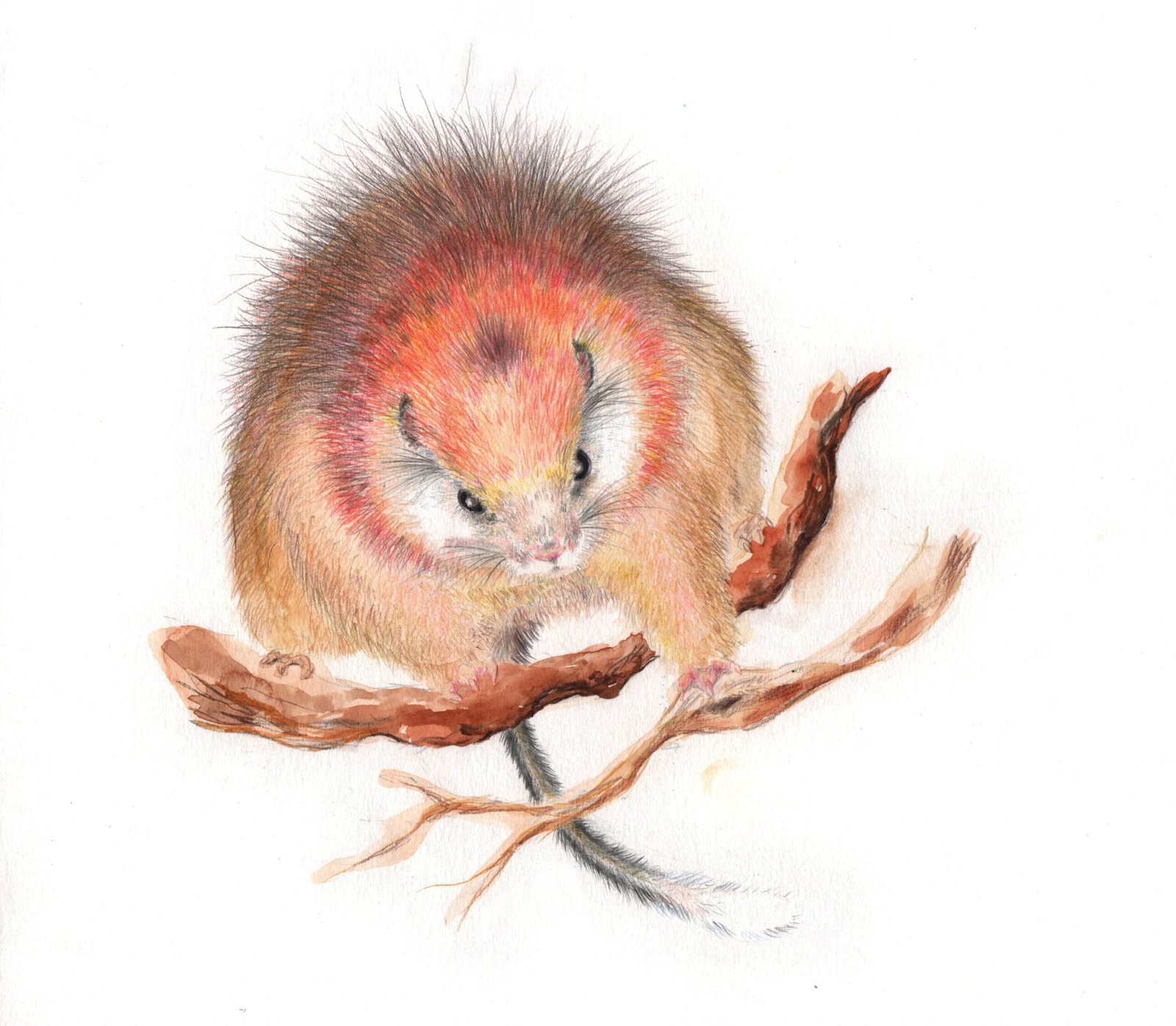
For nearly a century, the red-crested tree rat was lost to science, presumed extinct. Then, in 2011, it was miraculously rediscovered in a Colombian nature reserve. With its bushy red fur and gentle eyes, this nocturnal rodent is both adorable and mysterious. Its fragile forest home is under constant threat, and its reappearance is a bittersweet reminder that extinction is not always final—but second chances are rare and precious.
The Somali Sengi: The Long-Nosed Enigma
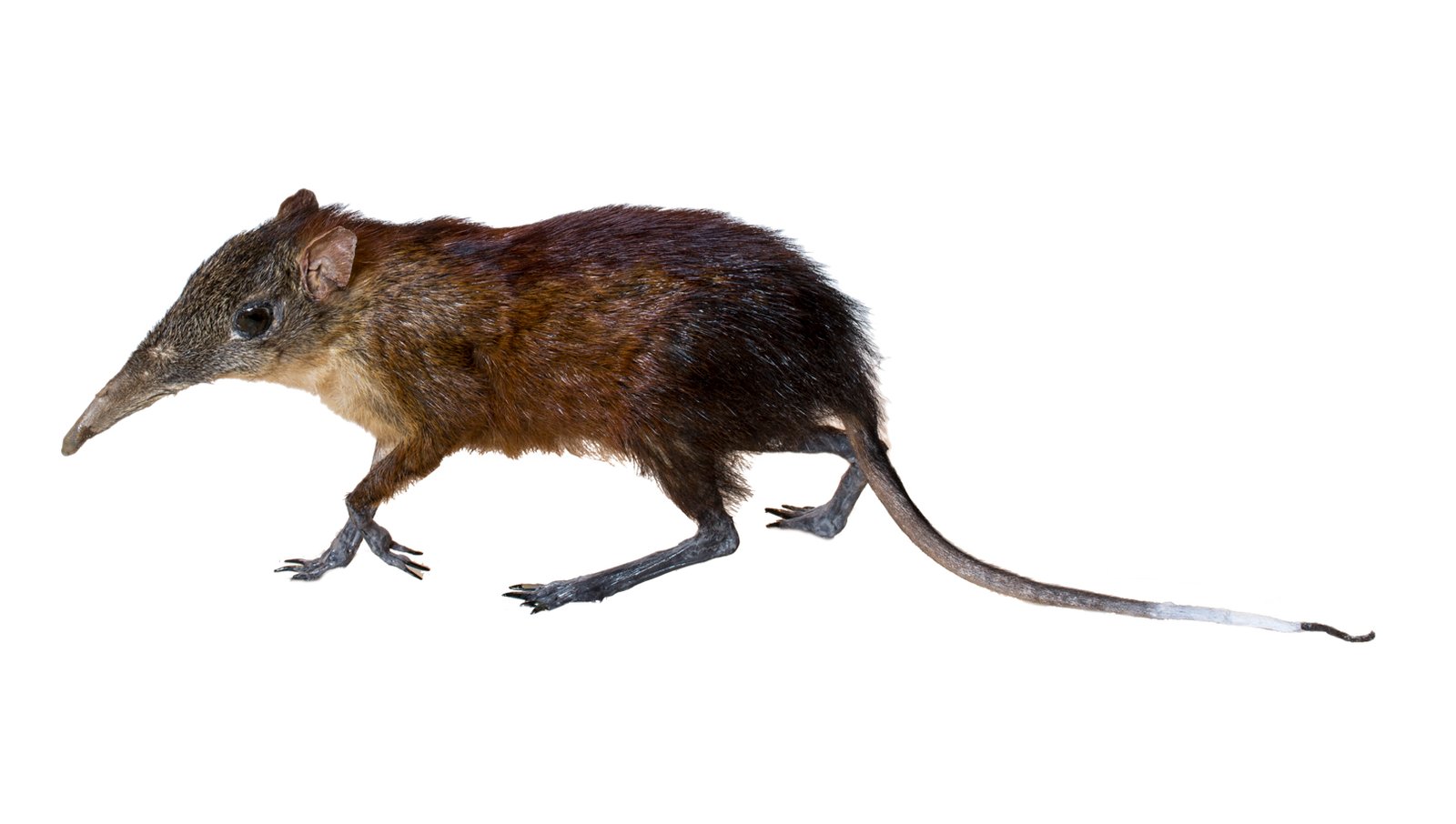
The Somali sengi, or “elephant shrew,” sports a long, twitchy nose and scampering legs that seem almost comical. For decades, this tiny mammal was thought to have vanished. In 2020, researchers rediscovered it darting among rocky outcrops in the Horn of Africa. Its survival hinges on the health of its arid habitat, and its rediscovery was a moment of pure scientific joy—a testament to nature’s resilience and the thrill of the unknown.
The Purple Frog: India’s Ancient Survivor
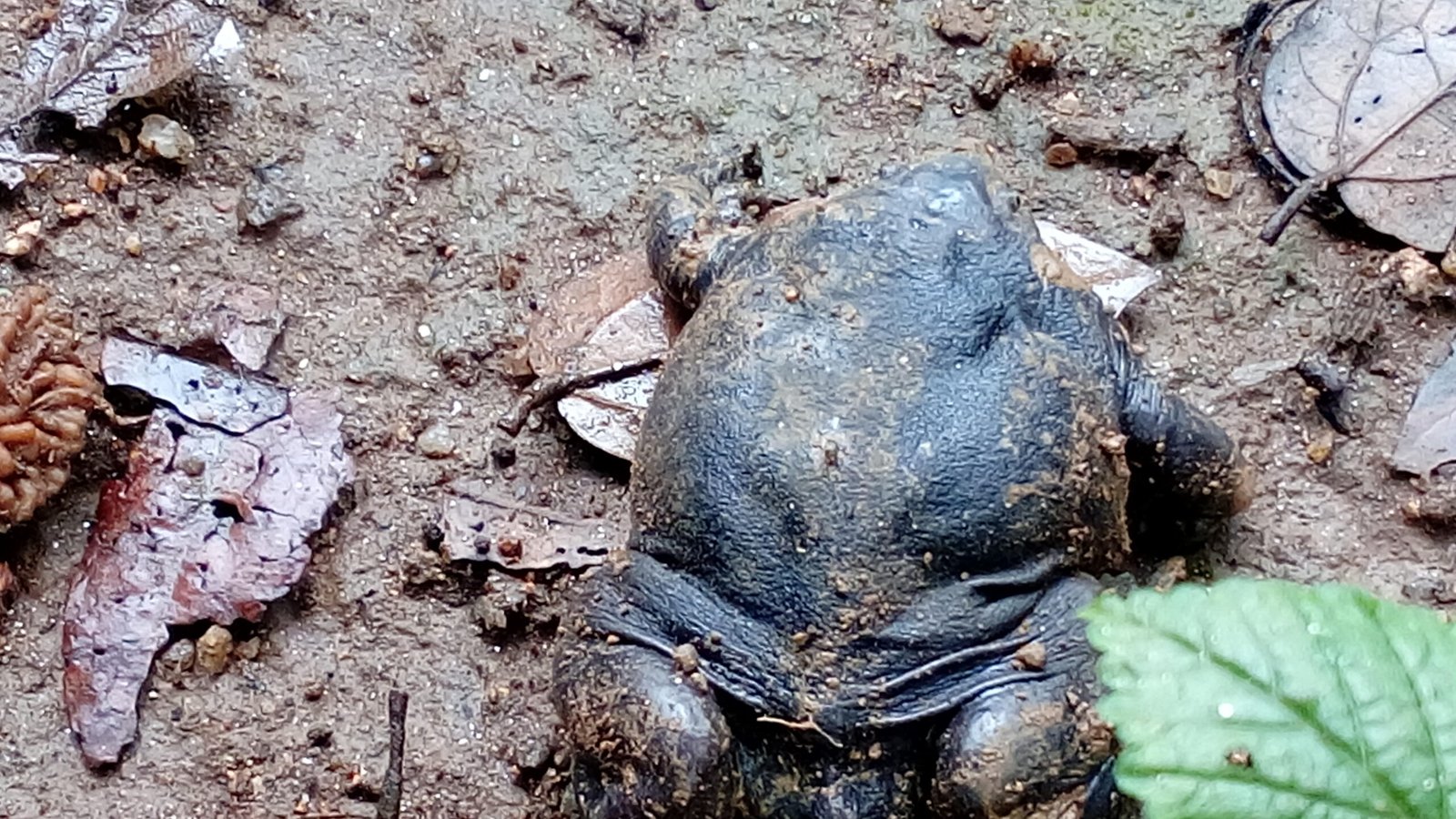
Buried underground for most of its life, the purple frog emerges only a few days each year to breed. With its bloated body and pointed snout, it looks more like a creature from another planet than a forest amphibian. This living fossil has survived since the age of dinosaurs, but deforestation threatens its last strongholds in the Western Ghats. The purple frog’s tale is a reminder that nature’s strangest stories are often the most vulnerable.
The Hirola: Africa’s Ghost Antelope
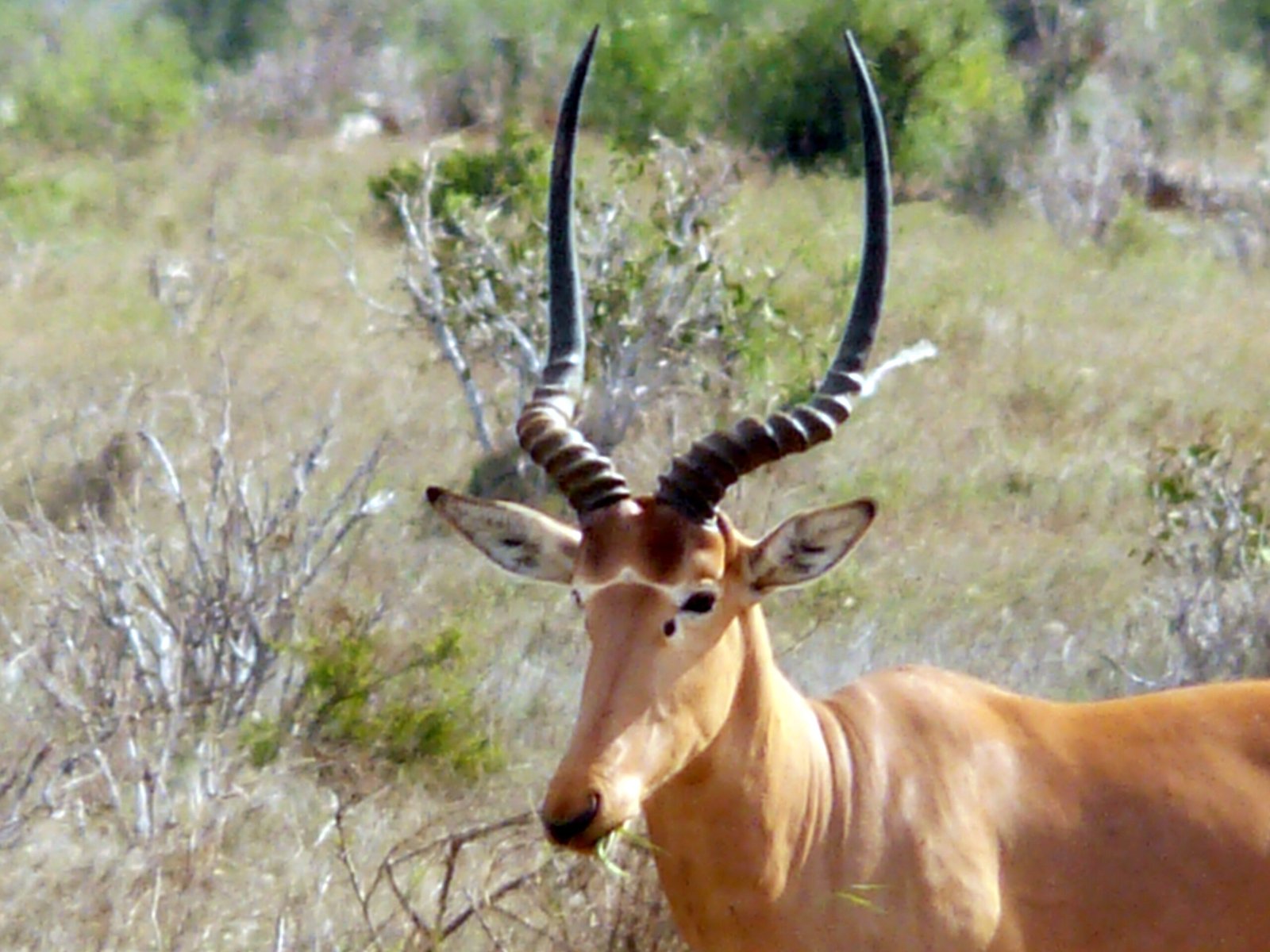
Once roaming the grassy plains of Kenya and Somalia, the hirola antelope now teeters on the brink, with fewer than 500 left. Known as the “four-eyed antelope” for its distinctive facial glands, the hirola is a symbol of East Africa’s vanishing wilderness. Disease, poaching, and habitat loss have pushed it to the edge. Conservationists work tirelessly to create protected areas, hoping to keep the hirola’s story from fading into legend.
The Chinese Giant Salamander: The Silent River Giant
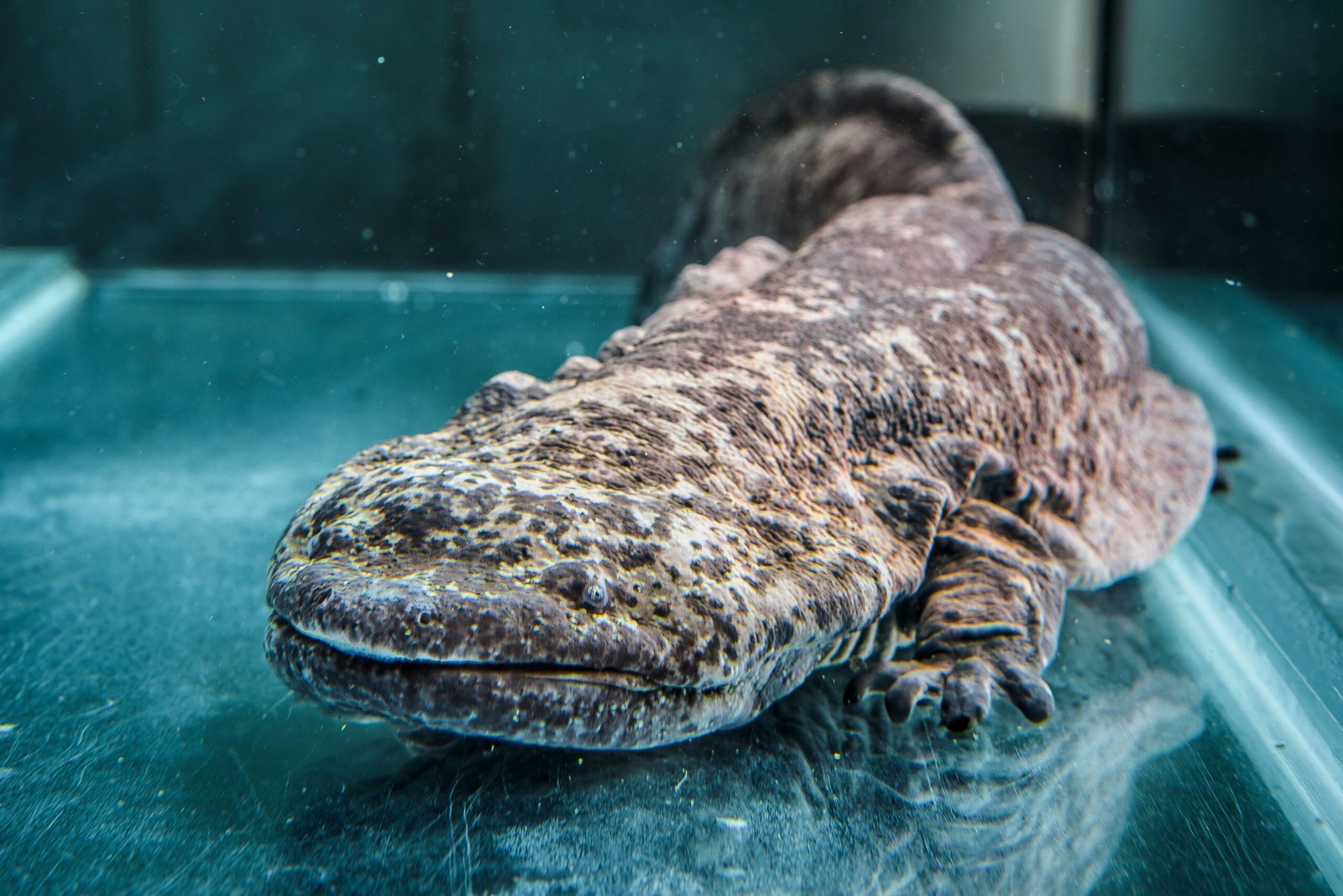
Stretching up to six feet long, the Chinese giant salamander is the world’s largest amphibian—and one of the most threatened. Its ancient lineage dates back millions of years, but modern threats like habitat destruction and illegal harvesting for food have decimated its numbers. This gentle river dweller is as impressive as it is vulnerable, embodying both the majesty and fragility of Earth’s freshwater ecosystems.
The Lord Howe Island Stick Insect: Lazarus of the Insect World
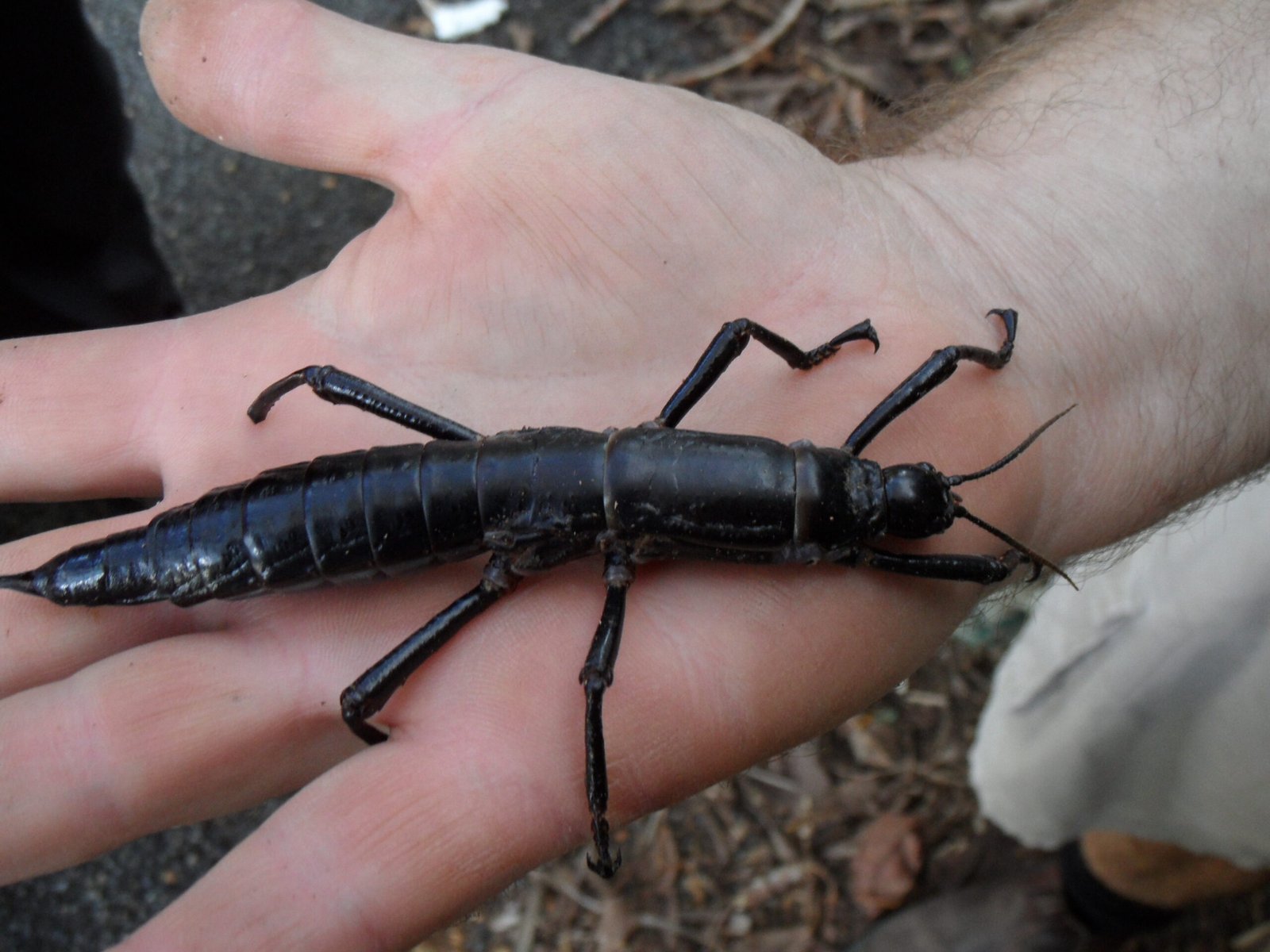
Declared extinct for decades, the Lord Howe Island stick insect, or “tree lobster,” was rediscovered on a rocky outcrop in the Pacific. As thick as a human finger and up to six inches long, it lived unseen for generations. Intensive breeding programs now offer hope for its return to its native home. The stick insect’s dramatic resurrection from extinction is a beacon of hope for other lost species.
The Ploughshare Tortoise: Madagascar’s Golden Armor
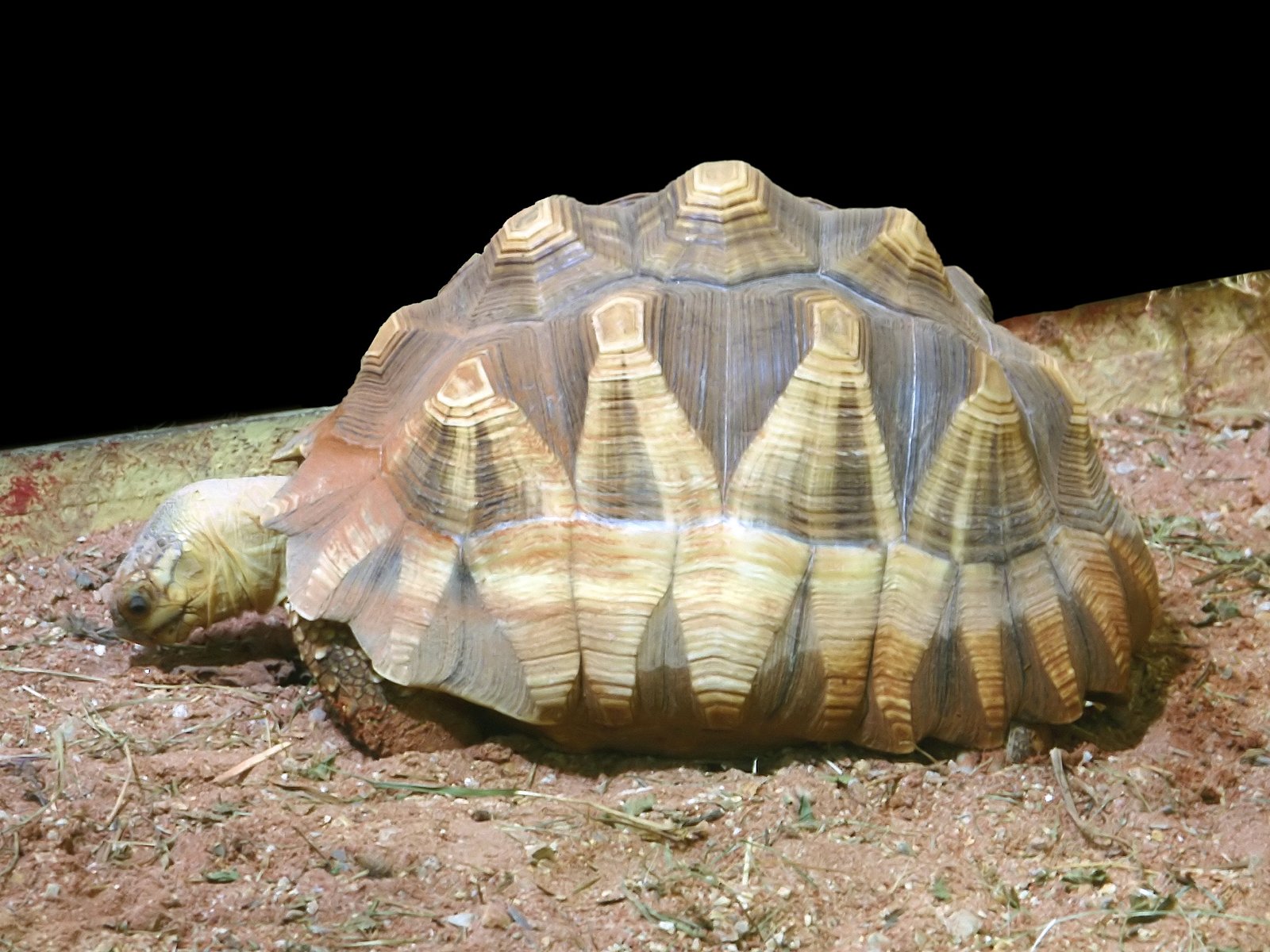
With its gleaming, golden shell, the ploughshare tortoise is a breathtaking sight. Native only to a tiny corner of Madagascar, it is relentlessly hunted for the illegal pet trade. Fewer than a hundred may remain in the wild. Conservationists work under constant threat from poachers, fighting to protect every last tortoise. The struggle to save the ploughshare is a dramatic example of the lengths we must go to preserve Earth’s rarest treasures.
The Cuban Greater Funnel-Eared Bat: Echoes in the Dark
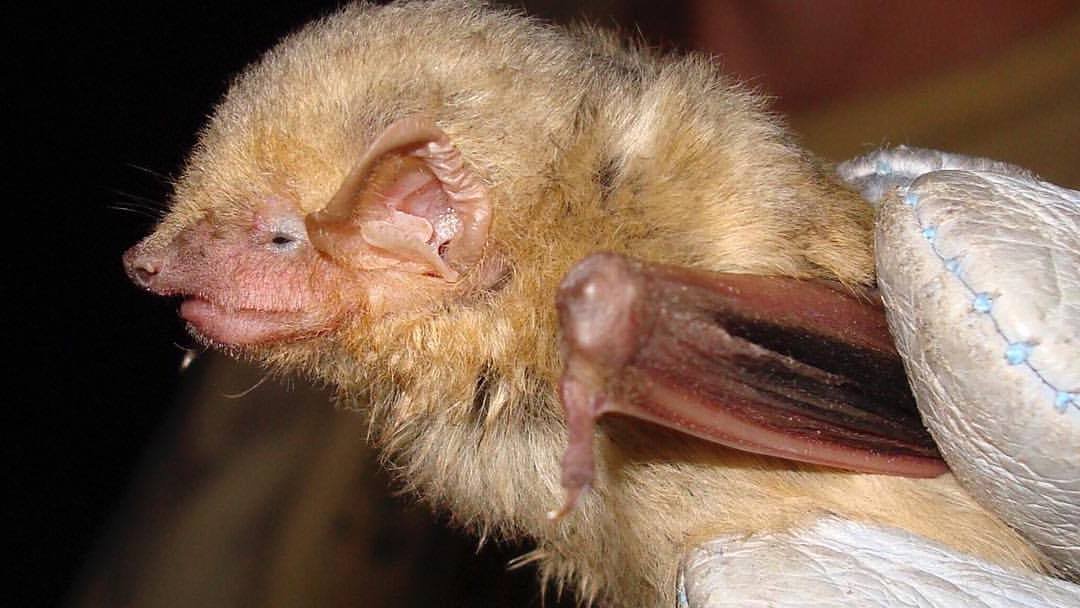
Hidden in a single cave in Cuba, the Cuban greater funnel-eared bat survives in a precarious world. Its oversized ears are perfect for catching faint sounds in the darkness, but its entire population could disappear with a single disaster. This bat is a vital insect-eater, helping to keep local ecosystems in balance. Its story is a quiet plea for the protection of the world’s most delicate habitats.
The Attenborough’s Pitcher Plant: The Deadly Beauty of the Highlands
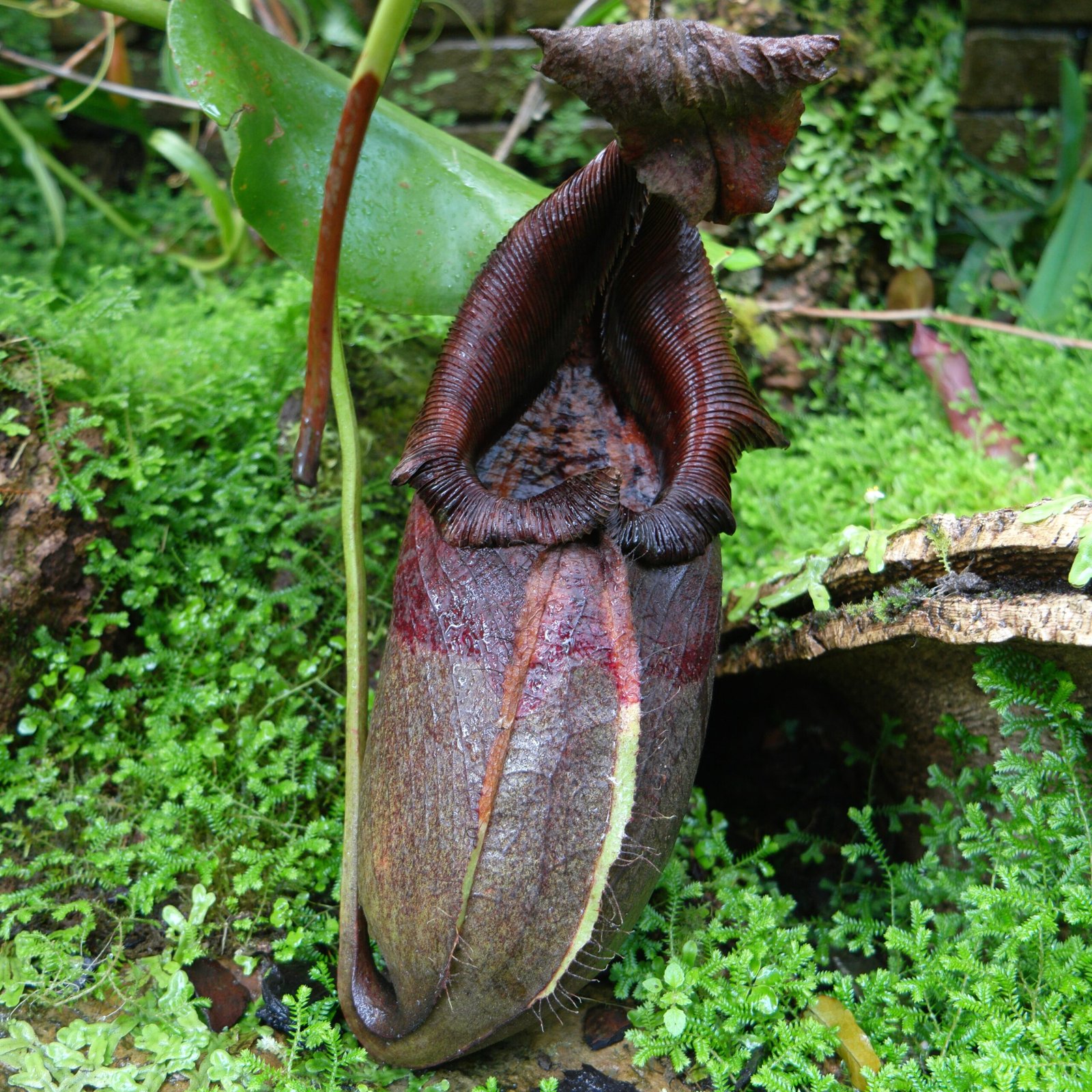
Named for the famed naturalist, Attenborough’s pitcher plant is both beautiful and deadly. Found only on a remote mountain in the Philippines, it traps insects—and even small animals—in its deep, nectar-filled cups. Habitat destruction puts this botanical wonder at risk, threatening not just the plant but the intricate web of life it supports. Its rarity and strangeness capture the imagination, showing that the plant world is just as vulnerable to extinction as the animal kingdom.
The Key Takeaway: Why Forgotten Species Matter
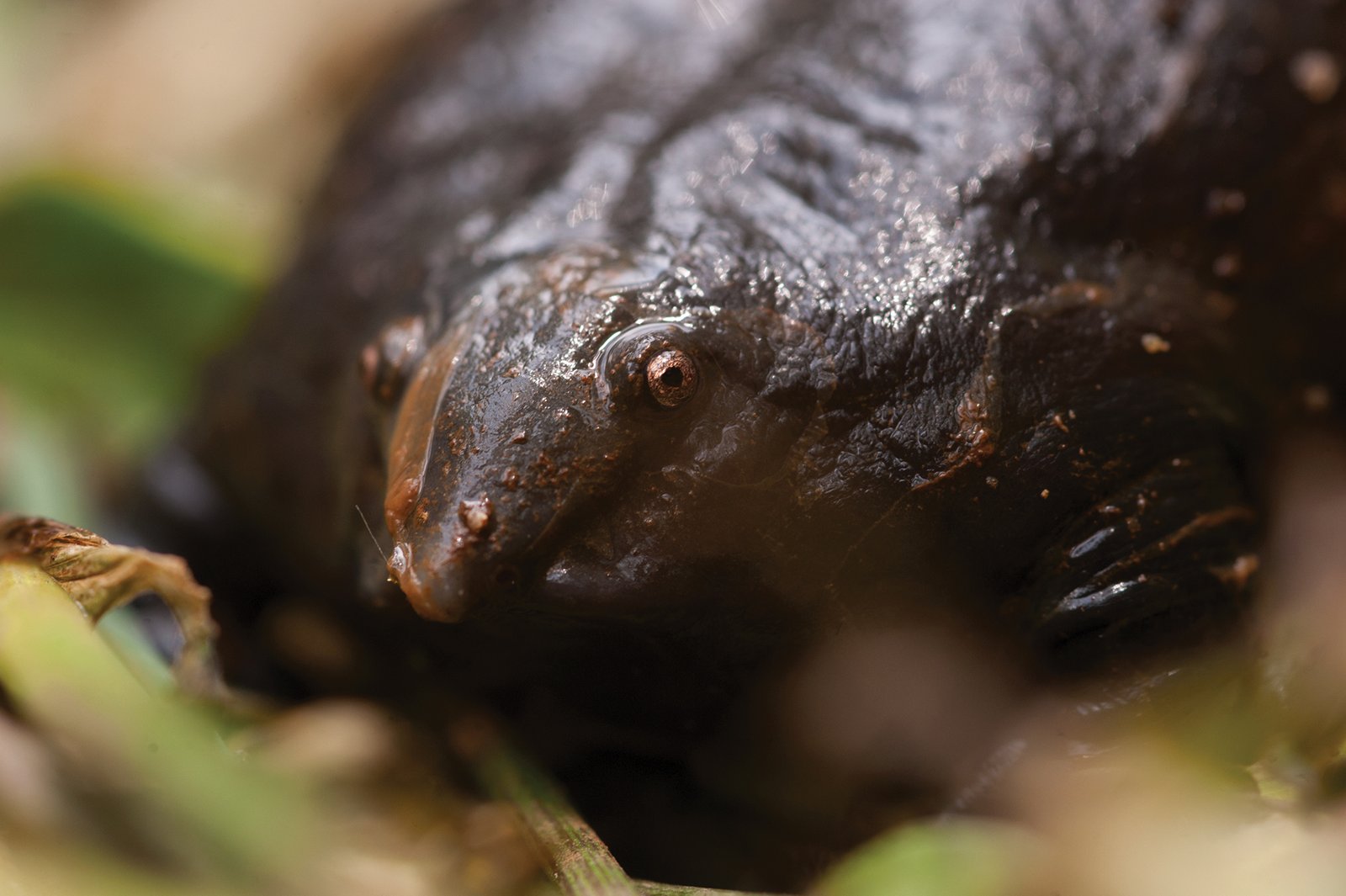
The world’s most endangered creatures aren’t always the ones we see in documentaries or on fundraising posters. Often, they are the overlooked, misunderstood, or downright bizarre species quietly holding ecosystems together. Each forgotten animal, bird, insect, or plant plays a unique role, and their loss can trigger ripple effects across entire habitats. Protecting them isn’t just about morality—it’s about survival, resilience, and respecting the extraordinary diversity of life. As we mark Endangered Species Day, the question lingers: If we don’t fight for these forgotten creatures, who will?