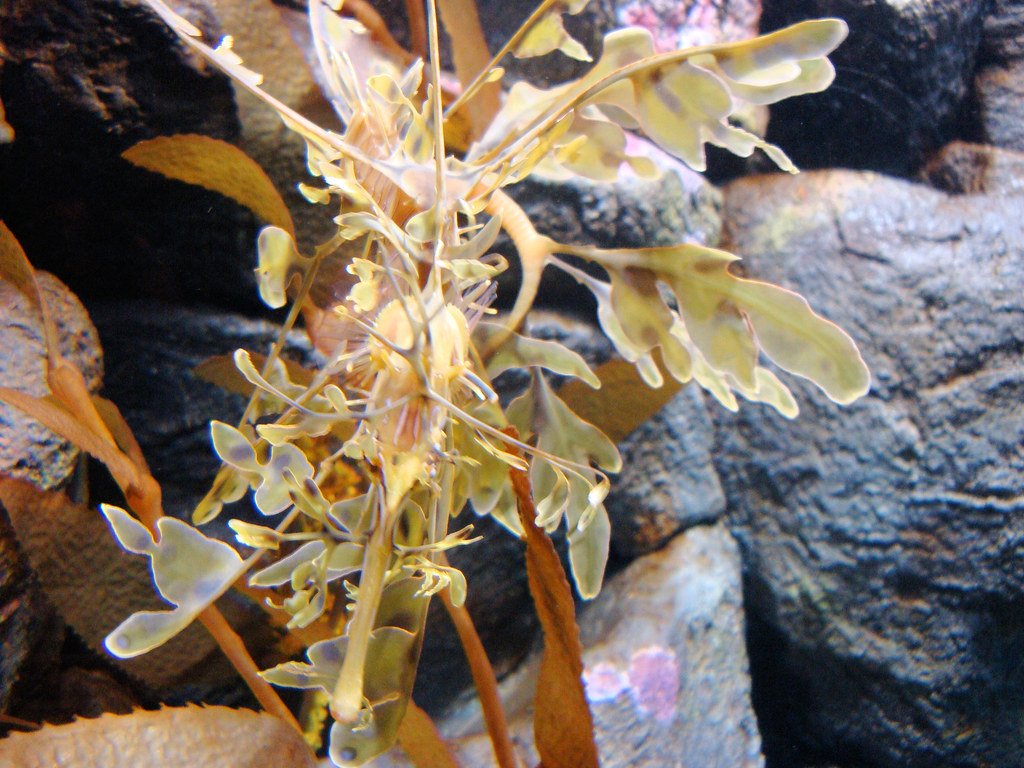

Imagine drifting through a sun-dappled kelp forest, only to discover that what you thought was a floating tangle of seaweed is actually a living, breathing creature. The leafy sea dragon, with its flamboyant fronds and mesmerizing movements, is one of nature’s greatest illusions—and one of its most enchanting mysteries. With every gentle sway, these master camouflagers challenge the boundaries between reality and imagination, pulling us into a world brimming with wonder, delicate romance, and urgent calls for protection.
The Magic of Leafy Sea Dragons
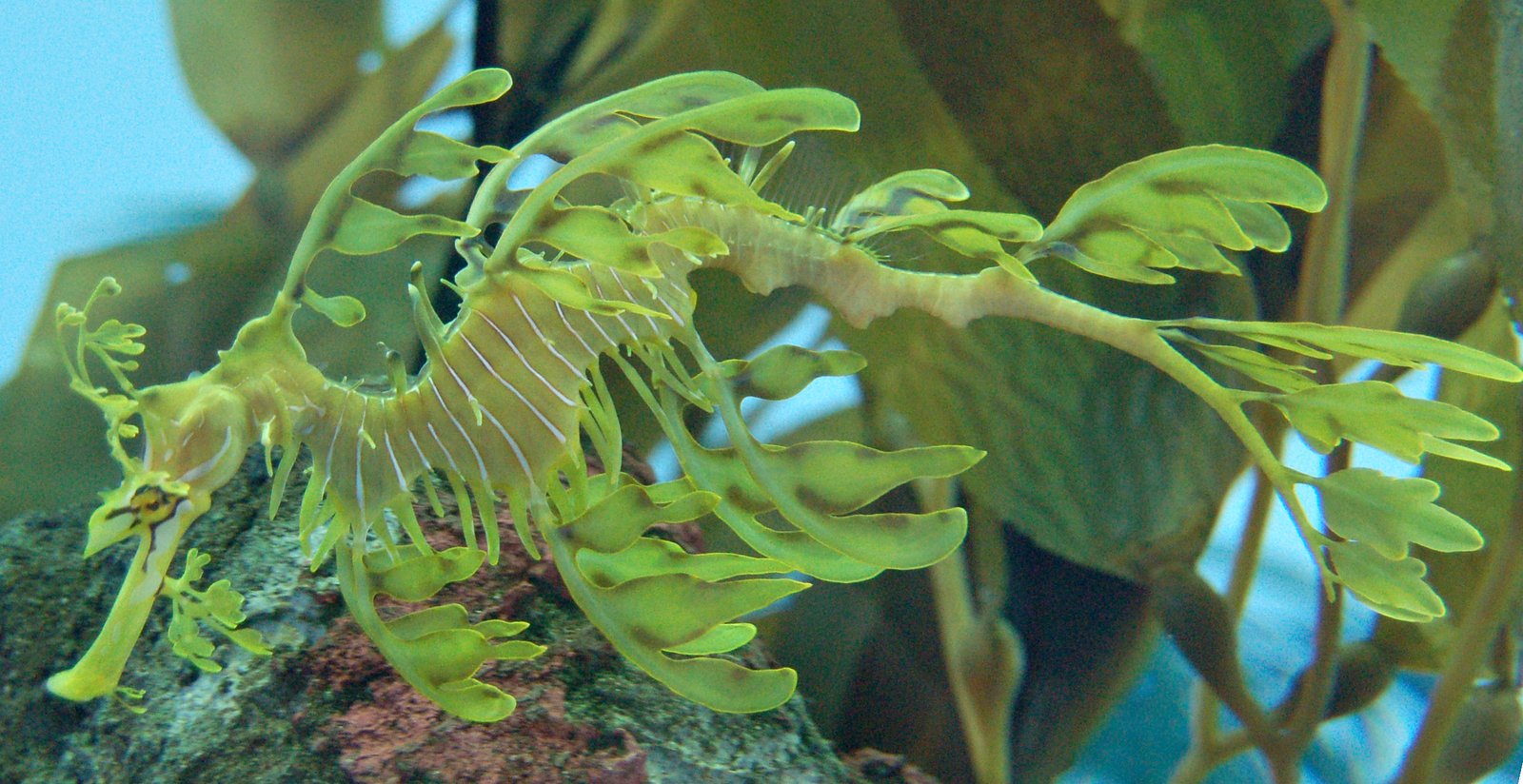
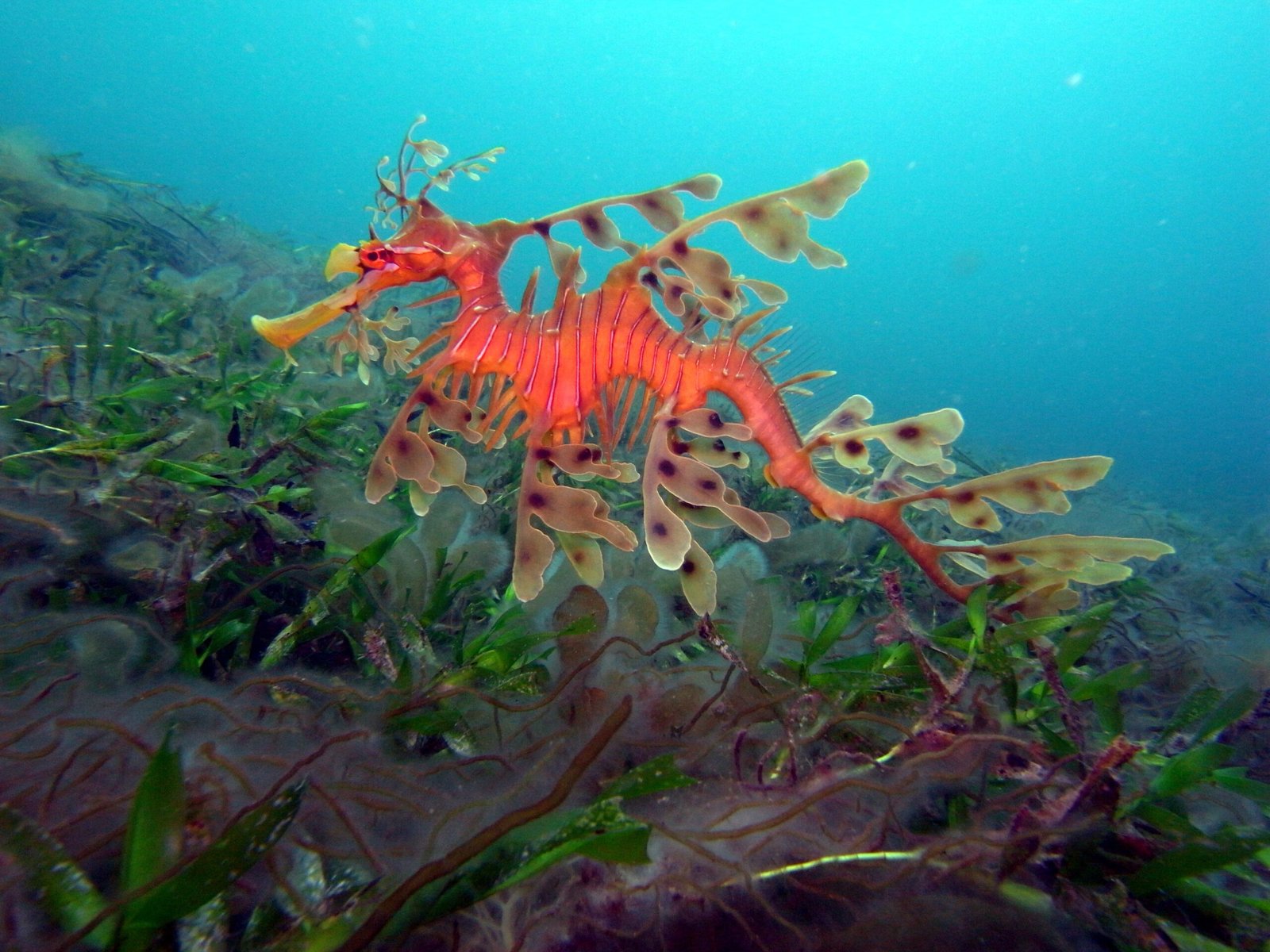
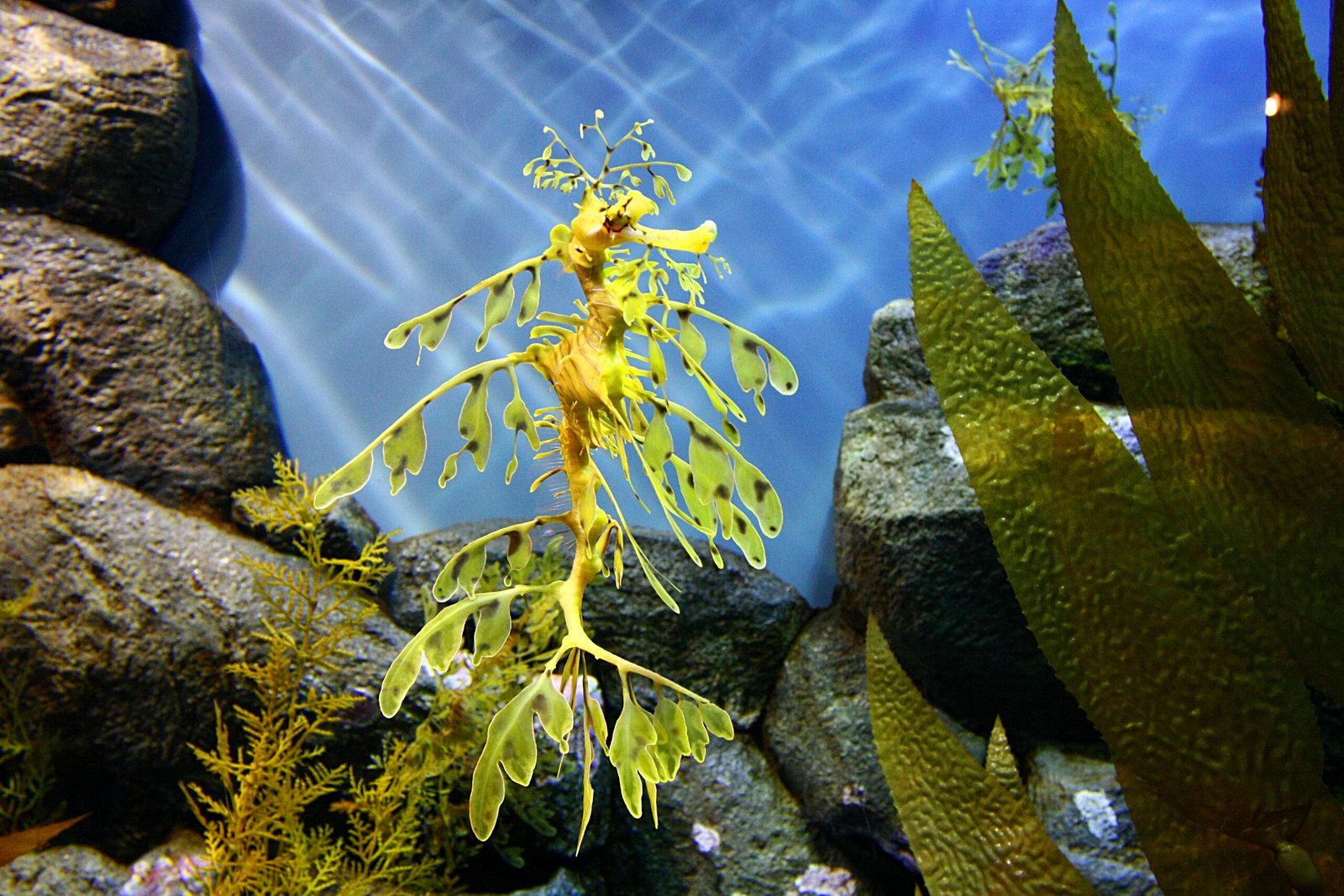
Leafy sea dragons are not your average fish. They look like underwater dragons straight out of a fairy tale, adorned with elaborate leaf-like appendages that flow gracefully in the water. These creatures belong to the Syngnathidae family, which also includes seahorses and pipefish. Their bodies are elongated and covered in fleshy, leaf-shaped protrusions that make them nearly invisible among seaweed and kelp. The first time someone spots a leafy sea dragon, there’s often a moment of disbelief—are they really alive? Their appearance is so striking that many divers describe their first encounter as magical, almost as if they have stumbled upon a living jewel of the ocean.
Origins and Habitat: Where Do They Live?
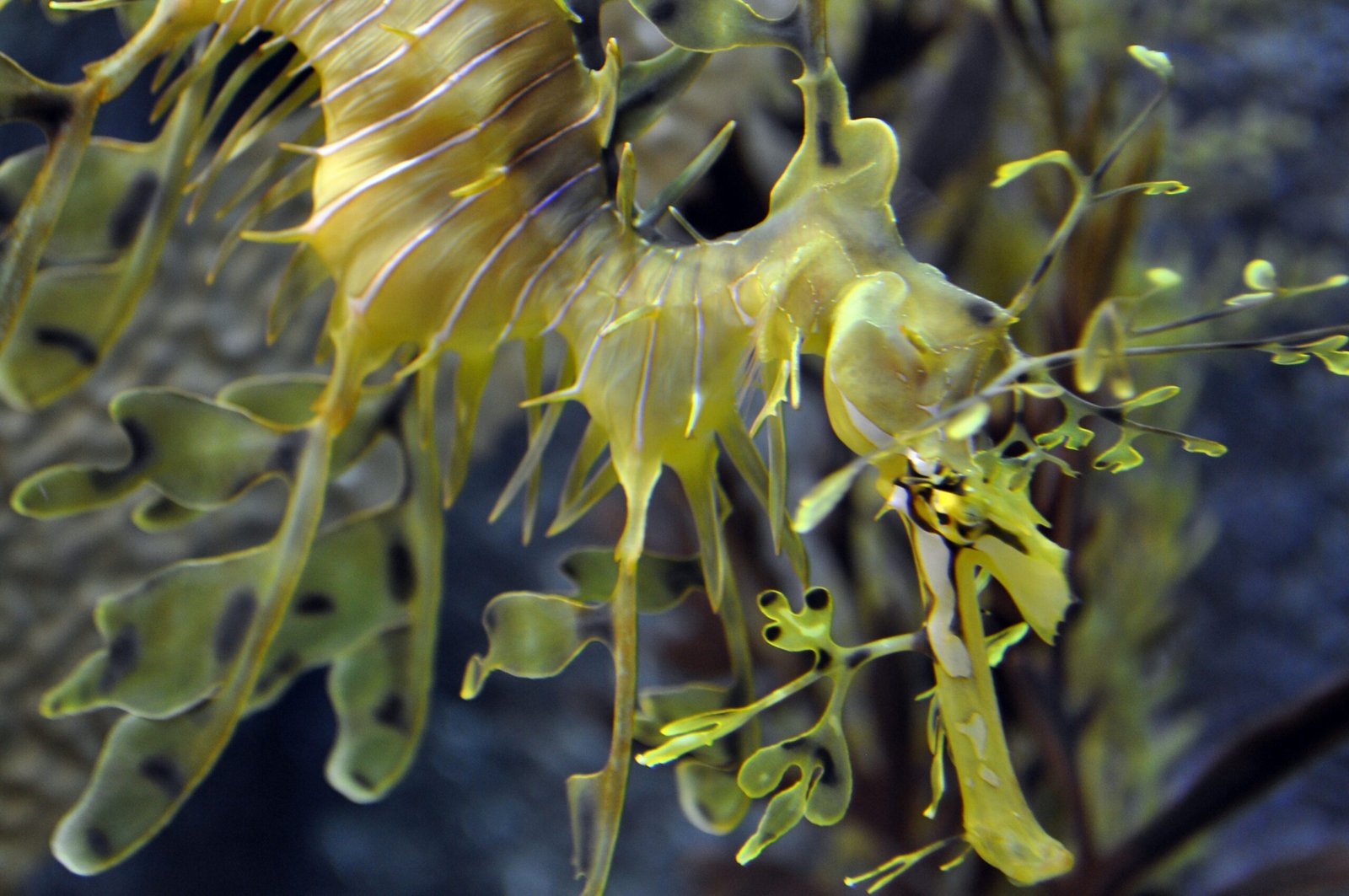
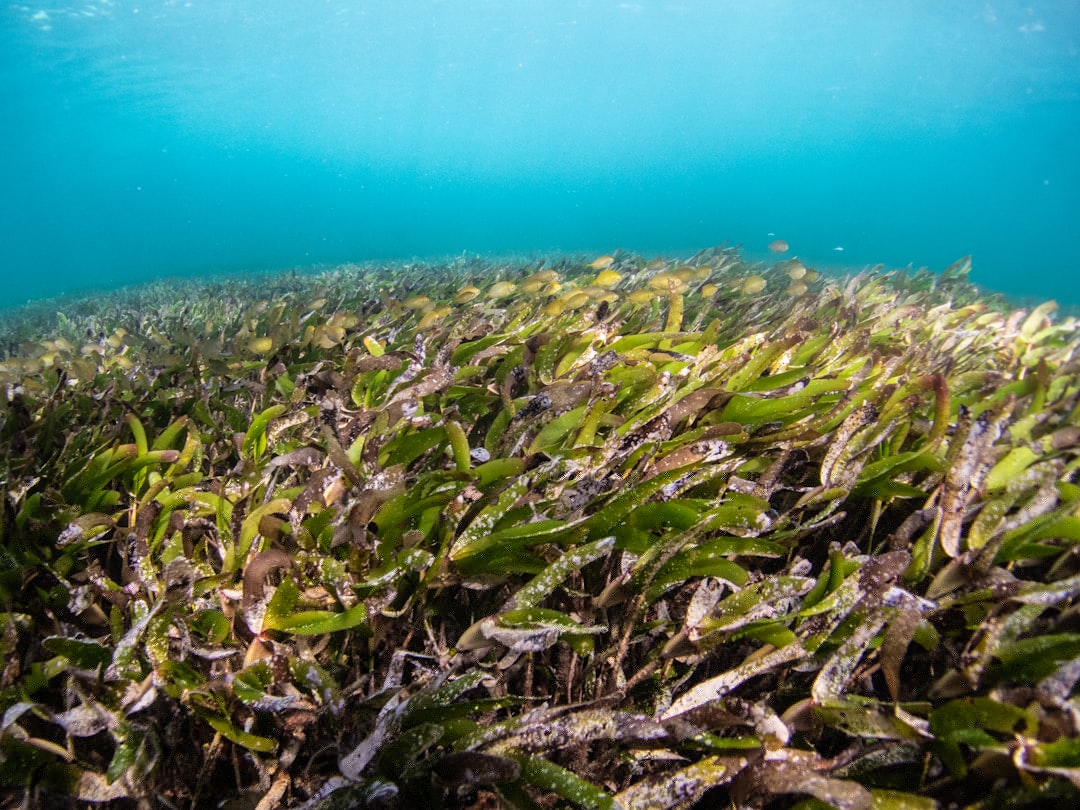
Leafy sea dragons are native to the temperate coastal waters of southern and western Australia. They thrive in areas with plenty of seaweed, seagrass, and kelp, as these environments offer both food and protection from predators. Unlike many marine species, leafy sea dragons are found only in a very narrow geographic range, making them unique to Australian waters. These dragons prefer shallow water, generally up to 50 meters deep, where sunlight filters through the seaweed canopy. Their limited distribution makes them especially vulnerable to changes in their habitat, and their survival is closely tied to the health of Australia’s marine ecosystems.
The Art of Disguise: Nature’s Greatest Camouflage
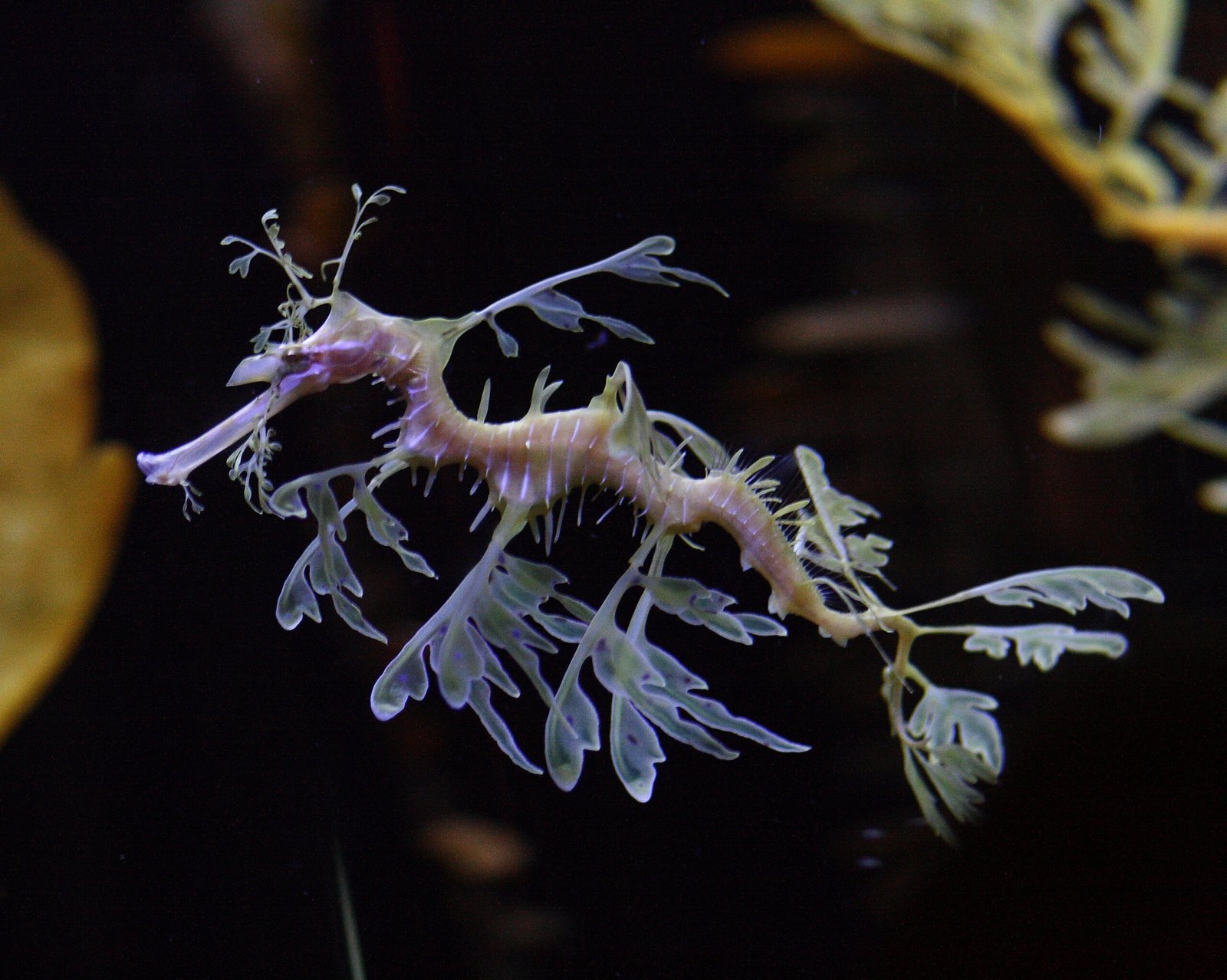
Camouflage is the leafy sea dragon’s greatest weapon. Their leafy appendages aren’t used for swimming but serve as a perfect disguise, allowing them to blend seamlessly into their surroundings. As they drift with the ocean currents, their bodies mimic the gentle swaying of seaweed, making them nearly invisible to predators and prey alike. This remarkable camouflage is so effective that even experienced divers can swim right past a leafy sea dragon without noticing. Scientists believe this disguise evolved as a defense mechanism, protecting these slow-moving creatures from hungry fish and other marine predators. The leafy sea dragon’s camouflage is a stunning example of how evolution crafts extraordinary solutions to the challenges of survival.
Swimming in Slow Motion: How They Move
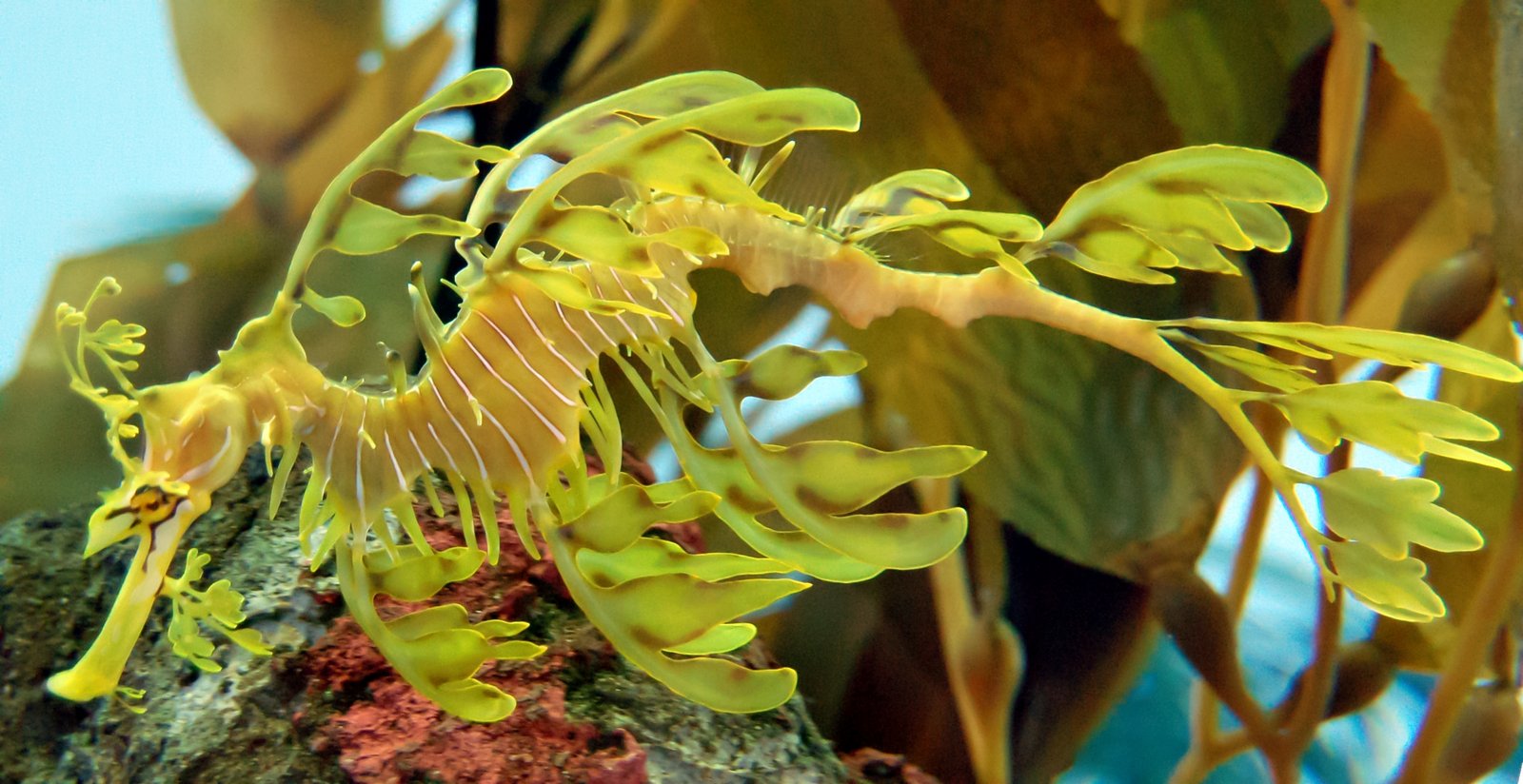
Despite their dragon-like appearance, leafy sea dragons are not fast swimmers. They propel themselves using small, nearly transparent fins—one on their back and another near their neck. These fins undulate rapidly, allowing the sea dragon to glide almost effortlessly through the water. Their movement is slow and gentle, perfectly matching the swaying of seaweed in the current. This slow-motion swimming helps maintain their disguise, as quick or erratic movements would make them more noticeable. Observing a leafy sea dragon in motion is like watching a living piece of seaweed come to life, a mesmerizing dance that is both beautiful and strategic.
Diet: Hunters in Disguise
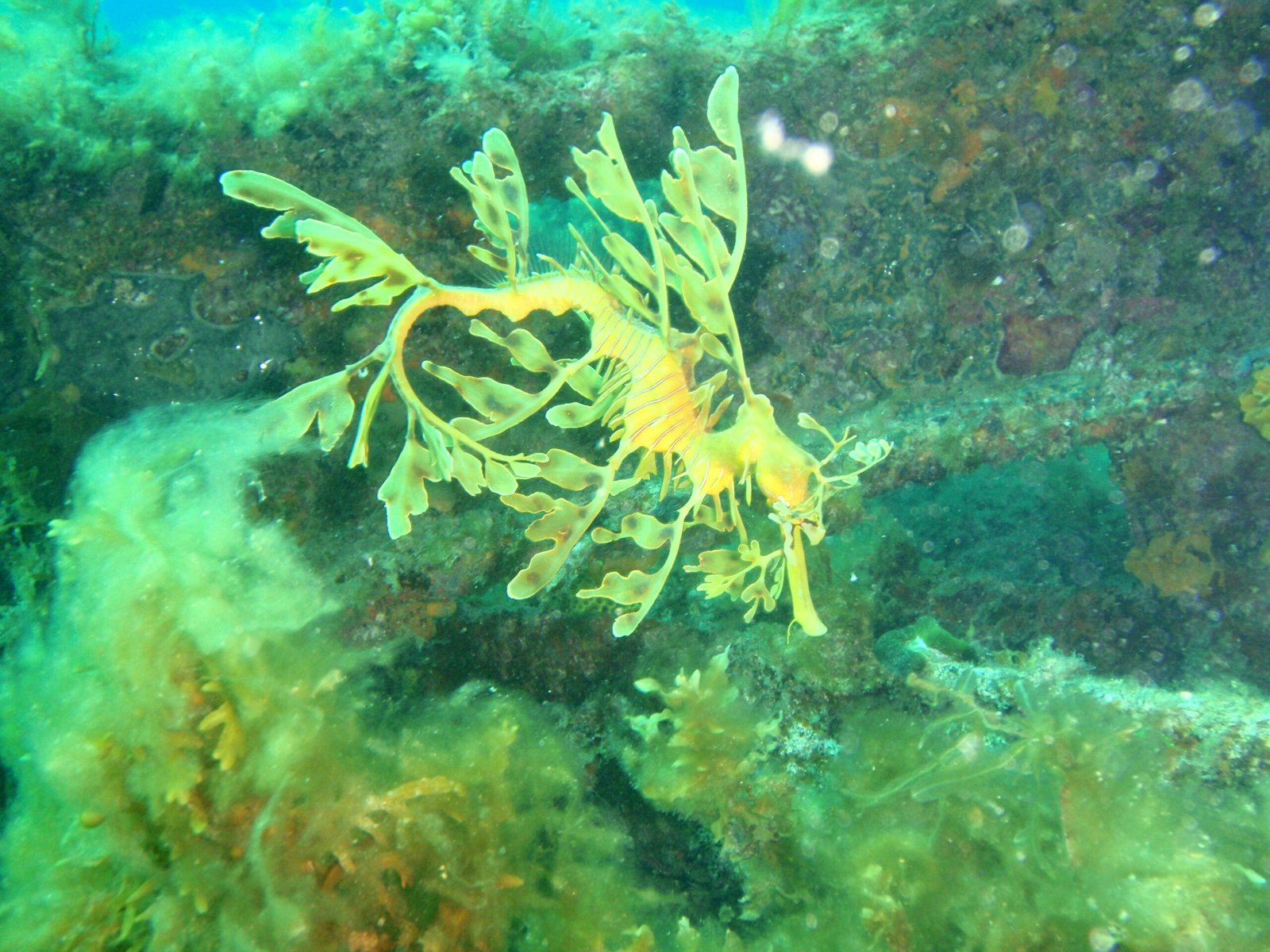
Leafy sea dragons may look delicate, but they are skilled hunters. They feed mainly on small crustaceans such as mysid shrimp, as well as plankton and larval fish. Instead of chasing their prey, they use stealth and patience, slowly approaching their target before sucking it up through their long, pipe-like snouts. Their mouths work like tiny vacuum cleaners, quickly slurping up unsuspecting prey. This hunting style suits their slow movements and minimizes the risk of exposing themselves to predators. The leafy sea dragon’s diet is closely linked to its habitat, relying on healthy seagrass beds and kelp forests teeming with the tiny creatures they need to survive.
Love Underwater: Magical Mating Rituals
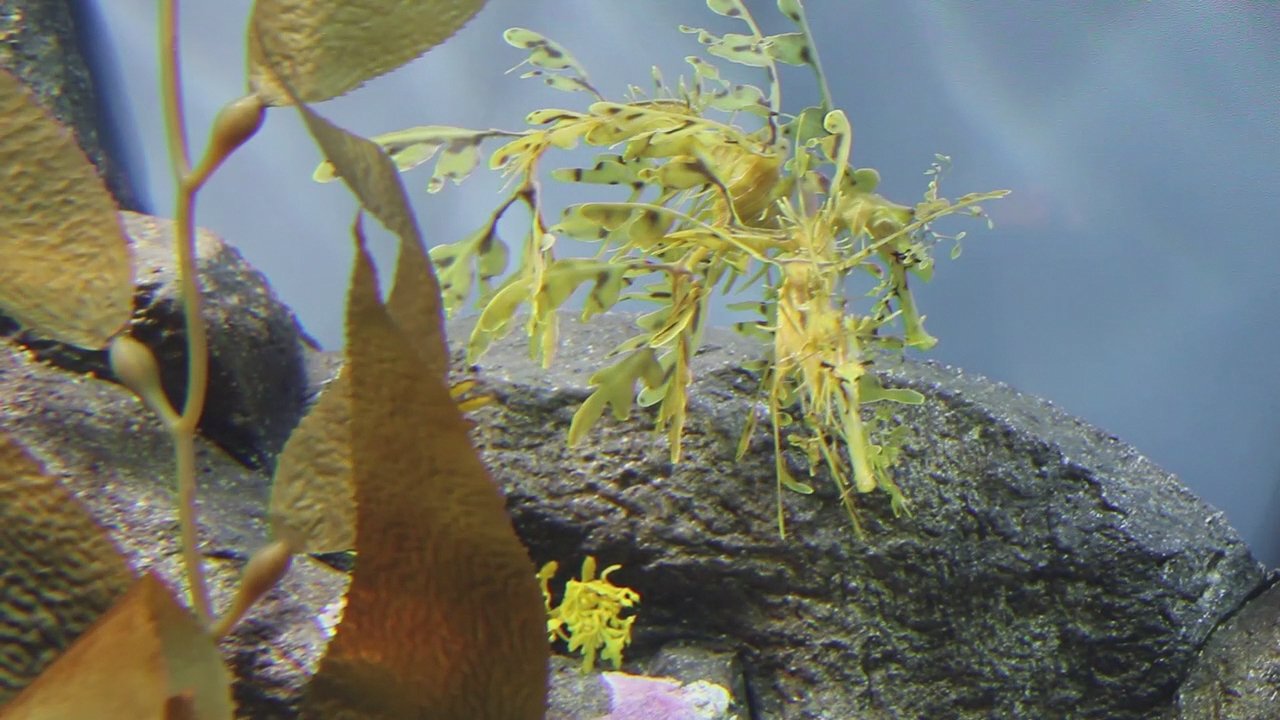
Courtship among leafy sea dragons is a breathtaking spectacle. During the breeding season, pairs engage in an elegant courtship dance, mirroring each other’s movements and gently intertwining their tails. This ritual can last for hours, and it strengthens the bond between the male and female. Once the dance is complete, the female deposits her eggs onto a special brood patch under the male’s tail. The male then fertilizes the eggs and carries them for up to six weeks, protecting them until they hatch. This reversal of parental roles is rare in the animal kingdom and highlights the tender, nurturing side of these mysterious creatures.
The Surprising Role of Sea Dragon Dads
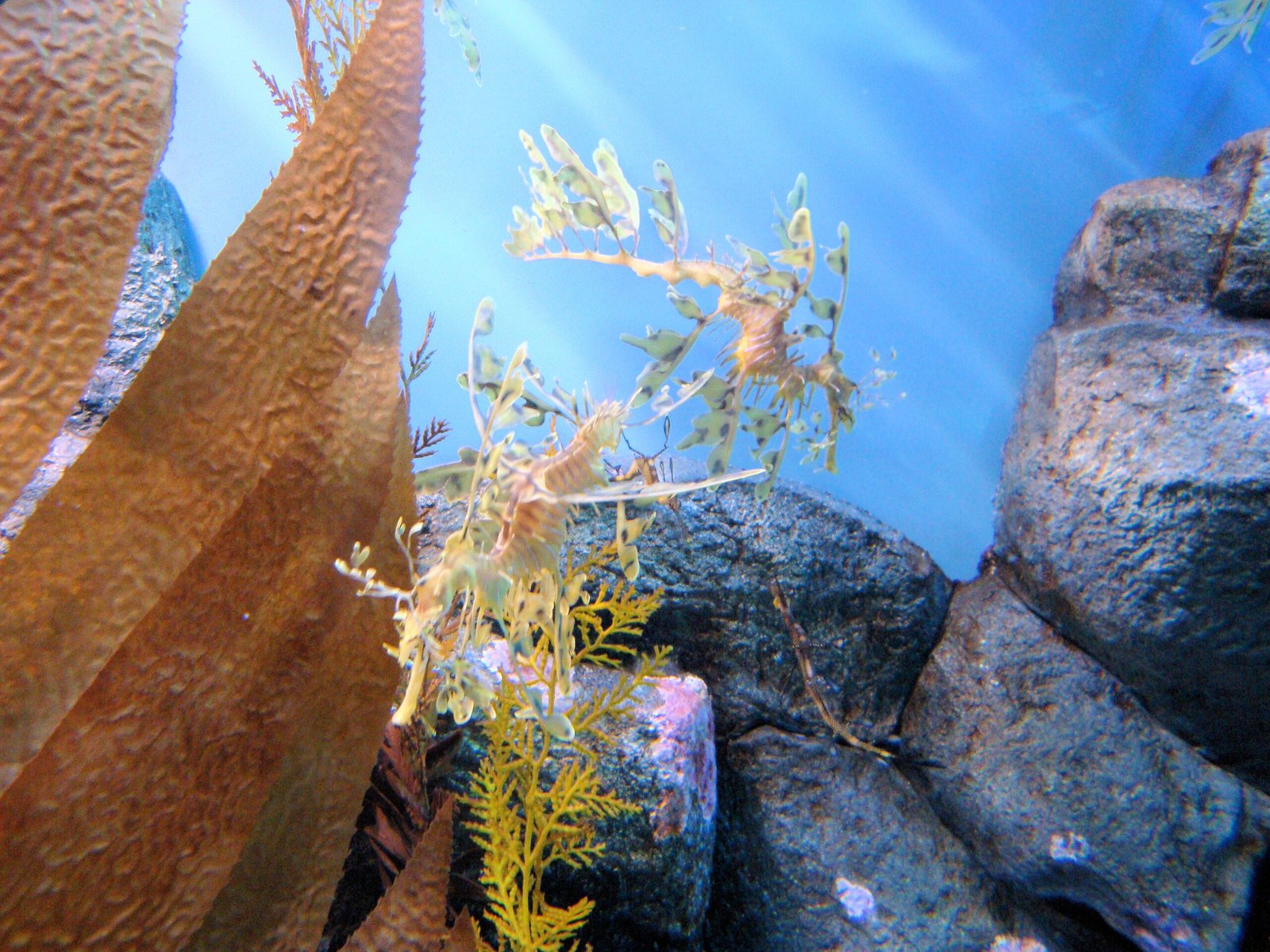
In the world of leafy sea dragons, it’s the fathers who take on the responsibility of carrying and caring for the eggs. The brood patch on the male’s tail provides oxygen and protection to developing embryos. Over the course of several weeks, the male gently fans water over the eggs, ensuring they receive enough oxygen and stay clean. This unique form of parental care dramatically increases the chances of survival for the young. When the eggs are ready to hatch, tiny sea dragons emerge, fully formed and ready to face the world. The dedication of sea dragon dads is nothing short of inspiring, and it challenges our assumptions about parenting in the animal kingdom.
Early Life: The Journey of Baby Sea Dragons
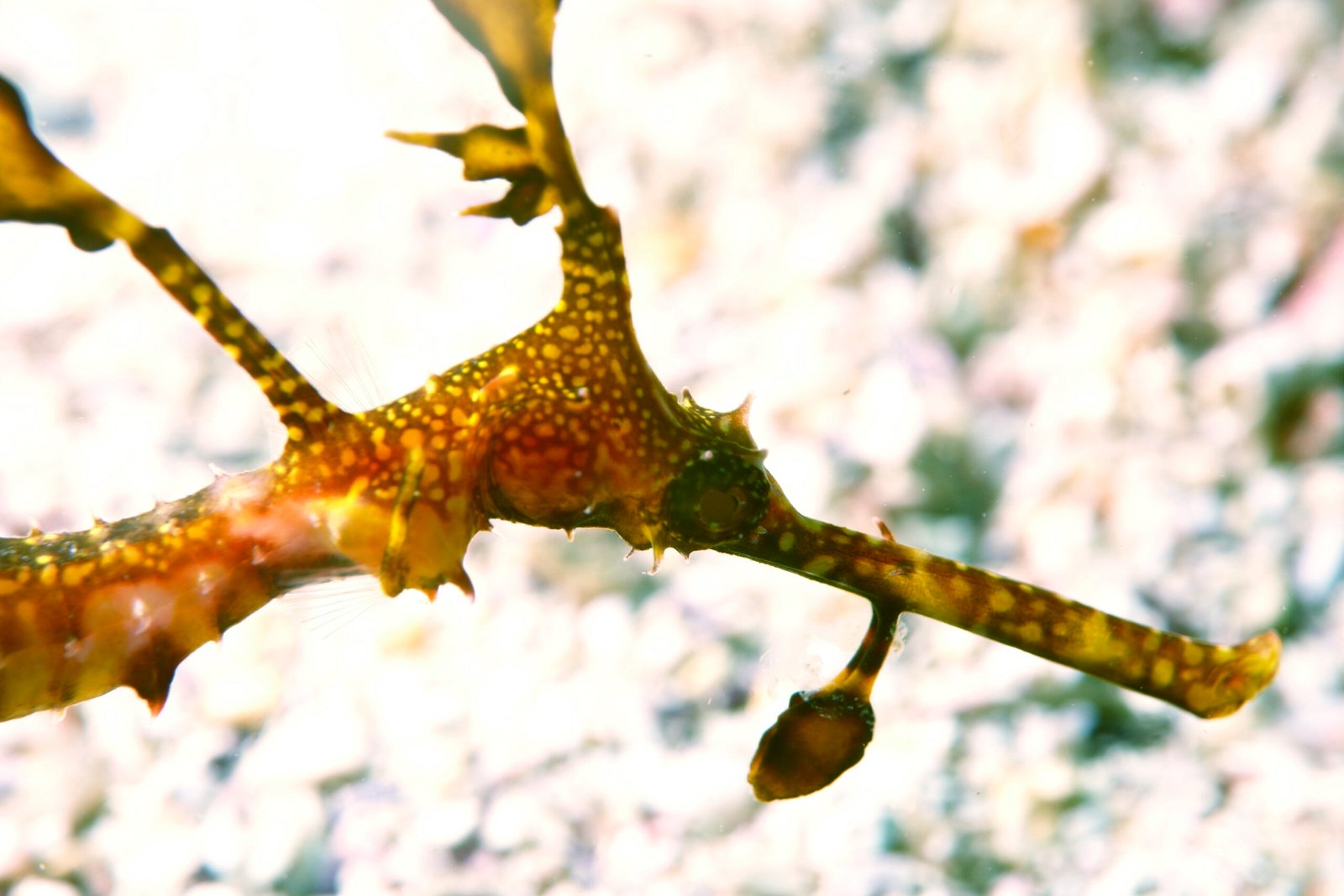
The moment they hatch, baby leafy sea dragons are on their own. They receive no further care from their parents and must rely on their instincts to survive. These tiny dragons face a gauntlet of challenges, from finding food to avoiding predators. Their camouflage is already impressive, but their small size makes them vulnerable to a wide range of threats. Many do not survive their first few weeks, but those that do quickly grow and learn to master the art of disguise. Watching young sea dragons navigate their environment is both heartwarming and a reminder of how fragile life can be in the ocean.
Threats and Dangers in the Wild
Leafy sea dragons face a host of threats in their natural habitat. Pollution, habitat destruction, and climate change are among the most serious dangers. Water pollution from agricultural runoff and industrial waste can damage the delicate seagrass beds and kelp forests they depend on. Climate change, with its rising sea temperatures and shifting ocean currents, further threatens their fragile environment. In addition, some sea dragons are illegally collected for the aquarium trade, despite protective regulations. The cumulative effect of these threats has placed leafy sea dragons in a vulnerable position, making conservation efforts more urgent than ever.
Conservation Efforts: Protecting an Underwater Treasure

Conservationists are working tirelessly to protect leafy sea dragons and their habitats. In Australia, these creatures are protected by law, and collecting them from the wild is strictly regulated. Marine reserves and protected areas have been established to safeguard critical habitats, and restoration projects aim to revive damaged seagrass beds and kelp forests. Scientists are also studying leafy sea dragons to better understand their needs and how to support their populations. Public awareness campaigns encourage responsible tourism and highlight the importance of preserving these unique animals for future generations.
The Importance of Kelp Forests and Seagrass Beds
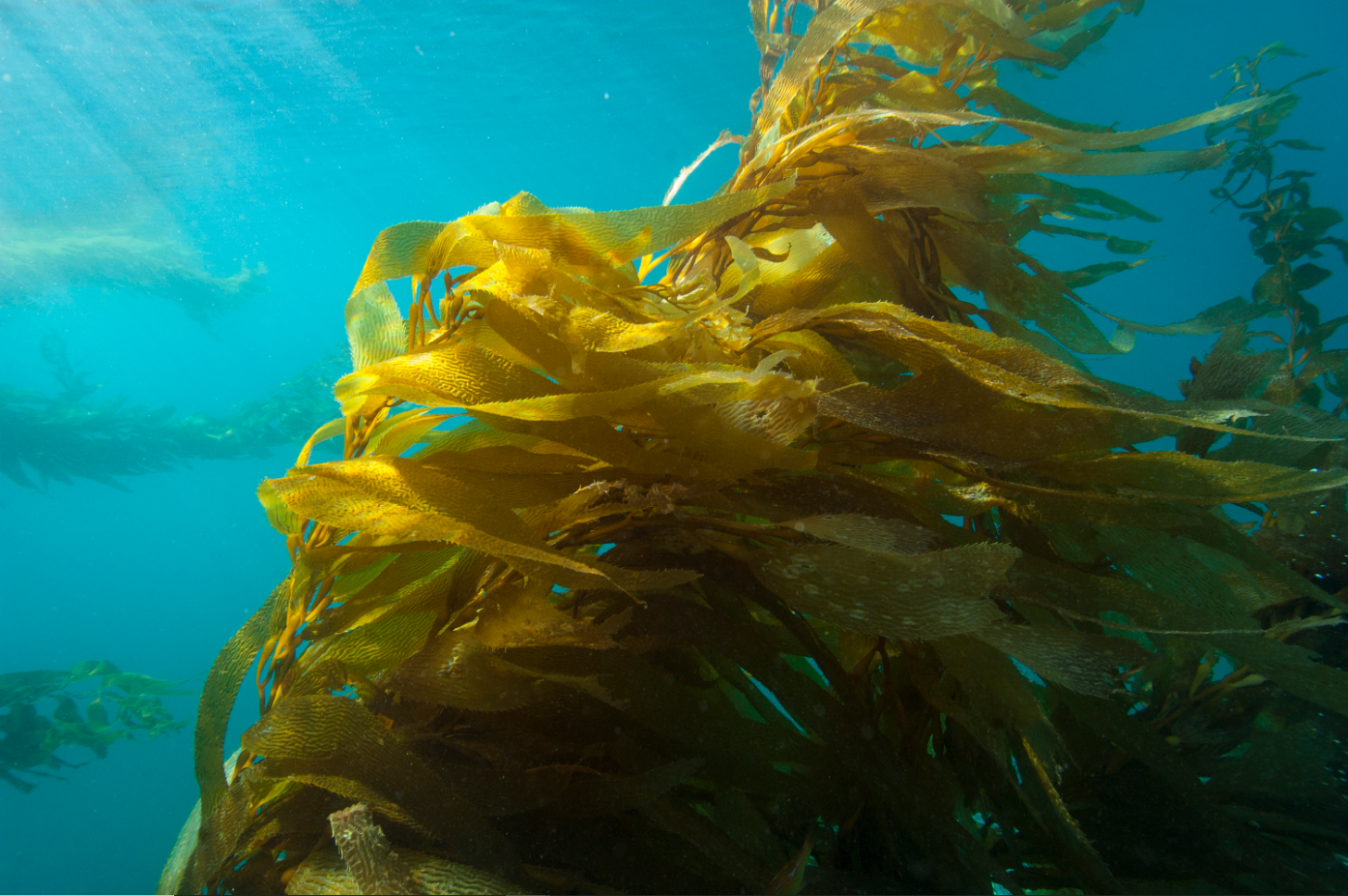
The health of leafy sea dragons is closely tied to the well-being of kelp forests and seagrass beds. These underwater ecosystems provide food, shelter, and breeding grounds for countless marine species. They also play a crucial role in maintaining water quality and absorbing carbon dioxide, helping to combat climate change. When these habitats are destroyed or degraded, the entire community of plants and animals suffers. Protecting kelp forests and seagrass beds is not just about saving sea dragons—it’s about preserving the intricate web of life that sustains the ocean as a whole.
Why Are Leafy Sea Dragons So Rare?
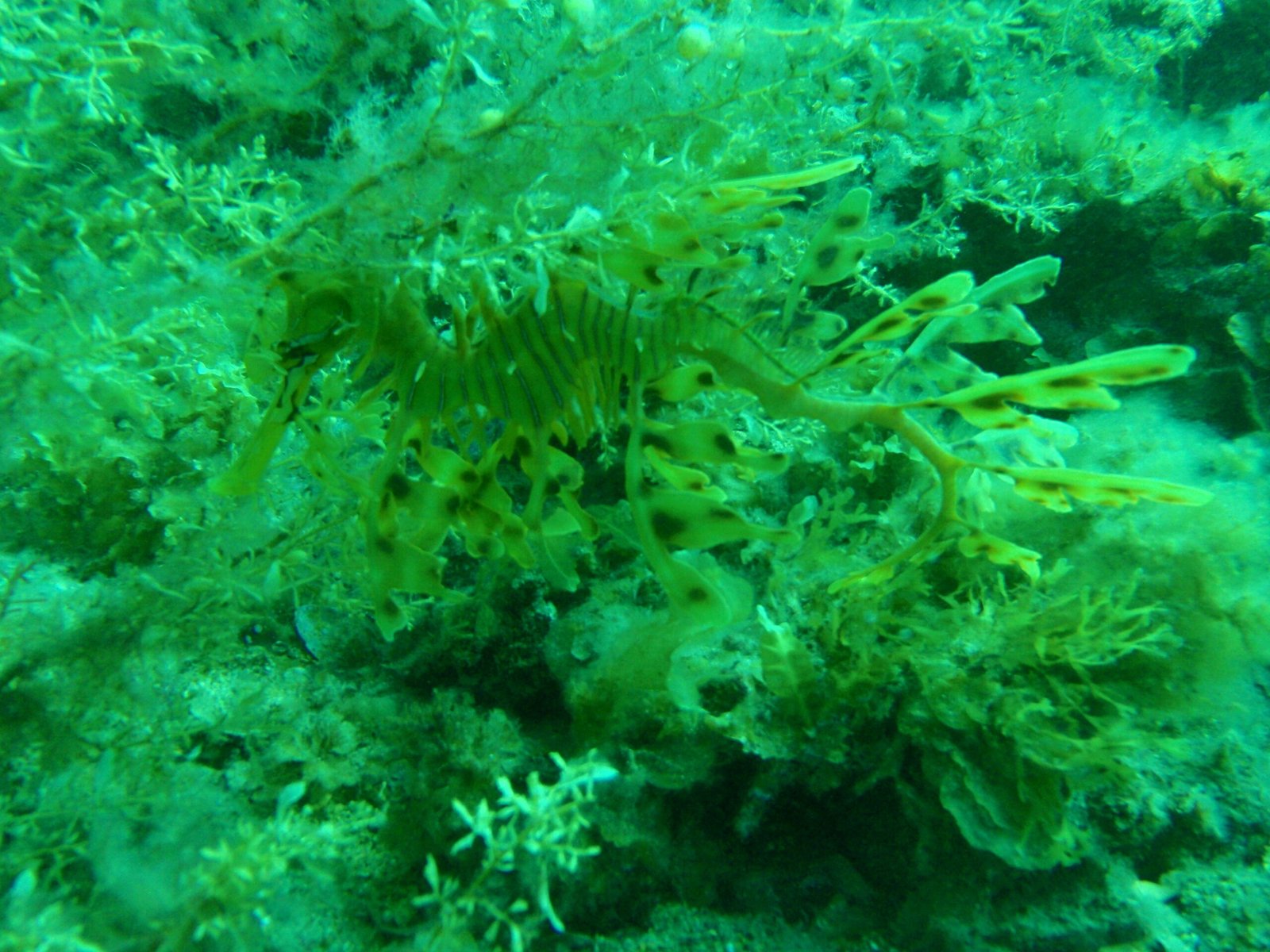
Leafy sea dragons are considered rare for several reasons. Their limited geographic range means they are found only in specific parts of Australia, and even within this area, their numbers are relatively low. Their slow reproductive rate and high mortality among juveniles further limit population growth. Human activities, such as coastal development and pollution, have also reduced their available habitat. These factors combine to make leafy sea dragons elusive and difficult to find, even for experienced divers. Their rarity adds to their mystique and underscores the importance of protecting them.
Human Curiosity and the Impact of Tourism
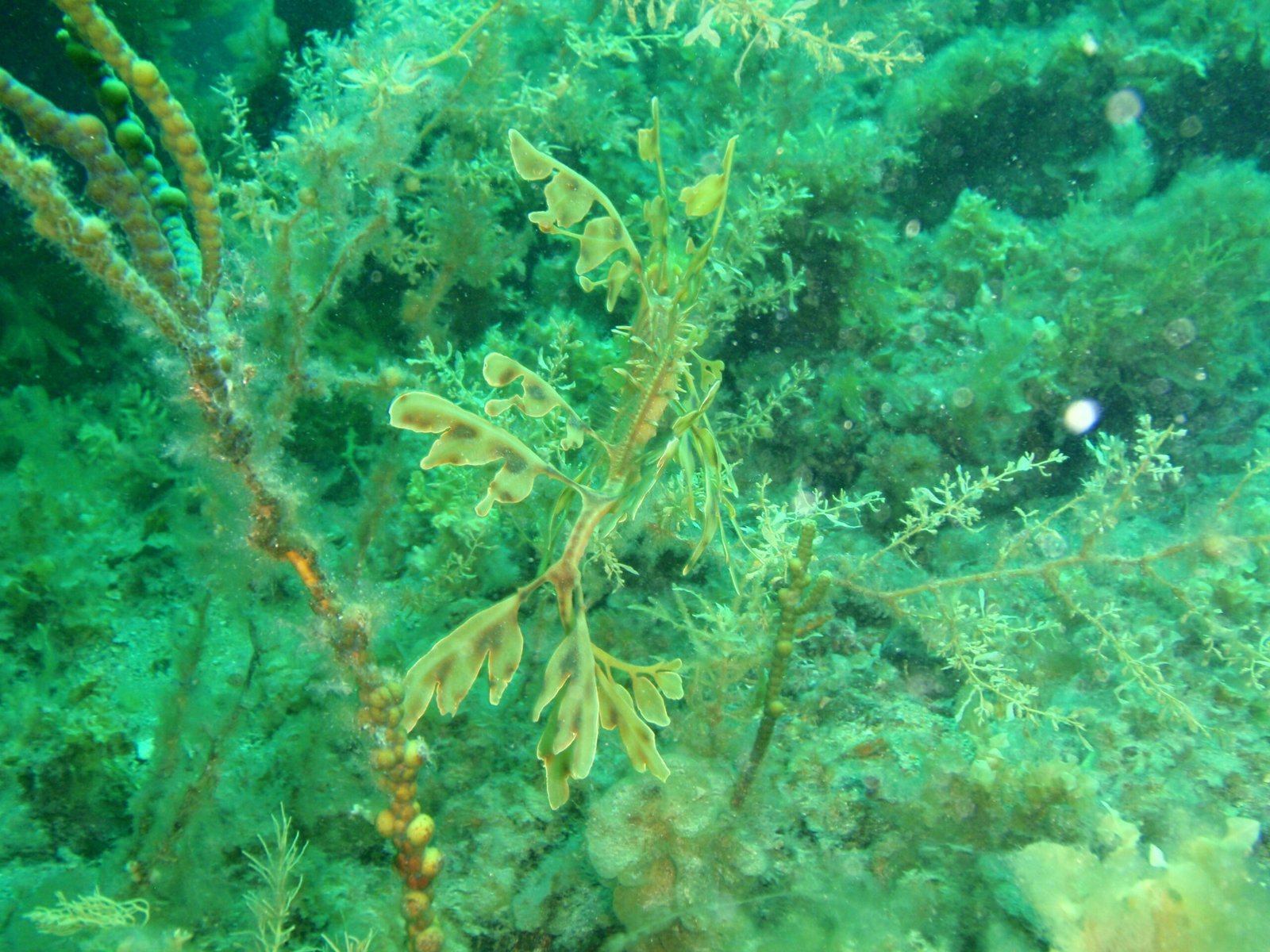
The striking appearance of leafy sea dragons has made them a popular attraction for divers and underwater photographers. While responsible tourism can raise awareness and support conservation, it also brings risks. Excessive human activity can disturb their habitats, damage sensitive seagrass beds, and stress the animals. Some well-meaning visitors may try to touch or move sea dragons for a better photo, not realizing the harm this can cause. Conservation groups urge visitors to observe these creatures from a respectful distance, allowing them to thrive undisturbed in their natural environment.
Scientific Research and New Discoveries
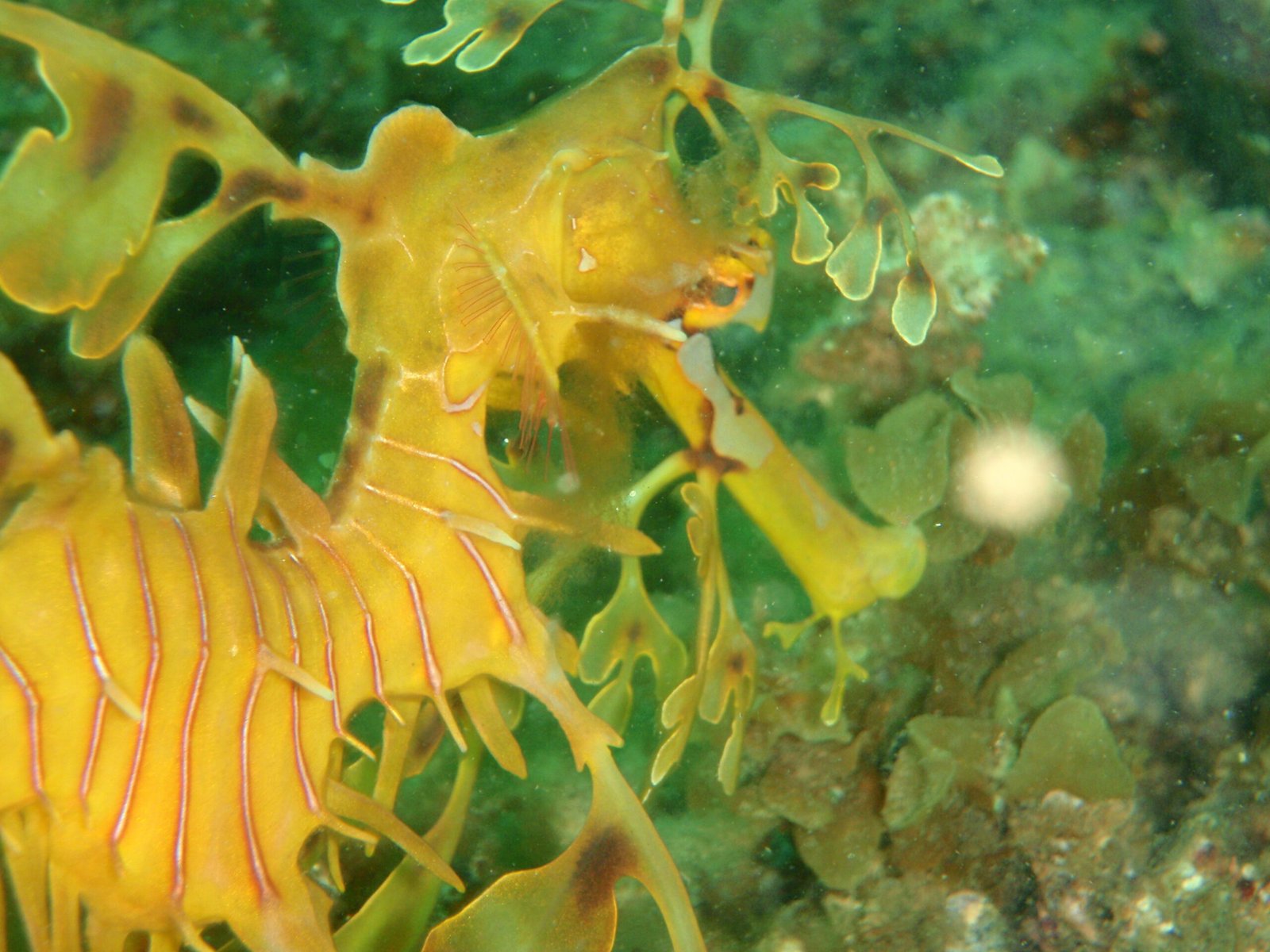
Researchers continue to uncover new information about leafy sea dragons, from their genetics to their behavior. Advances in technology, such as underwater drones and genetic sequencing, have revealed surprising details about their life cycle and population structure. Scientists have discovered that leafy sea dragons have unique genes related to their camouflage and egg-carrying abilities. Ongoing research is helping to inform conservation strategies and ensure that these creatures remain a part of Australia’s marine biodiversity. Every new discovery adds another layer of fascination to their already mysterious lives.
The Power of Adaptation: Evolution in Action
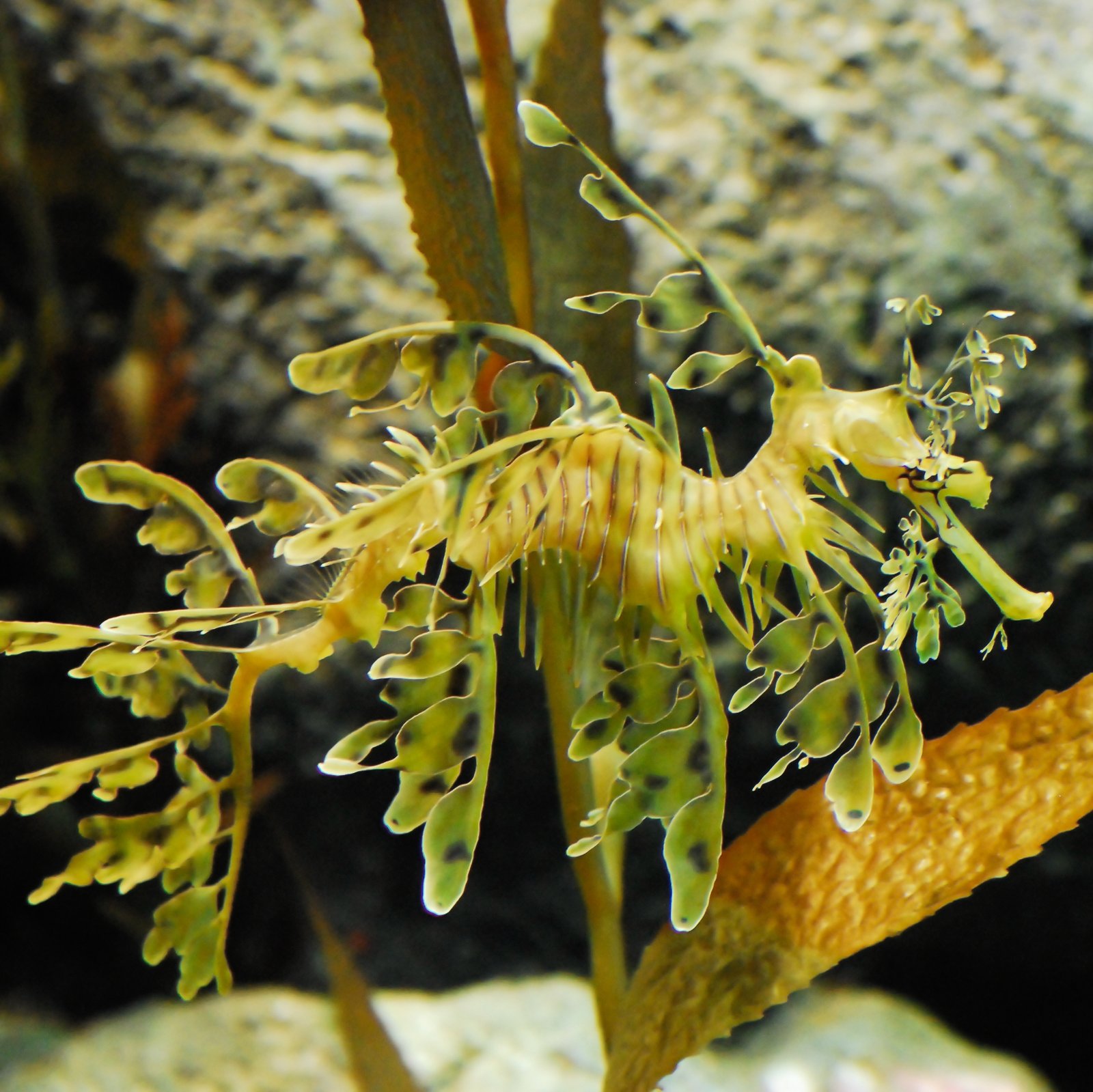
Leafy sea dragons are a testament to the power of adaptation. Over millions of years, they have evolved exquisite camouflage and specialized reproductive strategies to thrive in their environment. Their ability to blend in with seaweed is not just a coincidence—it is the result of countless generations adapting to avoid predators. The male’s role in egg care is another remarkable adaptation, ensuring that offspring have the best possible chance of survival. These evolutionary innovations highlight the creativity of nature and the importance of preserving the environments where such wonders can evolve.
Myths, Legends, and Cultural Significance
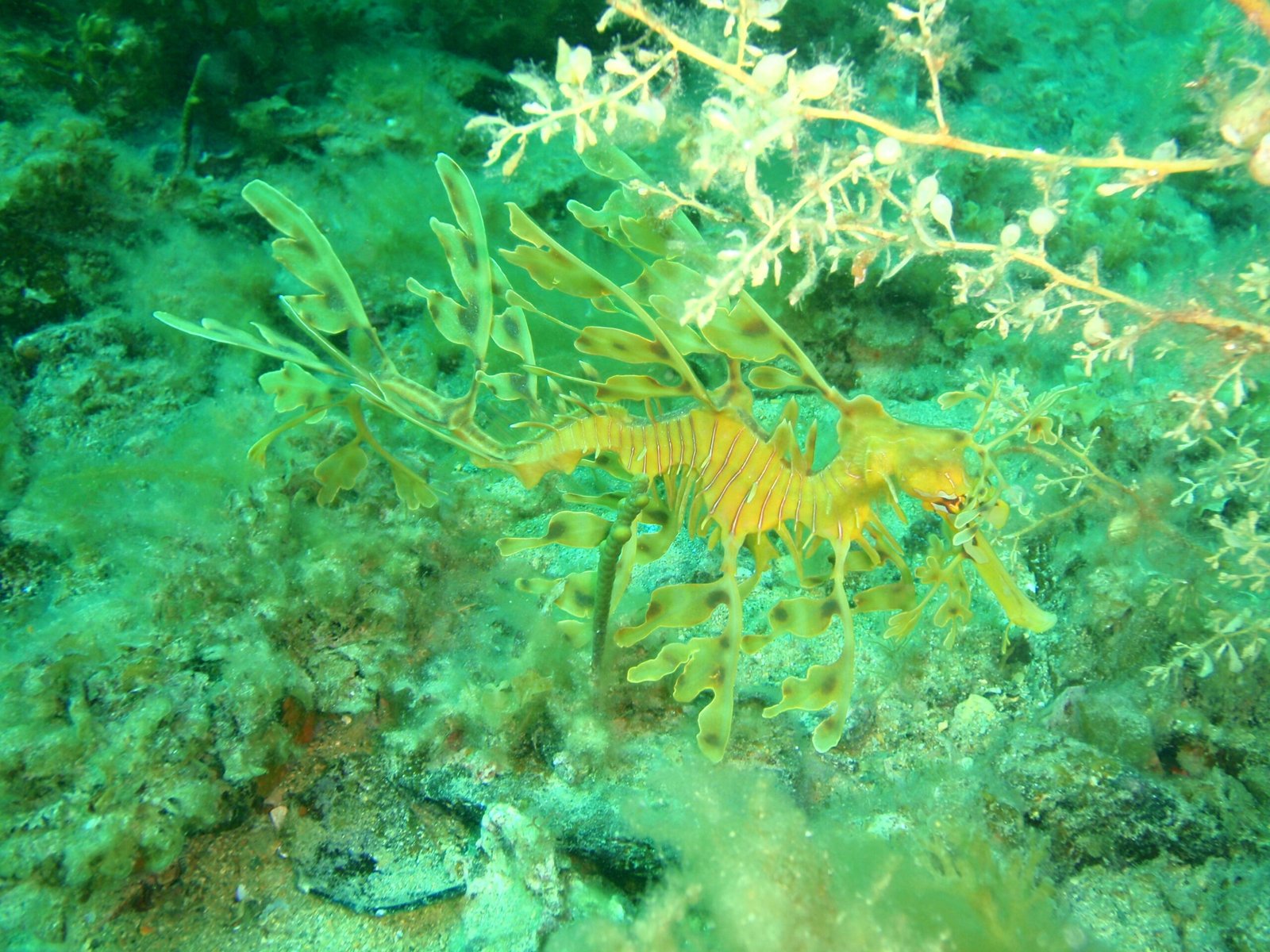
In Australian folklore, leafy sea dragons have inspired stories and legends for generations. Some Indigenous Australian communities regard them as symbols of protection and guardianship, connecting people to the sea and its mysteries. Their otherworldly appearance has fueled artistic expression, from paintings to jewelry, and even inspired the naming of ships and sports teams. The leafy sea dragon’s cultural significance extends beyond science, reminding us of the deep connections between humans and the natural world.
Leafy Sea Dragons in Aquariums: Education and Ethics
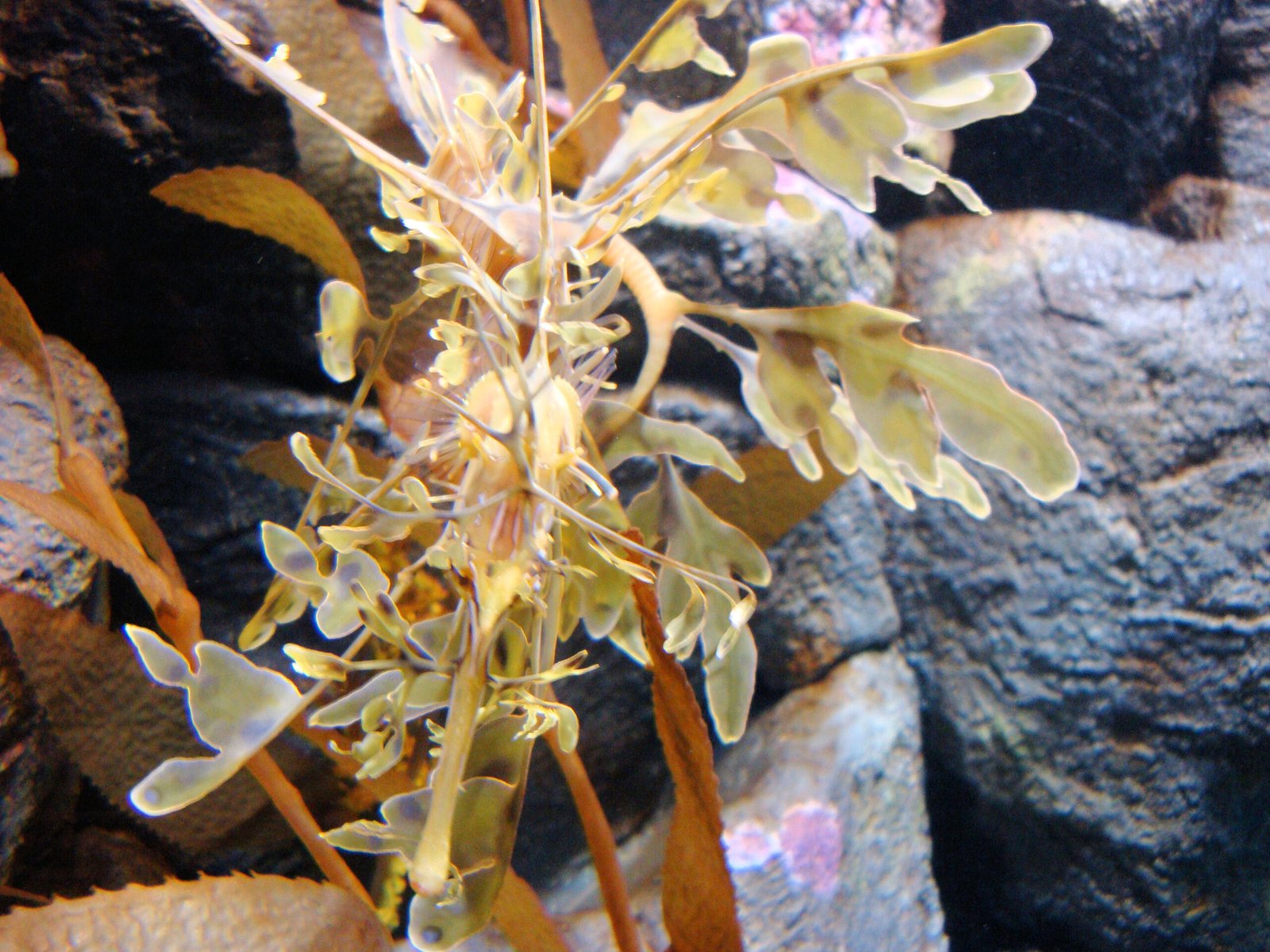
Some aquariums around the world house leafy sea dragons, offering visitors a rare opportunity to observe these remarkable creatures up close. While aquariums can play a vital role in education and conservation, they must adhere to strict guidelines to ensure the well-being of their animals. Captive breeding programs aim to reduce the need for wild collection and support research efforts. However, keeping leafy sea dragons in captivity presents unique challenges, as they are highly sensitive to changes in water quality and diet. Ethical considerations are central to any discussion about displaying these animals outside their natural habitat.
How You Can Help: Everyday Actions Matter
Protecting leafy sea dragons starts with simple actions anyone can take. Supporting marine conservation organizations, reducing plastic use, and choosing sustainable seafood all contribute to healthier oceans. When visiting the beach or snorkeling in Australia, people can help by respecting marine life and never disturbing leafy sea dragons or their habitats. Sharing stories and images of these animals helps raise awareness and inspire others to care about their survival. Every small action adds up, creating a collective impact that benefits sea dragons and the countless other creatures that share their world.
Fascination That Endures
The allure of the leafy sea dragon transcends generations and borders. Their enigmatic beauty continues to captivate scientists, artists, and nature lovers alike. Every encounter with a leafy sea dragon sparks a sense of awe and curiosity, reminding us of the endless wonders hiding beneath the waves. By learning about and protecting these extraordinary animals, we ensure that their secret lives remain part of our planet’s story for years to come. What other mysteries might be lurking just beneath the surface, waiting to be discovered?