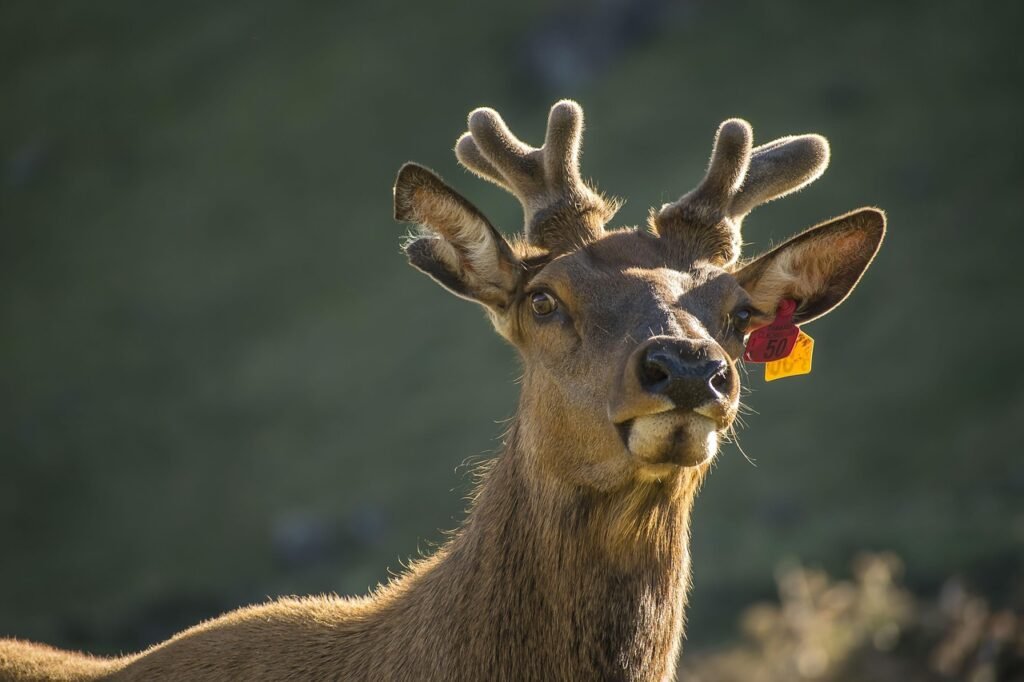

Imagine a crisp winter scene in the heart of Siberia. The snow glitters under a pale sun, and a herd of reindeer, noses to the ground, snuffle through the white blanket. Suddenly, one reindeer finds something strange—a bright red mushroom with white spots. Minutes later, the animal’s behavior changes: it staggers, leaps, and behaves in ways that seem almost magical. This isn’t a holiday fable or an old wives’ tale. It’s an astonishing reality rooted in nature, ancient tradition, and the curious world of psychoactive fungi. Are you ready to journey into a world where science blurs with folklore and reindeer really do get high?
The Mysterious Amanita Muscaria: Nature’s Red and White Icon
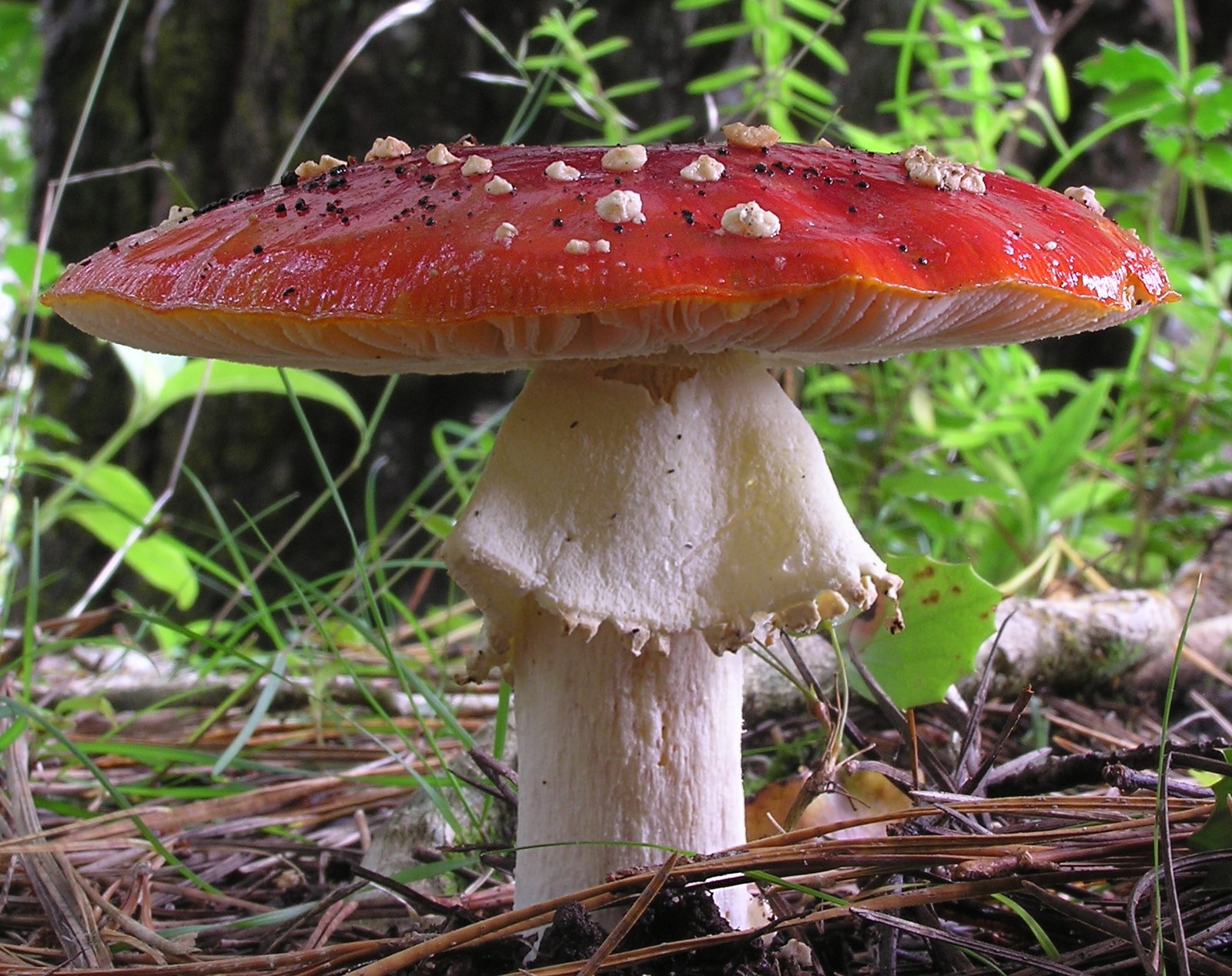
Few mushrooms are as instantly recognizable as the Amanita muscaria. Its vivid red cap, dotted with white spots, looks straight out of a fairytale. But this mushroom isn’t just decorative; it harbors potent psychoactive chemicals, namely muscimol and ibotenic acid. These compounds can cause hallucinogenic effects in both humans and animals. For centuries, indigenous peoples of Siberia have observed reindeer deliberately seeking out and eating these mushrooms, especially during the long, cold winters when other food is scarce. The sight of reindeer prancing and acting unusually after consuming Amanita muscaria has sparked wonder, confusion, and even legends that echo through time.
How Do the Mushrooms Affect Reindeer?
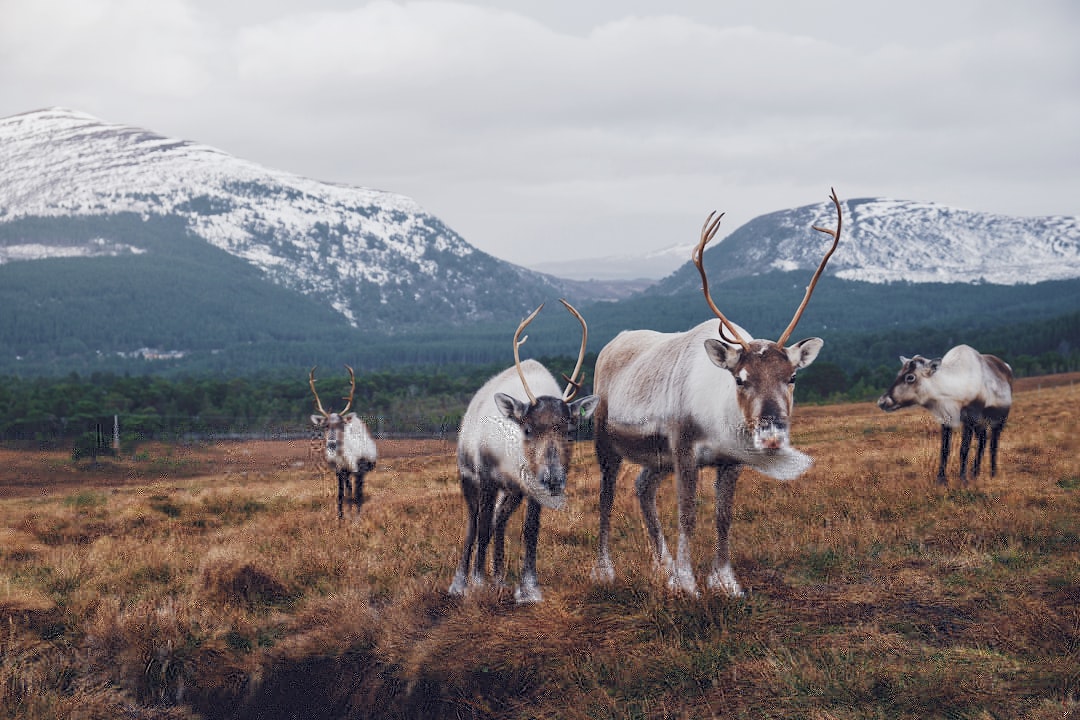
When reindeer ingest Amanita muscaria, their behavior shifts dramatically. Some have been seen stumbling, leaping, or rolling around in the snow—displays that seem random or even comical. Scientists believe the psychoactive compounds in the mushroom interact with the animal’s nervous system, causing altered perception and coordination. Unlike humans, reindeer seem to tolerate these effects without lasting harm, possibly due to evolutionary adaptation over countless generations. Observers have described reindeer as appearing euphoric or “drunk,” but the experience is not just a spectacle; it may serve a deeper purpose in survival and animal behavior.
Siberian Shamans and Ancient Rituals

The connection between reindeer, mushrooms, and humans runs deeper than casual observation. For centuries, Siberian shamans have used Amanita muscaria in spiritual rituals, believing it allowed them to enter altered states of consciousness and communicate with the spirit world. Incredibly, these shamans sometimes consumed the mushrooms indirectly—by drinking the urine of reindeer that had eaten them. This unusual method filtered out some toxins while keeping the psychoactive effects. Such traditions highlight the deep respect and curiosity indigenous cultures have for the natural world, and the fascinating ways humans have harnessed nature’s mysteries for spiritual exploration.
Scientific Insights: Why Reindeer Seek Out Mushrooms
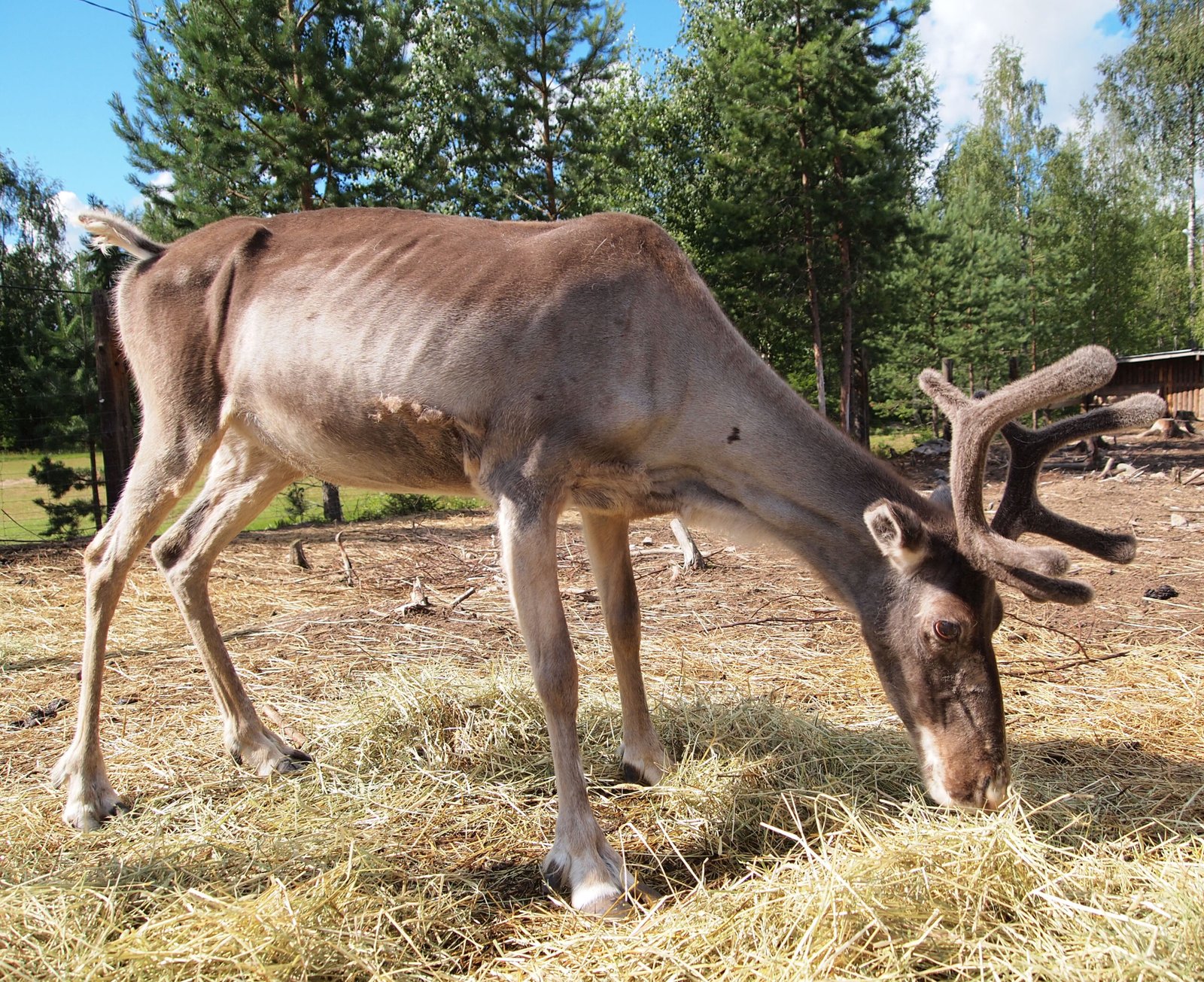
Researchers continue to puzzle over why reindeer are drawn to Amanita muscaria. Some theories suggest that the mushrooms provide nutritional benefits or help the animals cope with harsh winter conditions. Others propose that the psychoactive effects may help the herd bond or deter parasites. One surprising idea is that the altered states experienced after eating the mushrooms could make the monotonous winter more bearable for reindeer, much like how people seek out entertainment during long, dark months. Whatever the reason, the behavior is a vivid example of how animals sometimes use natural substances to change their mental state.
Folklore, Legends, and Santa Claus
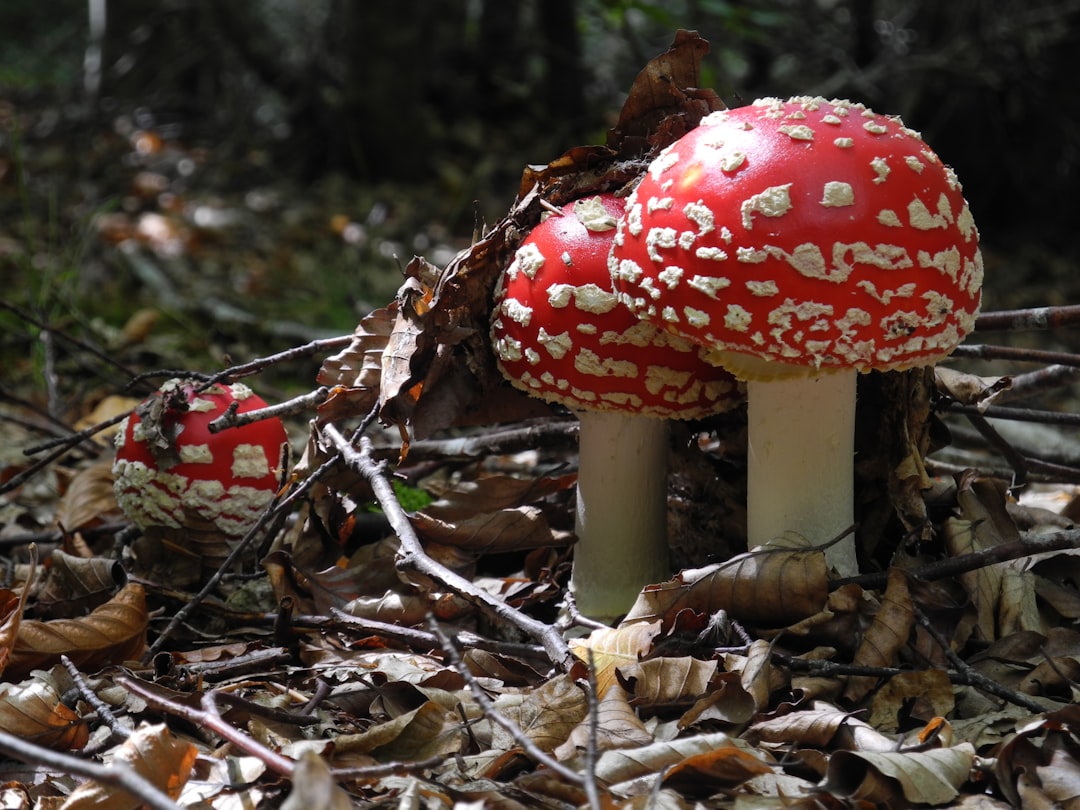
It’s hard to ignore the uncanny resemblance between Amanita muscaria and holiday imagery—red and white colors, magical transformations, and flying reindeer. Some folklorists believe that ancient stories of reindeer tripping on mushrooms may have influenced modern tales of Santa Claus and his airborne sleigh team. The idea of reindeer “flying” after consuming magical mushrooms is more than just coincidence; it’s a testament to how nature’s oddities shape our myths and celebrations. This blending of reality and fantasy adds a layer of enchantment to annual festivities, reminding us that many beloved stories have roots in real, wild behaviors.
Modern Science Meets Ancient Wisdom
Today, scientists study the relationship between reindeer and psychoactive mushrooms using tools like behavioral observation and chemical analysis. They’ve confirmed that reindeer can metabolize muscimol and ibotenic acid differently than humans, which may explain their apparent resilience. Ongoing research explores how these compounds affect the brain, not just in reindeer but in other animals as well. This intersection of traditional knowledge and modern science offers profound insights into animal behavior, adaptation, and the complex chemistry of nature.
Environmental Impact and Changing Habitats

Climate change and shifting landscapes are altering the delicate balance of the Siberian wilderness. As temperatures rise and habitats change, the distribution of Amanita muscaria and its availability to reindeer could shift as well. Some researchers worry that changes in forest ecology could impact both the reindeer and the cultural practices tied to them. Protecting these ancient relationships means not just conserving species, but also understanding the intricate connections between animals, plants, and people. The reindeer’s taste for mushrooms is just one thread in a vast ecological tapestry.
Other Animals and Psychoactive Plant Consumption
Reindeer are not the only creatures known to seek out mind-altering substances in the wild. Elephants, jaguars, wallabies, and even birds have been observed consuming fermented fruits, leaves, or seeds that induce intoxication. These behaviors raise intriguing questions about why animals are drawn to altered states. Is it purely accidental, or do they gain some benefit? The reindeer’s relationship with Amanita muscaria is one example of a broader phenomenon, hinting at the deep, often mysterious motivations driving animal behavior.
Human Curiosity and the Study of Animal Intoxication
The idea of animals deliberately getting “high” fascinates scientists and laypeople alike. It challenges our assumptions about animal intelligence and agency. Studies of reindeer and mushrooms have inspired new fields of research, from animal pharmacology to ethnobotany. By examining these behaviors, researchers hope to unlock secrets about adaptation, survival, and even the origins of human drug use. Curiosity about animal intoxication reflects a fundamental human desire to understand our place in nature—and the surprising ways we’re connected to the creatures around us.
What We Can Learn from Reindeer and Mushrooms
The story of reindeer tripping on mushrooms is more than a quirky fact—it’s a vivid reminder of the complexity and wonder of the natural world. It urges us to look beyond surface appearances and ask deeper questions about behavior, culture, and adaptation. Whether you see it as a scientific puzzle, a cultural legend, or a magical tale, this phenomenon invites us to explore, question, and appreciate the mysteries that still exist in the wild. How many other secrets are hiding in plain sight, waiting for a curious mind to discover them?