Far below the ocean’s surface, where sunlight surrenders to the crushing weight of darkness, a world thrives that seems to mock everything we know about life. Imagine a place so alien, so extreme, that it could easily be mistaken for another planet. Here, at the edges of hydrothermal vents, life not only exists—it flourishes in ways that boggle the mind. These mysterious oases are home to creatures that defy the ordinary rules of biology, revealing the raw power of evolution and the endless adaptability of life. The deeper we look, the more we realize: Earth’s strangest secrets are often hidden in the most unlikely corners.
The Abyssal World: A Place Without Sun
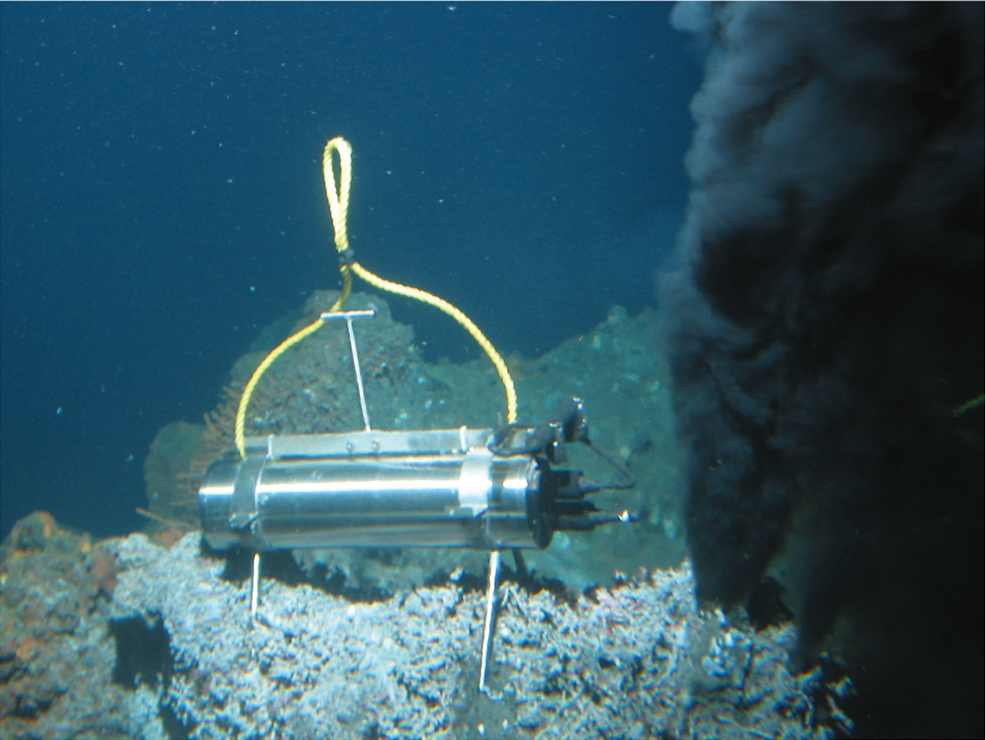
The hydrothermal vent regions lie at staggering depths, often more than two miles beneath the ocean’s surface. Down here, sunlight cannot penetrate, and the water is near freezing except where superheated vent fluids gush out. The darkness is absolute, pressing in on every side. This environment was once thought inhospitable—too dark, too cold, and too high in pressure for life to persist. Yet, life found a way. Imagine standing in a pitch-black room, with only the faint glow of chemical reactions to light your path. That is the daily reality for organisms living around these vents, a testament to survival in the harshest places.
Hydrothermal Vents: Fountains of the Deep
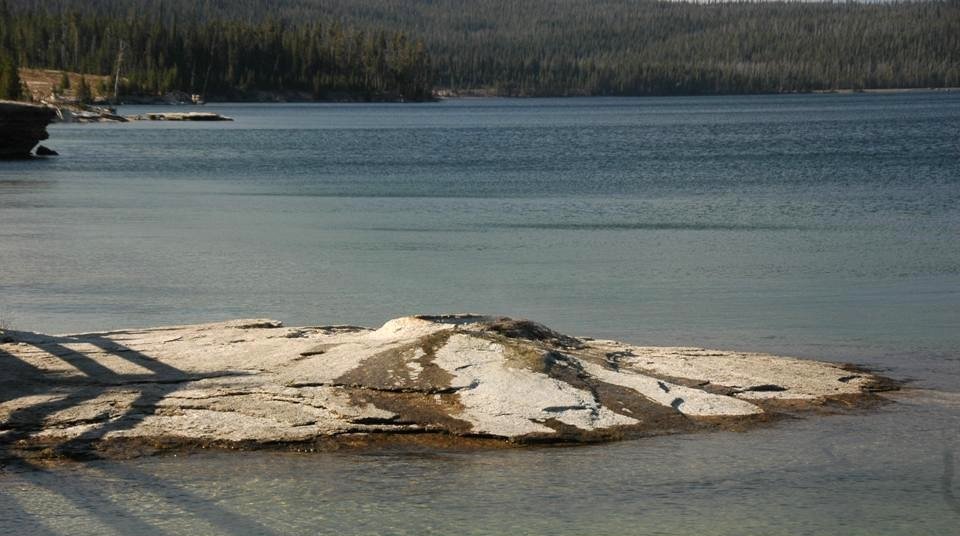
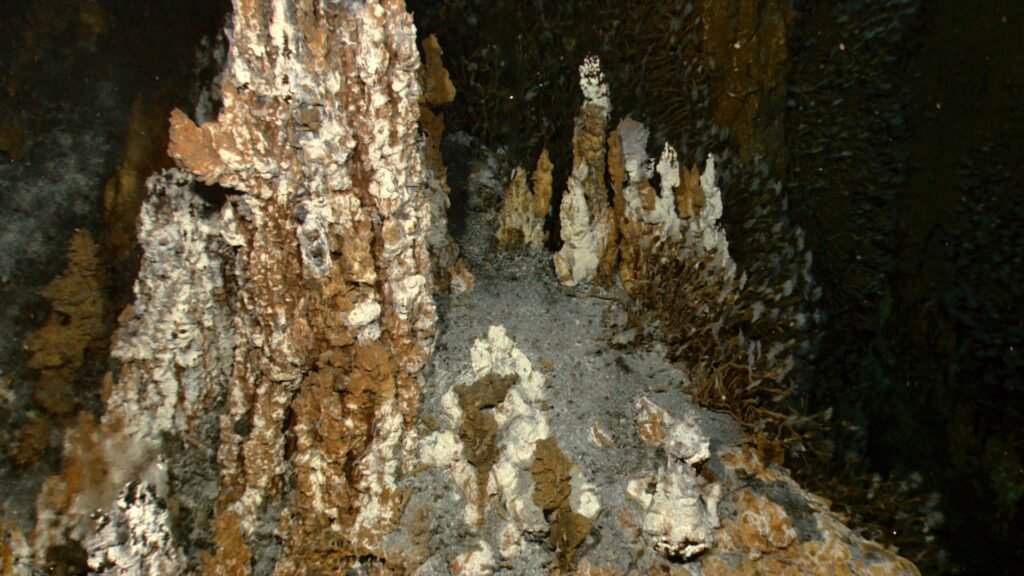
Hydrothermal vents are essentially underwater geysers, created when seawater seeps into the ocean floor, gets superheated by magma, and then bursts back out into the frigid ocean. The water spewing from these vents can reach temperatures over 400 degrees Celsius, hot enough to melt lead. Surrounding these vents, mineral-rich “chimneys” rise like twisted towers, covered in shimmering deposits of metals and sulfur. The vents release a cocktail of chemicals, including hydrogen sulfide—a compound deadly to most surface life but vital here. This constant eruption of energy and minerals creates a dynamic, ever-changing landscape, both beautiful and hostile.
Chemoautotrophs: Life Without the Sun
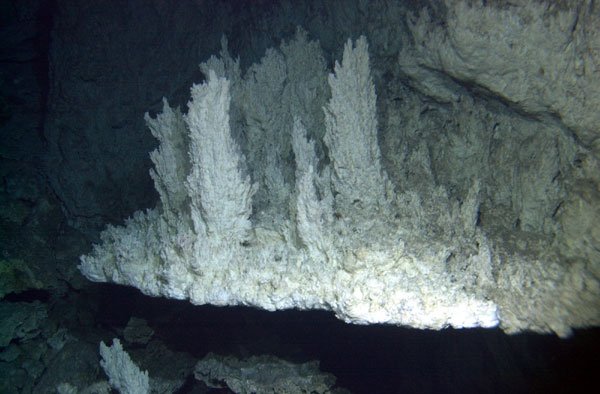
In the absence of sunlight, the foundation of these ecosystems relies on organisms known as chemoautotrophs. Unlike plants, which use photosynthesis, these microbes use chemosynthesis—converting chemicals like hydrogen sulfide into energy. It’s as if they photosynthesize without light, turning poison into power. These bacteria form thick mats on rocks and vent chimneys, serving as the primary food source for other creatures. Their existence is a powerful reminder that life does not need the sun to survive, only a source of energy and the right chemistry.
Giant Tube Worms: The Red-Plumed Wonders
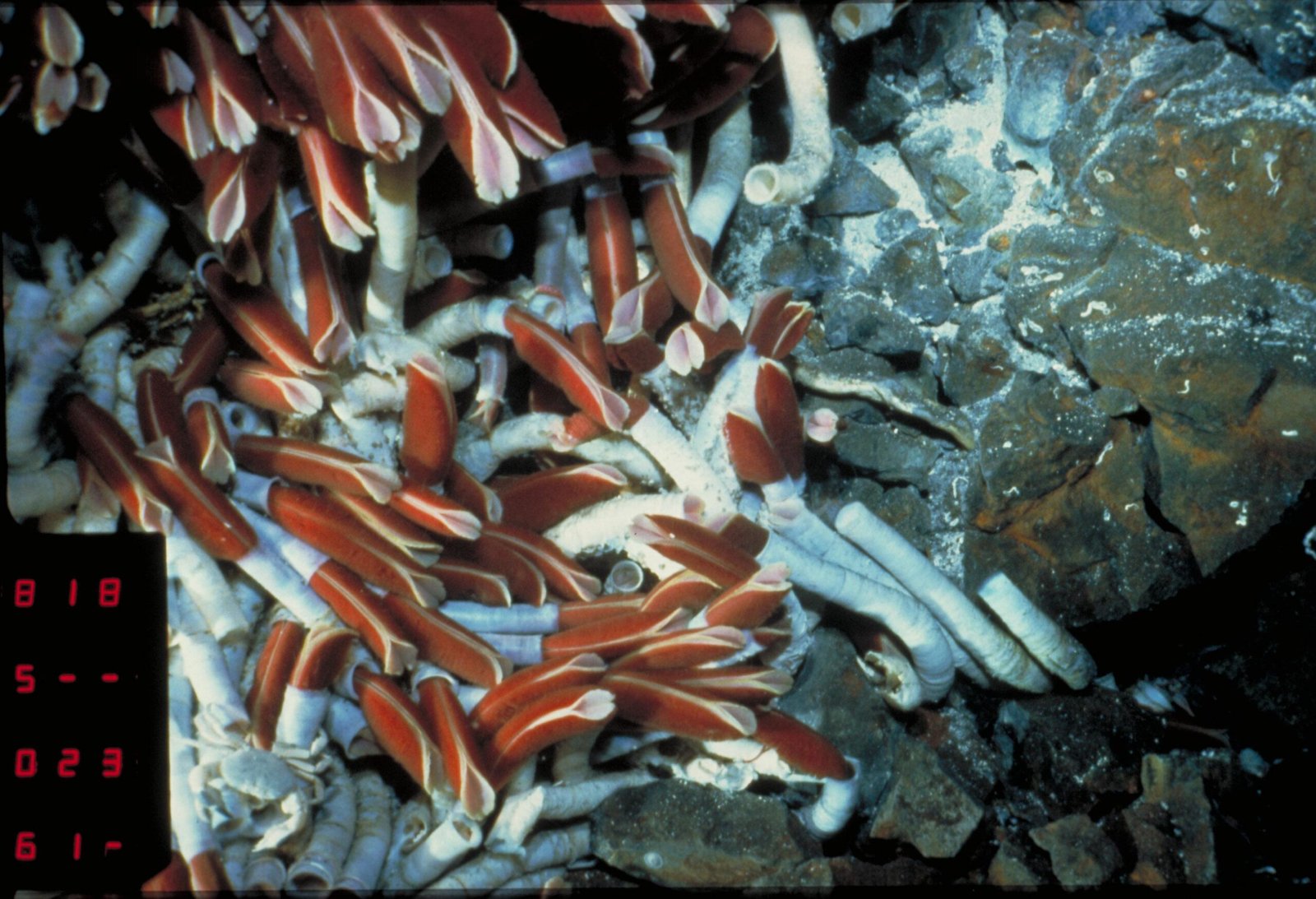
Perhaps the most iconic residents of hydrothermal vents are the giant tube worms, Riftia pachyptila. These creatures can grow taller than a human, with blood-red plumes waving gently in the hot, mineral-laden water. They have no mouth, no gut, and no digestive system at all. Instead, their bodies house billions of chemosynthetic bacteria, which provide all the nutrients they need. The worms and bacteria live in perfect partnership, a symbiotic relationship that’s as bizarre as it is effective. Imagine living your whole life without ever having to eat—such is the reality for these underwater giants.
Blind Crabs and Ghostly Shrimp: Masters of the Deep
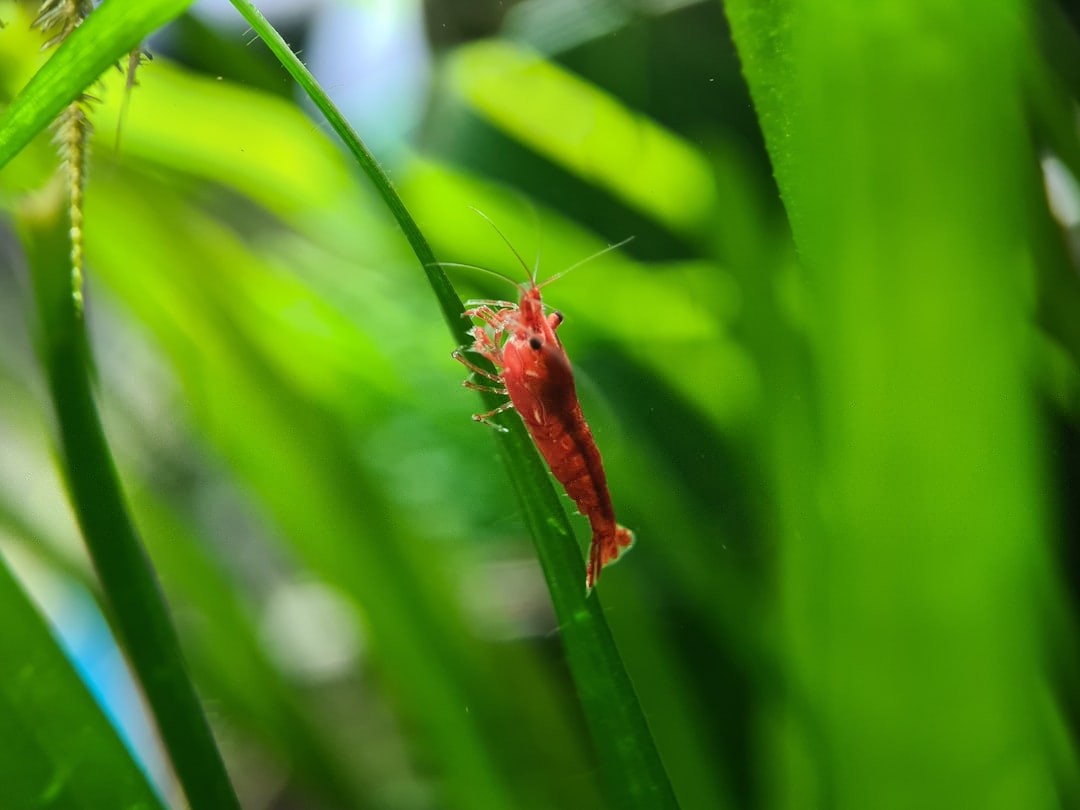
Surrounding the vents, armies of blind crabs, ghostly white shrimp, and pale fish scuttle and swim. Many of these animals have lost their eyes entirely, relying instead on chemical and thermal sensors to find food and mates. Their bodies are adapted to resist the toxic chemicals and blistering temperatures that would kill most surface creatures. Some shrimp carry colonies of bacteria on their backs, farming their own food as they move. It’s a world where sight is useless, and survival depends on senses most of us can barely imagine.
Extreme Adaptations: Surviving the Impossible
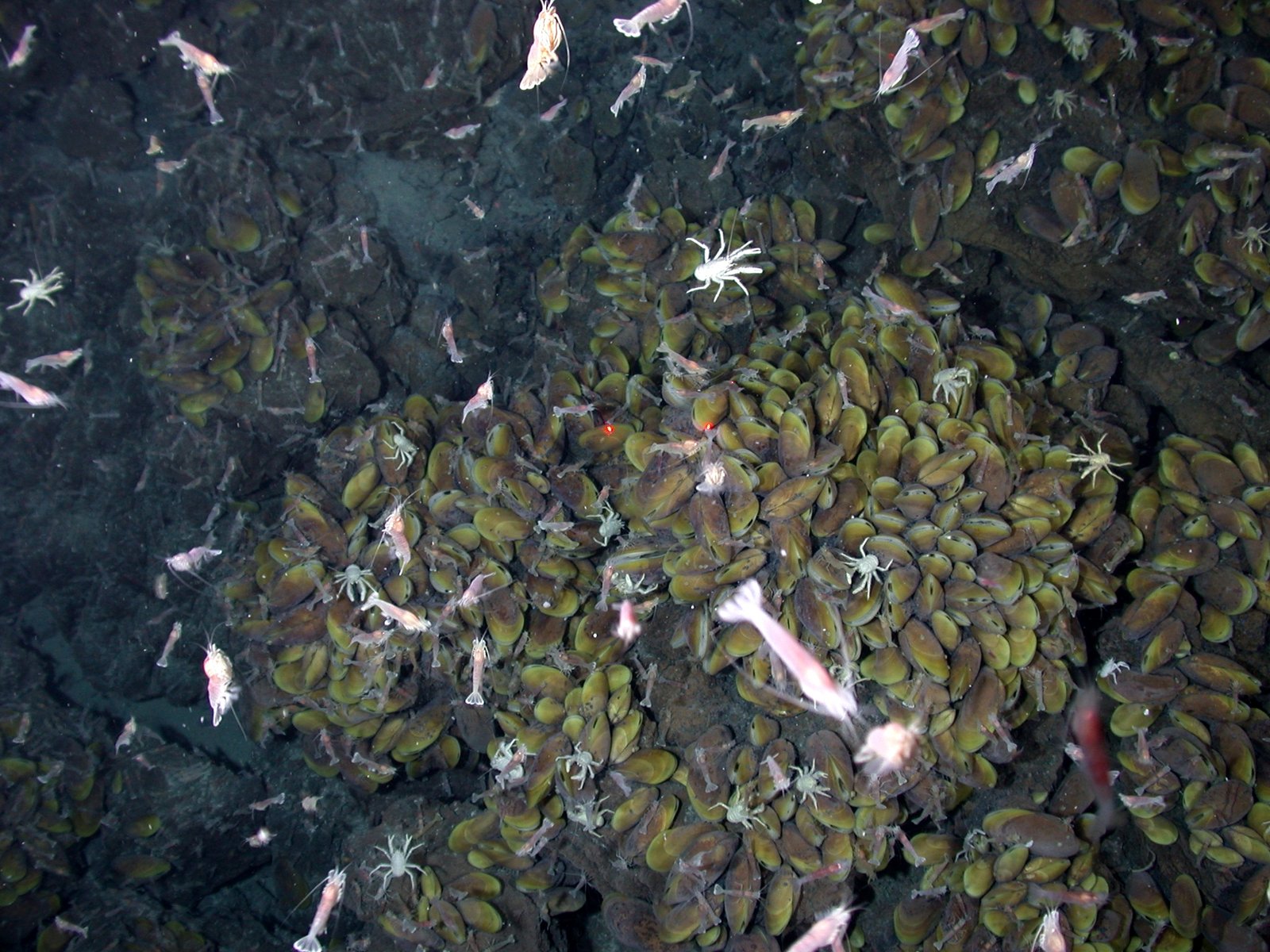
The animals of hydrothermal vents boast adaptations that seem almost superhuman. Tube worms can survive in temperatures ranging from near freezing to nearly boiling in a matter of inches. Vent crabs have enzymes that neutralize poisonous chemicals, while certain snails possess shells reinforced with iron sulfide, making them as tough as medieval armor. These adaptations are not just marvels of biology—they are blueprints for survival in a world where failure to adapt means certain death. It’s evolution at its most ruthless and creative.
Microbial Diversity: The Smallest Pioneers
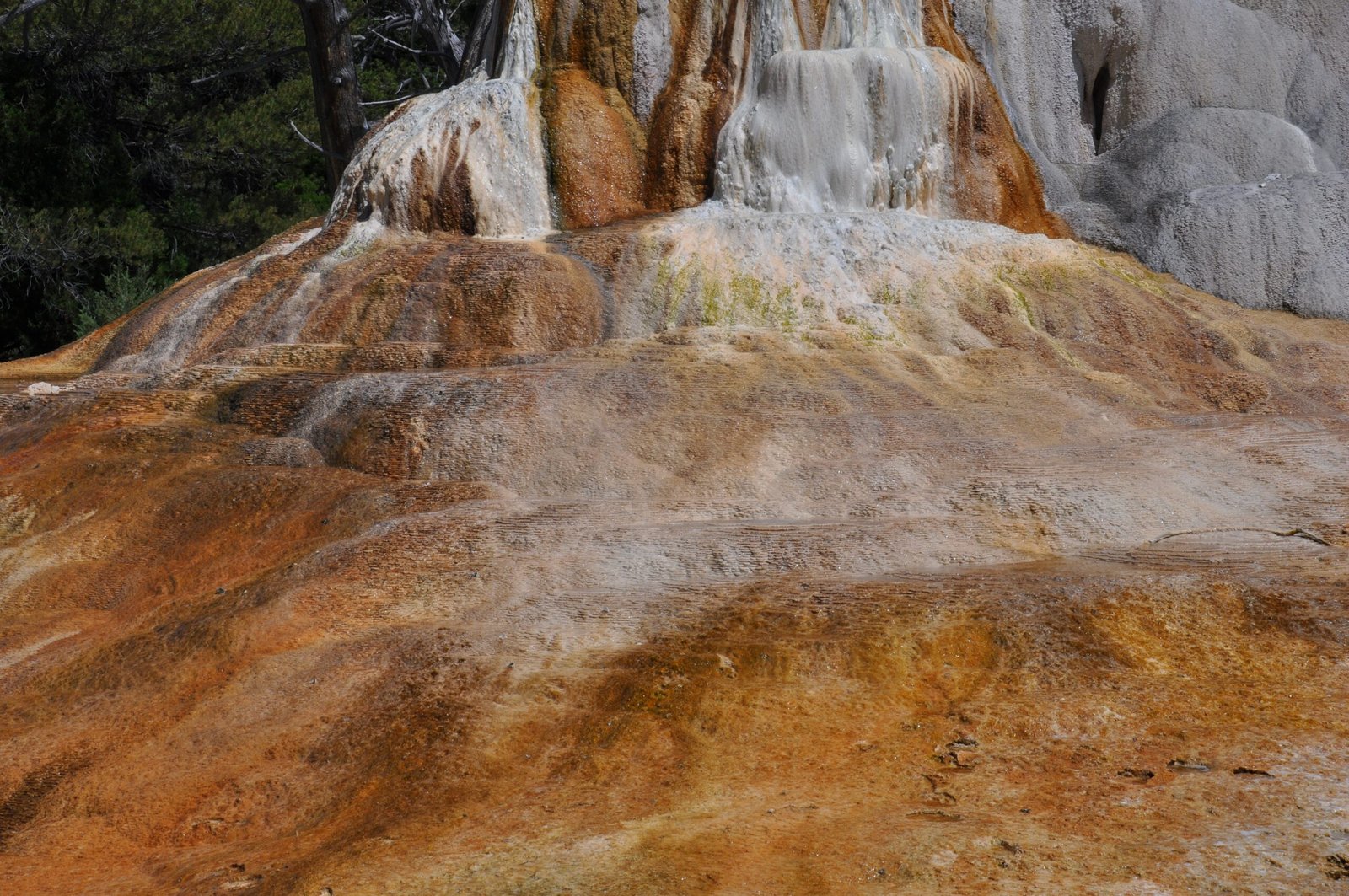
The greatest diversity at hydrothermal vents comes not from the visible giants, but from the teeming mass of microbes. Scientists have discovered hundreds of new species of bacteria and archaea living around these vents, many of which defy classification. Some can withstand temperatures above boiling, earning the name “extremophiles.” Others use metals or even radioactive elements as energy sources. These microbes are not only crucial for vent ecosystems—they might hold the keys to future medicines and new technologies.
Implications for Origins of Life
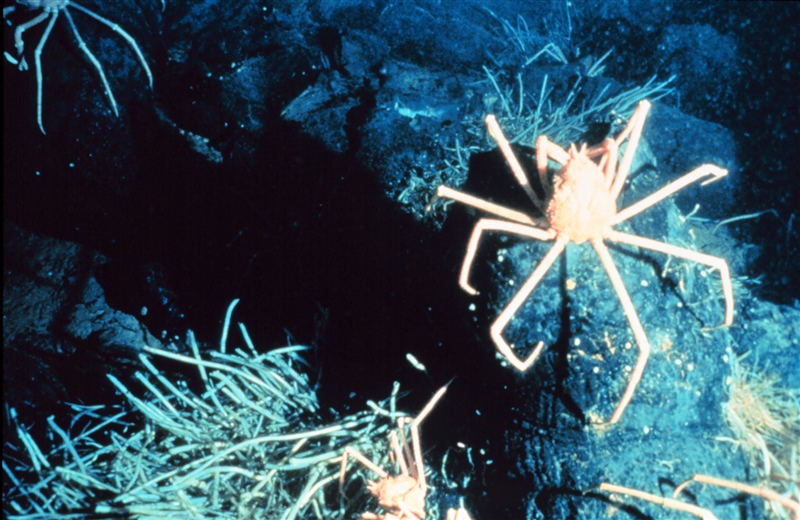
The existence of life around hydrothermal vents has reshaped our understanding of how life can begin. Some scientists now believe that life on Earth may have started in similar environments, fueled not by sunlight but by the energy and chemicals from the planet’s interior. The vents provide all the ingredients needed for life: water, energy, minerals, and a stable environment. The idea that life could start in total darkness, without the sun, is both humbling and exhilarating. It challenges everything we thought we knew about our place in the universe.
Searching for Life Beyond Earth

The discovery of vent life has inspired astronomers searching for life elsewhere in our solar system. Icy moons like Europa and Enceladus are believed to have oceans beneath their frozen surfaces, possibly heated by hydrothermal activity. If life can exist in the darkness of Earth’s vents, could it also thrive in the alien seas of distant moons? The thought is both thrilling and unsettling—perhaps we are not as alone as we once imagined. Each new finding at Earth’s vents brings us closer to answering that ancient question: Are we alone?
Threats and Future Exploration
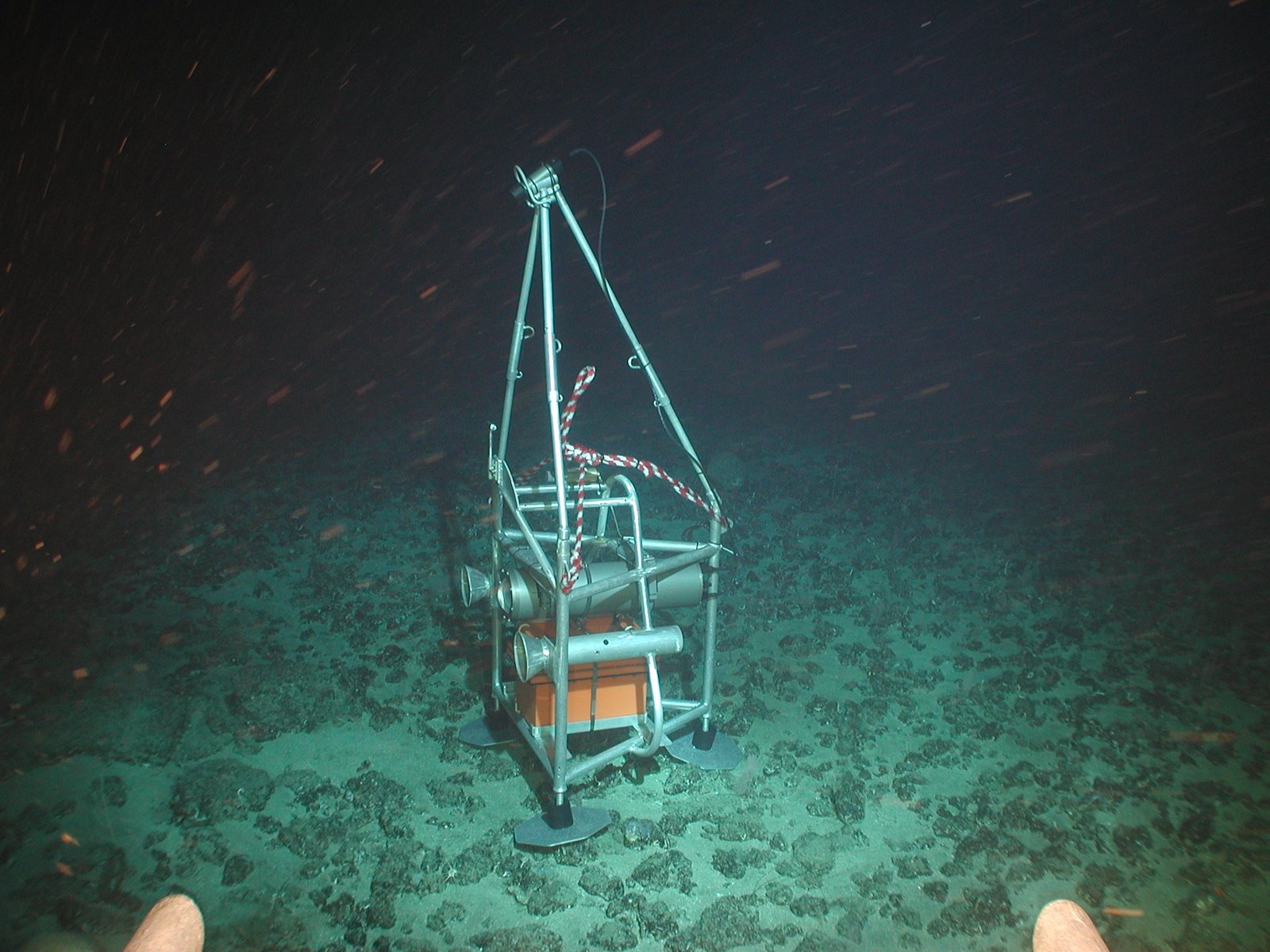
Despite their isolation, hydrothermal vent ecosystems are not immune to human impact. Deep-sea mining and pollution threaten to disrupt these delicate habitats before we’ve even begun to understand them. Scientists are racing against time to explore, document, and protect these regions. New technologies like remotely operated vehicles and deep-sea submersibles are opening up previously unreachable frontiers, revealing breathtaking new species and unexpected connections. The more we learn, the more we realize how much remains hidden, waiting to be discovered.
The Unending Mystery of Life’s Limits

Hydrothermal vents remind us that life is endlessly inventive and resilient. From bacteria that feast on toxic gases to worms that survive without mouths, every creature here is a testament to the power of adaptation. These deep-sea realms challenge our ideas about what is possible and inspire us to look deeper, both into the ocean and into ourselves. What other worlds remain to be discovered, just out of sight, waiting in the darkness?