It’s a crisp morning, and as you wander through a blooming park, something feels different. The sweet scent of flowers lingers in the air weeks earlier than you remember from childhood. Birds are already busy building nests, and bees dart energetically from blossom to blossom. This isn’t just your imagination—nature’s calendar is shifting, and every spring walk now holds a story of rapid change. With each passing year, scientists uncover more evidence that the warming world is rewriting the rhythms of life. Animals and plants aren’t just passive observers; they’re responding in surprising, sometimes astonishing ways. What does this mean for the wild world—and for us?
The Early Arrival of Spring: Nature’s Clock Out of Sync
Spring once arrived like clockwork, but now its timing is unpredictable. Across continents, flowers are bursting open days or even weeks earlier than they did decades ago. This phenomenon, called “phenological shift,” is a direct response to rising temperatures. Plants use environmental cues—mainly warmth and daylight—to decide when to sprout, bloom, or shed leaves. With warmer winters and earlier springs, their internal calendars are thrown off. For example, cherry blossoms in cities like Washington D.C. now reach peak bloom much earlier, sometimes breaking records year after year. These changes might seem beautiful, but they often disrupt the delicate balance between plants, pollinators, and animals that depend on them.
Animal Migrations: Racing Against the Heat
Animals that migrate—like songbirds or monarch butterflies—rely on environmental signals to start their journeys. As the world warms, these cues are shifting, and so are the migration patterns. Many birds are flying north earlier, arriving at breeding grounds before food sources like insects or berries are ready. This mismatch can mean hungry chicks and declining populations. In the Arctic, caribou migrations have become less synchronized with the budding of plants they rely on for food. These shifts are not just fascinating—they’re vital, as migration timing can be a matter of survival for both animals and the ecosystems they support.
Pollinators in Peril: Flowers and Bees Out of Step
Pollinators, such as bees and butterflies, and the plants they service, have evolved a precise dance that ensures mutual survival. But as plants bloom earlier, pollinators may not be ready to perform their crucial roles. If bees emerge from hibernation too late, they miss the peak of nectar-rich blossoms. This “phenological mismatch” leads to fewer pollinated plants and less food for pollinators, creating a downward spiral. Wildflower meadows in Europe and North America have shown disruptions in this precious relationship, hinting at broader consequences for agriculture and biodiversity.
Changing Habitats: Where Do Creatures Go?
As temperatures climb, many animals and plants are seeking new homes. Some are shifting their ranges northward or moving to higher elevations in search of cooler conditions. For instance, certain butterfly species now appear hundreds of miles north of their historical ranges. Alpine plants, squeezed by warming temperatures, have nowhere higher to go and face the risk of extinction. This great reshuffling isn’t just about survival; it changes the very fabric of ecosystems, as new species interactions emerge and old ones disappear.
Tree Buds and Blossoms: The Science Behind the Show
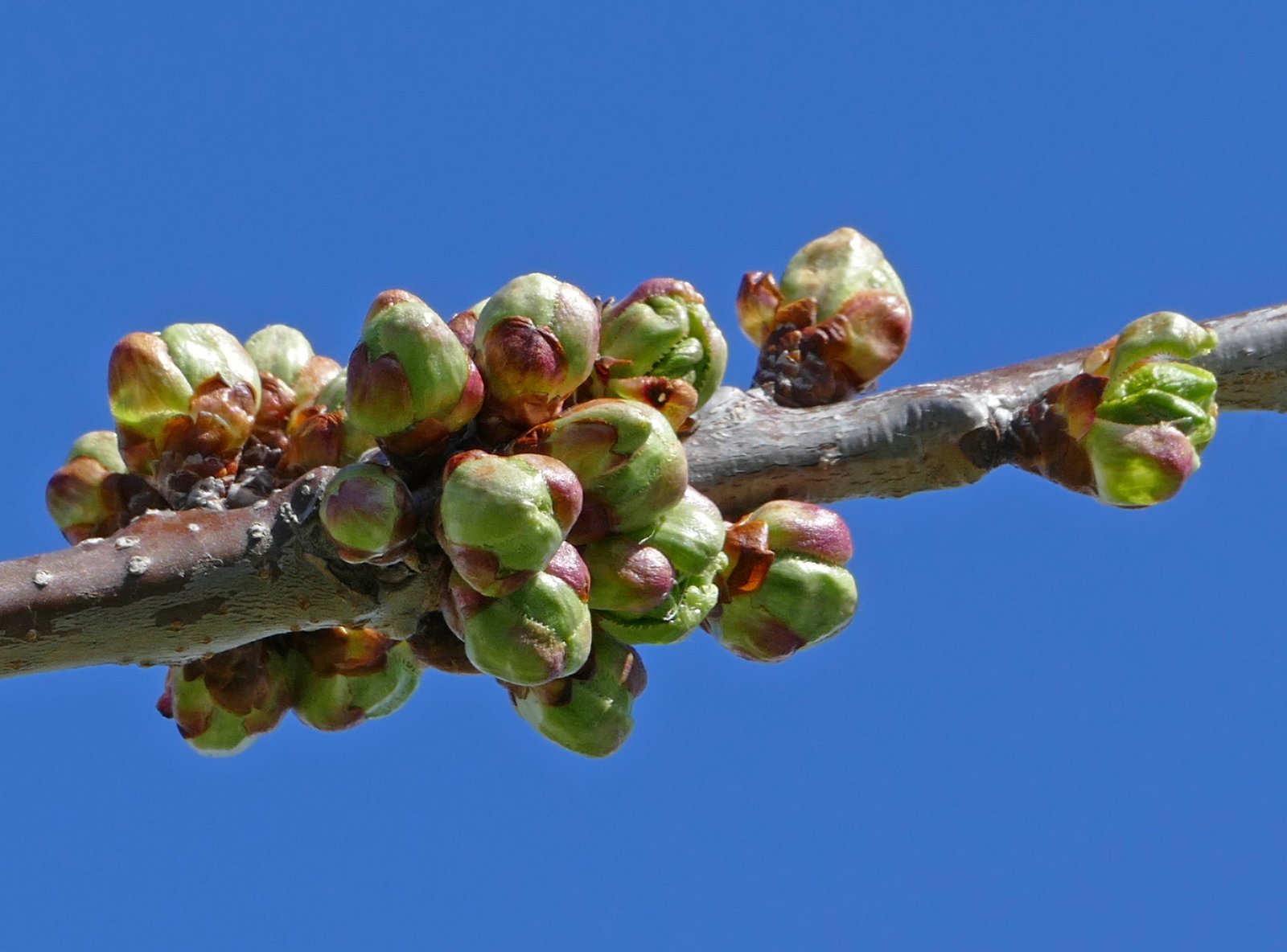
Trees are among the most visible markers of spring’s arrival. Scientists track “budburst”—the moment when new leaves or flowers emerge—to gauge the effects of warming. In the past few decades, budburst dates have crept earlier, sometimes by as much as three weeks. This shift affects everything from forest health to animal behavior. For example, early leaf-out can expose trees to late frosts, damaging new growth. Meanwhile, animals reliant on fresh leaves, like caterpillars, must adjust their life cycles or risk starvation. These subtle shifts can ripple through entire forests, changing their character over time.
Breeding and Nesting: A Race Against Time
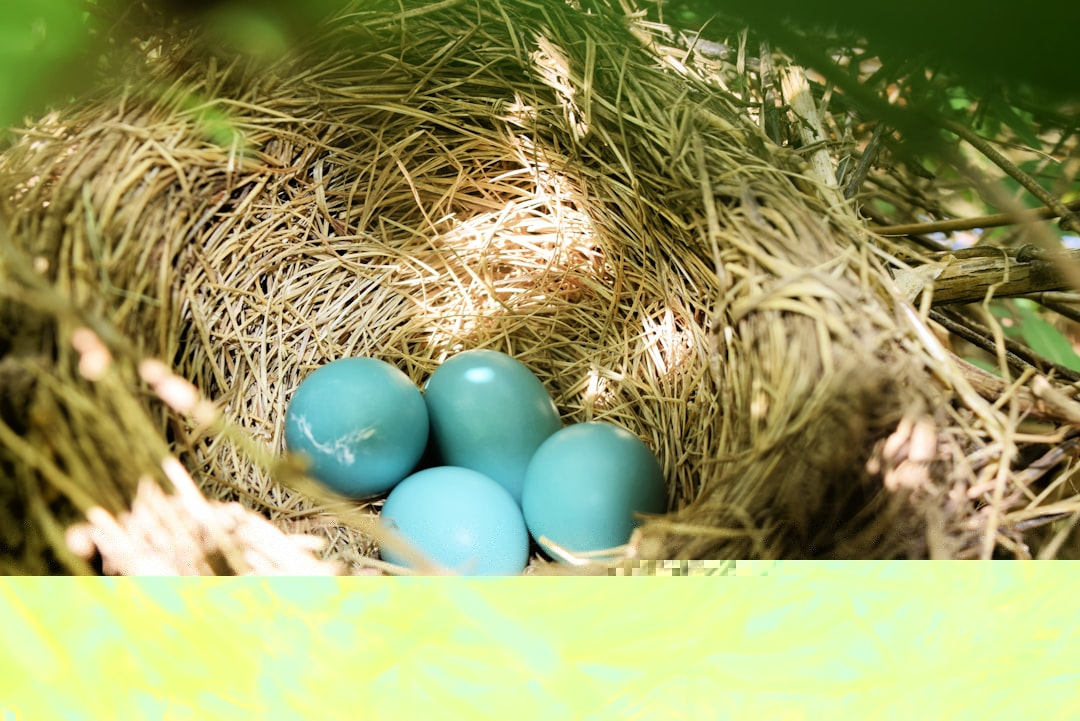
Many animals time their breeding to coincide with spring’s bounty—think of birds nesting when insects are plentiful or frogs laying eggs in freshly thawed ponds. But as spring arrives earlier, some species struggle to keep pace. Studies show that great tits in Europe now lay eggs earlier, but if insects haven’t emerged, their chicks go hungry. Amphibians, like frogs and salamanders, may breed before water temperatures are optimal, risking the survival of their offspring. These timing mismatches can shrink populations and alter entire food webs.
Invasive Species: Winners on a Warming Stage
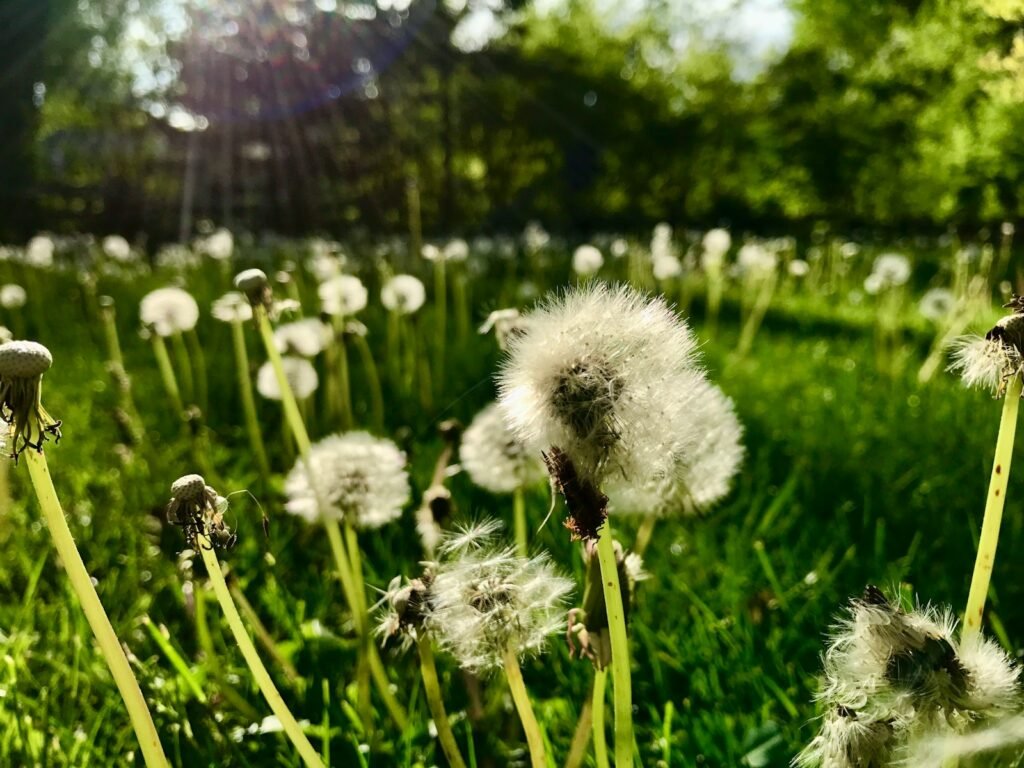
Not all species are struggling—some are thriving in the new climate. Invasive plants and animals often outcompete natives, benefiting from longer growing seasons and fewer natural predators. Kudzu, a vine native to Asia, is spreading farther north in North America, choking forests and farmland. Similarly, pests like the pine beetle have devastated forests in the western United States and Canada, their populations booming thanks to milder winters. The rapid advance of invaders changes landscapes dramatically, often with devastating economic and ecological consequences.
Struggling Species: Those Left Behind
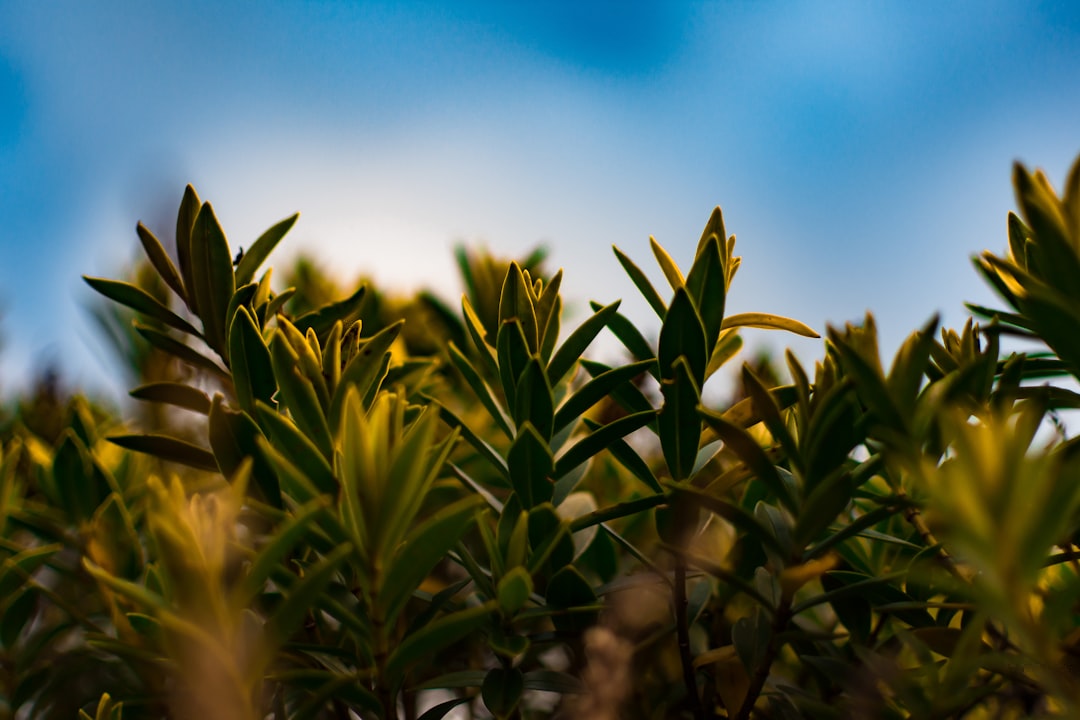
While some species adapt or move, others are trapped by geography, limited mobility, or specialized needs. Alpine plants, cold-water fish like trout, and animals with narrow habitat requirements face a grim future if warming continues unchecked. The mountain pygmy possum in Australia, for example, depends on snow cover to hibernate but now faces shorter, warmer winters. These struggles are not just numbers in a database—they represent the loss of unique forms of life, each with its own story and role in the web of nature.
Urban Wildlife: Surprising Adaptations in the City
Cities are warming even faster than the countryside, but urban wildlife is proving to be remarkably adaptable. Birds such as blackbirds and robins now sing and breed earlier in city parks, responding to artificial lights and warmer microclimates. Squirrels and insects, too, adjust their behaviors, sometimes thriving amid the concrete and noise. However, these changes are not always positive; earlier breeding can mean more generations per year, sometimes stressing resources or leading to imbalances. Urban nature is a living laboratory for adaptation, offering surprising glimpses of resilience and vulnerability.
Human Actions: Can We Help Restore Balance?
Our choices matter. From planting native species and supporting pollinator-friendly gardens, to reducing carbon emissions and preserving wild spaces, humans can shape the course of these seasonal shifts. Citizen science projects, like tracking first blooms or bird arrivals, help researchers understand changes on a grand scale. Every action, however small, ripples through the system. As we walk through this warming spring, perhaps the most important question we can ask ourselves is: How will we choose to respond to nature’s changing rhythms?