Imagine stepping into a pitch-black cave, the air cool and damp, silence pressing in around you. Then, suddenly, the darkness breaks. Above your head, thousands of tiny blue stars twinkle, casting an otherworldly glow across the stone. It feels like stumbling into a hidden galaxy. But here’s the shocking twist: this mystical light show is actually the work of tiny maggots dangling sticky strings—strings that are, quite literally, bug poop. Welcome to the enchanting, bizarre world of New Zealand’s glowworms, where nature’s beauty and gross-out science go hand in hand.
The Magical Illumination of New Zealand’s Caves

New Zealand’s caves are famous for their glowing ceilings, attracting visitors from all over the globe. The Waitomo Caves, in particular, are celebrated for their surreal blue-green glow, which makes the underground world look like a scene from a fantasy movie. This light isn’t produced by crystals or minerals, but by living creatures—specifically, the larvae of the fungus gnat, scientifically known as Arachnocampa luminosa. These tiny architects create an unforgettable spectacle, turning dark, damp caves into natural light shows that leave visitors awestruck.
Meet the Glowworm: A Master of Deception

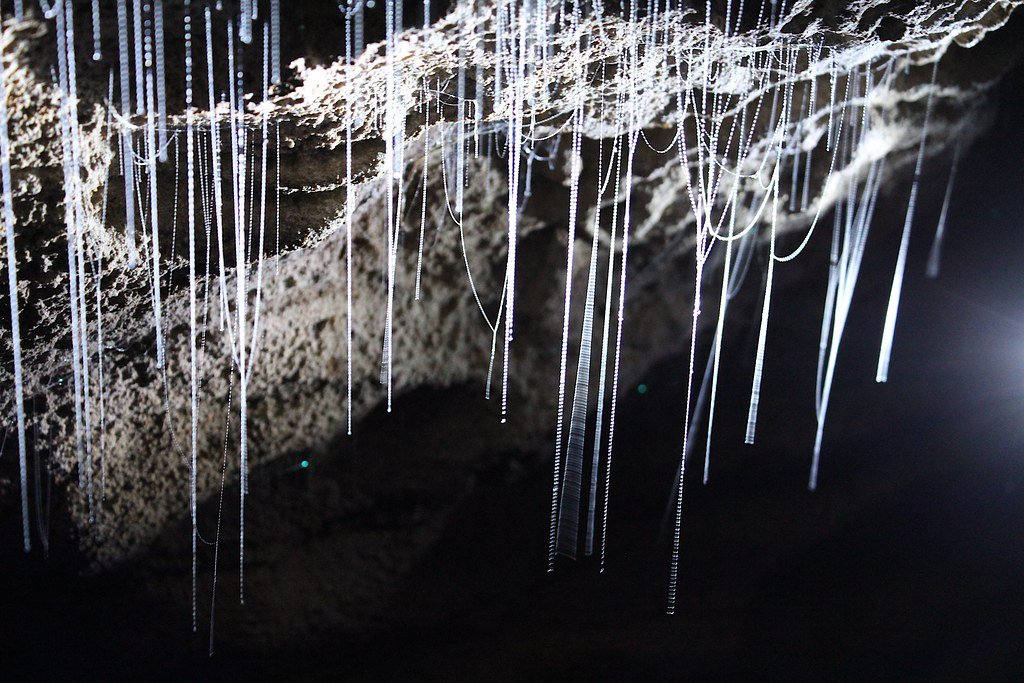
What we call the “glowworm” is actually not a worm at all, but the larval stage of a fly—a fungus gnat. These larvae spend most of their lives clinging to cave ceilings, weaving silken threads studded with droplets of mucus. In the darkness, they glow with an eerie blue light, luring in unsuspecting prey. It’s a showy trick designed for survival, a combination of beauty and deception that makes the glowworm such a fascinating creature.
How Do Glowworms Make Their Light?
The glowworm’s light comes from a process called bioluminescence, a chemical reaction inside the larva’s tail. Specialized cells combine luciferin (a light-emitting molecule), oxygen, and an enzyme called luciferase. The result is a soft, blue-green glow that can be seen from several meters away in total darkness. This light isn’t just for show—it’s a clever adaptation for hunting, drawing in insects that become trapped in the larva’s sticky threads.
The Glistening Threads: Nature’s Sticky Traps
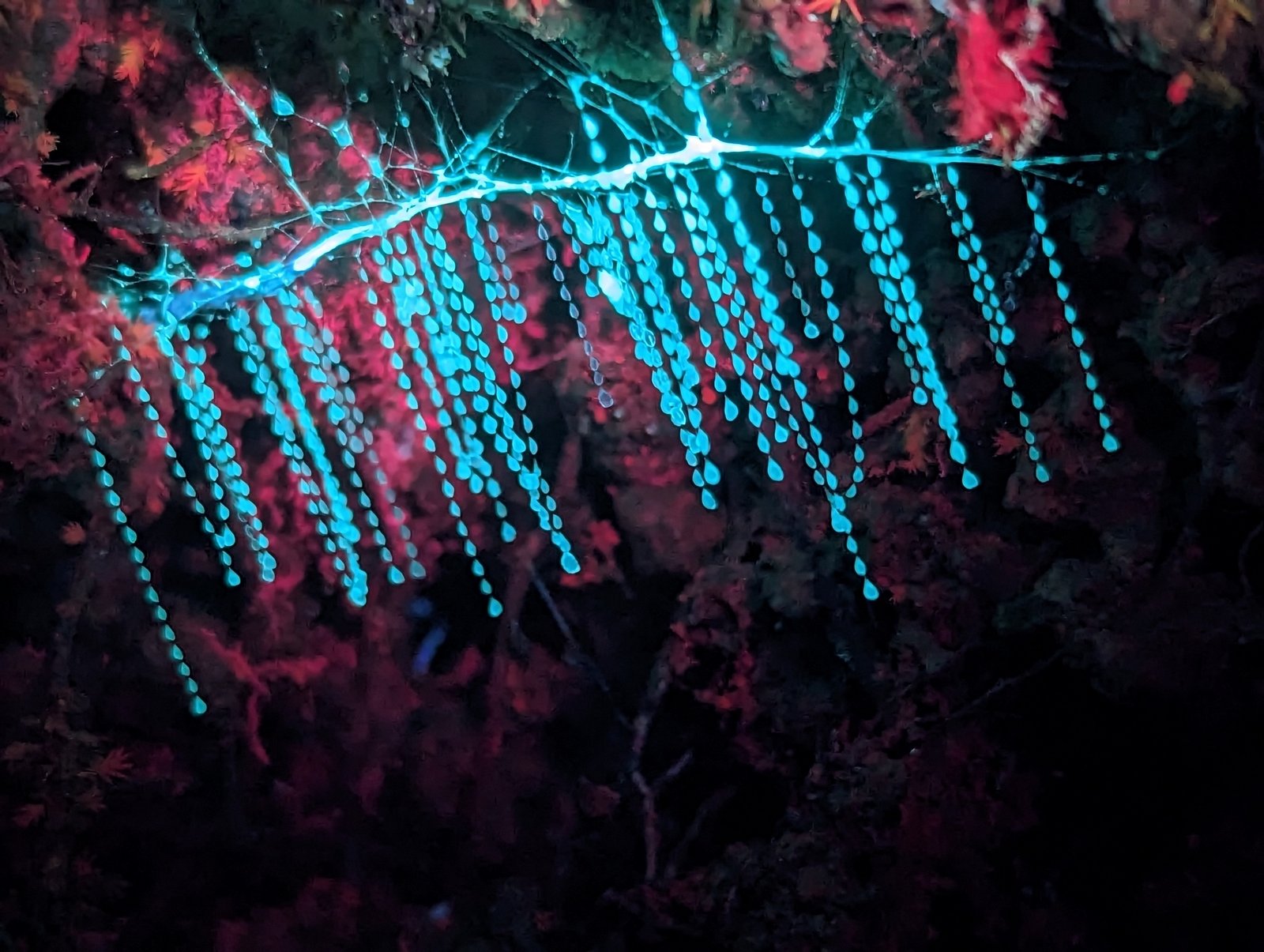
Stretching down from the cave ceiling are dozens of delicate threads, each one coated in glistening droplets. These threads are spun from silk and mucus, and here’s where it gets a bit gross: those sparkling drops are, in fact, a combination of saliva and digested waste—essentially bug poop. The glowworm produces these droplets to make the threads extra sticky. When a moth or mosquito flies toward the glow, it becomes ensnared, doomed to become the larva’s next meal.
A Deadly Light Show: Luring and Catching Prey

The bioluminescent light isn’t just beautiful—it’s deadly. Insects, attracted by the glow in the otherwise total darkness, mistake it for open sky or food. As they fly closer, they become tangled in the sticky, silken threads. The glowworm senses the vibrations and quickly reels in its catch, feeding on the trapped insect. This efficient hunting method lets the glowworm survive in caves where food is scarce, turning beauty into a weapon.
The Science Behind the Gross Factor

It might be off-putting to realize that the enchanting droplets are basically excreted waste, but this is a brilliant evolutionary solution. By recycling waste products into sticky mucus, the glowworm maximizes resources and ensures its threads are irresistible to prey. Scientists have studied these droplets and found them to be incredibly effective at ensnaring insects. It’s a reminder that nature often finds elegant solutions in the most unexpected places.
From Maggot to Star: The Glowworm’s Life Cycle

The glowworm spends about six to twelve months as a larva, spinning threads and glowing in the darkness. After fattening up on captured insects, it forms a cocoon and transforms into a pupa. Within a few weeks, it emerges as a delicate, short-lived adult fungus gnat. The adult’s main job is to mate and lay eggs, starting the cycle anew. Strangely, adult gnats don’t even have mouths—they live just long enough to ensure the next generation of glowing maggots.
Why Do Glowworms Only Live in Certain Places?

Glowworms are picky about where they live. They need caves or dense forests with constant humidity and darkness. The caves of New Zealand offer the perfect environment: steady temperatures, moist air, and plenty of ceiling space for hanging their silk threads. These conditions are hard to find elsewhere, making New Zealand’s glowworm caves a rare and precious natural wonder.
The Tourist Experience: Awe and Wonder (and a Bit of Disgust)
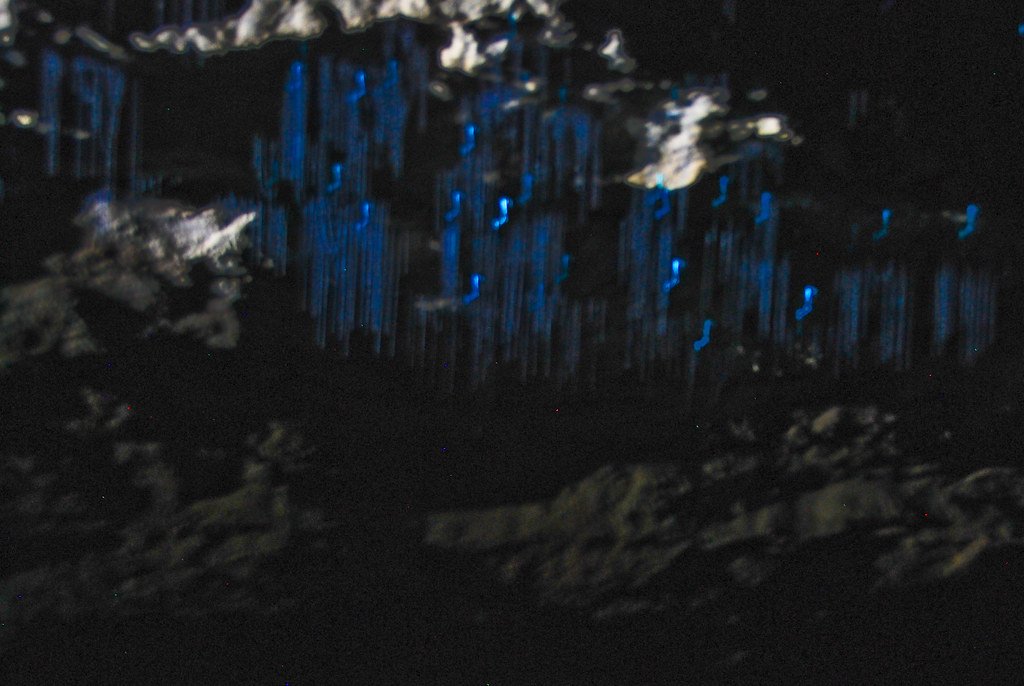
For visitors, the sight of thousands of shimmering blue lights overhead is unforgettable. Guided boat tours glide silently through the caves, with tourists gazing up in silent amazement. Yet, knowing the science behind the spectacle—realizing that those magical threads are lined with bug saliva and waste—only adds another layer of fascination. It’s a reminder that nature’s wonders are often more complex (and weirder) than they appear at first glance.
Conservation Efforts: Protecting a Natural Phenomenon
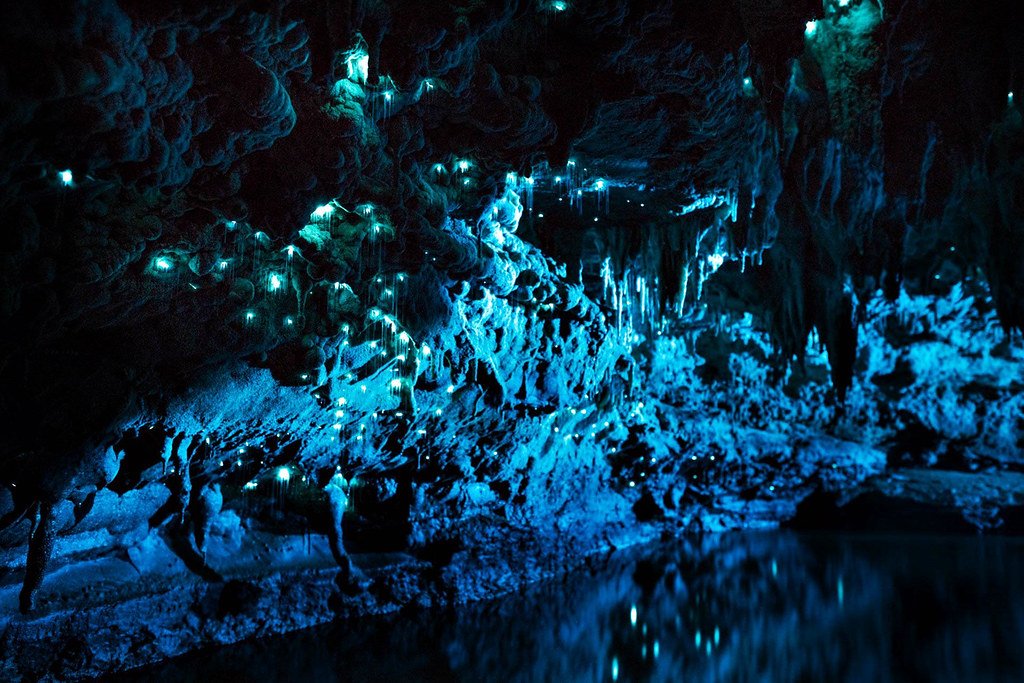
The popularity of glowworm caves means they face real threats from tourism and environmental changes. Cave ecosystems are fragile, and even small disruptions can harm the glowworm population. Conservationists work hard to protect these unique habitats, restricting visitor numbers and monitoring cave conditions. Efforts are also underway to educate the public about the importance of preserving these glowing marvels for future generations to enjoy.
Human Fascination: Why We Love a Little Bit of Gross

There’s something irresistible about a story that mixes beauty with a touch of the grotesque. The glowworm’s glowing poop threads are a perfect example. It’s a reminder that nature doesn’t always fit our tidy ideas of what’s beautiful or clean. Sometimes, the most magical sights are built on the strangest foundations. And maybe that’s why the glowworm continues to capture our imagination—because it’s proof that the world is full of surprises, if we’re willing to look a little closer.