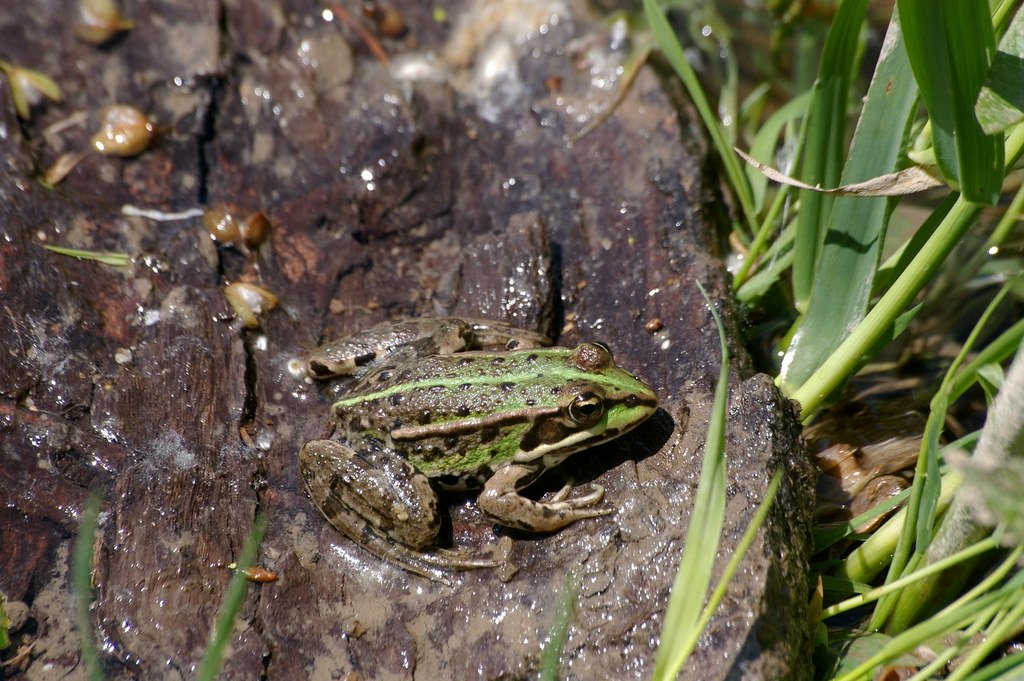

Imagine a mother so devoted to her young that she turns her own body into a living nursery, risking her life for the next generation. In the wild, unpredictable world of Australia, this is not just a story—it’s the astonishing reality for a small, unassuming frog. This frog, against all odds, transforms her stomach, the very place meant for digesting food, into a safe haven for her developing tadpoles. What could possibly drive such a bizarre and jaw-dropping adaptation? The answer reveals the wonders of evolution, the fierce will to survive, and nature’s endless creativity.
The Remarkable Gastric-Brooding Frogs
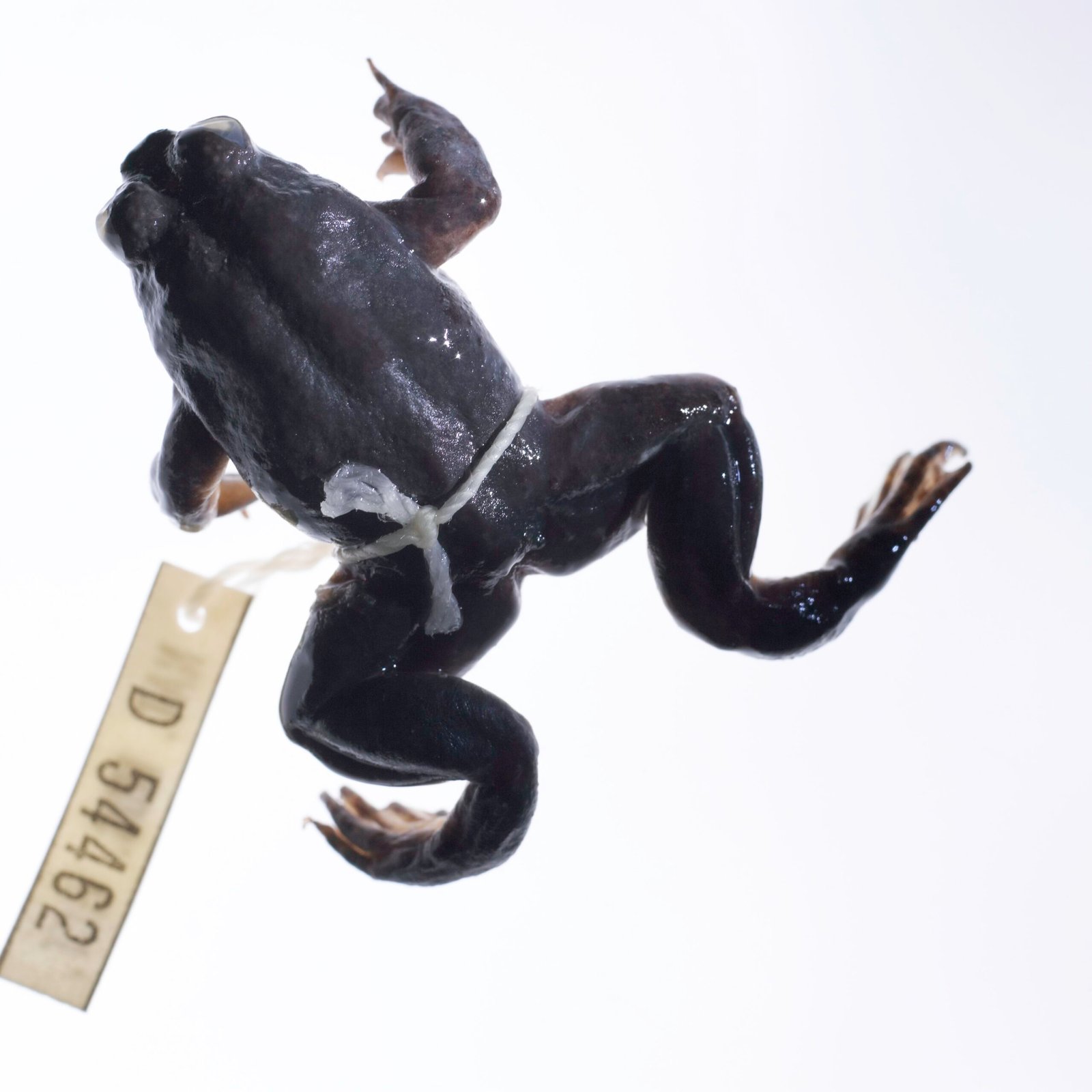
Deep in the rainforests of eastern Australia once lived two species of frogs so unique, they astonished scientists everywhere: the gastric-brooding frogs. These frogs, Rheobatrachus silus and Rheobatrachus vitellinus, were unlike any other amphibians on the planet. The female would swallow her fertilized eggs, but instead of digesting them, she did something miraculous. Her stomach became a womb, sheltering the developing tadpoles from the dangers outside. For weeks, she would stop eating, her body entirely devoted to nurturing her young. The story of these frogs is a testament to just how far nature will go to protect life.
A Stomach Turned Nursery
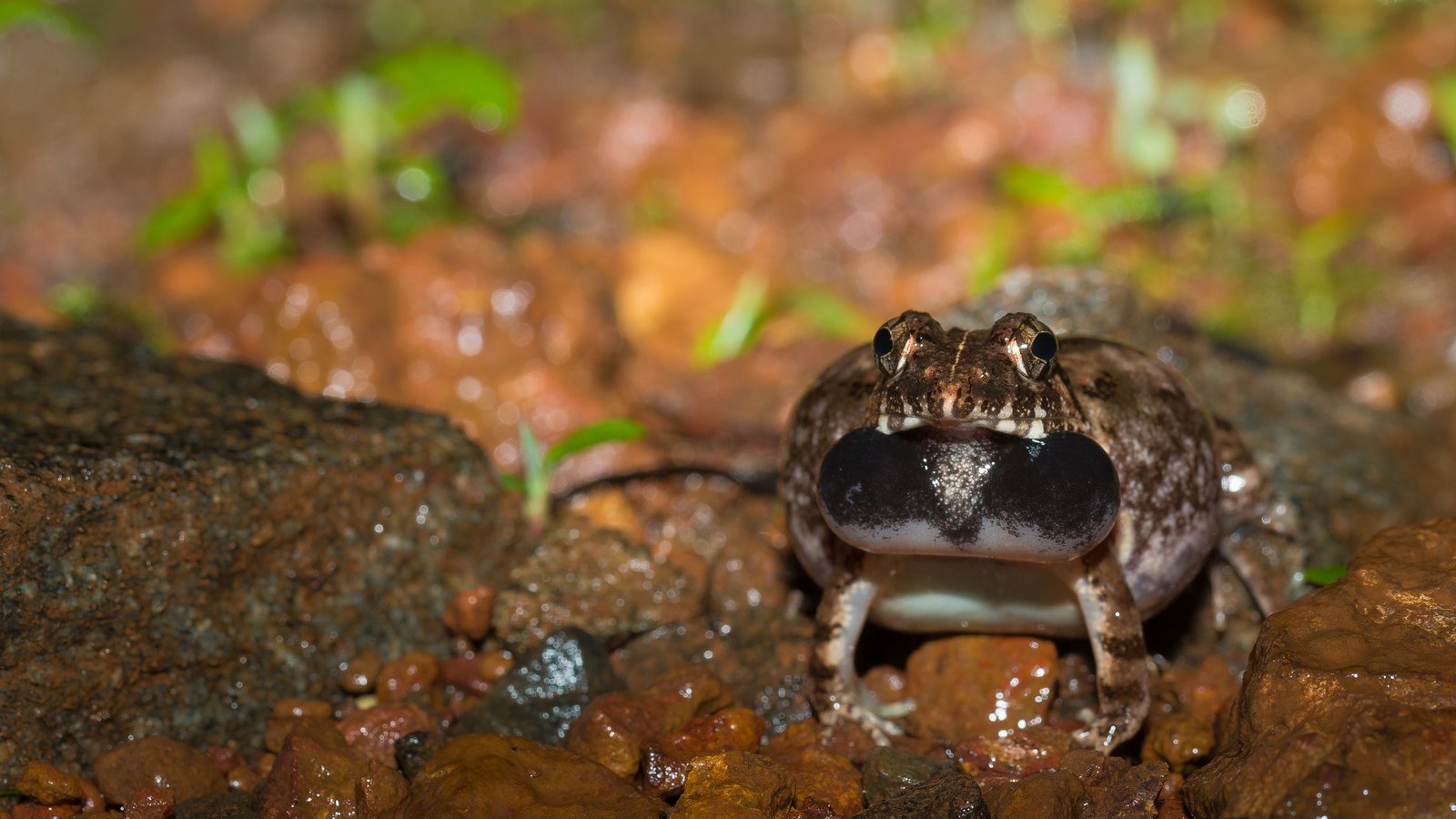
It sounds like science fiction, but it’s true: the mother frog’s stomach would shut down its digestive functions to house her growing offspring. Normally, the stomach is an acidic, hostile environment where enzymes break down food. But in these frogs, the production of stomach acid and digestive enzymes would cease entirely. The tadpoles were protected from being digested, turning the stomach into a perfectly safe nursery. This transformation was so complete that the mother could not eat at all during this period—her survival depended on enduring weeks of fasting.
The Miracle of “Vomiting” Birth
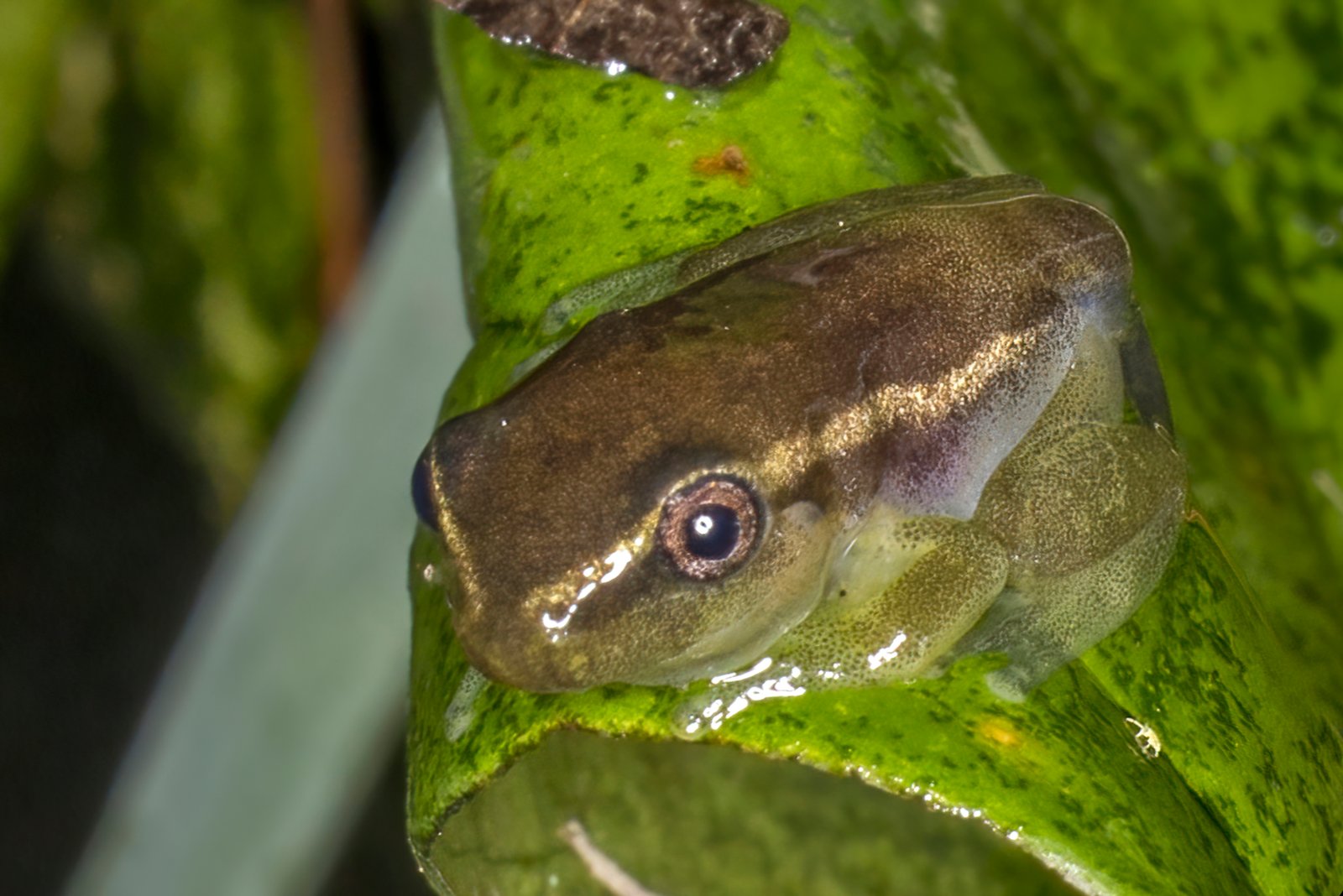
When the time came for the tadpoles to emerge as froglets, the process was as dramatic as their gestation. The mother frog would contract her abdominal muscles, pushing the fully developed froglets up through her esophagus and out of her mouth. In a process that could only be described as controlled “vomiting,” she would bring new life into the world. Each tiny froglet would hop away, having been shielded from predators and environmental threats by their mother’s incredible adaptation.
Why Evolve Such a Strange Strategy?
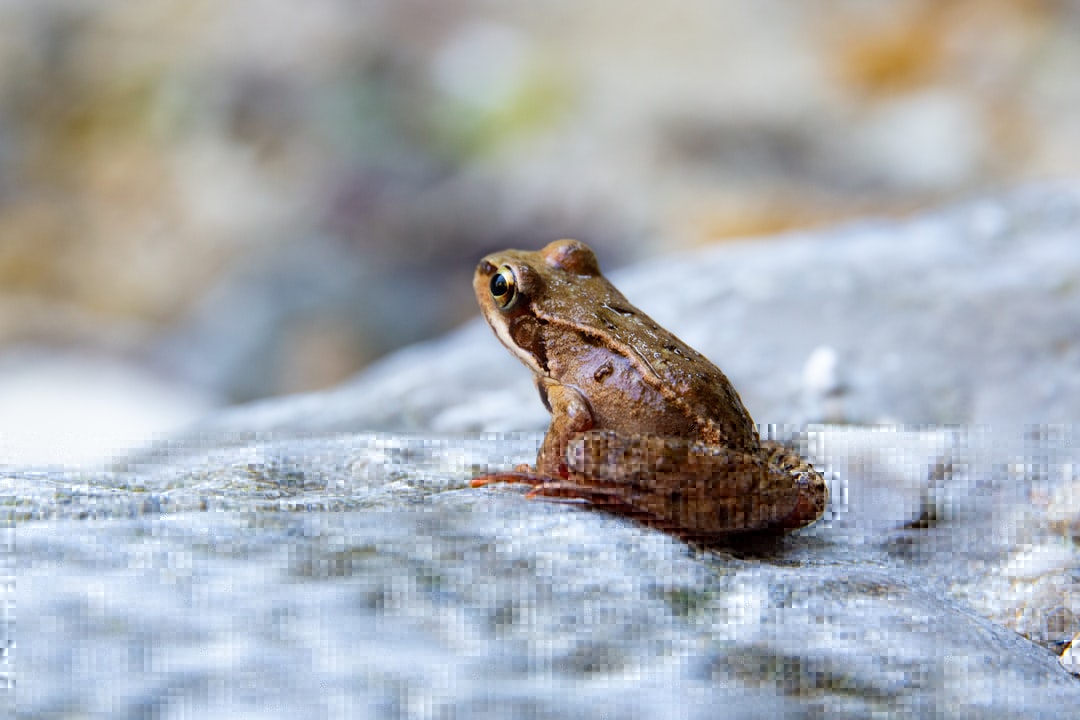
Australian rainforests are filled with predators and unpredictable weather. Eggs laid in open water are at constant risk of being eaten or washed away. By internalizing development, gastric-brooding frogs gave their young the ultimate protection. This extraordinary adaptation allowed more tadpoles to survive to adulthood, making it a powerful evolutionary advantage. In nature, the most unorthodox solutions often arise in the harshest environments, and these frogs are a perfect example.
How Did The Frogs Stop Digesting Their Young?
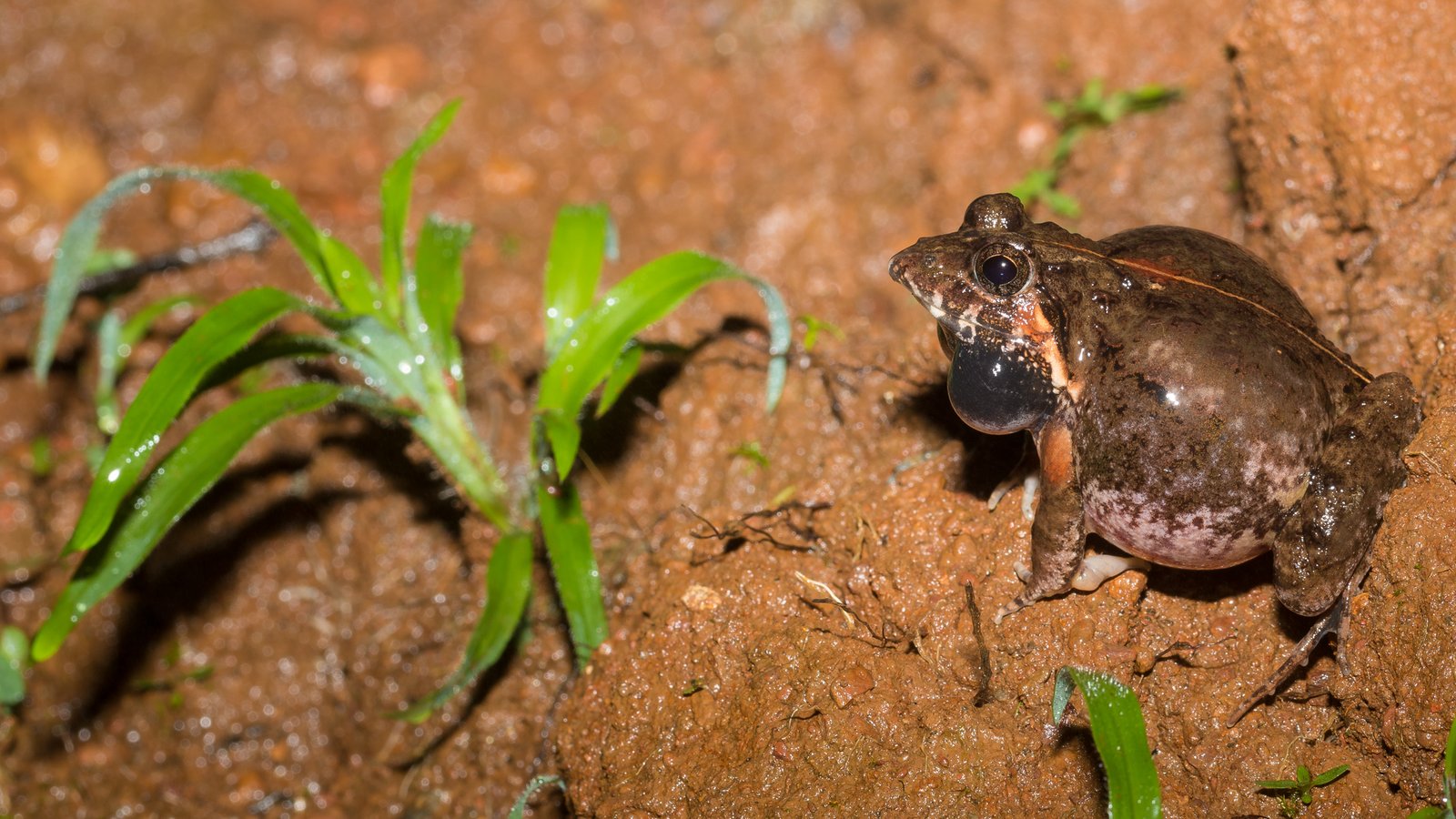
The big question for scientists was: how did the mother’s stomach stop digesting her tadpoles? Research revealed that the developing eggs and tadpoles produced a chemical signal—likely prostaglandin E2—that told the mother’s body to halt acid production. This turned her stomach from a chamber of destruction into a gentle, protective pouch. It’s a biological switch so precise and extraordinary, researchers still marvel at its complexity.
The Cost of Maternal Sacrifice
This feat of motherhood came at a steep price. While her stomach was occupied, the mother frog could not eat, risking her own health for her offspring. Her body would shrink, her muscles would weaken, and she became vulnerable to predators. The sacrifice was immense, but it paid off in the survival of her young. This level of parental care is rare in the animal kingdom, especially among amphibians, making the gastric-brooding frog’s story all the more compelling.
The Tragic Disappearance
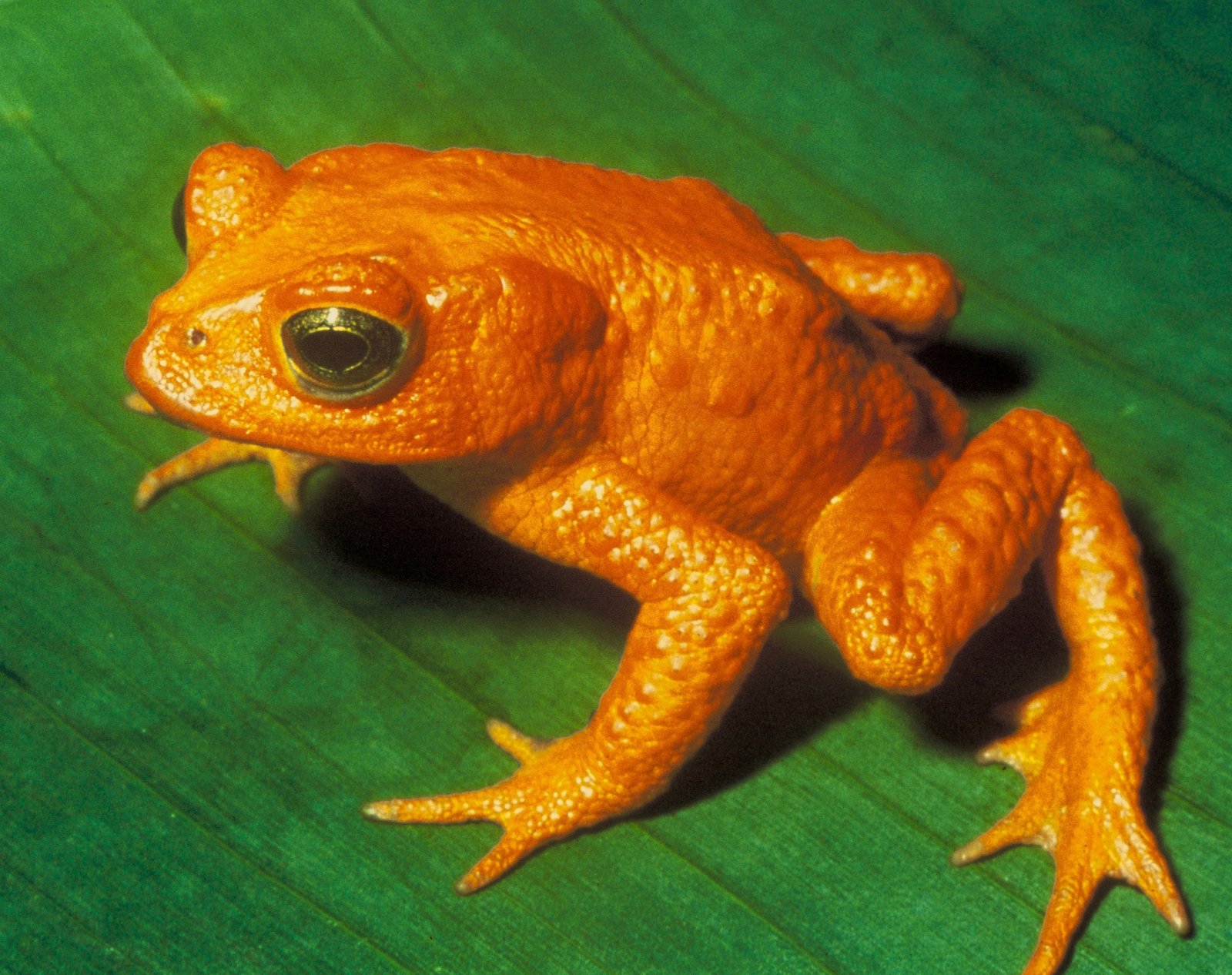
Despite their amazing adaptations, gastric-brooding frogs vanished in the 1980s. Disease, habitat destruction, and environmental changes all played a role in their extinction. Their loss left a gaping hole in the scientific world—a living marvel, gone before we could fully understand it. Their disappearance is a sobering reminder of how fragile and vulnerable even the most extraordinary creatures can be.
Echoes in Modern Science
The legacy of these frogs continues to inspire scientists. Researchers are studying how the frogs’ ability to suppress stomach acid could help humans with medical conditions like stomach ulcers. The hope is that one day, these lessons from a lost species could lead to groundbreaking treatments. It’s a striking example of how nature’s oddities can spark innovation and hope in unexpected ways.
Attempts to Bring Them Back
In recent years, scientists have tried to bring gastric-brooding frogs back from extinction through cloning and de-extinction projects. Using preserved genetic material, researchers hope to resurrect this incredible frog and study its biology in detail. While success remains elusive, the effort underscores just how captivating and important the story of these frogs remains to science and the public alike.
A Window Into Evolution’s Wildest Experiments
The tale of the gastric-brooding frog is not just about one species—it’s a window into the wild, unpredictable world of evolution. It shows us that life will try almost anything to survive. By turning a stomach into a nursery, these frogs proved that the boundaries of what’s possible in nature are far broader than we ever imagined.
The Enduring Mystery and Inspiration
Though the gastric-brooding frogs are gone, their story endures, stirring curiosity and wonder in all who hear it. Their legacy reminds us to cherish the mysteries and marvels of the natural world, to protect what remains, and to never stop asking how far life can go to secure its future.