Imagine swimming in a prehistoric ocean, the water teeming with bizarre, alien-like life forms. Suddenly, a shadow glides beneath you—a creature so strange it almost defies belief. It opens its mouth, revealing a second set of jaws lurking deep inside its throat, ready to snap shut on unsuspecting prey. This is not a scene from a science fiction novel; it is a reality rooted in Earth’s ancient past. Few evolutionary inventions are as shocking, or as nightmarish, as the pharyngeal jaw. Hidden in the throats of certain fish, this anatomical marvel has shaped survival for millions of years—and it continues to fascinate and terrify scientists to this day.
The Bizarre Anatomy of the Pharyngeal Jaw
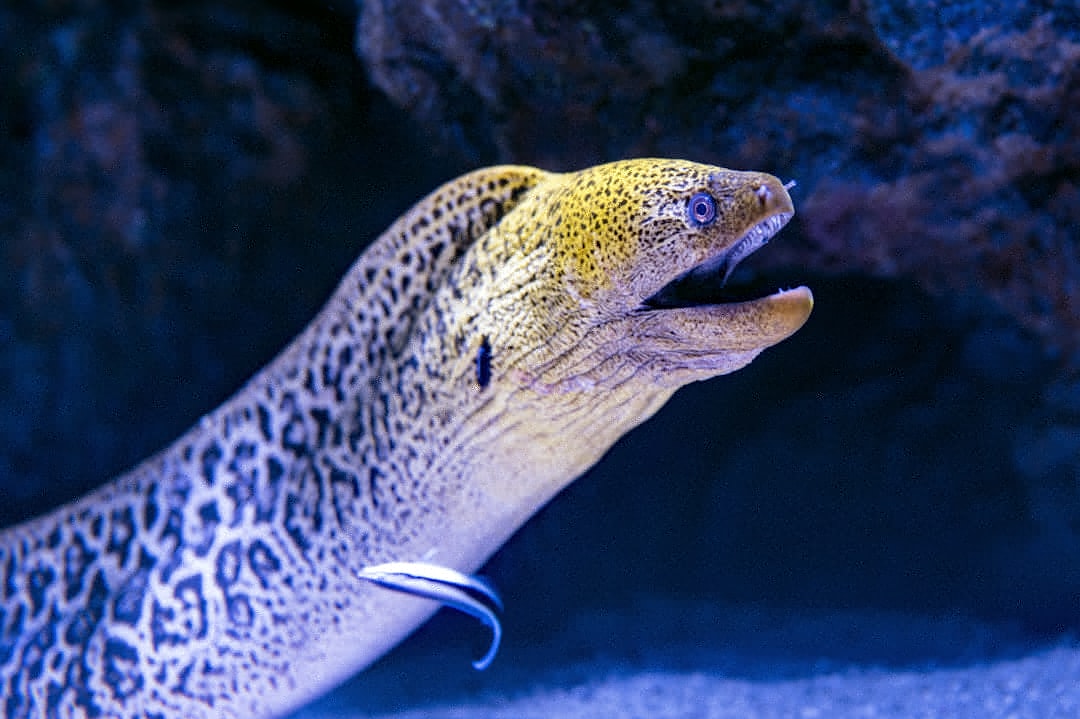
At first glance, many ancient and modern fish look relatively ordinary, but a closer look reveals something extraordinary hiding inside their heads. The pharyngeal jaw is not just a simple mouthpart—it’s a second, hidden jaw, positioned behind the primary jaws and throat. In some species, like moray eels, this jaw can actually extend forward into the mouth to grab prey. It works almost like a retractable claw, latching onto food and pulling it back into the digestive tract. This adaptation is so unique that it stuns even seasoned biologists, who liken it to the famous monstrous jaws from the “Alien” movie franchise. The pharyngeal jaw is made of modified gill arches, showing just how creative evolution can be when it comes to survival.
How Evolution Forged a Jaw Within a Jaw
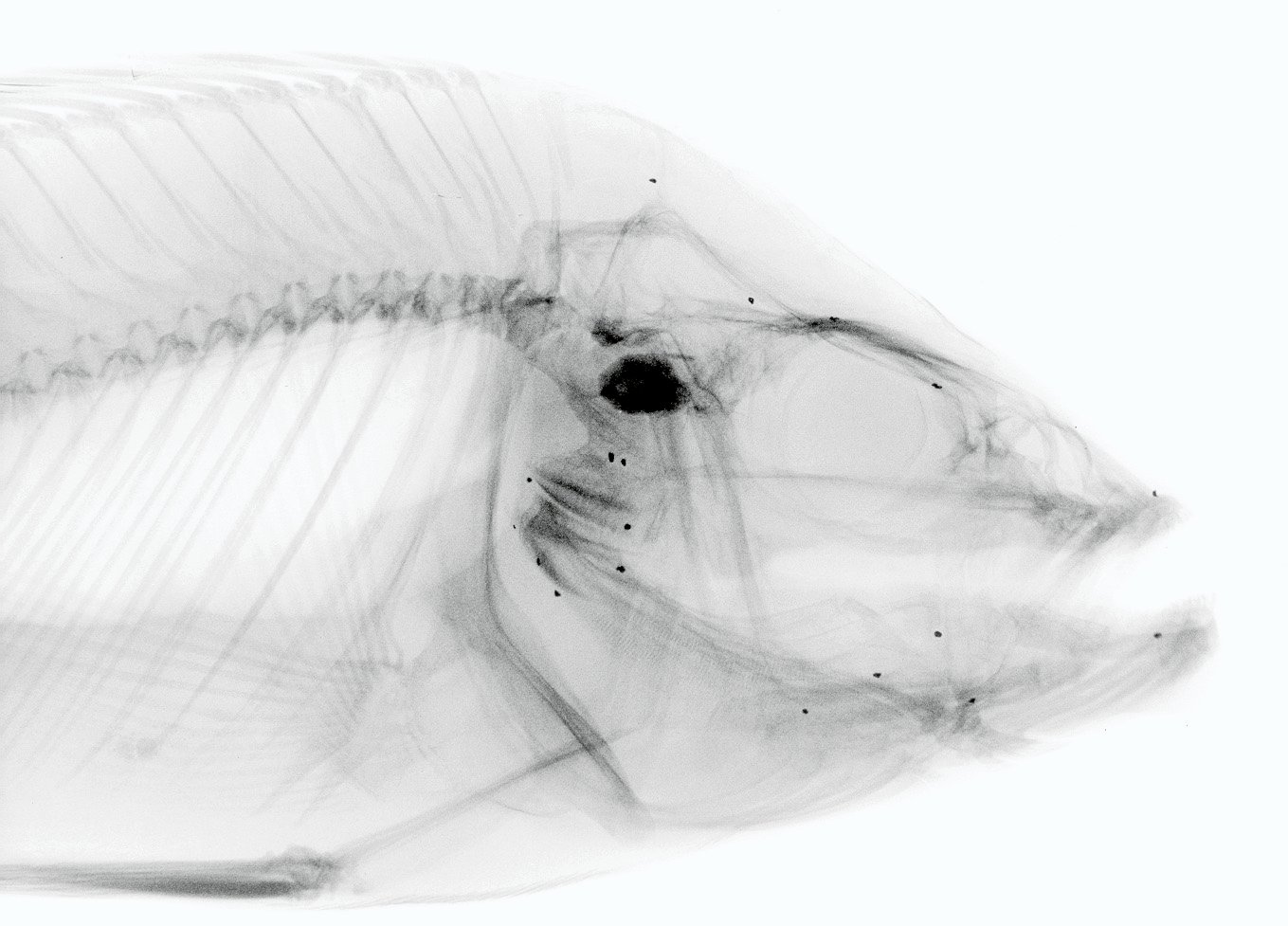
The origins of the pharyngeal jaw stretch back hundreds of millions of years. Early fish had simple mouths and basic gill arches, but slowly, some lineages began to transform these arches into specialized feeding tools. Over time, natural selection favored individuals who could more efficiently process food. This led to the emergence of a second set of jaws tucked deep within the throat. These extra jaws gave certain fish a huge advantage, allowing them to crush, grind, or grip prey with astonishing force. This innovation was not a quick leap but a gradual process, shaped by countless generations and environmental pressures. It’s a testament to the weird and wonderful pathways evolution can take when driven by competition and hunger.
Moray Eels: Masters of the Double Jaw
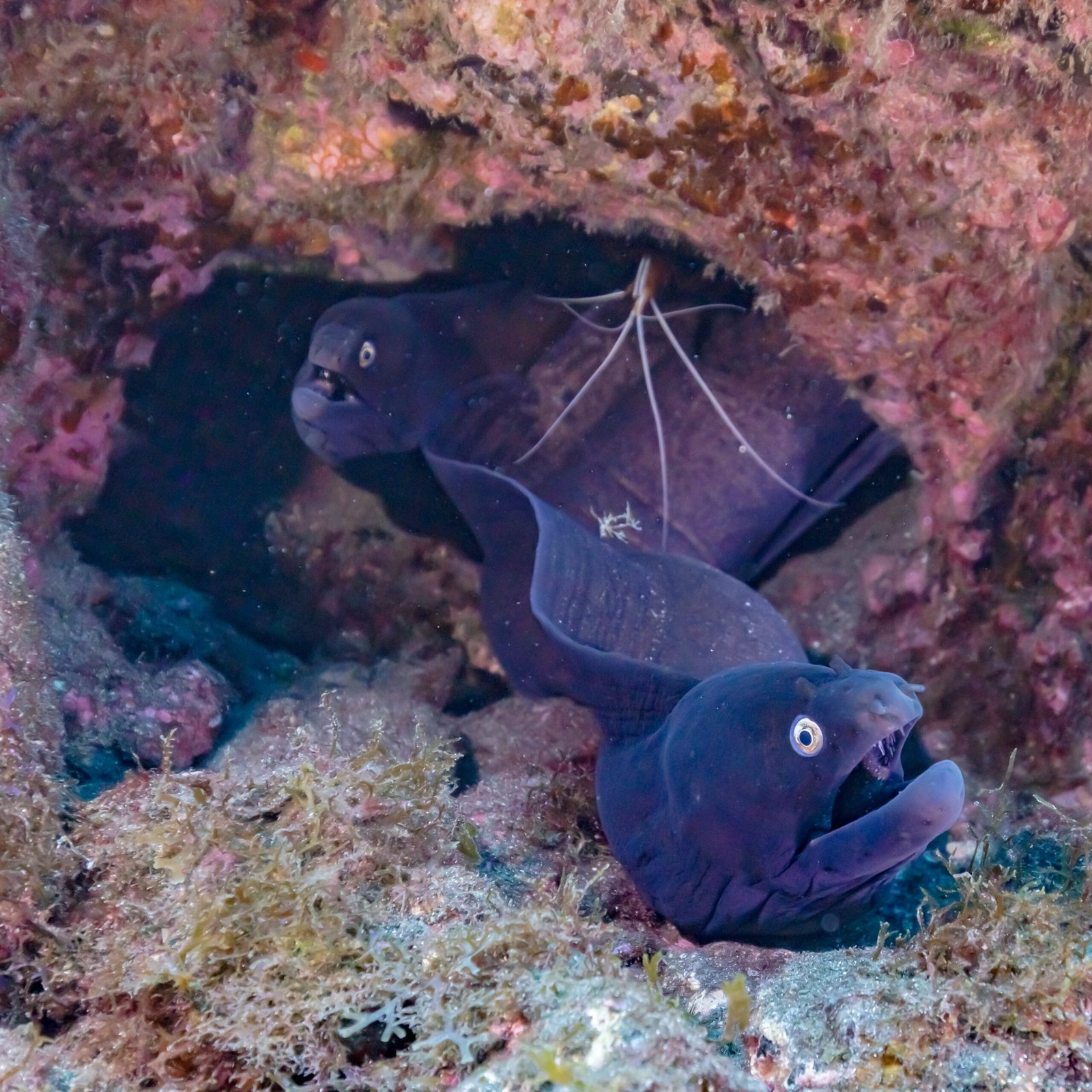
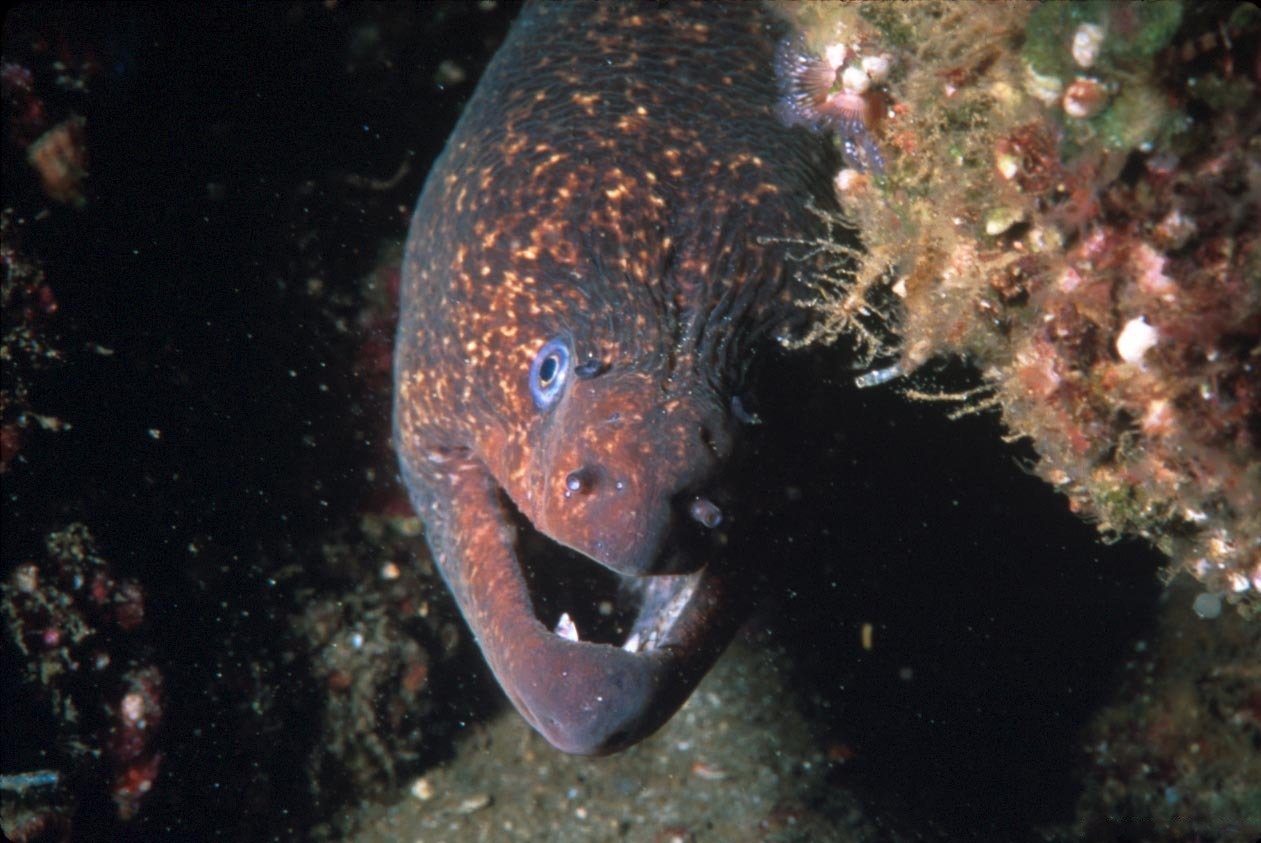
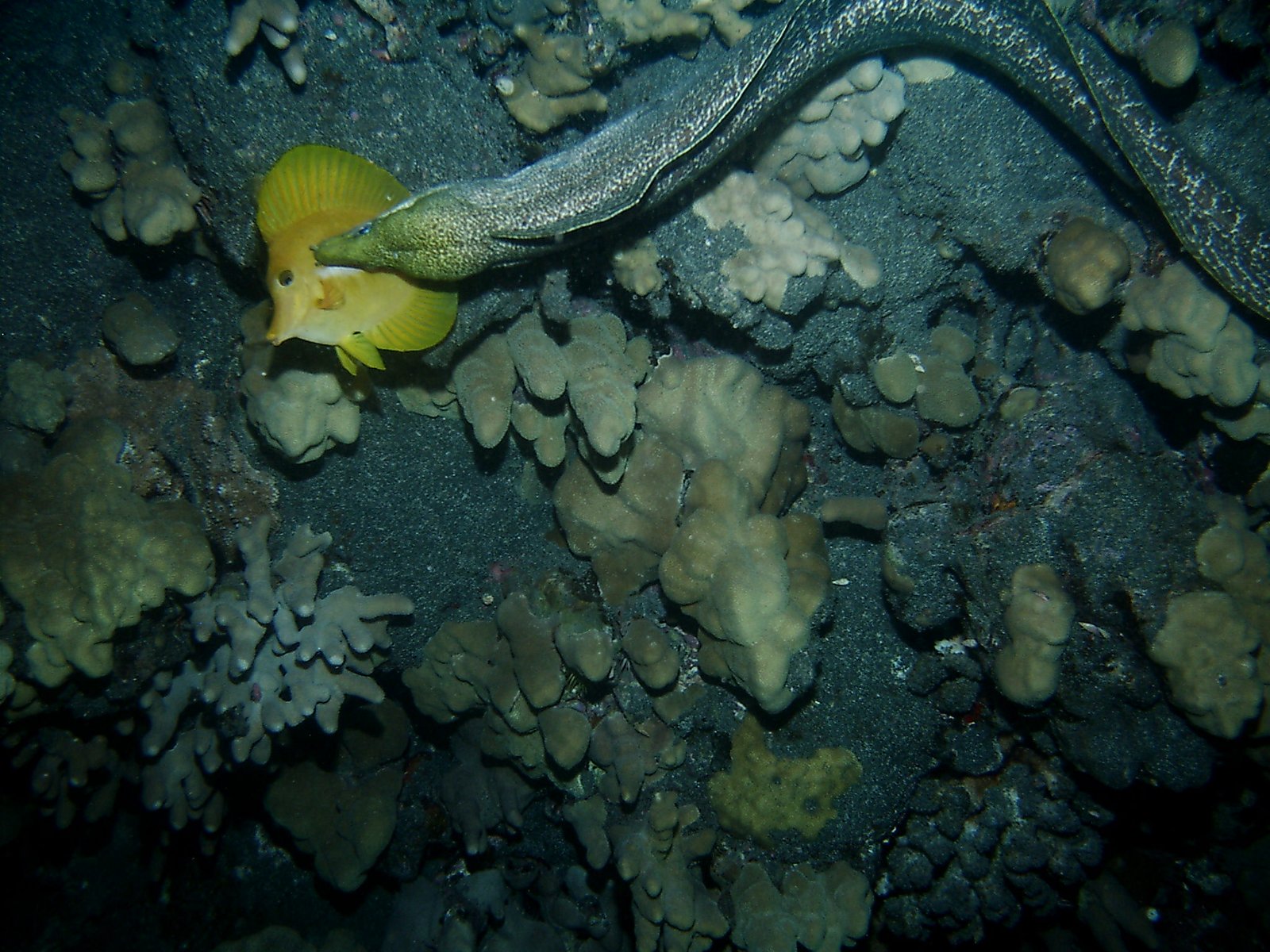
If there’s one creature that truly embodies this nightmarish adaptation, it’s the moray eel. Moray eels are the undisputed champions of pharyngeal jaw mechanics. When a moray captures prey with its main jaws, the pharyngeal jaws shoot forward from the throat, grabbing the prey and dragging it back into the esophagus. This movement is lightning fast and incredibly efficient, making moray eels formidable predators in the reefs they inhabit. Unlike most fish, which use suction to swallow, morays rely on this ancient, monstrous tool. Watching a moray eel feed is like witnessing a living relic from a time when evolution experimented with the most bizarre solutions for survival.
Other Creatures With Throat Jaws
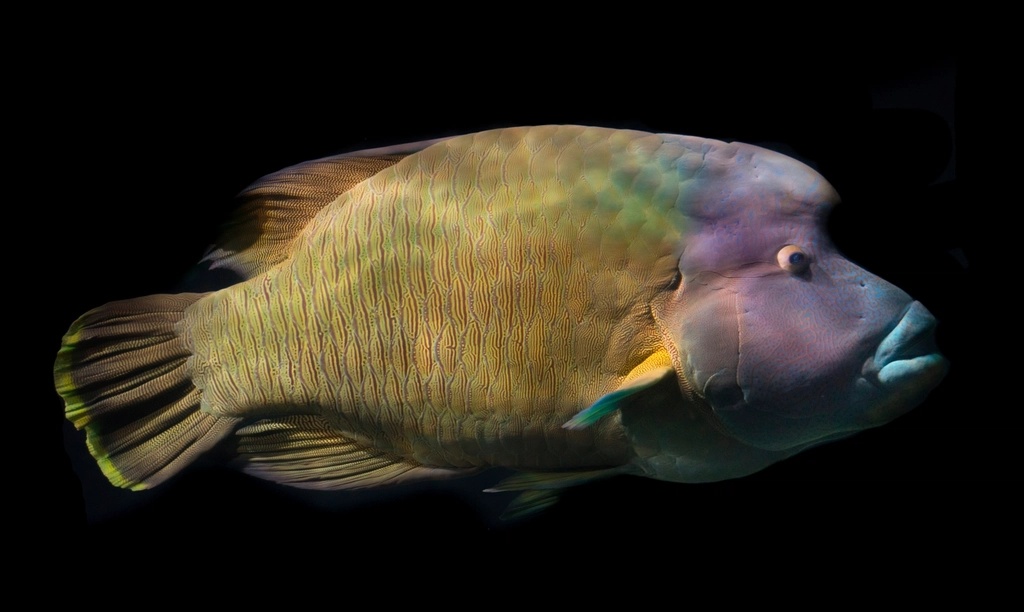
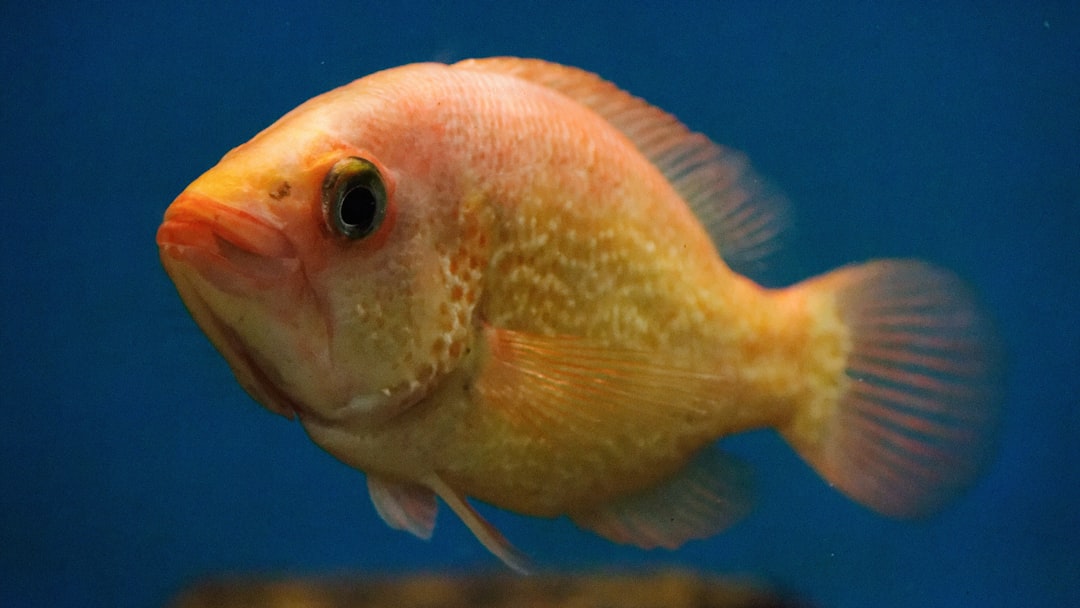
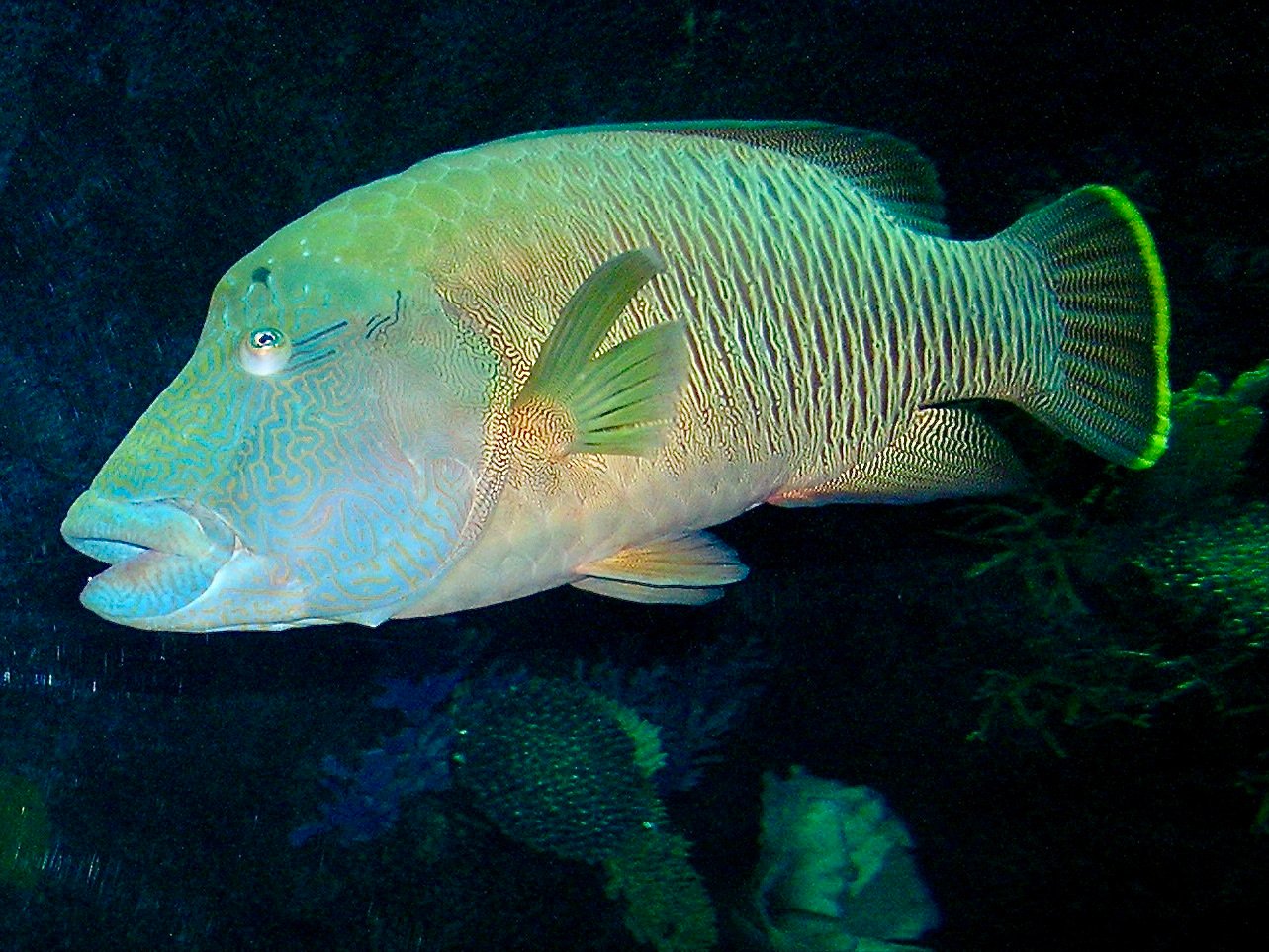
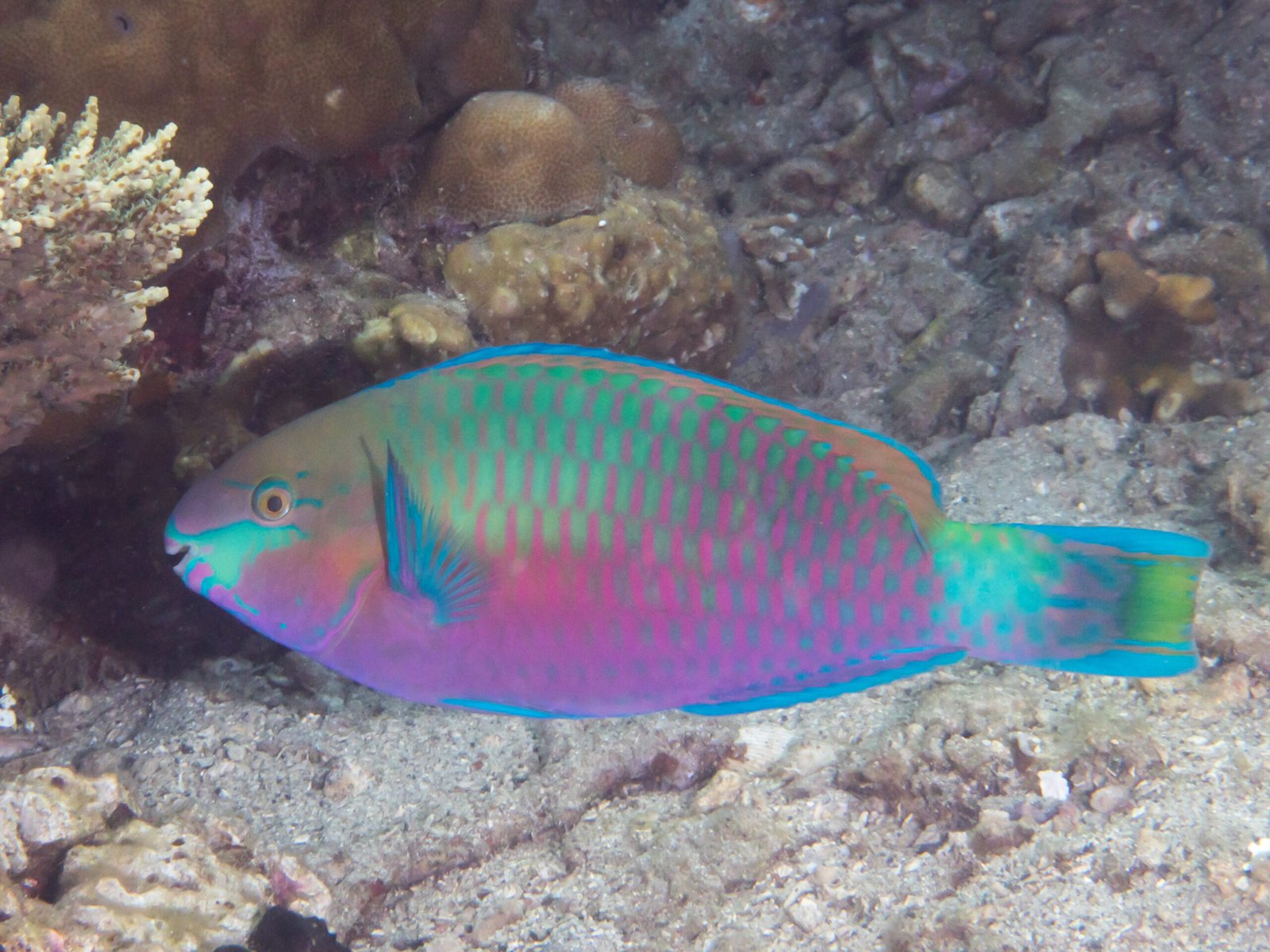
While moray eels are the poster child for pharyngeal jaws, they are not alone. Many other fish groups, such as cichlids, wrasses, and parrotfish, possess variations of this structure. For example, parrotfish use their pharyngeal jaws to crush coral and extract algae, playing a vital role in the health of coral reefs. Cichlids in African lakes have developed an astonishing diversity of pharyngeal jaws, each suited to a different diet, from snails to insects. This incredible diversity reveals how a single evolutionary innovation can branch out into a dizzying array of forms, each specialized for a particular ecological niche.
The Mechanics of a Hidden Predator
The pharyngeal jaw is not just a curiosity; it’s a well-engineered piece of biological machinery. Made of strong, flexible bone and lined with teeth, it acts like a conveyor belt, pulling food from the mouth to the stomach. In some species, muscles attached to the jaw allow for powerful crushing or grinding motions, turning tough shells into dust. The coordination required to move both sets of jaws without injuring the fish itself is nothing short of remarkable. This system works so smoothly that, in many cases, you wouldn’t even know a fish had a second jaw unless you saw it in action. It’s a hidden threat—one that has helped countless species thrive where others have failed.
Why Did Evolution Invent Such a Monster?
What could possibly drive evolution to create something so strange? The answer comes down to competition and survival. In crowded ancient seas, food was scarce and every advantage counted. Fish with pharyngeal jaws could eat things their rivals couldn’t—hard shells, tough plants, slippery prey. This gave them access to new food sources and allowed them to colonize new habitats. Over time, this advantage became so great that entire groups of fish evolved ever more elaborate pharyngeal jaws. In this way, the relentless pressure of natural selection led to one of the most bizarre and effective feeding mechanisms ever seen.
Alien Inspiration: From Nature to Science Fiction
It’s no coincidence that the terrifying double-jawed monsters of science fiction were inspired by real animals like the moray eel. The idea of a hidden jaw lurking in the throat taps into deep, primal fears. The director of the original “Alien” movie, Ridley Scott, famously borrowed from the natural world to design his monster. When audiences gasped at the alien’s menacing second mouth, they were reacting to something that’s existed in the oceans for eons. Nature’s creativity often outpaces human imagination, and the pharyngeal jaw is a perfect example of evolution’s ability to shock and awe.
The Role of the Pharyngeal Jaw in Modern Ecosystems
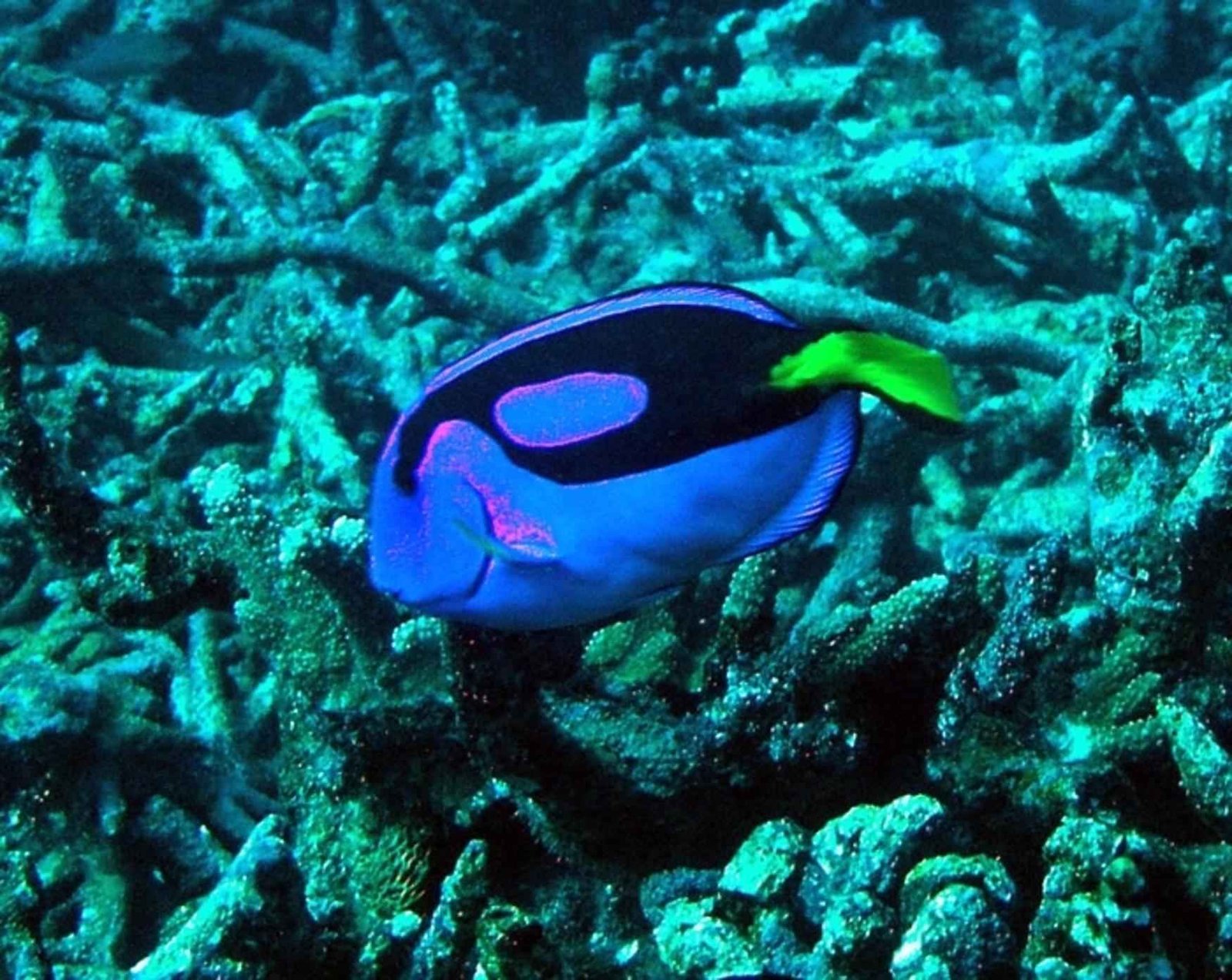
Even today, the pharyngeal jaw plays a crucial role in aquatic ecosystems. Parrotfish, with their powerful throat jaws, help maintain coral reefs by eating dead coral and keeping algae in check. Cichlids, with their diverse jaws, drive the evolution of entire lake communities. These jaws allow fish to exploit food sources that would otherwise be off-limits, shaping ecosystems in subtle but profound ways. Without these adaptations, the balance of many underwater habitats would be very different. In a sense, the ancient nightmare fuel of evolution is now a cornerstone of modern biodiversity.
Human Curiosity and the Study of Evolution’s Oddities
The story of the pharyngeal jaw is not just about strange anatomy; it’s also about human curiosity. Scientists continue to study these jaws, using new technologies like 3D imaging and genetic analysis to unravel their secrets. Each discovery sheds light on how evolution can create complex, unexpected solutions to life’s challenges. For many researchers, the pharyngeal jaw is a symbol of the endless mystery and wonder that the natural world holds. It reminds us that the history of life on Earth is full of surprises—many of them lurking just beneath the surface.
Lessons From a Jaw Inside the Throat
The existence of the pharyngeal jaw teaches us that evolution is not always straightforward or predictable. Sometimes, the solutions it invents are so bizarre that they seem to come from another world. Yet, these oddities are not mistakes—they are masterpieces of adaptation, forged by countless generations facing the harsh realities of life. The pharyngeal jaw also shows how interconnected life is: one strange feature can shape the fate of entire ecosystems. In studying these ancient marvels, we come to appreciate the creativity and resilience of life itself.
A Glimpse Into Evolution’s Dark Imagination

The pharyngeal jaw stands as a testament to nature’s willingness to try the wildest ideas in the pursuit of survival. It’s a reminder that our world was—and still is—full of creatures stranger than any legend or myth. The next time you peer into an aquarium or snorkel over a reef, remember: some of the most unsettling, awe-inspiring adaptations are hidden just out of sight, waiting to reveal evolution’s dark imagination.