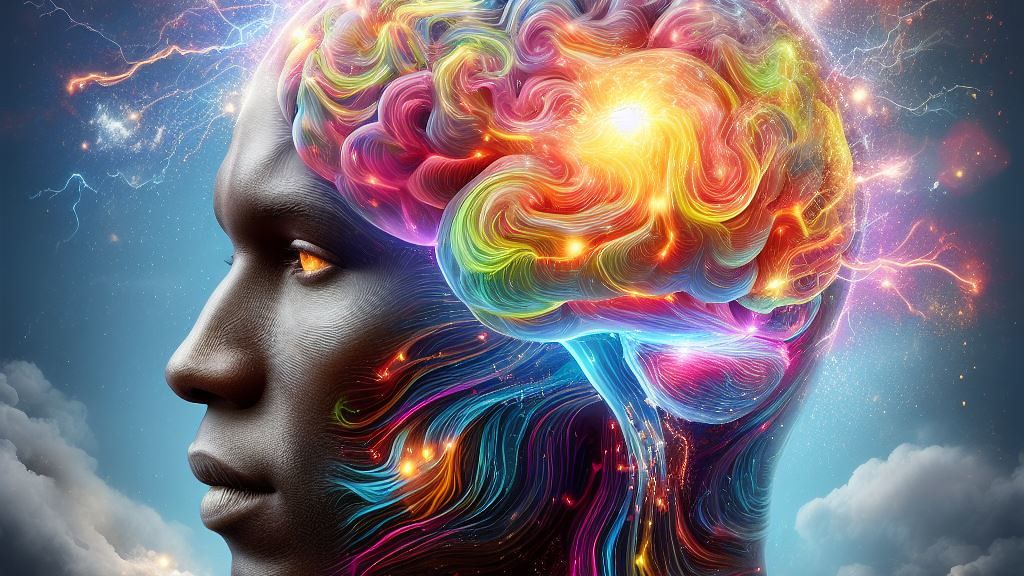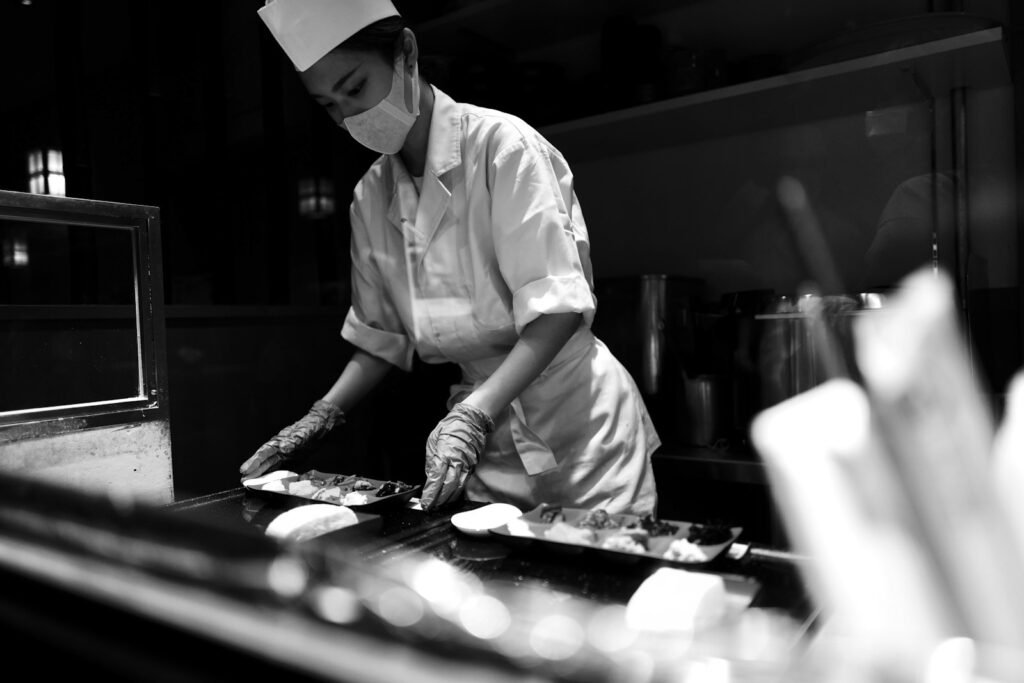

Have you ever wondered what would happen if a machine wrote your dinner menu? Imagine flipping through a cookbook where the author never tasted food, never felt hunger, and certainly never puzzled over the right pinch of salt. Now, picture that same cookbook suggesting mojitos on every other page—sometimes as a beverage, sometimes as a marinade, and, shockingly, once as a soup base. This isn’t just a quirky experiment; it’s a window into the fascinating, sometimes unsettling collision between artificial intelligence and human creativity in the kitchen. What does it mean when AI, with its endless enthusiasm and odd logic, gets its digital hands on our recipes?
The Rise of AI in the Culinary World
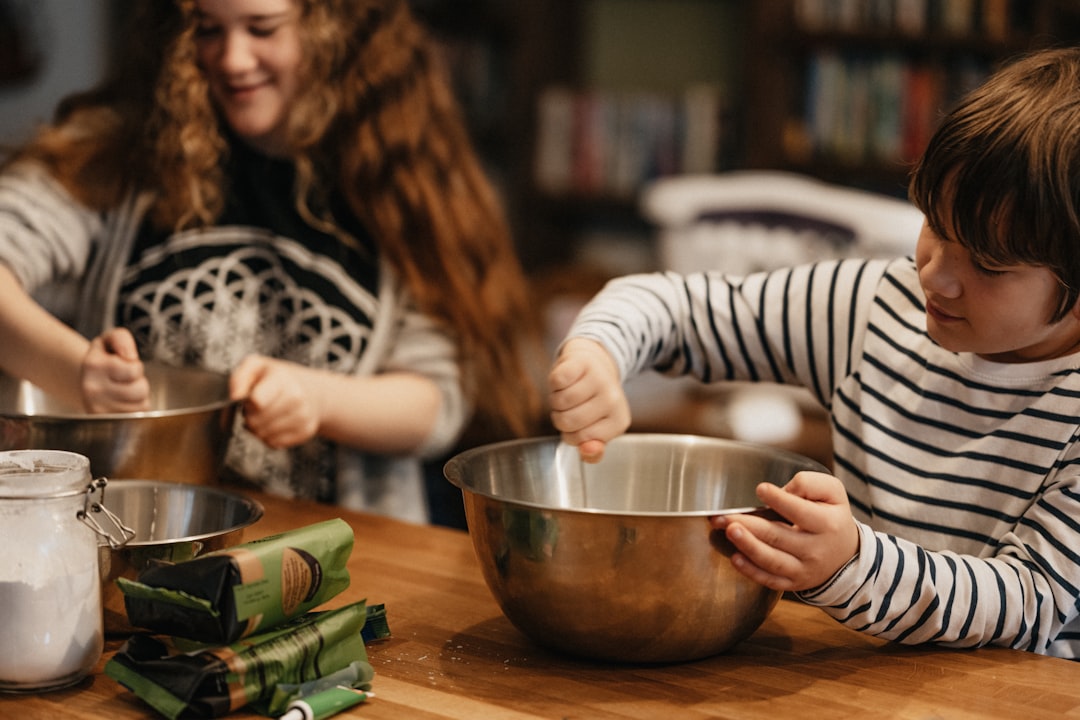
Over the last few years, artificial intelligence has quietly slipped into our kitchens. From smart fridges that reorder your groceries to food apps suggesting what to eat based on your mood, AI has become a silent sous-chef. But writing a cookbook? That’s a leap into uncharted territory. When AI is tasked with inventing new recipes, it relies on vast databases of flavor pairings, cooking techniques, and thousands of user reviews. However, this data-driven approach sometimes leads to the kind of culinary mashups that would make even the bravest foodie pause. It’s a fascinating development—AI is not just helping us cook; it’s trying to teach us what to cook, and sometimes, the results are as odd as they are ingenious.
How Does an AI Write a Cookbook?
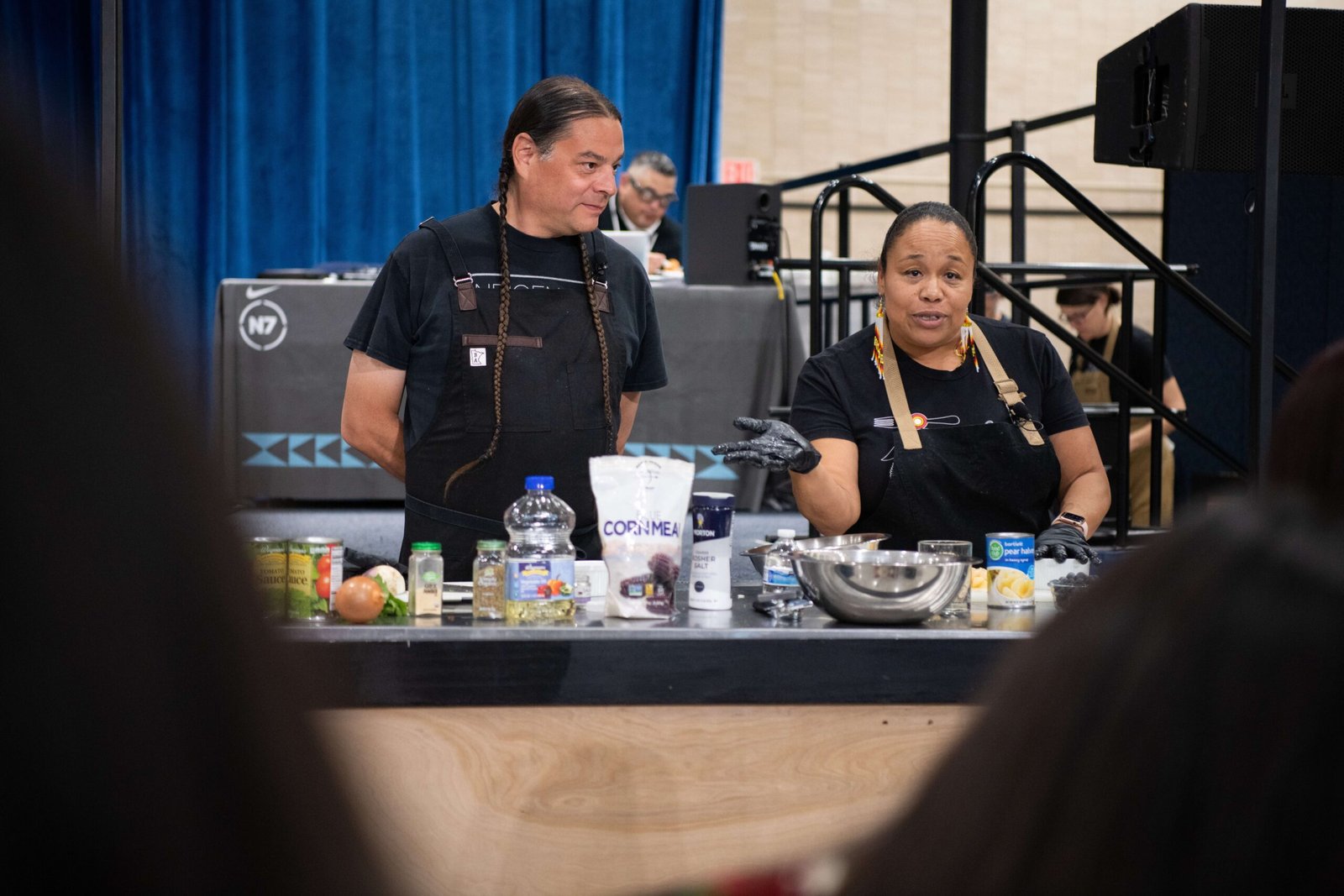
At its core, an AI cookbook is the product of algorithms trained on countless recipes from around the world. These algorithms look for patterns—what flavors go together, which dishes are popular, and even how many steps a recipe should have. Unlike human chefs, AI doesn’t get tired, bored, or biased by tradition. It can whip up a seven-layer lasagna with ingredients from five continents or suggest guacamole with a hint of nutmeg and, yes, a mojito on the side. But without a palate to guide it, the AI sometimes misses what makes a meal truly delicious: balance, intuition, and a dash of common sense.
The Mojito Mania: When AI Gets Stuck
There’s something oddly charming—and a little concerning—about an AI that’s obsessed with mojitos. In one AI-generated cookbook, mojitos appeared so frequently that it started to seem like a running joke. Mojitos as appetizers, mojitos as salad dressing, mojitos frozen into dessert pops. This odd repetition reveals a quirk of machine learning: if the data says mojitos are popular, the AI will keep suggesting them, over and over. For humans, too many mojitos mean a headache; for AI, it’s just statistics. This loop can turn an otherwise helpful tool into a comedy of culinary errors.
Lost in Translation: The Strange Side of AI Recipes
AI doesn’t have taste buds, cultural background, or a sense of occasion. It sees all ingredients as equal—coconut milk in spaghetti carbonara? Sure, why not! AI-generated recipes can sometimes read like a translation gone wrong, where logic trumps tradition and flavor combinations become hilariously unpredictable. This can lead to dishes that sound more like dares than dinner. Yet, hidden within these bizarre mashups, there’s a reminder of just how much cooking is an art as well as a science.
The Science Behind Recipe Generation
Underneath the surface, AI relies on something called “natural language processing” to understand and generate recipe instructions. This technology allows the machine to build sentences, describe techniques, and even invent new names for dishes. It’s not just copying what’s already out there—it’s remixing and reinventing, often in ways that surprise even the engineers who built it. The science is impressive, but it also highlights the gap between following rules and creating something truly mouthwatering.
When AI Gets It Right (And When It Really Doesn’t)
Every now and then, the AI strikes gold. It’ll suggest a combination—like roasted peaches with thyme and honey—that’s unexpectedly brilliant. These moments feel almost magical, as if the machine has stumbled onto a secret only a chef would know. But for every winning recipe, there’s a disaster waiting in the wings. Think tuna ice cream, or pasta with chocolate syrup. The unpredictability is part of the fun, but it’s also a reminder that AI has a long way to go before it replaces your grandmother’s cooking.
The Human Touch: What AI Still Can’t Do
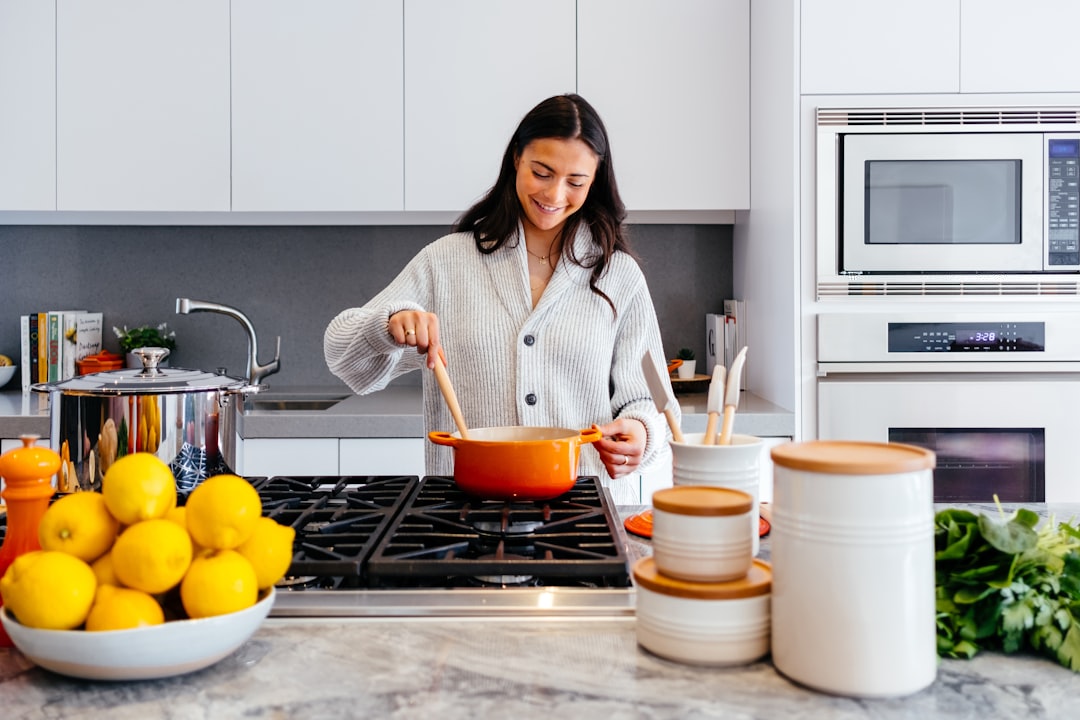
No matter how advanced the algorithms get, there’s something undeniably human about cooking. The warmth of sharing a meal, the memories tied to a family recipe, the laughter when a dish goes wrong—these are things no machine can replicate. AI can crunch numbers and suggest pairings, but it can’t taste, smell, or feel the joy of a perfectly browned pie crust. It can’t sense when a soup needs just a touch more salt, or when a mojito has tipped from refreshing to regrettable.
Ethics and AI: Are We Losing Something?
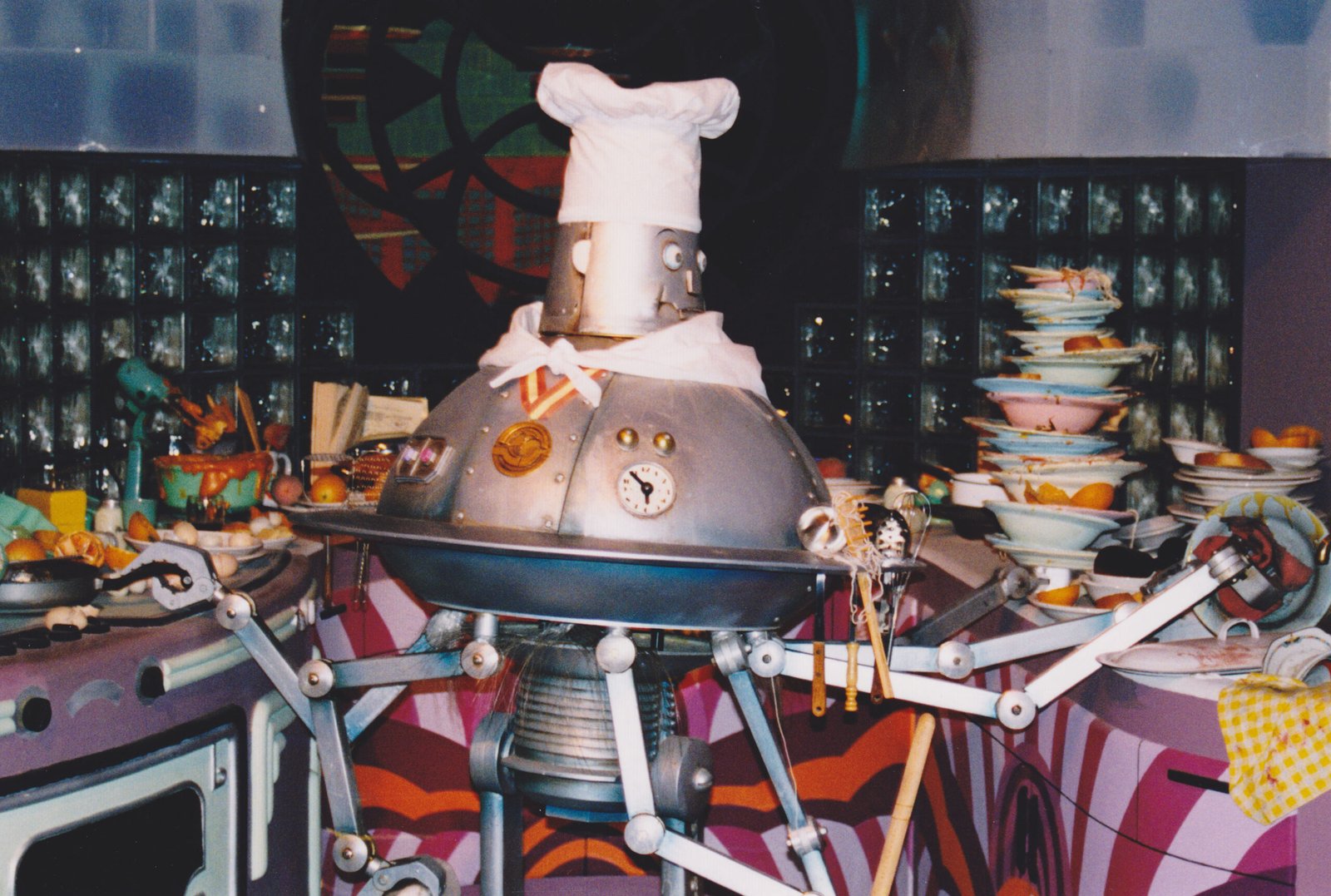
As AI takes a bigger role in our kitchens, some experts worry that we’re handing over too much. There’s a risk that the art of cooking—the trial and error, the happy accidents—could be replaced by sterile, data-driven decisions. If everyone follows AI-generated recipes, will we lose the regional quirks and family traditions that make food so personal? It’s a question that goes beyond the kitchen, touching on our relationship with technology and creativity itself.
Mojitos and Moderation: A Lesson in Algorithmic Excess
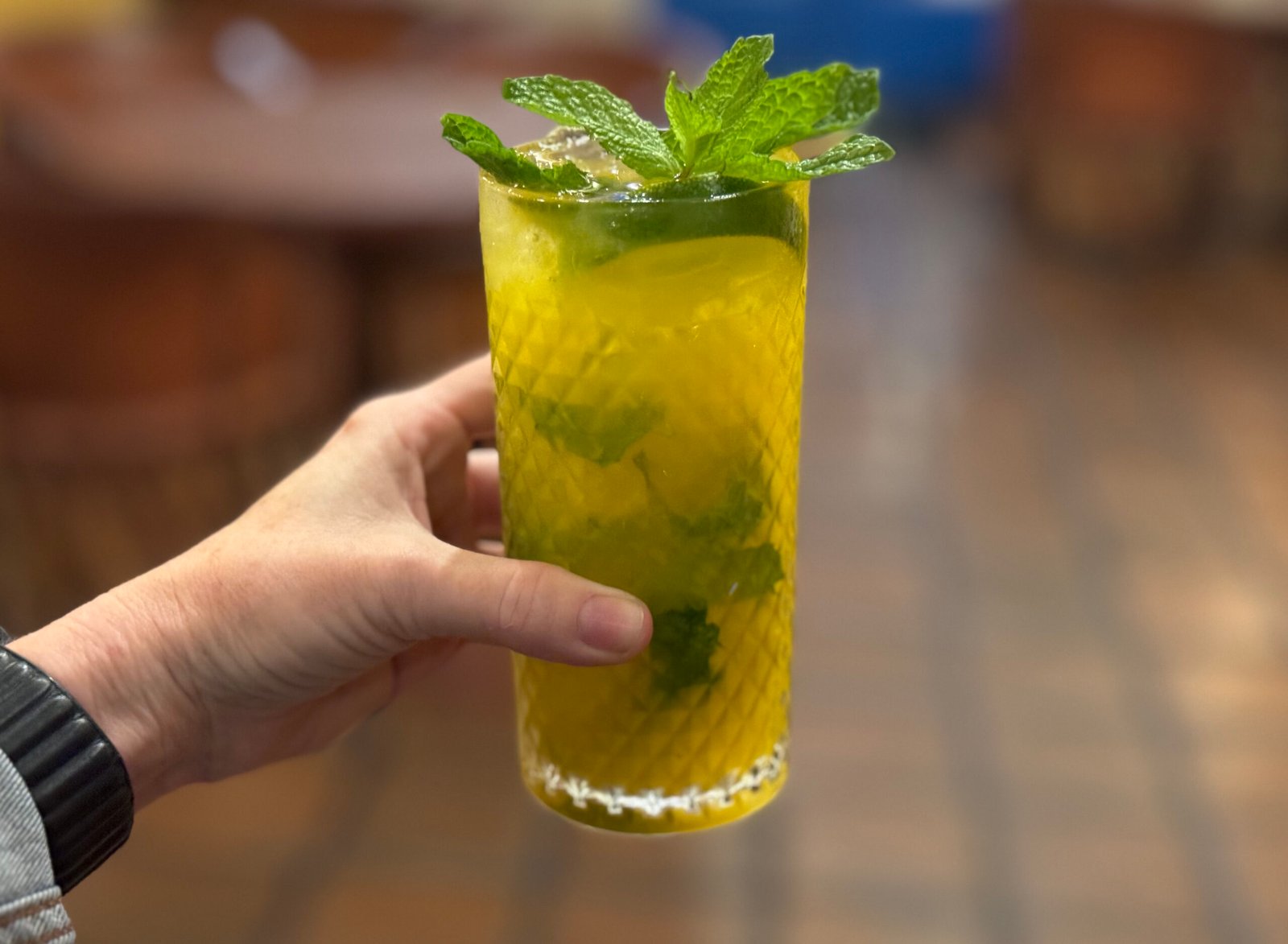
The mojito overload in AI cookbooks is more than a funny anecdote; it’s a warning about the dangers of letting machines make decisions without oversight. When an AI gets stuck on a popular trend, it can quickly spiral into absurdity. It’s up to us to recognize when to enjoy the novelty—and when to put the lime and mint back in the cupboard. Like any good recipe, the key is balance.
What Does the Future Hold for AI Chefs?

Despite the hiccups, AI isn’t leaving the kitchen anytime soon. As technology evolves, so will the recipes, and maybe one day, AI will learn to innovate without repeating its mojito obsession. There’s enormous potential for AI to help home cooks experiment, learn, and discover new flavors. But as we hand the spatula to our digital sous-chefs, we must remember what makes cooking truly special: the messy, joyful, and very human act of making something delicious together.