What if the next time you walked into your bathroom, you found yourself locking eyes with a tiny, eight-legged intruder perched on the porcelain rim? For many Australians, this isn’t a scene from a nightmare—it’s a startling reality. Spiders in the toilet are more than a quirky myth; they’re a genuine phenomenon that sends shivers down spines and sparks curiosity in equal measure. But why are these unexpected guests drawn to one of the most private rooms in the house, and what secrets do they hold about Australia’s unique ecosystem? Let’s open the lid on this unsettling, surprising world lurking just below the surface.
Australia’s Spider Capital: Why the Land Down Under Hosts So Many
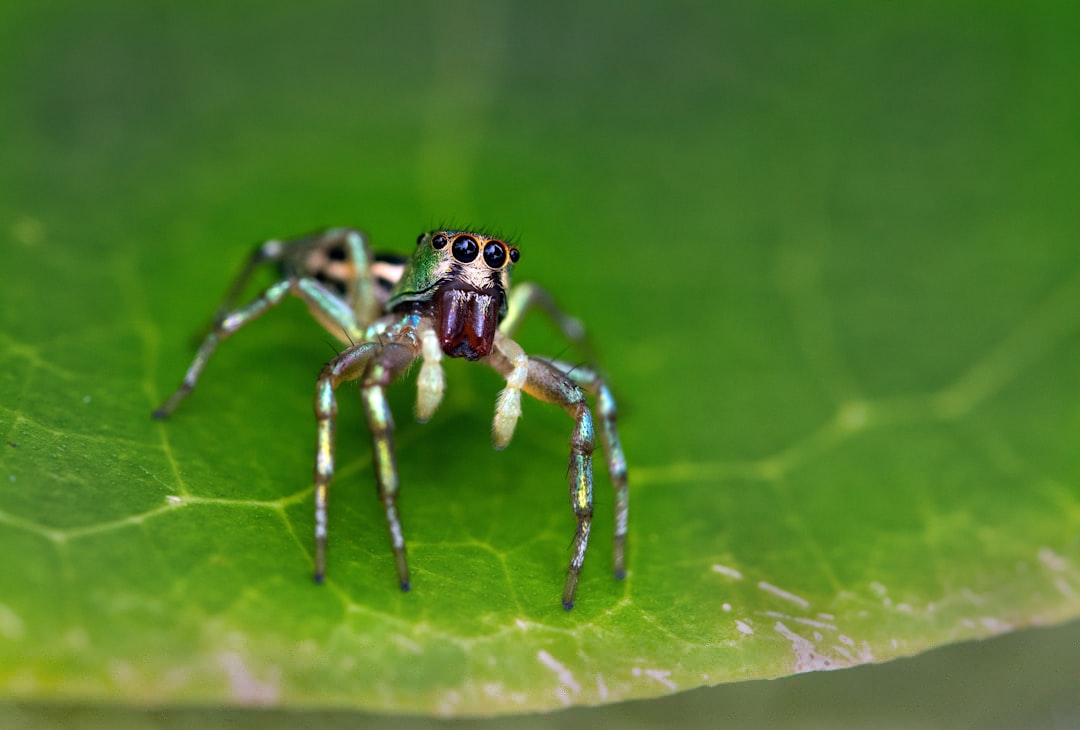
Australia has earned a notorious reputation as the world’s spider hotspot, boasting over 2,400 recorded species. The country’s diverse climate, ranging from arid deserts to lush rainforests, creates an ideal environment for spiders to thrive. Unlike many other places, Australian homes often blend seamlessly with nature, making it easy for spiders to wander indoors. This abundance means that finding a spider in your bathroom—or even your toilet—is far from rare. From bustling cities like Sydney to remote outback towns, spiders are a daily part of life, sometimes appearing in the most unexpected places. The sheer variety, from harmless daddy longlegs to venomous redbacks, keeps Australians both fascinated and wary.
Common Toilet Invaders: The Spiders You’re Most Likely to Meet
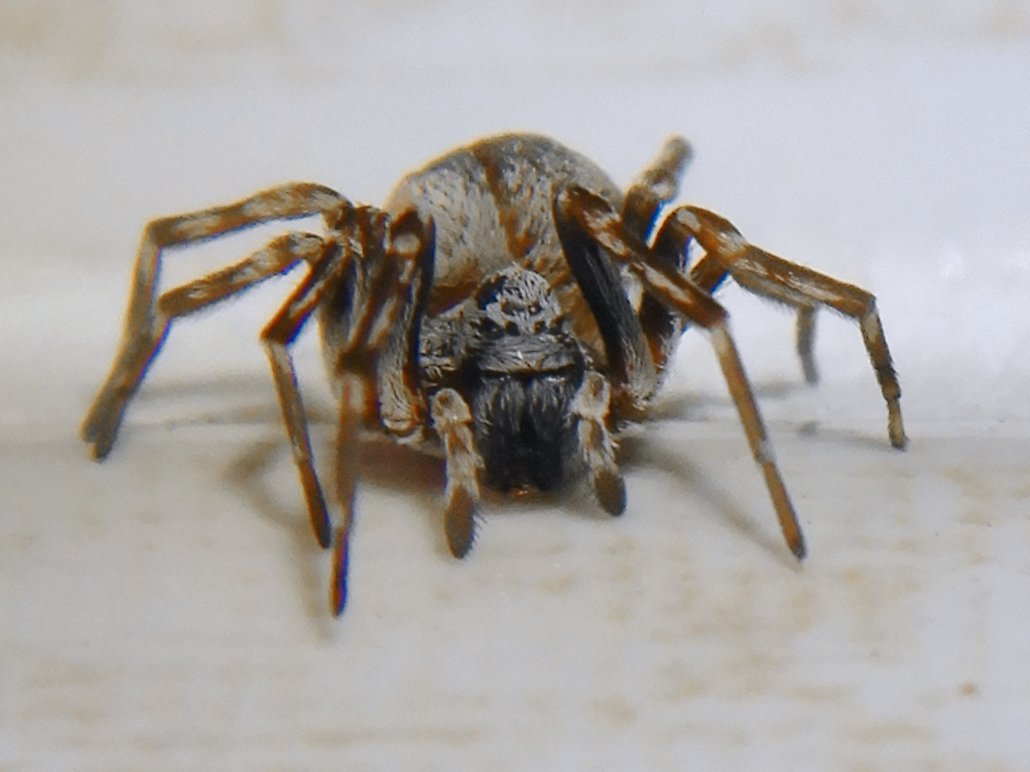
Among the most frequent toilet trespassers are huntsman spiders, redback spiders, and daddy longlegs. Huntsman spiders, with their sprawling legs and impressive speed, can give anyone a fright, but they’re generally harmless to humans. Redback spiders, on the other hand, pack a venomous punch and are instantly recognizable by the bright red stripe on their back. Daddy longlegs, with their delicate frames, are often misunderstood but pose no threat at all. Each of these spiders has adapted beautifully to the nooks, crannies, and microclimates that bathrooms offer. Their presence in toilets is less about malice and more about survival and opportunity. Understanding which species you’re dealing with can ease anxieties and even spark a bit of fascination.
Why Toilets? The Science Behind Spider Behavior
It might seem bizarre that spiders would choose a toilet as their hangout spot, but the answer lies in biology and instinct. Bathrooms are usually cooler, more humid, and less disturbed than other parts of the house, making them perfect for spiders seeking refuge. Toilets, specifically, often have a direct line to the outside world through plumbing, allowing curious arachnids to explore new territories. The presence of water also attracts insects, which in turn draws spiders in search of an easy meal. Sometimes, spiders simply fall in by accident while exploring, finding themselves trapped until someone discovers them. The bathroom’s microclimate mimics the conditions many spiders prefer in nature, explaining their uncanny fondness for this unlikely lair.
From Bush to Bathroom: How Do Spiders Get Inside?
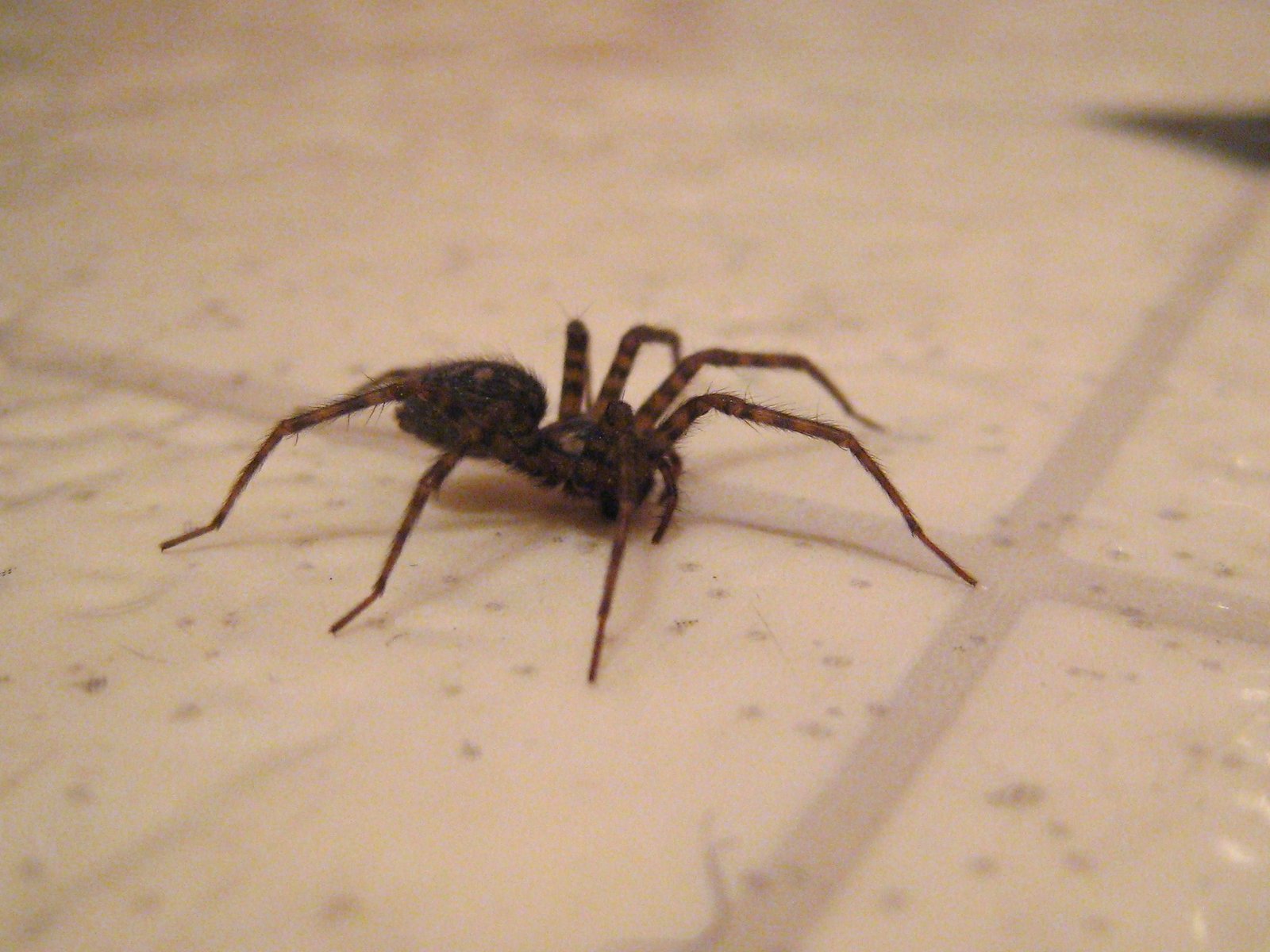
Spiders are expert infiltrators, slipping into homes through tiny cracks, open windows, or even hitching a ride on laundry. In Australia, where homes are often built with ventilation in mind, small entry points are easy to find. Plumbing pipes can act as highways, offering spiders a direct route from the outside world into the bathroom. Some species are adept climbers, scaling walls or ceilings with ease, while others simply wander in from gardens or garages. The journey from bush to bathroom is an adventurous one, driven by the search for food, water, and shelter. It’s a testament to their resilience and adaptability that spiders can turn the most unlikely places, like a toilet, into their temporary home.
The Redback: Australia’s Most Feared Bathroom Guest
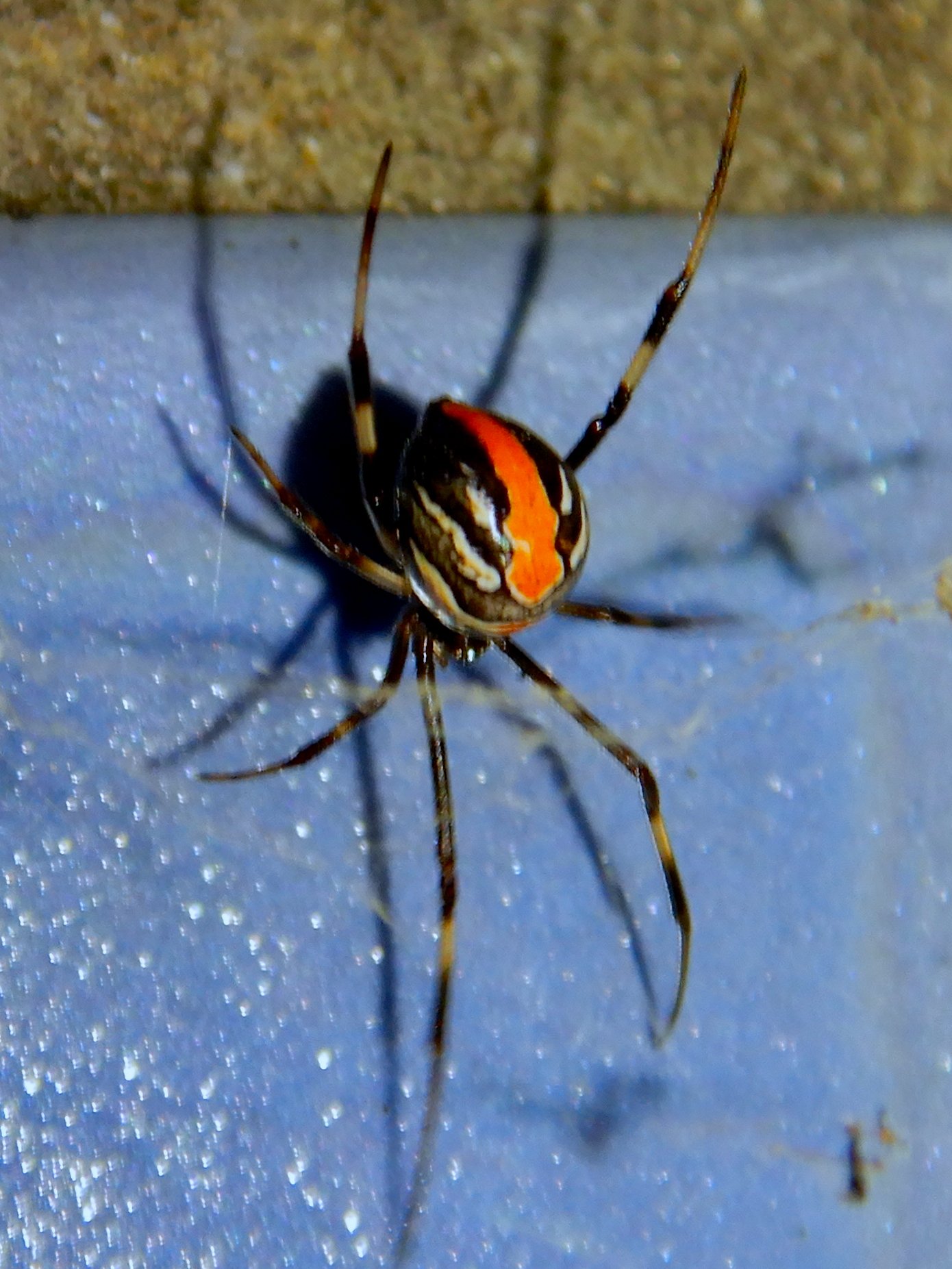
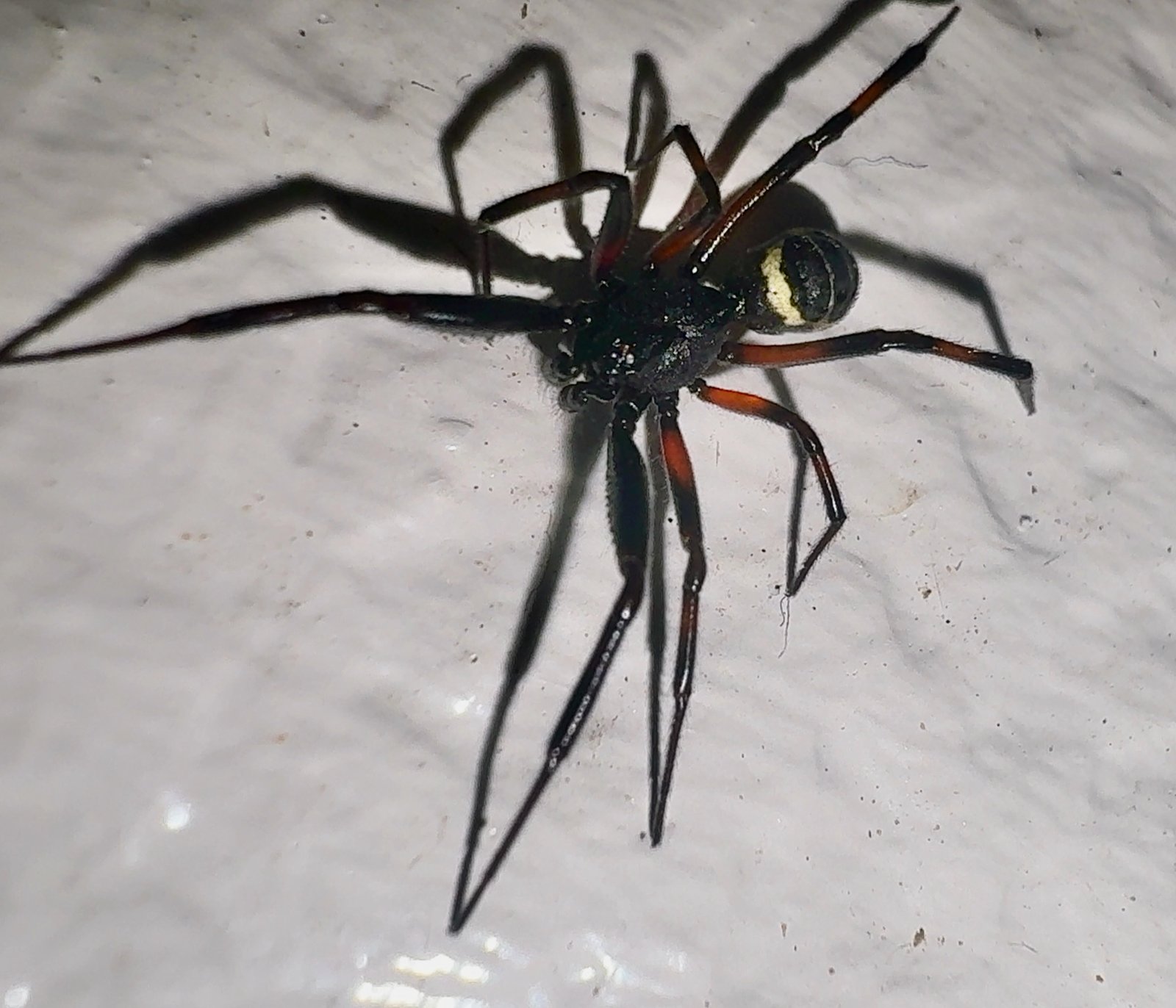
If there’s one spider that strikes fear into the hearts of Australians, it’s the infamous redback. These small but dangerous spiders are frequently found in dark, sheltered places—including toilets. Bites from redbacks can cause severe pain, sweating, and even nausea, though fatalities are extremely rare thanks to effective antivenom. Their preference for cool, undisturbed environments makes bathrooms an ideal hiding spot. Redbacks spin tangled webs in corners or beneath toilet rims, lying in wait for unsuspecting prey. Their striking appearance—a black body with a vivid red stripe—serves as a warning, but many redbacks remain hidden until disturbed. Their presence is a reminder of the delicate balance between fear and fascination that spiders inspire in Australia.
Huntsman Spiders: Gentle Giants of the Bathroom
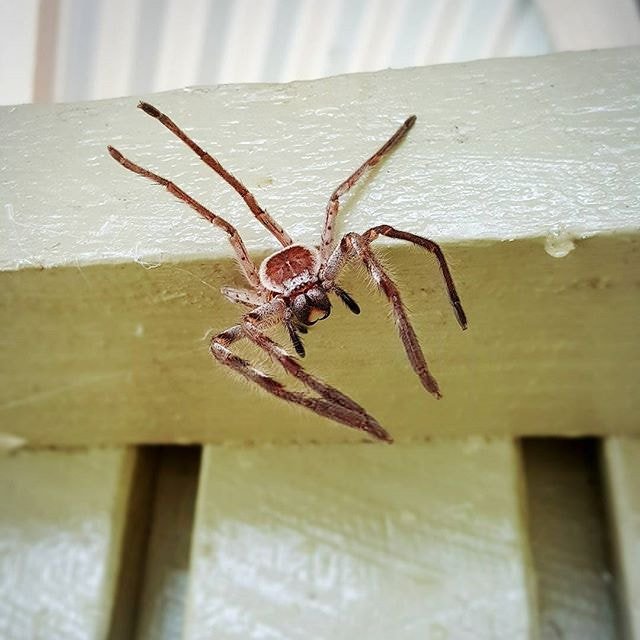
Despite their formidable size and speed, huntsman spiders are often misunderstood. These large, flat-bodied arachnids are common bathroom visitors, but their appearance is far scarier than their bite. Huntsman spiders are shy and generally avoid confrontation, preferring to scuttle away when spotted. Their agility allows them to navigate smooth surfaces like tiles and porcelain with ease. Unlike redbacks, huntsmen don’t spin webs; instead, they hunt insects actively, making them allies in controlling pests. Finding one in your toilet can be shocking, especially late at night, but these gentle giants are more likely to flee than fight. Their presence is a testament to the surprising diversity of Australia’s house spiders.
Spider Survival: How They Endure the Harsh Bathroom Environment
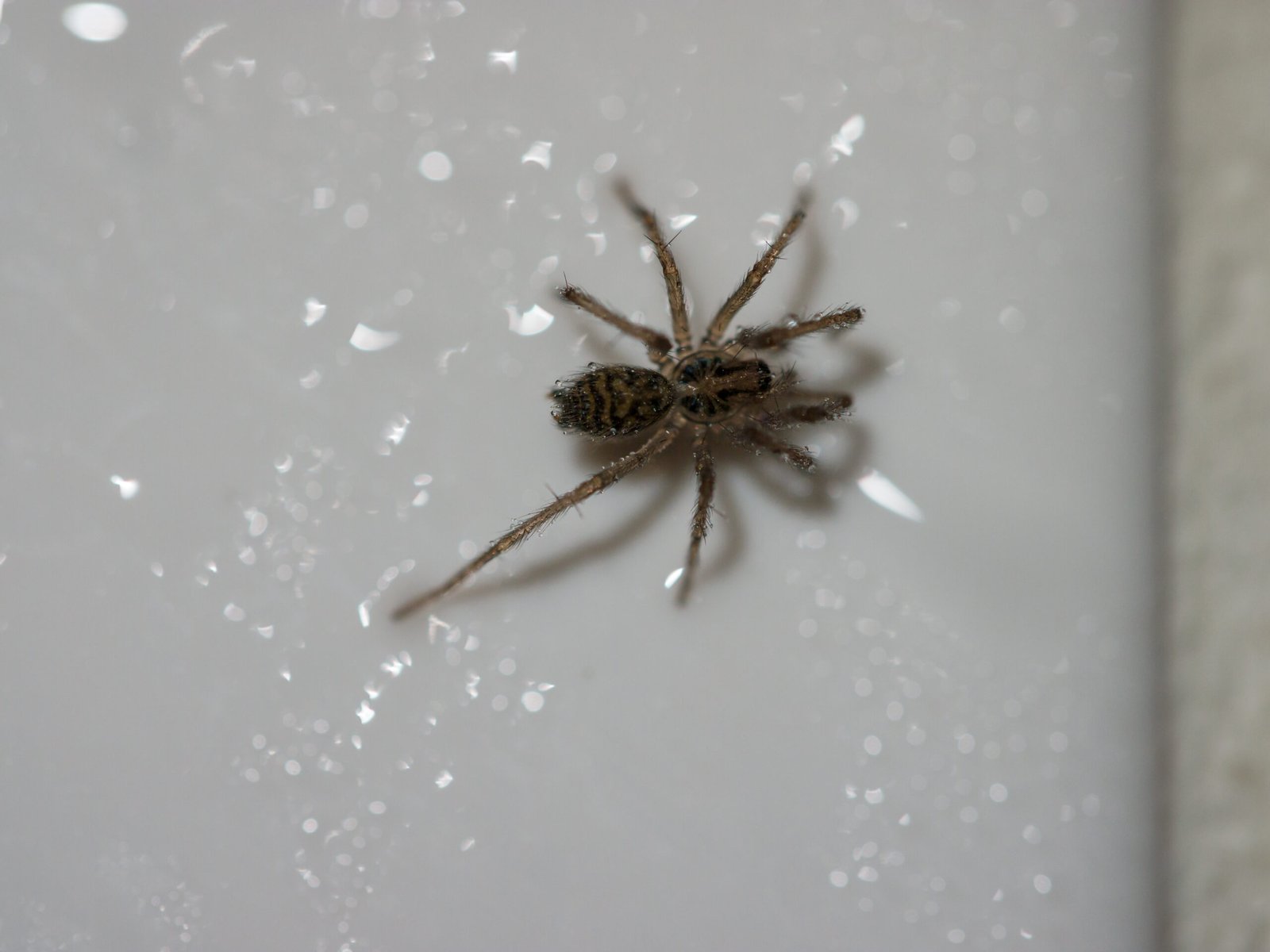
Bathrooms might seem inhospitable with their slick surfaces, bright lights, and regular cleaning, but spiders are remarkably resilient. Many species have evolved to survive in damp, enclosed spaces, using silk to anchor themselves or create hiding spots. Some spiders can hold their breath for extended periods, allowing them to survive accidental dunkings in toilet water. Others are expert climbers, able to escape slippery situations with ease. Their ability to adapt quickly to changing conditions is key to their survival. Even when faced with daily disturbances like flushing or cleaning, spiders find ways to persist, often relocating to less-trafficked corners until the coast is clear.
Myths and Misconceptions: Separating Fear from Fact
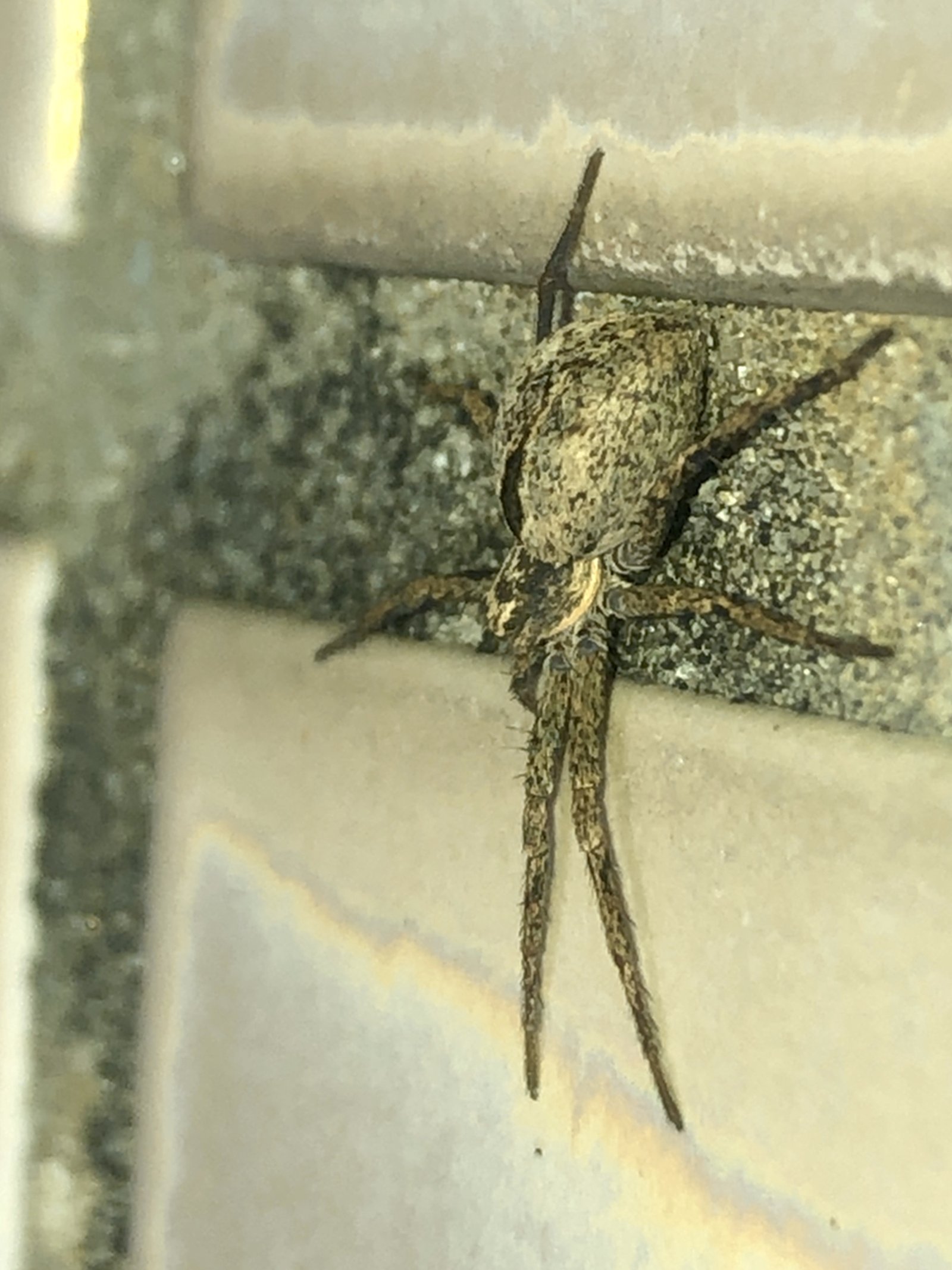
The idea of spiders lurking in toilets has inspired countless urban legends and tall tales. Some claim that deadly spiders lie in wait beneath every rim, ready to strike, while others insist that flushing is the only way to stay safe. The truth is less dramatic—most spiders are harmless and uninterested in humans. Bites are exceedingly rare, and most encounters end with the spider fleeing rather than attacking. Understanding spider behavior can help dispel unnecessary fears and foster a sense of respect for these misunderstood creatures. Recognizing the difference between myth and reality is the first step toward coexisting peacefully with Australia’s most notorious houseguests.
Living With Spiders: Tips for a Spider-Free Bathroom
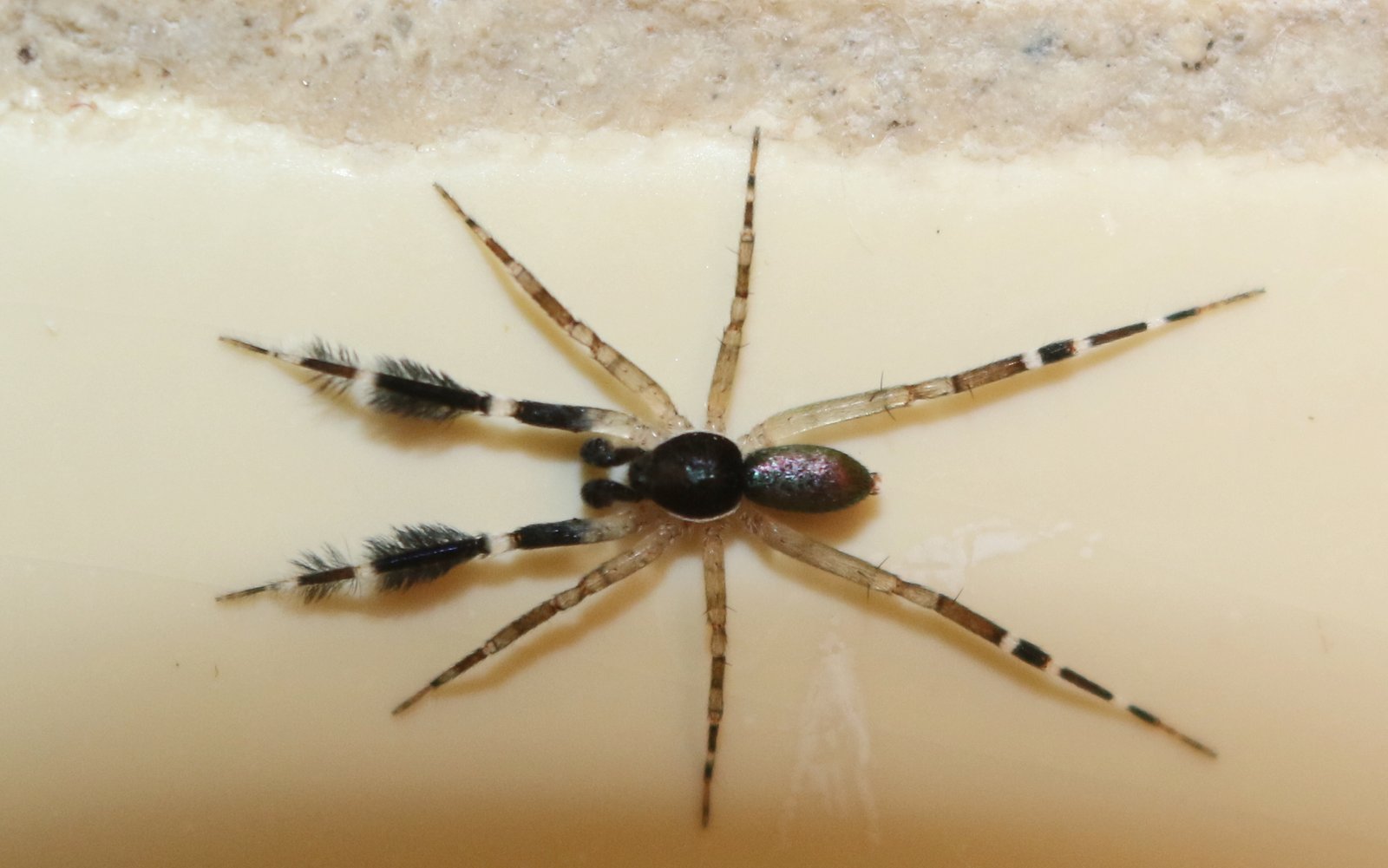
While spiders play an important role in controlling household pests, most people prefer not to share their bathroom with them. Simple steps can reduce the likelihood of unwanted encounters. Keeping windows and doors closed or screened, sealing cracks around pipes, and regularly cleaning corners can make bathrooms less inviting to spiders. Removing clutter and reducing moisture also limits their hiding places. For those who encounter a spider, using a glass and paper to safely relocate it outside is both humane and effective. Embracing a few practical habits can keep your bathroom spider-free without resorting to harsh chemicals or fear-based solutions.
The Ecological Role: Why Spiders Matter, Even in the Bathroom
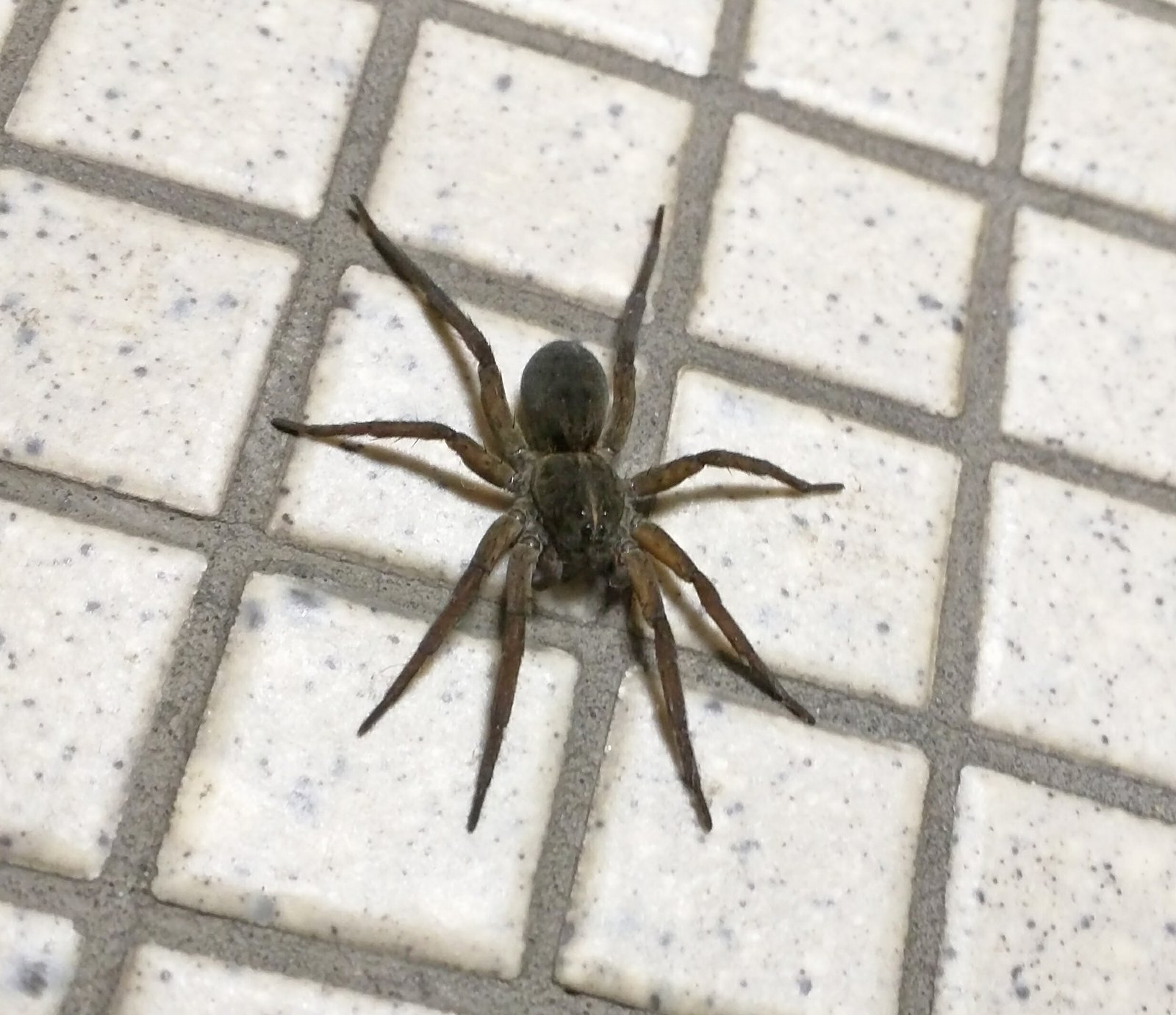
Spiders are more than just unwelcome guests—they’re vital contributors to the ecosystem, even indoors. By preying on flies, mosquitoes, and other bugs, they help maintain balance in both natural and human-made environments. Their presence in bathrooms is a small reminder of the interconnectedness of all living things, even in seemingly sterile places. Spiders also serve as indicators of environmental health, thriving where food sources are plentiful and pollution is low. Appreciating their role can transform fear into fascination and inspire a newfound respect for these resilient creatures. In a world where many species are in decline, even the humble bathroom spider has an important story to tell.
Fascination or Fear: How Spiders Challenge Our Comfort Zones
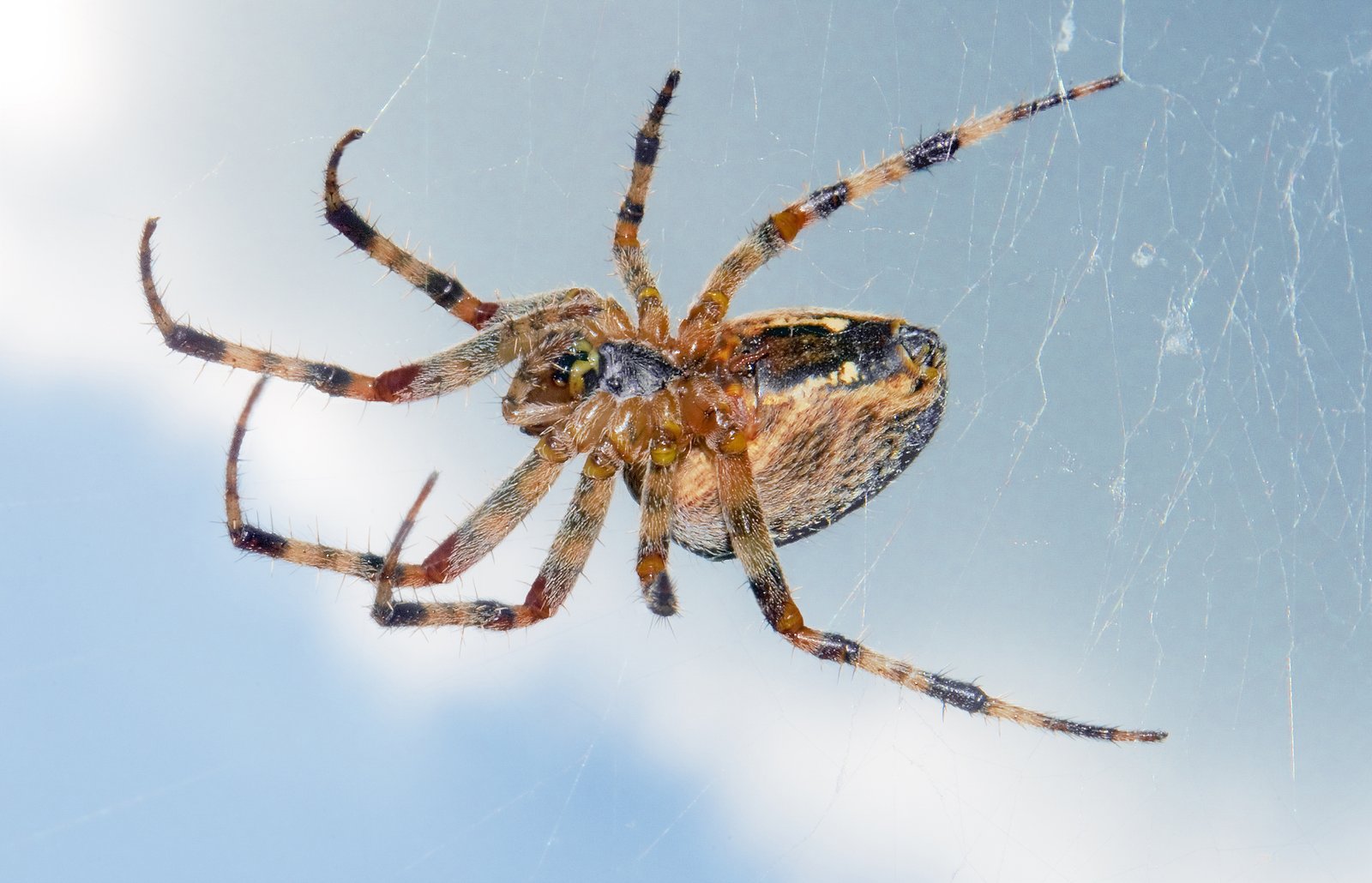
For many, the sight of a spider in the toilet triggers a primal response—jumping back, heart racing, maybe even a yelp. Yet, these encounters also spark curiosity and wonder about the hidden lives of creatures we rarely see up close. Spiders in the bathroom force us to confront our fears and reconsider our relationship with the natural world. Are they invaders or accidental housemates? The answer often depends on perspective. Through understanding and a little compassion, we can shift from shock to intrigue, recognizing spiders as remarkable survivors rather than just unwanted pests. Encounters that once sparked dread can become moments of discovery.
Summary
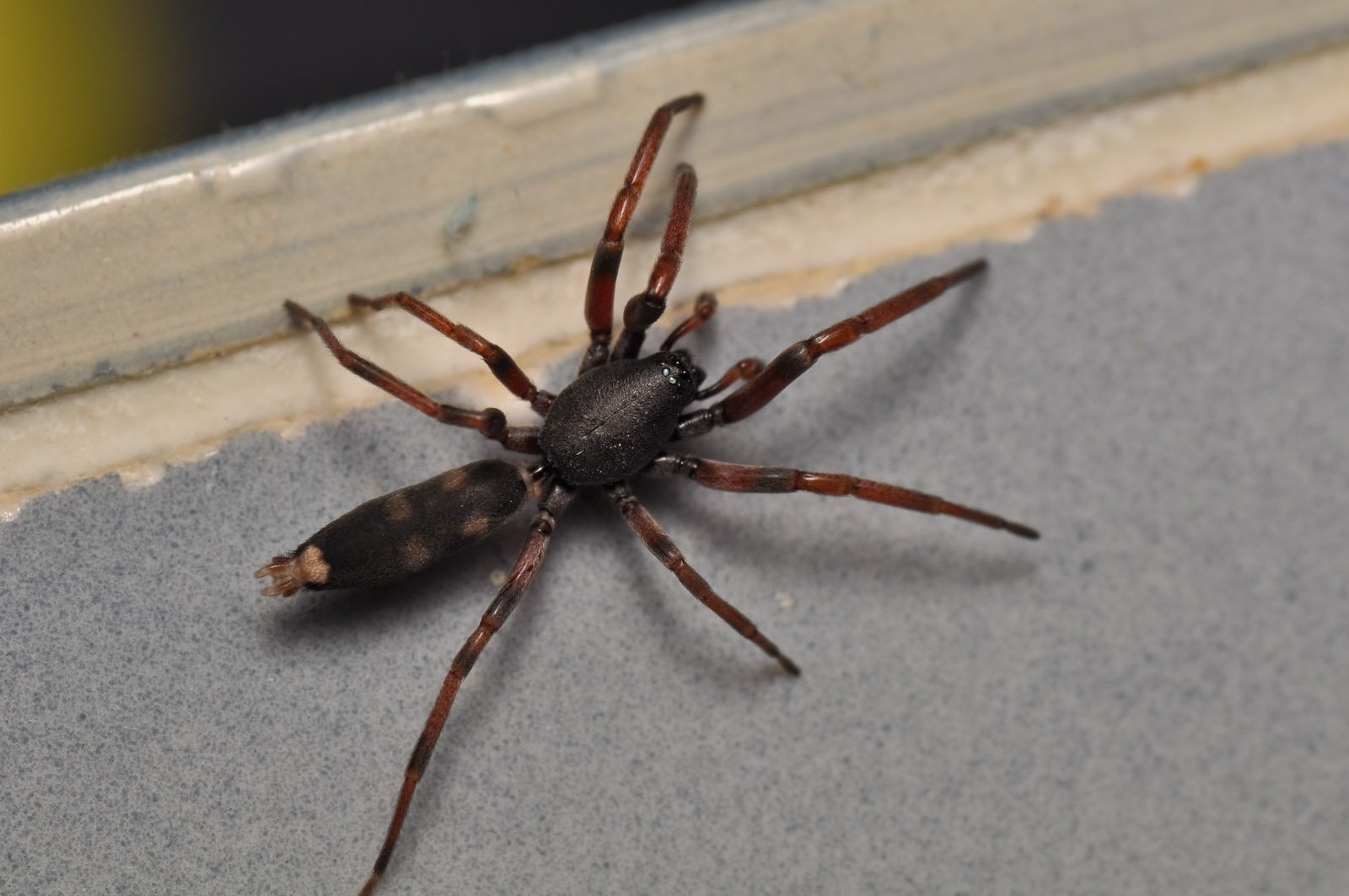
Australia’s toilets have become unlikely stages for encounters with some of the world’s most fascinating spiders. From redbacks to huntsman, these creatures reveal the adaptability, resilience, and ecological importance of arachnids in our lives. By understanding how and why spiders end up in our most private spaces, we can replace fear with respect and curiosity. As you close the bathroom door tonight, will you look twice—or see these houseguests in a new light?