Imagine a colossal mountain, ancient and imposing, not content to remain frozen in time. Instead, it pushes skyward inch by inch, year after year, defying the odds and rewriting what we think we know about the natural world. While most mountains are slowly worn down by wind, water, and ice, there are rare giants on Earth that actually grow taller each year. It almost sounds like a myth, but the phenomenon is very real—and it’s happening as you read this. What hidden forces are at work, and why does this relentless ascent matter for our understanding of nature, climate, and even ourselves? Let’s journey into the heart of a living mountain.
The Astonishing Reality of a Growing Mountain

Most people imagine mountains as eternal and unchanging, their massive peaks fixed against the sky for centuries. But the truth is far more dynamic and surprising. There are mountains around the world, such as Mount Everest in the Himalayas, that are rising every year. This growth isn’t just a minor technicality; it’s a measurable, ongoing process that scientists have been tracking for decades. Every year, these mountains gain millimeters, sometimes even centimeters, in height. The idea of a mountain growing might sound like science fiction, but it’s a stunning example of how Earth’s forces continue to reshape the landscape before our very eyes.
The Powerful Forces Beneath Our Feet

What causes a mountain to grow? The answer lies deep beneath our feet in the restless, churning movements of Earth’s crust. The planet’s outer shell is broken into giant slabs called tectonic plates. Where these plates collide, they crumple and push upwards, forming mountain ranges. In regions like the Himalayas, the Indian plate is still forcefully crashing into the Eurasian plate, lifting the mountains ever higher. This ongoing collision is like a slow-motion car crash, with unimaginable energy steadily squeezing the rocks skyward. These geological forces are invisible in daily life, yet their impact is profound and relentless.
Mount Everest: The Iconic Climber
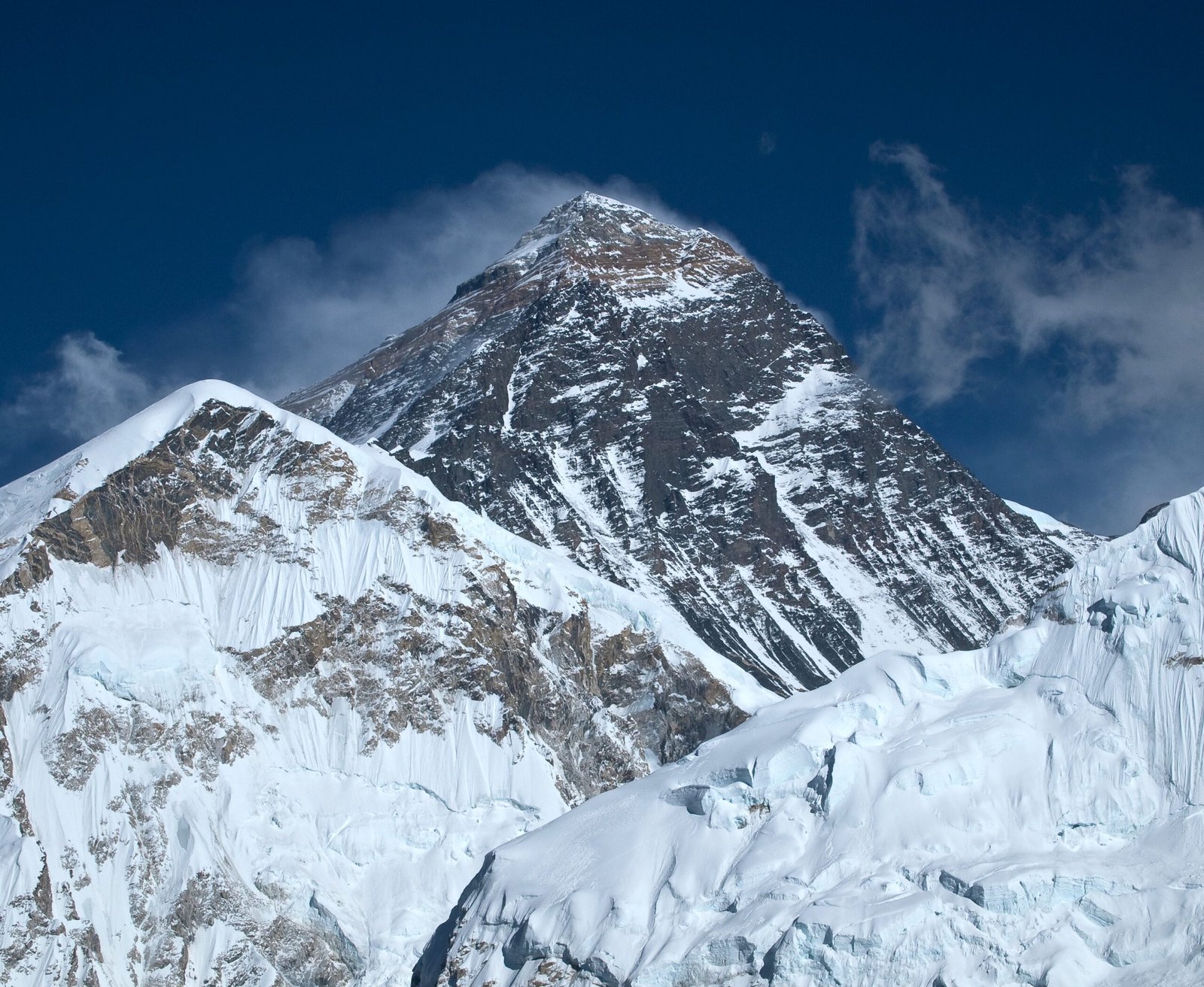
Mount Everest stands as the world’s highest peak, but it’s also a living testament to the phenomenon of mountain growth. Each year, Everest climbs a little higher—about 4 millimeters annually—thanks to the tectonic forces below. Scientists measure this change using advanced GPS technology, tracking the mountain’s slow rise with incredible precision. Despite its harsh and seemingly unchanging appearance, Everest is not a static monument; it’s an evolving giant, shaped by the same forces that sculpted it millions of years ago. This realization adds a new layer of awe to every photograph and expedition.
Earthquakes: The Sudden Leaps in Height
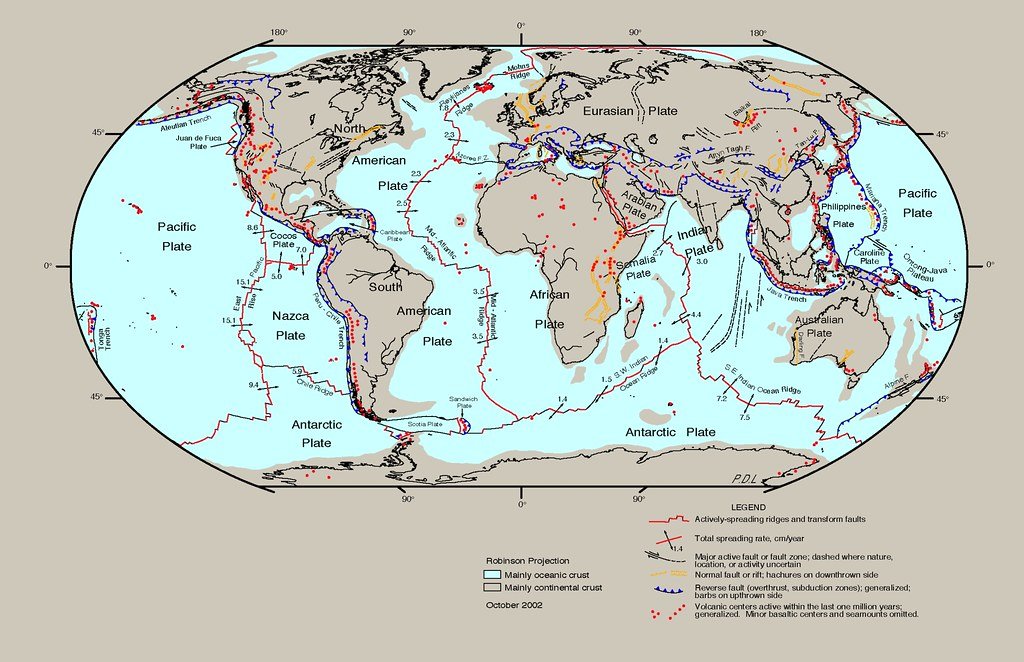
While tectonic plates usually move slowly, sometimes they slip suddenly, causing earthquakes. These violent shakes can instantly lift whole sections of a mountain range by several centimeters or more. For example, the 2015 Nepal earthquake raised parts of the Himalayas by as much as a meter in some areas. It’s a shocking reminder that the ground beneath us is never truly still. These dramatic growth spurts are rare, but they can reshape the landscape in moments, leaving scientists and climbers alike in awe of nature’s raw power.
The Battle Between Growth and Erosion
Even as mountains grow, they constantly face a relentless enemy: erosion. Rain, wind, ice, and gravity work together to wear down peaks, carrying rocks and soil into rivers and valleys below. It’s an eternal tug-of-war—growth versus decay. In some ranges, uplift outpaces erosion, leading to taller and sharper peaks. In others, erosion wins, smoothing out the landscape over time. The Himalayas, for example, have managed to stay tall and rugged because their rate of uplift is faster than the forces wearing them down. This balance is delicate, and it shapes the character of entire continents.
The Role of Glaciers and Climate Change
Glaciers are more than frozen rivers; they’re powerful sculptors of mountains. As glaciers move, they carve valleys and carry debris, contributing to both erosion and uplift. When glaciers melt, the reduced weight on the land can allow the ground to spring upward—a process called “glacial rebound.” With climate change causing glaciers to retreat around the world, some mountains are rebounding and growing even more quickly in certain regions. This unexpected twist shows how interconnected Earth’s systems are, and how changes in one part of the world can ripple across entire landscapes.
Measuring a Mountain’s Growth
Tracking the rise of a mountain isn’t as simple as planting a flag and measuring with a ruler. Scientists use a network of high-precision GPS stations, satellites, and remote sensors to detect even the tiniest changes in elevation. These instruments can pick up movements of just a few millimeters, allowing researchers to monitor mountains year after year. In addition to GPS, aerial surveys and laser scanning help create detailed 3D maps of mountain peaks. These techniques give us a clearer picture of how mountains are changing, and they help predict future shifts in the landscape.
What Growing Mountains Mean for People

The growth of mountains isn’t just a scientific curiosity—it has real impacts on people living nearby. Uplifting ground can change river courses, create landslides, and trigger earthquakes, all of which affect communities and infrastructure. In places like Nepal and Tibet, the shifting landscape shapes agriculture, water supplies, and even religious beliefs. For climbers and explorers, a growing mountain can mean new challenges and dangers. Understanding how and why mountains grow helps societies prepare for natural hazards and adapt to a changing environment.
Mountains as Living Symbols of Change

Mountains have always been symbols of strength and permanence, but their growth reminds us that change is constant, even in nature’s mightiest creations. This living, breathing aspect adds new depth to their beauty and mystery. For many cultures, mountains are sacred places, embodying resilience and the connection between earth and sky. Knowing that these giants are still rising, still transforming, makes them even more awe-inspiring. It’s a humbling reminder that nature’s story is far from finished.
The Future of Earth’s Growing Giants
Looking ahead, the world’s great mountains will continue to rise—at least for the foreseeable future. The tectonic collisions powering their growth show no signs of stopping. But as climate change accelerates, patterns of erosion and uplift may shift in unpredictable ways. Scientists are watching closely, using new technology to forecast how mountain landscapes will evolve. The story of the growing mountain is ongoing, full of twists and turns that challenge our understanding and stir our imaginations. Will the world’s highest peaks reach even greater heights, or will other forces intervene? Only time will tell.
The next time you look up at a mountain, remember: it’s not just a relic of the past, but a living, growing wonder shaped by the powerful forces of our restless planet.