Imagine standing on a sunlit Portuguese beach, the sea sparkling before you—only to spot a mysterious, shimmering mass moving beneath the waves. It isn’t a lost fishing net or a drifting patch of seaweed. Instead, it’s a gigantic, gelatinous “mega blob” of jellyfish, undulating in unison like a living, translucent fleet. These otherworldly gatherings are both mesmerizing and unsettling, a natural phenomenon that’s turning Portugal’s coastline into the stage for one of the ocean’s most unexpected marvels. What are these gooey armadas, and why are they forming right now?
The Rise of the Jellyfish ‘Mega Blobs’
In recent months, marine biologists along Portugal’s Atlantic shores have observed unprecedented gatherings of jellyfish, clumping together into massive, floating blobs. Unlike typical jellyfish swarms, which tend to disperse, these clusters can stretch for tens of meters across, creating what looks like a single, quivering organism. The sight is both beautiful and eerie, capturing the imagination of beachgoers and scientists alike. Experts believe that these mega blobs are more than just a curiosity—they’re a sign of significant changes unfolding beneath the surface of the sea. While jellyfish blooms are not rare, the sheer size and density of these blobs have left many stunned.
What Species Are Creating These Blobs?
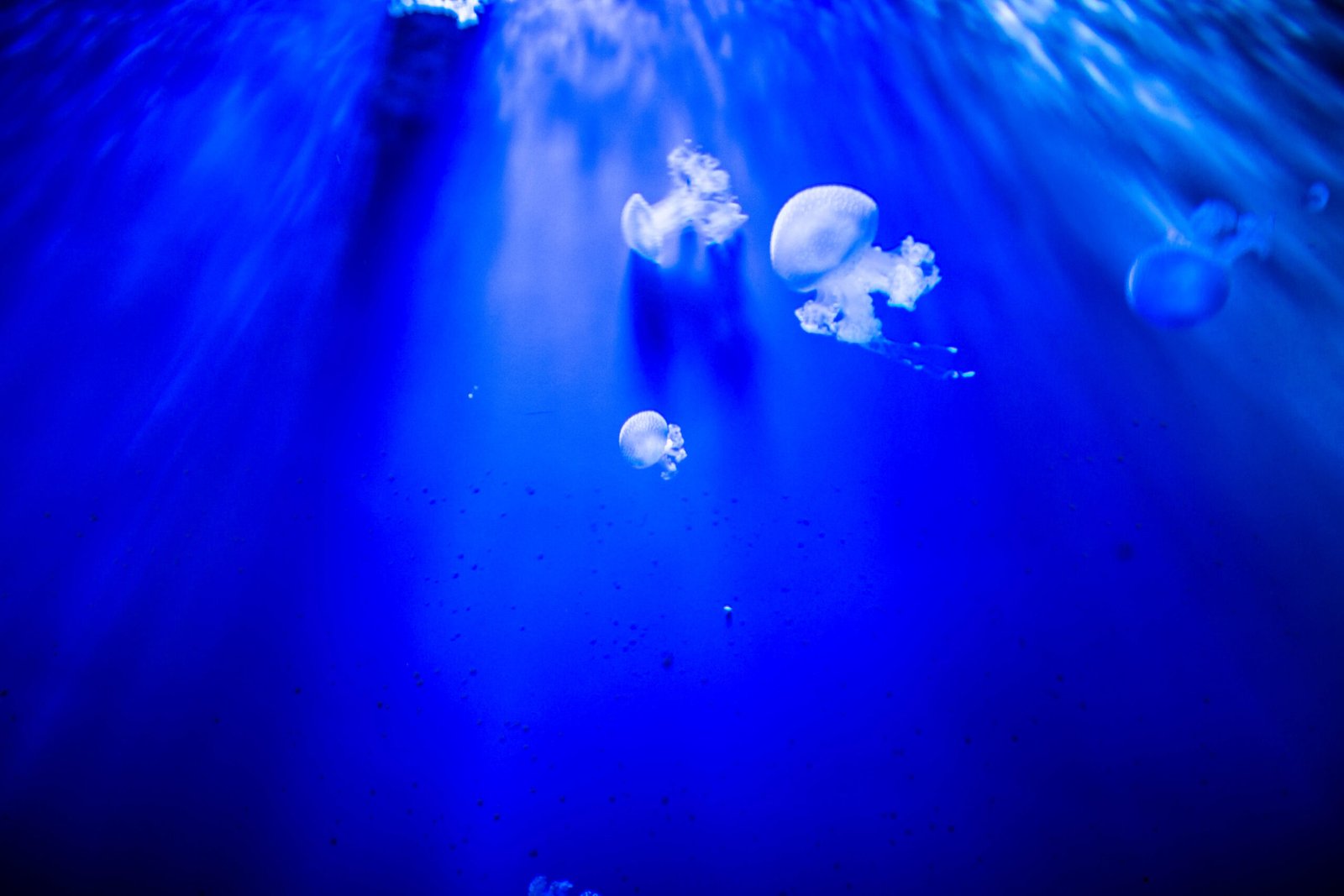
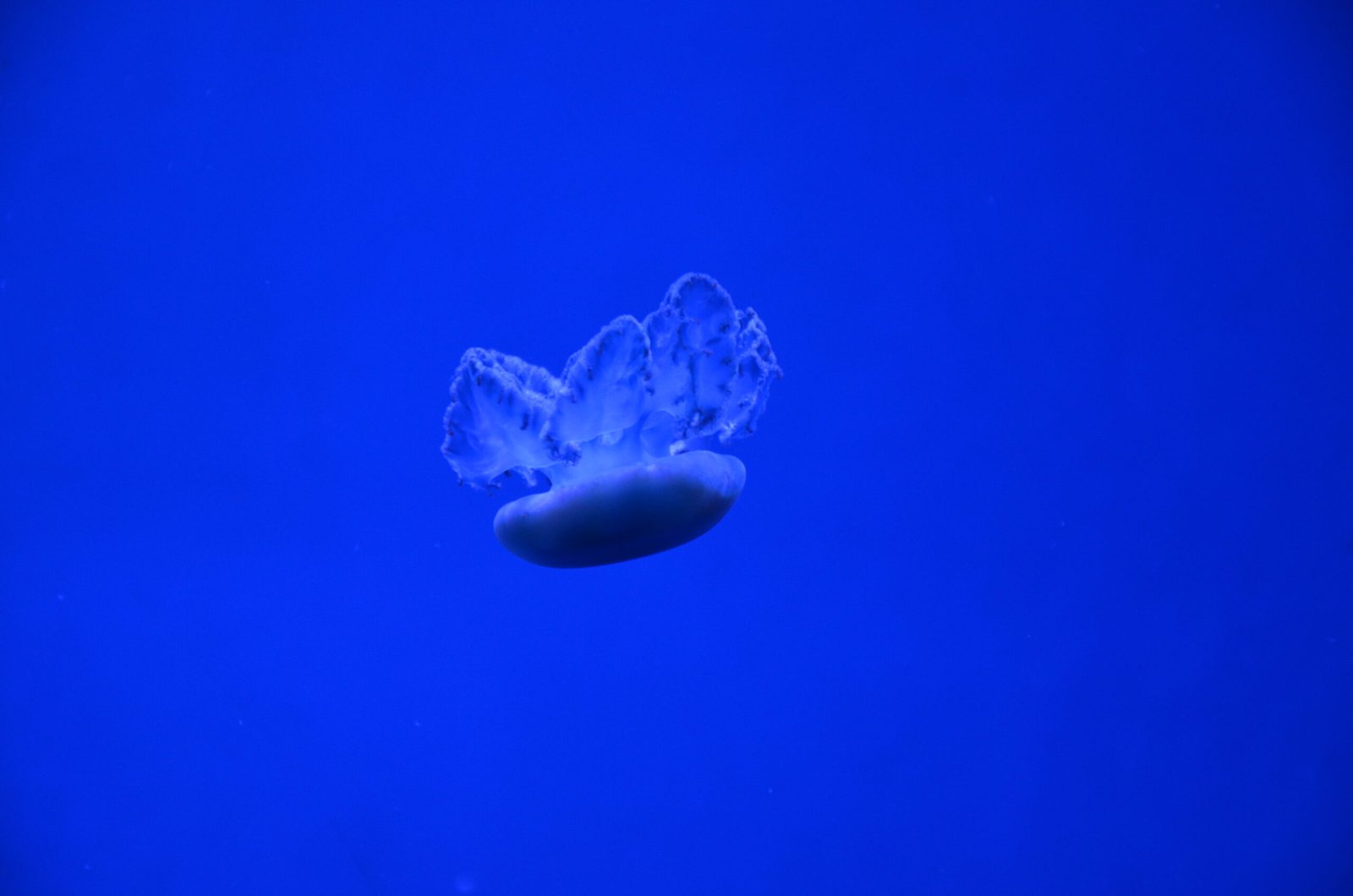
The main architects of these gooey armadas are several jellyfish species, with the mauve stinger (Pelagia noctiluca) leading the charge. Recognizable by their glowing purple-pink hue and delicate tentacles, these jellyfish are infamous for their painful sting. Other species, like the barrel jellyfish and compass jellyfish, have also joined the floating masses. Each species brings its own unique shapes and colors, turning the blobs into vibrant, living mosaics. These creatures are not only visually captivating but also reveal a complex interplay of biology and environment, coming together in ways rarely seen at this scale.
Why Are Mega Blobs Forming Now?
Scientists have traced the formation of these jellyfish mega blobs to a mix of environmental triggers. Warmer sea temperatures, a byproduct of climate change, have extended jellyfish breeding seasons and boosted their populations. Additionally, overfishing has reduced the number of natural jellyfish predators, such as sea turtles and certain fish. Calm, nutrient-rich waters along Portugal’s coast provide the perfect conditions for jellyfish to thrive and aggregate. This convergence of factors has led to the spectacular—and sometimes overwhelming—appearance of these floating armies.
The Gooey Armada: How Do They Move?
Watching a jellyfish mega blob move is like witnessing a slow-motion ballet. Hundreds, sometimes thousands, of jellyfish pulse their bells in rhythmic harmony, propelling the mass forward as a single, undulating entity. Their movement is guided by ocean currents, but the jellyfish themselves can steer and adjust their position within the blob. This synchronized swimming helps them conserve energy and may even provide some protection from predators. The mesmerizing spectacle is a reminder of nature’s ability to create order and beauty from apparent chaos.
Ecological Impacts on Local Waters
The sudden rise of jellyfish mega blobs is causing ripples throughout Portugal’s coastal ecosystems. Jellyfish feed on plankton and small fish, sometimes consuming vast amounts and outcompeting other marine creatures. Their presence in such large numbers can disrupt the delicate balance of local food webs, affecting everything from tiny shrimp to larger fish species. This ecological shift is a stark warning of how quickly marine environments can change—and how interconnected all ocean life truly is.
A Challenge for Fisheries and Tourism
For Portugal’s fishing communities, the arrival of jellyfish mega blobs poses a serious challenge. Nets often become clogged with jellyfish, making it difficult to catch target fish species. In some cases, entire hauls must be discarded due to jellyfish contamination. Meanwhile, local tourism—a vital industry for many coastal towns—faces its own struggles. Swimmers and surfers are wary of venturing into waters filled with stinging tentacles, leading to empty beaches during peak season. The economic impact is real and growing, pushing communities to adapt in creative ways.
How Do Jellyfish Benefit from Grouping Together?
There’s strength in numbers, even for jellyfish. By clustering into mega blobs, these creatures improve their chances of survival. Large groups are less likely to be picked off by predators, and the sheer density of jellyfish can overwhelm fish and other prey. Grouping may also help with reproduction, as jellyfish release their eggs and sperm into the water more efficiently when close together. This collective strategy allows them to exploit favorable conditions and bounce back quickly after population crashes, making jellyfish remarkably resilient.
The Science of the Blob: What Makes It Possible?
The formation of a jellyfish mega blob is a feat of biological engineering. Each jellyfish is composed mostly of water, with a network of nerve cells that allow for simple communication and coordination. When conditions are right, these animals sense each other’s presence through chemical signals and align their movements. It’s a subtle, almost invisible dance, orchestrated by instincts honed over millions of years. The result is a pulsating, dynamic structure that seems to move with a mind of its own, captivating scientists and nature lovers alike.
Human Encounters: Awe, Fear, and Curiosity

For those who witness the jellyfish mega blobs firsthand, the experience is unforgettable. Some are transfixed by the shimmering spectacle, while others feel a surge of fear at the thought of so many stinging creatures packed together. Children often stare in wonder, asking questions about these floating “aliens.” Lifeguards and local authorities work hard to keep swimmers safe, posting warnings and setting up barriers when needed. The blobs have become a topic of conversation up and down the coast, inspiring both fascination and caution.
Are Mega Blobs Here to Stay?
The future of Portugal’s jellyfish mega blobs is uncertain. If current environmental trends continue, we may see even larger and more frequent gatherings in the years ahead. Scientists are closely monitoring the phenomenon, hoping to predict when and where the next blobs will appear. While some experts worry about the potential for long-term ecological disruption, others see the blobs as a natural response to changing ocean conditions. Either way, these gooey armadas are a vivid sign that the sea is alive and always changing.
Nature’s Warning and a Call to Reflection
The appearance of jellyfish mega blobs along Portugal’s coast is more than just a strange spectacle—it’s a living message from the ocean itself. These floating fleets remind us that our actions, from greenhouse gas emissions to overfishing, ripple through the natural world in ways we cannot always predict. As we marvel at the beauty and mystery of these gooey armadas, we are also challenged to think about our relationship with the sea. What choices will we make to protect this fragile, ever-changing world?