Every autumn and spring, the skies teem with millions of winged travelers, embarking on journeys so vast and precise that they border on the miraculous. Imagine weighing less than a chocolate bar yet flying thousands of miles, crossing oceans, deserts, and mountain ranges, often in complete darkness. How do birds manage such astonishing feats? The answer lies in an extraordinary set of navigational tools—magnetic maps and celestial cues—that have baffled and inspired scientists for decades. This is the captivating story of how birds use the invisible forces of our planet and the twinkling patterns of the night sky to find their way home.
The Marvel of Migration: Nature’s Ultimate Road Trip

Migration is one of nature’s grandest spectacles, with birds traveling distances that would make even the most seasoned human explorers pause in awe. Some species, like the Arctic Tern, travel from the Arctic to the Antarctic and back each year—a round trip of nearly 44,000 miles. These journeys are not random; they are timed precisely with changes in seasons, food availability, and breeding needs. Young birds, sometimes barely weeks old, embark on their first migration alone, guided by inborn instincts and an uncanny sense of direction. The sheer scale and success of bird migration continue to astonish scientists and bird lovers alike, prompting the question: what guides these winged voyagers across such immense distances?
Magnetic Maps: The Invisible Compass Within
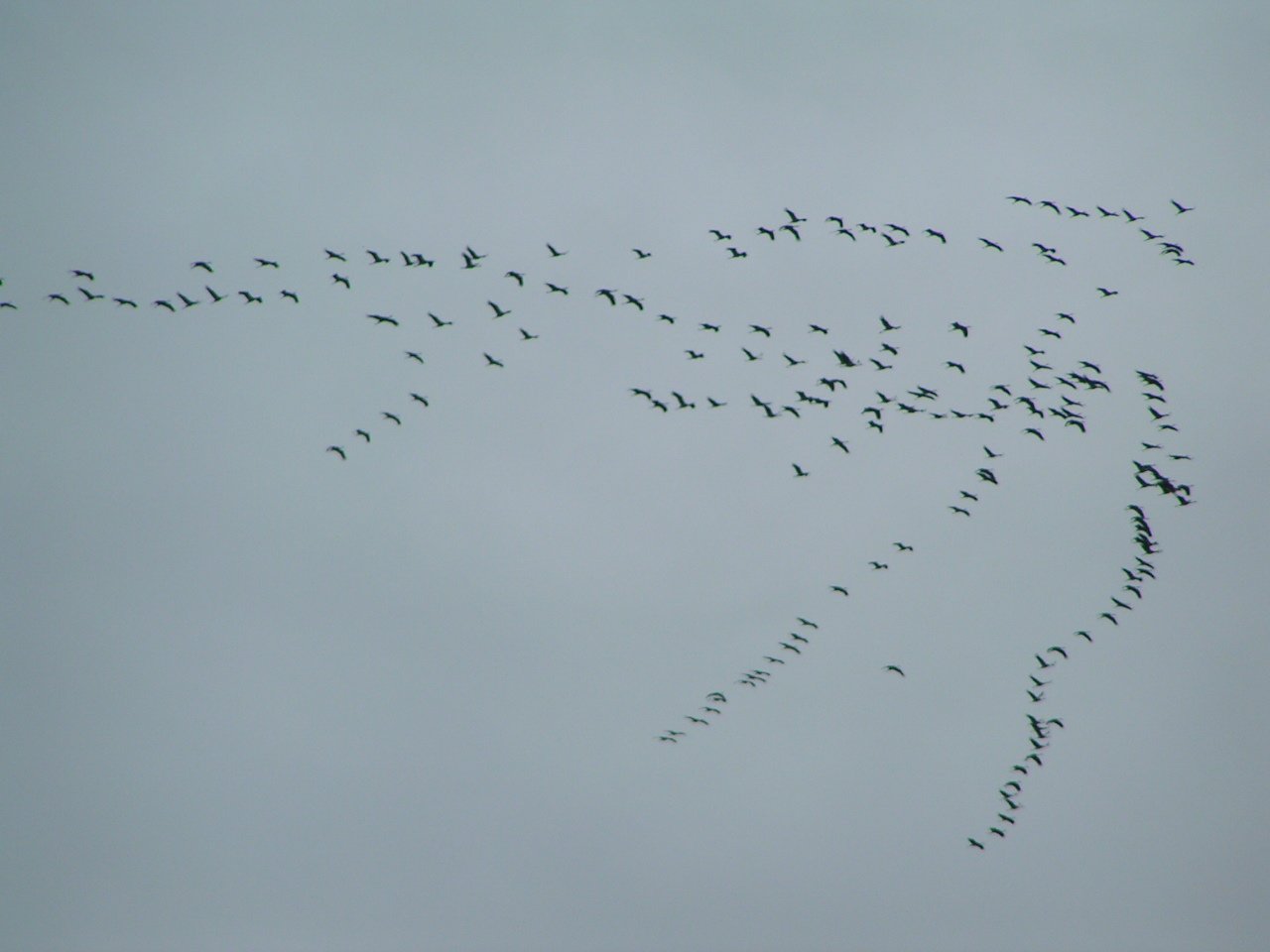
One of the most fascinating discoveries in avian science is that many migratory birds possess an internal “magnetic map.” This map allows them to sense the Earth’s magnetic field, giving them a kind of built-in compass and GPS. Birds like robins and warblers have tiny magnetic particles, possibly magnetite, in their brains or beaks, enabling them to detect subtle variations in the planet’s magnetic field. This sense helps them understand both direction (north, south, east, west) and position relative to their goal. Even when clouds obscure the sun or stars, these magnetic cues ensure that birds stay on course, navigating through fog, storms, and the darkest nights with astonishing accuracy.
Catching the Light: Celestial Navigation by Night

When the sun sets and the world is cloaked in darkness, birds don’t lose their way. Instead, many species turn their gaze skyward, reading the stars like an ancient mariner with a celestial map. Studies have shown that birds can recognize constellations and use the position of the stars—especially the fixed North Star—as a guiding beacon. On clear nights, young birds in captivity have been observed orienting themselves toward the appropriate migration direction when shown artificial night skies. This reliance on the cosmos is particularly striking in night-migrating songbirds, who launch into the night and navigate for hours using nothing but the glittering patterns above.
The Polarized Light Puzzle: Seeing What We Cannot
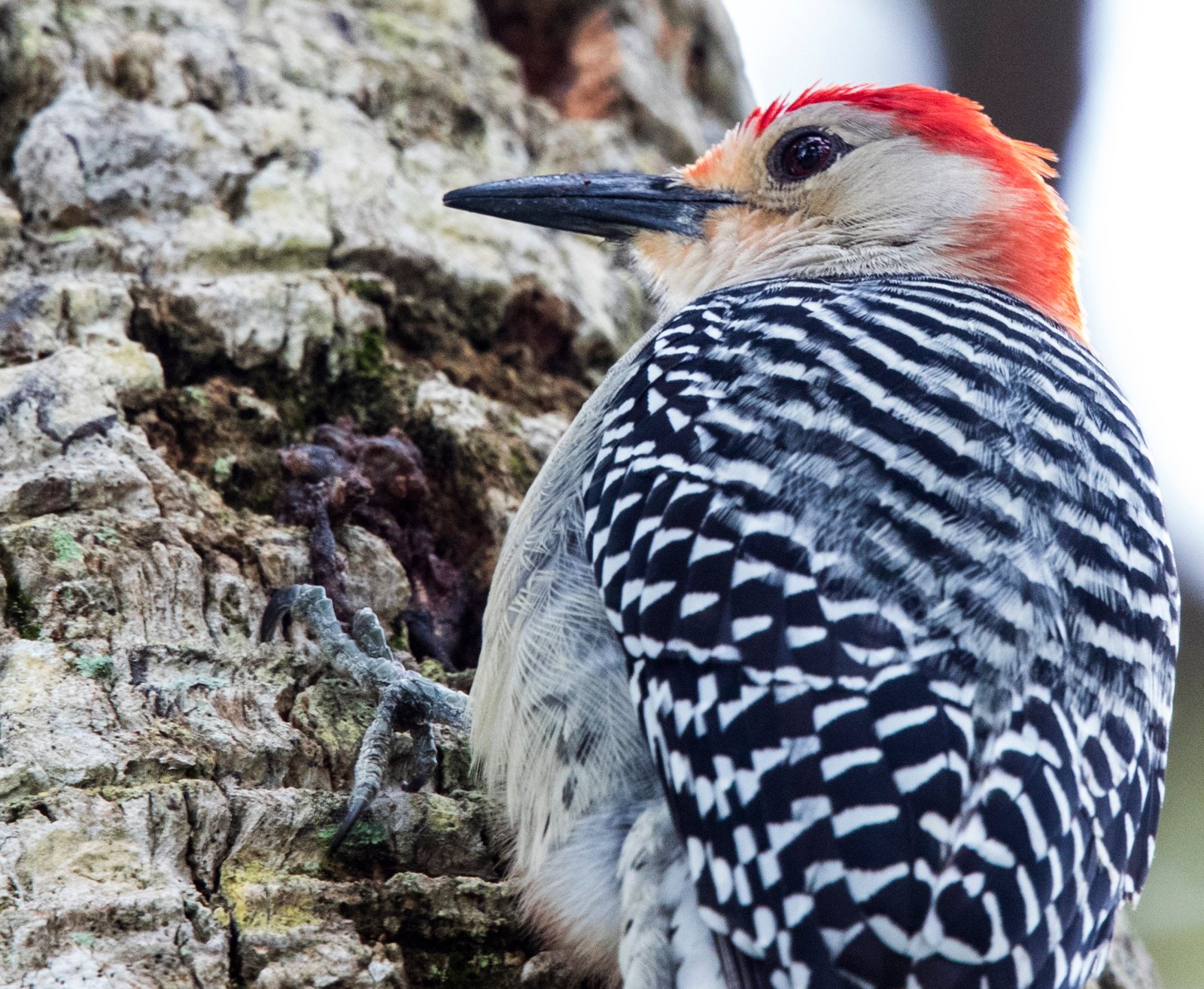
Birds don’t just rely on visible light; they can also perceive polarized light—a phenomenon invisible to human eyes. Polarized light patterns, created when sunlight scatters across the atmosphere, help birds determine the position of the sun even on cloudy days. This unique adaptation allows them to orient themselves during dawn and dusk, the critical hours when many migratory journeys begin. With this extra dimension of vision, birds can maintain their bearings even when traditional visual cues are hidden or confusing, adding yet another layer to their already remarkable navigational toolkit.
Sun Compass: Following the Arc Across the Sky

For daytime travelers, the sun provides a dependable reference point. Birds are able to compensate for the sun’s changing position throughout the day by using their internal circadian clocks. This means they don’t just follow the sun blindly—they know how to adjust for its movement, correcting their path as the day wears on. Homing pigeons, for example, are famous for their ability to find their way back home over long distances, thanks in large part to their use of the sun as a compass. This combination of solar navigation and timekeeping is an elegant solution to the challenge of long-distance travel.
Wind and Weather: Reading Nature’s Signs
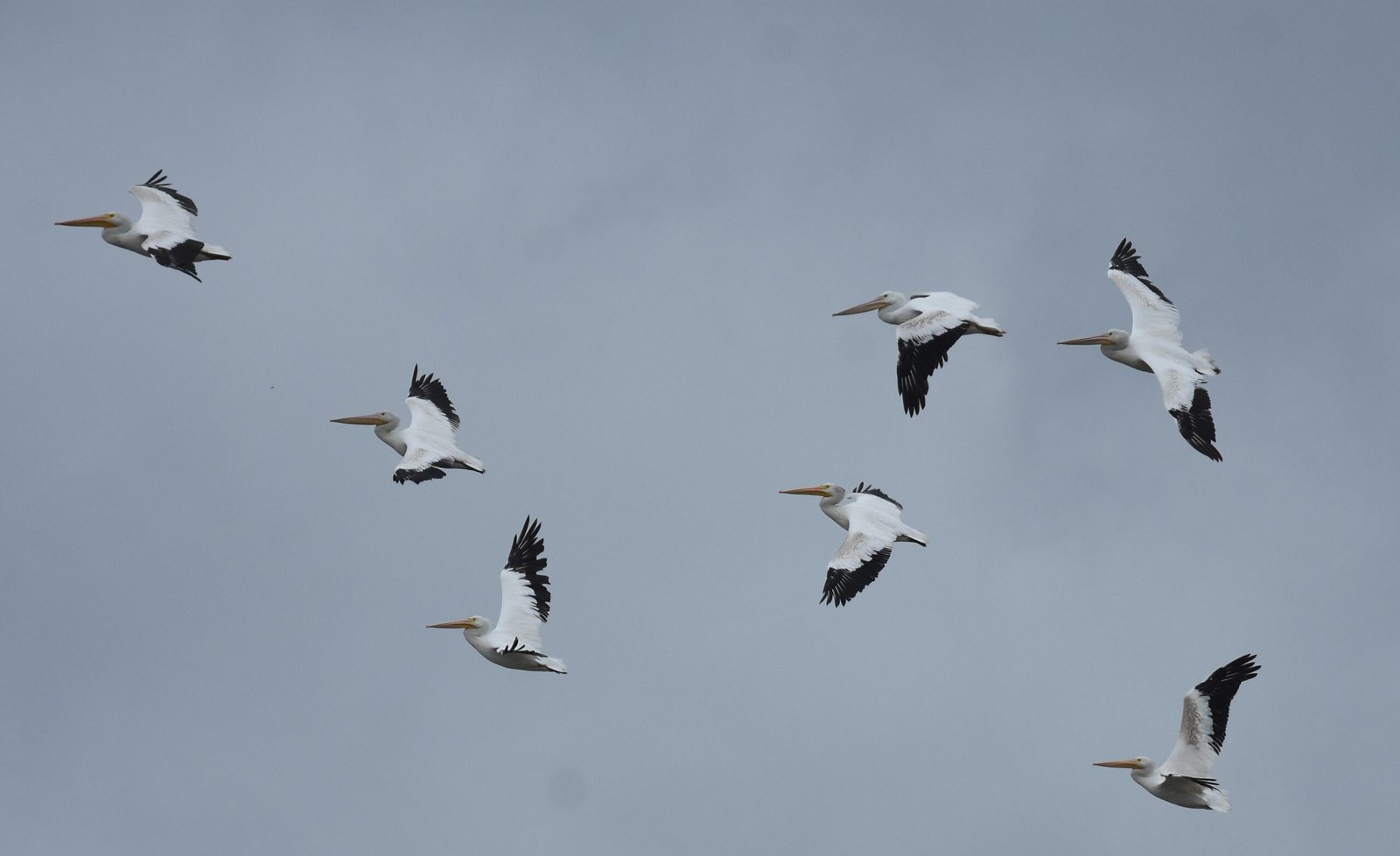
While magnetic and celestial clues guide the way, birds also pay close attention to the winds and weather around them. Favorable winds can help them save energy, allowing some species to soar for hours or even days without flapping their wings. Before setting out, migratory birds often wait for specific wind directions or weather conditions that will make their journeys easier and safer. They sense changes in air pressure, humidity, and temperature, using this information to anticipate storms or find thermals—rising columns of warm air that provide a free ride upward. The ability to “read” the weather is sometimes the difference between life and death on these epic migrations.
Learning and Memory: The Role of Experience

Although instinct plays a huge role, experience and learning are also crucial for successful migration. Young birds may rely more heavily on genetic programming during their first trip, but as they age, they learn from previous journeys, memorizing landmarks, wind patterns, and best routes. Some species, like cranes and geese, migrate in family groups, with older birds teaching the young the safest paths. Memory helps birds avoid hazards and return to the same breeding or wintering sites year after year, proving that migration is not just about following invisible maps, but also about learning from the world with each new journey.
Magnetic Disruptions: When the Compass Goes Haywire

As remarkable as their magnetic sense is, it is not foolproof. Human activities, such as power lines, urban development, and even some new technologies, can disrupt the Earth’s magnetic field or produce artificial magnetic signals. This interference can confuse, disorient, or even endanger migratory birds, causing them to veer off course or become stranded far from their intended destinations. Scientists are working to better understand how these disruptions affect migration and what can be done to protect the delicate magnetic sense that so many birds depend on.
Celestial Challenges: The Impact of Light Pollution

Modern life has made the night sky far brighter than it once was, especially in cities. Light pollution from streetlights, skyscrapers, and billboards can obscure the stars and disorient night-migrating birds. Large numbers of birds die each year after becoming confused by city lights, colliding with buildings, or circling until exhaustion. Conservationists are advocating for “lights out” campaigns during peak migration periods, urging cities to dim or turn off non-essential lights to give birds a clearer path through the night sky.
Unsolved Mysteries: What We Still Don’t Know

Despite decades of research, the full story of avian navigation remains mysterious. How do birds integrate magnetic, visual, and environmental cues so seamlessly? Do they experience a kind of sensory “map” that combines all these signals at once? Some scientists speculate that birds might even “see” magnetic fields as patterns or colors, though this remains unproven. Each discovery brings new questions, keeping the field of bird migration research vibrant and full of surprises. For every answer, nature seems to offer a new riddle, reminding us that the secrets of the sky are far from fully revealed.
Why Bird Migration Matters to Us All
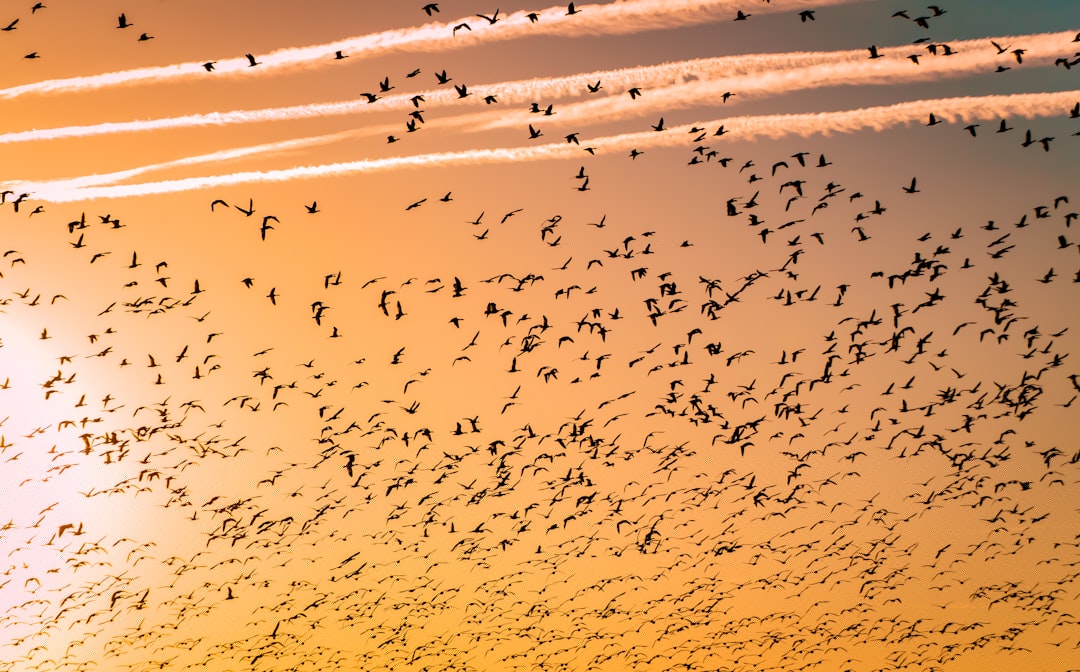
Bird migration is more than a scientific curiosity—it’s a vital part of ecosystems around the world. Migratory birds pollinate plants, control insects, and serve as food for countless other animals. Their journeys connect continents, creating invisible threads that tie together far-flung habitats. Understanding how birds navigate not only deepens our appreciation of nature’s wonders but also highlights the importance of protecting the habitats and natural cues they rely on. As we learn more about their incredible abilities, we are also reminded of our own responsibility to safeguard the skies for generations to come.
Bird migration is a breathtaking blend of instinct, intelligence, and adaptation—a living testament to the marvels of the natural world. The next time you see a flock soaring overhead, imagine the invisible maps and silent stars guiding their way. Isn’t it astonishing how much is happening above us, just out of sight?
Jan loves Wildlife and Animals and is one of the founders of Animals Around The Globe. He holds an MSc in Finance & Economics and is a passionate PADI Open Water Diver. His favorite animals are Mountain Gorillas, Tigers, and Great White Sharks. He lived in South Africa, Germany, the USA, Ireland, Italy, China, and Australia. Before AATG, Jan worked for Google, Axel Springer, BMW and others.