It’s a misty morning in the wilds of Tasmania. The forest is hushed, the ferns thick with dew, and somewhere in the shadows, a striped, doglike creature vanishes between the trees. For decades, people have whispered about such encounters, claiming to see a ghostly animal believed to be lost forever—the Tasmanian tiger. Officially declared extinct, this mysterious marsupial still haunts the dreams of scientists, bushwalkers, and adventurers. Why do people keep reporting sightings of a creature that should no longer exist? Is it pure imagination, or could the impossible be true?
The Legend of the Tasmanian Tiger
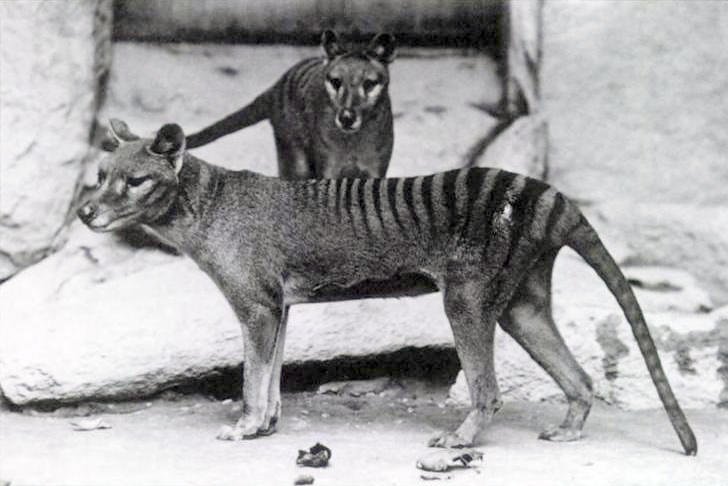
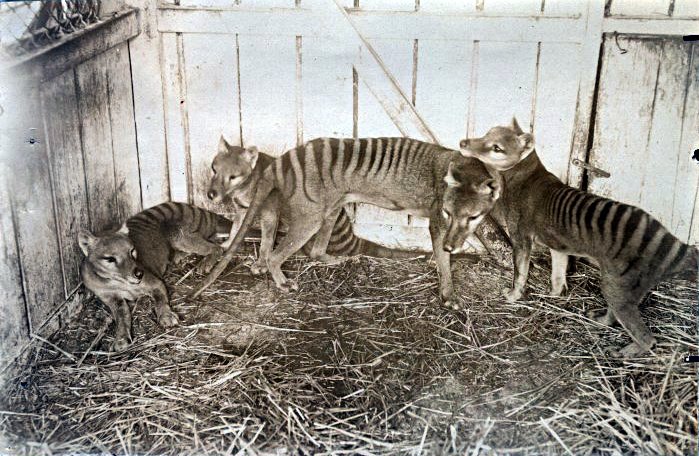
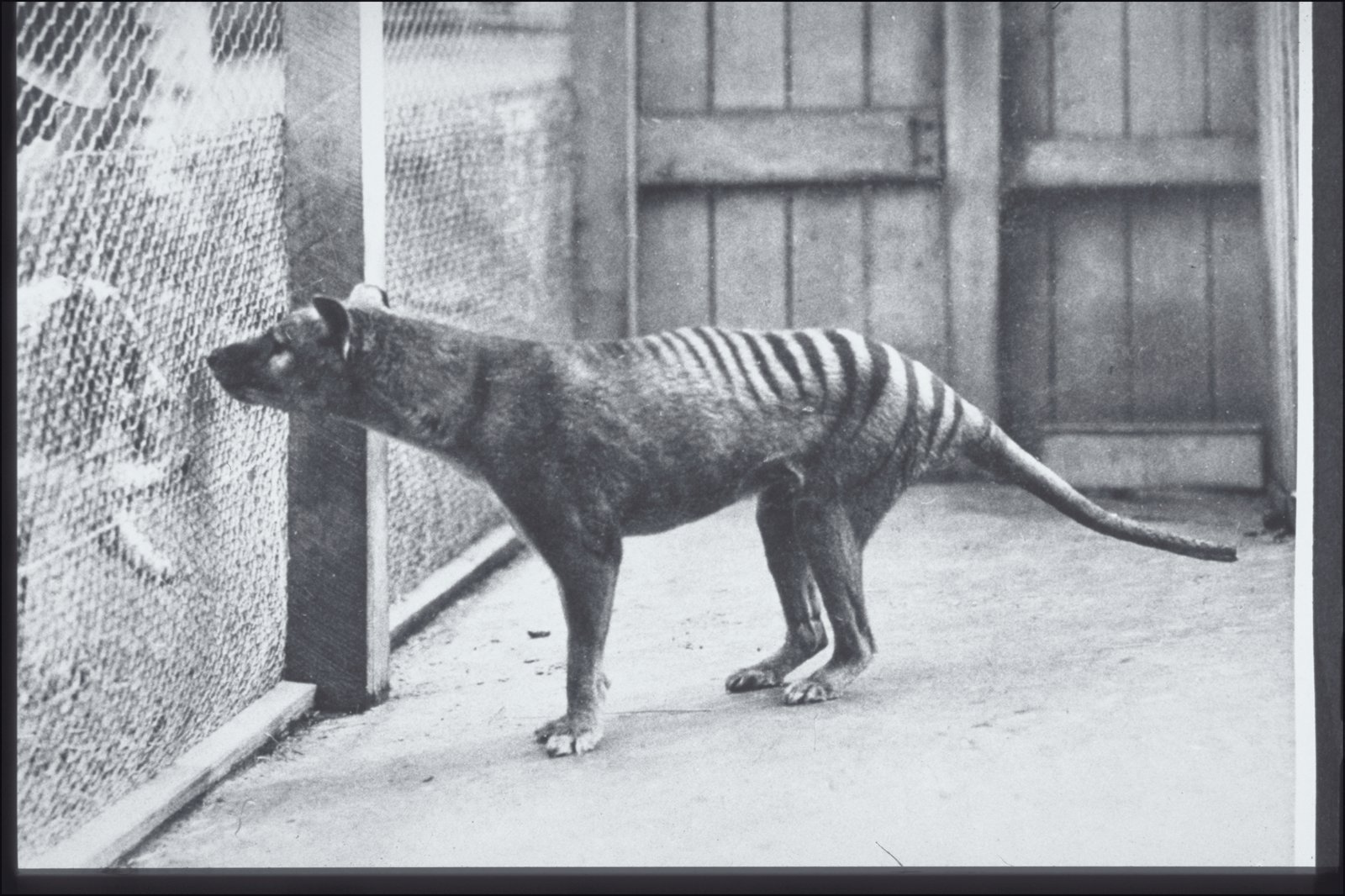
The Tasmanian tiger, also known as the thylacine, was one of nature’s most extraordinary animals. With its wolf-like head, stiff tail, and tiger-like stripes running across its back, it looked almost like a creature stitched together from spare parts. The thylacine was a top predator in its home—Tasmania, a rugged island south of mainland Australia. For thousands of years, it roamed the bush, hunting wallabies, birds, and small mammals. But by the early 20th century, farmers blamed it for livestock losses and began a relentless campaign to wipe it out. Tragically, this led to the animal’s rapid decline, turning it from local legend into a global symbol of extinction.
The Final Days and Official Extinction
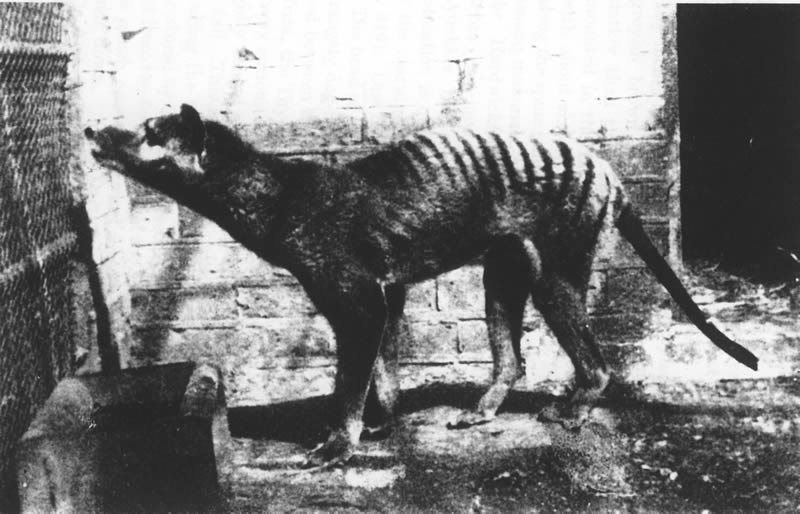
The story of the thylacine’s last days is a haunting one. The species was already under pressure from habitat loss, disease, and competition with introduced species like dogs. The final blow came from government bounties that encouraged widespread hunting. By the 1930s, sightings had become rare and desperate. The last known thylacine died alone in Hobart Zoo on September 7, 1936—a date now recognized as National Threatened Species Day in Australia. After years with no confirmed sightings, the thylacine was officially declared extinct in 1982, closing the chapter on one of the world’s most unique predators.
Why the Sightings Never Stopped
Despite its official extinction, the Tasmanian tiger refuses to slip quietly into history. Reports of sightings have poured in ever since the last zoo specimen died, with hundreds of people swearing they’ve seen the animal in remote forests or darting across lonely highways. Some describe its stiff, kangaroo-like tail; others recall its striped back or the peculiar way it moves. These stories come from all walks of life—farmers, hikers, tourists, even police officers. Some are written off as mistaken identity, perhaps with wild dogs or foxes. Yet the sheer volume and consistency of these reports keep hope alive, fueling the fire of mystery.
The Science Behind the Mystery

Modern science doesn’t take such claims lightly. Researchers have set up camera traps, conducted DNA analysis on mysterious scat, and even launched official investigations after credible reports. Many scientists agree that the likelihood of a surviving population is vanishingly small. The island’s size, the thylacine’s need for territory, and the lack of clear evidence all argue against its survival. Still, science thrives on skepticism, and experts continue to monitor new findings. The possibility—however slim—that a tiny population could persist in the wild is enough to keep some scientists searching, just in case a miracle is hiding in the bush.
Mistaken Identity or Wishful Thinking?
One of the main challenges in verifying Tasmanian tiger sightings is the potential for mistaken identity. Tasmania is home to several animals that could easily be confused with a thylacine, such as large feral cats, dogs, or even wombats seen in poor light. Human memory is fallible, especially when excitement or fear is involved. Sometimes, people want so badly to believe they’ve seen a thylacine that their minds fill in the gaps. Studies in psychology show that strong emotions can create vivid, but not always accurate, memories. This doesn’t mean every report is wrong, but it does offer a logical explanation for at least some of the sightings.
Famous Sightings and Infamous Hoaxes
Some Tasmanian tiger sightings have become legendary in their own right. In 1982, a park ranger claimed to have seen a thylacine at dusk near Arthur River, sparking a media frenzy. In 2017, a truck driver’s dashcam appeared to capture a striped creature on a remote Tasmanian road, though experts later dismissed it as wishful thinking. There have also been outright hoaxes, like staged photos and fake footprints, designed to trick the public or attract attention. These stories add another layer of intrigue, making it harder to separate fact from fiction. Yet, every new sighting renews the sense of wonder and possibility.
The Role of Folklore and Hope
The Tasmanian tiger isn’t just an animal—it’s a powerful symbol woven into Tasmania’s identity. For many locals, tales of the thylacine are a source of pride and connection to the wild past. The animal’s image appears on everything from beer labels to sports team mascots. Some see the continued sightings as a form of wishful thinking, an expression of collective guilt over its extinction. Others believe that hope itself is a kind of resistance—a refusal to accept that something so remarkable could be lost forever. In this way, the thylacine lives on in the hearts and imaginations of those who love Tasmania’s wild places.
The Search for Evidence
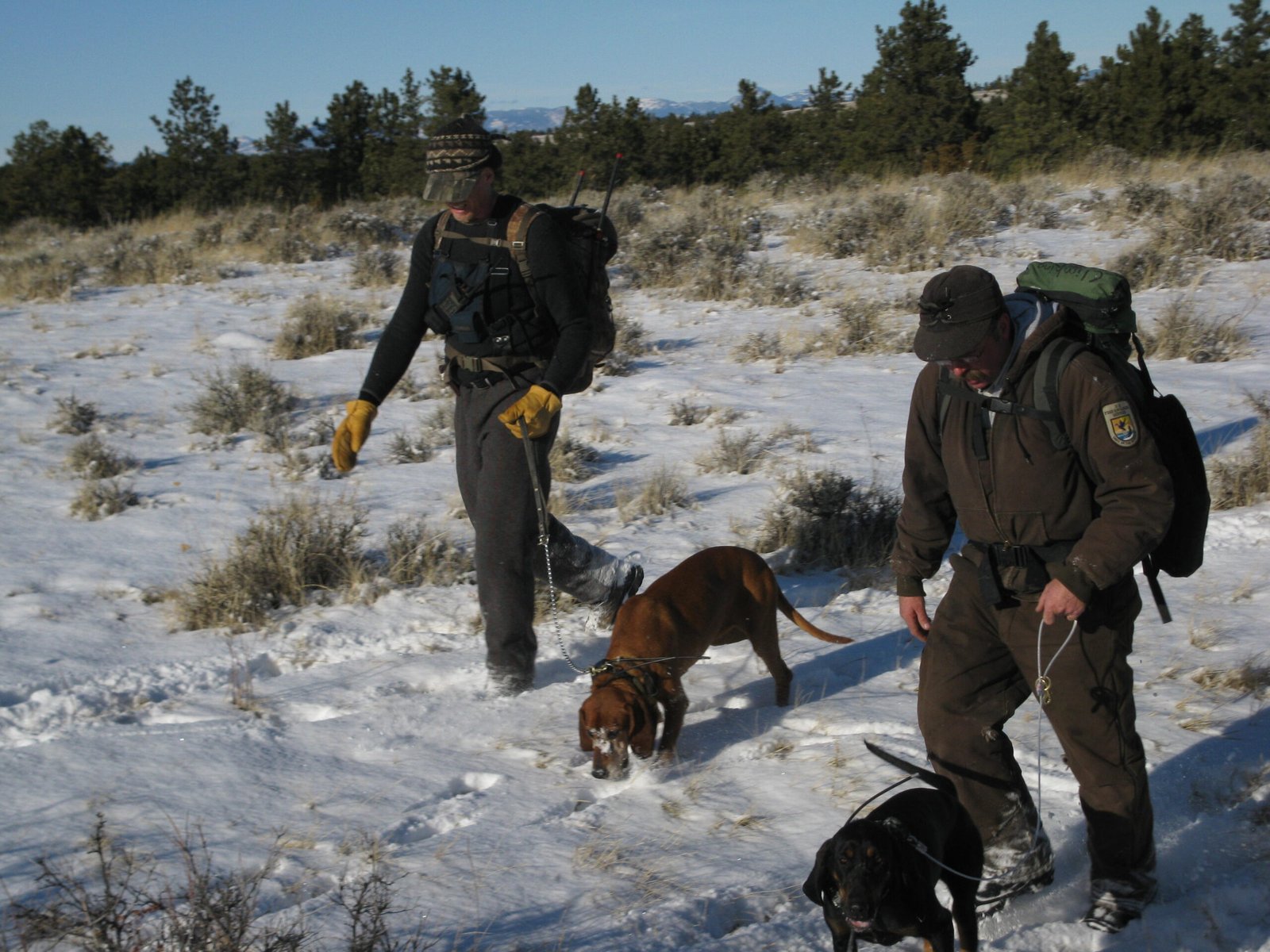
Despite decades of searching, no one has produced a living thylacine or an indisputable photo. Some expeditions have uncovered strange bones or tracks, but none have held up to scientific scrutiny. Even so, technology keeps improving. Camera traps become more sophisticated each year, capable of catching even the shyest animals on film. Environmental DNA, a technique that detects tiny genetic traces in soil or water, offers new hope for finding evidence of rare or hidden species. Every time a new method is developed, the hunt for the Tasmanian tiger is renewed with fresh energy.
De-Extinction: Can We Bring the Thylacine Back?
In recent years, the dream of resurrecting the Tasmanian tiger has shifted from science fiction to real possibility. Advances in genetics have led some scientists to explore the idea of “de-extinction”—using DNA from preserved thylacine specimens to create new individuals. While this technology is still in its infancy, laboratories in Australia and the United States are actively working on the problem. Some biologists warn of ethical concerns and the challenges of reintroducing a species to an environment that has changed dramatically. Yet, for others, the chance to undo a tragic mistake is irresistibly tempting.
The Thylacine’s Lasting Impact
Even in death, the Tasmanian tiger has changed the world. Its extinction helped spark the modern conservation movement in Australia and globally. Today, the thylacine is a cautionary tale, a reminder of what can happen when humans fail to protect the natural world. Conservationists use its story to inspire better protection for endangered species like the Tasmanian devil and the orange-bellied parrot. The thylacine’s ghostly presence in stories, art, and scientific debates ensures it will not be forgotten, no matter what the future holds.
What the Sightings Reveal About Us
The enduring fascination with the Tasmanian tiger says as much about humans as it does about the animal itself. Our minds are drawn to mysteries, and we cling to hope even in the face of overwhelming odds. The thylacine represents both our capacity for wonder and our regret over past mistakes. Whether it truly survives in the wild, or only in our imagination, the search for the Tasmanian tiger invites us to look closer at our relationship with nature and the stories we tell about loss and redemption.