Imagine stepping back in time, wandering the sun-baked plains of ancient Australia. Suddenly, a creature the size of a small car lumbers into view — not a dinosaur, not a bear, but a bizarre giant that seems to blend the body of a wombat with the bulk of a cow. Meet Diprotodon, an animal so astonishing in size and shape that even today, it sparks wonder, curiosity, and a flurry of scientific questions. This shaggy, slow-moving colossus was once the king of the Australian bush, roaming freely across vast landscapes, long before humans ever set foot on the continent. Its story is not just a tale of size, but a window into a lost world teeming with megafauna and mystery.
The Colossal Creature: What Was Diprotodon?
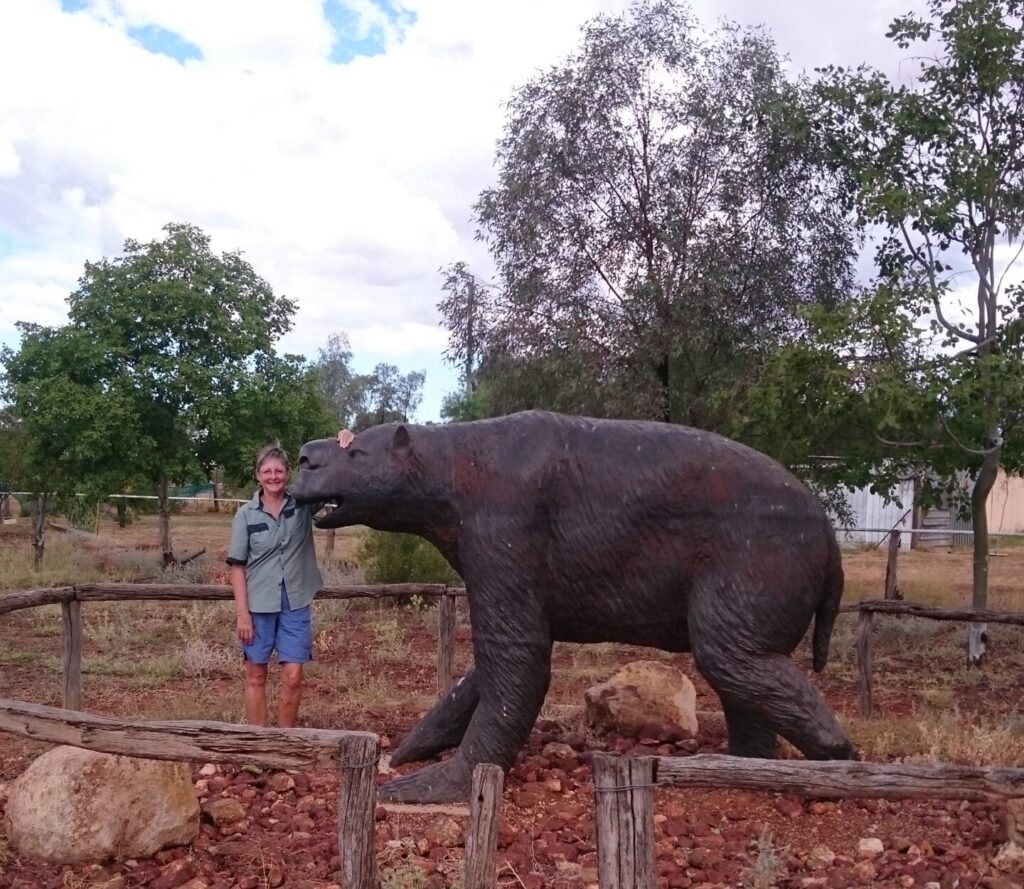
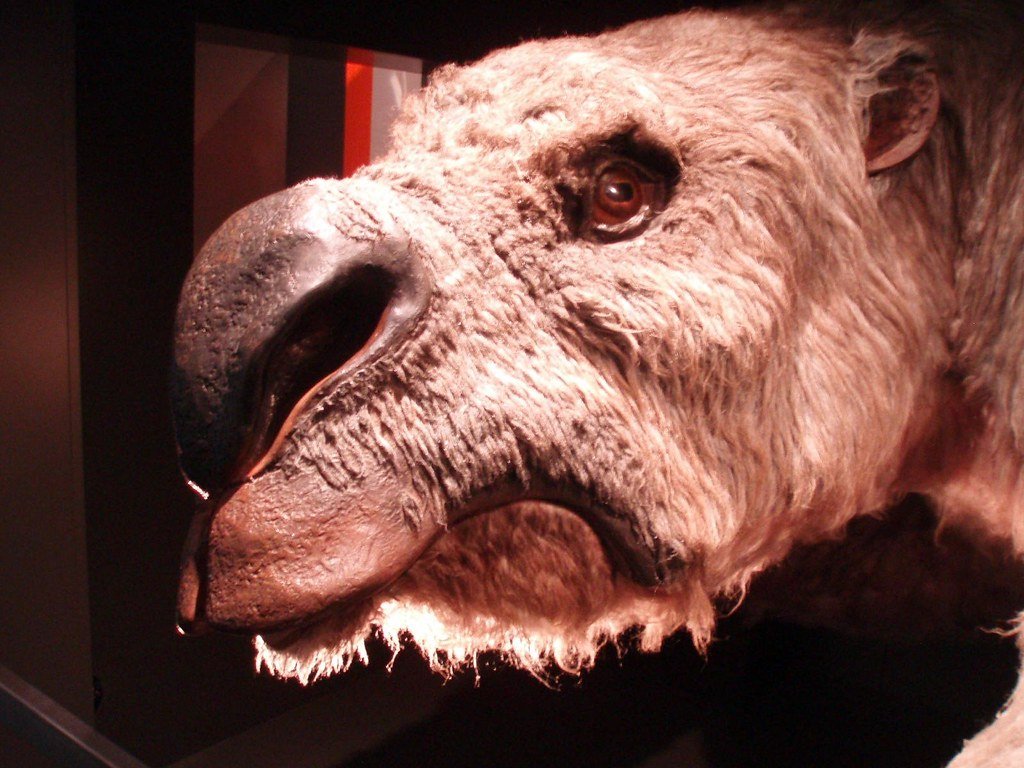
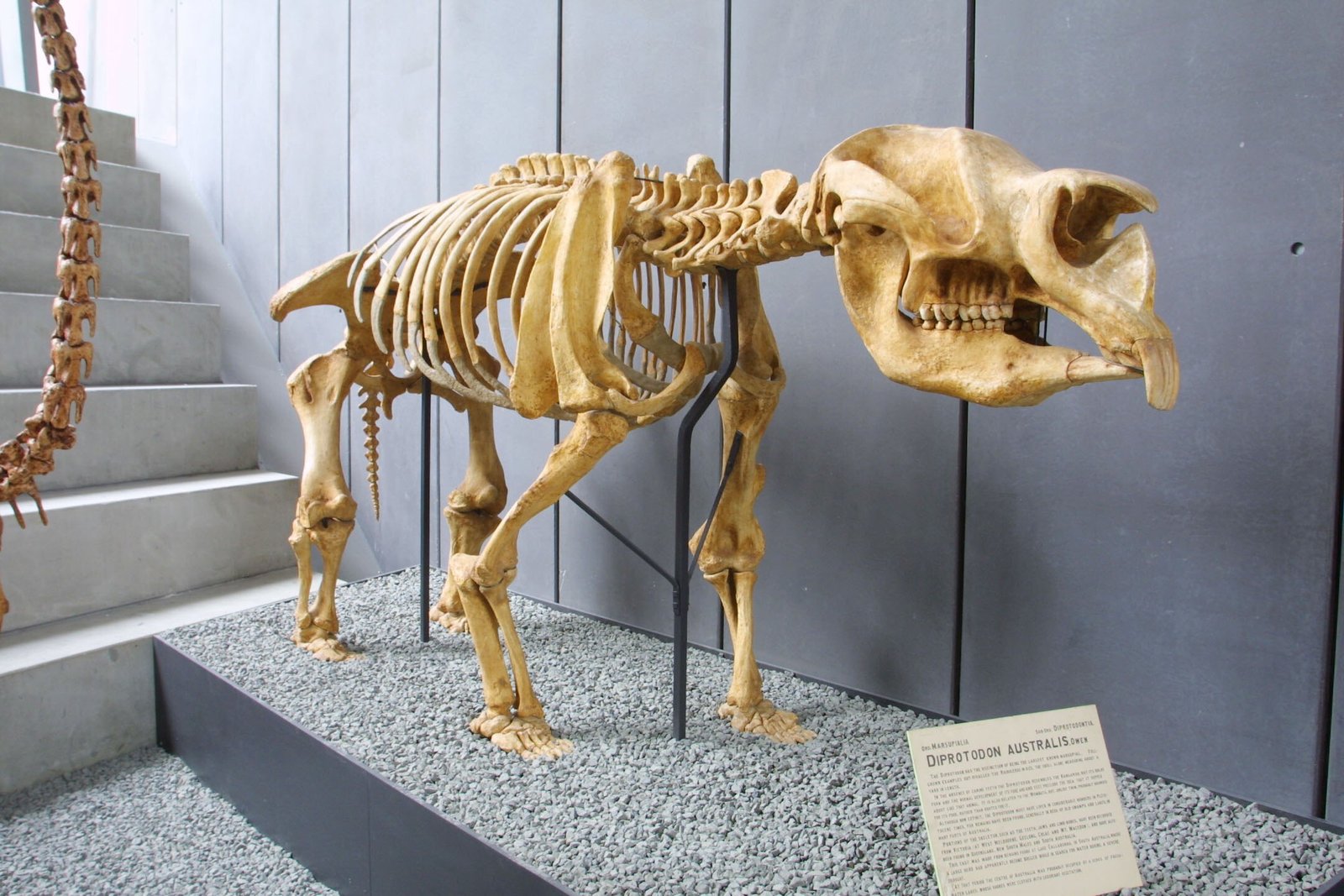
Diprotodon was the largest marsupial to ever walk the Earth, dwarfing any living relative by an astonishing margin. Picture an animal with the sturdy, compact body of a wombat, but stretched and puffed up to the size of a rhinoceros. Weighing up to 2,800 kilograms (that’s over 6,000 pounds!), it could reach lengths of nearly four meters and stand as tall as a grown man’s shoulder. Its broad, barrel-shaped body was covered in thick fur, perfectly suited for the climate swings of ancient Australia. The skull, with its oversized, forward-pointing teeth, hints at a unique way of feeding, while its lumbering gait leaves no doubt — this animal took its time, moving with a slow, deliberate confidence across open woodlands and grasslands.
Not Quite a Wombat, Not Quite a Cow
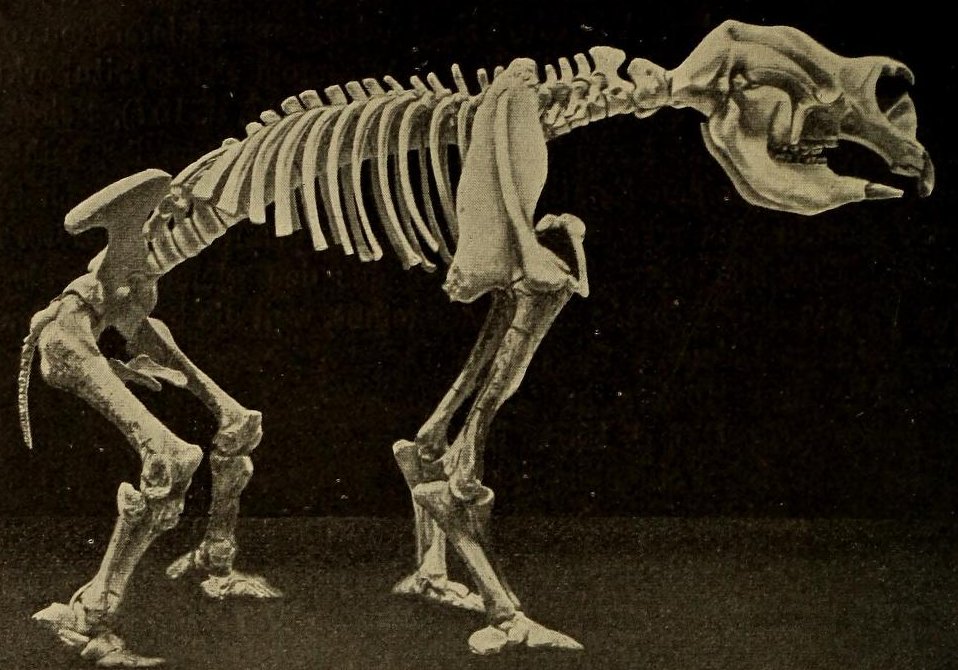
Though Diprotodon often gets compared to a giant wombat, it wasn’t just a scaled-up version of its modern cousins. Imagine a creature with the gentle eyes and snuffling nose of a wombat, but with a hefty, cow-like frame and the bulk to match. It had strong, pillar-like legs to support its massive body, and a surprisingly short tail. Unlike cows, though, Diprotodon carried its young in a pouch, making it an undeniable marsupial. Its unique blend of features has inspired scientists and artists alike, who can’t help but see it as both familiar and fantastical — a true hybrid of the animal world.
Life on the Ancient Australian Plains
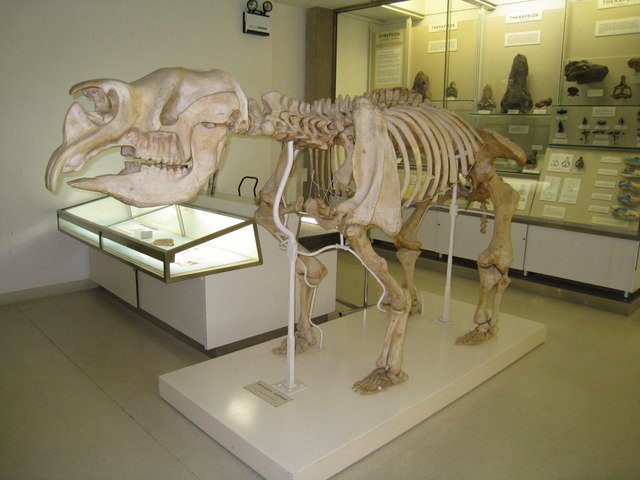
Diprotodon’s world was a place of stark contrasts — from lush forests to dry scrublands, dotted with ancient rivers and lakes. This gentle giant was a true generalist, able to thrive in a wide range of environments. Fossil evidence shows it roamed from the cool southeast to the arid heart of the continent, adapting to whatever nature threw its way. Imagine herds of Diprotodon, moving slowly across the land, leaving deep footprints in the mud near watering holes, and grazing on shrubs, leaves, and grasses. Their presence shaped the landscape, much like elephants do in Africa today, by trampling vegetation and opening up new paths for other animals.
A Gentle Giant Among Prehistoric Beasts
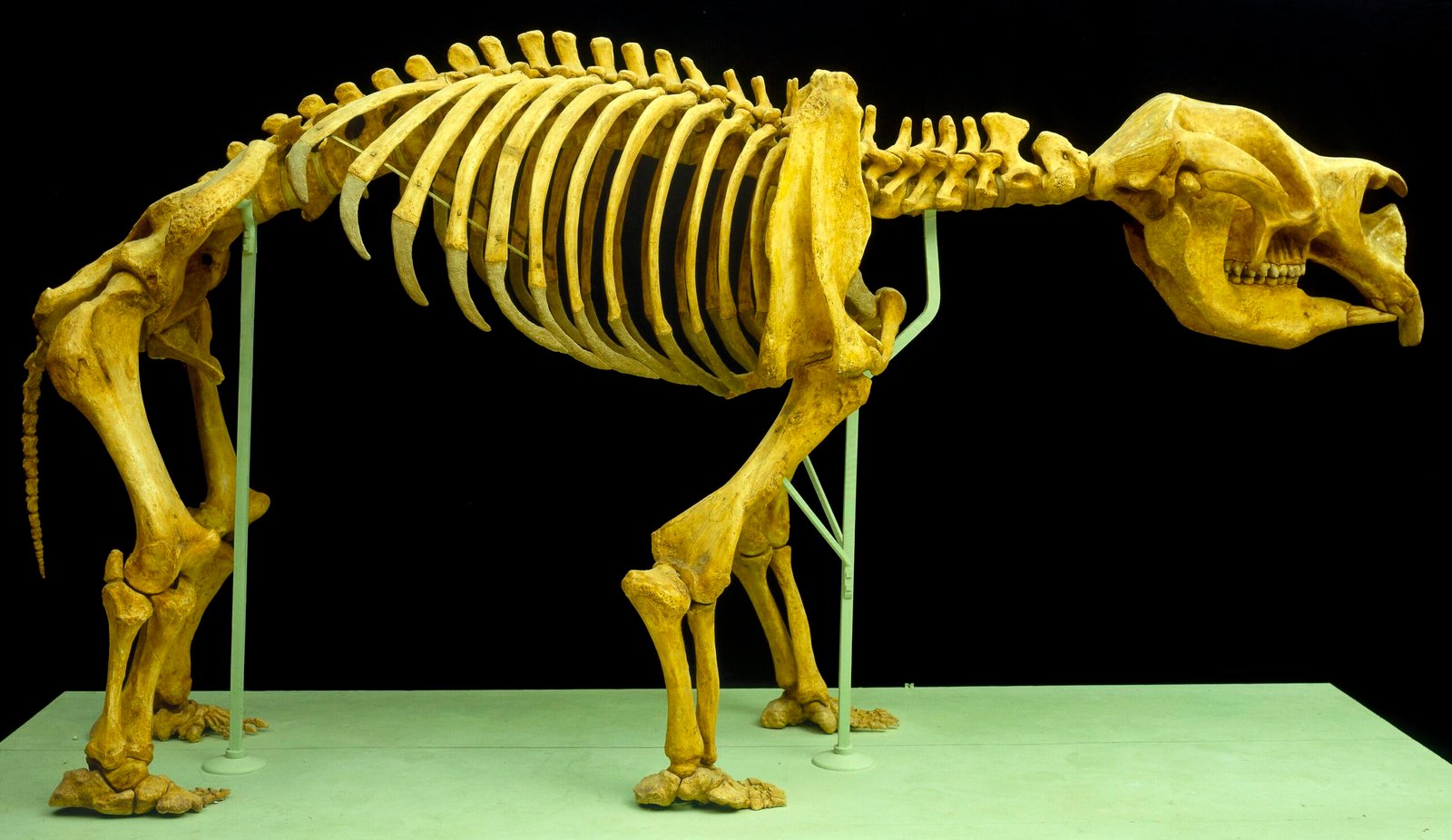
Despite its size, Diprotodon was not a fearsome predator but a peaceful herbivore. Its teeth were broad and flat, perfect for grinding tough Australian plants. Its slow, shuffling walk gave it an almost comical appearance, but there was nothing funny about its ability to survive in harsh conditions. Unlike the fierce marsupial lions and giant monitor lizards that shared its world, Diprotodon relied on size rather than speed or aggression. It was a symbol of resilience — an animal built to endure, not to fight.
Diet and Feeding Habits: Nature’s Mega-Grazer
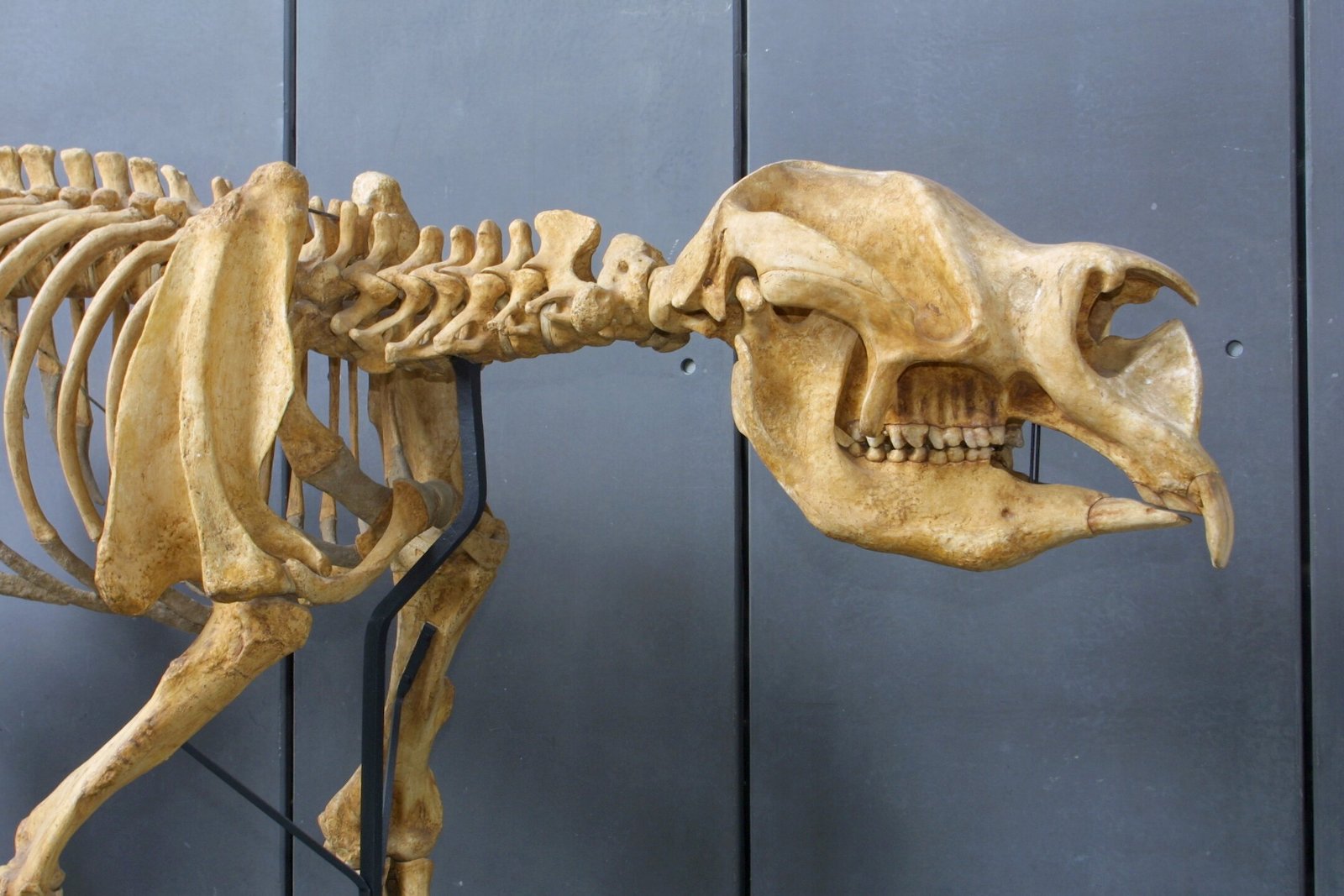
What did a Diprotodon eat to fuel such a massive frame? Scientists believe it was a true mega-grazer, munching on whatever the Australian landscape had to offer. Its large, ever-growing incisors acted like natural shears, slicing through tough grasses and woody shrubs. Studies of fossilized teeth show patterns of wear that match a diet rich in fibrous plants. Just like cows today, Diprotodon likely spent much of its day foraging, chewing, and digesting, turning the roughest vegetation into energy and muscle. Its ability to eat a wide variety of plants helped it survive changing climates and shifting ecosystems.
The Company It Kept: Australia’s Lost Megafauna
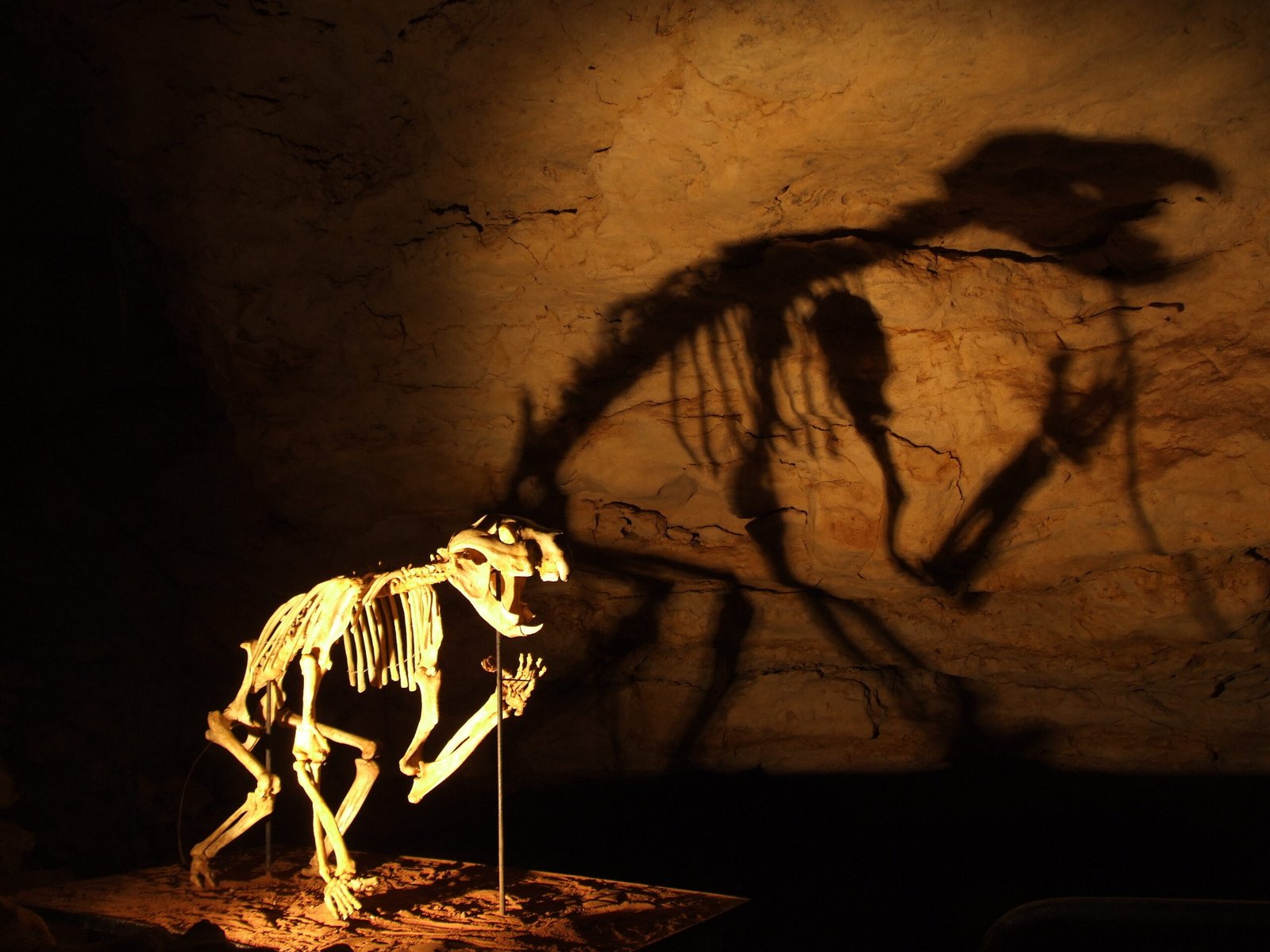
Diprotodon was far from alone in the ancient wilds. It shared its home with a cast of other giant animals, together known as the Australian megafauna. Towering kangaroos, thunderous “demon ducks,” and enormous lizards prowled the land alongside this gentle mammal. Imagine a landscape where every creature seemed oversized, each playing a role in the drama of survival. Diprotodon likely moved in loose herds, using numbers for safety and social comfort. Their interactions with other megafauna would have shaped the rhythms of life, from migration routes to competition for food and water.
Fossil Clues: Unearthing Diprotodon’s Secrets
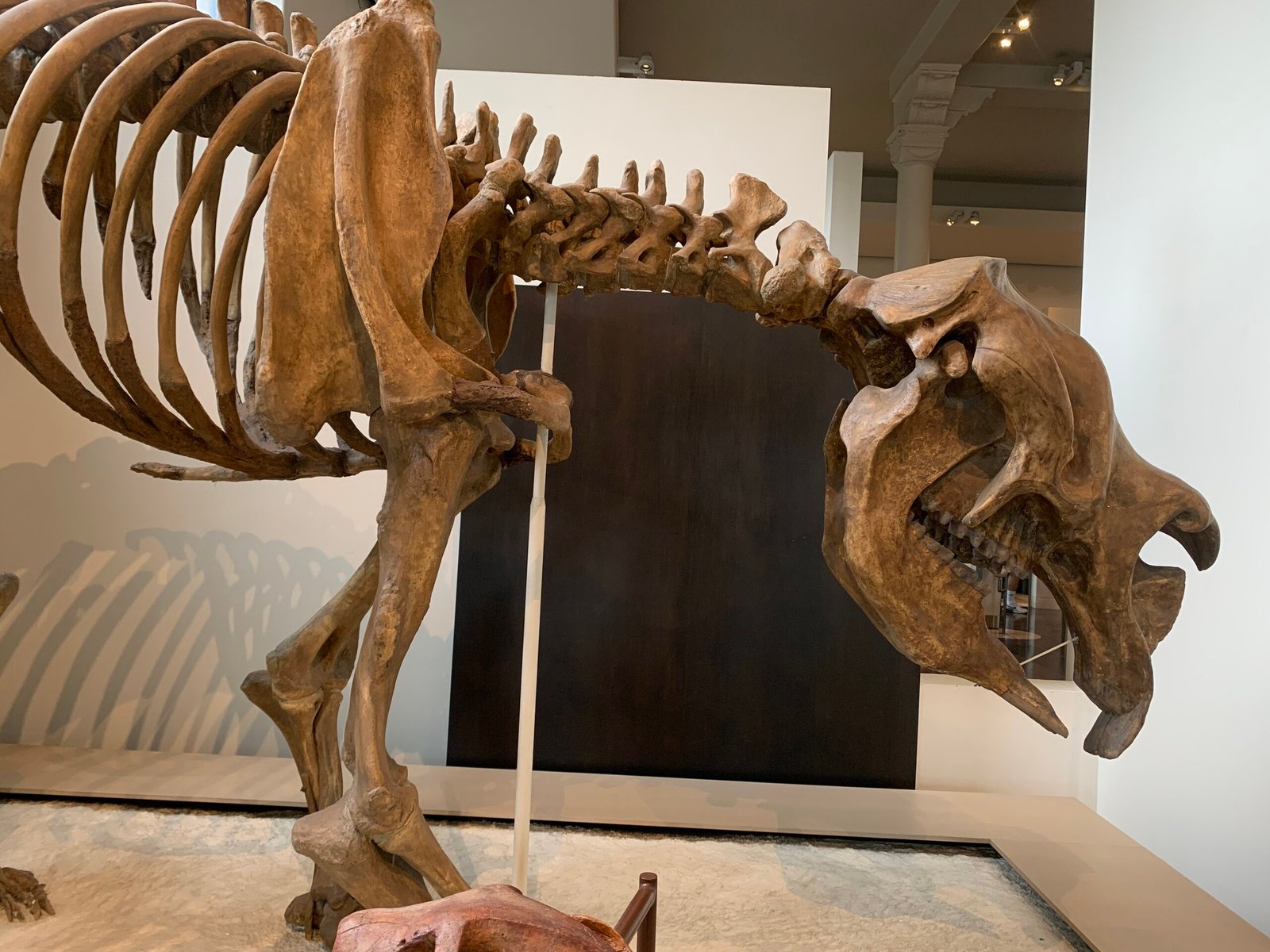
The remains of Diprotodon have been found across Australia, from dusty outback dig sites to riverbanks and ancient lakebeds. Each fossil is a puzzle piece, helping scientists reconstruct how these animals lived and died. Some sites contain the bones of dozens of individuals, suggesting that Diprotodon sometimes gathered in large groups, perhaps during droughts or at shrinking waterholes. The sheer scale of their skeletons never fails to astonish — enormous jaws, sturdy limbs, and thick skulls that speak of a life built for endurance. By studying these fossils, researchers can trace everything from migration patterns to family structures.
Changing Climates and the Road to Extinction
Diprotodon’s reign lasted for more than a million years, but its time eventually ran out. Around 46,000 years ago, as the last Ice Age gripped the planet, Australia’s climate became drier and less predictable. Water sources shrank, vegetation changed, and survival became a daily challenge. Some scientists believe that these environmental shifts were too much for Diprotodon, whose large body needed constant food and water. Others point to the arrival of humans, who may have hunted the giant marsupial or altered its habitat through fire and land management. The real answer may be a mix of both — a perfect storm of natural and human-driven change.
What Happened When Humans Arrived?
The first Aboriginal Australians arrived on the continent at roughly the same time Diprotodon was nearing its end. Archaeological evidence hints that these early people may have encountered the giant marsupial, perhaps even hunting it or using its bones and teeth for tools. The overlap has sparked debates among scientists: did human activity tip Diprotodon over the edge, or were they simply witnesses to its slow decline? It’s a haunting thought to imagine the last herds fading away as new humans spread across the land, forever changing the face of Australia.
The Legacy of Diprotodon in Modern Australia
Though Diprotodon is long gone, its story lives on in the Australian landscape and in the culture of its people. Aboriginal legends speak of giant, mysterious animals wandering the land, which some believe are memories of encounters with Diprotodon passed down through generations. Its fossils are displayed in museums, where children and adults alike stare in awe at the bones of a creature that once ruled the bush. Scientists continue to study Diprotodon, hoping to learn more about extinction, climate change, and the delicate balance of ecosystems. Its legacy is a reminder of a wilder, grander Australia — a land where giants once roamed.
Why Diprotodon Still Captivates Us
There’s something deeply moving about the story of Diprotodon. It’s a reminder of how strange and wonderful the natural world can be, and how much we have yet to discover about our own planet’s past. The image of a wombat-cow hybrid, ambling peacefully across the outback, sparks the imagination and fills us with questions. What would it have been like to see one in the wild? What secrets might still be hidden beneath the red earth? Diprotodon challenges us to look beyond the ordinary, to seek the extraordinary, and to cherish the wonders that nature creates, both past and present.