It was a discovery that rewrote the rulebook of biology and shook the very foundation of what we thought we knew about life. Imagine a creature so mysterious and massive, it defied every definition of a virus. When scientists peered into the murky waters off the coast of Bradford, England in 2003, they unearthed something that would send ripples through the scientific world: a virus so gigantic, it rivaled some bacteria in size and complexity. This was no ordinary pathogen—this was the Mimivirus, a giant virus that blurred the line between life and non-life. For those who believe that nature has exhausted its surprises, the story of giant viruses is a shocking reminder that the world is far stranger, and more wondrous, than we ever imagined.
What Makes a Virus “Giant”?
When most people picture viruses, they think of tiny, spiky invaders—microscopic specks far too small to see without a powerful microscope. Giant viruses, however, completely upend this image. Some, like the Mimivirus, are so large that they can be seen under a basic light microscope, making them visible to the naked eye when clustered together. Their size isn’t just a fluke; it’s a fundamental feature. While typical viruses measure less than 200 nanometers, giant viruses can reach up to 1,500 nanometers across. This means they are as big as, or even bigger than, some bacteria. Their outsized presence forced scientists to question every assumption about what viruses are, and what they can do.
The Astonishing Discovery of Mimivirus
The story of Mimivirus began in a hospital cooling tower in Bradford, England. Researchers initially mistook it for a bacterium due to its enormous size and complex structure. It wasn’t until years later that they realized this “bacterium” was actually a virus—one with a genome far larger and more complex than any virus known at the time. Mimivirus rocked the scientific community, challenging the very foundation of virology. Its discovery was so unexpected that many scientists refused to believe it was a virus at all, illustrating just how profound this paradigm shift was.
Why the Giant Virus Is So Unusual
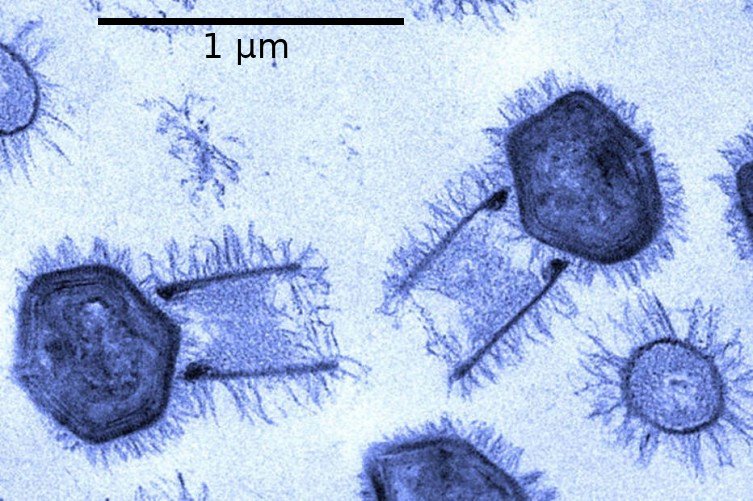
Giant viruses are not just big—they are bizarre on a molecular level. Their genomes are packed with genes never before seen in viruses, including some typically found only in cellular life forms. These genes enable them to perform functions that ordinary viruses cannot, such as repairing their own DNA or even encoding for proteins involved in protein synthesis. The Mimivirus, for example, carries more than a thousand genes, dwarfing the handful found in most other viruses. This remarkable genetic complexity blurs the once-clear boundary between viruses and living cells, leaving scientists to wonder: where does life truly begin?
The Debate: Are Giant Viruses Alive?

The question of whether viruses are alive has always been controversial, but giant viruses forced scientists to revisit this debate with fresh eyes. Traditional viruses are often described as inert particles—unable to reproduce or carry out metabolic processes on their own. But the discovery of giant viruses, with their cellular-like features and complex genetic machinery, muddied the waters. Some researchers argue that giant viruses represent a missing link between non-living viruses and living cells, while others insist that they remain lifeless until inside a host. The debate is more than academic; it challenges our understanding of what it means to be alive.
Hidden Worlds: Where Do Giant Viruses Lurk?

Giant viruses are not rare anomalies, as once thought. They have been discovered in environments as diverse as the deep ocean, ancient permafrost, and even hot springs. Some have survived for tens of thousands of years buried in ice, only to spring back to life when thawed. The diversity of their habitats is staggering, suggesting that giant viruses have been quietly shaping ecosystems for eons. Their presence in such extreme and varied environments hints at a resilience and adaptability that rivals even the hardiest bacteria.
Giant Viruses and Their Unusual Hosts
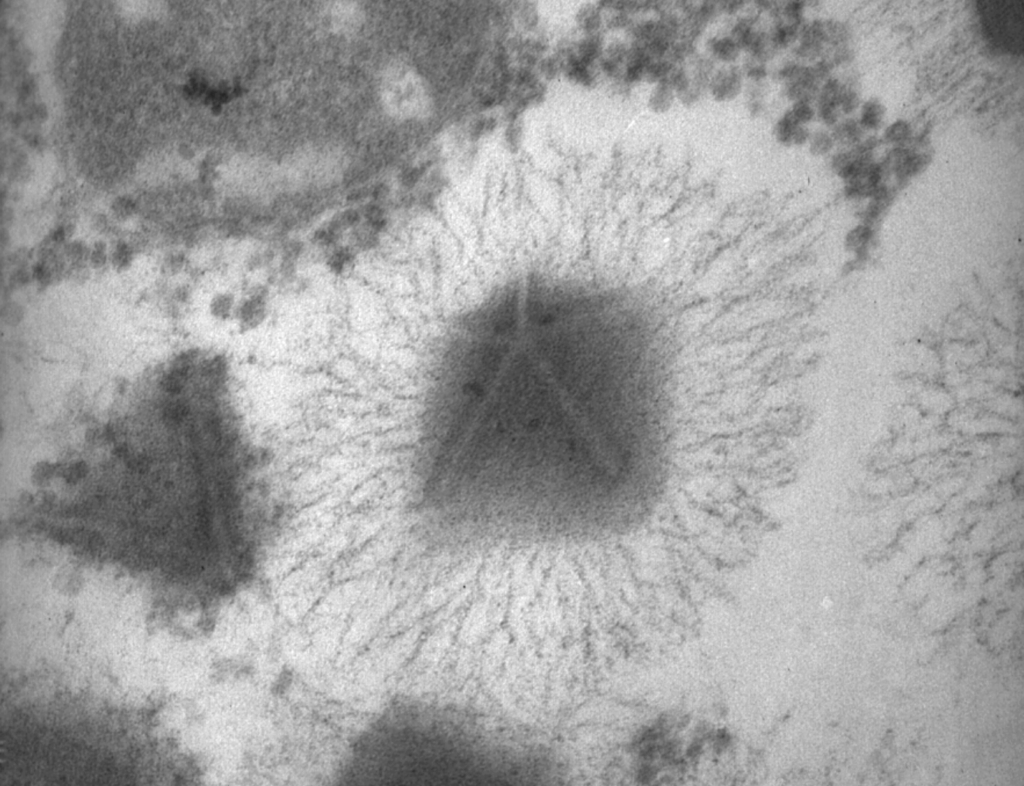
Unlike common viruses that infect animals or humans, most giant viruses target amoebae—single-celled organisms found in water and soil. But their relationship with their hosts is anything but ordinary. When a giant virus infects an amoeba, it hijacks the entire cell, turning it into a virus-producing factory. Sometimes, other smaller viruses known as “virophages” can even infect the giant virus itself, creating a bizarre chain of infection like a set of Russian nesting dolls. These complex interactions reveal a hidden universe of microscopic drama happening all around us.
The Genetic Treasure Trove Within Giant Viruses
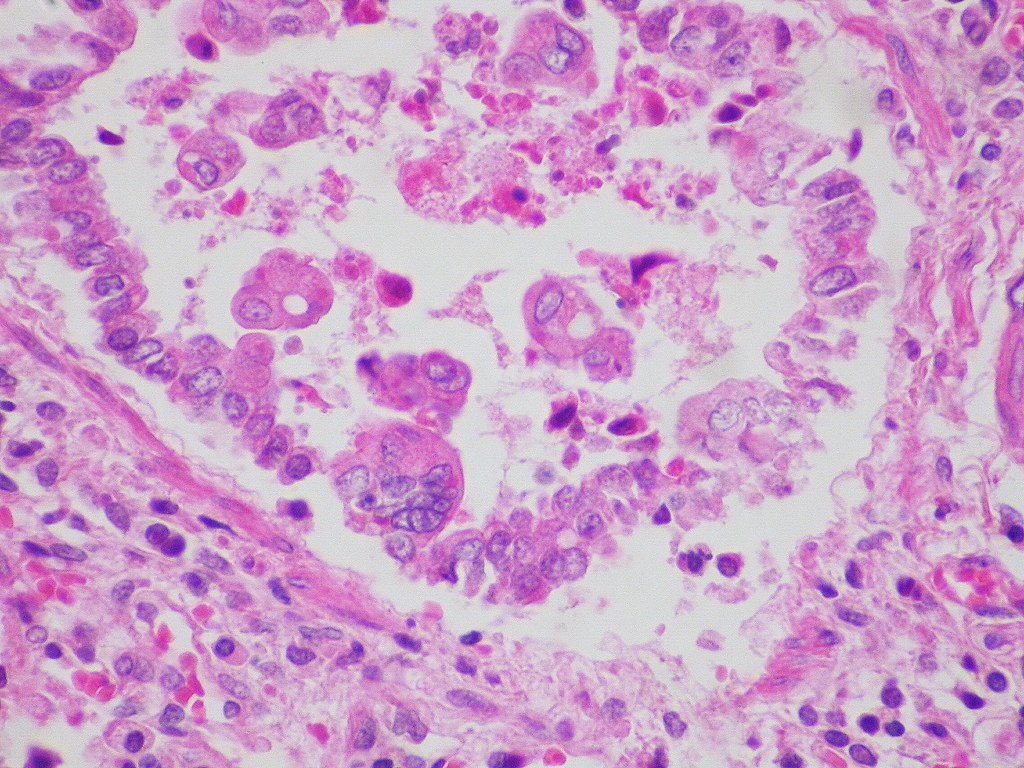
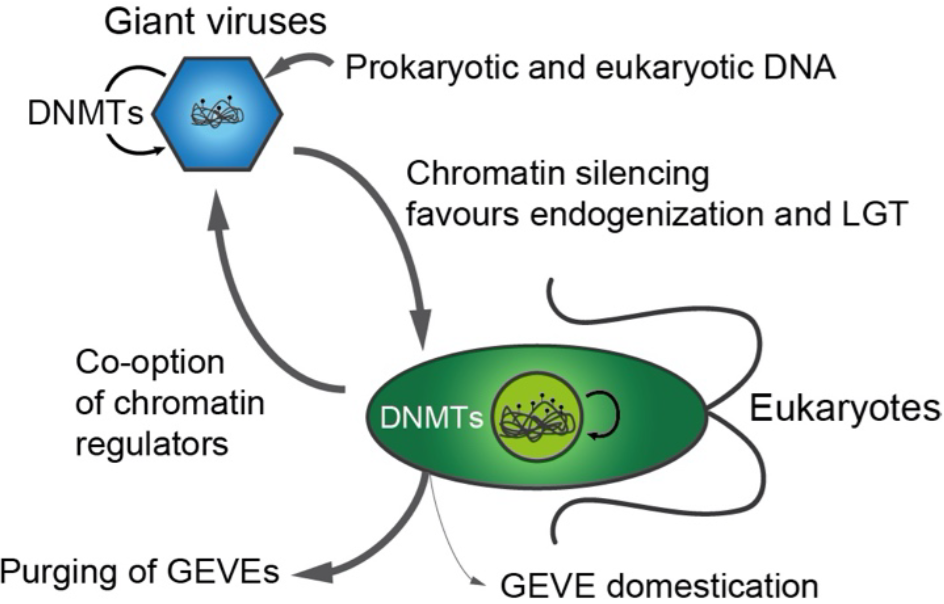
One of the most shocking revelations about giant viruses is the sheer diversity of their genetic material. Scientists have discovered genes in these viruses that are completely foreign to any known life form. Some carry genes for DNA repair, protein folding, and even metabolic processes—traits previously thought to be exclusive to cellular organisms. This genetic treasure trove has led to speculation that giant viruses may have played a pivotal role in the evolution of life on Earth. Their genomes are like living museums, preserving relics from ancient biological eras.
Giant Viruses and Evolution’s Mystery
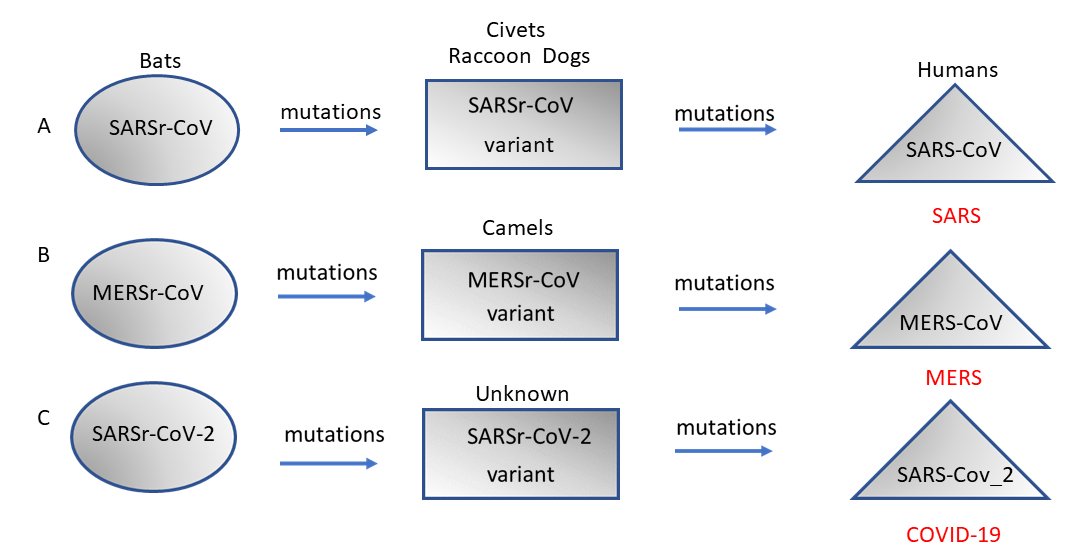
The origin of giant viruses is one of the biggest mysteries in biology. Some researchers believe they descended from ancient cells, shrinking over time as they lost the ability to survive independently. Others suggest they arose from simpler viruses, expanding their genomes by stealing genes from their hosts. Either way, their existence challenges the traditional “tree of life” model, suggesting that giant viruses may represent a fourth major branch of life, alongside bacteria, archaea, and eukaryotes. This idea is as thrilling as it is controversial, upending our deepest assumptions about the history of life.
How Giant Viruses Are Changing Medicine

While giant viruses don’t typically infect humans, their discovery has had profound implications for medicine and biotechnology. By studying how these viruses interact with their hosts, scientists are uncovering new ways to fight bacterial infections, create novel vaccines, and engineer life-saving therapies. The unique enzymes and proteins found in giant viruses are also being explored as tools for genetic engineering and synthetic biology. What was once dismissed as a biological curiosity may soon help solve some of humanity’s most pressing health challenges.
The Emotional Impact of the Giant Virus Discovery

For many scientists and nature lovers, the discovery of giant viruses is nothing short of awe-inspiring. It’s a humbling reminder that the natural world is still filled with secrets waiting to be uncovered. The blurred line between life and non-life evokes a sense of wonder, challenging us to rethink what we know about existence itself. Giant viruses have sparked not just scientific debates, but also philosophical questions about the nature of life, the boundaries of evolution, and the endless creativity of nature. Their story is a testament to the power of curiosity and the thrill of discovery.
The Unfinished Story of Giant Viruses
Every new giant virus discovered adds a new chapter to this unfolding mystery. As researchers continue to explore remote corners of the Earth, they are likely to find even more examples of these enigmatic giants. Each discovery brings us closer to understanding the origins of life and the intricate web of relationships that bind all living things together. The saga of giant viruses is far from over—it is a story still being written, with surprises lurking in every drop of water and clump of soil. Is it possible that the most significant chapters are yet to come?