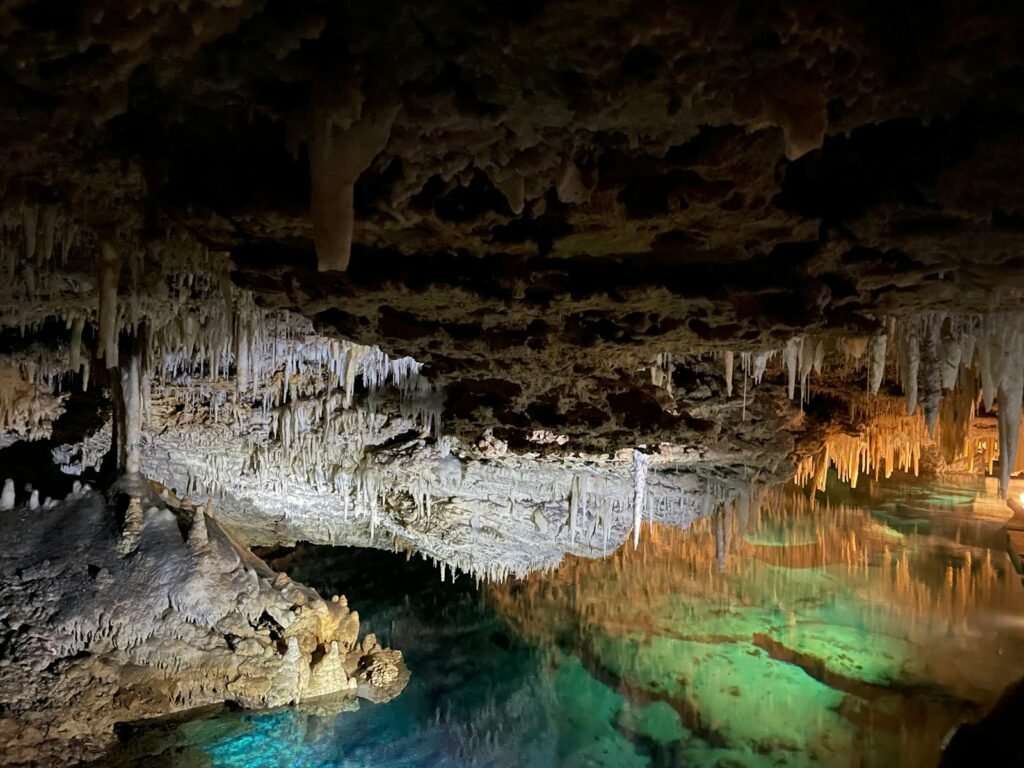
Imagine descending into the Earth, torchlight cutting through the darkness, only to be met by blinding, translucent giants—crystals so immense and clear, they look like the bones of ancient gods. Deep beneath the sun-baked plains of northern Mexico, the Naica Mine hides an otherworldly secret: a labyrinth of crystal caves housing formations that seem to defy the laws of nature. These sparkling monoliths, some longer than a city bus, inspire awe and disbelief in equal measure. What strange combination of time, temperature, and chemistry birthed these impossible wonders? Prepare to journey into a hidden world where science blurs into the surreal, and every step is a testament to the planet’s astonishing creativity.
Unearthing the Underground Marvel
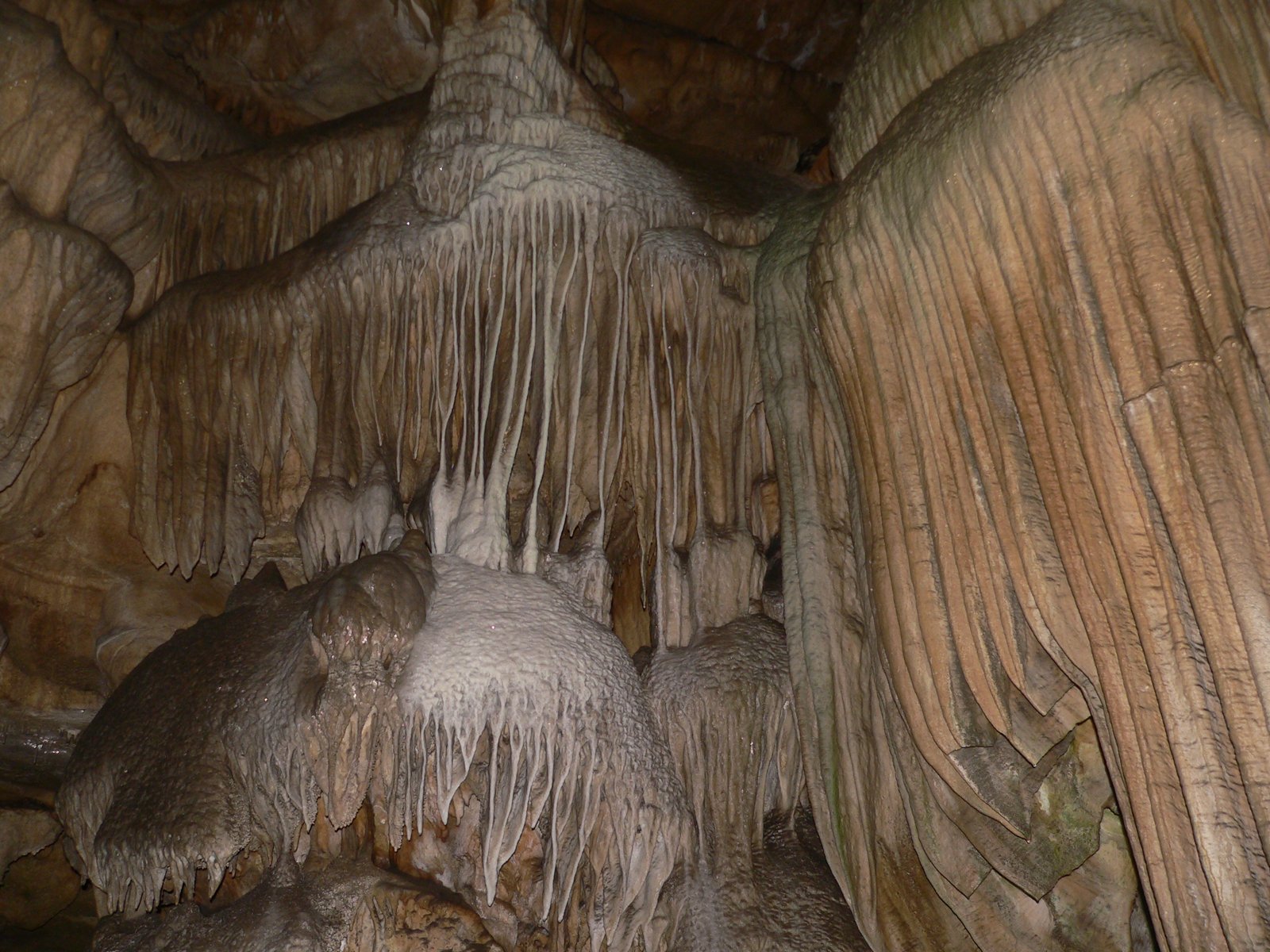
The discovery of the Giant Crystal Cave in the Naica Mine was as accidental as it was extraordinary. In 2000, miners searching for silver and lead pierced through rock and stumbled upon a chamber that looked like a scene from a fantasy novel. Giant selenite crystals, many over 30 feet long, jutted from the floor, ceiling, and walls in every direction. The air was thick and steamy, and the heat was almost unbearable. This breathtaking sight was something no one had ever seen before. The miners quickly realized they had found a place untouched by human hands, preserved in darkness and secrecy for hundreds of thousands of years. The cave’s sheer scale and the perfection of its crystals instantly made it a scientific sensation.
The Science Behind the Giants
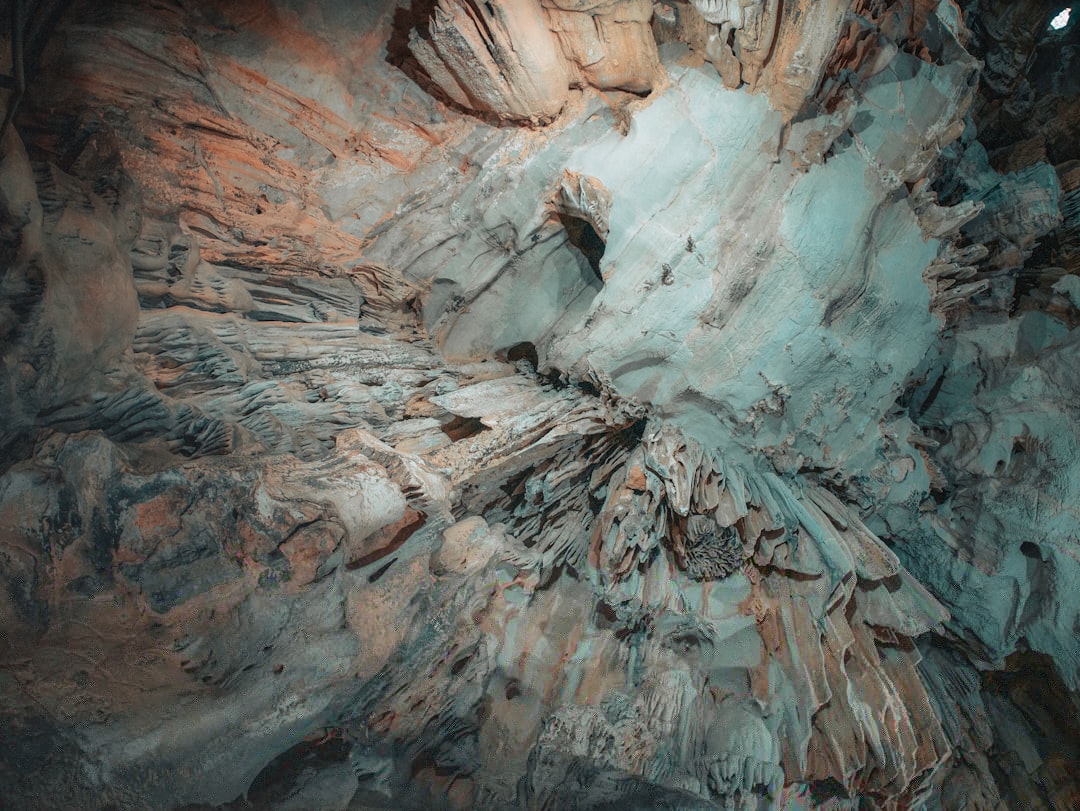
What could possibly allow crystals to grow to such mind-boggling sizes? The answer lies in a delicate balance of conditions that rarely come together. For over half a million years, the cave was flooded with mineral-rich water, heated by a nearby magma chamber. This warm, saturated solution allowed gypsum to slowly crystallize into selenite, growing unhurriedly over time. The temperature, hovering around 58°C (136°F), was crucial—any hotter or colder, and the crystals would stop growing or dissolve. It’s as if nature set a perfect timer, letting these structures form undisturbed for ages. Once this equilibrium broke, either by a drop in temperature or the draining of the cave, the growth ceased, preserving the crystals at their colossal size.
The Unforgiving Environment
Stepping inside the Giant Crystal Cave isn’t just awe-inspiring—it’s downright dangerous. The air is oppressively hot and humid, with temperatures high enough to cause heatstroke in minutes. Explorers must wear special cooling suits and carry ice packs to survive even a brief visit. The air is also thin, making every breath a struggle. Scientists often compare the conditions to those found in saunas or even space missions. Without proper gear, the cave would quickly become a tomb. This harsh environment is exactly what kept the crystals safe for so long; it discouraged both explorers and the forces of nature from disturbing their slumber.
Nature’s Architectural Wonders
Each giant crystal is a natural sculpture, clearer than glass and sharp as a blade. The crystals crisscross each other in a chaotic yet beautiful pattern, forming a maze of glistening corridors. Some crystals are so pure you can see straight through them, while others are clouded by tiny mineral inclusions that shimmer in the light. Walking among them feels like wandering through a hall of mirrors or the frozen heart of a glacier. These formations highlight nature’s ability to create order and beauty from chaos—an architectural feat that human engineers can only dream of replicating.
The Role of Water and Time

Water is the silent architect of the Naica crystals. For hundreds of thousands of years, groundwater seeped through the surrounding rock, picking up calcium and sulfate. When this mineral-rich water flooded the cave and mingled with the perfect temperature, it set off a slow-motion chemical reaction. The gypsum dissolved and then crystallized, layer by patient layer. The process was so slow, you could almost say the crystals grew at the pace of continents drifting apart. Without this steady supply of water and time, the cavern would be just another empty void in the Earth.
Unique Geology of the Naica Mine
The Naica Mine sits atop a network of faults and fractures, shaped by volcanic activity millions of years ago. This unique geology created a natural greenhouse, trapping heat and mineral-rich fluids beneath the surface. The presence of a nearby magma chamber kept the water hot for millennia, while the surrounding rocks provided a constant source of minerals. It’s a geological jackpot—one that’s unlikely to be repeated elsewhere. The Naica crystals are a once-in-a-lifetime convergence of the right ingredients, in the right place, for the right amount of time.
The Fragile Balance at Risk
The crystal caves are as vulnerable as they are magnificent. When mining activities began draining the groundwater, the protective waters around the crystals disappeared. Exposed to air, the crystals stopped growing—and began to deteriorate. Humidity levels fluctuated, and some crystals developed cracks. Scientists now race against time to study and preserve these wonders before they’re lost to history. The cave’s fate hangs in the balance, a reminder of how easily humanity can disrupt nature’s delicate masterpieces, sometimes without even realizing it.
Life at the Edge of Extremes
It’s not just crystals that call the Naica Cave home. Incredibly, scientists have discovered ancient microbes trapped inside the selenite for tens of thousands of years. These tiny life forms survived in complete darkness, feeding on traces of minerals in the water. Their existence challenges our understanding of life itself and raises tantalizing questions about what might survive in other extreme environments—perhaps even on other planets. The cave’s microbial life is a living time capsule, showing just how adaptable and resilient life can be.
Technological Challenges in Exploration

Exploring the crystal caves pushes technology to its limits. Ordinary cameras and lights often fail in the steamy, crystal-choked space. Scientists must use custom-built suits, air tanks, and protective gear to prevent heatstroke and equipment failure. Communication is difficult, and every minute underground is a battle against time and the elements. Yet, the determination to study these formations drives innovation—each expedition brings new gadgets and strategies for surviving one of Earth’s harshest environments. The blend of human ingenuity and raw natural power makes every exploration an adventure straight out of science fiction.
Inspiring Wonder and Scientific Curiosity
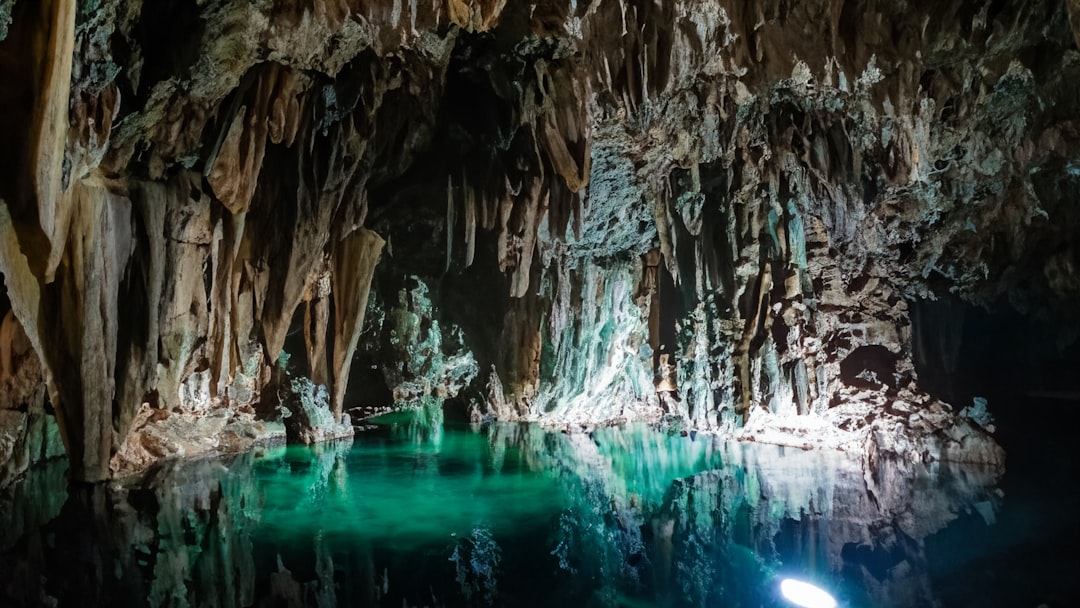
Few places on Earth inspire as much wonder as the Crystal Caves of Naica. Their sheer scale, beauty, and improbability fuel the imagination of scientists and dreamers alike. Stories of the caves often spark a sense of childlike curiosity—what else lies hidden beneath our feet, waiting to be found? The caves remind us that our planet is full of secrets, some more magical than any fantasy. They also serve as a powerful symbol of the unknown, beckoning us to keep asking questions and seeking answers, no matter where they might lead.
The Crystal Caves’ Enduring Legacy
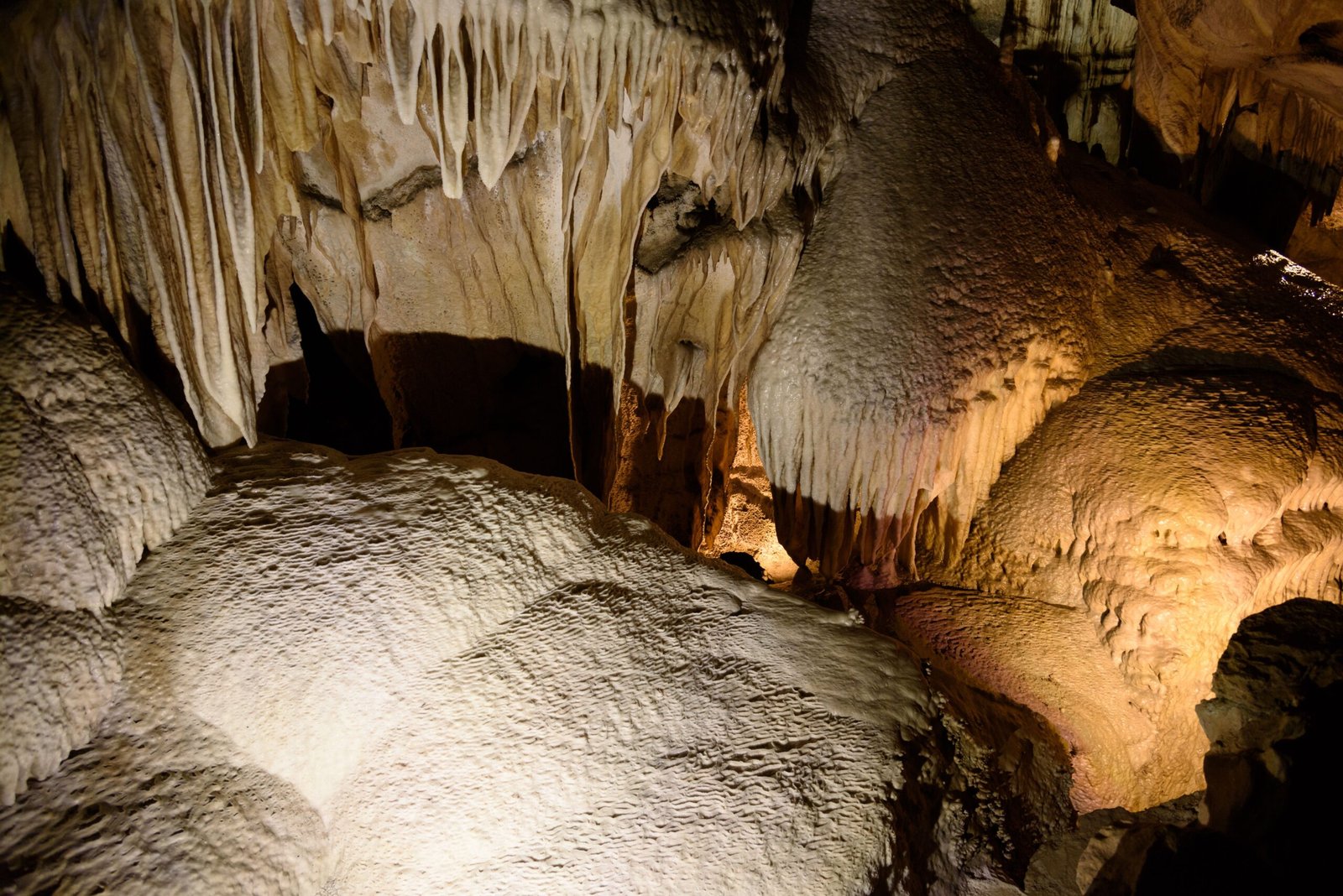
The Giant Crystal Cave stands as a testament to Earth’s endless creativity and resilience. Its silent halls of selenite offer a window into the deep past, showing what patience, persistence, and perfect conditions can achieve. As scientists continue to unlock the cave’s secrets, their discoveries may reshape our understanding of geology, life, and the boundaries of what’s possible. The story of the Naica crystals is still being written, urging us to cherish and protect the hidden wonders our world has to offer. What other impossibilities might be waiting beneath our feet, just out of sight?