Deep beneath the rolling hills of Hungary lies a hidden world where the air itself seems to pulse with life. This is not the stuff of legends or fairy tales, but a real, living cave that breathes in rhythm with the Earth. Known as the Szemlőhegyi Cave, this natural wonder is stirring hope, curiosity, and scientific fascination across the globe. Imagine a place where the very walls exhale healing air, offering relief to people who have struggled for years with stubborn respiratory problems. It sounds almost miraculous, but the science behind this so-called “breathing cave” is both intriguing and inspiring. Why are people traveling from far and wide to spend hours underground, and could this ancient cavern hold the key to treating modern ailments? Let’s journey below the surface and uncover the mysterious powers of Hungary’s breathing cave.
A Hidden Gem in Budapest’s Underbelly
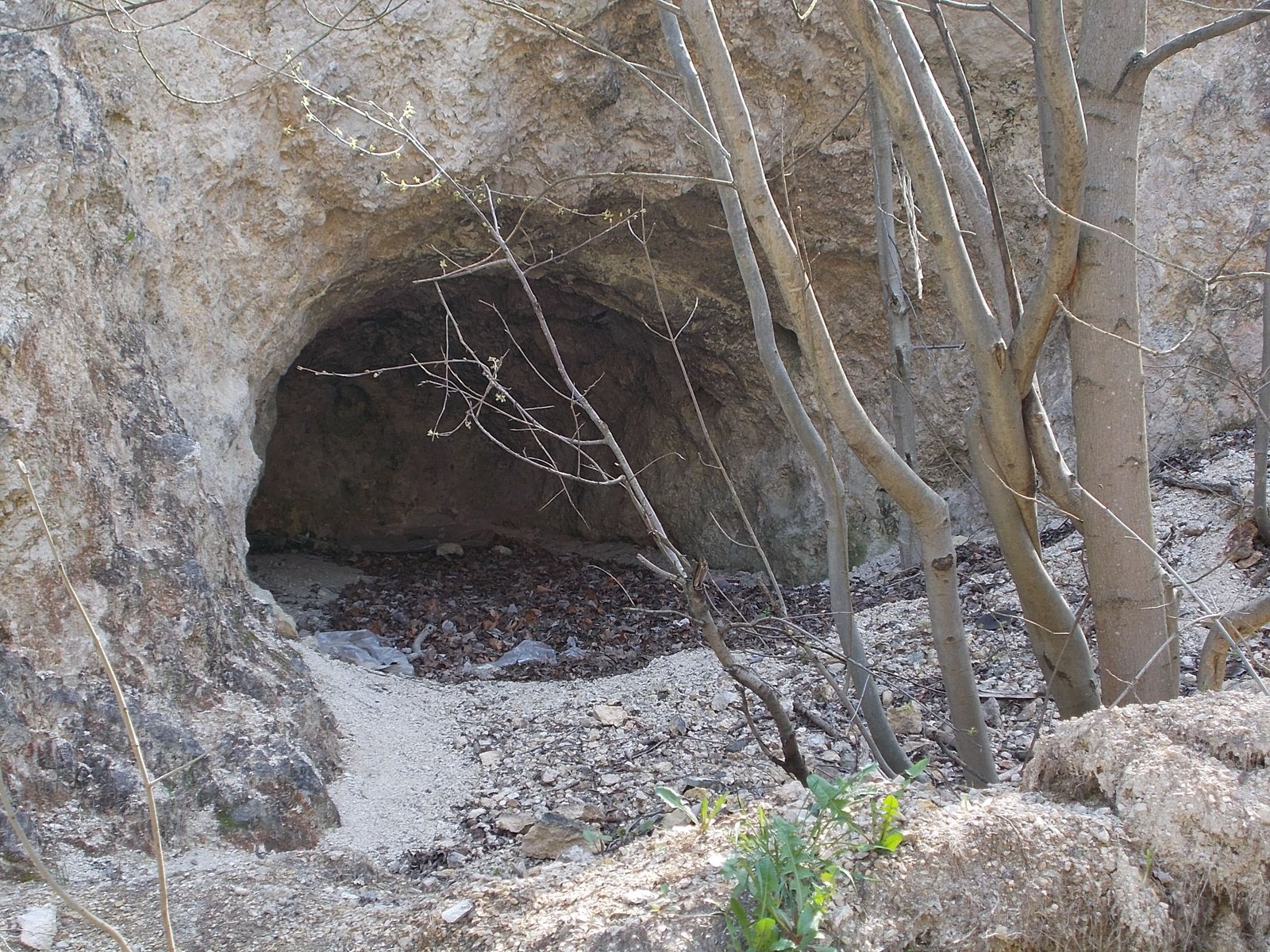
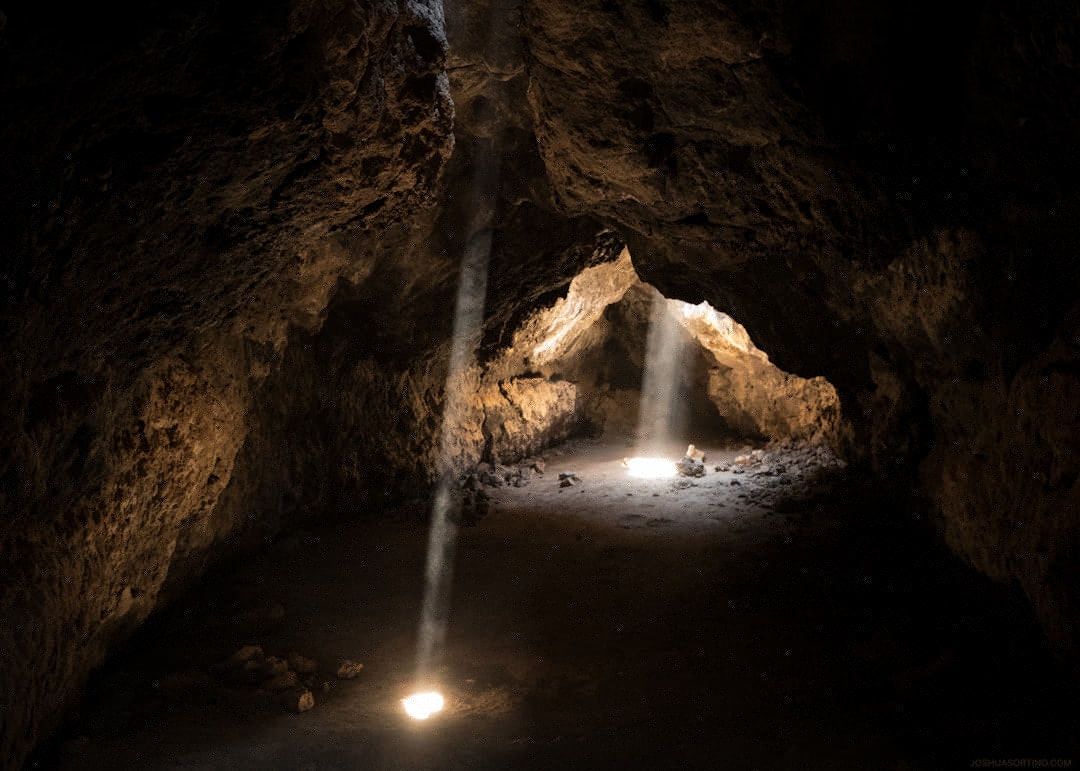
Nestled just beneath Budapest’s bustling streets, Szemlőhegyi Cave is easy to overlook. From above, nothing hints at the extraordinary world beneath your feet. Yet, once you descend into its cool, dimly lit tunnels, you’re greeted by a landscape of glittering mineral deposits and winding passages. The cave stretches for over two kilometers, much of it still unexplored, making every visit feel like a step into the unknown. Locals have long whispered about the cave’s gentle air currents, which seem to ebb and flow as though the cave itself is breathing. Unlike most caves, which are often damp and musty, Szemlőhegyi’s air is surprisingly fresh and pleasant—a fact that has sparked both awe and scientific inquiry.
The Phenomenon of a “Breathing” Cave
What does it mean for a cave to breathe? In Szemlőhegyi Cave, this isn’t just a poetic turn of phrase. The temperature differences between the inside of the cave and the outside world trigger gentle air movements, drawing fresh air in and pushing stale air out. This natural ventilation system acts like lungs, steadily renewing the cave’s atmosphere. These cycles are so regular that visitors can actually feel subtle breezes wafting through the tunnels. It’s a sensation that leaves many first-time explorers marveling at the cave’s living, almost sentient quality. Scientists have measured these exchanges, confirming that the cave’s air is cleaner and more stable than the city air above.
Discovering the Cave’s Healing Powers
The story of Szemlőhegyi Cave’s healing reputation began decades ago, when local doctors noticed something remarkable. Patients with asthma, chronic bronchitis, or allergies who spent time in the cave reported fewer symptoms and easier breathing. Word spread quickly, and soon, the cave became a sanctuary for those seeking relief from persistent coughs and wheezing. The cave’s microclimate—marked by high humidity, constant temperature, and low levels of allergens—creates ideal conditions for respiratory recovery. Today, doctors sometimes prescribe cave therapy alongside traditional treatments, especially for children struggling with severe asthma.
The Science Behind Cave Therapy
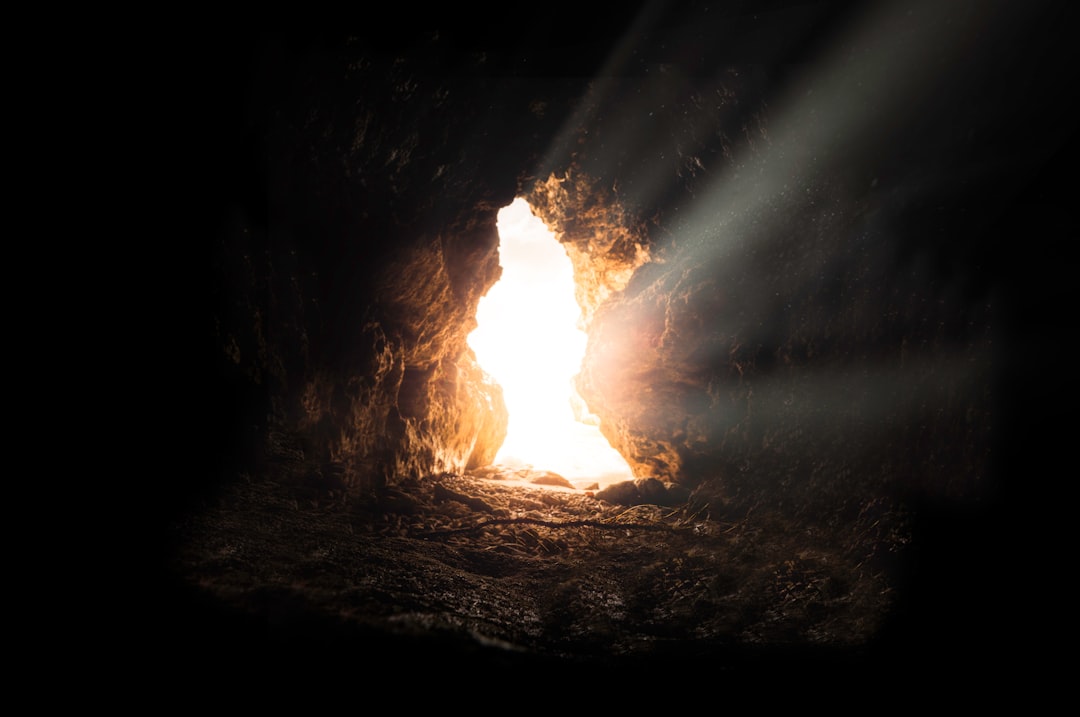
Skeptics might wonder: can a cave really treat respiratory disease? The answer lies in the unique composition of the cave air. Studies have shown that the air in Szemlőhegyi Cave contains fewer airborne particles, dust, and pollutants than the outside environment. This purity is thought to soothe irritated airways and reduce inflammation. Moreover, the constant temperature (usually around 12°C) and high humidity prevent sudden changes that often trigger asthma attacks. Scientists continue to research the cave’s effects, but early results suggest that spending several hours a week in such an environment can lead to measurable improvements in lung function.
Personal Stories of Hope and Recovery
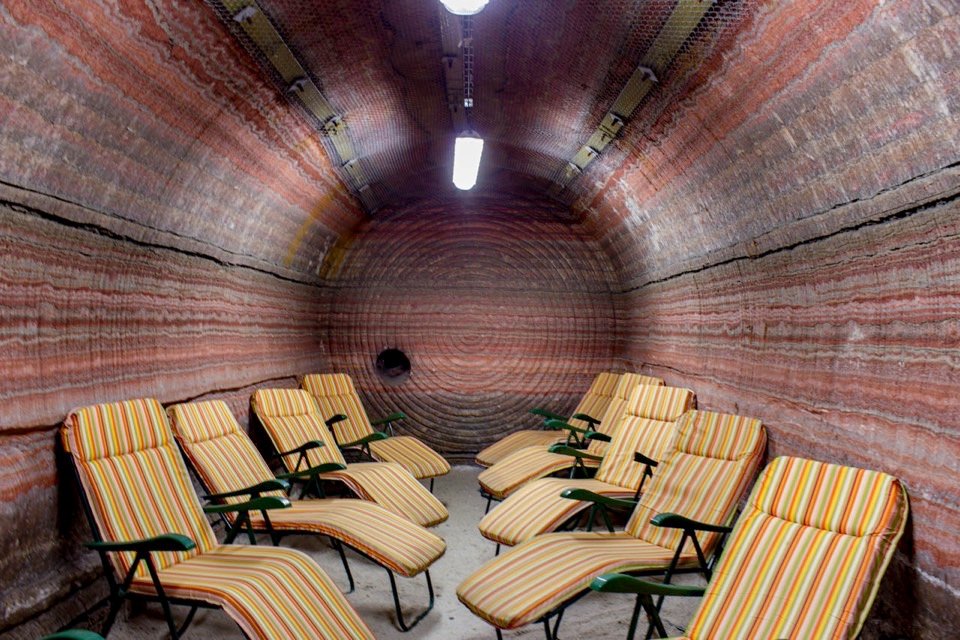
Visitors to Szemlőhegyi Cave often share moving accounts of their experiences. Some recall years of medication and frustration, only to find unexpected relief after a series of cave therapy sessions. Parents describe how their children, once plagued by nightly coughing fits, now sleep soundly after spending time underground. While not every case is a miracle, the number of positive reports has convinced many to give this natural therapy a try. These stories add a deeply human element to the cave’s reputation, transforming it from a geological curiosity into a place of hope and healing.
How Cave Therapy Sessions Work
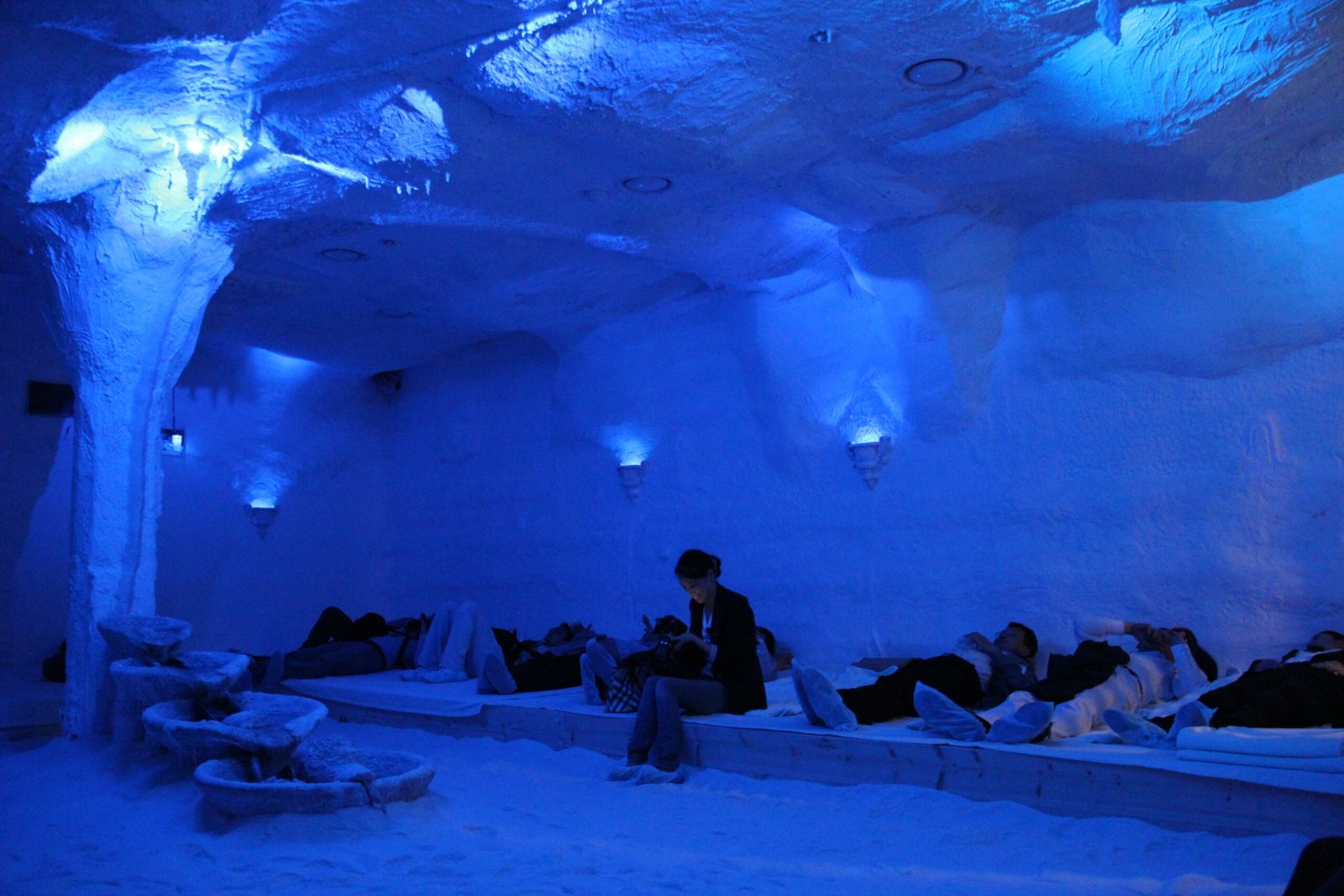
Cave therapy at Szemlőhegyi isn’t simply a matter of wandering the tunnels. Sessions are carefully supervised by medical professionals and typically last for several hours. Patients relax in specially designated chambers, sometimes reading, meditating, or listening to music as they breathe in the cave’s pure air. The environment is peaceful and calming, a stark contrast to the stress and noise of everyday life. Children are often encouraged to play quietly, making the experience both therapeutic and enjoyable. After a course of treatments, many report a noticeable reduction in symptoms.
Comparing Cave Therapy to Other Treatments

Traditional treatments for respiratory illnesses often involve inhalers, steroids, or even surgery. While these can be effective, they may bring unwanted side effects or offer only temporary relief. Cave therapy, by contrast, is non-invasive and free of drugs. For some, it serves as a complement to medical treatment, rather than a replacement. Others see it as a last hope when conventional therapies have failed. Researchers caution that cave therapy isn’t a cure-all, but for chronic sufferers, it represents an exciting and gentle alternative in the ongoing quest for better breathing.
The Role of Environment in Human Health
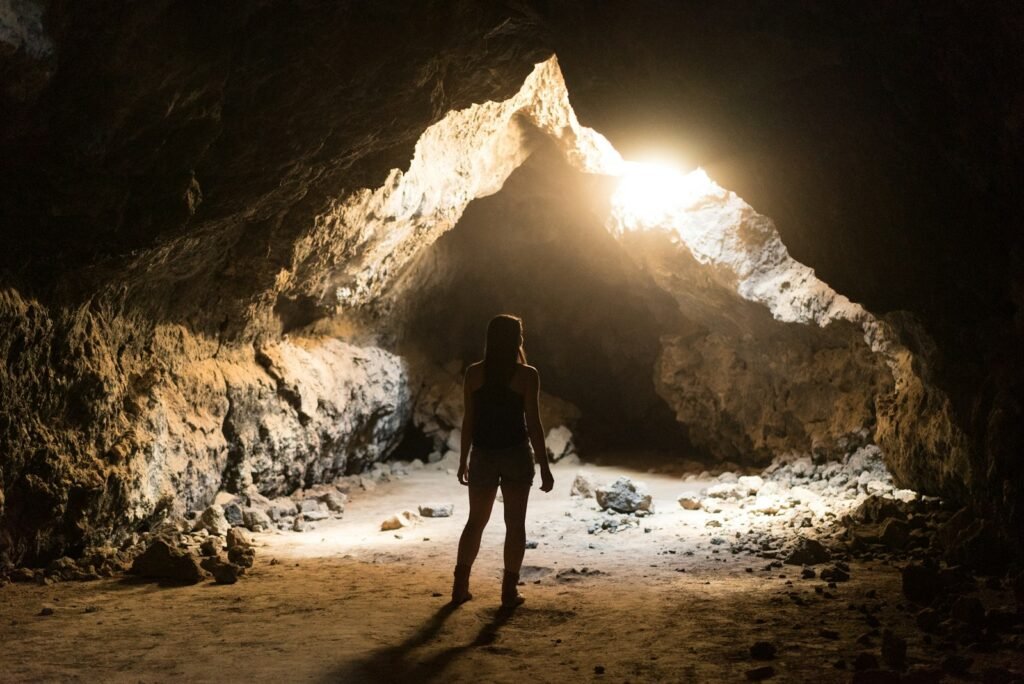
Szemlőhegyi Cave’s growing popularity highlights a broader truth: the spaces we inhabit have a profound effect on our well-being. From polluted city air to allergen-filled homes, our surroundings can either trigger or soothe respiratory problems. The cave’s pristine atmosphere serves as a reminder of what clean air can do for the body and mind. As urbanization continues to rise, the search for natural sanctuaries like Szemlőhegyi becomes ever more urgent. This cave is more than a medical curiosity—it’s a powerful example of nature’s ability to heal.
The Future of Breathing Caves in Medicine
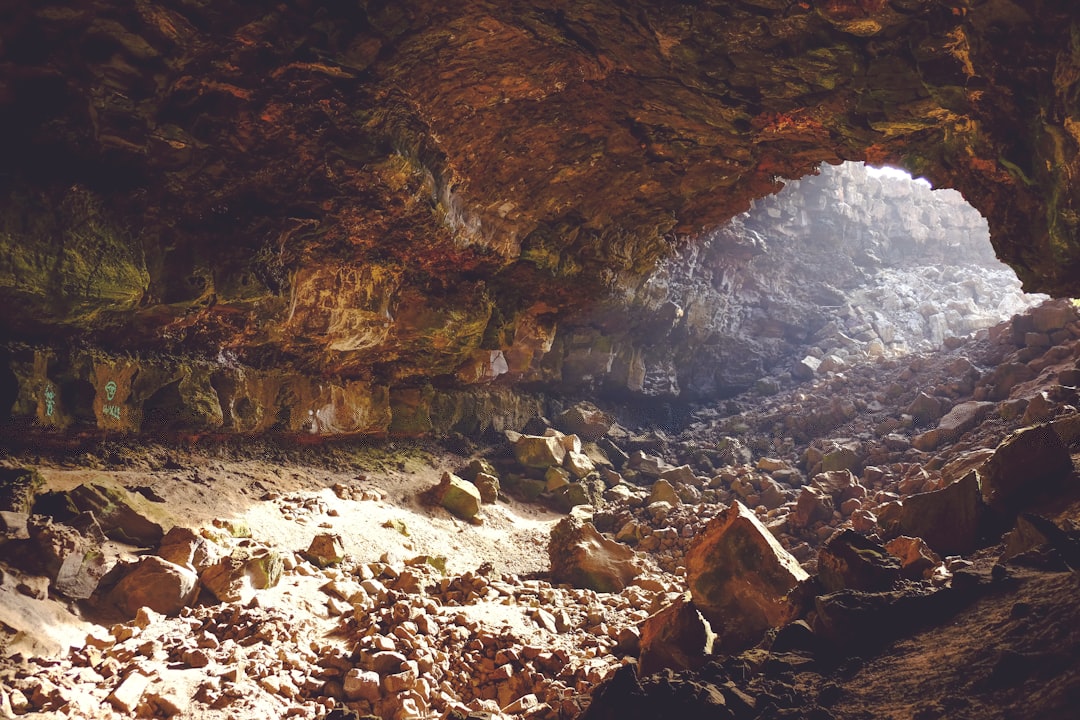
The success of Szemlőhegyi Cave has inspired scientists and doctors to seek out similar environments around the world. Other caves, salt mines, and underground chambers are now being studied for their therapeutic potential. Researchers are exploring ways to replicate cave-like conditions in hospitals and clinics, hoping to bring the benefits of clean, stable air to more people. The concept of “subterranean wellness” is gaining traction, blending ancient wisdom with cutting-edge science. It’s clear that breathing caves like Szemlőhegyi may hold valuable lessons for the future of respiratory medicine.
The Fascination of Nature’s Mysteries
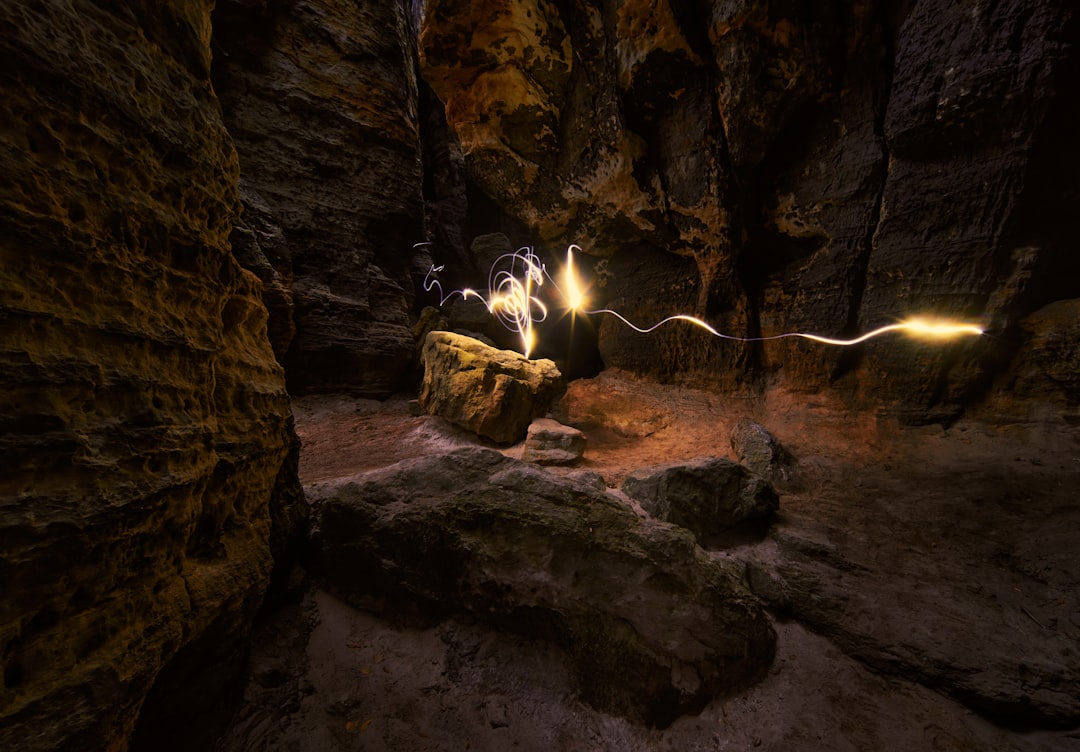
What makes Szemlőhegyi Cave truly remarkable is not just its healing powers, but the sense of wonder it inspires. The idea that a humble cave can offer relief where modern medicine sometimes falls short is both humbling and exhilarating. Scientists, patients, and nature lovers alike are drawn by the cave’s mysteries, eager to learn more about its secrets. As we continue to explore the connections between environment and health, Szemlőhegyi stands as a testament to the hidden potential found in the natural world. Who would have guessed that something as simple as a breath of cave air could change lives?