It’s hard to imagine that one river could hold the fate of 40 million people in its currents, but that’s exactly the story of the Colorado River. For over a century, this sprawling artery has powered cities, grown crops, and shaped the dreams of the American West. Today, however, the river is shrinking at a terrifying pace, turning neighbors into rivals and once-rich fields into dust. As climate change tightens its grip and demands keep rising, seven states find themselves locked in a race against time—and each other—over a river that’s running dry. The stakes couldn’t be higher, and the tension is as raw as the parched earth itself. Dive into the heart of this crisis and discover how a lifeline is unraveling before our eyes.
The Lifeblood of the American West
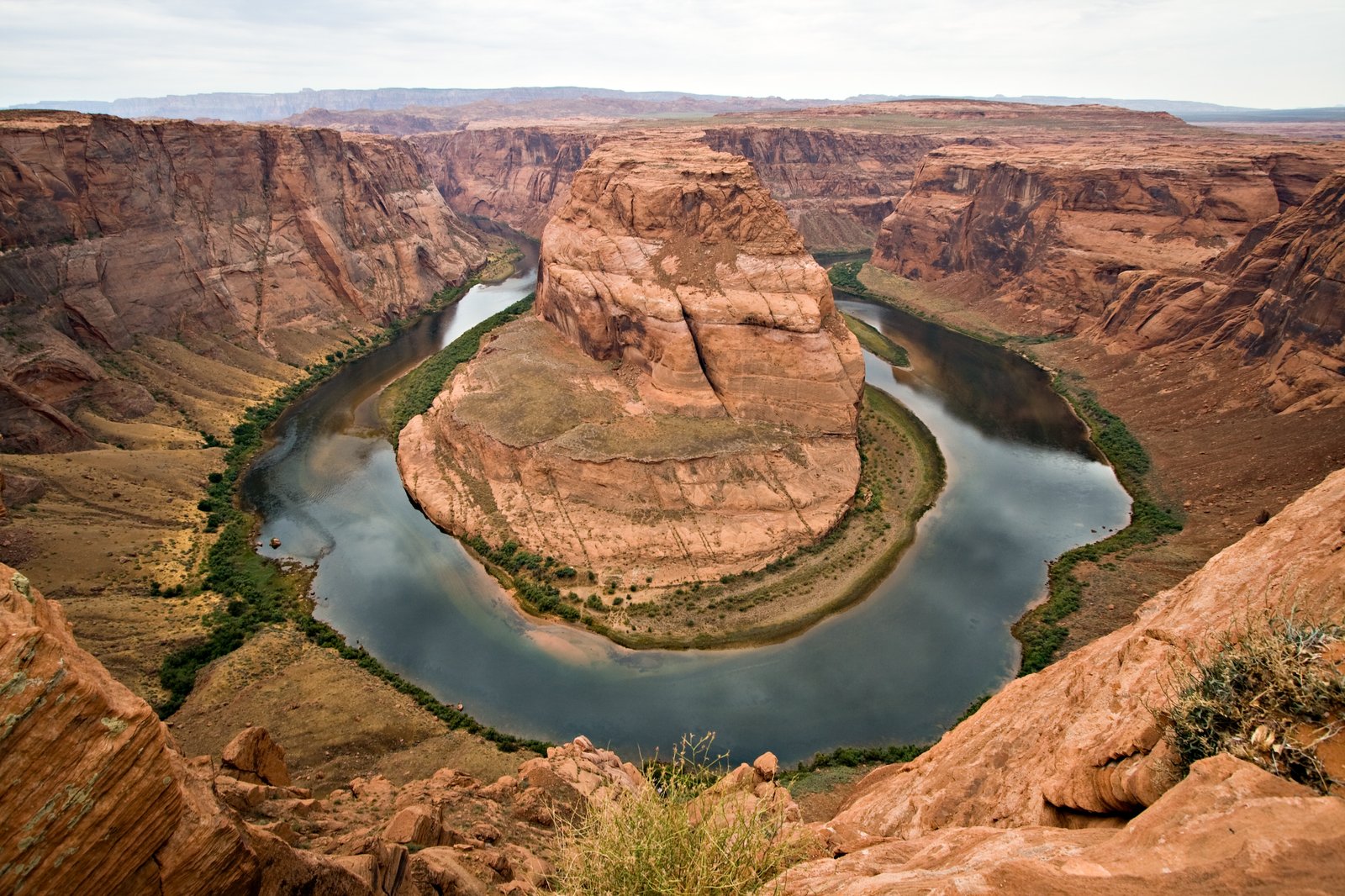
The Colorado River isn’t just water flowing through canyons; it’s the very source of life for much of the southwestern United States. Stretching more than 1,400 miles from the snowy peaks of the Rockies to the arid deserts of Mexico, the river carves some of the most iconic landscapes in the country. For millions, it means drinking water, electricity, irrigation, and recreation. Cities like Los Angeles, Las Vegas, Phoenix, and Denver depend on its waters, often hundreds of miles from its banks. Without the Colorado, fields would wither, taps would run dry, and economies could falter. The river’s importance cannot be overstated—every drop is precious, and every shortage sends shockwaves across the region.
Seven States, One Shrinking River
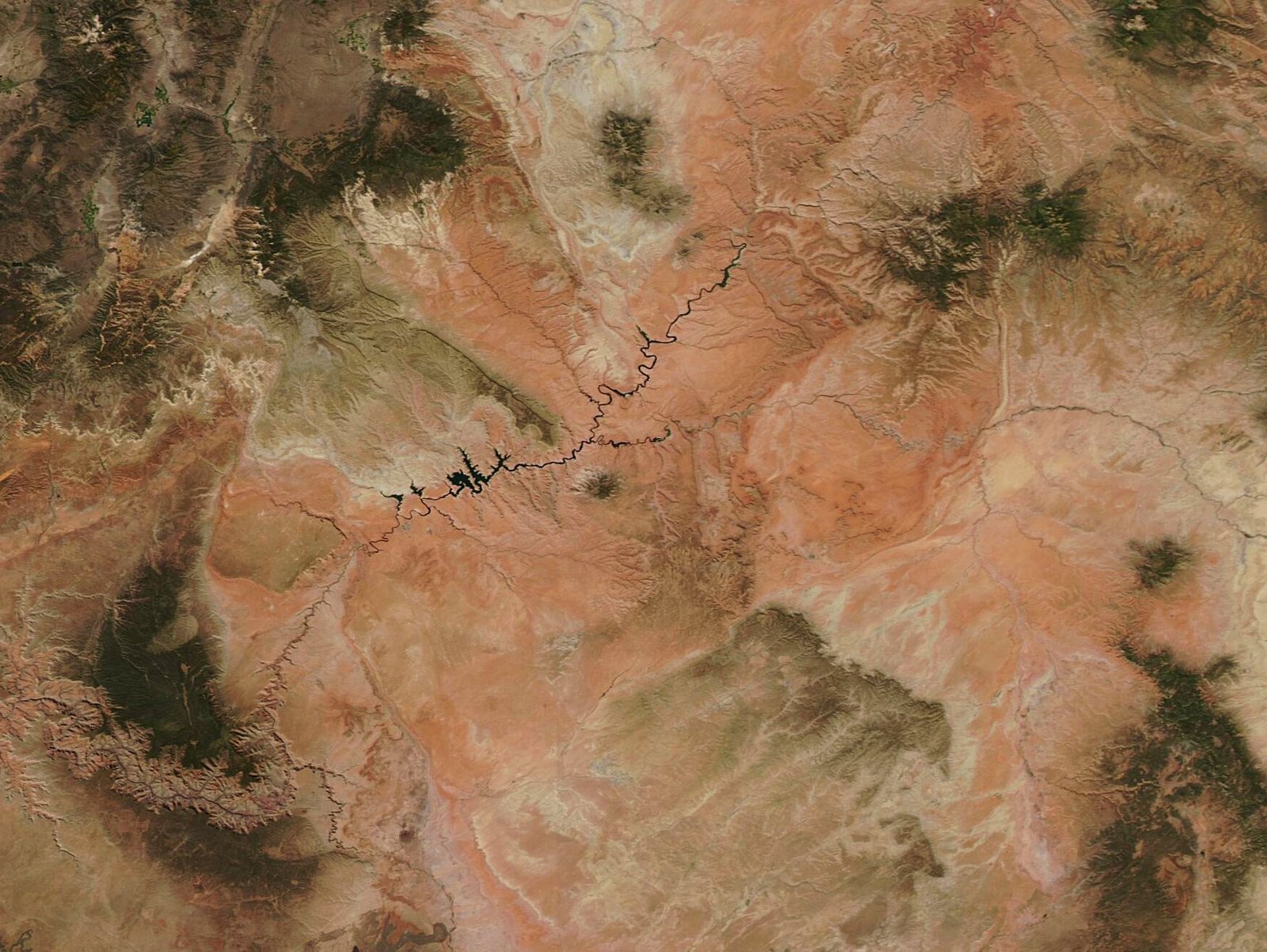
Seven U.S. states—Colorado, Wyoming, Utah, New Mexico, Arizona, Nevada, and California—are bound together by the Colorado River, each with its own needs, rights, and ambitions. These states are split into two groups: the Upper Basin (Colorado, Wyoming, Utah, New Mexico) and the Lower Basin (Arizona, Nevada, California). Each state looks at the river as a lifeline, desperately vying for its share. As water levels drop, negotiations have turned tense, with states scrambling to protect their own interests. The result? A complex web of deals, disputes, and fragile alliances, all centered on a river that’s giving less and less. The competition is fierce, and the stakes are nothing short of survival.
An Ancient River Facing Modern Pressures
The Colorado River’s story begins millions of years ago, but today’s crisis is strikingly modern. Decades of overuse, combined with the relentless march of climate change, have pushed the river to its limit. Snowpacks are shrinking, rainfall is erratic, and temperatures are rising, all leading to less water flowing downstream. Scientists warn that the river now carries about 20% less water than it did just a century ago. Dams and reservoirs, once symbols of progress, now stand as reminders of promises made in a wetter age. The pressures aren’t just natural—population growth and booming agriculture have stretched the river almost to breaking. The Colorado is a river caught between the past and a perilous future.
The Legal Maze: The Colorado River Compact
In 1922, the Colorado River Compact was signed, carving up the river’s water among the seven states. At the time, officials believed there was more than enough water to go around. But their estimates were wildly optimistic, and the river has never delivered as much as they hoped. The compact divided the river into upper and lower basins, each with its own allocation. But as supplies dwindle, this century-old agreement is showing its cracks. States argue over who should bear the burden of cuts, with lawsuits and political standoffs becoming common. The legal framework that once held peace is now a battleground, with no easy answers in sight.
Lake Mead and Lake Powell: Reservoirs on the Brink
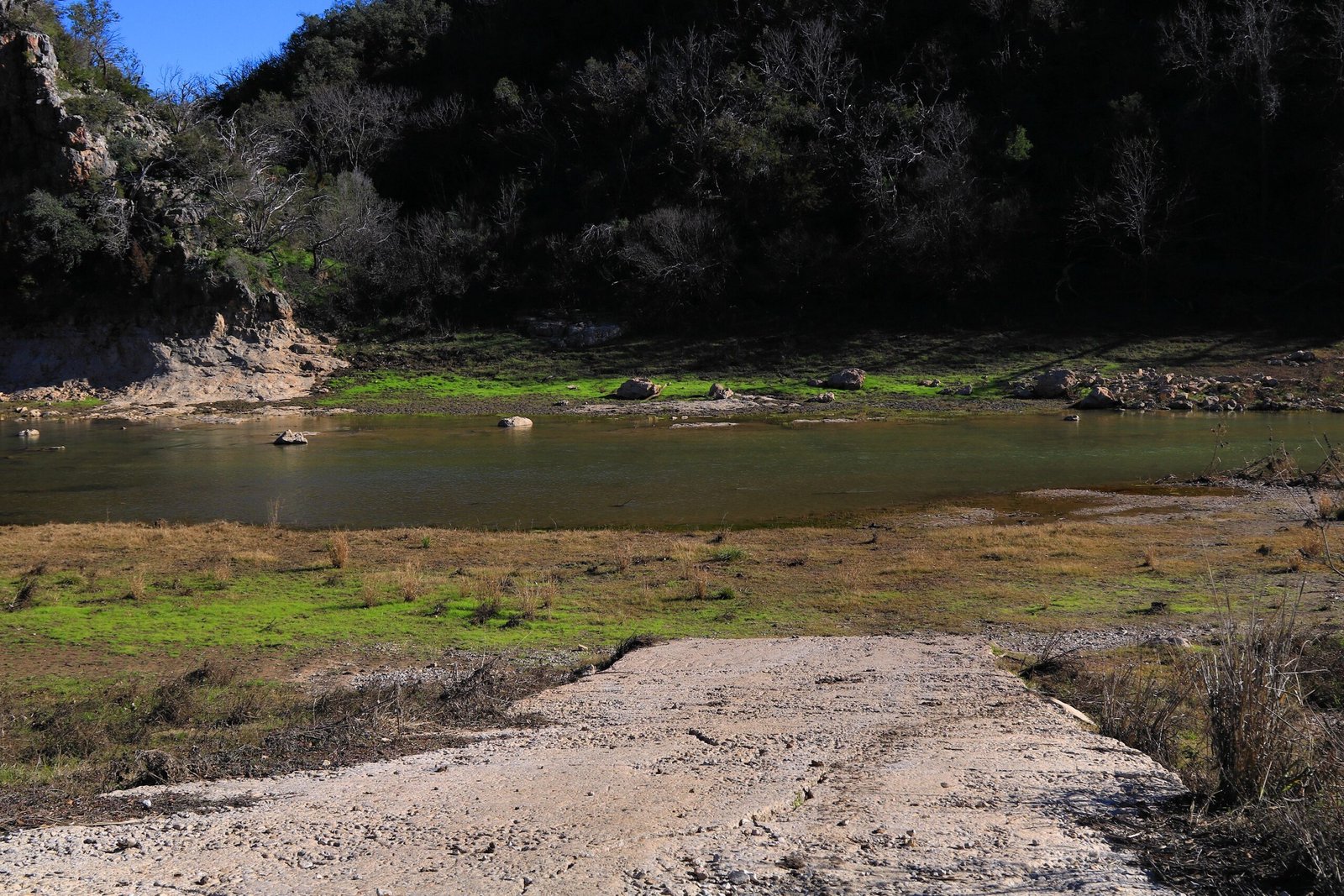
Lake Mead and Lake Powell are the two largest reservoirs in the United States, built to store Colorado River water and ensure a steady supply through droughts. Today, both are at historically low levels, exposing sun-baked shorelines and even revealing lost relics—like old boats and even a World War II-era landing craft. The falling water threatens hydropower generation, water deliveries, and the very reliability of the entire system. Every foot of lost elevation sends alarm bells ringing across the region. Scientists warn that if current trends continue, these reservoirs could sink to “dead pool” status—where water can no longer flow downstream—sending shockwaves through the West.
Farmers on the Front Lines
Agriculture is the largest user of Colorado River water, and farmers are feeling the pain most acutely. Crops like alfalfa, lettuce, and cotton soak up massive amounts of water, and as supplies shrink, fields are being left unplanted. Many farmers have already faced tough choices—letting land go fallow or switching to less thirsty crops. In some cases, entire communities are at risk of collapse if water deliveries stop. The ripple effects go far beyond the farm: food prices rise, jobs disappear, and rural economies suffer. For many, the river’s crisis is not just an environmental issue—it’s a fight for their way of life.
Cities Under Pressure
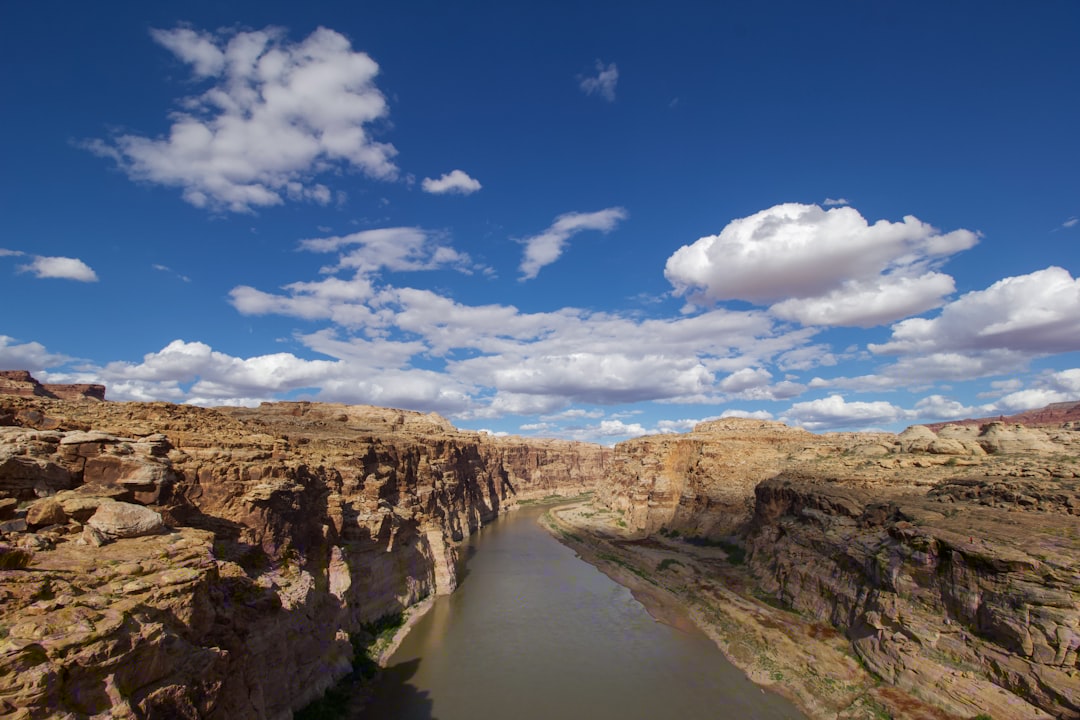
Urban areas like Phoenix, Las Vegas, and Los Angeles are some of the fastest-growing in the country, and their thirst for water seems never-ending. These cities have spent billions on canals, pipelines, and conservation programs to stretch every drop. Yet the looming threat of rationing is real; some cities have already imposed restrictions on watering lawns, filling pools, or even washing cars. As the crisis deepens, urban planners are racing to find new sources, recycle wastewater, and encourage conservation. The choices made now could define these cities for generations, as residents confront the sobering reality that water is no longer guaranteed.
Tribes and Forgotten Voices
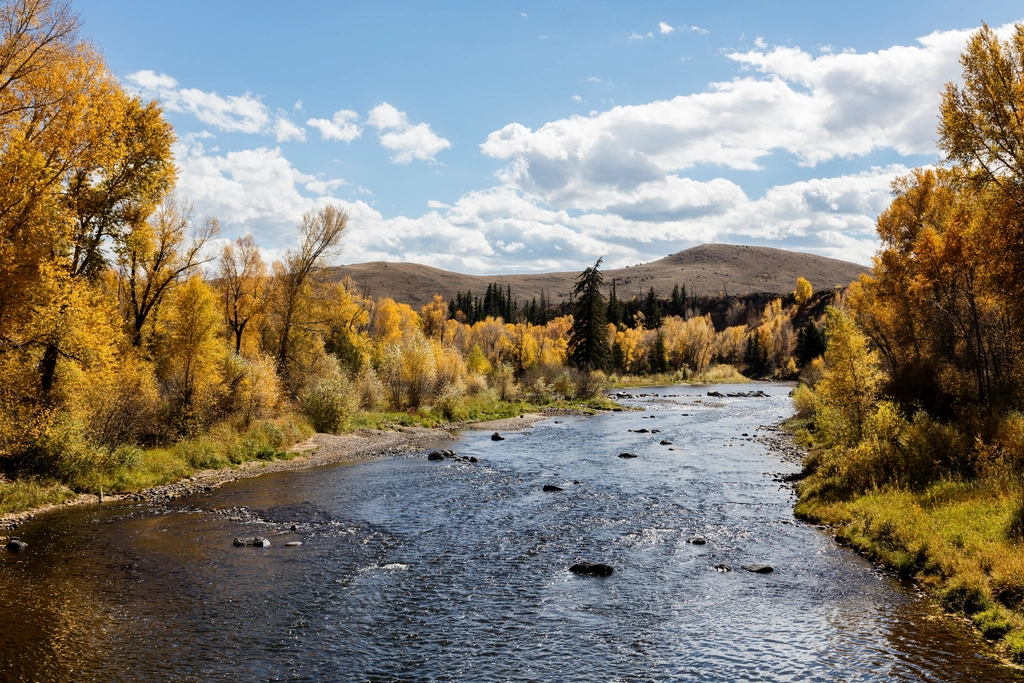
Native American tribes have lived along the Colorado River for centuries, yet their voices have often been sidelined in water negotiations. Many tribes have legal rights to significant shares of the river’s water, but bureaucratic hurdles and lack of infrastructure have blocked access. Today, tribes like the Navajo Nation are stepping forward, demanding their place at the table and fighting for justice. The recognition of tribal rights is not just a matter of law—it’s a question of equity and history. As the crisis intensifies, these long-ignored communities are determined to shape the river’s future, adding a powerful new dimension to the struggle.
Climate Change: The Unseen Enemy
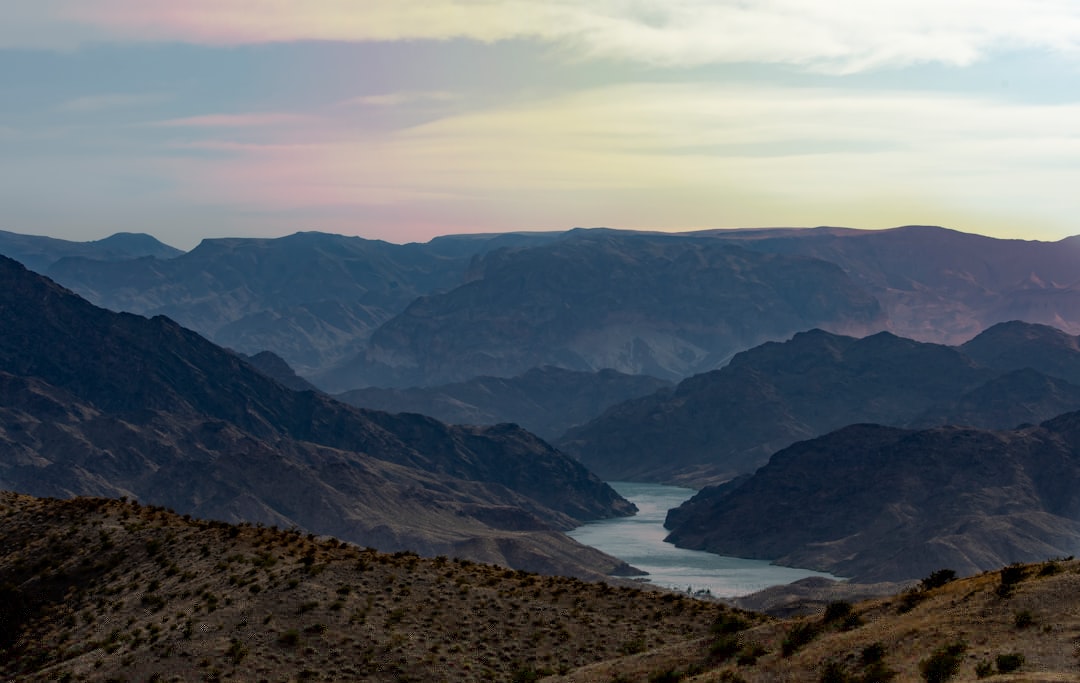
The shadow of climate change hangs over the Colorado River, turning a difficult challenge into a looming catastrophe. Rising temperatures mean more evaporation and less snow in the Rockies, where much of the river’s water begins. Droughts are becoming more frequent and severe, transforming once-reliable seasons into unpredictable gambles. Scientists warn that unless major action is taken, the river could lose another 20% of its flow by 2050. Climate change is a silent force, invisible but relentless, reshaping the landscape and rewriting the rules for everyone who depends on the river.
Innovation and Desperation: Searching for Solutions
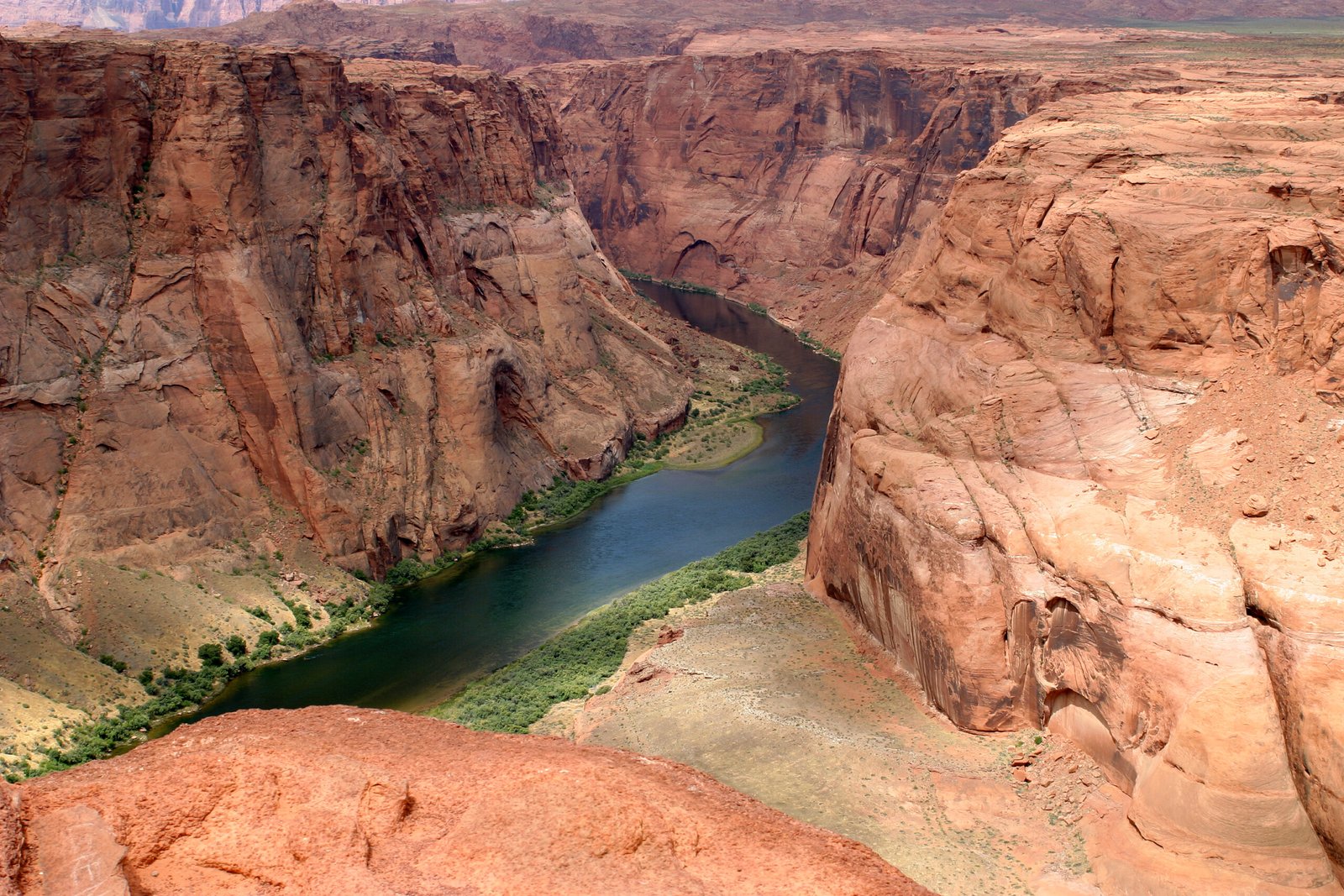
In the face of crisis, creativity and desperation go hand in hand. Water managers are experimenting with new technologies, from advanced irrigation systems to large-scale water recycling. Some cities are paying farmers to leave fields fallow, freeing up water for urban use. Others look to desalination plants, hoping to turn salty ocean water into a new supply. There are even proposals to pipe water in from distant rivers, though these are often costly and controversial. The search for solutions is urgent, with every experiment representing both hope and risk. The future of the Colorado depends on bold ideas—and the courage to try them.
A Future Hanging in the Balance
The Colorado River crisis is a test of resilience, cooperation, and vision. As seven states fight for their share of a shrinking resource, the choices they make now will echo for generations. Will the region find a way to share and adapt, or will old rivalries and outdated laws lead to bitter conflict? The fate of the river, and all who depend on it, hangs in the balance. The answer will shape not just the West, but the very meaning of survival in a changing world.