For years, dinosaurs were pictured as slow-moving, cold-blooded monsters trudging through ancient swamps. But science has dispelled that myth to show a world where some dinosaurs were constructed like Olympic sprinters. So, which dinosaur was the fastest? The answer is not as straightforward as a fossilized footprint. It’s a tale of biomechanics, evolutionary hints, and a race against time to rebuild speed from bones only.
The Dinosaur Renaissance: Rewriting Prehistoric Speed Limits
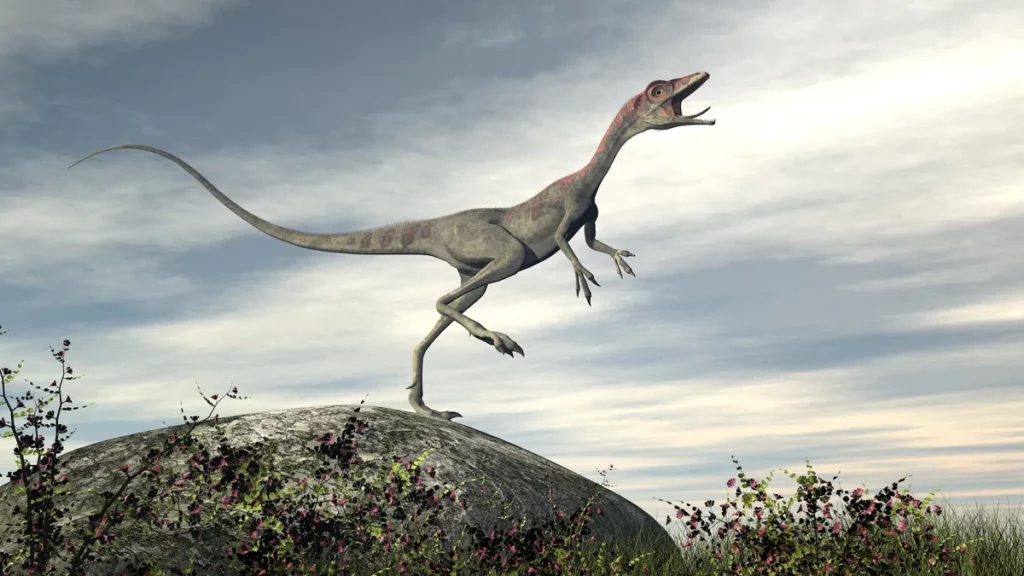
Before the 1960s, dinosaurs were dismissed as slow, lumbering reptiles. That changed in 1964 when paleontologist John Ostrom unearthed Deinonychus, a raptor-like predator with razor-sharp claws, a lightweight frame, and legs built for agility.This finding ignited the “Dinosaur Renaissance,” establishing that many dinosaurs were living, warm-blooded, and quick.
But how quickly? Unlike contemporary animals, we can’t measure a T. rex for speed with a radar gun. Scientists must instead use biomechanics examining bone anatomy, muscle attach points, and fossilized trackways to gauge velocity.
The Ostrich Mimics: Nature’s Prehistoric Sprinters
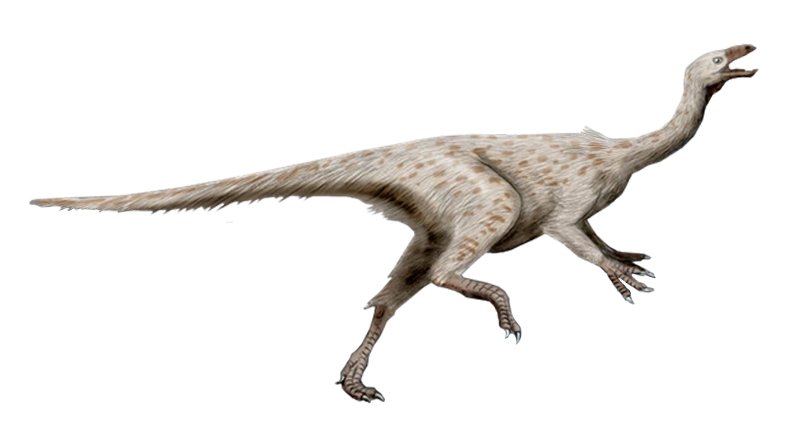
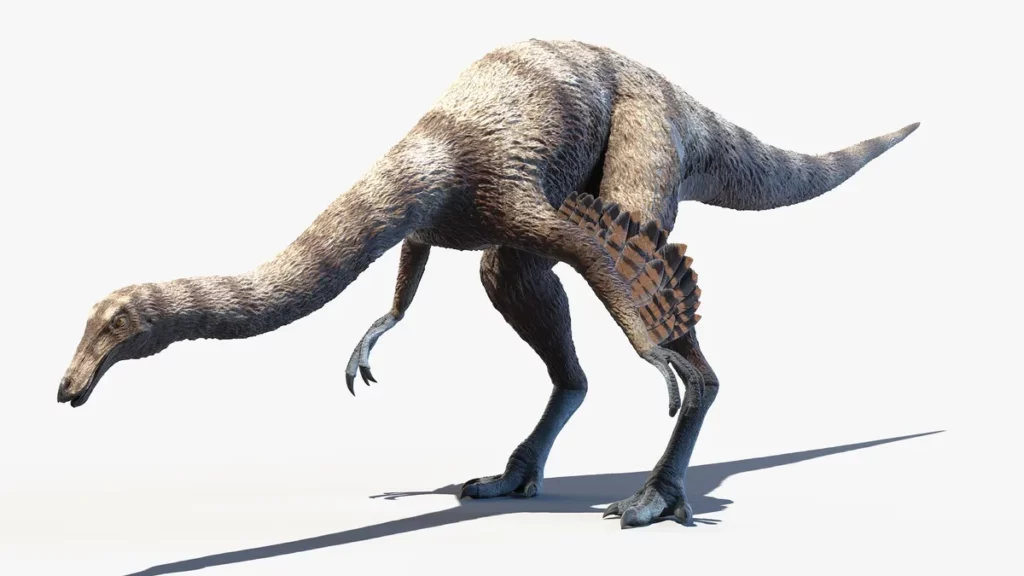
When queried as to the fastest dinosaur, Dr. Susannah Maidment of London’s Natural History Museum directs attention to the Ornithomimosaurs, a family of ostrich-legged dinosaurs from the Late Cretaceous. Slender limbs, hollow bones, and high-muscle attachment points on their legs made these dinosaurs constructed like living pendulums, optimized for stride efficiency.
“Long legs and high muscle attachments suggest speed,” Maidment explains. “Think of an ostrich, its legs are essentially biological springs.” While exact speeds are debated, Ornithomimosaurs like Gallimimus may have hit 34–43 mph (55–70 km/h), rivaling modern cheetahs.
The Trackway Dilemma: Why Fossil Footprints Lie
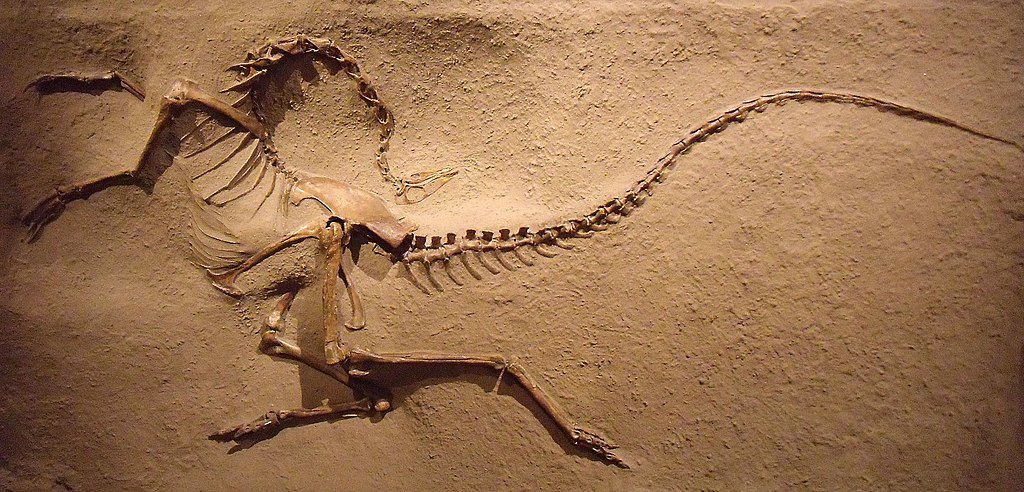
Fossilized footprints seem like the perfect speedometers except they’re not. Paleontologist Dr. Eugenia Gold notes that most preserved tracks come from soft sediment, like mud. “Try sprinting through mud,” she says. “You won’t hit top speed.”
Even worse, trackways only capture a single moment. Were dinosaurs walking, trotting, or sprinting? Without context, estimates vary wildly. Dr. William Sellers of the University of Manchester argues that footprints alone can’t reveal maximum speed just a snapshot of movement.
Digital Dinosaurs: How Science Reconstructs Prehistoric Speed
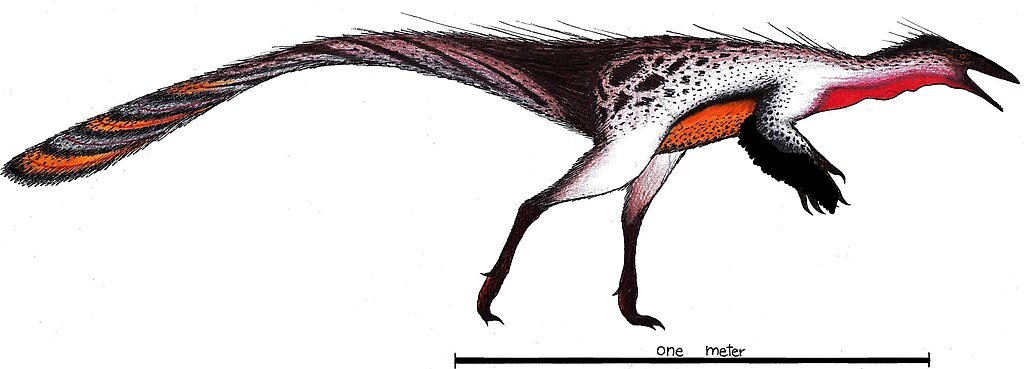
To solve this, Sellers turned to evolutionary robotics using 3D models and physics simulations to predict dinosaur movement. By analyzing muscle mechanics in living animals (ostriches, emus, and humans), his team built digital skeletons of five theropods:
- Compsognathus: 39.8 mph (64.1 km/h)
- Velociraptor: 24.1 mph (38.9 km/h)
- Dilophosaurus: 23.6 mph (38 km/h)
- Allosaurus: 21.7 mph (35 km/h)
- T. rex: 17.9 mph (28.8 km/h)
Surprisingly, Compsognathus a turkey-sized predator outran its larger cousins. “Small theropods had to be fast,” Sellers explains. “Their biggest threat? Bigger theropods. And nobody wants to have lunch.”
The T. Rex Speed Debate: Predator or Plodder?
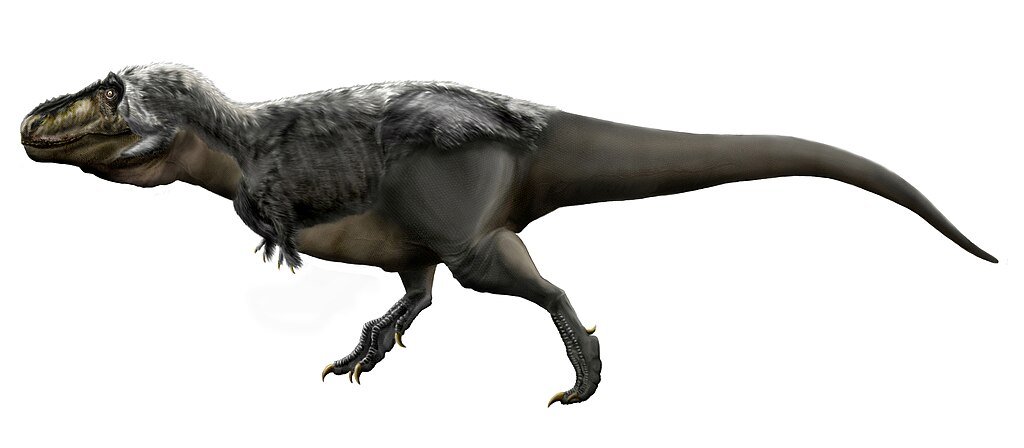
Tyrannosaurus rex wasn’t winning any races. Sellers’ models suggest it maxed out at 17.9 mph (28.8 km/h) fast enough to hunt hadrosaurs but not to chase down speedsters like Gallimimus. Other studies place T. rex between 10–25 mph (16–40 km/h), but biomechanics agree: its sheer bulk made full sprints dangerous.
“If a T. rex tripped at top speed, it would shatter bones,” says Sellers. Instead, it likely relied on ambush tactics exploding from cover in short, powerful bursts.
The Real Fastest Dinosaur? It’s Still Alive
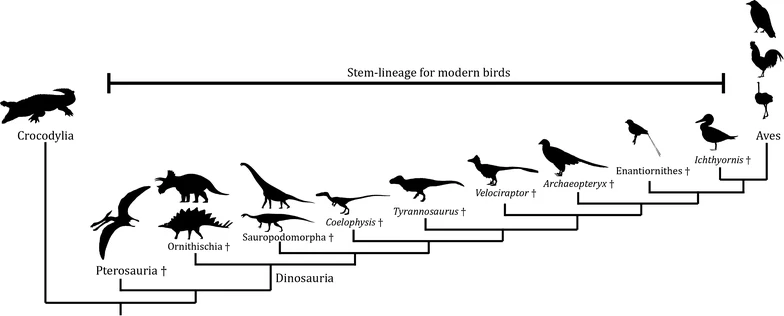
Here’s the twist: the fastest dinosaur isn’t extinct. Birds are dinosaurs, and the peregrine falcon holds the title with 200 mph (322 km/h) dives. “If you want the fastest dinosaur, look up,” says Gold. “Nothing on land or in the air beats it.”
The Unanswered Questions
Even with progress, we can never know the definitive fastest dinosaur. Soft tissues such as muscles, tendons, and cartilage hardly fossilize, so gaps remain in biomechanical models. And considering that only a few of dinosaur species have been studied, later discoveries could reinterpret the rankings.
One thing is for sure: the dinosaur age was not a plodding slog through the ages. It was an era of lightning-fast hunters, nimble plant-eaters, and experiments in velocity in evolution that demonstrated that with dinosaurs, reality is always more exciting than fantasy.
Sources: