Imagine the earth trembling as a jaw snaps shut with unimaginable power, bones crushing effortlessly beneath teeth built for destruction. The animal kingdom hides some truly jaw-dropping secrets, but none are as astonishing as the creatures with the world’s most powerful bites. These titans don’t just boast brute strength—they wield precision, resilience, and skulls forged by millions of years of evolution to withstand forces that would shatter nearly anything else. What does it take for an animal to clamp down harder than a steel trap, and how do their skulls manage the monumental pressure? Let’s unlock the mysteries of nature’s most formidable biters.
The Measurement of Bite Force: Science Behind the Numbers
Measuring bite force isn’t as simple as you might think. Scientists use specialized devices called force transducers, which are placed between an animal’s jaws to record the maximum pressure exerted. These measurements often surprise even the experts, revealing strengths that can rival industrial machinery. To fairly compare different species, researchers often standardize bite force relative to body size, creating an even playing field between giants and smaller predators. The results provide a fascinating window into the evolutionary arms race for survival. It’s not just about raw numbers; it’s about the adaptations that make these bites possible. The pursuit to measure bite force has led to remarkable discoveries, challenging our perceptions of which creatures rule the jaws of the wild.
The Saltwater Crocodile: Reigning Champion of the Crunch

When it comes to bite force, the saltwater crocodile is the undisputed king. Tests have recorded its bite at over 3,700 pounds per square inch (psi), a force strong enough to crush metal and shatter bone in an instant. These living fossils have jaws lined with conical teeth designed for gripping, not slicing, making escape nearly impossible for their prey. The crocodile’s skull acts as a natural vice, with reinforced bone structures absorbing and dispersing the immense pressure. Their powerful muscles work in tandem with this sturdy skull, creating a lethal combination that has remained largely unchanged for millions of years. Observing a saltwater crocodile feed is witnessing the raw force of evolution in action. This animal doesn’t just bite—it obliterates.
The Design of a Crocodilian Skull: Nature’s Engineering Marvel

What makes the crocodile’s skull so adept at handling such massive force? Its broad, flat shape creates a solid base, while thick ridges and buttresses reinforce key stress points around the jaws. Unlike the delicate bones of many mammals, crocodilian skulls are dense and heavily ossified, acting like a helmet for their crushing jaws. The jaw joint is uniquely positioned to maximize leverage, allowing even moderate muscle contractions to generate incredible force. This design also protects vital structures, ensuring the animal doesn’t injure itself while exerting its legendary bite. The skull’s architecture is a masterwork, balancing strength and flexibility, and is a testament to natural selection’s relentless pursuit of perfection. If you ever wondered how an animal could bite so hard without breaking its own head, the crocodilian skull holds the answer.
Hyenas: The Mammalian Maulers

While crocodiles rule the rivers, the hyena dominates the savannas with a bite force that’s legendary among mammals. The spotted hyena can exert over 1,100 psi, easily splintering bones that other predators leave behind. Their powerful jaws are matched by a robust skull with thickened bone around the jaw muscles, forming a natural shield against the stresses of bone-crushing. Hyenas use their formidable bite to access marrow, an energy-rich resource most carnivores can’t reach. This adaptation gives them a crucial survival edge in Africa’s harsh landscapes. Watching a hyena tear through a carcass is both shocking and awe-inspiring—it’s nature’s recycling team, fueled by a jaw built to break the unbreakable. Their skulls, with their domed crests and reinforced jaws, are a marvel of evolutionary design.
The Jaws of the Great White Shark: Underwater Powerhouses

Beneath the waves, the great white shark reigns supreme. With a bite force estimated at nearly 1.8 tons, these apex predators use their jaws to seize and subdue seals, turtles, and even whales. The shark’s skull is a flexible, cartilage-based structure that absorbs shock and prevents injury during high-impact bites. Rows of razor-sharp, serrated teeth cut through flesh like saws, while the jaw’s hinge allows for a wide, devastating gape. Unlike bony animals, sharks continuously replace their teeth, ensuring they’re always ready for their next meal. The combination of a powerful bite and a uniquely constructed skull makes the great white shark one of the ocean’s most formidable hunters. Few scenes are more thrilling than a shark breaching the water in pursuit of its prey.
The Mighty Jaguar: The Top Cat of Crushing

Among big cats, the jaguar stands out for its extraordinary bite force. Unlike lions and tigers, jaguars use a specialized killing technique—piercing the skulls of their prey with a single, fatal bite. Their bite force, reaching over 1,500 psi, is the strongest relative to body size among all felines. The jaguar’s skull is compact and heavily muscled, focusing immense pressure at the canine teeth. This design allows them to hunt armored prey like turtles or caimans that would be off-limits to other predators. Their remarkable jaw strength turns them into the ultimate ambush predators of the jungle. Watching a jaguar hunt is witnessing silent power, precision, and the sheer force of nature at work.
Gorillas: Gentle Giants with Surprising Strength
People often think of gorillas as peaceful plant-eaters, but their bite force tells another story. Gorillas can exert up to 1,300 psi, thanks to massive jaw muscles and a pronounced sagittal crest—an anchor for these powerful muscles atop their skull. This formidable bite isn’t just for show; it allows gorillas to chew through tough stems, bark, and fibrous plants that other primates can’t manage. The gorilla’s skull is designed to withstand these forces, with reinforced bone structures and a broad jaw for maximum leverage. Despite their gentle reputation, gorillas have the hardware for serious power. Their skulls reflect a life built around chewing, strength, and resilience.
Alligators: The American Heavyweights
Closely related to crocodiles, American alligators also possess a fearsome bite, measured at up to 2,100 psi. Their skulls are a bit shorter and broader than those of their saltwater cousins, but are equally well-fortified. The construction features thick, interlocking bones that distribute force evenly, preventing fractures even during violent feeding. Alligators rely on their crushing power to subdue turtles, fish, and even deer. Their bite is a tool for hunting and defense, and their skulls are built to take whatever nature throws at them. The alligator’s bite is a reminder that you don’t need to be the biggest to be the strongest.
Snapping Turtles: Small Package, Mighty Bite

Don’t let their slow pace or modest size fool you—snapping turtles are armed with a jaw that can deliver a shocking punch. The common snapping turtle can exert around 1,000 psi, enough to amputate fingers or crush bone. Their skulls are compact, with a hooked beak and thick jaw bones that act as natural pliers. This strength allows them to feed on everything from fish to waterfowl, making them versatile predators. The snapping turtle’s bite is a surprise to many who underestimate these armored reptiles. Their skulls are proof that even small creatures can wield incredible power.
Unlikely Contenders: Parrotfish and Their Coral-Crushing Bites
In the colorful world of coral reefs, the parrotfish is a silent powerhouse. While not the strongest in raw force, its bite is uniquely adapted for a specialized task: crushing coral. Parrotfish have beak-like jaws and fused teeth that grind away rock-hard coral, extracting the algae inside. Their skulls are reinforced to handle the constant pressure and abrasion, a remarkable adaptation for their diet. This feeding method shapes entire reef ecosystems, as parrotfish play a key role in creating sandy beaches from ground-up coral. Their bite is a reminder that strength isn’t just about power—it’s about the right tool for the job.
What Makes a Skull “Bite-Proof”?

Across the animal kingdom, skulls built for powerful bites share some key features. Reinforced bone, strategic ridges, and compact shapes all serve to absorb and distribute extreme forces. The placement of jaw muscles and the structure of the jaw joint are crucial—too much pressure in the wrong place can lead to fatal fractures. Flexibility is another secret weapon, allowing the skull to bend slightly rather than break under stress. These adaptations are the result of countless generations of evolution, each tweak making the skull stronger and more efficient. In every case, the skull is both a weapon and a shield, a living testament to nature’s ingenuity.
The Mystery of the Extinct Giants
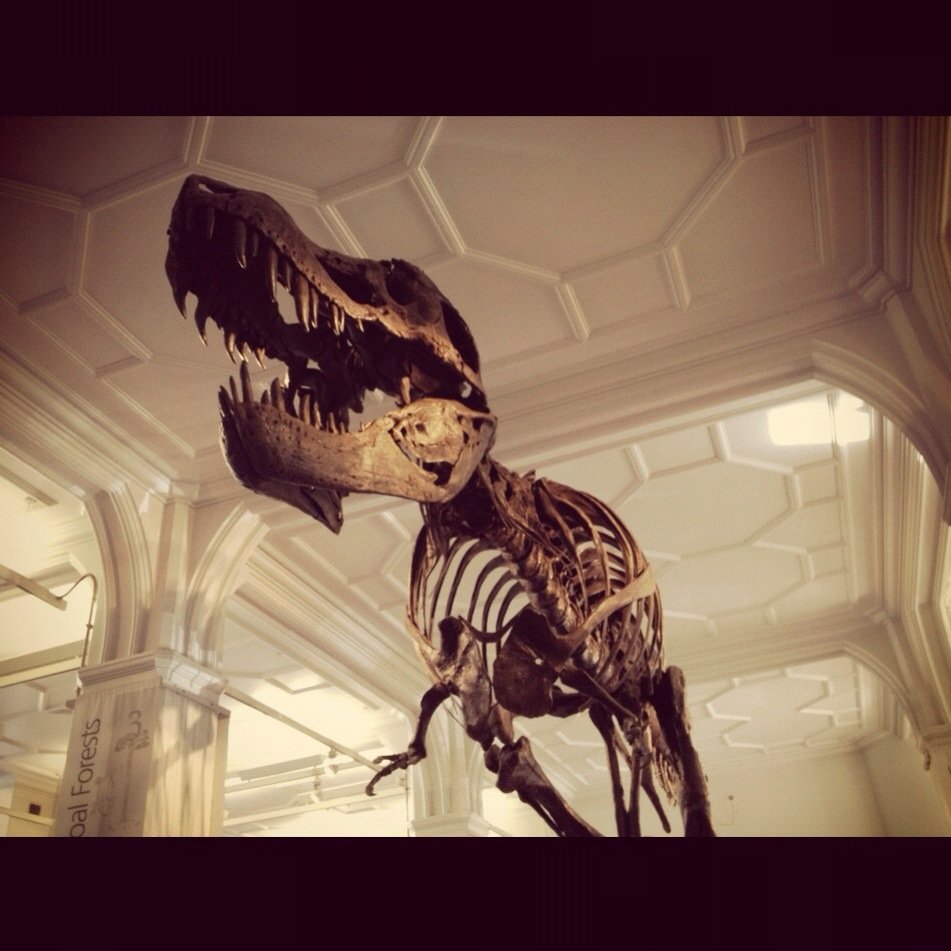
Imagine the bite force of a Tyrannosaurus rex or the prehistoric megalodon. While we can’t measure these directly, scientists use fossil evidence and modern technology to estimate their jaw strength. T. rex, for example, is believed to have had a bite force of up to 12,800 psi—strong enough to crush a car. Their massive, robust skulls were built to withstand the shock of such overwhelming power. These long-extinct giants push the limits of what we understand about bite force and skull design. Their legacy is a reminder that the animal kingdom’s most powerful bites are both a thing of the past and the present.
Skull Strength and the Future of Bite Force Research

Modern science continues to unravel the secrets of the strongest bites. By using advanced imaging, computer modeling, and even 3D printing, researchers can simulate and test bite forces without harming animals. This technology is uncovering new details about how skulls manage stress and adapt to their environments. Future discoveries may reveal surprising contenders for the title of strongest bite, or show how animals might adapt to changing habitats. The study of bite force is more than just curiosity—it’s a window into the ongoing story of evolution, survival, and the incredible power built into nature’s most formidable jaws.