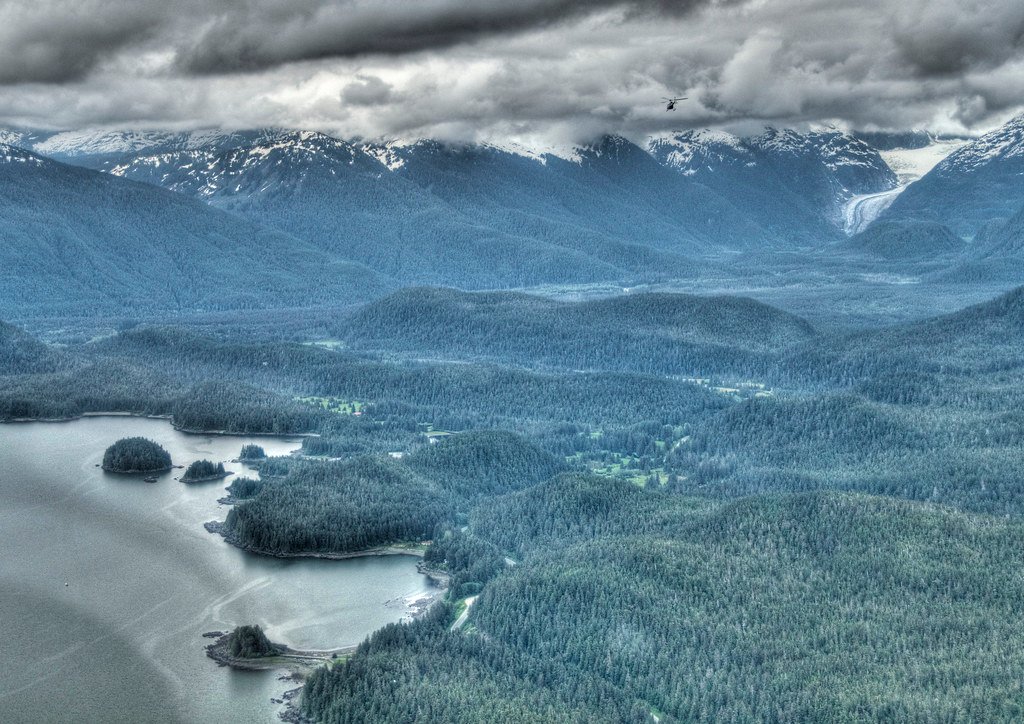

Imagine standing atop a mountain, surrounded by a frozen world sculpted over thousands of years—only to watch it melt away before your eyes. That’s not a scene from a dystopian novel, but a reality unfolding across the American landscape right now. Once-mighty glaciers that shaped valleys, fed rivers, and inspired wonder are disappearing faster than anyone could have predicted. Their retreat isn’t just a distant event in some remote wilderness; it’s a vivid symbol of change happening in our own backyard, echoing through our ecosystems, communities, and sense of place. The loss is more than ice—it’s history, culture, and life itself slipping through our fingers.
The Ancient Giants of America

American glaciers are not just blocks of frozen water; they are living records of our planet’s history. These icy giants have witnessed the rise and fall of continents, preserved ancient pollen, and even trapped atmospheric bubbles that reveal secrets of Earth’s distant past. Glaciers like those in Alaska, Montana, and Washington were once sprawling and formidable, stretching across vast distances. They carved out valleys, shaped mountain ranges, and left behind the dramatic landscapes we admire today. Many glaciers have survived for thousands of years, enduring natural cycles of warming and cooling. Now, for the first time, they face threats from a rapidly warming world, and their ancient stories are at risk of vanishing forever.
Accelerating Retreat: How Fast Are Glaciers Disappearing?

The pace at which American glaciers are shrinking is nothing short of shocking. Scientists monitoring places like Montana’s Glacier National Park have documented a dramatic loss—over half of the park’s glaciers have vanished since the late 19th century. In Alaska, the rate of ice loss has accelerated, with some glaciers retreating hundreds of feet every year. Technological advances such as satellite imagery and time-lapse photography have provided irrefutable evidence: the white giants are not just shrinking, they are collapsing at a pace that has taken even experts by surprise. What was once thought to be a slow, centuries-long process is now happening in decades, or even years.
The Ripple Effects on Freshwater Systems

America’s glaciers are the lifeblood of many river systems. As they melt, they release pure, cold water that feeds streams, rivers, and lakes across the nation. This steady supply is crucial during dry summers, when rainfall is scarce but demand for water is high. When glaciers vanish, that natural reservoir disappears, putting immense pressure on downstream communities and ecosystems. Fish species like salmon, which rely on cold, oxygen-rich water, face dire consequences as temperatures rise. Farmers, cities, and indigenous communities all depend on these water sources, and their disappearance threatens to upend entire ways of life.
Impacts on Wildlife and Biodiversity

The retreat of glaciers doesn’t just affect landscapes—it transforms entire ecosystems. Alpine meadows, forests, and wetlands downstream of glaciers rely on the steady trickle of meltwater. When that flow dwindles, plant life can wither, and animal populations must adapt or move on. Species such as mountain goats, pikas, and even grizzly bears depend on these cold, high-altitude environments. As glaciers shrink, the delicate balance of nature is disrupted, leading to a cascade of changes that ripple through the food web. Some species may vanish entirely, while others are forced to migrate, with unknown consequences for the broader ecosystem.
Glaciers and Climate: The Feedback Loop

Glaciers are not just passive victims of climate change—they play an active role in regulating our planet’s temperature. Their bright, reflective surfaces bounce sunlight back into space, helping to cool the Earth. As glaciers melt and expose darker rock and soil, more heat is absorbed, accelerating warming in a process scientists call a “feedback loop.” This vicious cycle means that losing glaciers not only signals a warming world but also speeds up the process, making it harder to slow down climate change. The loss of American glaciers is both a symptom and a cause of the warming crisis, creating an urgent need for action.
Cultural Connections and Spiritual Loss

For many indigenous communities and local residents, glaciers are more than ice—they are sacred places imbued with deep meaning. Tribes like the Tlingit and Haida in Alaska, or the Blackfeet in Montana, have lived alongside these glaciers for generations, weaving them into stories, ceremonies, and livelihoods. The melting of these glaciers is not just a physical loss but a spiritual wound, severing connections to ancestral lands and traditions. Artists, writers, and adventurers have also drawn inspiration from the grandeur of America’s glaciers, their disappearance leaving a void in our collective imagination.
Tourism and Local Economies at Risk

Glaciers attract millions of visitors every year. National parks in Alaska, Montana, and the Pacific Northwest have built their reputations on the allure of shimmering ice fields, towering seracs, and dramatic blue crevasses. As glaciers retreat, iconic vistas change, trails become less accessible, and the sense of awe that draws tourists begins to fade. Local businesses—from tour guides to lodges and restaurants—depend on glacier tourism for their survival. The loss of these natural wonders threatens not just scenic beauty but the very livelihoods of those who call these places home.
Scientific Discoveries Lost Forever

Glaciers are like time capsules, preserving traces of ancient life, atmospheric conditions, and even lost civilizations. Scientists extract ice cores to study past climates, track volcanic eruptions, and understand how our planet has changed over millennia. As glaciers melt, this precious archive is being erased before researchers can unlock all its secrets. The loss is irreversible; once the ice is gone, so too is the treasure trove of scientific knowledge it held. This vanishing record could have helped us predict future changes, but now, many answers may slip away with the melting ice.
Visual Evidence: Before and After

The visual transformation of America’s glaciers is both breathtaking and heartbreaking. Photographers and scientists have documented dramatic “before and after” images, showing once-massive glaciers reduced to thin ribbons or bare rock. A century ago, the view from Many Glacier Hotel in Montana was dominated by icy vistas; today, much of that ice has disappeared. These images tell a story more powerful than words, making the loss real and personal. They serve as a stark reminder of what’s at stake, urging us to act before the last images become mere memories.
What Can Be Done: Hope Amid Melting Ice

Despite the daunting reality, there are glimmers of hope. Communities, scientists, and activists across America are working tirelessly to slow glacier loss and adapt to the changes. Efforts to reduce carbon emissions, restore natural landscapes, and educate the public about climate change are gaining momentum. Innovative projects are testing new ways to protect glaciers, such as covering them with reflective blankets or restoring surrounding vegetation to reduce warming. While reversing the loss may be impossible, slowing it down and preserving what remains is within our reach—if we act boldly and together.
The Legacy We Leave Behind

The story of America’s vanishing glaciers is not just about ice; it’s about the kind of world we want to pass on. The choices we make today will decide whether future generations marvel at these icy giants—or only see them in faded photographs. Every glacier lost is a chapter of Earth’s story erased, a habitat gone, a culture diminished. As the last blue ice melts, we must ask ourselves: what kind of legacy do we want to leave?