Deep in the emerald shadows of Southeast Asia, a creature as ancient as the rainforests themselves quietly forages through the undergrowth. The Malayan tapir, with its striking black-and-white coat and gentle demeanor, seems almost to belong to a world of myth and dreams. Yet, this living fossil now faces a harsh modern reality: the lush corridors it depends on are vanishing at an alarming pace. As bulldozers roar and chainsaws whine, the silence left behind grows heavier, threatening not just the tapir, but the entire rainforest symphony.
The Unmistakable Icon of Asia’s Forests
The Malayan tapir stands out among rainforest creatures, not just for its unique appearance but also for its role in the ecosystem. Its piebald coloring—black in the front and back, white in the middle—serves as a clever camouflage, breaking up its outline in the moonlit jungle. Adults can weigh up to 300 kilograms and stretch nearly two meters long. Unlike its South American cousins, the Malayan tapir is the only tapir species found in Asia, making it a true emblem of the region’s biodiversity. This solitary browser quietly shapes the forest as it wanders, munching on fruits, leaves, and shoots, often dispersing seeds in its wake. Underneath its calm exterior lies a vital link to the web of life that sustains the rainforest.
Rainforest Corridors: Nature’s Highways
Rainforest corridors are narrow strips of habitat that connect larger forest patches, functioning as biological highways for wildlife. For Malayan tapirs, these corridors are essential lifelines. They allow individuals to travel safely in search of food, mates, and shelter, while helping to maintain genetic diversity across populations. Corridors also enable tapirs to escape dangers like predators or natural disasters. When these pathways are intact, tapirs can roam freely and help spread the seeds of countless plant species, enriching the forest floor. Without them, tapirs risk becoming trapped in isolated patches, cut off from the resources and connections they need to survive.
Deforestation: A Looming Threat
The relentless march of deforestation in Southeast Asia is pushing the Malayan tapir closer to the brink. Logging, agriculture, and palm oil plantations are rapidly devouring rainforest habitats. In places like Malaysia, Thailand, and Sumatra, vast stretches of forest have been cleared in just a few decades. As trees fall, the intricate corridors that connect tapir populations are severed. This fragmentation doesn’t just shrink their world; it also exposes them to dangers like poachers, road traffic, and starvation. Scientists warn that if current rates continue, Malayan tapirs could lose up to 50% of their habitat within the next generation—a staggering and heartbreaking prospect.
The Domino Effect: When Corridors Disappear

Losing rainforest corridors unleashes a cascade of problems for Malayan tapirs. Isolated populations become more vulnerable to inbreeding, which weakens their genetic health over time. Disease outbreaks can sweep through small groups with devastating speed. With fewer safe routes, tapirs are forced to cross dangerous open areas, risking deadly encounters with people or vehicles. This disruption also affects other animals, from elephants to birds, who rely on the same green passages. The disappearance of corridors threatens to unravel the delicate tapestry of life that the rainforest supports, leaving gaps that can never be truly repaired.
Tapir Behavior: Adaptation and Struggle
Malayan tapirs are creatures of habit, following well-worn trails through dense foliage. Their keen sense of smell guides them through the labyrinth of the forest, helping them avoid predators and find the ripest fruits. However, as corridors disappear, tapirs are forced to adapt. Some venture into plantations or villages, searching for food and water, which often leads to conflict with humans. Others become trapped in isolated fragments, unable to migrate or find mates. These behavioral changes can be seen as both a testament to the tapir’s resilience and a warning signal of the mounting pressures they face.
The Role of Tapirs as Forest Gardeners
Malayan tapirs perform a quiet but crucial task in their rainforest home: they are natural gardeners. As they eat fruits and wander, tapirs spread seeds across large distances, helping regenerate the forest. Some plant species even depend on tapirs to disperse their seeds, as few other animals can swallow and pass such large fruits. Without tapirs, these plants would struggle to survive, leading to a less diverse and resilient forest. This symbiotic relationship highlights how the fate of tapirs is intertwined with the fate of the rainforest itself.
Scientific Insights: Tracking and Conservation
Researchers use GPS collars and camera traps to track Malayan tapirs and study their movements. These tools reveal just how much tapirs depend on connected corridors, often traveling several kilometers each night. Data from these studies help conservationists identify the most critical habitats and prioritize areas for protection. Scientists also work with local communities to reduce conflicts and raise awareness about the tapir’s plight. Every new discovery deepens our understanding and strengthens the case for urgent action to save these remarkable animals.
Community Involvement: Guardians of the Green Veins
Local communities play a vital role in protecting rainforest corridors. Many villagers have lived alongside tapirs for generations and possess a deep knowledge of the land. Programs that involve communities in monitoring, reporting poaching, and restoring corridors have shown promising results. In some places, eco-tourism provides an incentive to preserve forests, turning tapirs into ambassadors for conservation. By working hand in hand with scientists and authorities, local people become true guardians of the green veins that keep the rainforest alive.
Restoring Hope: Reconnecting the Wild
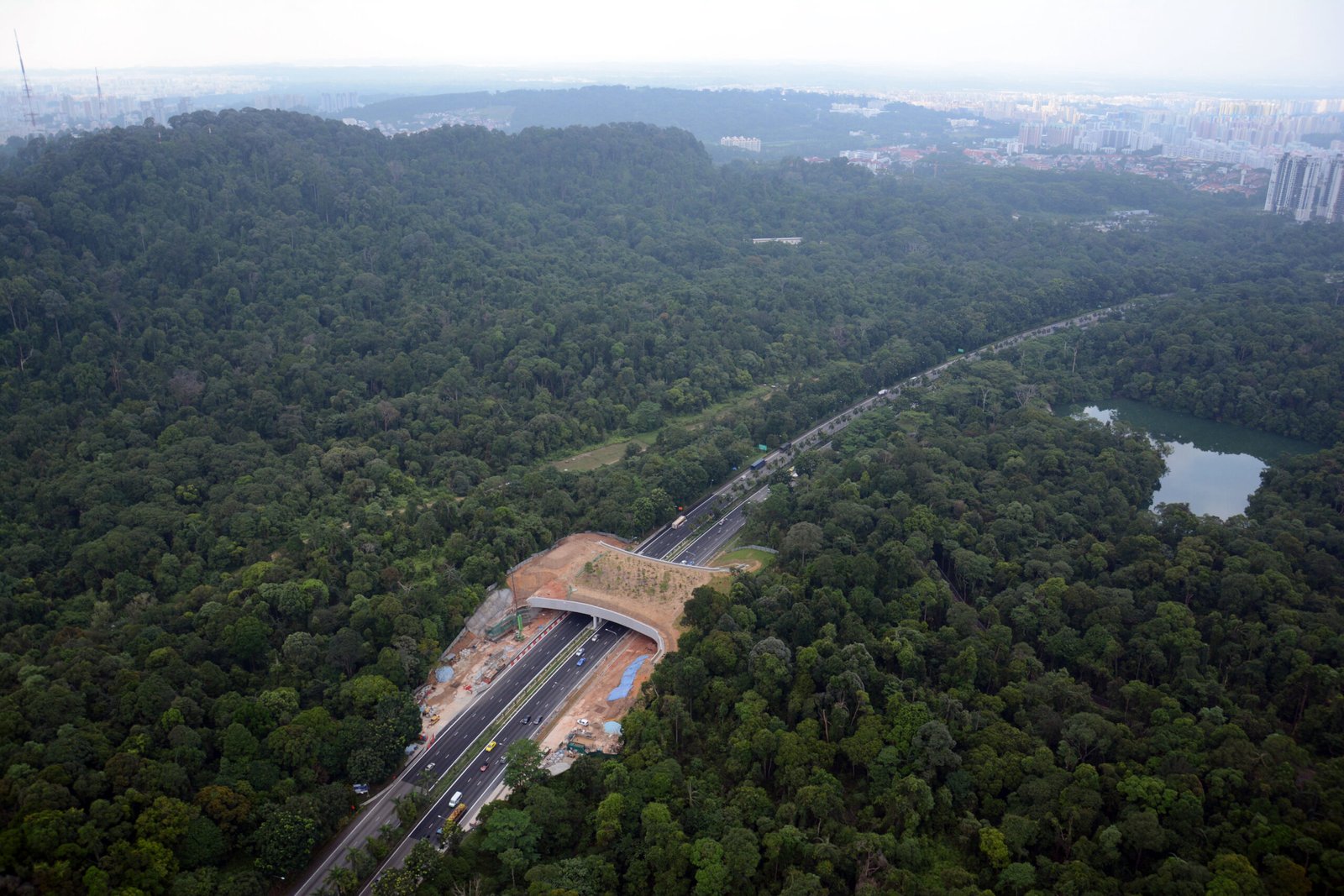
Efforts to restore rainforest corridors are gaining momentum across Southeast Asia. Conservation groups are planting native trees, removing barriers, and creating protected passageways between forest patches. In some regions, wildlife crossings are being built over roads to reduce fatal collisions. These projects take time and patience, but they offer a beacon of hope for Malayan tapirs and countless other species. Every restored corridor is a promise—a thread stitched back into the living fabric of the rainforest.
The Future of Malayan Tapirs
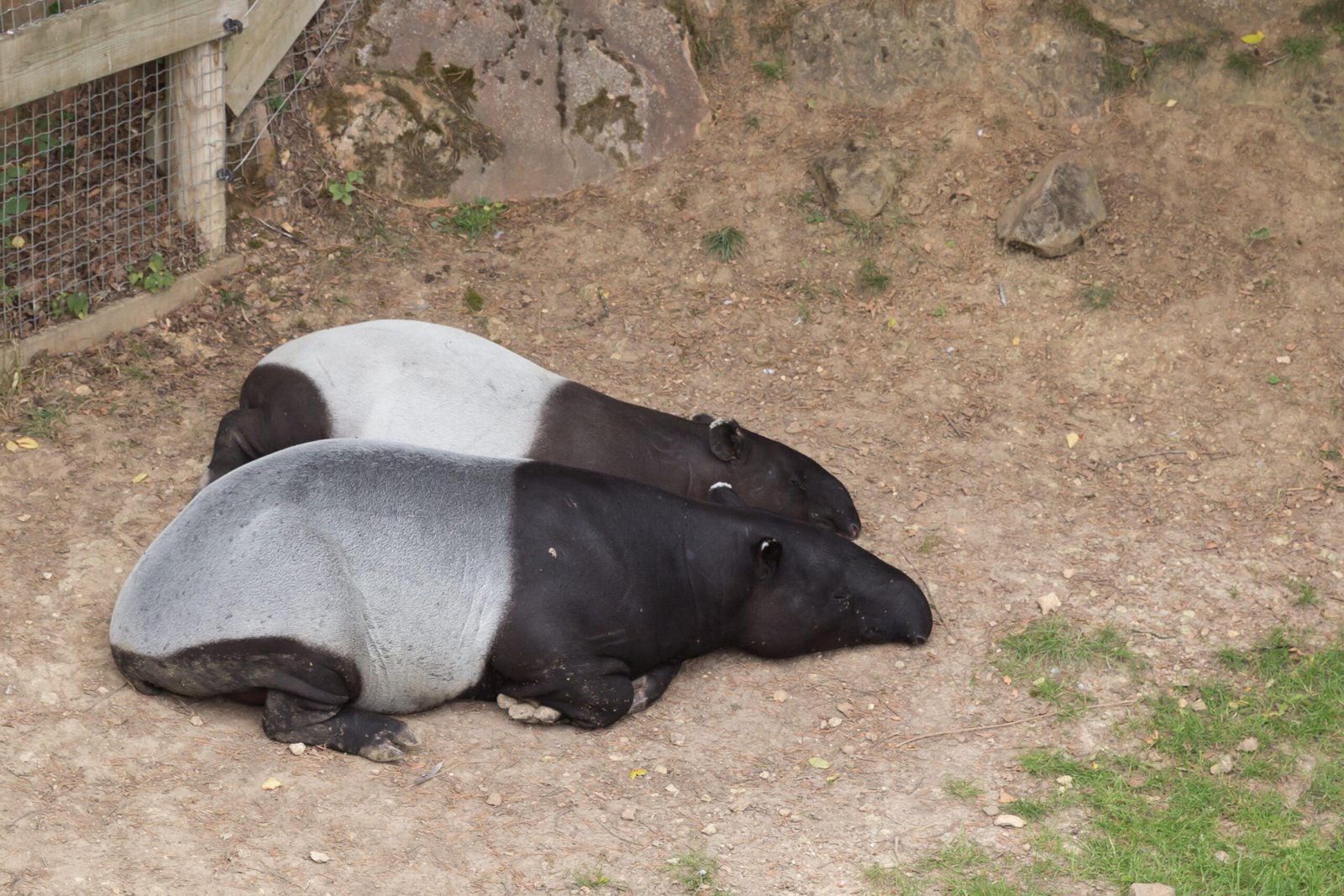
The fate of the Malayan tapir hangs in the balance. With fewer than 2,500 mature individuals left in the wild, every action counts. Protecting and reconnecting rainforest corridors is not just about saving a single species; it’s about preserving an entire ecosystem that millions depend on. Scientists, communities, and governments must act together, guided by both urgency and compassion. The story of the Malayan tapir is a call to remember that the future of the rainforest—and our own—depends on the choices we make today.