Imagine stepping into a zoo where animals don’t just survive—they thrive. Gone are the days of barren cages and concrete floors. Today, a revolution is sweeping through the world’s leading zoos, placing animal wellness at the center of every decision. The transformation is inspiring, heartwarming, and sometimes downright astonishing. From lush landscapes that mimic wild habitats to playful spaces that spark animal curiosity, these zoos are proving that compassion and science can reshape what it means to care for creatures in captivity. Let’s journey through ten remarkable zoos that are rewriting the rules, one innovative enclosure at a time.
San Diego Zoo: Crafting Naturalistic Habitats
San Diego Zoo has long been a pioneer in animal welfare, but their recent enclosure redesigns take realism to a new level. Instead of traditional fences and grids, visitors now encounter sprawling landscapes that mirror each species’ native environment. For instance, their Elephant Odyssey features expansive grasslands dotted with shade trees and mud wallows, encouraging natural behaviors like dust bathing and socializing. The zoo’s commitment to environmental enrichment means animals have choices—where to rest, what to explore, and how to interact. This approach not only reduces stress but also sparks curiosity and play. Caretakers continually observe animal responses and tweak habitats to better suit their needs. In San Diego, animals are no longer passive displays; they’re active participants in dynamic, ever-evolving worlds.
Woodland Park Zoo: Prioritizing Mental Stimulation
Woodland Park Zoo in Seattle has made animal wellness a guiding star, especially when it comes to mental health. Their new enclosures are filled with puzzles, climbing structures, and hidden treats to keep animals engaged and challenged. For example, the Trail of Vines exhibit for orangutans includes swinging ropes, platforms at varying heights, and even rotating food dispensers. These features encourage foraging, problem-solving, and physical activity, all of which are critical for intelligent species. Zookeepers also vary the daily routines and change up the environment regularly, ensuring animals never fall into boredom. The result? Healthier, more active animals and a richer, more exciting experience for visitors who witness real animal behaviors.
Singapore Zoo: Blurring the Line Between Zoo and Wild
At Singapore Zoo, the boundaries between human and animal spaces are intentionally blurred. Their open-concept enclosures use hidden moats and natural barriers instead of cages, giving animals the freedom to roam and interact with their surroundings. The Fragile Forest exhibit is a true marvel—a walk-through rainforest teeming with free-flying birds, butterflies, and tree-dwelling mammals. This design immerses both animals and visitors in a shared environment, fostering empathy and respect. Scientists at the zoo continually study animal behavior within these habitats, using data to further refine the spaces. The goal is to minimize stress and maximize natural expression, transforming the zoo experience into something wondrously wild.
Bronx Zoo: Supporting Social Structures
The Bronx Zoo in New York has focused its redesign efforts on supporting complex animal social structures. Many species, from gorillas to African wild dogs, rely on intricate group dynamics for their well-being. The zoo’s new Congo Gorilla Forest, for instance, features multiple gathering spots, privacy zones, and varied terrains that allow family groups to interact, play, or retreat as needed. By mimicking the social opportunities found in the wild, the Bronx Zoo helps animals form meaningful bonds and reduces incidents of aggression or anxiety. Visitors can observe these interactions up close, gaining a deeper understanding of the emotional lives of animals. The emphasis on social health sets a new standard for zoos everywhere.
Chester Zoo: Championing Conservation Through Design

Chester Zoo in the UK is renowned for its innovative approach to conservation, and enclosure design is a key part of their strategy. Each habitat is meticulously crafted to replicate the wild, down to the smallest detail. Their Islands Project, for example, recreates the ecosystems of Southeast Asia, complete with waterways, bamboo groves, and raised boardwalks for visitors. This not only benefits the resident animals but also educates guests about endangered habitats and the urgent need for protection. Enrichment devices and rotating features keep animals stimulated, while sustainable materials and green technology support the zoo’s eco-friendly mission. Every enclosure tells a story—of survival, adaptation, and hope for the future.
Taronga Zoo: Integrating Technology for Wellness

Taronga Zoo in Sydney is blending tradition with technology to create smarter, healthier environments for its animals. In their new chimpanzee habitat, hidden cameras and sensors track movement, play, and social behavior around the clock. Data from these systems help zookeepers make informed decisions about enrichment, group composition, and even diet. Touch-screen panels allow elephants and primates to engage in cognitive games, further stimulating their minds. The zoo’s commitment to science means every enclosure is a living experiment—constantly monitored, tweaked, and improved based on real animal feedback. This marriage of high-tech and high-touch care is setting the stage for the next generation of zoos.
Berlin Zoo: Bringing the Seasons Indoors
Berlin Zoo is tackling a unique challenge: how to provide seasonal changes for animals in a city environment. Their new polar bear and penguin enclosures feature advanced climate systems that simulate winter snow, summer sun, and even autumn breezes. These shifts in temperature, light, and humidity encourage natural cycles like molting, breeding, and hibernation. Animals can bask in the warmth or retreat to cool hideaways, just like in the wild. By respecting the rhythms of nature, Berlin Zoo helps animals stay healthy and content year-round. Visitors, too, are treated to a sensory journey through the seasons, deepening their connection to the natural world.
Omaha’s Henry Doorly Zoo: Underwater Worlds Reimagined
Omaha’s Henry Doorly Zoo is renowned for its spectacular aquarium and aquatic enclosures. Their redesigned habitats go far beyond simple tanks, offering multi-layered environments with currents, live plants, and interactive elements. The Suzanne and Walter Scott Aquarium features twisting coral reefs, kelp forests, and wave machines that mimic the ocean’s movement. Sea turtles, sharks, and fish can swim, hide, and hunt just as they would in the wild. For amphibians and reptiles, temperature gradients and misting systems recreate rainforest or desert conditions. Every detail is calibrated to maximize comfort and encourage natural behavior, giving aquatic life a true home away from home.
Melbourne Zoo: Focusing on Freedom and Choice
Melbourne Zoo in Australia believes that freedom and choice are essential for animal happiness. Their innovative enclosures allow animals to choose where to eat, sleep, or socialize. For instance, their new lion habitat features multiple viewing platforms, shaded retreats, and even heated rocks for chilly days. Keepers provide a variety of toys, scents, and challenges, rotating them to keep things fresh. Animals can decide how much to engage or retreat, reducing stress and encouraging confidence. This philosophy extends to all species, from meerkats to elephants, and results in more relaxed, curious, and expressive animals. The focus on autonomy is a powerful shift in zoo culture.
Zoo Zürich: Designing for the Senses
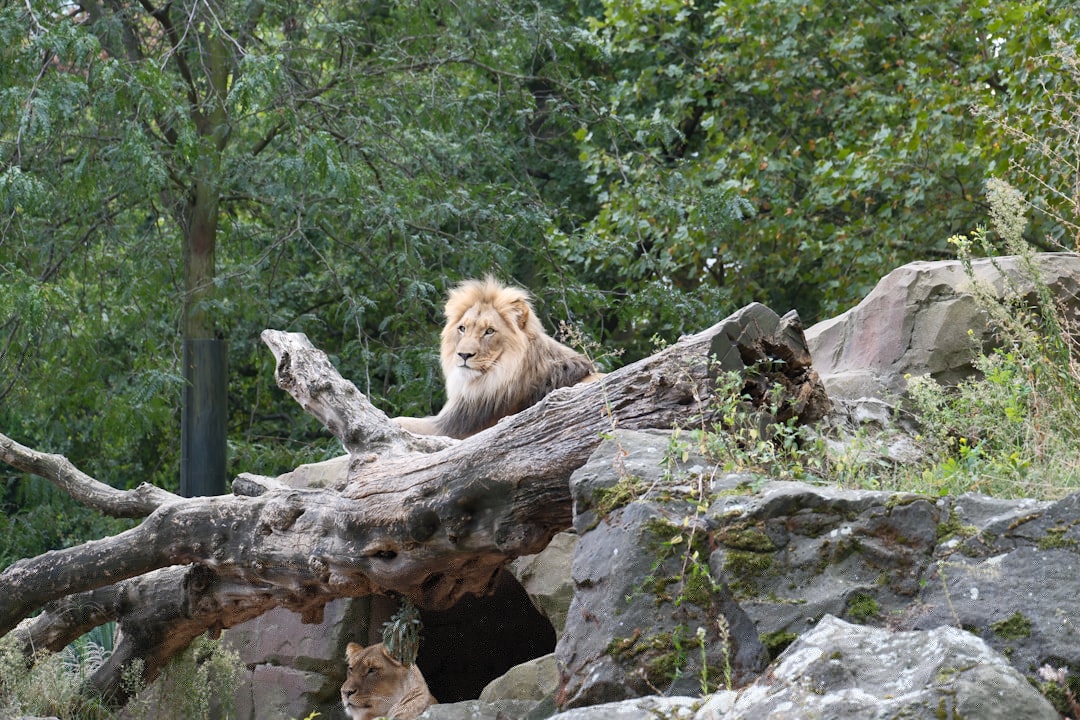
Zoo Zürich in Switzerland has adopted a sensory-driven approach to enclosure design. Every habitat is crafted to stimulate sight, smell, sound, and touch, reflecting the complexity of the natural world. For example, their Masoala Rainforest Hall is filled with aromatic plants, flowing water, and a chorus of animal calls. Lemurs, birds, and insects roam freely, using all their senses to navigate and explore. The zoo regularly introduces new scents, textures, and sounds to keep animals mentally agile and emotionally fulfilled. This commitment to sensory enrichment not only benefits animal health but also makes every visit a multi-sensory adventure for guests.
Toronto Zoo: Connecting Animals and People
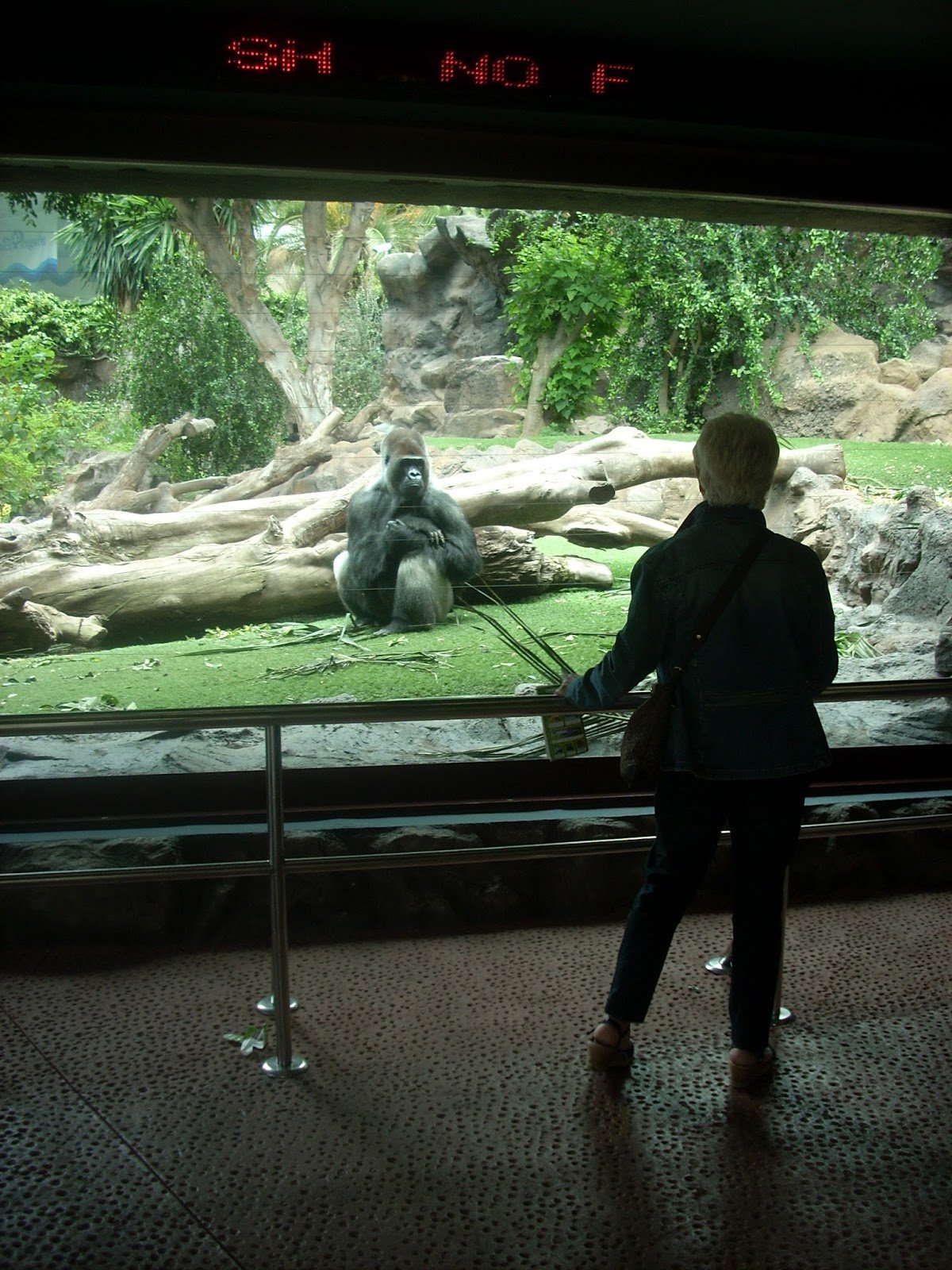
Toronto Zoo is redefining what it means to connect people and animals. Their redesigned enclosures feature glass tunnels, walkways, and viewing domes that bring visitors face-to-face with wildlife—without barriers that cause stress or fear. The new panda habitat, for instance, includes bamboo groves, climbing structures, and quiet nooks, all visible from immersive viewing areas. Educational signs explain the reasoning behind each design choice, sparking curiosity and empathy. This transparent approach invites guests to see animals as individuals with unique needs, not just spectacles. By fostering understanding and respect, Toronto Zoo is building a new kind of relationship between humans and the wild.